
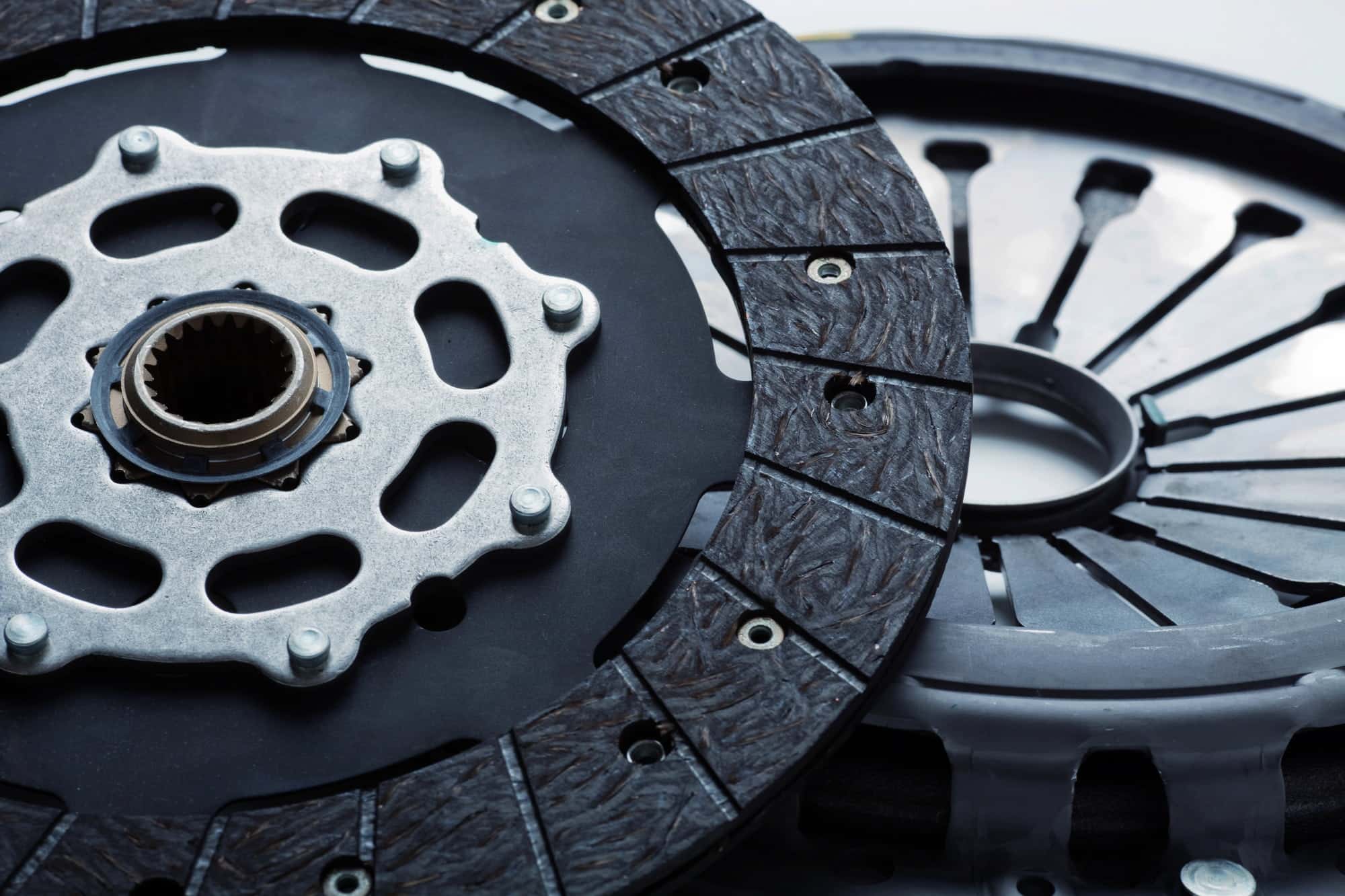
Volkswagen Clutch Repair & Replacement at DART Auto
Volkswagen manual transmissions and dual-clutch DSG gearboxes demand more than generic clutch work. From the dual-mass flywheels on MQB-platform GTIs to the mechatronic-controlled clutch packs in DSG transmissions, Volkswagen engineering requires technicians who understand both the mechanical components and the software calibration that ties them together. A shop unfamiliar with VW-specific procedures may overlook critical steps like flywheel resurfacing limits on TSI engines or proper clutch adaptation procedures after installation, leaving you with premature failure or drivability issues.
DART Auto has specialized in European vehicles since 2000, and our master technicians bring dealer-level training and factory diagnostic tools to every Volkswagen clutch job. We follow OEM torque specifications, use VCDS and VAS diagnostic equipment to perform clutch adaptation on DSG-equipped models, and source OEM or premium aftermarket clutch kits from suppliers like LuK and Sachs that meet or exceed factory standards. Whether you're driving a Mk7 Golf R with a six-speed manual or a B8 Passat with the DQ250 DSG, we handle the complete repair – from diagnosing slipping clutches and pressure plate failure to addressing hydraulic system leaks and dual-mass flywheel wear.
When you bring your Volkswagen to DART Auto for clutch repair or replacement, you can expect:
- Complete diagnostic assessment using factory-level scan tools to identify clutch wear, hydraulic faults, and adaptation values before recommending parts
- OEM-specification parts and procedures including proper flywheel inspection, pilot bearing replacement, and transmission input shaft cleaning
- DSG clutch adaptation and software calibration performed with VCDS to ensure smooth engagement and proper shift quality after installation
- 3-year/36,000-mile warranty on parts and labor, backed by salaried technicians who prioritize doing the job right the first time
Common Clutch Repair & Replacement Issues on Volkswagen Vehicles
Volkswagen manual transmissions demand specialist attention because of platform-specific hydraulics, dual-mass flywheel integration, and software-controlled clutch engagement points that don't exist on most other brands. The clutch assembly itself isn't just a friction disc – it's part of a precisely calibrated drivetrain system that includes engine management, throttle mapping, and in many cases, electronic clutch position sensors. When something fails, diagnosis requires factory scan tools capable of reading clutch adaptation values and flywheel torque data, not generic code readers.
- Dual-mass flywheel failure on MQB-platform models (2015–present Golf, GTI, Jetta, Tiguan): The factory dual-mass flywheel dampens torsional vibration, but its internal springs fatigue around 80,000–120,000 miles. Symptoms include rattling at idle in neutral, shuddering during engagement, and a metallic clatter when releasing the clutch pedal. This is a wear item Volkswagen considers normal service, but ignoring it damages the clutch disc and pressure plate.
- Hydraulic release bearing failure on 02M and 02Q transmissions (2005–2014 Jetta, Passat, GTI): Volkswagen's concentric slave cylinder lives inside the bellhousing and fails without warning – typically presenting as a clutch pedal that drops to the floor with no resistance. Fluid leaks into the transmission housing, contaminating the clutch disc and requiring full replacement of the friction assembly.
- Clutch judder and slipping on TSI engines with 6-speed manual (2008–2015 GTI, Golf, Jetta 2.0T): The EA888 Gen1 and Gen2 engines produce high torque at low RPM, accelerating clutch wear when paired with the stock organic disc. Aftermarket performance tunes exacerbate slippage, especially in third and fourth gear under load. The pressure plate loses clamping force unevenly, creating engagement chatter.
- Clutch pedal return spring breakage on Mk4 and Mk5 platforms (1999–2010 Golf, Jetta, New Beetle): The over-center spring that assists pedal return fatigues and snaps, leaving the pedal on the floor. Drivers often mistake this for hydraulic failure, but the actual clutch still functions – it's purely a mechanical linkage issue that prevents normal pedal operation.
- Premature disc wear on TDI models with DSG-to-manual swaps: Enthusiasts converting automatic TDI models to manual often reuse mismatched flywheel and pressure plate combinations, leading to rapid disc glazing and slippage within 10,000 miles. Proper clutch kits must match the engine's torque curve and flywheel step.
- Clutch delay valve clogging on 2006–2010 models: Volkswagen installed a restrictor valve in the hydraulic line to soften engagement, but it traps debris and causes spongy pedal feel, inconsistent bite points, and delayed disengagement that grinds gears during shifts.
Why Choose DART Auto for Volkswagen Clutch Repair & Replacement
Volkswagen clutch systems differ dramatically across platforms, and generic shops often misdiagnose flywheel chatter as a bad clutch or skip the dual-mass flywheel inspection on MQB-platform vehicles. DART Auto's technicians hold factory-level diagnostic credentials and use ODIS software – the same tooling VW dealerships rely on – to pull adaptation values, monitor clutch engagement points, and verify whether your slipping clutch stems from a worn friction disc, a failing pressure plate, or a hydraulic master-cylinder leak common on 2015+ Golf and Jetta models.
We stock OEM and LuK clutch kits sized correctly for each engine-transmission pairing, whether you're driving a 2.0T TSI paired to an 02Q six-speed or a TDI with the 02M. Our salaried master technicians take the time to inspect every component during disassembly:
- Dual-mass flywheel free-play – measured with a dial indicator, not guessed by hand
- Slave-cylinder bore wear – hydraulic clutches on Mk6 and Mk7 platforms fail internally without external leaks
- Rear main seal condition – oil contamination ruins new clutches within weeks
- Transmission input-shaft spline condition – corrosion and wear cause chatter that no clutch replacement will fix
Because our technicians earn salaries rather than flat-rate commissions, they have no incentive to rush the flywheel surface inspection or skip the clutch-pedal free-play adjustment. Every clutch job receives a three-year, 36,000-mile warranty on parts and labor, and we road-test each vehicle to confirm smooth engagement before you pick up your keys.
Symptoms – How to Know You Need This Service
Volkswagen clutch problems present themselves in distinct ways depending on whether you have a manual transmission or a DSG dual-clutch gearbox. You may notice:
- Slipping under acceleration – engine RPM climbs without corresponding speed increase, especially in higher gears or under load; often the first sign of worn friction material on manual or DSG clutches
- Difficulty shifting or grinding into gear – clutch not fully disengaging, caused by hydraulic system failure, worn pressure plate fingers, or improper clutch adaptation on DSG models
- Burning smell during driving – acrid odor from overheated clutch material, particularly after stop-and-go traffic or hill starts; indicates immediate attention needed
- Shuddering or vibration during engagement – dual-mass flywheel wear on TSI and TDI engines, or contaminated clutch disc from rear main seal or transmission input shaft seal leaks
- High or spongy clutch pedal – air in hydraulic system, failing master or slave cylinder, or stretched clutch cable on older models
- DSG-specific warning lights – transmission malfunction lamp, gear display flashing, or "clutch overheating" messages on instrument cluster
- Jerky or delayed DSG shifts – mechatronic unit issues or worn clutch packs requiring adaptation reset after replacement
- Rattling noise at idle in neutral – dual-mass flywheel failure, common on 2008–2014 TSI and TDI engines with higher mileage
If you experience burning smells, complete loss of power transfer, or persistent warning lights, stop driving and arrange for towing to prevent transmission or flywheel damage.
Which Volkswagen Models We See for Clutch Repair & Replacement
DART Auto services clutch systems across Volkswagen's lineup, with particular expertise in the platforms and powertrains that dominate Denver roads. We regularly perform clutch work on:
- Golf / GTI / Golf R (Mk5–Mk8, 2006–present) – manual six-speed and DQ250/DQ381 DSG variants; Mk7/Mk7.5 GTI and Golf R with IS38 turbo see heavy clutch wear from performance driving
- Jetta / GLI (Mk5–Mk7, 2005–present) – both manual and DSG; dual-mass flywheel replacement common on 2.0T TSI and 1.8T engines
- Passat (B6/B7/B8, 2006–2022) – DQ250 six-speed DSG and manual transmissions; mechatronic issues on earlier B6 models require concurrent attention
- Tiguan (5N/AD1, 2009–present) – primarily DSG-equipped; first-generation 2.0T TSI models experience dual-mass flywheel wear around 80,000–100,000 miles
- Beetle / Beetle Turbo (2012–2019) – manual and DSG; shares MQB platform clutch components with Golf family
- CC (2009–2017) – DQ250 DSG and manual; similar to B6/B7 Passat clutch systems
- Eos / Rabbit (2006–2016) – PQ35/PQ46 platform manual transmissions
- Atlas (2018–present) – while primarily automatic, we service the rare manual-equipped variants
We focus on 2005-and-newer Volkswagen models where our factory diagnostic tools and OEM repair procedures deliver the most value. For heavily modified or track-focused builds requiring upgraded clutch capacity beyond OEM specifications, we collaborate with performance specialists to ensure proper parts selection and installation.
Causes & Risks – What Happens if Ignored
Clutch wear accelerates under city driving, frequent hill starts, and aggressive launches – all common in Denver's stop-and-go traffic and mountain access routes. Volkswagen's dual-mass flywheels are designed for smooth European highway cruising, not the thermal cycling of short urban trips followed by sustained grades. High-torque TSI and TDI engines also stress the friction material more than naturally aspirated designs. When the hydraulic release bearing begins seeping fluid, contamination spreads across the clutch disc within weeks, turning a bearing replacement into a full clutch job.
Delaying repair once symptoms appear creates a cascade of secondary damage:
- Slipping clutch overheats the flywheel: Continued driving with a slipping disc generates enough heat to warp the dual-mass flywheel's friction surface and crack its internal damper springs, adding $600–$900 in parts to the repair.
- Hydraulic fluid contamination ruins the friction disc: Once the concentric slave cylinder leaks, the organic clutch material absorbs brake fluid and loses all grip within 50–200 miles, leaving you stranded and requiring towing.
- Worn pressure plate fingers score the release bearing: Uneven finger wear gouges the bearing surface, causing noise, vibration, and eventual bearing disintegration that showers metal debris into the bellhousing.
- Broken flywheel springs damage the transmission input shaft: Catastrophic dual-mass flywheel failure releases hardened steel springs that can chip input shaft splines, crack the bellhousing, or jam between the clutch and pressure plate, requiring transmission removal and potential case repair.
- Delayed engagement wears synchronizers: A clutch that doesn't fully disengage forces synchro rings to drag against spinning gears during every shift, wearing brass cones and leading to grinding, especially into second and third gear.
Safety Impact – Why Clutch Repair & Replacement Matters
A failing clutch doesn't just inconvenience – it creates genuine hazards. When the hydraulic release bearing ruptures on a highway merge, you lose the ability to disengage the drivetrain, forcing you to either stall the engine or grind gears violently to keep moving. Slipping clutches eliminate your ability to accelerate out of dangerous situations, and juddering engagement during low-speed maneuvering (parking lots, intersections) makes it nearly impossible to modulate speed smoothly. Volkswagen's electronic stability control and traction management systems assume predictable torque delivery; a slipping or grabbing clutch confuses these inputs and can trigger unexpected intervention or fail to engage when needed.
Symptoms that require immediate attention:
- Clutch pedal stays on the floor: Stop driving – you've lost hydraulic pressure or the release mechanism has failed, and forcing shifts will destroy synchronizers.
- Burning smell with slipping under load: The friction material is overheating and will fail completely within miles, potentially stranding you in traffic or on a grade.
- Grinding or metallic rattling from the bellhousing: Internal components are disintegrating – continued operation risks transmission case damage and roadside breakdown.
Schedule service soon if you notice:
- Engagement point has moved significantly higher or lower over recent weeks.
- Pedal feel is spongy, inconsistent, or requires unusual effort.
- Shuddering or chatter during smooth engagement from a stop.
How Volkswagen Clutch Repair & Replacement Actually Works
Volkswagen manual transmissions use a hydraulic actuation system where pressing the pedal moves fluid through a master cylinder to a concentric slave cylinder (release bearing) that lives inside the bellhousing, pressed against the pressure plate's diaphragm fingers. Unlike older cable or external slave designs, this integrated bearing rotates with the transmission input shaft and can't be serviced without dropping the transmission. The clutch disc sits between the engine's dual-mass flywheel and the pressure plate; when clamped together, friction transfers engine torque to the transmission. Releasing pressure allows the disc to spin freely, disconnecting power so you can shift gears.
Volkswagen-specific design elements that affect service:
- Dual-mass flywheel with internal dampers: Absorbs crankshaft pulses and smooths power delivery, but adds mass, cost, and a wear item that must be inspected (and often replaced) during every clutch job.
- Concentric hydraulic release bearing: Combines the throwout bearing and slave cylinder into one sealed unit inside the transmission, eliminating external linkage but requiring complete transmission removal for replacement.
- Clutch adaptation values stored in the ECU: The engine control module learns clutch engagement points and adjusts throttle response accordingly. After replacement, these values must be reset using factory VCDS or VAS diagnostic software – skipping this step causes rough engagement and stalling.
- Torque-to-yield pressure plate bolts: Flywheel and pressure plate fasteners are single-use and must be replaced with OEM hardware torqued in a star pattern to exact specifications; reusing old bolts risks uneven clamping and premature failure.
- Transmission
How We Diagnose Clutch Repair & Replacement Issues on Volkswagen
Volkswagen clutches fail differently depending on platform and model generation. The MQB-platform cars (2015-newer Golf, Jetta, Tiguan) share a dual-mass flywheel design prone to specific failure modes that differ from older PQ35 and PQ46 chassis. We start every diagnosis by understanding what you're experiencing – slipping under load, chatter on engagement, pedal feel changes, or difficulty shifting – then confirm the root cause with factory-level tooling.
- Road test and symptom verification. We replicate the concern under controlled conditions: clutch slip under acceleration, engagement point drift, pedal travel irregularities, or grinding on shifts. This tells us whether the issue is friction material, hydraulic actuation, or flywheel-related.
- VCDS or factory scan tool interrogation. We pull adaptation values, clutch position sensor data, and any stored faults in the transmission control module. On DSG-equipped cars we also check mechatronic faults that can mimic clutch symptoms.
- Visual and mechanical inspection. We drop the transmission for direct inspection of the clutch disc, pressure plate, release bearing, and flywheel surface. On dual-mass flywheels we check for excessive rotational play – a telltale sign of internal spring failure common on 2008-2014 TSI engines.
- Hydraulic system evaluation. We pressure-test the master and slave cylinders, check for fluid contamination, and verify pedal free-play meets Volkswagen specs. Leaking slave cylinders are common on Mk6 and Mk7 platforms.
- Flywheel and crankshaft runout measurement. We use dial indicators to verify surfaces are within tolerance before recommending resurfacing or replacement.
Once we've pinpointed the failure mode, we walk you through what failed, why it failed, and the repair scope needed to restore proper function. You'll receive a detailed quote covering parts, labor, and our 3-year/36,000-mile warranty before any work begins.
Clutch Repair & Replacement on Volkswagen: Repair vs. Replacement
The repair-versus-replace decision hinges on what's actually worn and whether adjacent components can survive reuse. Volkswagen clutches are modular assemblies where individual parts wear at different rates.
When Repair Makes Sense
- Hydraulic component failure with a healthy friction assembly. If the slave cylinder has failed but the clutch disc still has 60-percent material remaining and the flywheel surface is smooth, we replace only the hydraulic parts.
- Adjustment or bleeding. On cable-actuated clutches (older Mk4 and Mk5 models) we can often restore proper engagement with cable adjustment and pedal mechanism lubrication.
- Flywheel resurfacing. If the dual-mass flywheel shows minor heat spots but no internal play, resurfacing can extend its life when paired with a new clutch disc and pressure plate.
When Full Replacement Is the Right Call
- Clutch disc below service limit. Once friction material is worn to the rivets or contaminated with oil, the disc must be replaced. At that point we also replace the pressure plate and release bearing as an assembly.
- Dual-mass flywheel failure. Excessive rotational play or rattling indicates internal spring collapse. This is common on 2008-2014 TSI and TDI engines. We replace the flywheel, clutch kit, and rear main seal as a complete job to avoid a second transmission drop.
- Contamination from a leaking rear main seal. Oil-soaked friction material cannot be cleaned. We address the seal leak and replace the entire clutch assembly.
We explain the trade-offs clearly: partial repairs save money up front but may require another visit if adjacent wear surfaces fail soon after. Full replacement costs more now but delivers long-term reliability. The choice is yours; we provide the information to make it confidently.
How to Make Your Volkswagen Clutch Repair & Replacement Last Longer
Clutch life on Volkswagen manual transmissions varies widely based on driving style and maintenance discipline. TSI and TDI engines produce substantial torque at low RPM, which accelerates wear if you're aggressive with engagement. A few habit changes can double clutch lifespan.
Driving Habits That Extend Clutch Life
- Avoid riding the clutch pedal. Resting your foot on the pedal – even lightly – keeps the release bearing under load and causes premature wear. Keep your foot off the pedal unless shifting.
- Don't slip the clutch to hold on hills. Use the handbrake or footbrake instead. Slipping generates heat that glazes the friction material and accelerates dual-mass flywheel wear.
- Shift smoothly and match engine speed. Abrupt engagement under high torque loads the pressure plate springs and flywheel dampers unevenly, shortening their service life.
- Warm up before hard driving. Cold transmission fluid increases drag on the clutch disc. Let the car reach operating temperature before aggressive acceleration.
Maintenance You Can Monitor
- Check clutch pedal feel regularly. Changes in engagement point, pedal effort, or sponginess signal hydraulic or mechanical wear developing.
- Listen for new noises. Rattling at idle (dual-mass flywheel), squealing on engagement (release bearing), or grinding during shifts (pilot bearing or input shaft) all warrant immediate inspection.
- Follow Volkswagen's transmission fluid service intervals. Contaminated fluid accelerates input shaft bearing wear, which damages the clutch pilot bearing.
What to Leave to the Professionals
Clutch replacement requires transmission removal, specialized alignment tools, and torque-to-yield flywheel bolts with precise torque specs. Attempting this without factory tooling risks misalignment, premature failure, or damage to the dual-mass flywheel. Let our master technicians – all with dealer-level training and at least 10 years of experience – handle the work. We use OEM or premium aftermarket parts, follow Volkswagen repair procedures exactly, and back everything with our 3-year/36,000-mile warranty.
What to Expect When You Bring Your Volkswagen In
Schedule your appointment online or by phone; we'll ask about symptoms – slipping under load, high engagement point, grinding into first gear – so our technicians can prioritize the right diagnostic steps. When you arrive, remove valuables and personal items; we'll note your fuel level and mileage, then perform a complete visual inspection and scan for stored fault codes.
- Initial diagnostic phase: We road-test your Volkswagen to replicate the symptoms, then lift the vehicle to inspect clutch-pedal travel, hydraulic-line condition, and transmission-mount wear. Using VCDS or ODIS, we pull clutch adaptation counters and compare them against factory specifications for your platform.
- Written estimate and approval: You'll receive a detailed breakdown covering the clutch kit, flywheel resurfacing or replacement if needed, hydraulic components, and any ancillary seals or mounts. We explain why each part matters and what happens if you defer the work.
- Repair execution: Once approved, we drop the transmission, inspect every wear surface, and replace components according to OEM torque specifications. Flywheel bolts receive thread-locker; pilot bearings are greased with high-temp lubricant; splines are cleaned and lightly coated to prevent corrosion.
- Post-repair verification: We bleed the hydraulic system, adjust pedal free-play, clear adaptation values, and road-test through multiple heat cycles to confirm smooth engagement in all gears.
Loaner vehicles and shuttle service are available during the repair window – ask when you schedule. At pickup, your technician will walk you through the work performed, show you the old parts, and explain the break-in procedure for your new clutch. If you notice any abnormal engagement or noise within the warranty period, bring the car back immediately; we'll diagnose and resolve the issue at no charge.
Our Volkswagen Services
- Air Conditioning AC Repair
- Battery Repair Replacement
- Brake Repair & Brake Fluid Change
- Check Engine Light Diagnostics
- Coolant Leak Repair
- Cooling System Repair
- Drive Shaft Repair
- Engine Repair
- Exhaust & Catalytic Converter Repair
- Head Gasket Repair & Replacement
- Oil Change
- Oil Leak Repair
- Scheduled Service Maintenance
- Steering Repair
- Suspension Repair
- Cambelt Timing Belt Replacement
- Transmission Repair
- Tune Up
- Wheel Alignment