
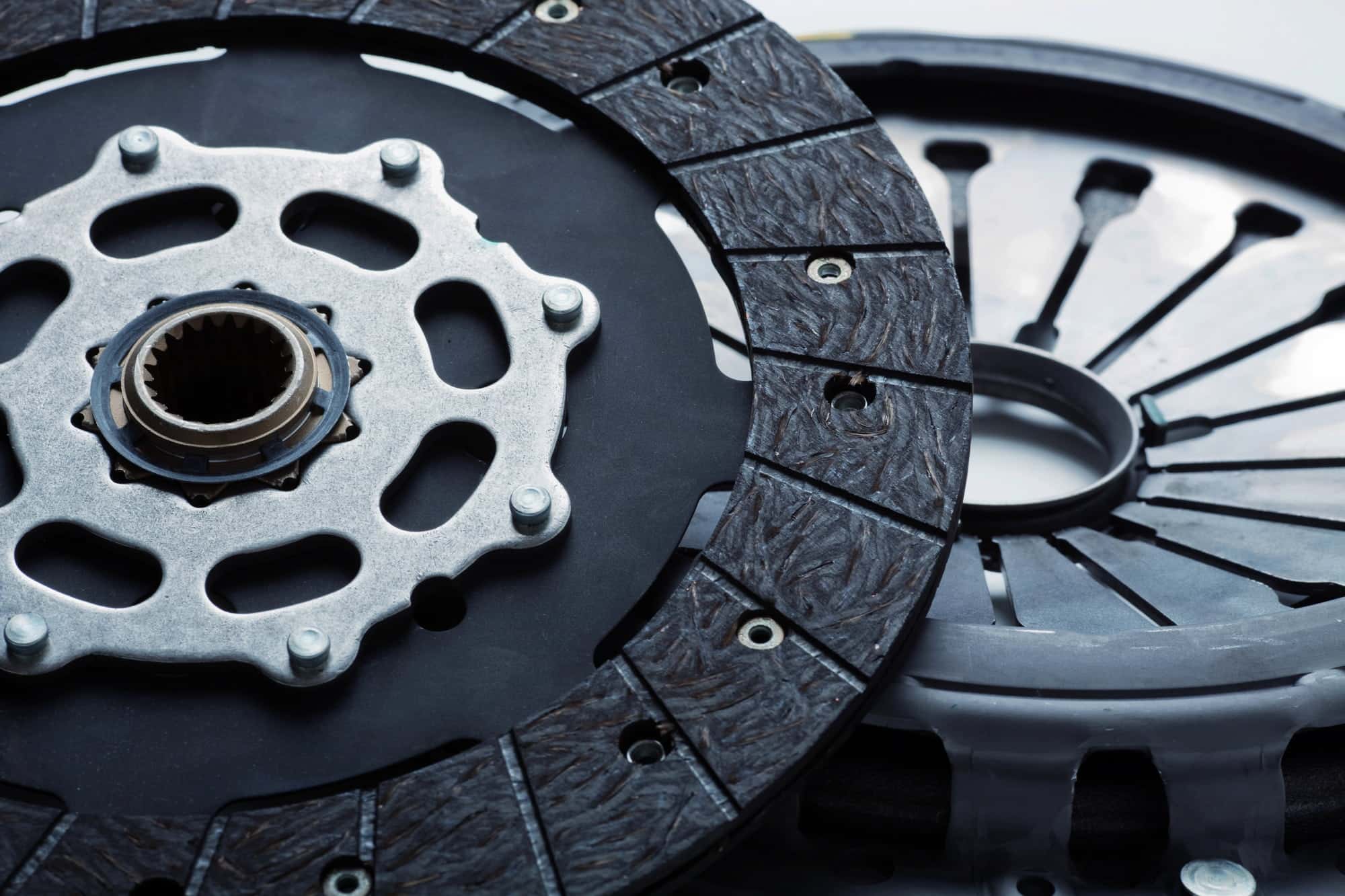
Rolls-Royce Clutch Repair & Replacement at DART Auto
Getting clutch work wrong on a Rolls-Royce means more than inconvenience. The cost of misdiagnosis, improper installation, or using incorrect components can exceed the original repair by thousands of dollars. Rolls-Royce platforms integrate clutch actuation with sophisticated electronic control modules, ZF 8-speed automatic transmissions (on models like the Ghost and Wraith), and hydraulic systems that demand precise bleeding procedures and factory-grade diagnostic access. Generic shops often lack the tooling to communicate with Spirit of Ecstasy Architecture modules or the training to recognize when a clutch symptom actually traces back to transmission control software or hydraulic actuator failure.
DART Auto has invested in manufacturer-level diagnostic equipment and maintains factory repair information for Rolls-Royce platforms. Our master technicians bring dealer training and over a decade of experience working with BMW-derived powertrains and ZF transmissions that underpin modern Rolls-Royce models. We source OEM clutch kits and hydraulic components from trusted suppliers who meet Rolls-Royce specifications, then perform complete system inspections before recommending any repair. Our salaried compensation structure means your technician has zero incentive to rush through the precise torque sequences and hydraulic bleeding procedures these vehicles require.
When you bring your Rolls-Royce to DART Auto for clutch service, expect:
- Complete diagnostic scan of transmission control modules and hydraulic actuator systems before disassembly
- OEM or premium aftermarket clutch components matched to your platform and transmission variant
- Factory-specified torque procedures, hydraulic bleeding sequences, and software adaptation routines
- 3-year/36,000-mile warranty on parts and labor, backed by over two decades serving Denver's European car community
Common Clutch Repair & Replacement Issues on Rolls-Royce Vehicles
Rolls-Royce clutch systems fail in ways that reflect the brand's unique engineering philosophy: extreme weight, torque-converter automatics on older platforms, and the shift to ZF 8-speed automatics beginning with the Ghost in 2010. The cost of getting these repairs wrong is measured in five figures and weeks of downtime, because Rolls-Royce uses bespoke calibrations and assembly sequences that generic shops cannot replicate.
- Torque-converter shudder on 2003–2009 Phantom (6-speed automatic): The early Phantom used a BMW-derived 6HP26 transmission with a torque converter prone to internal clutch pack wear. Owners report low-speed vibration during light throttle application, often dismissed as "characteristic" until the converter locks erratically. The OEM fix requires converter replacement and adaptive-value reset using factory tooling.
- Mechatronic sleeve wear on 2010–2016 Ghost/Wraith (ZF 8HP): The ZF 8HP70 transmission uses internal clutch packs controlled by a mechatronic unit. Sleeve-bore wear in the valve body causes delayed engagement, flare between gears, and eventually limp mode. Rolls-Royce-specific software governs shift strategy; aftermarket reprogramming voids the adaptive tables and creates harsher shifts than the brand's comfort targets allow.
- Clutch B pressure loss on 2013–2020 Wraith V12 (8HP90): The higher-torque 8HP90 variant in the Wraith experiences accelerated wear on Clutch B due to the 624 lb-ft load. Symptoms begin as a soft 2–3 shift under full throttle, progressing to slip and overheating. Internal friction material contaminates the valve body; ignoring it destroys the torque converter and requires a complete rebuild rather than clutch-pack replacement alone.
- Adaptive-value corruption after battery disconnect (all ZF 8-speed models): Rolls-Royce transmissions store shift-quality data in volatile memory. A dead battery or improper jump-start erases these tables, causing harsh engagement until the system relearns. Owners mistake this for clutch failure and authorize unnecessary internal work when the actual fix is a 20-minute recalibration cycle with factory scan tools.
- Heat-related clutch degradation in Cullinan (2019+): The Cullinan's 6,000-pound curb weight and AWD torque distribution accelerate clutch-pack wear during towing or sustained high-speed driving. The transmission operates at higher fluid temperatures than lighter platforms; inadequate cooling-system maintenance (clogged cooler, aged fluid) shortens clutch life from the expected interval to half that.
Why Choose DART Auto for Rolls-Royce Clutch Repair & Replacement
A botched clutch job on a Rolls-Royce can mean weeks of downtime, thousands in wasted parts, and catastrophic damage to the dual-mass flywheel or transmission housing. These vehicles demand precision – the factory-spec torque sequences, ZF 8HP transmission integration, and hydraulic actuation calibration separate a proper repair from an expensive mistake.
DART Auto has invested in the factory diagnostic tooling and repair procedures that Rolls-Royce dealers use. Our master technicians – each with over a decade of experience and dealer training – follow OEM protocols for bleeding the hydraulic clutch system, setting throwout bearing preload, and verifying torque converter lockup on vehicles equipped with the ZF automatic-manual hybrid systems found in Ghost and Wraith models. We source OEM clutch kits and premium LuK or Sachs assemblies from trusted suppliers, not generic aftermarket parts that fail prematurely under the torque loads of the N74 V12.
Because our technicians are salaried rather than flat-rate, they have no incentive to rush through the disassembly or skip steps like inspecting the pilot bearing, rear main seal, or transmission input shaft splines. We own the work end-to-end: complete pre-repair diagnostics with factory scan tools, the actual clutch replacement, post-repair road testing to verify engagement feel and shift quality, and a 3-year/36,000-mile warranty on parts and labor. You get dealer-level capability without the dealer price tag.
Symptoms – How to Know You Need This Service
Rolls-Royce clutch and transmission issues present differently than mass-market vehicles because of the integration between hydraulic actuation, electronic control, and the ZF 8-speed automatic. You may notice:
- Slipping during acceleration – engine RPM climbs without corresponding speed increase, especially under load or when climbing grades
- Harsh or delayed engagement – noticeable jolt when shifting from Park to Drive or Reverse, or hesitation before the transmission engages
- Burning odor – distinct smell of overheated friction material after spirited driving or stop-and-go traffic; stop driving immediately if this intensifies
- Clutch pedal feel changes (on manual-equipped models, rare but present on some Phantom Drophead Coupé variants) – pedal sinks to floor, feels spongy, or engagement point shifts dramatically
- Transmission fault warnings – dashboard messages indicating gearbox malfunction or reduced performance mode, often accompanied by limp-home behavior
- Shuddering during low-speed maneuvers – vibration felt through the cabin when parking or executing tight turns at low RPM
- Fluid leaks beneath the vehicle – red or brown transmission fluid pooling under the bellhousing area, indicating hydraulic seal failure
If you experience burning odors, complete loss of drive, or persistent fault warnings, schedule service immediately. Continued driving risks damage to the flywheel, pressure plate, and transmission input shaft – components that multiply repair costs significantly.
Which Rolls-Royce Models We See for Clutch Repair & Replacement
DART Auto services clutch and transmission systems across modern Rolls-Royce platforms built on BMW-derived architectures. Most contemporary Rolls-Royce vehicles use ZF 8-speed automatic transmissions rather than traditional manual clutches, but hydraulic torque converter clutches and multi-plate lock-up clutches within these automatics still require service. We commonly work on:
- Phantom (2003–2017, Series I and Series II) – 6.75L V12 with ZF 6-speed and later 8-speed automatics; torque converter clutch issues and transmission control module faults
- Ghost (2009–2020, Series I; 2020+, Series II) – N74 twin-turbo V12, ZF 8HP automatic; hydraulic actuator wear and mechatronic sleeve failures
- Wraith (2013–2023) – N74 V12, ZF 8HP70; known for torque converter shudder on early models and transmission software adaptation issues
- Dawn (2015–2023) – shares Wraith platform and transmission; similar clutch pack wear patterns and hydraulic concerns
- Cullinan (2018+) – N74 V12, ZF 8HP; newer platform but still subject to torque converter lock-up clutch wear under heavy towing or off-road use
- Phantom Drophead Coupé & Coupé (2007–2016) – rare manual-equipped variants occasionally surface; full clutch disc, pressure plate, and flywheel service
We maintain diagnostic access and repair information for all BMW-era Rolls-Royce platforms. Older pre-2003 Silver Seraph models fall outside our core focus due to different powertrain architecture.
Causes & Risks – What Happens if Ignored
Rolls-Royce clutch failures stem from three overlapping causes: the immense torque and weight these drivetrains manage, the complexity of adaptive transmission control, and owner expectations that the car will simply work without the rigorous fluid-change intervals BMW Group engineering specifies. Denver's altitude and temperature swings stress transmission coolers harder than sea-level operation, and many owners drive these cars infrequently, allowing seals to dry and fluid to degrade in storage.
When you ignore early symptoms – a slight delay in reverse engagement, a momentary flare between third and fourth, a low-speed shudder that disappears once warm – the transmission's self-preservation logic begins limiting torque and eventually triggers limp mode. By that point, internal damage has already occurred:
- Friction material contaminates the valve body and torque converter: What starts as worn clutch packs sheds particles into the fluid. These particles clog solenoid screens and score valve-body bores, turning a clutch replacement into a full rebuild with mechatronic replacement.
- Overheating warps separator plates and hardens seals: Slipping clutches generate heat. Once fluid temperatures exceed design limits, the steel separator plates lose flatness and the Teflon seals harden. At this stage, even new clutches will not seal properly without machining or replacing the entire drum assembly.
- Torque-converter lockup failure spreads to the pump: A failing converter allows metal-to-metal contact inside the housing. Debris from this contact enters the pump, scoring the gear faces and creating pressure loss throughout the hydraulic system. The repair escalates from a converter swap to a transmission-out overhaul.
- Adaptive tables mask worsening performance until catastrophic failure: Rolls-Royce transmission software continuously adjusts clutch apply-pressure to compensate for wear. This gives the illusion that the problem is stable, when in reality the system is at maximum correction. When wear exceeds the adaptive range, the transmission fails suddenly, often leaving the owner stranded in an intersection or unable to reverse out of a parking space.
The cost difference between addressing a slipping clutch pack early versus waiting for limp mode is the difference between a targeted repair and a complete transmission rebuild – and the time difference is measured in weeks of parts sourcing from Germany.
Safety Impact – Why Clutch Repair & Replacement Matters
A failing clutch in a Rolls-Royce creates immediate risks that go beyond inconvenience. These cars weigh three tons and produce over 600 lb-ft of torque; when the transmission cannot reliably transfer that power, the vehicle becomes unpredictable in traffic. Delayed engagement means you pull into an intersection expecting acceleration and get none. Unexpected neutral conditions at highway speed eliminate engine braking and force full reliance on friction brakes that were not sized to stop the car from speed without drivetrain assistance.
- Stop driving immediately if: the transmission will not engage any gear after a cold start, you experience a sudden loss of drive at highway speed, or the car rolls freely in Park on level ground (failed parking pawl).
- Schedule within the week if: you feel a shudder during light acceleration from a stop, reverse engagement takes more than two seconds, or you notice a burning smell after driving in stop-and-go traffic.
- Plan the repair soon if: shifts have become noticeably harsher over the past month, the transmission hunts between gears on the highway, or fluid is dark brown and smells burnt during a dipstick check (where accessible).
From a liability standpoint, Rolls-Royce transmissions log fault codes with timestamps. If a known clutch-slip condition is ignored and the car later causes an accident due to sudden power loss, that data becomes part of the record. Insurance adjusters and attorneys review these logs. Addressing documented faults promptly protects you legally and keeps your family safe.
How Rolls-Royce Clutch Repair & Replacement Actually Works
Rolls-Royce automatic transmissions – whether the older 6-speed units or the current ZF 8-speed – use multiple wet clutch packs inside the transmission case to engage different gear ratios. These clutches are hydraulically actuated: the mechatronic control unit sends pressurized fluid to specific clutches based on driver input, vehicle speed, and load. Unlike a manual clutch that you control with a pedal, these clutches apply and release dozens of times per mile, modulated by solenoids to deliver the seamless shifts Rolls-Royce customers expect.
What makes Rolls-Royce clutch work different from a typical automatic service is the integration with the car's broader control systems and the brand's insistence on calibration precision:
- Bespoke shift maps and torque limits: Rolls-Royce transmission software is not shared with BMW or other ZF customers. The shift points, clutch apply-pressure curves, and torque-converter lockup strategy are tuned for the brand's ride-quality standards. Generic ZF software or reflashing with BMW parameters creates shifts that feel wrong and may over-stress components not rated for altered timing.
- Adaptive-value reset requires factory tooling: After clutch replacement, the transmission must relearn clutch fill-times and pressure offsets. This process uses guided routines in the OEM diagnostic system that are not available in aftermarket scan tools. Skipping this step leaves the new clutches operating with the old wear-compensation values, causing premature slip.
- Torque-sequence and fluid-level procedures are platform-specific: Rolls-Royce specifies torque values and tightening sequences for the valve body and oil pan that differ from
How We Diagnose Clutch Repair & Replacement Issues on Rolls-Royce
Clutch failure on a Rolls-Royce is rarely a sudden event. The cost of misdiagnosing slipping, judder, or engagement issues on a vehicle of this caliber can run into the tens of thousands – especially when technicians unfamiliar with the platform replace components that weren't actually failing. Our diagnostic protocol combines factory-level tooling with hands-on assessment to pinpoint the exact failure mode before any parts are ordered.
- Initial interview and symptom mapping. We document when the issue occurs (cold start, hot soak, high-speed shifts), whether engagement point has changed, and any accompanying noises or warning lights. Rolls-Royce models with electronic clutch actuation (such as the Phantom VII and Ghost I on the ZF 8HP automatic with manual mode) can exhibit symptoms that mimic clutch wear but originate in the mechatronic controller.
- Factory-level scan with BMW ISTA diagnostics. Since Rolls-Royce shares BMW Group architecture, we use ISTA/D and ISTA/P to pull fault codes, live data streams, and adaptation values from the transmission control module, engine management, and stability control systems. Pressure sensor readings, clutch slip RPM deltas, and actuator position data reveal whether the issue is hydraulic, mechanical, or electronic.
- Road test under controlled load. We replicate the customer's complaint on a defined route, monitoring clutch engagement feel, slip under acceleration, and any judder during launch. On models with the 6-speed manual (rare but present in early Phantom Coupe variants), pedal travel and bite point are measured against factory spec.
- Hydraulic circuit and actuator inspection. Clutch master and slave cylinder condition, fluid contamination, and actuator rod play are checked. Rolls-Royce hydraulic systems are sensitive to moisture ingress; even slight sponginess can indicate internal seal degradation.
- Flywheel and pressure plate assessment. When removal is warranted, we measure flywheel runout, inspect the friction surface for heat checking or scoring, and check pressure plate spring tension. On dual-mass flywheels (common across the platform), rotational play beyond 8–10 degrees typically signals replacement.
Once diagnostics are complete, we translate scan data and measurements into a detailed repair plan with transparent pricing. You'll know exactly which components have failed, why they failed, and what it will take to restore factory engagement feel and longevity.
Clutch Repair & Replacement on Rolls-Royce: Repair vs. Replacement
Not every clutch complaint on a Rolls-Royce requires a full assembly replacement. The platform's complexity means that some issues can be resolved through targeted component service, while others demand complete renewal to avoid comebacks and preserve the driving experience owners expect.
When Repair Is the Right Answer
- Hydraulic system refresh. If the clutch disc and pressure plate show minimal wear but engagement is inconsistent, replacing the master cylinder, slave cylinder, and bleeding the system with OEM DOT 4 fluid often restores proper operation. This is common on Phantom and Ghost models with higher mileage where seals have aged but friction materials remain serviceable.
- Actuator recalibration or replacement. Electronic clutch actuation faults – often logged as implausible signal or position sensor errors – can sometimes be cleared with software updates, actuator replacement, or adaptation resets using ISTA. The friction assembly itself may be fine.
- Flywheel resurfacing. On single-mass flywheels with minor heat spotting and no runout issues, precision resurfacing restores the mating surface without replacing the entire component. This is less common on modern Rolls-Royce platforms, which predominantly use dual-mass designs.
When Partial or Full Replacement Makes Sense
- Clutch disc wear with healthy pressure plate. If the disc friction material is below minimum thickness but the pressure plate shows even wear and correct spring tension, replacing the disc alone can be cost-effective. However, labor to access the clutch on these vehicles is substantial, so we typically recommend renewing the pressure plate and release bearing at the same time to avoid a second teardown within 20,000 miles.
- Dual-mass flywheel failure. Excessive rotational play, rattling at idle, or visible grease leakage from the damper springs means the flywheel must be replaced. Attempting to reuse a failing dual-mass flywheel leads to vibration, driveline shudder, and premature clutch disc wear. On Rolls-Royce applications, OEM or OEM-equivalent (LuK, Sachs) flywheels are non-negotiable – aftermarket alternatives lack the precise damping calibration these engines require.
- Complete assembly renewal for high-mileage or abused systems. When multiple components show wear – scored flywheel, glazed pressure plate, contaminated disc, leaking slave cylinder – replacing the entire clutch kit and hydraulic circuit is the only way to guarantee another 60,000+ miles of reliable service. This is the standard approach on any Rolls-Royce that has exceeded 80,000 miles or shows evidence of aggressive driving or towing.
We walk you through the decision with photos, measurements, and a clear explanation of what happens if you choose repair over replacement, or vice versa. Our salaried technicians have no incentive to upsell – only to recommend what will keep your Rolls-Royce on the road with the refinement it was engineered to deliver.
How to Make Your Rolls-Royce Clutch Repair & Replacement Last Longer
Clutch longevity on a Rolls-Royce depends as much on driving technique and maintenance discipline as it does on component quality. These vehicles are heavy, powerful, and tuned for effortless torque delivery – all of which place significant demand on the clutch assembly. Small changes in how you drive and maintain the car can add tens of thousands of miles to clutch life.
Driving Habits That Preserve Clutch Life
- Avoid riding the clutch pedal. Resting your foot on the pedal during highway driving or at stoplights keeps the release bearing in partial contact with the pressure plate, generating heat and accelerating wear. On manual-equipped Rolls-Royce models, this habit can cut clutch life in half.
- Minimize slip during launch. The weight of a Phantom or Ghost means that excessive throttle with partial clutch engagement generates tremendous friction and heat. Smooth, deliberate engagement with moderate throttle input reduces glazing and hot spots on the flywheel.
- Allow proper warm-up before spirited driving. Cold transmission fluid increases internal drag and requires higher clutch slip to achieve smooth shifts. Letting the car reach operating temperature – typically 5–10 minutes of moderate driving – ensures hydraulic pressure and friction material performance are optimized.
- Limit stop-and-go operation with heavy loads. Towing or carrying significant cargo in dense traffic forces the clutch to absorb repeated high-torque engagements. If you regularly operate under these conditions, expect accelerated wear and plan for earlier replacement intervals.
Maintenance You Can Monitor
- Check hydraulic fluid level and condition. The clutch master cylinder reservoir shares fluid with the brake system on many Rolls-Royce platforms. Low fluid or dark, contaminated fluid can indicate internal seal wear. Top off only with OEM-spec DOT 4; never mix fluid types.
- Listen for changes in engagement. New noises – grinding, squealing, or rattling during clutch operation – signal wear in the release bearing, pilot bearing, or flywheel damper springs. Catching these early prevents secondary damage to the pressure plate and transmission input shaft.
- Monitor dashboard warnings. Any transmission or drivetrain fault lights should be scanned immediately. Rolls-Royce control modules log clutch slip events, hydraulic pressure faults, and actuator errors long before the driver feels a symptom.
What to Leave to the Professionals
Clutch replacement on a Rolls-Royce is not a DIY project. Transmission removal, flywheel alignment, pressure plate torque specs, and hydraulic bleeding all require factory tooling, proper lift access, and experience with the platform. Attempting this work without dealer-level equipment risks damaging the dual-mass flywheel, misaligning the clutch disc, or introducing air into the hydraulic
What to Expect When You Bring Your Rolls-Royce In
We walk you through every phase so you know exactly what's happening with your vehicle:
- Appointment and drop-off: Schedule a time that works for you. Bring any service records if you have them. We offer loaner vehicles and local shuttle service – ask when you book. Remove valuables and personal items from the cabin.
- Initial inspection and diagnosis: Our technicians perform a complete visual inspection of the clutch hydraulic system, check for fluid leaks at the master or slave cylinder, and scan for stored fault codes related to clutch slip or actuation. We road-test the car to confirm symptoms – slipping under load, high engagement point, judder during takeoff – before disassembly.
- Written estimate and authorization: You receive a detailed breakdown of the clutch kit, flywheel resurfacing or replacement if needed, hydraulic components, and labor. We explain why each item matters and what happens if you defer the work. No surprises, no upselling.
- Repair and communication: During the job, if we discover additional wear – cracked flywheel, worn pilot bearing, leaking rear main seal – we call before proceeding. You approve any changes in writing.
- Post-repair verification and pickup: We road-test the vehicle to verify smooth engagement, proper pedal feel, and no slip under acceleration. You'll receive a walkthrough at pickup explaining what was done and what to monitor. If anything feels off in the first few hundred miles, bring it back – we stand behind the work.
After-hours pickup can be arranged if you need flexibility. Our goal is to fix your Rolls-Royce right the first time and get you back on the road with confidence.
Our Rolls-Royce Services
- Air Conditioning AC Repair
- Battery Repair Replacement
- Brake Repair & Brake Fluid Change
- Check Engine Light Diagnostics
- Coolant Leak Repair
- Cooling System Repair
- Drive Shaft Repair
- Engine Repair
- Exhaust & Catalytic Converter Repair
- Head Gasket Repair & Replacement
- Oil Change
- Oil Leak Repair
- Scheduled Service Maintenance
- Steering Repair
- Suspension Repair
- Cambelt Timing Belt Replacement
- Transmission Repair
- Tune Up
- Wheel Alignment