
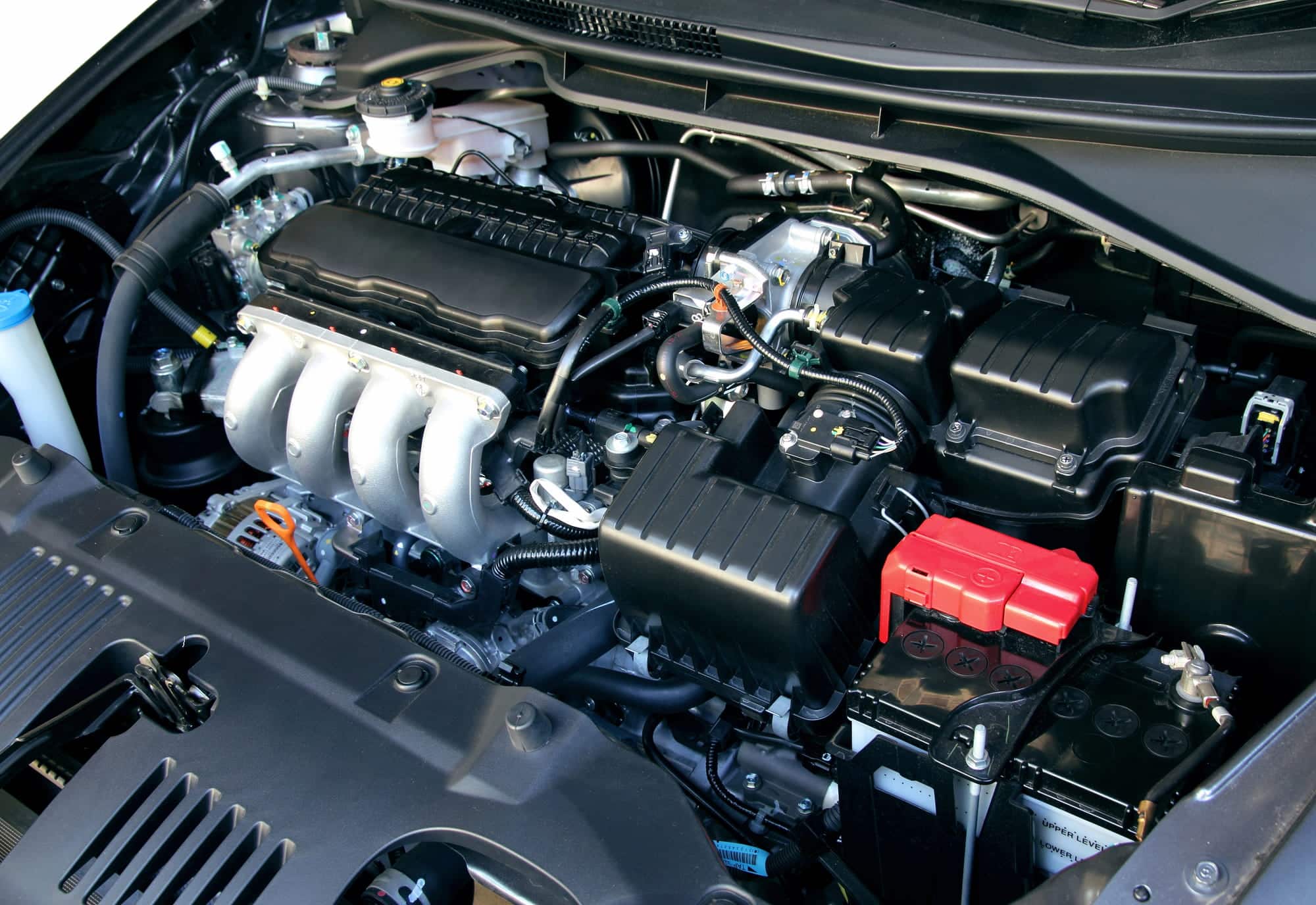
Volkswagen Engine Repair at DART Auto
Your Volkswagen's engine is a precision-engineered piece of German machinery, and when something goes wrong, you need a shop that understands the difference between a generic repair and one done to factory specifications. Whether you're hearing unusual noises from under the hood, seeing warning lights on your dash, or noticing a drop in performance, engine issues demand immediate attention from technicians who know VW platforms inside and out.
DART Auto brings over 24 years of experience working exclusively on European vehicles, with master technicians who have dealer training and at least a decade of hands-on work with Volkswagen engines. We use the same factory diagnostic software and repair procedures that the dealership uses, but without the inflated labor rates. Our salaried technicians – not flat-rate workers rushing to the next job – take the time to diagnose the root cause, whether that's carbon buildup on EA888 Gen3 intake valves, timing chain tensioner failure on TSI engines, or PCV system failures that plague 2.0T platforms from 2008 forward.
When you bring your Volkswagen to DART Auto for engine repair, you can expect:
- Complete diagnostic testing using VW-specific scan tools and factory repair information to identify the exact failure mode
- Transparent explanations of what failed, why it failed, and what happens if you delay the repair
- OEM or premium aftermarket parts sourced from trusted suppliers, installed to factory torque specifications
- A 3-year/36,000-mile warranty on parts and labor – coverage that reflects our commitment to fixing it right the first time
Common Engine Repair Issues on Volkswagen Vehicles
Your Volkswagen's engine is likely speaking to you right now – through a rough idle, an oil warning, or a check-engine light that won't go away. These aren't random failures. Volkswagen platforms share specific weak points tied to their engineering choices, and recognizing the pattern early determines whether you're looking at a targeted repair or a full rebuild.
- EA888 Gen 3 timing chain tensioner failure (2012–2017 Passat, GTI, Jetta, Tiguan, Audi A3/A4/Q5): The revised tensioner design on early Gen 3 motors can fail prematurely, causing rattling at cold start and eventually skipped timing. Left unchecked, valves meet pistons and the engine is destroyed. This is a known pattern on TSI motors built before mid-2016.
- 2.0T FSI carbon buildup (2005–2008 Jetta, Passat, GTI, Audi A3/A4): Direct-injection FSI engines accumulate carbon on intake valves because fuel never washes them. By 60,000–80,000 miles, misfires and rough running appear. Walnut-blasting the valves restores performance, but the issue will return without catch-can installation or periodic cleaning.
- VR6 chain-guide wear (2000–2006 Passat, Jetta GLX, GTI VR6): The narrow-angle VR6 uses plastic chain guides that become brittle with heat cycling. Rattling from the front of the engine signals imminent guide breakage. Once fragments enter the oil system, bearing damage and oil-pump failure follow quickly.
- 2.5L five-cylinder PCV system clogging (2005–2014 Jetta, Rabbit, Beetle): The positive crankcase ventilation valve on the 2.5L inline-five clogs with sludge, causing excessive crankcase pressure. Oil leaks appear at every gasket, the dipstick pops out, and eventually the rear main seal fails. Replacing the PCV and cleaning the system stops the cascade.
- 1.8T coolant flange cracking (1998–2005 Passat, Jetta, GTI, Audi A4/TT): The plastic coolant flange on the back of the cylinder head cracks from thermal cycling, dumping coolant rapidly. Overheating follows in minutes. This is a scheduled-maintenance item on high-mileage 1.8T motors, not an "if" but a "when."
- TDI injector failure and carbon scoring (2009–2015 Jetta TDI, Golf TDI, Passat TDI): Common-rail diesel injectors can fail internally, allowing fuel to wash down cylinder walls and dilute oil. Carbon scoring on cylinder bores results, requiring bore honing or block replacement. Early detection through oil-level monitoring prevents catastrophic damage.
Why Choose DART Auto for Volkswagen Engine Repair
Your Volkswagen's engine isn't a mystery to us – it's a system we diagnose and repair every day using the same factory tooling and procedures the dealer relies on. Whether you're facing timing chain stretch on an EA888 Gen3, carbon buildup on a TSI direct-injection motor, or oil consumption on a 2.0T, our technicians know the platform-specific failure modes and the OEM-approved fixes that actually work long-term.
- Factory-level diagnostics: We use VCDS and VAS diagnostic systems to read freeze-frame data, adaptation values, and manufacturer-specific codes that generic scanners miss – the same depth of information available at the dealership.
- Platform expertise: Our team has dealer training and over a decade of hands-on experience with MQB, PQ35, and earlier Volkswagen platforms, so we recognize recurring issues by generation and know which TSBs apply to your specific model year.
- End-to-end ownership: From initial diagnosis through post-repair road testing and scan-tool verification, the same master technician owns your repair – no handoffs, no miscommunication, no shortcuts.
- Salaried technicians: Because our techs aren't paid flat-rate, there's zero incentive to rush your engine work or recommend parts you don't need – we get it right the first time because that's how we're compensated.
We back every engine repair with a 3-year/36,000-mile warranty on parts and labor, and we've been serving Denver since 2000 with the same commitment: honest, expert-level service without the dealer price tag.
Symptoms – How to Know You Need This Service
Volkswagen engines communicate problems through specific warning signs. You may notice:
- Check engine light or flashing MIL – solid light means schedule diagnostics soon; flashing light indicates active misfires and you should stop driving immediately to prevent catalytic converter damage
- Rough idle or shaking at stoplights – often points to ignition coil failure (common on TSI/TFSI engines), carbon buildup on intake valves, or vacuum leaks in the PCV system
- Loss of power or hesitation during acceleration – can indicate turbocharger issues, boost leaks, or timing chain stretch affecting valve timing
- Metallic rattling on cold start – classic sign of timing chain tensioner wear on EA888 engines, especially 2008–2014 model years
- Blue or white smoke from the exhaust – blue smoke means oil consumption (piston ring or turbo seal failure); white smoke suggests coolant entering the combustion chamber
- Oil leaks pooling under the engine – valve cover gaskets, cam bridge seals, and rear main seals are frequent culprits on VW engines with higher mileage
- Knocking or pinging under load – may indicate carbon deposits causing pre-ignition, incorrect fuel octane, or internal bearing wear
- Overheating or coolant loss – water pump failure (especially plastic impeller designs on older platforms) or thermostat housing leaks
Which Volkswagen Models We See for Engine Repair
We service the full range of modern Volkswagen platforms, from daily-driver compacts to performance-oriented models. Engine repair work varies significantly across generations and engine families, so identifying your specific platform helps us prepare the right tooling and parts before you arrive.
Common Volkswagen models and platforms we repair:
- Golf / GTI / Golf R – Mk5 through Mk8 (2006–present), including EA113 2.0T FSI, EA888 Gen1/Gen2/Gen3 2.0T TSI, and EA888 evo4 in Mk8
- Jetta / GLI – fifth generation forward (2005–present), covering 2.5L inline-5, 1.8T/2.0T TSI variants, and TDI diesel platforms
- Passat – B6/B7/B8 chassis (2006–present), including 2.0T TSI, 3.6L VR6, and TDI applications
- CC – 2009–2017 models with 2.0T TSI and 3.6L VR6 engines
- Tiguan – first and second generation (2009–present), primarily 2.0T TSI with timing chain and carbon buildup concerns on earlier years
- Atlas – 2018–present with 2.0T TSI four-cylinder and 3.6L VR6 applications
- Beetle – A5 chassis (1998–2010) and final generation (2012–2019), including 1.8T, 2.0T TSI, and 2.5L inline-5 engines
- Arteon – 2019–present with EA888 Gen3 2.0T TSI
- Touareg – second and third generation (2011–present), including 3.0T and 3.6L VR6 engines
We maintain factory tooling and diagnostic capability for both gasoline TSI/TFSI platforms and TDI diesel engines. If you own an older air-cooled or early water-cooled VW, or a highly modified performance build, contact us to discuss your specific needs before scheduling.
Causes & Risks – What Happens if Ignored
Volkswagen engine problems don't appear randomly. Short trips in cold weather accelerate carbon buildup on direct-injection motors. Delayed oil changes turn sludge into a PCV-clogging paste. High-mileage timing components wear past their service limits, and plastic coolant parts become brittle after a decade of heat cycles. Denver's temperature swings – freezing mornings followed by warm afternoons – stress seals and gaskets that might survive longer in milder climates. Once a symptom appears, the clock starts on secondary damage.
Ignoring a timing-chain rattle for even a few hundred miles can let the chain skip a tooth, bending valves and requiring a full head rebuild instead of a $1,200 tensioner job. A leaking coolant flange that loses a quart every few weeks will eventually lose all coolant in a parking lot, warping the aluminum head in under five minutes of overheating. Carbon buildup that causes occasional misfires today will progress to constant misfires, unburned fuel washing into the oil, and catalytic-converter damage within 10,000 miles. Here's what escalates:
- Timing component wear: Rattling becomes skipped timing, then bent valves, then destroyed pistons and a $6,000–$9,000 engine replacement instead of a $1,500 chain/tensioner service.
- PCV system neglect: Minor oil seepage becomes rear-main-seal failure, then oil starvation when the engine consumes a quart every 500 miles, then spun bearings.
- Coolant leaks: Slow seepage becomes rapid loss, then overheating, then warped head, then head-gasket failure requiring machine-shop work and multi-day downtime.
- Carbon buildup: Rough idle becomes hard starting, then catalytic-converter damage, then failed emissions testing and a repair bill that includes both valve cleaning and a $1,200 catalytic converter.
- Injector leakage (TDI): Slight fuel smell becomes oil dilution, then loss of lubrication, then scored cylinder walls requiring block replacement at $8,000–$12,000.
Safety Impact – Why Engine Repair Matters
An engine problem on a Volkswagen doesn't just threaten your wallet – it threatens your ability to control the car. Sudden coolant loss leads to overheating, which can seize the engine on the highway with no warning. A skipped timing chain kills power instantly, leaving you coasting in traffic with no acceleration. Oil starvation from a failed PCV system or leaking seal can lock the engine mid-turn, eliminating power steering and power brakes simultaneously. Modern Volkswagens integrate engine sensors into stability control, ABS, and traction systems; when the ECU detects a severe misfire or loss of oil pressure, it can put the car into limp mode at the worst possible moment.
Here's when engine issues become immediate safety concerns:
- Stop driving now: Oil-pressure warning light, coolant-temperature warning (red), sudden loss of power, loud metallic rattling from the engine, white smoke from the exhaust (coolant burning), or blue smoke with a burning-oil smell.
- Schedule within the week: Check-engine light with rough idle, minor oil leaks pooling under the car, coolant level dropping slowly, or intermittent misfires that clear after warm-up.
- Address soon (within the month): Carbon-related power loss, PCV system oil seepage, or minor coolant weepage at hose connections.
From a liability standpoint, continuing to drive a Volkswagen with a known engine defect – documented by warning lights or prior shop visits – can complicate insurance claims if the failure causes an accident. If the engine seizes and you lose braking or steering, your insurer will ask whether you ignored warnings.
How Volkswagen Engine Repair Actually Works
Volkswagen engines are tightly integrated with the car's electronic architecture. Unlike older designs where you could swap a part and go, modern VW powertrains require coding, adaptation, and calibration through factory-level diagnostic tools. The ECU monitors dozens of sensors – cam position, crank position, knock, oil pressure, coolant temperature, mass airflow – and uses that data to adjust fuel delivery, ignition timing, and variable valve timing on the fly. When you replace a timing chain, the system must relearn cam correlation. When you clean carbon from intake valves, the ECU's fuel trims need time to adapt. TDI injectors require coding to match flow rates, and even a simple coolant-temperature sensor replacement triggers a stored fault that won't clear without proper scan-tool access.
Volkswagen-specific design choices that affect the repair process include:
- Direct fuel injection: Injectors spray at 2,000+ PSI directly into the combustion chamber, meaning carbon never gets washed off intake valves. Cleaning requires removing the intake manifold and walnut-blasting each port.
- Interference engine design: Nearly all modern VW engines are interference motors – if timing skips, valves and pistons collide. This makes timing-component replacement a precision job requiring factory torque specs and alignment procedures.
- Electronic throttle and drive-by-wire: There's no cable connecting your gas pedal to the throttle body. The ECU interprets pedal position and commands throttle angle, which means any engine repair affecting airflow or sensor inputs requires throttle-body adaptation afterward.
- Plastic cool
How We Diagnose Engine Repair Issues on Volkswagen
Your Volkswagen's check engine light just came on, or you're hearing a noise that wasn't there last week. The first step toward a solution is understanding exactly what's happening inside that engine – and that requires more than plugging in a code reader from the parts store.
Our diagnostic process for Volkswagen engine issues follows a structured sequence:
- Initial scan with factory-level tools. We use VCDS (VAG-COM Diagnostic System) and VAS diagnostic platforms that communicate directly with all Volkswagen control modules. These systems pull not just powertrain codes, but also freeze-frame data, adaptation values, and readiness monitors that generic scanners miss entirely. On TSI and TDI engines, we can see real-time fuel trim, turbo boost deviation, and cam/crank correlation – critical for pinpointing misfires, timing issues, or turbo failures.
- Visual and physical inspection. We look for oil leaks around the valve cover, timing cover, and oil pan – common on EA888 Gen 3 engines. We check PCV system integrity, inspect intake runners for carbon buildup on direct-injection models, and examine accessory belt condition. On TDI models, we assess EGR cooler condition and intercooler boot integrity.
- Functional tests and measurements. Compression testing, leak-down testing, and cylinder contribution tests isolate mechanical wear. We road-test under load to replicate symptoms that only appear when the turbo spools or when the engine is fully warmed. Borescope inspection through spark plug ports reveals valve and piston crown condition without tearing down the engine.
- Analysis and repair planning. We correlate scan data with physical findings to distinguish between sensor faults, mechanical wear, and software-related issues. You receive a detailed explanation of what failed, why it failed, and what's required to fix it – along with a transparent estimate before any repair work begins.
This methodical approach means you're not guessing or replacing parts hoping the problem goes away. You know exactly what's wrong and what it will take to make it right.
Engine Repair on Volkswagen: Repair vs. Replacement
When an engine component fails, the question isn't always repair versus full replacement – it's about matching the solution to the actual condition of your Volkswagen and how you plan to use it going forward.
When Genuine Repair Makes Sense
- Carbon cleaning on TSI engines. Direct-injection 2.0T and 1.8T engines (EA888 Gen 1, 2, and 3) develop heavy carbon deposits on intake valves. Walnut-shell blasting restores airflow and performance without replacing anything – the valves themselves are fine once cleaned.
- PCV system overhaul. A failing PCV valve or diaphragm causes oil consumption and rough idle on many VW models. Replacing the valve, cleaning the separator, and inspecting hoses solves the root cause for a fraction of engine-replacement cost.
- Timing component replacement. Timing chain tensioners wear on early EA888 engines; replacing the tensioner, guides, and chain before catastrophic failure prevents valve-to-piston contact and saves the engine.
When Component Replacement Is the Right Call
If a turbocharger has failed on a TSI engine, we replace the turbo and address the oil supply issues that caused the failure – wastegate actuators, oil feed lines, and PCV system health. The block and head remain serviceable; only the failed assembly gets swapped.
When Full Engine Replacement Is Appropriate
Severe internal damage – spun bearings, cracked blocks, or catastrophic timing failure that bent valves and damaged pistons – often costs more to repair than a replacement engine. We source remanufactured or low-mileage used engines with warranties, install them to factory spec, and transfer over your accessories and sensors.
We walk you through each option with honest cost-benefit analysis. Our technicians are salaried, so there's no incentive to upsell the most expensive path. You decide what makes sense for your situation.
How to Make Your Volkswagen Engine Repair Last Longer
Once your Volkswagen engine is back in top shape, a few deliberate habits will keep it running smoothly and delay the next major service.
Driving Habits That Protect Your Engine
- Allow proper warm-up on turbocharged models. TSI and TDI engines rely on precise oil flow to the turbo. Let the engine idle for 30 seconds before driving, and avoid full-throttle acceleration until the oil temperature reaches operating range.
- Cool down after hard driving. If you've been on the highway or climbing grades, idle for a minute before shutting down. This lets the turbo bearings cool gradually rather than heat-soaking in stagnant oil.
- Avoid short trips when possible. Frequent cold starts without reaching full operating temperature accelerate carbon buildup on direct-injection engines and prevent the catalytic converter from reaching efficiency.
Maintenance You Can Monitor
- Check oil level monthly – VW turbocharged engines can consume oil between changes, especially as mileage increases.
- Listen for changes in engine sound – timing chain rattle on cold start, turbo whistle, or ticking from the valvetrain all warrant inspection before they become expensive failures.
- Watch your dashboard. Flashing check-engine lights indicate misfires that can damage the catalytic converter; steady lights still need diagnosis, not ignoring.
Professional Maintenance That Matters
Use VW 502.00 or 504.00 spec oil (depending on your engine) and follow the prescribed service intervals – not the maximum interval, but the recommended schedule for your driving conditions. Keep DSG transmission software and engine control module updates current; VW releases updates that address drivability and longevity issues. Carbon cleaning every 40,000–60,000 miles on TSI engines prevents performance loss and keeps fuel economy where it should be. These aren't upsells – they're the difference between 150,000 trouble-free miles and repeated repairs.
Leave timing belt or chain replacement, turbo service, and internal engine work to experienced technicians with the proper tooling. DIY oil changes are fine; DIY timing work on an interference engine is not.
What to Expect When You Bring Your Volkswagen In
Engine repairs start with understanding exactly what's wrong – not guessing, not throwing parts at symptoms. Here's how we move from "check engine light" to "fixed and verified":
- Drop-off and intake: Schedule an appointment or call ahead – we'll ask about symptoms, recent history, and any warning lights. Bring your key fob and remove personal items from the cabin; if you need a loaner vehicle or shuttle service, let us know when you book.
- Diagnostic inspection: We connect factory-level scan tools, pull stored codes and live data, then perform a hands-on inspection of the engine bay. If we find oil leaks, timing component wear, or sensor faults, we document everything with photos and notes.
- Written estimate and consultation: You'll receive a detailed estimate explaining what needs repair, why it's failing, and what happens if you delay the work. We walk through the options – OEM vs. premium aftermarket parts, repair vs. replacement – so you can make an informed decision.
- Repair execution: Once approved, your dedicated technician performs the work using OEM repair procedures, torque specs, and fluid specifications. We source parts from trusted suppliers and follow the same step-by-step processes the factory publishes.
- Post-repair verification: Before you pick up, we road-test the vehicle, re-scan for codes, and verify that all systems are operating within spec. At pickup, we walk you through what was done and answer any questions about break-in procedures or follow-up care.
If something doesn't feel right after you leave, call us immediately – we'll get you back in and make it right. No runaround, no excuses.
Our Volkswagen Services
- Air Conditioning AC Repair
- Battery Repair Replacement
- Brake Repair & Brake Fluid Change
- Check Engine Light Diagnostics
- Clutch Repair & Replacement
- Coolant Leak Repair
- Cooling System Repair
- Drive Shaft Repair
- Exhaust & Catalytic Converter Repair
- Head Gasket Repair & Replacement
- Oil Change
- Oil Leak Repair
- Scheduled Service Maintenance
- Steering Repair
- Suspension Repair
- Cambelt Timing Belt Replacement
- Transmission Repair
- Tune Up
- Wheel Alignment