
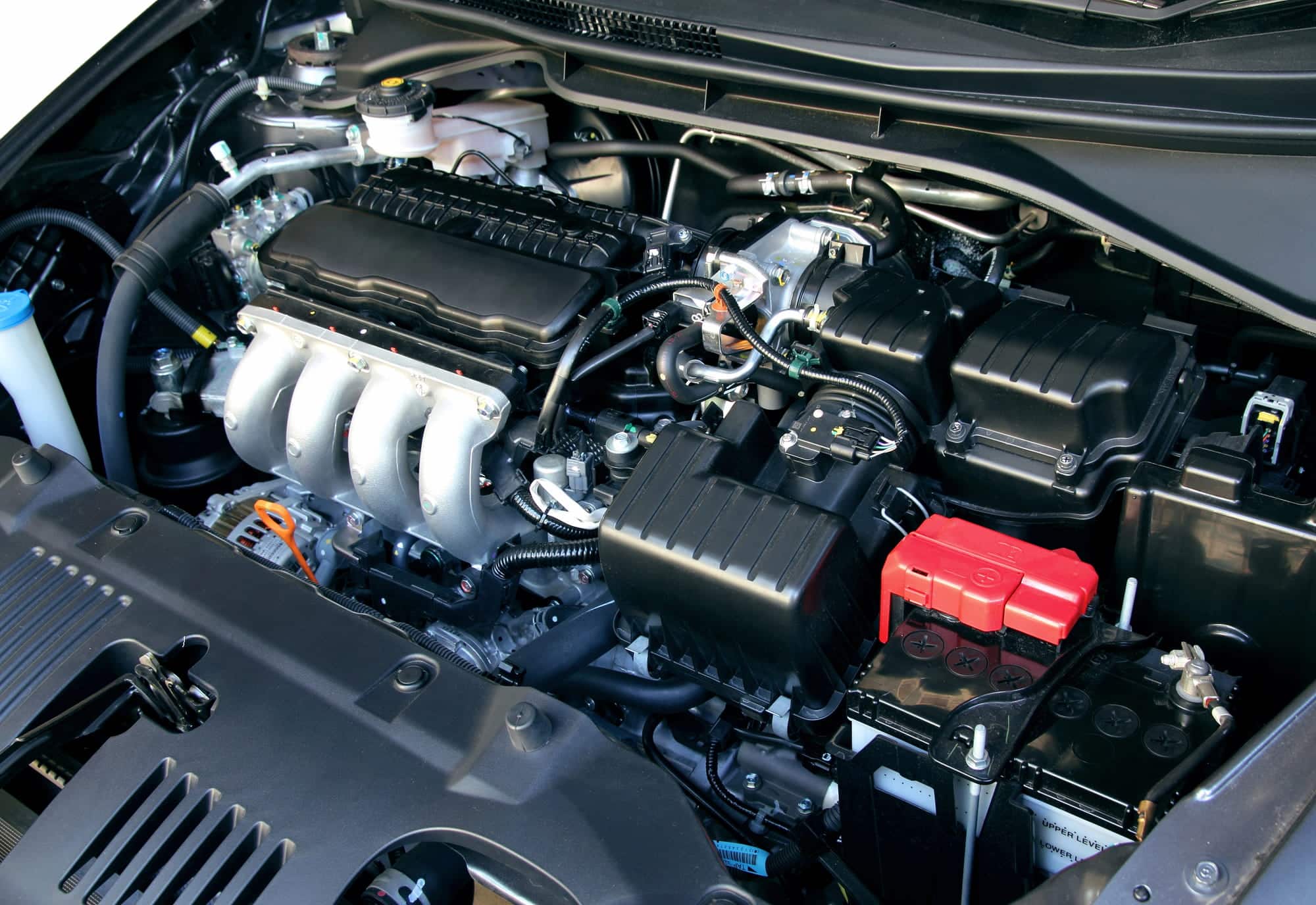
Rolls-Royce Engine Repair at DART Auto
A Rolls-Royce engine failure costs more than the repair itself – it erodes the confidence that comes with owning one of the world's most prestigious motorcars. Whether you're facing a catastrophic internal failure or subtle performance degradation, the difference between a shop that understands BMW N74 V12 architecture and one that treats it like any other engine is measured in tens of thousands of dollars and months of downtime. Since 2000, DART Auto has specialized in the diagnostic precision and OEM-level tooling required to diagnose and repair these hand-assembled powertrains correctly.
Rolls-Royce engine repair demands more than general mechanical skill. The N74 V12 found in Phantom, Ghost, and Wraith models shares architecture with BMW's high-output powerplants but includes bespoke calibration, unique cooling systems, and software integration that generic scan tools cannot access. The 6.75-liter twin-turbo V12 in later Cullinan and Phantom VIII models adds direct injection complexity and thermal management challenges that require factory-level diagnostic capability. Our master technicians use BMW ISTA diagnostic software, factory repair procedures, and the same torque specifications and fluid standards the Goodwood factory mandates – not approximations.
When you bring your Rolls-Royce to DART Auto for engine repair, expect:
- Complete diagnostic protocol using factory-level scan tools to pinpoint root causes before disassembly
- Transparent communication about what failed, why it failed, and what adjacent systems need attention
- OEM or premium aftermarket parts sourced from trusted suppliers who understand Rolls-Royce quality standards
- A 3-year/36,000-mile warranty on parts and labor – backing our work with confidence you won't find at independent shops
Common Engine Repair Issues on Rolls-Royce Vehicles
When a Rolls-Royce engine requires attention, the cost of misdiagnosis or delay compounds quickly. These powerplants were engineered for near-silent operation and effortless torque delivery, but specific design choices introduce vulnerabilities that generic shops often miss. Understanding the failure modes that affect Phantom, Ghost, Wraith, and Dawn models helps you act before a minor issue cascades into a six-figure repair.
- N74 V12 valve stem seal deterioration (2003–2017 Phantom, Ghost): The twin-turbo 6.75L and 6.6L N74 engines develop oil consumption issues as valve stem seals harden with age. Blue smoke on cold start and declining oil levels between services signal early failure. Left unaddressed, oil fouls spark plugs, damages catalytic converters, and eventually leads to turbocharger oil starvation.
- N63 timing chain stretch and guide wear (2010–2015 Ghost, Wraith): The BMW-derived 6.6L twin-turbo V8 shares the N63's notorious timing chain issues. Rattling on cold start, rough idle, and Check Engine codes for cam/crank correlation indicate chain elongation. Catastrophic engine damage occurs when the chain jumps or breaks, bending valves and destroying pistons.
- Coolant pipe corrosion on N74 engines: Aluminum coolant crossover pipes develop pinhole leaks and internal corrosion, particularly in Denver's temperature extremes. Small external leaks turn into sudden coolant loss, overheating, and warped cylinder heads if the driver doesn't notice the temperature gauge climbing.
- Carbon buildup on direct-injection engines: Both N74 and N63 powerplants use direct injection without supplemental port injection. Intake valves accumulate carbon deposits that cause misfires, rough idle, hesitation, and reduced power. Progressive buildup eventually requires walnut-blasting or manual cleaning to restore proper airflow.
- Turbocharger oil feed line failures: High-pressure oil feed lines to the turbos can crack or develop leaks at crimped fittings. Oil starvation destroys turbo bearings within minutes of highway driving, sending metal debris through the intake system and necessitating complete turbo replacement plus intercooler cleaning.
- Engine mount hydraulic failures: Rolls-Royce uses sophisticated hydraulic engine mounts to isolate vibration. When the internal fluid leaks out, excessive engine movement causes driveline shudder, clunking during acceleration, and stress on exhaust components and wiring harnesses.
Why Choose DART Auto for Rolls-Royce Engine Repair
A misdiagnosed engine issue on a Rolls-Royce can cascade into five-figure mistakes – the wrong sensor replacement leads to continued misfires, the overlooked timing chain wear destroys cam phasers, the guessed-at coolant leak turns into a warped cylinder head. Since 2000, DART Auto has built its reputation on getting Rolls-Royce engine work right the first time, using the same factory tooling and repair procedures the dealer charges double to access.
Our master technicians bring dealer-level training and a minimum of 10 years' experience to every Phantom, Ghost, Wraith, and Dawn that rolls in. We invest in BMW ISTA diagnostics and Rolls-Royce-specific software updates because these platforms share the N74 V12 and N63 V8 architectures – engines that demand precise adaptation resets after turbocharger replacement, exact fuel trim validation after injector service, and careful attention to the common oil-consumption patterns on 2010–2016 Ghost models with early N63 variants. Our salaried compensation structure removes the flat-rate pressure to rush diagnosis, so we trace intermittent faults to their root cause rather than swapping parts until the check-engine light clears.
- Complete diagnostic ownership: full system scan, freeze-frame analysis, and mechanical inspection before we quote the repair
- OEM and premium aftermarket parts: sourced from trusted European suppliers who meet Rolls-Royce tolerances
- Post-repair verification: road test, live-data validation, and adaptation resets to confirm the fix holds under real-world load
- 3-year/36,000-mile warranty: parts and labor coverage that backs our work long after you drive away
Symptoms – How to Know You Need This Service
Rolls-Royce powertrains are engineered to mask minor faults until they become significant – by the time you notice something, the issue often requires immediate attention. You may notice:
- Rough idle or misfires – the V12 should run whisper-smooth; any vibration through the cabin or steering wheel signals ignition coil failure, carbon buildup on direct-injection valves, or cylinder deactivation system faults
- Oil consumption exceeding one quart per 1,000 miles – indicates valve stem seal wear, turbocharger seal failure, or piston ring issues common on high-mileage N74 engines
- White or blue smoke from exhaust – white smoke means coolant entering combustion chambers (head gasket or liner seal failure); blue smoke confirms oil burning
- Coolant loss without visible leaks – internal consumption through a failing head gasket or cracked cylinder head, often accompanied by overheating
- Metallic knocking or ticking from the engine bay – stop driving immediately; this often signals bearing failure, timing chain stretch, or valvetrain damage that worsens with every revolution
- Check Engine Light with reduced power mode – limp mode activation protects the engine but confirms serious faults detected by the ECU
- Overheating despite normal coolant levels – thermostat failure, water pump issues, or cooling system blockages that compromise the V12's thermal stability
If you see smoke, hear knocking, or experience sudden power loss, stop driving and arrange transport. Continued operation can escalate a repairable issue into complete engine replacement.
Which Rolls-Royce Models We See for Engine Repair
DART Auto services engine repair across the modern Rolls-Royce lineup, with particular depth on BMW-era platforms from 2003 forward. Our technicians have factory training and diagnostic access for:
- Phantom (2003–2017, Series I and II) – N73 and N74 6.75L V12 engines; common issues include valve stem seals, ignition coil failures, and cooling system component wear
- Ghost (2010–2020, Series I) – N74 6.6L twin-turbo V12; prone to turbocharger oil seal leaks, carbon buildup on intake valves, and high-pressure fuel pump failures
- Wraith and Dawn (2013–2023) – N74B66 twin-turbo V12; shares Ghost architecture with additional thermal stress from higher performance tuning
- Cullinan (2018–present) – N74B68 6.75L twin-turbo V12 with updated direct injection and emissions controls; newer platform but already seeing carbon buildup and turbo seal issues on higher-mileage examples
- Phantom VIII (2017–present) – latest-generation N74 with enhanced thermal management; still within warranty for most examples but we handle post-warranty and specialist diagnostics
- Silver Seraph (1998–2002) – BMW M73 V12; we service these but parts availability and diagnostic support is limited compared to newer models
We do not typically service pre-1998 Rolls-Royce models with Vickers-era powertrains, as those require marque-specialist knowledge beyond our BMW-platform focus. If your model year falls outside this range, call us – we'll give you an honest assessment of whether we're the right shop for your needs.
Causes & Risks – What Happens if Ignored
Rolls-Royce engine issues stem from the intersection of complex engineering and real-world operating conditions. Denver's altitude affects turbocharger performance and cooling system efficiency. Temperature swings from sub-zero winters to summer heat cycles cause seal materials to harden and metal components to expand and contract at different rates. Many Rolls-Royce owners drive infrequently, allowing fuel to degrade, oil to settle, and seals to dry out between uses. The N74 and N63 engines demand precise oil specifications and change intervals – using incorrect oil or extending service windows accelerates wear on timing components and turbocharger bearings.
Ignoring early symptoms transforms manageable repairs into catastrophic failures:
- Valve stem seal leaks: What starts as minor oil consumption (one quart between services) progresses to fouled spark plugs, misfires, and damaged catalytic converters. Running the engine low on oil starves bearings and scores cylinder walls, turning a seal replacement into a complete engine rebuild or replacement.
- Timing chain stretch: The initial rattle on cold start becomes persistent noise, then sudden failure. A stretched chain that jumps timing bends intake and exhaust valves, destroys pistons, and damages cylinder heads. Repair costs escalate from chain and guide replacement to complete engine disassembly and machining.
- Coolant leaks: A small seep becomes a sudden loss of coolant. Overheating warps aluminum cylinder heads, compromises head gasket integrity, and can crack the block itself. What could have been a pipe replacement becomes head resurfacing or complete engine replacement.
- Carbon accumulation: Gradual power loss and fuel economy degradation worsen until the engine runs so poorly it triggers limp mode. Severe buildup requires intake manifold removal and manual cleaning, adding labor hours to what could have been preventive walnut-blasting.
- Turbocharger oil starvation: A weeping oil line becomes a complete failure under boost. Metal debris from destroyed turbo bearings contaminates the entire intake system, requiring replacement of turbos, intercoolers, intake piping, and thorough engine flushing.
Safety Impact – Why Engine Repair Matters
Engine failures in a Rolls-Royce create immediate safety hazards beyond the inconvenience of being stranded. Sudden loss of power on the highway eliminates your ability to accelerate out of dangerous situations or maintain speed in traffic. Modern Rolls-Royce vehicles integrate engine management with stability control, traction management, and braking systems – an engine fault can trigger limp mode that reduces power to 30% and disables electronic aids you rely on for safe operation in adverse conditions.
Specific failure modes create distinct risks:
- Stop driving immediately: Temperature gauge in the red zone, complete loss of oil pressure, loud metallic knocking from the engine bay, sudden loss of power with heavy smoke, or coolant spraying onto hot exhaust components.
- Schedule service within days: Blue smoke on startup, persistent Check Engine light with reduced power, unusual engine noises during cold start that fade after warm-up, or noticeable oil consumption requiring frequent top-ups.
- Address soon but not urgent: Gradual loss of power or fuel economy, rough idle that smooths out at speed, or minor oil seepage visible during routine inspections.
Catastrophic engine failure at highway speed eliminates power steering assist and vacuum for brake boost on older models. Even with electric assist on newer platforms, losing the engine means losing alternator output, draining the battery that powers critical safety systems. Insurance and liability concerns arise when a known engine defect – documented by prior service warnings or Check Engine codes – contributes to an incident.
How Rolls-Royce Engine Repair Actually Works
Rolls-Royce engines combine BMW's powertrain engineering with brand-specific calibrations, control modules, and integration points. The N74 V12 and N63 V8 aren't simply rebadged BMW engines – they use unique engine management software, different turbocharger mapping, and Rolls-Royce-specific emissions controls. Repairing these powerplants requires factory diagnostic tools that communicate with proprietary control modules, access hidden service menus, and perform calibration procedures unavailable to generic scan tools.
Key design elements that affect repair procedures:
- Integrated engine and transmission control: The ZF eight-speed automatic transmission communicates constantly with engine management. Repairs affecting torque output, timing, or sensor inputs require transmission adaptation procedures using factory software.
- Closed-deck engine architecture: The N74 uses a closed-deck block design for rigidity and noise reduction. Accessing internal components requires complete engine removal in many cases, making accurate diagnosis critical before disassembly begins.
- Torque-to-yield fasteners throughout: Cylinder head bolts, main bearing caps, and critical engine fasteners are single-use torque-to-yield designs. Reusing them risks catastrophic failure. Proper repair means following OEM torque sequences and angle specifications precisely.
- Active engine mounts with electronic control: The engine mount system adjusts damping characteristics based on driving mode and engine load. Replacement requires coding new mounts to the vehicle and performing adaptation procedures.
- Integrated oil condition monitoring: Rolls-Royce vehicles calculate remaining oil life based on actual operating conditions, not just mileage. Resetting service indicators after engine work requires proper tool access and documentation in the vehicle's service history.
Shops without Rolls-Royce-specific training and tooling resort to generic repair approaches that ignore these integration points, leading to driveability issues, fault codes, and incomplete repairs that resurface within months.
How We Diagnose Engine Repair Issues on Rolls-Royce
Getting engine diagnostics wrong on a Rolls-Royce costs thousands – sometimes tens of thousands – in misguided repairs. The BMW-derived V12 powerplants in Phantom, Ghost, and Wraith models demand factory-grade scan tools and platform-specific knowledge that generic shops simply don't have. We invest in the same diagnostic capability you'd find at the dealer, then apply it faster and more thoroughly.
- Initial scan with BMW ISTA/D and ISTA/P: We connect factory-level diagnostic software to pull fault codes from every control module – engine, transmission, active suspension, and ancillary systems. Rolls-Royce engines share architecture with BMW's N73 and N74 V12 platforms, so cross-system faults often point to root causes a generic scanner will miss entirely.
- Live data analysis under load: We monitor fuel trims, ignition timing, throttle adaptation, and turbocharger boost (on twin-turbo N74 engines in Ghost/Wraith) during a controlled road test. Deviations from factory parameters reveal issues like failing coil packs, clogged injectors, or vacuum leaks before they set hard fault codes.
- Physical inspection and measurement: We perform compression and leak-down tests to assess cylinder sealing, inspect intake runners for carbon buildup on direct-injection engines, check coolant and oil for cross-contamination, and visually verify timing chain tension through inspection ports where accessible. On older Phantom models (2003–2009), we pay special attention to valve stem seal condition and PCV system integrity.
- Correlation and root-cause identification: Our technicians – each with over a decade of European experience – synthesize scan data, physical findings, and service history to isolate the actual failure mode rather than chasing symptoms.
You receive a detailed written diagnosis explaining what failed, why it failed, and what adjacent components need attention now or soon. The estimate breaks down parts, labor, and expected turnaround so you can make an informed decision without dealer pressure tactics.
Engine Repair on Rolls-Royce: Repair vs. Replacement
Not every engine fault requires a $30,000 replacement. The question is whether the core architecture remains sound or whether damage has cascaded beyond economical repair.
When Repair Makes Sense
- Ignition system failures: Failed coil packs, spark plugs, or ignition modules on the N73/N74 V12 are straightforward component replacements. These engines use individual coils per cylinder; replacing the failed units restores full power without touching internal engine components.
- Intake carbon cleaning: Direct-injection V12s accumulate carbon on intake valves over time. Walnut-blasting the intake ports restores airflow and idle quality without disassembly beyond the intake manifold.
- Accessory drive components: Water pumps, alternators, serpentine belts, and tensioners wear independently of engine internals. Replacing these extends engine life at a fraction of replacement cost.
- Valve cover and oil pan gaskets: Oil leaks from aging gaskets are common on higher-mileage Phantom and Ghost models. Resealing prevents oil loss and fire risk without internal engine work.
When Replacement Is the Right Call
- Timing chain failure with internal damage: If a stretched or broken timing chain has caused piston-to-valve contact, bent valves and damaged pistons often mean cylinder head and short-block replacement approach the cost of a remanufactured long block.
- Bearing failure with scoring: Spun rod or main bearings that score the crankshaft require machine work that exceeds the value of installing a factory-remanufactured engine with full warranty coverage.
- Severe overheating with head warp: Coolant loss that leads to head gasket failure and cylinder head warpage often reveals additional block damage. At that point, a known-good replacement engine is the safer investment.
We walk you through the math: repair cost versus replacement cost, expected lifespan of each option, and how your driving patterns and ownership timeline affect the decision. Our salaried technicians have zero incentive to upsell – they're paid the same whether you repair or replace.
How to Make Your Rolls-Royce Engine Repair Last Longer
Once you've invested in engine repair, protecting that investment requires attention to how you drive and maintain the vehicle. Rolls-Royce V12 engines are robust when properly cared for, but they're intolerant of neglect.
Driving Habits That Extend Engine Life
- Allow proper warm-up: Let the engine reach operating temperature before heavy throttle or high RPM. Cold oil doesn't lubricate effectively, and direct-injection engines are especially sensitive to cold-start wear.
- Avoid sustained low-speed operation: City-only driving on a V12 never fully burns off carbon deposits or reaches optimal operating temperature. Monthly highway runs help keep intake valves and combustion chambers clean.
- Monitor coolant temperature: If the gauge climbs above normal or the low-coolant warning illuminates, stop immediately. Continuing to drive risks catastrophic head gasket or block damage.
Maintenance You Can Monitor
- Check oil level weekly: V12 engines hold substantial oil volume, but consumption between changes is normal. Keeping oil topped off prevents bearing and cam wear.
- Listen for changes: New ticking, knocking, or rattling noises signal developing issues. Catching them early – before a check-engine light – prevents expensive secondary damage.
- Watch for fluid spots: Oil or coolant under the car means a leak that will worsen. Addressing small leaks prevents running low and overheating.
Professional Maintenance That Matters
- Use factory-spec fluids: Rolls-Royce specifies low-ash synthetic oils for extended drain intervals. Off-spec oil accelerates carbon buildup and catalytic converter wear.
- Follow the service interval display: The onboard computer tracks driving conditions and adjusts service intervals accordingly. Ignoring it voids patterns of wear the engineers designed around.
- Keep software current: BMW/Rolls-Royce releases software updates that refine fuel maps, ignition timing, and transmission shift logic. Outdated software can cause driveability issues that mimic mechanical faults.
Leave internal engine work, timing chain service, and any repair requiring special tooling to the professionals. Attempting DIY on a V12 without proper equipment risks doing more harm than good. We're here to handle the complex work so your Rolls-Royce delivers the performance and refinement you expect for years to come.
What to Expect When You Bring Your Rolls-Royce In
We know the uncertainty of leaving a Rolls-Royce with any shop. Here's exactly how we handle your engine repair from arrival to pickup:
- Appointment and drop-off: Schedule online or by phone. Bring any service records, describe symptoms in detail, and remove valuables. We offer loaner vehicles and local shuttle service – ask when you book.
- Initial inspection and diagnostics: We perform a full system scan, pull stored fault codes and freeze frames, then conduct a physical inspection of the engine bay – checking for oil leaks, coolant seepage, vacuum line integrity, and turbocharger play on N63/N74 engines. This phase isolates the failure mode before we open anything up.
- Written estimate and approval: You receive a detailed breakdown of the repair – which components need replacement, why they failed, and what happens if you delay the work. We explain the repair in plain language, answer questions, and wait for your go-ahead before starting.
- Repair execution: Our technicians follow factory torque specs, use OEM gaskets and seals, and perform any required software adaptations. You'll receive progress updates if we uncover additional wear or if parts delivery shifts the timeline.
- Post-repair verification and pickup: We road-test the car under varied load, re-scan for pending codes, and verify fuel trims and boost pressure return to spec. At pickup, we walk you through what we found, what we fixed, and what to monitor going forward. If anything feels off in the first few days, call us – we'll bring the car back in and verify the repair at no charge.
You'll leave with a detailed invoice, warranty documentation, and the confidence that your Rolls-Royce engine was repaired to the same standard the factory demands – without the dealer markup.
Our Rolls-Royce Services
- Air Conditioning AC Repair
- Battery Repair Replacement
- Brake Repair & Brake Fluid Change
- Check Engine Light Diagnostics
- Clutch Repair & Replacement
- Coolant Leak Repair
- Cooling System Repair
- Drive Shaft Repair
- Exhaust & Catalytic Converter Repair
- Head Gasket Repair & Replacement
- Oil Change
- Oil Leak Repair
- Scheduled Service Maintenance
- Steering Repair
- Suspension Repair
- Cambelt Timing Belt Replacement
- Transmission Repair
- Tune Up
- Wheel Alignment