
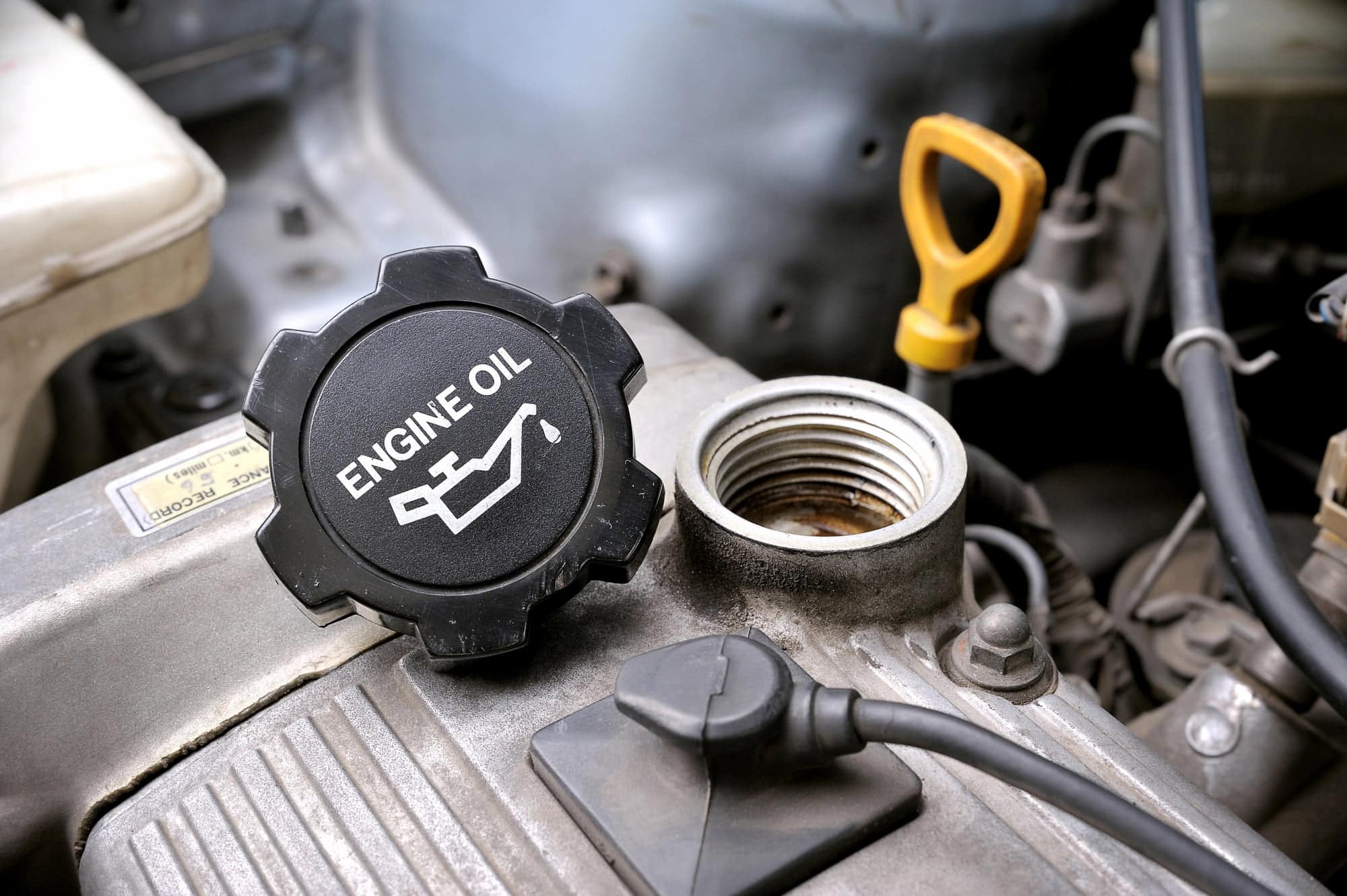
Rolls-Royce Oil Change at DART Auto
Rolls-Royce engines demand precision maintenance that reflects their bespoke engineering. Unlike mass-market vehicles, every Phantom, Ghost, Wraith, and Dawn relies on meticulously calibrated lubrication systems tied to BMW N74 and N63 V12 platforms – engines that require specific oil viscosities, fill volumes measured to the tenth of a liter, and torque specifications that vary by model year. The 6.75L V12 in the Phantom VII (2003–2017) uses a different oil spec than the twin-turbo 6.6L in newer Ghost models, and substituting generic fluids or skipping the proper reset procedures can trigger persistent fault codes or accelerate wear on variable valve timing components.
DART Auto approaches Rolls-Royce oil changes with factory-level diagnostic tools and OEM service information. Our technicians follow the exact BMW Group procedures that govern oil capacity, filter placement, and electronic service interval resets. We use only manufacturer-approved synthetic oils that meet BMW Longlife-01 or Longlife-04 specifications, depending on your chassis. Because our technicians are salaried rather than flat-rate, there's no incentive to rush the drain-and-fill or skip the multi-point inspection that catches early oil leaks at valve cover gaskets or turbocharger oil feed lines.
What you can expect during your Rolls-Royce oil change at DART Auto:
- OEM-spec synthetic oil and genuine or premium OE-equivalent filters sourced from trusted European suppliers
- Complete underbody inspection for leaks, suspension wear, and brake condition while the vehicle is on the lift
- Electronic service interval reset using factory-level diagnostic software to clear CBS (Condition Based Service) reminders
- Transparent walk-through of any findings, with photos and clear explanations before recommending additional work
Common Oil Change Issues on Rolls-Royce Vehicles
Rolls-Royce vehicles use highly sophisticated powertrains that demand precision maintenance. The 6.75-liter V12 and later twin-turbo V12 engines rely on large oil capacities – often 10+ quarts – and specific viscosity grades to protect intricate valve timing systems and turbocharger bearings. When service intervals slip or the wrong oil is used, these engines reveal their vulnerabilities quickly.
- Extended Oil Change Intervals on 2003–2016 Phantom (7-Series Platform): The N73 and N74 V12 engines specify 10W-60 synthetic and 10,000-mile intervals under ideal conditions. Denver's temperature swings and short-trip driving degrade oil faster. Sludge accumulates in the valve train, restricting oil flow to hydraulic lifters and variable valve timing solenoids. Owners who stretch intervals past 7,500 miles often see rough cold starts and timing faults.
- Turbocharger Oil Coking on 2010–Present Ghost and Wraith (N63TU/N74 Engines): Twin-turbo V12 and V8 platforms run exhaust-side turbos that depend on clean oil for bearing lubrication. Degraded oil carbonizes inside turbo oil feed lines, starving bearings and causing shaft play. This shows up as blue smoke on startup or a high-pitched whine under boost.
- Oil Filter Housing Leaks on 2003–2009 Phantom: The factory cartridge-style oil filter housing uses plastic that becomes brittle over time. Cracks develop around the mounting flange, leaking oil onto the front subframe. Owners mistake this for a minor seep until oil loss triggers low-pressure warnings.
- Incorrect Oil Specification After Independent Service: Many quick-lube shops stock 5W-30 or 0W-40, not the 10W-60 required by older V12s. Running thinner oil causes bearing wear and valve-train noise, especially on high-mileage engines. Factory diagnostic scans often reveal oil-pressure deviation codes that trace back to incorrect viscosity.
- Oil Level Sensor Failures Masking Real Consumption: Electronic oil-level sensors in the sump can fail, displaying false "OK" readings while the engine runs a quart low. Owners discover the truth only when metal shavings appear during an oil change or when catastrophic bearing failure occurs.
Why Choose DART Auto for Rolls-Royce Oil Change
Rolls-Royce engines – whether the BMW-derived 6.75L V12 in the Phantom VII or the N74 twin-turbo V12 found in Ghost and Wraith platforms – demand precision oil service that goes beyond a quick drain-and-fill. DART Auto has invested in the factory diagnostic tooling and technical subscriptions that match dealership capability, so we can read live oil-condition data, reset service intervals correctly, and catch early warnings like oil-pressure sensor drift on 2010–2016 Ghost models before they escalate.
Our master technicians average over a decade of experience with European marques and receive ongoing training on BMW Group platforms that underpin modern Rolls-Royce vehicles. We use OEM-spec synthetic oil and genuine or premium filters, then verify proper fill level with the engine at operating temperature – a step sometimes skipped at quick-lube shops that can lead to overfill and seal damage on these tightly toleranced powerplants. Because our technicians are salaried rather than flat-rate, there's no incentive to rush the 17-point inspection we perform during every oil service, catching issues like early coolant seepage from valley-pan gaskets or transmission-fluid discoloration that merit attention before they strand you.
Every oil change includes a complete underbody inspection, fluid-level verification across all systems, and a digital scan for stored fault codes. If we find anything – a developing oil leak at the timing-cover seal, a software update pending for the valvetronic system – we document it with photos, explain the timeline for repair, and let you decide next steps. No surprise upsells, just transparent information backed by our 3-year/36,000-mile parts-and-labor warranty.
Symptoms – How to Know You Need This Service
Rolls-Royce models display clear indicators when oil service is due, ranging from dashboard alerts to physical changes in engine behavior. Pay attention to these signs:
- Service reminder on the instrument cluster or iDrive screen – the CBS system calculates oil life based on driving conditions and will display "Engine Oil Service Due" or a yellow wrench icon when the interval approaches
- Oil level warning light – a red oil can icon or "Engine Oil Low" message means add oil immediately; continuing to drive risks catastrophic engine damage
- Darker, gritty oil visible on the dipstick – fresh synthetic oil is amber and translucent; if it looks black or feels gritty between your fingers, it's overdue
- Increased engine noise at startup – a brief rattle or tick during cold starts can indicate oil that's lost viscosity or contaminated with fuel dilution, common on short-trip driving patterns
- Burning oil smell in the cabin or near the engine bay – often caused by oil seeping past degraded valve cover gaskets and dripping onto hot exhaust components
- Reduced throttle response or hesitation under load – dirty oil can affect variable valve timing solenoids on N74 engines, causing sluggish power delivery
- Excessive exhaust smoke on startup – blue-gray smoke suggests oil consumption through worn piston rings or turbo seals, a problem exacerbated by neglected oil changes
If you see a red oil pressure warning or hear knocking from the engine, stop driving immediately and arrange towing. Operating with low oil pressure can destroy bearings and score cylinder walls within minutes.
Which Rolls-Royce Models We See for Oil Change
DART Auto services oil changes across the modern Rolls-Royce lineup, all of which share BMW Group powertrains and service protocols. Our technicians are trained on the specific requirements for each platform:
- Phantom VII (2003–2017) – naturally aspirated 6.75L V12 (N73/N74), requires BMW Longlife-01 oil and larger filter capacity
- Phantom VIII (2018–present) – twin-turbo 6.75L V12 (N74B68), updated oil spec and electronic service reset via Ethernet OBD
- Ghost I (2010–2020) – twin-turbo 6.6L V12 (N74B66), shares oil service intervals with BMW 7-series but uses Rolls-Royce-specific filter part numbers
- Ghost II (2021–present) – updated N74 platform with revised oil pan access and torque specifications
- Wraith (2014–2023) – same N74B66 engine as Ghost I, coupe body requires different lift points during service
- Dawn (2016–2023) – convertible variant of Wraith platform, identical oil service procedure
- Cullinan (2019–present) – twin-turbo 6.75L V12 in SUV chassis, higher ground clearance simplifies underbody access
- Spectre (2024–present) – fully electric, no traditional oil changes but we service coolant and gear oil for the electric drivetrain
We maintain factory service information and diagnostic licensing for all model years listed. If you own a pre-2003 Silver Seraph or earlier coach-built model, contact us to discuss availability – those platforms use different tooling and parts sourcing.
Causes & Risks – What Happens if Ignored
Oil degradation in Rolls-Royce engines accelerates under stop-and-go city driving, cold starts in Denver winters, and high-altitude operation. The factory 10,000-mile interval assumes highway cruising in temperate climates. Short trips never bring oil to full operating temperature, allowing moisture and fuel dilution to build up. Turbo engines compound the problem – exhaust heat bakes oil residue into carbon deposits inside feed lines and on piston rings.
Delaying an oil change by even 2,000 miles sets off a cascade. Sludge clogs the variable valve timing solenoids first, throwing fault codes and cutting power. Within another 3,000 miles, sludge restricts oil pickup screens, dropping pressure at idle. The hydraulic lifters begin ticking, then collapsing entirely. Turbocharger bearings – starved of clean oil – develop axial play, and within 5,000 miles of the missed service, a turbo can grenade, sending metal debris through the intake and into the cylinders.
What escalates when you wait:
- Valve-train noise progresses from cold-start ticking to constant clatter, indicating collapsed lifters or worn camshaft lobes.
- Oil consumption jumps from negligible to a quart every 500 miles as rings lose sealing ability.
- Turbocharger shaft play increases, causing boost leaks, then catastrophic turbine wheel failure that can cost $8,000+ per side.
- Rod and main bearings wear unevenly, leading to spun bearings and complete engine seizure – a $40,000+ replacement on a V12.
- Timing chain guides (on N63TU platforms) wear faster when oil viscosity drops, risking chain jump and valve-to-piston contact.
Safety Impact – Why Oil Change Matters
Oil starvation or contamination rarely causes immediate loss of control, but the secondary failures it triggers absolutely do. A seized turbocharger can dump oil into the intake, causing uncontrolled engine runaway – the engine revs uncontrollably on its own oil until it destroys itself. A spun bearing can lock the crankshaft at highway speed, instantly cutting power and disabling the brake booster and power steering. Rolls-Royce vehicles weigh 5,500+ pounds; losing assist systems mid-corner is dangerous.
Variable valve timing faults caused by sludge can trigger limp mode without warning, cutting power to 30% and leaving the vehicle unable to merge or climb grades safely. Oil leaks from degraded housing seals drip onto exhaust manifolds, creating fire risk in the engine bay. Low oil pressure disables cylinder deactivation systems on some platforms, causing misfires that can stall the engine in traffic.
When to stop driving versus schedule soon:
- Stop now: Oil pressure warning light illuminated, metal shavings in oil, blue smoke under boost, engine knocking or seizing.
- Schedule this week: Oil level sensor fault, visible leaks pooling under the car, rough idle with valve-train noise.
- Schedule within 500 miles: Service reminder past due by 2,000+ miles, oil appears black and gritty on dipstick, turbo whine audible.
How Rolls-Royce Oil Change Actually Works
Rolls-Royce oil changes require more than draining and refilling. The N73, N74, and N63TU engines use electronic oil-level monitoring that must be reset through the factory diagnostic system after service. The oil filter is a cartridge type housed in a plastic assembly; over-torquing the cap cracks the housing, while under-torquing causes leaks. The drain plug uses a crush washer that must be replaced every service – reusing it guarantees a slow drip that owners mistake for a pan gasket leak.
The V12 engines hold 10.5 quarts of 10W-60 synthetic. Filling to the correct level requires running the engine to operating temperature, shutting down, waiting exactly three minutes, then checking the electronic sensor reading – not the dipstick. The dipstick is a backup reference only. Using the wrong viscosity (5W-30 instead of 10W-60) causes the oil-pressure deviation fault within 1,000 miles, and the engine management system logs it permanently.
Platform-specific service points:
- Factory diagnostic tool required to reset oil-service interval and clear adaptation values after oil change.
- Turbo engines require oil-feed line inspection for carbon buildup; cleaning or replacement prevents turbo bearing failure.
- Oil filter housing O-rings must be lubricated with clean oil before installation to prevent tearing and leaks.
- Drain plug torque is critical – 25 Nm on most platforms – and requires a calibrated torque wrench, not impact tools.
- Post-service idle procedure allows the oil pump to prime and the level sensor to stabilize before the final check.
How We Diagnose Oil Change Issues on Rolls-Royce
Rolls-Royce engines demand precision. The 6.75-liter V12 in the Phantom VII and the twin-turbo 6.6-liter N74 V12 found in Ghost, Wraith, and Dawn models run upwards of 7.9 quarts of full-synthetic oil, and the system's health depends on meticulous interval adherence and correct specification. Our diagnostic approach confirms what the engine actually needs rather than defaulting to a calendar-based guess.
- Digital system interrogation: We connect BMW ISTA diagnostic software – the same platform Rolls-Royce technicians use – to pull stored fault codes, oil condition monitoring data, and service history from the DME. The system tracks oil degradation algorithmically based on temperature cycles, cold starts, and load, giving us a real-time picture of remaining oil life.
- Visual and physical inspection: We pull the dipstick and examine oil color, viscosity, and any metallic particulates that suggest bearing wear or turbocharger seal leakage. On N74 engines, we inspect the oil filter housing and cooler lines for seepage – a known issue on 2010–2014 Ghost models where the oil cooler gasket can weep under thermal cycling.
- Fluid analysis when warranted: For high-mileage or track-driven vehicles, we recommend laboratory oil analysis to detect fuel dilution, coolant intrusion, or elevated silicon (air filter breach). This is especially relevant on Wraith models that see spirited driving.
- Comprehensive underbody check: We lift the vehicle and inspect the drain plug threads, oil pan condition, and undertray fasteners. Aluminum oil pans on these platforms can strip if overtorqued during prior service, and we catch that before it becomes a leak.
Once the inspection is complete, we walk you through what we found, explain the correct oil specification (typically BMW Longlife-01 or Longlife-04 depending on model year), and provide a transparent quote that includes the filter, crush washer, and the 8–9 quarts of synthetic required. No surprises, no upselling – just the service your Rolls-Royce needs.
Oil Change on Rolls-Royce: Repair vs. Replacement
An oil change on a Rolls-Royce is routine maintenance, not a repair – but the components involved sometimes do require repair or replacement decisions. Here's how we approach each scenario:
When Repair Makes Sense
- Stripped drain plug threads: If the aluminum oil pan threads are damaged but the pan itself is sound, we can install a Helicoil thread insert rather than replace the entire pan. This restores full thread engagement and costs a fraction of a new pan.
- Oil filter housing gasket seepage: On N74 engines, the filter housing O-rings can harden and weep. Replacing the gaskets and properly torquing the housing cap solves the issue without replacing the entire housing assembly.
- Undertray fastener replacement: Broken or missing undertray clips are common after prior service. We replace the fasteners and ensure the tray seals correctly to protect the engine bay from road debris.
When Replacement Is the Right Call
- Cracked or corroded oil pan: If the pan has impact damage or corrosion from road salt, replacement is non-negotiable. A leaking pan can dump oil rapidly and destroy the engine.
- Failed oil cooler: The heat exchanger can develop internal leaks that mix oil and coolant. This requires full cooler replacement and a system flush to prevent bearing damage.
- Worn oil pump (high-mileage): If oil pressure is low and the pump shows wear during inspection, replacement is the only safe option. Pumps on these V12s are not rebuildable in the field.
We present the options, explain the longevity and safety implications of each, and let you decide. Our salaried technicians have no incentive to push the most expensive route – we simply fix it right.
How to Make Your Rolls-Royce Oil Change Last Longer
Rolls-Royce engineers designed these engines for extended service intervals, but real-world conditions often demand more frequent attention. Here's how to protect your investment between visits:
Driving Habits That Protect the Oil
- Allow proper warm-up: The N74 twin-turbo V12 runs tight tolerances. Give the engine 30–60 seconds at idle before driving, and avoid full throttle until the oil temperature reaches operating range. Cold oil doesn't lubricate turbos effectively.
- Avoid excessive idling: Extended idling (especially in Denver's altitude) doesn't bring oil up to temperature and can lead to fuel dilution. If you're stopped for more than a minute, shut the engine off.
- Highway miles are your friend: Sustained cruising at steady throttle keeps oil temperatures stable and burns off moisture and contaminants. Short city trips are harder on oil than long highway drives.
Owner-Level Monitoring
- Check the dipstick monthly: These engines consume minimal oil when healthy, so any noticeable drop between services warrants investigation. Top off only with the correct BMW Longlife specification.
- Watch the iDrive service indicator: The CBS (Condition Based Service) system calculates oil life based on actual use. Don't ignore it when it calls for service, even if the calendar interval hasn't arrived.
- Listen for changes: Valve train noise or turbo whine on cold starts can indicate oil starvation or degraded viscosity. Bring the car in immediately if you hear anything unusual.
Professional Service Intervals
Rolls-Royce specifies 10,000-mile intervals under ideal conditions, but Denver's altitude, temperature swings, and short-trip driving often justify 7,500-mile changes. We follow factory fluid specifications – never generic bulk oil – and use OEM or Mann filters that meet the micron rating these engines require. Software updates through ISTA occasionally revise oil service algorithms, and we keep current with those changes. Trust the interval data, but also trust your driving pattern. If you're unsure, we'll pull a sample and analyze it to determine the right schedule for your specific use case.
What to Expect When You Bring Your Rolls-Royce In
We've streamlined the service experience so you stay informed without the runaround. Here's how an oil-change visit unfolds:
- Appointment and drop-off. When you schedule, we ask about recent driving patterns, any warning lights, and whether you've noticed oil-consumption changes. Bring your vehicle to our facility; if you need a loaner or shuttle to downtown Denver, let us know when booking. Secure any valuables in the trunk or take them with you – we'll handle the rest.
- Initial inspection and estimate. Before we drain the oil, a technician performs a full underbody inspection, checks fluid levels and condition, and runs a diagnostic scan. You'll receive a written estimate covering the oil service and any additional findings – complete with photos and plain-language explanations of what each item means and what happens if you defer it.
- Service execution. We drain the old oil, replace the filter with OEM or equivalent premium parts, refill to the exact BMW Group specification for your engine variant, and reset the service indicator using factory-level scan tools. The technician then rechecks for leaks with the engine running and verifies correct oil pressure on the live-data stream.
- Post-service verification and pickup. We road-test the vehicle to confirm normal oil pressure under load, re-scan for any new fault codes, and document the work in your service history. At pickup, we walk you through what we did, show you the inspection report, and answer any questions. If something feels off in the days after service, call us – we'll get you back in promptly to make it right.
After-hours key drop and pickup are available by arrangement. You'll leave with a detailed invoice, reset service reminders, and the confidence that your Rolls-Royce received the same level of care it would at the dealer – without the dealer price tag.
Our Rolls-Royce Services
- Air Conditioning AC Repair
- Battery Repair Replacement
- Brake Repair & Brake Fluid Change
- Check Engine Light Diagnostics
- Clutch Repair & Replacement
- Coolant Leak Repair
- Cooling System Repair
- Drive Shaft Repair
- Engine Repair
- Exhaust & Catalytic Converter Repair
- Head Gasket Repair & Replacement
- Oil Leak Repair
- Scheduled Service Maintenance
- Steering Repair
- Suspension Repair
- Cambelt Timing Belt Replacement
- Transmission Repair
- Tune Up
- Wheel Alignment