
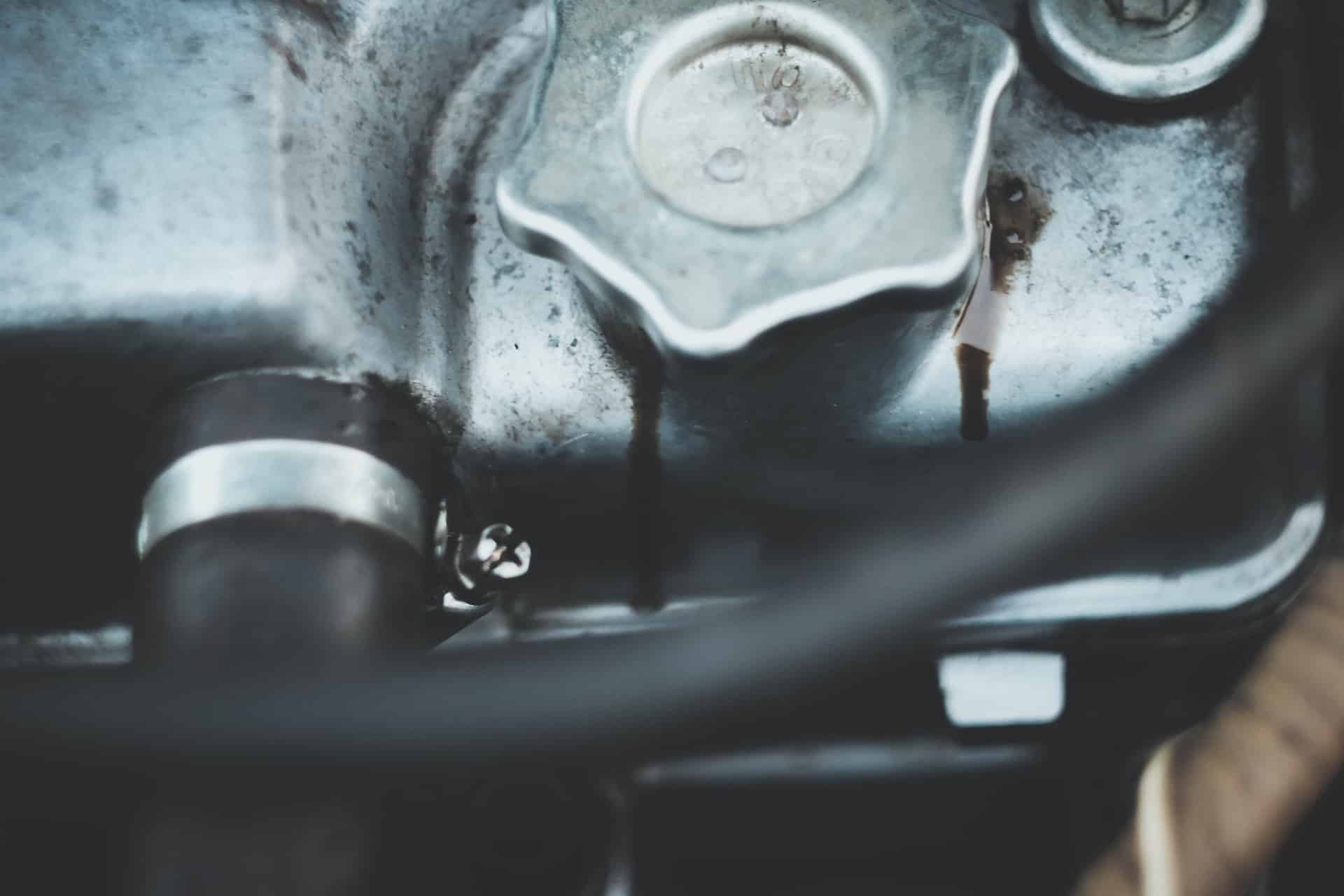
Ferrari Oil Leak Repair at DART Auto
Ferrari engines operate at extremes most vehicles never approach – stratospheric RPMs, precision-balanced rotating assemblies, and thermal loads that demand every gasket, seal, and O-ring perform flawlessly. When oil starts weeping from a cam cover or pooling beneath your 458's belly pan, the fix isn't simply slapping on a new gasket. Ferrari's flat-plane V8s and V12s use multi-layer steel head gaskets with specific torque sequences, aluminum-to-aluminum sealing surfaces that require meticulous prep, and cam cover assemblies where a single misaligned dowel pin can cause a repeat leak within weeks. Generic shops treat oil leaks as nuisance work; we treat them as precision engine surgery requiring factory procedures, OEM torque specs, and the diagnostic capability to confirm the leak source before disassembly begins.
Since 2000, DART Auto has invested in the Ferrari-specific tooling and training that separate guesswork from certainty. Our master technicians – each with at least 10 years of experience and dealer-level training – use UV dye tracing, borescope inspection, and pressure testing to pinpoint leaks that often masquerade as something else. We follow factory repair information to the letter, use OEM or premium gaskets sourced from trusted Ferrari suppliers, and back every repair with our 3-year/36,000-mile warranty.
When you bring your Ferrari to DART for oil leak repair, expect:
- Complete UV dye trace and pressure diagnostics to confirm the true leak source – no assumption-based repairs
- OEM-aligned disassembly, surface prep, and torque sequences using factory repair data and specialty tooling
- Transparent explanation of what failed, why it failed, and what we're doing to prevent recurrence
- Salaried technicians with zero incentive to rush – the repair gets done right the first time, period
Common Oil Leak Repair Issues on Ferrari Vehicles
Ferrari ownership brings exhilaration – and a handful of platform-specific oil leak patterns that generic shops routinely miss. These aren't universal engine leaks; they're design quirks tied to specific model generations, and catching them early separates a quick seal replacement from a catastrophic rebuild.
- F355 (1994–1999) cam cover gasket weeping: The Tipo F129 V8 uses aluminum cam covers with cork-composite gaskets that harden over time. High under-hood temps accelerate degradation, and oil migrates down the back of the block onto exhaust manifolds. Misdiagnosis as a rear main seal costs owners thousands in unnecessary transmission-out labor.
- 360 Modena & F430 (1999–2009) variator solenoid O-rings: The F131 and F136 V8s feature variable valve timing actuators on each cam. Factory O-rings fail around 30,000–50,000 miles, weeping oil onto timing covers. Shops unfamiliar with Ferrari often replace entire variators when a $12 seal and proper torque sequence would suffice.
- 458 Italia (2009–2015) oil cooler line fittings: The F136F V8 routes pressurized oil through aluminum hard lines with banjo fittings. Thermal cycling loosens crush washers, causing drips at the cooler interface. Dealers replace entire lines; experienced shops retorque with OEM washers and thread sealant per Ferrari service bulletin.
- California & Portofino (2008–present) front crankshaft seal migration: The front-engine GT platform uses a two-piece seal behind the harmonic balancer. Improper balancer installation – common during accessory belt service – distorts the seal lip, causing a slow leak that accelerates into a gusher. Diagnosis requires removing the balancer and inspecting for radial scoring.
- 812 Superfast (2017–present) oil pan gasket seepage: The F140 V12 uses a multi-piece aluminum pan with RTV-only sealing (no traditional gasket). Aftermarket shops applying generic silicone create leak paths; Ferrari specifies Loctite 5900 with a precise bead pattern and 24-hour cure before fill.
- SF90 Stradale hybrid system integration leaks: The twin-turbo V8 shares oil supply with electric motor cooling circuits. Leaks at the interface between ICE and e-motor housings require hybrid-system depressurization and high-voltage lockout – procedures that demand Ferrari-specific training and safety interlocks.
Why Choose DART Auto for Ferrari Oil Leak Repair
Ferrari oil leaks demand more than a quick gasket swap. F430s and 360s commonly develop leaks at the cam cover seals and oil cooler lines – issues that require removing undertray panels and working around tight V8 packaging. California T and 458 models with their turbocharged and naturally aspirated F136 variants need precise torque specs on oil pan bolts to avoid warping aluminum castings. Generic shops often misdiagnose valve cover seepage as a major seal failure, costing you thousands unnecessarily.
DART Auto's master technicians use factory-level diagnostic tools and OEM repair procedures specific to each Ferrari platform. We've invested in the specialty tooling required to access oil filter housings on mid-engine layouts without damaging carbon-fiber components. Our salaried compensation structure means no one rushes through a cam cover reseal to hit flat-rate hours – we torque every fastener to Ferrari's published specs and verify the repair with a pressure test before reassembly.
- Platform expertise: familiarity with F136, F133, and Tipo F131 engine quirks, including TSB updates for oil cooler fittings on 2009–2012 California models
- Complete workflow: UV dye tracing, pressure testing, post-repair scan verification, and road-test validation
- OEM-grade parts: Genuine Ferrari gaskets and seals sourced from trusted suppliers, never generic aftermarket compromises
- Warranty confidence: 3-year/36,000-mile parts and labor coverage on every oil leak repair
Symptoms – How to Know You Need This Service
Ferrari oil leaks often announce themselves subtly before becoming urgent. You may notice a faint burnt-oil smell after spirited driving, especially on models where cam covers sit close to exhaust manifolds. Oil spots on your garage floor – amber when fresh, dark brown after oxidizing – signal active seepage. On mid-engine models like the 360 or F430, oil dripping onto hot exhaust components can produce wisps of blue-white smoke during hard acceleration or after idling at temperature.
Watch for these telltale signs:
- Persistent oil odor in the cabin or near engine vents after highway runs
- Visible oil residue around cam cover perimeters, valve cover bolt washers, or oil filter housing seams
- Drops or pooling beneath the engine bay – check both sides on V-configuration engines
- Low oil level warnings appearing more frequently than your service interval suggests
- Oil misting on undercarriage components or rear suspension on mid-engine layouts
- Smoke from the engine bay during warm-up or after sustained high-RPM operation
- Wetness around the oil pan rail, front/rear main seals, or timing cover interfaces
If you see smoke or smell burning oil during normal driving, schedule an inspection immediately. Continued operation risks oil starvation, catalytic converter damage, or fire hazard from oil contacting exhaust components.
Which Ferrari Models We See for Oil Leak Repair
We regularly service oil leak repairs across Ferrari's modern lineup, from the last of the naturally aspirated V8s through current turbocharged platforms. The work varies significantly by engine architecture – flat-plane V8s in the 458/488/F8 family have different cam cover and head gasket challenges than the V12s in the 599/F12/812 lineage, and mid-engine layouts demand different access strategies than front-engine GT models. Older hydraulic valve-lash engines (pre-2000 models with Bosch Motronic) occasionally present for leak work, though we focus our tooling and training investment on 2000-forward platforms where diagnostic integration and emissions compliance play larger roles.
Platforms we commonly service for oil leak repair:
- 360 Modena / Spider (1999–2005): Cam cover gaskets, valve cover seals, oil cooler line O-rings
- F430 / Scuderia (2004–2009): Cam cover leaks common at high mileage; timing case seals on track-driven examples
- 458 Italia / Spider / Speciale (2009–2015): Valve cover gaskets, oil pan rail seepage on early builds
- California / California T (2008–2017): Front-engine V8 layout; cam covers, oil filter housing, front main seal
- 488 GTB / Spider / Pista (2015–2020): Turbo V8 platforms; intercooler plumbing can mask oil leaks as coolant issues
- F8 Tributo / Spider (2019–present): Newer platform with improved gasket materials; early-life leaks less common
- 599 GTB / GTO (2006–2012): V12 cam covers, oil pan gaskets, rear main seal on higher-mileage units
- F12 Berlinetta / tdf (2012–2017): V12 valve covers; timing case seals on track-use examples
- 812 Superfast / GTS (2017–present): Current V12 platform; most leak work involves accessory seals rather than major gaskets
- Portofino / Portofino M (2017–present): Front-engine turbo V8; cam cover and oil cooler line connections
If your Ferrari falls outside these ranges or you own a limited-production model (Enzo, LaFerrari, SF90), contact us directly – we'll assess whether we have the platform-specific tooling and data to perform the repair to factory standards.
Causes & Risks – What Happens if Ignored
Ferrari oil leaks stem from a collision of Italian engineering passion and real-world thermal stress. High-revving engines generate extreme under-hood temperatures; gaskets and seals rated for 200°F encounter 250°F+ in stop-and-go Denver traffic. Add altitude-related fuel enrichment (more combustion heat), seasonal temperature swings, and Ferrari's preference for lightweight aluminum castings with minimal gasket clamping surface, and you have a recipe for seal degradation that accelerates faster than on mass-market vehicles. Short trips – common for collector cars – never bring oil to full operating temp, allowing moisture and acids to attack seals from the inside.
Delaying repair transforms a nuisance into a financial disaster. Here's the escalation path:
- Weeks 1–4: Minor drips accumulate on the garage floor. Oil contacts exhaust components, creating acrid smoke and potential fire risk during spirited driving. Underbody aero panels trap heat and oil residue, accelerating rubber component degradation.
- Months 2–6: Oil level drops below the add mark. Inadequate lubrication starves variable valve timing actuators and hydraulic cam adjusters. On F136 engines, this triggers cam phaser rattle – a $4,000+ repair if actuator gears score their housings. Oil-soaked belts slip, causing accessory system faults and potential timing issues on models with oil-driven cam phasers.
- 6+ months: Continuous oil loss leads to running a quart or more low. Bearing clearances tighten as oil film strength collapses, generating metal particles that circulate through galleries. Rod and main bearings score; oil pump pickup screens clog. What began as a $600 gasket job becomes a $25,000+ engine-out rebuild with machining, new bearings, and potentially crankshaft replacement.
- Critical failure: Catastrophic oil starvation seizes the engine mid-drive. Connecting rods punch through the block, destroying the engine and often damaging the transmission bell housing and surrounding chassis components. Total loss scenarios exceeding $60,000 are not theoretical – we've seen them.
Safety Impact – Why Oil Leak Repair Matters
Oil leaks on a Ferrari aren't just cosmetic embarrassments – they create genuine safety hazards that escalate quickly. Oil migrating onto exhaust manifolds or catalytic converters ignites under hard acceleration, producing visible smoke that obscures vision for following drivers. In enclosed spaces like parking garages, this smoke triggers fire alarms and creates panic. More insidiously, oil dripping onto rear tires during aggressive cornering – common when cam cover leaks run down the block – reduces grip precisely when the chassis is at its limit, inducing snap oversteer that even experienced drivers struggle to catch.
Ferrari's mid- and rear-engine layouts place leak sources directly above or adjacent to critical drivetrain components. Oil contaminating clutch assemblies (F1-style automated manuals) or dual-clutch packs causes slipping, delayed engagement, and unpredictable power delivery during overtaking maneuvers. On hybrid models like the SF90, oil breaching the high-voltage battery compartment creates short-circuit and thermal runaway risks – scenarios that can disable the vehicle instantly or, in worst cases, trigger battery fires.
When to stop driving immediately:
- Oil pressure warning light illuminates during operation (indicates critically low level or pump failure)
- Visible smoke from the engine bay while stationary or at idle (active ignition of leaked oil)
- Strong burning oil smell inside the cabin with HVAC on recirculate (exhaust gases entering ventilation system)
- Sudden loss of power accompanied by metallic rattling (bearing damage from oil starvation)
Schedule service within days:
- Fresh oil spots on garage floor after each drive
- Oil level dropping more than half a quart between changes
- Smoke visible only during hard acceleration or high-RPM operation
How Ferrari Oil Leak Repair Actually Works
Ferrari's lubrication systems reflect decades of F1 engineering transferred to road cars. Unlike mass-market engines with simple gear-driven oil pumps and gravity-fed sumps, modern Ferraris use dry-sump systems with multiple scavenge pumps pulling oil from separate chambers, a remote reservoir, and electronically controlled pressure regulation that adjusts flow based on RPM, throttle position, and lateral G-forces. The 458's F136F engine, for example, employs four scavenge stages and one pressure stage, with oil routed through chassis-mounted coolers and a thermostatic valve that bypasses the cooler during warm-up. This complexity means leak points multiply – every junction, every banjo fitting, every sensor port becomes a potential failure site.
Ferrari's insistence on aluminum castings for weight savings creates sealing challenges. Aluminum expands and contracts more than iron as temperatures cycle, working gaskets loose over time. Many models use no traditional gaskets at all, relying instead on RTV silicone applied in precise bead patterns with specific cure times. The factory service procedure for an 812 oil pan, for instance, specifies Loctite 5900, a 3mm bead with no breaks, applied to a chemically cleaned surface, and a 24-hour cure before filling – deviate from any step and the seal fails within 5,000 miles. Generic shops using off-the-shelf silicone and a "close enough" approach create comebacks.
Why Ferrari oil leak repair demands specialized capability:
- OEM diagnostic software: Ferrari's SD2/SD3 diagnostic platforms communicate with engine control modules to verify oil pressure sensor calibration, check for aeration faults, and log oil temp deviations that point to leak locations. Aftermarket scan tools can't access these parameters.
- Dry-sump priming procedures:</strong
How We Diagnose Oil Leak Repair Issues on Ferrari
Ferrari oil leaks demand more than a quick glance under the hood. The flat-plane V8s in 458 and 488 models, the V12 architectures in F12 and 812, and the turbocharged platforms in Portofino and Roma all present unique sealing challenges tied to high-performance operating temperatures and precision machining tolerances. Generic shops often miss camshaft cover weeps on F136 engines or misdiagnose rear main seal seepage as transmission pan leaks on California models. We begin every diagnosis with the factory-level tools and platform knowledge that separate guesswork from certainty.
- Initial visual inspection and fluid identification: We lift the car on a proper alignment rack and inspect the entire undercarriage with LED work lights. Engine oil, transmission fluid, and differential oil each leave distinct residue patterns. On 360 and 430 models with F131 V8s, we check the notorious cam cover gasket areas and timing cover seals first. We also inspect the oil cooler lines and fittings common to mid-engine layouts.
- UV dye injection and drive cycle: When the source isn't obvious, we introduce UV-reactive dye into the suspect system and run the car through a controlled heat cycle. Ferrari engines operate at elevated temperatures – the dye fluoresces under black light and pinpoints seepage invisible to the naked eye, whether it's a valve cover, oil pan cork gasket on older models, or a pressurized gallery seal.
- Leonardo diagnostic scan and live data review: We connect Ferrari's proprietary Leonardo diagnostic platform to pull fault codes, review oil pressure sensor data, and check crankcase ventilation system function. Excessive crankcase pressure from a clogged PCV valve can blow out seals that would otherwise hold. The scan also confirms whether the engine has been overheated or run low on oil – both accelerate gasket degradation.
- Physical measurement and torque verification: On disassembly, we measure bolt stretch, inspect mating surfaces for warpage with a precision straightedge, and verify that previous repairs used correct OEM torque specs. Ferrari fasteners often require angle-torque sequences – shortcuts here guarantee return leaks.
Once we've isolated the source, we photograph the affected area, document our findings, and build a transparent estimate that breaks down parts, labor, and the specific OEM procedures we'll follow. You'll know exactly what failed, why it failed, and what we're doing to prevent a repeat.
Oil Leak Repair on Ferrari: Repair vs. Replacement
Not every oil leak requires replacing entire assemblies. The decision hinges on the component's condition, the leak's root cause, and whether a repair will hold under Ferrari's demanding thermal and pressure cycles. We walk you through the options with photos and clear explanations – never upselling when a targeted fix will do the job.
When a True Repair Makes Sense
- Surface cleaning and re-torquing: Early-stage weeps from valve covers or oil pans sometimes stem from undertorqued fasteners or minor gasket shift. If the gasket itself shows no cracking or compression set, we clean the mating surfaces, apply fresh sealant where specified by Ferrari, and torque to factory spec with a calibrated wrench.
- Single seal replacement within a larger assembly: Front crankshaft seals on F140 V12 engines can be replaced without splitting the engine – we remove the accessory drive, extract the old seal, install a genuine Ferrari seal with the correct installation sleeve, and reassemble. The surrounding timing cover stays in place.
- PCV valve and breather system service: Many "oil leaks" are actually pressure-induced seepage. Replacing a clogged PCV valve and cleaning the crankcase ventilation passages often stops multiple small leaks without touching a single gasket.
When Partial or Full Replacement Is the Right Call
- Hardened or compressed gaskets: Cork-rubber composite gaskets on older 360 and 430 oil pans lose elasticity after years of heat cycling. Re-using them guarantees another leak within months. We replace with OEM or Elring gaskets engineered for the application.
- Warped or corroded mating surfaces: If an aluminum valve cover has corroded or a timing cover flange shows warpage beyond 0.003 inches, no gasket will seal properly. We replace the cover and machine the mating surface if needed.
- Rear main seal with clutch or flywheel wear: On gated-manual 430s and 599s, if we're already removing the transmission for clutch service and the rear main seal shows any seepage, we replace it during the same labor window. Returning later doubles the cost.
We present both options with honest cost-benefit analysis. If a repair will hold for years, we'll recommend it. If it's a temporary patch that wastes your money, we'll tell you that too.
How to Make Your Ferrari Oil Leak Repair Last Longer
Once we've sealed your Ferrari properly, a few mindful habits will keep those gaskets and seals doing their job for tens of thousands of miles. Ferrari engines are built for high performance, but they reward thoughtful operation and maintenance.
Driving Habits That Protect Seals and Gaskets
- Warm-up before high load: Let the oil reach operating temperature before sustained high RPM. Cold oil doesn't circulate as effectively, and cold gaskets are brittle. A five-minute warm-up before spirited driving gives seals time to expand and seat properly.
- Avoid short trips in extreme cold: Repeated cold starts without reaching full operating temperature create condensation in the crankcase and prevent gaskets from fully sealing. Combine errands or take a longer route occasionally to let the engine stabilize.
- Monitor oil level between services: Ferrari engines with dry-sump systems (458, 488, F8) hold significant oil volume, but they're also more sensitive to low levels. Check your dipstick or electronic oil level display monthly. Running low increases oil temperature and pressure, both of which degrade seals faster.
Maintenance You Can Monitor Yourself
- Visual undercarriage checks: After spirited drives or track days, look for fresh oil residue around the engine bay and under the car. Catching a small weep early means a gasket replacement instead of a full reseal.
- Listen for changes in engine sound: A sudden ticking or valve noise can indicate low oil pressure from a leak you haven't seen yet. Address it before the engine suffers secondary damage.
- Keep software current: Ferrari issues occasional ECU updates that refine oil pressure maps and PCV valve control. We flash updates during service visits – staying current protects the mechanical components downstream.
What to Leave to the Professionals
Oil changes, fluid checks, and visual inspections are safe DIY tasks if you're comfortable working on cars. But gasket replacement, seal installation, and any work requiring engine disassembly should stay in the hands of trained technicians with Ferrari-specific tooling. Incorrect torque sequences or misaligned seals will cost far more to fix than the original repair.
What to Expect When You Bring Your Ferrari In
Schedule your appointment online or by phone. When you arrive, a service advisor will document your concerns and note any visible oil staining or dashboard warnings. We'll ask about recent service history and whether you've noticed oil consumption between changes – details that help us pinpoint the source faster.
- Initial inspection and UV trace: We lift the car, remove undertray panels, and inject UV dye into the oil system if the leak source isn't obvious. A short test drive activates the leak under operating temperature, then we inspect under UV light to trace the exact path.
- Written estimate and approval: You'll receive a detailed estimate listing the failed seals or gaskets, required parts, and labor scope. We explain what happens if you delay the repair – whether it's a minor seepage or a risk to the catalytic converters from oil dripping onto exhaust components.
- Repair execution: Our technicians follow Ferrari's published torque sequences and use OEM sealants where specified. For cam cover reseals, we replace valve cover gaskets, spark plug tube seals, and any brittle vacuum lines in the same area to prevent a return visit.
- Post-repair verification: We pressure-test the oil system, clear any stored fault codes, and road-test the car to confirm no new leaks under load. At pickup, we'll show you the old parts and walk you through what we found.
Loaner vehicles and local shuttle service are available during the repair. If you need after-hours pickup, let us know at drop-off and we'll arrange key handoff. If you notice any seepage or warning lights within the warranty period, bring the car back immediately – we'll inspect and address it at no charge. Our goal is to fix your Ferrari right the first time, so you're back on the road without the oil spots in your driveway.
Our Ferrari Services
- Air Conditioning AC Repair
- Battery Repair Replacement
- Brake Repair & Brake Fluid Change
- Check Engine Light Diagnostics
- Clutch Repair & Replacement
- Coolant Leak Repair
- Cooling System Repair
- Drive Shaft Repair
- Engine Repair
- Exhaust & Catalytic Converter Repair
- Head Gasket Repair & Replacement
- Oil Change
- Scheduled Service Maintenance
- Steering Repair
- Suspension Repair
- Cambelt Timing Belt Replacement
- Transmission Repair
- Tune Up
- Wheel Alignment