
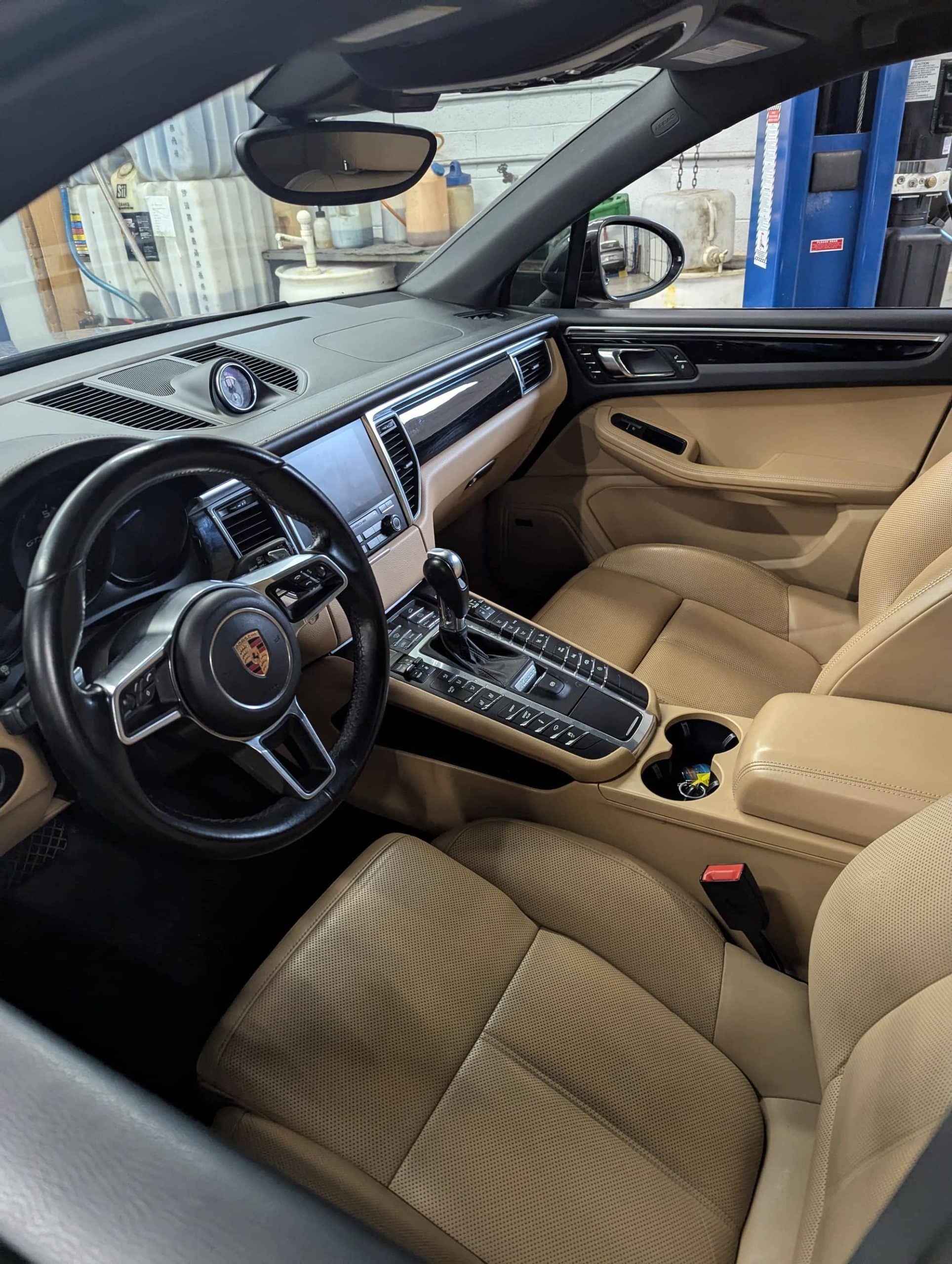
Ferrari Steering Repair at DART Auto
When your Ferrari's steering feels off, the cost of trusting the wrong shop can mean damaged electronics, compromised handling precision, and thousands wasted on repeat visits. Ferrari steering systems integrate hydraulic assist, electric power steering (EPS), and stability control through proprietary CAN bus protocols that generic shops simply can't access. A misdiagnosed rack leak or improperly calibrated steering angle sensor doesn't just affect comfort – it disables traction control, compromises magnetorheological dampers, and throws the entire chassis calibration out of spec.
DART Auto brings factory-level diagnostic capability to steering repair without the dealer markup. We use Ferrari-specific tooling to read fault codes from the EPS control unit, perform steering angle sensor zero-point calibration after rack replacement, and verify hydraulic pressure specs that vary by model year and assist type. The 360 Modena and F430 use hydraulic racks with specific Pentosin fluid requirements; the 458 Italia and later models switched to column-mounted EPS that requires software initialization after service. Getting fluid type, torque specs, and electronic calibration wrong means repeat failures and safety risks.
When you bring your Ferrari to DART Auto for steering repair, expect:
- Complete system diagnosis using Ferrari-compatible scan tools to isolate hydraulic leaks, EPS motor faults, and sensor drift before recommending parts replacement
- OEM or premium aftermarket components sourced from ZF, Bosch, and Ferrari-approved suppliers – never generic rebuilds that fail prematurely
- Post-repair calibration and verification including steering angle sensor zero-point programming and road test to confirm proper assist curves and stability system integration
- 3-year/36,000-mile warranty on parts and labor, backed by master technicians with dealer training and over 24 years serving Denver's European car community
Common Steering Repair Issues on Ferrari Vehicles
Ferrari steering systems are precision-engineered for razor-sharp feedback and track-level responsiveness, but that same exactness makes them vulnerable when components wear. Getting steering repair wrong on a Ferrari doesn't just cost you feel – it can cascade into safety risks and five-figure damage if ignored. Here's what we see most often:
- Rack-and-pinion seal leakage on F430 and 360 Modena platforms (1999–2009). The hydraulic steering rack develops seepage at the inner tie-rod boots or pressure-side seals, often accelerated by track use. Left unchecked, fluid loss leads to pump starvation and catastrophic rack failure, turning a seal job into a complete rack replacement.
- Power steering pump cavitation and whine on 458 Italia (2009–2015). The electro-hydraulic pump runs continuously at idle to support the E-Diff and F1-Trac systems. Low fluid, air intrusion, or degraded hoses cause the pump to aerate fluid, creating noise and erratic assist. Delayed repair damages the pump motor and contaminates the entire hydraulic circuit.
- Tie-rod end and ball-joint wear on California and Portofino (2008–present). The front-engine GT layout places higher static loads on the outer tie-rods and lower ball joints. Owners notice vague turn-in or clunking over bumps. Worn joints allow toe misalignment, chewing through rear tires in under 3,000 miles and destabilizing high-speed lane changes.
- Steering column U-joint binding on 812 Superfast and GTC4Lusso (2016–present). The telescoping column uses dual universal joints that can develop corrosion or grease breakdown, especially in humid climates. Symptoms include notchy resistance at lock or a clicking sensation through the wheel rim. If the joint seizes, you lose fine steering input mid-corner.
- Electric power steering control module faults on SF90 Stradale and 296 GTB (2019–present). The steer-by-wire hybrid systems rely on dual ECUs for redundancy. Software glitches, sensor drift, or 12V battery voltage sags trigger limp-home mode, cutting assist to near-zero. Diagnosis requires Ferrari-specific EOBD tools and factory calibration files unavailable to generic scan tools.
- Alignment drift after suspension work on all models. Ferrari specifies toe, camber, and caster to hundredths of a degree for neutral handling balance. Any steering or suspension repair that disturbs geometry – even replacing a single control arm – mandates a four-wheel alignment on a dedicated Ferrari-certified rack with model-specific specs loaded.
Why Choose DART Auto for Ferrari Steering Repair
Getting steering work wrong on a Ferrari means more than just poor handling – it can cascade into tire wear, suspension damage, and compromised safety at the speeds these cars were built for. DART Auto brings factory-level diagnostic capability to Ferrari steering systems without the dealer markup. Our technicians hold over a decade of experience each and receive ongoing training on Ferrari platform updates, TSBs, and software calibrations that affect steering geometry and electronic power assist systems.
We own the entire repair process from diagnosis through post-repair alignment verification. Using the same diagnostic tooling Ferrari dealerships rely on, we can read steering angle sensor data, calibrate electric power steering modules on F430 and later models, and verify rack-and-pinion torque specs unique to each chassis generation. Our salaried compensation structure means your technician has zero incentive to rush – they're focused on getting your 458, California, or 812 back to factory handling dynamics.
Every steering repair includes a complete road test and scan-tool verification to confirm steering angle calibration, wheel speed sensor correlation, and ESC system integration. We back that work with a 3-year/36,000-mile warranty on parts and labor, giving you confidence that the repair will hold up under spirited driving.
Symptoms – How to Know You Need This Service
Ferrari steering issues announce themselves through specific sensations and warnings that shouldn't be ignored. Pay attention to these signs:
- Heavy or inconsistent steering effort – assist drops out intermittently or steering feels unusually heavy at low speeds, often pointing to EPS motor failure or hydraulic pump wear
- Steering wheel off-center when driving straight – common after suspension work or impact, indicating the steering angle sensor needs recalibration or the rack has shifted position
- Whining or groaning noise during turns, especially on 360/F430 hydraulic systems – typically means low fluid level from rack seal leaks or failing pump bearings
- Dashboard warnings – "Steering Fault," "ESP Unavailable," or traction control lights illuminate together when the steering angle sensor signal is lost or the EPS control unit detects internal faults
- Fluid leaks beneath the engine bay – reddish-brown hydraulic fluid pooling near the rack bellows or dripping from high-pressure hoses means seal failure requiring immediate attention
- Vibration or kickback through the wheel over bumps – worn inner tie rod ends or loose rack mounting bushings allow excessive play in the steering system
- Sudden loss of power assist – if steering becomes extremely heavy without warning, stop driving immediately; this indicates complete EPS or hydraulic system failure
Heavy steering or complete assist loss requires immediate attention. Intermittent symptoms or dashboard warnings should be diagnosed within the week to prevent safety system failures.
Which Ferrari Models We See for Steering Repair
We service steering systems across Ferrari's modern lineup, with particular depth in models from 1999 forward where hydraulic and electric power steering became standard. Chassis codes and generation differences matter because steering architecture changed significantly across platforms.
- 360 Modena / Spider (1999–2005) – hydraulic rack-and-pinion with engine-driven pump, prone to rack seal leaks and fluid contamination from aging hoses
- F430 / F430 Spider (2004–2009) – continued hydraulic assist with improved rack design, but pump bearings and high-pressure line fittings remain common failure points
- California / California T (2008–2017) – transitioned to electrohydraulic steering on later models, requiring both hydraulic service and electronic diagnostics for assist faults
- 458 Italia / Spider / Speciale (2009–2015) – first full electric power steering (column-mounted EPS), requires software calibration after rack or sensor replacement
- 488 GTB / Spider (2015–2019) – refined EPS with tighter integration to stability control, steering angle sensor drift disables traction systems
- F12berlinetta / F12tdf (2012–2017) – EPS with variable assist mapping, sensitive to sensor calibration and control unit software versions
- 812 Superfast (2017–present) – latest-generation EPS requiring Ferrari diagnostic protocols for fault isolation and post-repair initialization
- GTC4Lusso (2016–2020) – AWD variant with four-wheel steering on some trims, adding complexity to alignment and calibration procedures
We focus on street-driven Ferraris and modern V8/V12 platforms. Early models with manual steering or specialty race-derived systems may require referral to marque specialists with period-correct tooling.
Causes & Risks – What Happens if Ignored
Steering issues on Ferraris stem from a mix of high-performance design and real-world use. Hydraulic systems run hotter and under higher pressure than typical cars, accelerating seal degradation. Track days introduce lateral loads that fatigue ball joints and tie-rods in a fraction of street mileage. Colorado's temperature swings cause moisture infiltration in electric steering modules, and road salt corrodes column joints. Ferrari's tight tolerances mean small wear becomes measurable slop quickly.
Delaying steering repair starts a predictable escalation:
- Seal weeps become pump failures. A slow rack seal leak drops fluid levels over weeks. Once the reservoir runs dry, the pump runs metal-on-metal, seizing the vanes and sending debris through every hydraulic line. What began as a $900 seal kit becomes a $7,000 rack-and-pump replacement plus system flush.
- Loose tie-rods destroy tires and suspension mounts. A worn outer tie-rod allows the wheel to toe in and out under braking and acceleration. Rear tires feather to the cords in 2,000 miles, and the oscillating load cracks the steering knuckle casting – a part that costs $1,800 and requires suspension disassembly to replace.
- Binding column joints fracture under load. A corroded U-joint that clicks at parking-lot speeds can lock solid during a high-speed maneuver, forcing you to muscle the wheel through the bind. The shock load can shear the splined shaft or crack the column housing, necessitating a complete column assembly swap.
- EPS faults cascade into hybrid system errors. On SF90 and 296 models, the steering ECU shares CAN-bus data with the hybrid inverter and traction control. A failing steering module throws fault codes that put the entire powertrain into limp mode, stranding the car and requiring flatbed transport to a facility with Ferrari diagnostic capability.
- Misalignment accelerates bearing and CV-joint wear. Running even 0.2 degrees out of spec toe loads the wheel bearings unevenly and forces the CV joints to articulate at incorrect angles. Within 5,000 miles, you'll hear hub-bearing rumble and feel clicking in tight turns – adding another $2,500 in parts to the repair bill.
Safety Impact – Why Steering Repair Matters
Ferrari steering systems do more than point the car – they integrate with stability control, ABS modulation, and torque vectoring to keep you planted through corners at speeds that would spin a lesser car. When steering components fail, these safety nets collapse in ways that aren't always obvious until you're mid-corner at 80 mph.
Specific failure modes that create immediate danger:
- Sudden loss of power assist. If the hydraulic pump seizes or an EPS module cuts out, steering effort jumps from fingertip-light to arm-wrestling heavy in an instant. At highway speed, you may not have the leverage to make an emergency lane change or avoid an obstacle.
- Tie-rod separation. A fully worn ball stud can pull out of the socket under heavy braking or a pothole strike. The wheel collapses inward, and you lose all directional control on that corner. This is a "pull over immediately" failure the moment you feel excessive play or hear clunking.
- ESC and ABS miscalculation. The stability system uses steering angle and rate sensors to predict your intended path. A binding column or faulty sensor feeds bad data, causing ESC to brake the wrong wheels or allow oversteer when it should intervene. You lose the electronic safety margin Ferrari engineered into the chassis.
- Airbag non-deployment. The clockspring in the steering column maintains electrical contact for the driver airbag and steering-wheel controls. A damaged clockspring can sever the circuit, disabling the airbag without warning. The SRS light may not illuminate until the system runs a self-test, leaving you unprotected in a crash.
Stop driving now: any clunk or pop when turning the wheel, sudden change in effort, or visible fluid leak under the car. Schedule within the week: gradual increase in steering play, intermittent whine from the pump, or alignment pulling to one side.
How Ferrari Steering Repair Actually Works
Ferrari uses three distinct steering architectures depending on model and year. Older cars (360, F430, 599) employ conventional hydraulic rack-and-pinion with a belt-driven pump and fluid reservoir. Mid-generation models (458, California T, F12) switched to electro-hydraulic systems – an electric motor spins the hydraulic pump on-demand, reducing parasitic drag and allowing variable assist tuning. The latest hybrid and V12 flagships (SF90, 296, 812 Competizione) run full electric power steering with dual control modules and no hydraulic fluid at all. Each system requires different diagnostic paths, calibration steps, and OEM-specific tooling.
What sets Ferrari steering apart from volume-market cars:
- Variable-ratio racks. Many models use a rack gear with progressive tooth spacing, quickening the ratio as you approach full lock. Replacing a rack requires precise centering and a steering-angle sensor reset using Ferrari's EOBD diagnostic suite – generic scan tools can't write the calibration.
- Integrated yaw and lateral-G sensors. The steering column houses accelerometers and gyroscopes that feed the F1-Trac and ESC systems. Any column or rack replacement demands a dynamic calibration drive cycle to teach the ECU the new sensor baseline, or the car will throw persistent stability-control faults.
- Hydraulic system bleed procedures. Ferrari specifies a power-bleed sequence using a pressure ble
How We Diagnose Steering Repair Issues on Ferrari
Getting steering diagnostics wrong on a Ferrari can mean replacing a $4,000 rack when the real culprit was a $200 sensor – or worse, missing a hydraulic leak that leaves you without assist at highway speed. Ferrari steering systems integrate electronic control units, hydraulic actuators, and angle sensors that demand factory-level scan tools and platform-specific knowledge to interpret correctly.
Our diagnostic process follows a deliberate sequence that eliminates guesswork:
- Pre-scan with Ferrari-capable diagnostics. We use Leonardo or equivalent factory tooling to pull active and stored codes from the power steering control module, ABS/ESP system, and chassis network. On F430 and later models, we're reading real-time steering angle, hydraulic pressure, and motor current draw – data a generic scanner can't access.
- Road test under controlled conditions. We drive the car through low-speed parking maneuvers, highway-speed lane changes, and emergency-stop scenarios. We're listening for pump whine, feeling for dead spots in the rack travel, and noting whether assist fades with temperature or load.
- Visual and mechanical inspection on the lift. We check tie rod ends for play, inspect rack boots for fluid weeping, examine hydraulic lines for chafing or seepage, and verify steering column U-joint condition. On 360 Modena and 575M models, we pay special attention to the power steering pump mounting – they're known for bracket fatigue that introduces vibration and accelerates seal wear.
- Hydraulic pressure and fluid condition testing. We measure system pressure at idle and under load, then inspect the fluid for contamination, aeration, or burnt odor that signals internal component breakdown.
Once we've isolated the fault, we walk you through exactly what failed, why it happened, and what it will take to restore full steering function. You get a written estimate with part numbers and labor hours before any repair work begins.
Steering Repair on Ferrari: Repair vs. Replacement
The repair-versus-replacement decision on Ferrari steering hinges on component condition, parts availability, and long-term reliability. We default to the approach that gets you the most durability per dollar spent.
When True Repair Makes Sense
- Hydraulic fluid contamination with no hard-part damage. If the pump and rack internals are clean and the issue is dirty fluid from deferred service, a thorough flush with OEM Pentosin CHF 11S and new filter solves it.
- Tie rod end replacement on otherwise sound linkage. Outer tie rods wear from normal use; replacing them with Lemförder or OEM parts restores tight steering without touching the rack.
- Sensor recalibration after alignment or battery disconnect. Steering angle sensors on 458 and later models occasionally need relearning through the factory diagnostic procedure – no parts required, just the right tooling and procedure.
When Partial Replacement Is Right
If the rack seals are leaking but the internal valve and piston are intact, installing a seal kit and flushing the system extends life without the cost of a remanufactured rack. On 360 and F430 models, replacing the power steering pump when it's whining prevents downstream contamination that would ruin the rack.
When Full Replacement Is the Call
When internal rack wear has scored the piston or valve body, or when pump bearing failure has sent metal through the system, partial fixes just delay the inevitable. We source remanufactured racks from specialists who understand Ferrari tolerances, not generic rebuilders who treat every rack the same. We explain the cost difference, the warranty coverage, and let you make the final call – we're not here to sell the most expensive option, we're here to fix it right.
How to Make Your Ferrari Steering Repair Last Longer
Ferrari steering systems respond well to thoughtful driving and maintenance habits. Small investments in preventive care pay off in component longevity and sustained feel.
Driving Habits That Protect Steering Components
- Avoid holding the wheel at full lock for extended periods. Parking-lot maneuvering at full steering angle with the wheel pinned creates maximum hydraulic pressure and heat – complete the turn and straighten out.
- Warm the car before aggressive driving. Cold hydraulic fluid is thick and slow-moving; hard cornering before the system reaches operating temperature stresses seals and accelerates wear.
- Watch for road debris and curb strikes. Pothole impacts and curb contact can bend tie rods, knock the alignment out, and introduce play into the steering linkage. Address alignment issues immediately – they cascade into tire wear and suspension damage.
Maintenance You Can Monitor
- Check power steering fluid level monthly. The reservoir is accessible on most models; fluid shouldn't drop between service intervals. A falling level means a leak that needs immediate attention.
- Listen for new noises. Pump whine, groaning during turns, or clunking from the front end are early warnings. Catching them early prevents expensive secondary damage.
- Follow Ferrari's fluid service intervals. Power steering fluid breaks down from heat and moisture absorption. Ferrari specifies replacement every two years or 20,000 miles – skipping it invites internal corrosion and seal degradation.
What to Leave to the Professionals
Steering systems are safety-critical. Tie rod installation requires precise torque specs and post-installation alignment. Hydraulic system bleeding on Ferrari models with electronic assist demands scan-tool-activated bleeding procedures you can't replicate at home. Fluid checks and visual inspections are safe DIY; anything involving disassembly or calibration belongs in our shop with the right tools and training.
What to Expect When You Bring Your Ferrari In
We've refined our process over 24 years to make steering repairs transparent and stress-free. Here's how your visit unfolds:
- Appointment and Drop-Off: Schedule online or by phone. During drop-off, describe exactly what you're experiencing – steering pull, vibration at speed, play in the wheel, or warning lights. We'll note your concerns and ask about recent impacts or curb contact that might affect alignment or tie-rod integrity.
- Diagnostic Inspection: Our technician performs a complete steering system inspection: rack-and-pinion play, tie-rod end wear, power steering fluid condition (hydraulic systems), steering column U-joint wear, and electronic fault codes. On electric power assist models (F430 onward), we verify module communication and sensor calibration.
- Written Estimate and Approval: You receive a detailed estimate explaining which components need replacement, why they've failed, and what happens if deferred. We'll differentiate between safety-related items and wear items that can wait. No work begins until you approve.
- Repair Execution: We use OEM or premium aftermarket parts from trusted Ferrari suppliers, follow factory torque specs, and calibrate steering angle sensors post-repair. If alignment is affected, we perform a four-wheel alignment to Ferrari specifications.
- Post-Repair Verification: Every car gets a road test to verify steering feel, centering, and responsiveness. We re-scan for fault codes and confirm all electronic systems have adapted to the new components.
- Pickup Walkthrough: At pickup, we walk you through what we found, what we replaced, and what to monitor going forward. If something feels off after you drive it, call us immediately – we'll make it right.
Loaner vehicles and shuttle service are available depending on scheduling. Remove personal items before drop-off, and let us know if you need after-hours pickup – we'll arrange key lockbox access.
Our Ferrari Services
- Air Conditioning AC Repair
- Battery Repair Replacement
- Brake Repair & Brake Fluid Change
- Check Engine Light Diagnostics
- Clutch Repair & Replacement
- Coolant Leak Repair
- Cooling System Repair
- Drive Shaft Repair
- Engine Repair
- Exhaust & Catalytic Converter Repair
- Head Gasket Repair & Replacement
- Oil Change
- Oil Leak Repair
- Scheduled Service Maintenance
- Suspension Repair
- Cambelt Timing Belt Replacement
- Transmission Repair
- Tune Up
- Wheel Alignment