
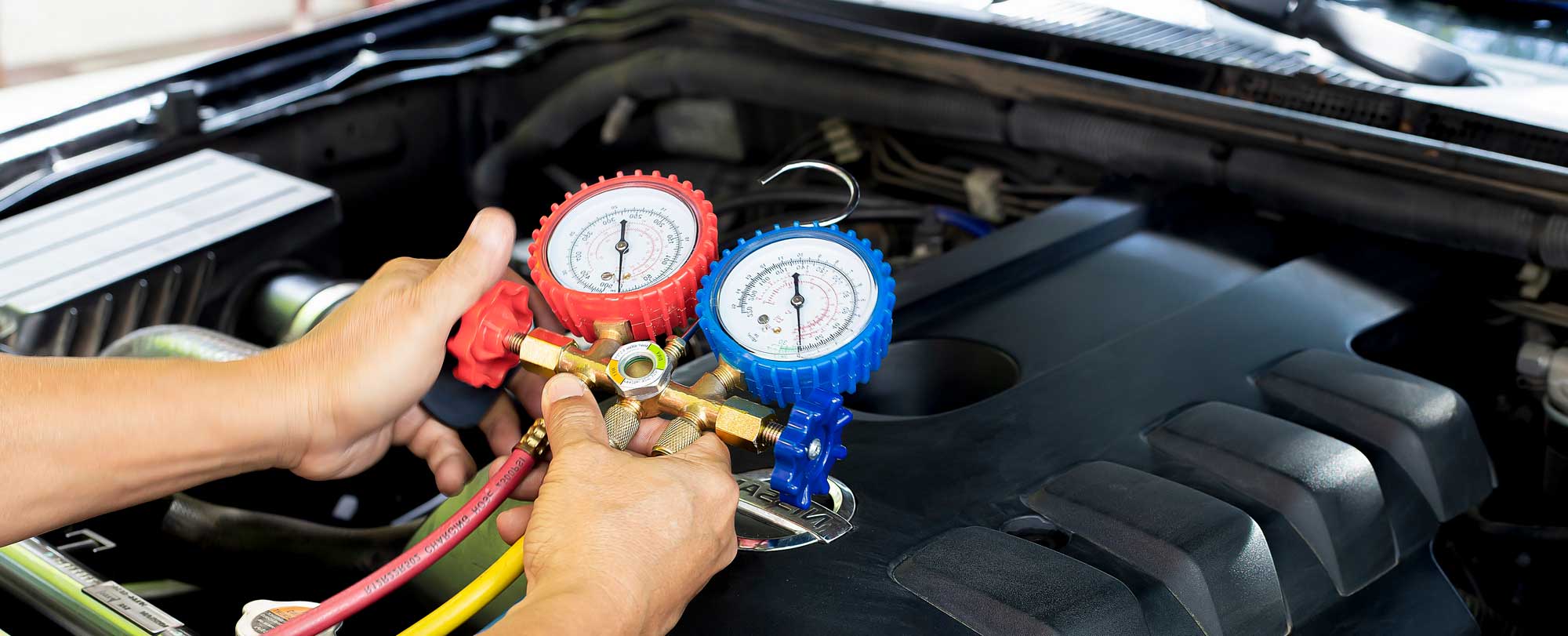
Ferrari Air Conditioning AC Repair at DART Auto
Ferrari climate control systems represent some of the most sophisticated automotive HVAC engineering in the world, integrating seamlessly with the car's electronic architecture and thermal management strategy. Unlike mass-market vehicles where AC is an afterthought, Ferrari designs climate systems that must perform flawlessly at sustained triple-digit speeds while managing heat from high-output engines in tight mid-engine or front-engine configurations. The 458 Italia and 488 GTB, for example, use dual-zone systems with CAN-bus integration that communicate with the engine ECU to optimize compressor engagement based on engine load and coolant temperatures. Servicing these systems requires Ferrari-specific diagnostic software to access climate control modules, read fault codes that won't trigger a dashboard warning, and perform guided bleeding procedures after refrigerant service.
Our technicians use the same Leonardo diagnostic platform Ferrari dealers rely on, allowing us to monitor real-time compressor clutch engagement, evaporator temperature sensors, and blend door position feedback that generic scan tools cannot access. We follow factory-specified vacuum and leak-down procedures before introducing R134a or R1234yf refrigerant (depending on model year), and we use OEM-spec PAG oil formulations matched to your Ferrari's compressor type. The F430 and 360 Modena, for instance, use different compressor designs that require distinct oil viscosities and fill quantities.
When you bring your Ferrari to DART Auto for AC repair, you can expect:
- Complete electronic diagnostics using Ferrari Leonardo software to identify climate control module faults, sensor drift, and communication errors
- Pressure testing and UV dye leak detection to pinpoint condenser, evaporator, or line failures common to specific chassis generations
- OEM-specification refrigerant recovery, vacuum testing, and recharge with proper PAG oil for your compressor type
- Verification of blend door operation, fresh air flap function, and cabin temperature sensor calibration through guided diagnostic routines
Common Air Conditioning AC Repair Issues on Ferrari Vehicles
Ferrari climate control systems reflect the brand's engineering philosophy: performance-focused, tightly integrated with the engine management system, and built to exacting tolerances that don't tolerate generic aftermarket shortcuts. The air conditioning components on modern Ferraris share packaging constraints with mid-engine layouts, placing compressors, condensers, and evaporators in locations that demand specialized access procedures. When these systems fail, the symptoms often appear subtle at first – reduced cooling capacity, intermittent blower operation, or unusual cabin odors – but the underlying causes typically involve platform-specific failure modes that require Ferrari-trained diagnostic expertise.
- Compressor clutch failure on F430 and 360 Modena platforms (1999–2009): The electromagnetic clutch on the Denso compressor commonly fails due to heat cycling in the engine bay. Symptoms include intermittent engagement, squealing during startup, or complete loss of cooling. The mid-engine layout places the compressor near exhaust heat, accelerating wear on the clutch bearing and coil assembly.
- Evaporator core leaks on 458 Italia and California models (2009–2015): Corrosion from condensation and road salt exposure causes pinhole leaks in the evaporator core, requiring complete dashboard removal for replacement. Early warning signs include musty cabin odors, refrigerant loss without visible external leaks, and oily residue on the passenger footwell carpet.
- Condenser damage on 488 GTB and F8 Tributo (2015–present): The front-mounted condenser sits behind minimal protective grilles, making it vulnerable to road debris and stone impacts. Even small punctures cause rapid refrigerant loss. The aluminum construction cannot be reliably repaired; replacement requires OEM parts and proper refrigerant recovery procedures.
- Climate control module failures on California T and Portofino (2014–present): The electronic climate control unit develops software glitches and capacitor failures, causing erratic temperature regulation, blower speed inconsistencies, or complete system lockout. Diagnosis requires Ferrari-specific diagnostic software to read proprietary fault codes and perform module recalibration.
- Blower motor resistor burnout across multiple platforms: High-speed blower operation combined with inadequate ventilation causes resistor pack overheating, leading to loss of certain fan speeds or complete blower failure. Replacement requires access behind the dashboard and proper electrical testing to confirm the resistor rather than the motor has failed.
- Refrigerant leaks at hard-line connections on 812 Superfast and SF90 Stradale: Vibration from the high-performance V12 and hybrid powertrains causes O-ring deterioration at aluminum hard-line junctions. Leaks often occur at fittings near the firewall, requiring UV dye tracing and pressure testing to locate before refrigerant recharge.
Why Choose DART Auto for Ferrari Air Conditioning AC Repair
Ferrari climate systems are engineered to exacting standards, and proper repair demands more than generic A/C service. The dual-zone automatic climate control found in models from the 360 Modena through the F8 Tributo relies on HVAC modules, refrigerant specifications, and electronic controls that differ sharply from mass-market vehicles. DART Auto maintains Ferrari-specific diagnostic software and scan tools that read proprietary fault codes – the same capability you'd find at a dealership, but without the markup.
Our master technicians bring dealer-level training and a minimum of ten years' experience to every Ferrari air conditioning repair. We follow factory service procedures for refrigerant recovery, vacuum testing, and leak detection using UV dye and electronic sniffers calibrated for R134a and R1234yf systems. Because our technicians are salaried rather than flat-rate, there's no incentive to skip steps or recommend unnecessary compressor replacements when a simple evaporator drain cleaning or blend-door recalibration will restore full function.
From diagnosis through post-repair verification, we own the entire process. Every repair is backed by a 3-year/36,000-mile warranty on parts and labor, and we source OEM or premium aftermarket components from suppliers who understand the thermal loads and vibration profiles unique to mid- and rear-engine layouts.
Symptoms – How to Know You Need This Service
Ferrari climate control issues often announce themselves subtly before becoming obvious failures. You may notice:
- Weak or intermittent cooling – air starts cold but gradually warms during highway driving, often indicating low refrigerant charge from a slow leak at condenser stone-chip damage or aging O-rings at service ports
- Compressor clutch cycling rapidly – audible clicking from the engine bay every few seconds, pointing to low refrigerant triggering the pressure switch or a failing compressor clutch bearing
- Musty or mildew odor when AC engages – bacterial growth on the evaporator core, common on 360 and F430 models where drain tubes can clog and trap moisture
- Inconsistent temperature between driver and passenger zones – blend door actuator failure or calibration drift, frequently seen on California and Portofino models with complex dual-zone systems
- AC system completely inoperative with no compressor engagement – could indicate refrigerant loss below minimum pressure threshold, compressor clutch coil failure, or climate control module communication fault
- Hissing sound near the dashboard after shutting off the engine – expansion valve or evaporator leak, requires immediate attention to prevent total refrigerant loss
- Reduced airflow from center vents – blower motor resistor failure or cabin filter restriction, both straightforward repairs that restore full system performance
If you experience complete AC failure with refrigerant smell in the cabin, stop driving and arrange transport – a major leak can introduce moisture into the system, requiring expensive desiccant replacement.
Which Ferrari Models We See for Air Conditioning AC Repair
We service climate control systems across Ferrari's modern lineup, with deep experience in the platforms that define the brand's recent evolution:
- 360 Modena and Spider (1999–2005) – frequent condenser leaks from road debris impact, evaporator core seepage requiring dash removal
- F430 and F430 Spider (2005–2009) – compressor clutch bearing wear, blend door actuator failures in dual-zone systems
- California and California T (2008–2017) – complex four-zone climate systems with multiple actuators, CAN-bus integration requiring Leonardo diagnostics
- 458 Italia, 458 Spider, 458 Speciale (2010–2015) – R134a to R1234yf transition in later years, condenser vulnerability from mid-engine airflow routing
- 488 GTB and 488 Spider (2016–2020) – R1234yf refrigerant standard, evaporator temperature sensor drift affecting compressor cycling
- F12berlinetta and F12tdf (2012–2017) – front-engine layout with different condenser placement, blend door recalibration after battery disconnect
- GTC4Lusso (2016–2020) – rear-seat climate zones add complexity, require zone-specific diagnostics
- Portofino and Portofino M (2018–present) – latest-generation climate modules with adaptive algorithms, software updates occasionally needed alongside mechanical repair
- 812 Superfast (2017–present) – high-output V12 thermal management integration, compressor engagement tied to engine load mapping
We maintain factory service information and refrigerant handling equipment for both R134a (pre-2017 models) and R1234yf (2017-forward) systems. For earlier models like the 550 Maranello or 575M, we can diagnose and repair AC systems but recommend discussing parts availability during your initial consultation.
Causes & Risks – What Happens if Ignored
Ferrari air conditioning failures stem from the intersection of extreme performance engineering and the physical demands placed on climate systems. The mid- and rear-engine layouts force AC components into high-temperature environments with limited airflow, accelerating wear on seals, bearings, and electronic controls. Colorado's dramatic temperature swings – from sub-zero winter mornings to 95°F summer afternoons – stress refrigerant pressures and cause thermal cycling that degrades rubber hoses and O-rings faster than in moderate climates. The aluminum construction favored by Ferrari for weight savings offers no corrosion resistance advantage over steel when exposed to road salt and moisture, particularly affecting condensers and evaporator cores.
Delaying AC repairs on a Ferrari triggers a cascade of secondary damage that transforms a straightforward fix into a multi-system restoration project:
- Compressor seizure from refrigerant starvation: Running the system with low refrigerant removes the oil that lubricates internal compressor components. Within weeks of noticing reduced cooling, the compressor can seize, sending metal debris through the entire AC system and contaminating the condenser, evaporator, expansion valve, and all refrigerant lines – requiring complete system replacement rather than a simple leak repair.
- Evaporator mold and interior damage: A leaking evaporator allows condensation to saturate the cabin air filter housing and carpeting. Mold growth begins within 48–72 hours, creating health hazards and requiring professional interior remediation beyond the AC repair itself. On models with leather and Alcantara trim, moisture damage can necessitate upholstery replacement costing thousands.
- Climate control module cascade failures: Electrical faults in the blower motor or resistor pack send voltage spikes back through the wiring harness, damaging the climate control module and potentially affecting the body control computer. What begins as a $400 blower motor replacement becomes a $3,000+ electrical system repair involving multiple control units.
- Condenser blockage and engine overheating: A damaged condenser that's partially blocked by debris reduces airflow to the radiator positioned behind it. During spirited driving or track use, this airflow restriction can contribute to engine overheating, particularly on forced-induction models like the 488 and F8 where intercooler efficiency depends on maximum front-end airflow.
- Windshield defogging failure and visibility risks: The AC system provides dehumidification for defrost operation. A non-functional AC compressor means the defrost cannot clear interior condensation effectively, creating dangerous visibility limitations during Colorado's sudden weather changes and morning frost conditions.
Safety Impact – Why Air Conditioning AC Repair Matters
While air conditioning might seem like a comfort feature, its integration with Ferrari's climate and ventilation systems directly affects driver safety and vehicle control. The AC compressor provides dehumidification that prevents windshield fogging – a critical function during Colorado's temperature swings when interior condensation can obscure visibility within seconds. On models with automatic climate control, the system manages cabin temperature to prevent driver fatigue during extended drives or track sessions, where heat stress degrades reaction time and decision-making. The defrost function depends entirely on AC operation to remove moisture from the windshield; without it, interior condensation during rain or snow creates blind spots that no amount of heat can clear effectively.
Specific safety scenarios where AC system failure creates immediate risk:
- Sudden windshield fogging during mountain driving: Descending from altitude with temperature and humidity changes can cause instant interior condensation. Without functioning AC to dehumidify the defrost airflow, visibility drops to near-zero in switchback sections where there's no safe place to pull over.
- Driver heat stress during summer track events: Cabin temperatures exceeding 120°F impair cognitive function and physical coordination. Ferrari performance driving demands absolute focus; heat-related fatigue increases the risk of missing braking points or misjudging corner entry speeds.
- Compressor seizure causing serpentine belt failure: A locked compressor clutch can shred the accessory drive belt, which also powers the alternator and water pump on many Ferrari V8 models. Loss of the belt at highway speed results in immediate engine overheating, electrical system failure, and potential power steering loss on older hydraulic-assist models.
- Electrical fire risk from shorted blower motors: Blower motors that fail internally can draw excessive current, overheating wiring harnesses behind the dashboard. The confined space and proximity to interior trim materials creates fire risk, particularly if the fault occurs while parked and unattended.
When to stop driving immediately: burning smell from vents, visible smoke from dashboard, complete loss of defrost function in rain/snow, or squealing that changes with engine RPM (indicating compressor bearing failure). Schedule service within days: reduced cooling capacity, intermittent blower operation, musty odors, or refrigerant oil stains under the vehicle.
How Ferrari Air Conditioning AC Repair Actually Works
Ferrari air conditioning systems operate on the same thermodynamic principles as any automotive AC – compressing refrigerant to release heat, then expanding it to absorb heat – but the execution reflects the brand's no-compromise engineering approach. The compressor is driven directly from the engine's accessory belt, with clutch engagement controlled by the climate control module based on inputs from cabin temperature sensors, evaporator temperature sensors, and refrigerant pressure switches. What distinguishes Ferrari systems is the integration: the climate control module communicates over the CAN bus with the engine management system, adjusting compressor engagement to avoid power loss during wide-open throttle or when engine temperatures approach limits. On newer models like the SF90 Stradale, the hybrid system's electric compressor operates independently of engine speed, providing instant cooling even when the V8 is off during electric-only driving.
Platform-specific design elements that affect repair procedures:
How We Diagnose Air Conditioning AC Repair Issues on Ferrari
Ferrari climate systems are precision-engineered for high-performance environments, and diagnosing AC failures on these platforms demands more than a basic refrigerant pressure check. From the 360 Modena through the 458 Italia and newer turbocharged V8 platforms, Ferrari HVAC systems integrate with sophisticated thermal management networks that also cool the engine, transmission, and battery packs on hybrid models. A weak compressor clutch or a refrigerant leak can cascade into broader thermal issues if not properly traced.
Our diagnostic process follows a methodical sequence:
- Initial scan and fault retrieval: We connect Ferrari-specific diagnostic tools (Leonardo, Magneti Marelli testers, or dealer-grade equivalents) to pull stored climate control codes and monitor live data streams from cabin temperature sensors, blend door actuators, and compressor engagement signals.
- Static pressure and leak testing: With the system off, we measure static refrigerant pressure to confirm charge level, then introduce UV dye or electronic leak detection to pinpoint evaporator core leaks, condenser punctures, or O-ring seepage at service ports and hose fittings.
- Dynamic performance test: Engine running, we verify compressor clutch engagement, monitor suction and discharge pressures under load, and measure vent temperatures at idle and elevated RPM to isolate compressor wear, expansion valve blockage, or condenser airflow restriction.
- Blend door and actuator function: We command each blend door through its full travel range via the diagnostic tool, listening for binding or motor strain that indicates broken linkage or failed stepper motors – common on 430 and California models with dual-zone climate.
- Cabin filter and evaporator inspection: We remove the cabin filter (often behind the glovebox or under the cowl) to check for blockage and inspect the evaporator core face for debris, mold, or frost patterns that suggest airflow or drainage issues.
Once the scan data, pressure readings, and physical inspection align, we compile a clear repair plan with transparent cost breakdown, so you understand exactly what failed, why it matters, and what the fix entails before any wrench turns.
Air Conditioning AC Repair on Ferrari: Repair vs. Replacement
Not every AC fault demands wholesale component replacement. The decision hinges on the failure mode, part availability, and whether a repair restores full function without compromising longevity.
When Repair Makes Sense
- O-ring and seal replacement: Leaking Schrader valve cores, compressor shaft seals, or hose-end O-rings can often be replaced without changing the entire line or compressor, restoring integrity for a fraction of the cost.
- Refrigerant recharge and dye service: If the system is simply low on R134a (or R1234yf on newer platforms) with no active leak, a proper evacuate-and-recharge with fresh PAG oil and UV dye is a legitimate repair.
- Blend door actuator replacement: Failed stepper motors on dual-zone systems can be swapped individually without touching the evaporator or heater core, restoring temperature control to both driver and passenger zones.
When Replacement Is the Right Call
- Compressor internal failure: Clutch bearing noise, seized pistons, or metal contamination in the refrigerant oil means the compressor must be replaced – and the system flushed – to prevent secondary damage to the expansion valve and condenser.
- Evaporator core leaks: Pinhole leaks in the evaporator (common on 360 and early F430 due to corrosion) require dash removal for access; at that labor investment, replacing the core outright is the only durable solution.
- Condenser impact damage: Road debris or front-end collision damage to the condenser mandates replacement; attempting to patch aluminum fins is futile and risks refrigerant loss mid-drive.
We walk you through the cost-benefit analysis for each scenario, presenting repair and replacement options with honest assessments of longevity and risk, so the decision is yours to make with full information.
How to Make Your Ferrari Air Conditioning AC Repair Last Longer
Preventive habits and informed maintenance choices can extend the service life of Ferrari climate components and delay expensive interventions.
Driving and Operating Habits
- Run the AC monthly, even in winter: Cycling the compressor for 10 minutes every few weeks keeps seals lubricated and prevents refrigerant oil from pooling in the evaporator, reducing leak risk.
- Use recirculation mode sparingly: Continuous recirculation starves the cabin of fresh air and can overwork the evaporator, promoting mold growth and moisture buildup in the ductwork.
- Allow cool-down before shutdown: Switch to fresh air mode and fan-only for the last minute of your drive to dry the evaporator core, minimizing odor-causing bacteria and corrosion from trapped moisture.
Owner-Level Maintenance
- Replace cabin filters annually: Clogged filters restrict airflow, forcing the blower motor to work harder and reducing cooling efficiency; fresh filters are inexpensive insurance.
- Inspect condenser fins during washing: Bent or clogged condenser fins reduce heat rejection; gently straighten with a fin comb and rinse debris from the face during regular detailing.
- Monitor vent temperature changes: If your AC gradually loses cooling power over weeks, it signals a slow refrigerant leak or failing compressor clutch – early diagnosis prevents catastrophic failure and secondary damage.
Professional Service and OEM Standards
- Use Ferrari-specified refrigerant and PAG oil: Mixing incompatible oils or using incorrect refrigerant types (R134a vs. R1234yf) damages compressor internals and voids component warranties.
- Follow Ferrari's service intervals for climate system inspection: Major services at 15k-mile intervals should include AC performance checks, leak testing, and refrigerant purity analysis.
- Address software updates: Ferrari periodically releases climate control module updates that refine blend door logic and compressor engagement timing; keeping your car current prevents nuisance faults.
Leave compressor work, refrigerant handling, and evaporator replacement to the professionals. Refrigerant systems operate under high pressure and require EPA-certified recovery equipment; DIY recharge kits lack the precision to properly evacuate moisture and measure refrigerant mass, often causing more harm than good. Trust specialists with the tools and training to service your Ferrari's climate system correctly the first time.
What to Expect When You Bring Your Ferrari In
We've streamlined the service experience so you can hand off your Ferrari with confidence and stay informed at every stage:
- Appointment and Drop-Off: Schedule a time that works for you. When you arrive, we'll ask about symptoms – weak cooling, intermittent compressor engagement, musty odors, or error messages on the climate display – and note any recent work. Leave personal items at home or remove valuables; we'll secure your key and document mileage.
- Initial Inspection and Diagnostics: Our technician connects Ferrari-compatible scan tools to pull climate-system fault codes, then performs a visual inspection of hoses, compressor clutch engagement, condenser fins, and cabin-filter condition. We measure vent temperatures, check refrigerant pressures at idle and under load, and run a leak test if pressures are low.
- Written Estimate and Approval: You'll receive a detailed estimate explaining what we found, which components need replacement or service, and the consequences of delaying the repair. We'll discuss options – OEM versus premium aftermarket parts, phased repairs if multiple issues exist – and answer questions before you approve any work.
- Repair and Communication: Once approved, we order parts, perform the repair following factory torque specs and refrigerant-charge specifications, then evacuate and recharge the system. If we discover additional issues during disassembly, we'll contact you immediately.
- Post-Repair Verification and Pickup: Before you return, we road-test the car to verify vent temps drop into the 40–50°F range, re-scan for codes, and check blend-door operation across all zones. At pickup, we'll walk you through what was done and explain any maintenance intervals to watch. If anything feels off in the days following, call us – we'll make it right.
Loaner vehicles and local shuttle service are available by request, and after-hours key drop-off can be arranged if your schedule demands it.
Our Ferrari Services
- Battery Repair Replacement
- Brake Repair & Brake Fluid Change
- Check Engine Light Diagnostics
- Clutch Repair & Replacement
- Coolant Leak Repair
- Cooling System Repair
- Drive Shaft Repair
- Engine Repair
- Exhaust & Catalytic Converter Repair
- Head Gasket Repair & Replacement
- Oil Change
- Oil Leak Repair
- Scheduled Service Maintenance
- Steering Repair
- Suspension Repair
- Cambelt Timing Belt Replacement
- Transmission Repair
- Tune Up
- Wheel Alignment