
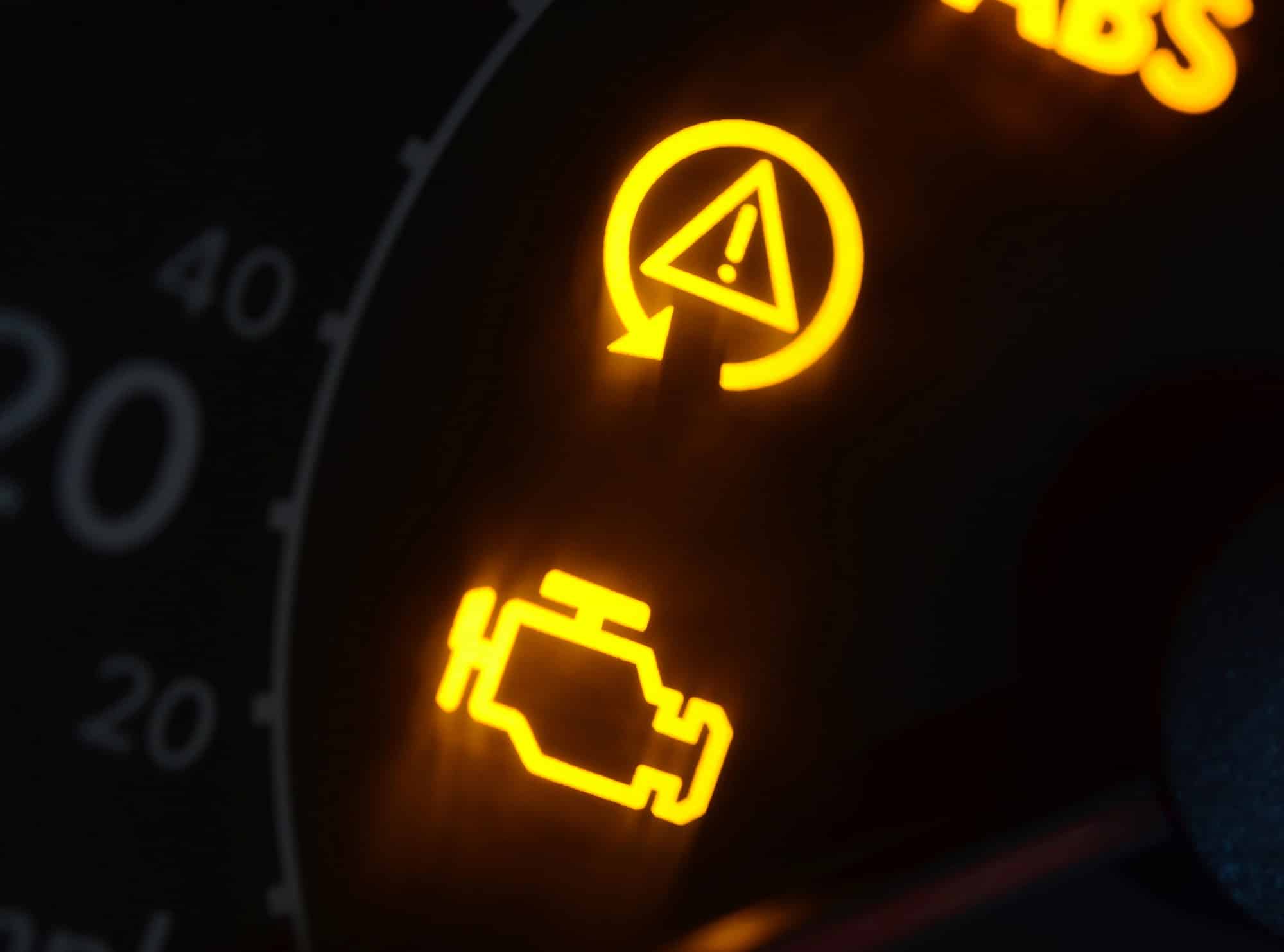
Volkswagen Check Engine Light Diagnostics at DART Auto
A customer brought in a 2013 Jetta TDI last month, convinced the check engine light meant a catastrophic turbo failure. The diagnostic story turned out far more interesting – a failed EGR cooler was triggering multiple fault codes that masked the real culprit: carbon buildup in the intake manifold, a well-documented issue on EA288 diesel engines between 2012 and 2015. Generic code readers pointed to oxygen sensors and boost pressure faults, but without Volkswagen-specific scan tools and knowledge of platform quirks, another shop had already replaced parts that didn't solve anything.
Volkswagen vehicles use sophisticated engine management systems where a single mechanical failure can cascade into a dozen fault codes. The MQB platform introduced in 2015 brought CAN gateway modules that require factory-level access to properly interrogate. EA888 Gen3 engines common in 2015-newer GTI, Golf, and Passat models store freeze-frame data differently than earlier generations, and misreading that data leads to misdiagnosis. We use VCDS and factory ODIS diagnostic software – the same tools Volkswagen dealers use – because anything less means guessing.
When you bring your Volkswagen to DART Auto for check engine light diagnostics, here's what happens:
- Complete scan of all control modules, not just the engine computer, because faults in ABS, transmission, or body control modules often trigger engine-related codes
- Analysis of live data streams and freeze-frame conditions to understand what the engine was doing when the fault occurred
- Physical inspection of common Volkswagen failure points – PCV valves on 2.0T engines, ignition coils on VR6 platforms, vacuum leaks on TDI EGR systems
- Clear explanation of what we found, what needs repair now, and what can wait, with no pressure to approve work you don't need
Common Check Engine Light Diagnostics Issues on Volkswagen Vehicles
A customer brought in a 2013 Passat TDI last month with the check engine light glowing amber on the dash. The owner had been ignoring it for weeks, assuming it was "just an emissions thing." When we scanned it, we found three separate fault codes – one for the diesel particulate filter, another for a faulty turbo actuator, and a third pointing to a failed EGR cooler. What started as a single warning had cascaded into a repair bill that could have been a fraction of the cost if addressed early. Volkswagen's onboard diagnostics are sophisticated, but they're also unforgiving when ignored.
Here are the failure patterns we see most often on Volkswagen vehicles:
- EA888 Gen 3 carbon buildup (2012–2018 TSI engines): Direct-injection 2.0T and 1.8T engines develop intake valve carbon deposits that trigger misfires, rough idle, and fuel trim codes. The ECU detects the lean condition but can't tell you it's carbon without a physical inspection. Common on Jetta, Passat, GTI, and Tiguan models from this generation.
- PCV valve and diverter valve failures (MQB platform, 2015+): The positive crankcase ventilation system on MQB-chassis vehicles (Golf, Jetta, Tiguan, Atlas) clogs or tears, causing boost leaks and triggering P0171/P0174 lean codes. The diverter valve – a plastic unit prone to cracking – also fails frequently, leading to overboosting and limp mode.
- DSG mechatronic unit faults (DQ250/DQ500, 2008–present): The dual-clutch transmission control module throws codes for pressure sensor drift, solenoid stuck faults, or clutch adaptation limits. Early DQ250 units (2008–2012) are especially prone to mechatronic failure, often requiring a full replacement and recoding.
- EVAP system leaks (all models, 2010+): Volkswagen's evaporative emissions system uses a leak detection pump that's highly sensitive. Cracked purge valves, split hoses, and faulty fuel tank vent valves trigger P0442 or P0456 codes. The pump itself also fails, particularly on vehicles driven in stop-and-go city traffic.
- Oxygen sensor degradation (pre-2015 TDI engines): Diesel models with older emissions equipment develop sluggish O2 sensor response, which the ECU flags as efficiency faults. Combined with DPF regeneration issues, these codes often appear together and confuse owners into thinking the problem is purely emissions-related when it's actually sensor wear.
- Coil pack and ignition failures (EA888 Gen 2, 2008–2014): Second-generation TSI engines are notorious for coil-on-plug failures that cause cylinder-specific misfire codes. The coils crack internally from heat cycling, and when one fails, the ECU immediately lights the check engine lamp and may reduce power to protect the catalytic converter.
Why Choose DART Auto for Volkswagen Check Engine Light Diagnostics
A check engine light on your Volkswagen can mean anything from a loose gas cap to a failing high-pressure fuel pump or turbocharger wastegate. Last month, a customer brought in a 2013 Jetta TDI with a flashing CEL and rough idle – the dealer quoted $2,400 for injector replacement. Our scan revealed a software mismatch after an incomplete emissions recall update. A reflash and injector relearn solved it for a fraction of the price.
We approach every Volkswagen CEL with the same rigor: factory-level scan tools that read every control module, not just powertrain codes. Our technicians hold dealer training and have worked on thousands of VW platforms – MQB, PQ35, PQ46 – so they recognize patterns like carbon buildup on TSI engines (2008–2014 EA888 Gen 2), cam follower wear on FSI 2.0T motors, and intake manifold flap failures on TDI models. We cross-reference Technical Service Bulletins and software updates before recommending hard parts, which saves you money and avoids misdiagnosis.
- End-to-end ownership: We diagnose the root cause, repair it with OEM or premium parts, then road-test and re-scan to confirm the fix.
- No flat-rate pressure: Our salaried technicians have the time to investigate intermittent codes and multi-system faults without rushing to the next job.
- 3-year/36,000-mile warranty: Every repair is backed, so you drive away with confidence.
Symptoms – How to Know You Need This Service
Volkswagen check engine lights rarely appear without accompanying symptoms, though sometimes the warning arrives before you notice drivability changes. Here's what drivers typically experience:
- Illuminated check engine light – steady glow indicates a fault has been detected and stored; flashing light means active misfires that can damage the catalytic converter and requires immediate attention
- Reduced power or limp mode – the engine management system limits boost pressure and RPM to prevent damage, common with turbocharger faults on TSI/TDI engines or throttle body issues on naturally aspirated models
- Rough idle or hesitation – misfires from failed ignition coils (extremely common on 2.0T and VR6 engines), carbon buildup on intake valves of direct-injection engines, or vacuum leaks in the PCV system
- Poor fuel economy – oxygen sensor faults, mass airflow sensor contamination, or fuel trim issues that cause the engine to run rich or lean
- Hard starting or stalling – high-pressure fuel pump failures on TSI engines, cam position sensor faults, or timing chain stretch on early EA888 Gen1/Gen2 engines
- Unusual exhaust smoke – blue smoke suggests oil consumption (common on 2008-2014 2.0T engines with piston ring issues), black smoke indicates overfueling, white smoke on TDI models points to EGR or DPF regeneration problems
- Transmission shift issues alongside the light – DSG transmission faults often trigger engine codes because the mechatronic unit communicates constantly with the engine computer
A flashing check engine light means stop driving and have the car towed. Steady illumination means schedule diagnostics soon – continuing to drive risks turning a simple sensor replacement into expensive catalytic converter or engine damage.
Which Volkswagen Models We See for Check Engine Light Diagnostics
We diagnose check engine lights across the full Volkswagen lineup, with particular depth of experience on models from 2000 forward. Our diagnostic equipment and training cover both older cable-throttle engines and modern drive-by-wire systems with complex emissions controls.
Common platforms we service:
- Golf / GTI / R – Mk4 (1999-2006), Mk5 (2006-2009), Mk6 (2010-2014), Mk7/Mk7.5 (2015-2021 MQB platform), Mk8 (2022-newer); we handle 1.8T, 2.0T FSI/TSI, VR6, and TDI variants
- Jetta / GLI – Mk4 through Mk7 generations; particularly experienced with 2005-2010 2.5L five-cylinder models and 2009-2014 TDI diesels affected by emissions modifications
- Passat – B5/B5.5 (1998-2005), B6 (2006-2010), B7 (2012-2015 NMS platform), B8 (2016-newer); includes 1.8T, 2.0T, VR6, V6, and TDI engines
- Tiguan – first generation (2009-2017) and second generation MQB (2018-newer), both 2.0T TSI
- Atlas / Atlas Cross Sport – 2018-newer with 2.0T four-cylinder or 3.6L VR6
- Beetle – New Beetle (1998-2010) and A5 platform (2012-2019), including turbo and diesel variants
- CC – 2009-2017, essentially a Passat B6/B7 platform with different bodywork
- Touareg – first and second generation (2004-2017) with V6, V8, TDI, and hybrid powertrains
We're equipped to handle both manual and DSG/automatic transmissions, quattro all-wheel-drive systems, and the unique diagnostic requirements of TDI diesel engines including DPF regeneration monitoring and AdBlue system faults. Older air-cooled models and pre-1996 OBD-I vehicles require different diagnostic approaches – call us to discuss your specific model.
Causes & Risks – What Happens if Ignored
Check engine lights on Volkswagen vehicles illuminate for reasons ranging from minor sensor drift to catastrophic mechanical failure. Short trips in cold weather accelerate carbon buildup on direct-injection engines. Stop-and-go city driving prevents the DPF from completing regeneration cycles on diesels. Colorado's altitude and temperature swings stress plastic components like diverter valves and PCV hoses. Volkswagen's tightly integrated emissions and powertrain systems mean that one small fault – a cracked vacuum line, a failing sensor – can cascade into multiple codes and trigger limp mode.
When owners delay diagnostics, here's what typically escalates:
- Misfires damage catalytic converters: Ignoring a cylinder misfire for more than a few hundred miles allows unburned fuel to enter the exhaust, overheating and destroying the catalytic converter. What starts as a $400 coil-pack repair becomes a $2,000+ converter replacement.
- Boost leaks cause turbo failure: A small crack in a diverter valve or intercooler hose lets the turbo spin without building pressure. The wastegate actuator compensates by opening late, causing overboosting and shaft wear. Within 5,000–10,000 miles, the turbo bearings fail, turning a $150 hose repair into a $3,000 turbocharger job.
- DPF clogs trigger engine damage: Diesels that can't regenerate the particulate filter eventually go into limp mode. Owners who keep driving force the ECU to inject extra fuel for active regeneration, diluting the oil and accelerating bearing wear. We've seen engines with oil that smells like diesel and main bearings scored from fuel contamination.
- Transmission codes become hard faults: Early DSG pressure sensor drift is correctable with a software update and fluid change. Ignoring the code lets clutch slip develop, scoring the clutch packs and requiring a full mechatronic replacement plus clutch overhaul.
- EVAP leaks fail emissions testing: Colorado requires emissions compliance, and a persistent EVAP code means automatic failure. Worse, a small leak that starts at the purge valve can draw dirt into the charcoal canister, contaminating it and requiring a $600+ canister replacement.
Safety Impact – Why Check Engine Light Diagnostics Matters
Volkswagen's powertrain and safety systems share data across the CAN bus network, so a check engine light doesn't always mean "just emissions." When the ECU detects a fault that affects drivability – misfires, boost control, throttle position – it may cut power without warning. We've diagnosed vehicles that entered limp mode on I-25 during rush hour because a failing MAP sensor convinced the ECU the turbo was overboosting. The driver had no acceleration, no warning, just sudden loss of power in fast-moving traffic.
Specific safety risks include:
- Sudden power loss in traffic: Turbo faults, throttle position sensor failures, and mass airflow sensor codes can all trigger limp mode, limiting speed to 20–30 mph with no advance notice.
- Transmission stuck in gear: DSG faults sometimes lock the transmission in a single gear or cause harsh, unpredictable shifts that upset vehicle stability during lane changes or merging.
- Catalytic converter fire risk: Severe misfires dump raw fuel into the exhaust, where it ignites in the converter. The underbody can reach temperatures high enough to ignite dry grass or debris, especially after off-road driving.
- ABS and traction control interference: On some MQB-platform vehicles, powertrain codes can disable traction control or trigger ABS faults because the systems share wheel-speed data and torque-management logic.
If your check engine light is flashing – not steady – pull over immediately. A flashing light indicates active misfires severe enough to damage the catalytic converter within minutes. Steady lights mean schedule diagnostics soon; flashing lights mean stop driving now.
How Volkswagen Check Engine Light Diagnostics Actually Works
Volkswagen's onboard diagnostics system continuously monitors dozens of sensors – oxygen sensors, mass airflow, throttle position, knock sensors, camshaft and crankshaft position, turbo boost pressure, and more. The ECU compares live data against expected values stored in its software. When a reading falls outside tolerance for a specific number of drive cycles, the ECU logs a fault code and illuminates the check engine light. Some codes are "pending" and will clear if the fault doesn't repeat; others are "confirmed" and require active diagnosis and repair before the light will extinguish.
What makes Volkswagen diagnostics different from generic OBD-II scanning:
- Manufacturer-specific codes: Volkswagen uses proprietary fault codes beyond the standard P0xxx series. These codes require factory-level scan tools (VCDS, VAS, or equivalent) to read and interpret. A parts-store scanner will miss half the data.
- Adaptation and coding requirements: Many Volkswagen repairs – replacing a throttle body, updating a mechatronic unit, installing a new turbo actuator – require the ECU to relearn baseline values or have new software coded to match the hardware. Without this step, the check engine light returns immediately.
- Live data and freeze-frame analysis:
Last Tuesday, a client brought in her 2015 Volkswagen Jetta TDI. The check engine light had been on for three days, and she'd noticed the car felt sluggish on the highway. She'd stopped at an auto parts store where a free scan pulled a code for the MAF sensor, and the counter clerk handed her a printout suggesting she replace it. She came to us for a second opinion before spending money on a part that might not solve the problem. Within twenty minutes, our diagnostic process revealed the real issue: carbon buildup on the intake manifold restricting airflow, a common problem on EA288 TDI engines that often triggers MAF-related codes without the sensor itself being faulty. We cleaned the intake, cleared the codes, and sent her on her way with a plan to monitor fuel quality and avoid prolonged idling. That's the difference between reading a code and actually diagnosing the root cause.
How We Diagnose Check Engine Light Diagnostics Issues on Volkswagen
When a Volkswagen check engine light comes on, the fault code is only the beginning of the story. Our process goes several layers deeper to find what's actually failing and why.
- Factory-level scan with VAS or VCDS: We use Volkswagen-specific diagnostic software that reads every control module in the car, not just the engine computer. This reveals freeze-frame data, readiness monitors, and live sensor values that generic scanners miss entirely.
- Review fault history and freeze-frame data: We check when the code set, under what conditions (RPM, load, temperature), and whether it's intermittent or constant. On MQB-platform cars (2015-up Golf, Jetta, Passat), we also pull adaptation values to see if the ECU has been compensating for a slow-building problem.
- Physical inspection of the affected system: If the code points to the evaporative emissions system, we inspect hoses, check valves, and the purge valve for cracks or carbon fouling. For ignition misfires on TSI engines, we pull the coil packs and inspect for oil intrusion from leaking valve cover gaskets – a known issue on EA888 Gen 3 engines.
- Component testing with OEM procedures: We test sensors and actuators according to Volkswagen's own specifications. Oxygen sensors get tested for response time and voltage swing, not just whether they're "working." Throttle bodies get checked for carbon buildup and adaptation range.
- Road test with live data logging: We drive the car while monitoring real-time sensor data to see if the fault reappears and under what conditions. This is especially important for intermittent codes related to cam position sensors or fuel trims.
- Correlate findings into a diagnosis: We connect the dots between the code, the sensor data, the physical evidence, and the car's service history to pinpoint the actual failure. Then we write up a clear estimate that explains what failed, why, and what we recommend.
This process turns a vague warning light into a specific repair plan. You'll know exactly what's wrong, what it will take to fix it, and what happens if you wait.
Check Engine Light Diagnostics on Volkswagen: Repair vs. Replacement
Not every check engine light means replacing an expensive part. The right answer depends on what failed and how much of the system is affected.
When Repair Makes Sense
- Carbon buildup on intake valves or throttle bodies: On TSI and TDI engines, direct injection leaves the intake valves vulnerable to carbon deposits. Walnut-blasting the valves or cleaning the throttle body solves the problem without replacing anything.
- Vacuum leaks from deteriorated hoses: PCV hoses and breather lines on EA888 engines crack with age. Replacing a $30 hose fixes the fault without touching the valve cover or turbocharger.
- Software updates for known issues: Volkswagen has issued software patches for certain emissions-related faults on post-dieselgate TDI models. Reflashing the ECU clears the light and prevents recurrence.
When Replacement Is the Right Call
- Failed oxygen sensors or catalytic converters: These wear out over time, especially on high-mileage cars or those that have been running rich due to other faults. Once the catalyst efficiency drops below threshold, replacement is the only fix.
- Ignition coils on TSI engines: Coil packs fail frequently on EA888 Gen 2 and Gen 3 engines, often around 60,000 to 80,000 miles. When one fails, we recommend replacing all four to avoid repeat trips for the same issue on the remaining cylinders.
- Turbocharger wastegate actuators: On 2.0T engines, electronic wastegate actuators fail and throw boost control codes. Repair isn't an option – the actuator gets replaced as an assembly.
We walk you through the options and explain the trade-offs. If a repair will get you another 50,000 miles, we'll tell you. If replacement is the only reliable fix, we'll explain why and show you the data that supports it.
How to Make Your Volkswagen Check Engine Light Diagnostics Last Longer
Most check engine lights on Volkswagens are triggered by wear-and-tear issues that you can delay or prevent with the right habits.
Driving Habits That Protect Components
- Let the engine warm up before heavy throttle: TSI and TDI engines rely on precise fuel metering and tight tolerances. Driving gently for the first few minutes reduces carbon buildup and prevents misfires from cold-start enrichment.
- Avoid prolonged idling: Direct-injection engines build carbon on intake valves faster when idling because there's no fuel wash over the valves. If you're waiting more than a minute, shut the engine off.
- Use top-tier fuel: Volkswagen's high-pressure fuel systems are sensitive to fuel quality. Top-tier gasoline contains detergents that keep injectors clean and reduce the likelihood of fuel trim faults.
- Don't ignore the diesel particulate filter (DPF) regeneration light on TDI models: If the DPF light comes on, take the car for a 20-minute highway drive to complete the regeneration cycle. Ignoring it leads to clogged filters and expensive replacements.
Maintenance You Can Monitor Yourself
- Check for oil leaks around the valve cover: Oil seeping into spark plug wells causes misfires on TSI engines. Catching a leaking gasket early prevents coil pack damage.
- Listen for changes in engine sound: A rough idle or hesitation on acceleration can signal a developing problem before the check engine light comes on.
- Keep an eye on the oil level: Some EA888 engines consume oil between changes. Low oil can trigger cam position sensor faults or timing chain wear.
What to Leave to the Shop
Software updates, emissions system testing, and anything involving the fuel or ignition system should be handled by technicians with factory diagnostic tools. Attempting DIY repairs on these systems without the right equipment often creates new problems or masks the real fault. Stick to visual checks and fluid monitoring, and bring the car in when something doesn't look or sound right.
What to Expect When You Bring Your Volkswagen In
We've streamlined the diagnostic process so you know what's happening at every step. Here's how it works:
- Schedule and drop-off: Call or book online. If you need a loaner or shuttle service, let us know when you schedule. Bring your key fob and remove valuables – we'll handle the rest.
- Initial scan and inspection: We pull all stored and pending codes from every module (engine, transmission, ABS, airbag, body control). Then we inspect related systems – vacuum lines, connectors, fluid levels – to rule out simple causes before diving deeper.
- Written estimate and explanation: You'll receive a detailed estimate that explains which codes we found, what they mean, and the repair path. We walk you through consequences of fixing now versus waiting, so you can make an informed decision.
- Repair and verification: Once approved, we source the correct parts (OEM or premium aftermarket), complete the repair, clear codes, and road-test under real conditions. We re-scan to confirm no new faults appear.
- Pickup walkthrough: At pickup, we show you the old parts if applicable and explain what we did. If the light returns or something feels off, call us immediately – we'll get you back in and make it right.
After-hours key drop and pickup are available if your schedule is tight. Our goal is to fix your Volkswagen correctly the first time, so you're not back next week chasing the same code.
Our Volkswagen Services
- Air Conditioning AC Repair
- Battery Repair Replacement
- Brake Repair & Brake Fluid Change
- Clutch Repair & Replacement
- Coolant Leak Repair
- Cooling System Repair
- Drive Shaft Repair
- Engine Repair
- Exhaust & Catalytic Converter Repair
- Head Gasket Repair & Replacement
- Oil Change
- Oil Leak Repair
- Scheduled Service Maintenance
- Steering Repair
- Suspension Repair
- Cambelt Timing Belt Replacement
- Transmission Repair
- Tune Up
- Wheel Alignment