
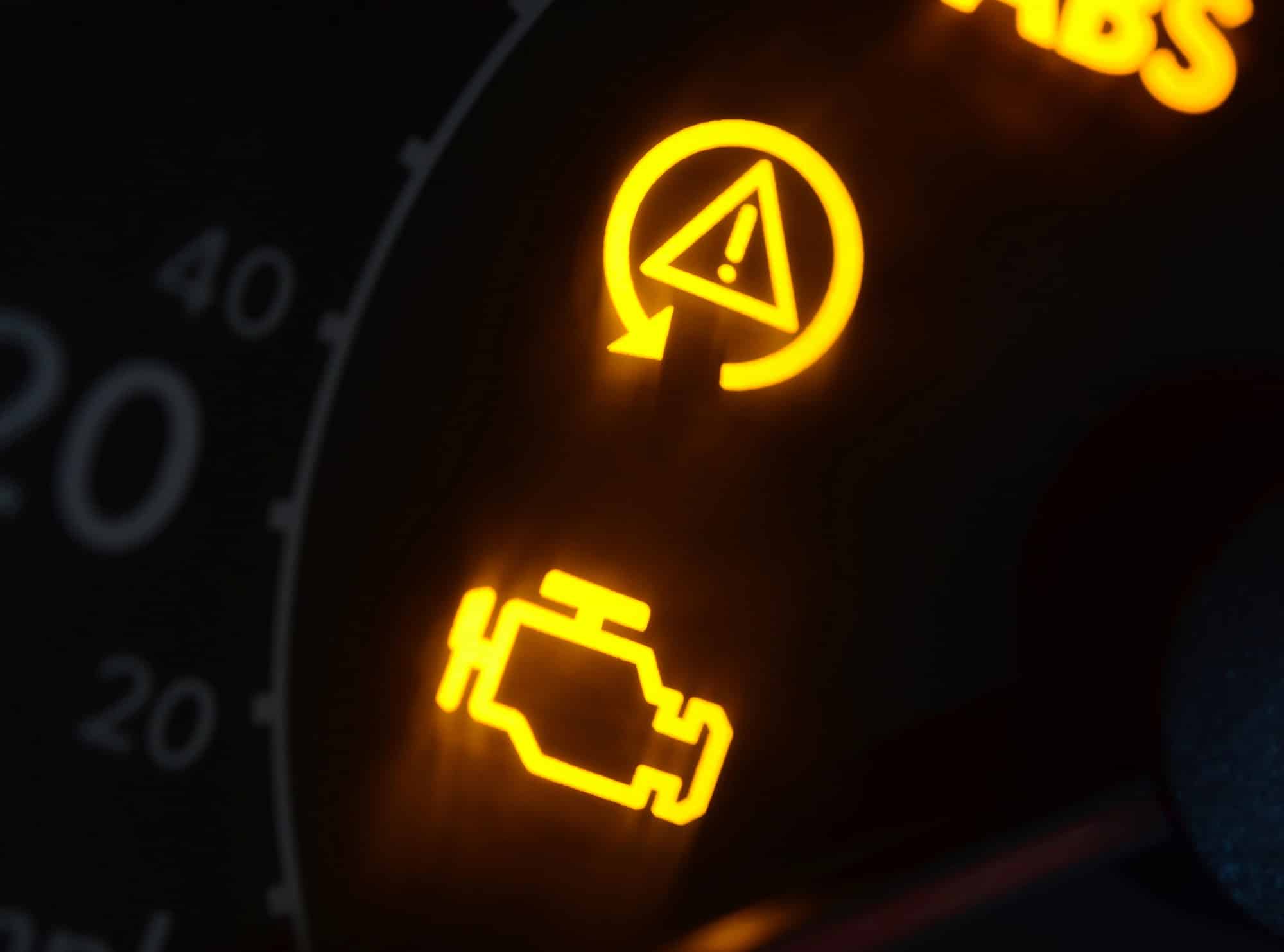
Alfa Romeo Check Engine Light Diagnostics at DART Auto
That glowing amber light on your Alfa Romeo dashboard represents more than just a minor annoyance – it's a direct window into your engine's health, and misdiagnosing it can cost you thousands. Alfa Romeo's sophisticated engine management systems, from the turbocharged 2.0L MultiAir units in the Giulia and Stelvio to the twin-turbo V6 in the Quadrifoglio variants, rely on dozens of sensors and actuators that speak a language most generic shops simply don't understand. A misread code or rushed diagnosis can send you down an expensive rabbit hole of parts replacement that never addresses the real problem.
At DART Auto, we approach Alfa Romeo check engine light diagnostics with factory-level precision and the transparency you won't find at the dealer. Our technicians use the same diagnostic protocols and software access that Alfa Romeo dealerships employ, but without the inflated service department markup. We've seen the common failure patterns across platforms – the carbon buildup issues on direct-injection 2.0T engines, the sensor failures specific to the Giorgio platform, the emissions system quirks that plague early Giulia models – and we know exactly where to look first. Because our technicians are salaried rather than flat-rate, they have zero incentive to misdiagnose or recommend unnecessary repairs. We take the time to trace the root cause, not just clear codes and hope for the best.
When you bring your Alfa Romeo to DART Auto for check engine light diagnostics, you can expect:
- Complete scan of all control modules using Alfa Romeo-specific diagnostic software, not just generic OBD-II readers
- Analysis of live data streams and freeze-frame data to identify intermittent faults that don't always trigger codes
- Clear explanation of what the codes mean, what caused them, and the consequences of ignoring versus addressing them
- Transparent estimate for repairs with OEM or premium aftermarket parts, backed by our 3-year/36,000-mile warranty
Common Check Engine Light Diagnostics Issues on Alfa Romeo Vehicles
Alfa Romeo's brilliant Italian engineering comes with a distinct set of electronic quirks that can light up your dashboard. Getting these diagnostics wrong costs you time, money, and the joy of driving your Alfa. Here's what we see most often in our Denver shop when Alfa owners arrive with that amber warning:
- Variable Valve Timing solenoid failures on 2006–2011 159 and Brera (JTS engines): The MultiAir VVT system uses oil pressure to actuate intake valves, and the solenoids fail from carbon buildup and oil contamination. Symptoms include rough idle, hesitation, and P0011/P0021 camshaft position codes. These engines require synthetic oil changed every 5,000 miles maximum, and many owners follow generic 7,500-mile intervals that accelerate solenoid death.
- Oxygen sensor degradation on 2017–2020 Giulia and Stelvio (2.0T): The upstream wideband sensors on the Giorgio platform fail prematurely, often before 50,000 miles, throwing P0130/P0150 codes and causing rich running conditions. Alfa's lean-burn calibration demands precise sensor readings, and even slight drift triggers limp mode. The factory sensor is expensive, but aftermarket alternatives often don't meet the response-time specs Alfa's ECU expects.
- Evaporative emissions purge valve sticking on 2014–2019 4C: The carbon-fiber tub layout places the EVAP canister and purge valve in a heat-exposed location behind the engine. Valves stick open or closed, setting P0441/P0455 codes. Diagnosis requires smoke testing because the system is difficult to access and visual inspection reveals nothing.
- Mass airflow sensor contamination on 2008–2010 MiTo and Giulietta (1.4 MultiAir): The hot-film MAF sensors fail from oil mist ingested through the PCV system. Symptoms include stumbling acceleration, black smoke, and P0101/P0171 codes. Cleaning rarely works; replacement with recalibration is the only reliable fix.
- Catalytic converter efficiency codes on 2007–2011 8C Competizione: The Ferrari-derived V8 runs extremely hot, and the close-coupled cats degrade rapidly if the engine has ever run rich from ignition misfires or fuel injector issues. P0420/P0430 codes appear, and replacement requires Alfa-specific cats that meet both emissions and backpressure specs for the Maserati-shared engine management system.
- Throttle body carbon buildup on all MultiAir engines (2010–present): Direct injection means no fuel washing the intake valves or throttle plate. Carbon accumulates, causing stalling, surging, and P2101/P2119 throttle position codes. Cleaning requires removal, media blasting, and relearn procedures using factory tooling – sprays and cleaners don't touch baked-on carbon.
Why Choose DART Auto for Alfa Romeo Check Engine Light Diagnostics
Getting check engine light diagnostics wrong on an Alfa Romeo can cost you thousands. These platforms share DNA with Fiat and Chrysler powertrains, but the execution – MultiAir valve lift systems, direct-injection timing, and proprietary ECU calibrations – demands someone who knows where the bodies are buried. A flashing CEL on a 2017+ Giulia 2.0T often points to misfires tied to carbon fouling on the intake valves, a consequence of the GME-T4 engine's direct-injection design. Guessing at coils or plugs without verifying cam timing, fuel trims, and compression data wastes your money and leaves the root cause untouched.
DART Auto's technicians use factory-level diagnostic software and OEM repair procedures specific to Alfa Romeo platforms. We cross-reference technical service bulletins for known issues – wastegate rattle on early Giulia Quadrifoglio models, throttle-body relearns after battery disconnect on 4C, oxygen-sensor heater faults on Stelvio – so you're not paying for trial-and-error troubleshooting. Our salaried compensation structure means no incentive to sell you parts you don't need. We perform complete system scans, verify live data against factory specifications, and road-test after repairs to confirm the light stays off. You get a written estimate before any work begins, with explanations of what failed, why it matters, and what happens if you delay the fix.
Symptoms – How to Know You Need This Service
Alfa Romeo's onboard diagnostics are sensitive by design, alerting you to issues before they become catastrophic. You may notice:
- Steady amber check engine light on the instrument cluster, sometimes accompanied by a wrench or service light
- Flashing check engine light during acceleration or under load – this indicates active misfires and requires immediate attention to prevent catalytic converter damage
- Reduced power or limp mode activation, often limiting engine RPM to 3,000-4,000 and cutting turbo boost entirely
- Rough idle or hesitation during acceleration, particularly noticeable in stop-and-go traffic or during cold starts
- Unusual fuel consumption or difficulty starting, especially on turbocharged models with carbon buildup on intake valves
- Strong fuel smell from the exhaust or visible black smoke, pointing to rich-running conditions or failed oxygen sensors
- Transmission shifting abnormalities on models with the ZF 8-speed automatic, as engine faults can trigger protective shift strategies
- Multiple warning lights illuminating simultaneously – stability control, ABS, and check engine together often indicate a critical sensor or communication fault
A flashing check engine light means stop driving and arrange for towing. A steady light means schedule diagnostics within the next few days before the problem cascades into more expensive damage.
Which Alfa Romeo Models We See for Check Engine Light Diagnostics
We regularly diagnose and repair check engine light issues across the modern Alfa Romeo lineup, particularly the turbocharged models that dominate the North American market:
- Giulia (2017-present, Type 952) – both 2.0L turbo and 2.9L twin-turbo Quadrifoglio variants, with common issues including oxygen sensor failures, evaporative emissions leaks, and ignition coil degradation on high-mileage examples
- Stelvio (2018-present, Type 949) – shares the Giorgio platform and powertrain with Giulia, prone to similar sensor and emissions system faults
- 4C (2015-2020) – the turbocharged 1.75L engine requires specialized diagnostic access for its unique engine management calibration and carbon-fiber chassis integration
- Giulietta (2014-2020, Type 940) – European-market models occasionally seen in Denver, typically with 1.4L MultiAir turbo or diesel variants requiring different diagnostic approaches
- Earlier models (159, Brera, Spider) – we service these when they appear, though parts availability and diagnostic software support becomes more limited on pre-2010 platforms
Our diagnostic capabilities cover both rear-wheel-drive Giorgio platform models and the earlier front-wheel-drive platforms. We're honest about limitations – if you have a classic Alfa Romeo from the 1980s or 1990s, we'll refer you to a specialist in vintage Italian cars rather than guess our way through carburetor-era diagnostics.
Causes & Risks – What Happens if Ignored
Alfa Romeo check engine lights illuminate for reasons rooted in the brand's performance-oriented calibrations and European design philosophy. Short trips in Denver's urban traffic don't allow the engine to reach full operating temperature, preventing the EVAP system from completing self-tests and leaving moisture in the exhaust that corrodes oxygen sensors. Altitude compounds the problem – Alfa's sea-level ECU maps run slightly rich at 5,280 feet, accelerating carbon buildup on intake valves and throttle bodies. Many owners use conventional oil or extended intervals appropriate for domestic brands, but Alfa's tight tolerances and variable valve timing demand synthetic changed every 5,000 miles or the VVT solenoids clog and fail.
Ignoring that check engine light sets off a cascade of failures that turns a sensor replacement into an engine rebuild:
- Oxygen sensor codes left unaddressed for 10,000 miles: The ECU runs open-loop with default fuel maps, dumping excess fuel that fouls spark plugs, washes oil from cylinder walls, and overheats the catalytic converters. A $250 sensor becomes $3,500 in cats, plus ignition components and an oil consumption problem.
- VVT solenoid failures ignored past the initial hesitation: Stuck solenoids cause valve timing errors that bend valves when they contact pistons at high RPM. The JTS engine's interference design means a $400 solenoid repair becomes $8,000+ for head work, new valves, and timing components.
- EVAP codes dismissed as "just emissions": A stuck-open purge valve floods the intake with fuel vapor during idle, causing misfires that damage ignition coils and catalytic converters. The initial $180 valve repair escalates to $2,200 in coils, plugs, and potential cat replacement.
- MAF sensor codes producing drivability issues: Incorrect airflow readings cause the ECU to miscalculate fuel delivery, creating lean or rich conditions that destroy the turbocharger on 2.0T models. A $320 sensor becomes a $4,500 turbo replacement when oil starvation or overspeeding occurs.
- Throttle body carbon accumulation causing stalling: Stalling at intersections or during low-speed maneuvers creates accident risk. The carbon restricts airflow enough that the idle-speed motor can't compensate, and sudden stalls in traffic put you and others in danger.
Safety Impact – Why Check Engine Light Diagnostics Matters
Alfa Romeo's integrated vehicle dynamics systems depend on accurate engine sensor data to function. When check engine codes are active, the ECU often disables or limits traction control, stability control, and torque vectoring – the very systems that make an Alfa handle brilliantly in Colorado mountain curves or sudden weather changes. A failing oxygen sensor that triggers limp mode cuts power to 30% on the Giulia Quadrifoglio, eliminating your ability to accelerate out of dangerous situations or merge safely onto I-25. VVT failures cause unpredictable power delivery and can stall the engine without warning, particularly dangerous in roundabouts or during left turns across traffic.
Here's when specific symptoms demand immediate action versus scheduled attention:
- Stop driving immediately: Flashing check engine light (indicates active misfires that will destroy the catalytic converter within minutes), complete loss of power, engine stalling in traffic, strong fuel smell in the cabin, or any check engine light accompanied by oil pressure or temperature warnings.
- Schedule within the week: Steady check engine light with rough idle, hesitation during acceleration, reduced fuel economy, or any drivability change. These indicate problems that will worsen but haven't yet created immediate danger.
- Schedule within the month: Check engine light with no noticeable symptoms, typically EVAP or secondary oxygen sensor codes. Still requires diagnosis because even "minor" codes disable other safety systems and mask additional problems.
Insurance adjusters scrutinize maintenance records after accidents. If your check engine light was documented and ignored, and that system contributed to loss of control or collision, you may face claim denial or liability exposure. The $185 diagnostic today protects you from five-figure consequences tomorrow.
How Alfa Romeo Check Engine Light Diagnostics Actually Works
Alfa Romeo's onboard diagnostics continuously monitor dozens of sensors and actuators, comparing real-time data against expected values stored in the ECU's calibration tables. When a sensor reading falls outside parameters for a specific number of drive cycles – or when two related sensors contradict each other – the system stores a diagnostic trouble code and illuminates the check engine light. Unlike domestic brands that use generic OBD-II protocols, Alfa employs proprietary Bosch and Magneti Marelli systems that require factory-level scan tools to access freeze-frame data, pending codes, and the readiness monitors that tell us whether the problem is current or historical.
What makes Alfa diagnostics different from generic code reading:
- Manufacturer-specific parameter IDs: Alfa's ECUs track variables like MultiAir actuator pressure, Q4 all-wheel-drive torque distribution, and DNA driving mode selections that don't exist in standard OBD-II. Reading these requires Witech or equivalent factory software.
- Bidirectional control requirements: Proper diagnosis means commanding individual components active – cycling the EVAP purge valve, activating VVT solenoids at specific engine speeds, running the throttle body relearn – to verify function beyond what passive code reading reveals.
- Calibration and relearn after repair: once a sensor or actuator is replaced, the module has to be told about it and the adaptation values reset with factory software. Clearing the code alone leaves the engine running on the old learned numbers, and the light comes back.
When the check engine light appears on your Alfa Romeo dashboard, you're facing more than an inconvenience – you're risking expensive damage to high-performance Italian engineering. A misdiagnosed fault code on a Giulia Quadrifoglio can lead to turbocharger failure costing thousands. Ignoring a misfiring cylinder on a 4C can destroy the catalytic converter. The cost of getting this wrong on precision-tuned Alfa Romeo powertrains is steep, which is why accurate diagnostics matter from the first scan.
DART Auto has specialized in European vehicles since 2000, and our master technicians understand the specific failure modes that plague Alfa Romeo platforms. We invest in factory-level diagnostic equipment and ongoing training because generic code readers miss the nuances of MultiAir valve timing faults, direct-injection carbon buildup on 2.0T engines, and the lambda sensor drift common to early Giulia models. When your check engine light illuminates, we deliver transparent diagnostics that pinpoint the root cause – not just the symptom – so you can make an informed repair decision without dealer markup.
How We Diagnose Check Engine Light Diagnostics Issues on Alfa Romeo
Alfa Romeo check engine light diagnostics demand more than a basic OBD-II scanner. Our process starts with factory-level tooling and ends with a clear repair plan:
- Initial scan with Alfa Romeo-specific diagnostic software. We use professional-grade tools that communicate with all control modules – engine, transmission, ABS, body control – to capture freeze-frame data, pending codes, and readiness monitors. This reveals whether the fault is isolated or part of a cascading failure across systems.
- Review stored and pending fault codes in context. A P0300 random misfire code on a Giulia 2.0T might stem from carbon buildup on intake valves, failing ignition coils, or a vacuum leak in the MultiAir system. We cross-reference the code with known platform issues and service history to narrow the field.
- Physical inspection and measurement. We visually inspect wiring harnesses for rodent damage or chafing (common on Alfa Romeo underbody routing), check vacuum lines for cracks, measure fuel pressure and injector flow, and test ignition coil output. On turbocharged models, we inspect intercooler boots and charge pipes for leaks that trigger boost pressure codes.
- Road test under load. Many Alfa Romeo faults only appear under specific conditions – cold start, hard acceleration, sustained highway speed. We replicate the conditions that triggered the light to confirm the diagnosis and rule out intermittent issues.
- Document findings and provide a detailed estimate. You receive a written report explaining what failed, why it failed, what we recommend, and what happens if you delay the repair. No jargon, no pressure – just the facts you need to decide.
This methodical approach separates real problems from false alarms and ensures we fix the root cause the first time, backed by our 3-year/36,000-mile warranty on parts and labor.
Check Engine Light Diagnostics on Alfa Romeo: Repair vs. Replacement
Not every check engine light means replacing an entire assembly. We evaluate three pathways based on the specific failure and your Alfa Romeo's condition:
When Repair Makes Sense
Simple faults often need only targeted fixes:
- Cleaning carbon deposits from MultiAir intake valves on 2.0T engines (common on 2017-2020 Giulia) restores proper airflow and eliminates misfire codes without replacing valves or injectors.
- Repairing a vacuum leak at a cracked hose or loose fitting solves lean fuel trim codes for the cost of a replacement line.
- Updating software calibration through the factory service portal can resolve erratic idle, transmission shift complaints, or emissions readiness issues on newer models still under recall or technical service bulletin coverage.
When Component Replacement Is the Right Call
Some failures require new parts but not full assemblies:
- Replacing a single failed ignition coil or spark plug on a misfiring cylinder, common on high-mileage 1.75T and 2.0T engines.
- Installing a new oxygen sensor or mass airflow sensor when drift or contamination triggers fuel system codes.
- Swapping a failing camshaft position sensor or crankshaft position sensor that causes intermittent no-start or stalling conditions.
When Full System Replacement Is Necessary
Cascading wear or safety-critical failures demand complete replacement:
- Turbocharger replacement on Giulia Quadrifoglio when bearing wear allows oil into the intake, contaminating the intercooler and triggering multiple fault codes.
- Catalytic converter replacement when prolonged misfires have melted the substrate, causing backpressure and power loss.
- Engine wiring harness replacement when rodent damage or age-related insulation failure affects multiple circuits, making individual wire repair impractical.
Our salaried technicians have no incentive to upsell. We walk you through the options, explain the trade-offs, and let you decide based on your budget and how long you plan to keep the car.
How to Make Your Alfa Romeo Check Engine Light Diagnostics Last Longer
Preventing check engine light issues on your Alfa Romeo starts with understanding how Italian performance engineering responds to real-world use.
Driving Habits That Protect High-Performance Components
- Allow proper warm-up on turbocharged models. Giulia and Stelvio 2.0T engines build significant boost quickly. Let the engine reach operating temperature before sustained hard acceleration to prevent oil coking in turbo bearings and carbon buildup on intake valves.
- Use premium fuel as specified. Alfa Romeo tunes for 91+ octane. Lower-grade fuel causes knock retard, triggers misfire codes, and accelerates carbon deposits on direct-injection engines.
- Avoid excessive short trips. Frequent cold starts without highway driving prevent the catalytic converter from reaching full operating temperature, leading to incomplete regeneration and eventual catalyst failure.
- Exercise the engine's full RPM range occasionally. Italian engines are designed to rev. Periodic spirited driving (safely and legally) helps clear carbon deposits and keeps the MultiAir system operating smoothly.
Maintenance You Can Monitor
- Check for new warning lights or changes in behavior immediately. Alfa Romeo's onboard diagnostics set pending codes before illuminating the check engine light. If you notice rough idle, hesitation, or reduced power, schedule diagnostics before minor issues escalate.
- Inspect engine bay for fluid leaks or unusual odors. Oil leaks onto exhaust components can trigger oxygen sensor faults. Coolant leaks can cause overheating and head gasket damage.
- Monitor fuel economy and throttle response. Sudden drops in MPG or sluggish acceleration often precede check engine light illumination and indicate developing faults in fuel delivery or ignition systems.
Professional Maintenance That Matters
- Follow Alfa Romeo's service intervals for oil changes using factory-spec synthetic oil. Extended drain intervals on turbocharged engines accelerate sludge formation and turbo bearing wear.
- Replace spark plugs and ignition coils at recommended intervals. Waiting for failure on high-compression engines risks catalytic converter damage from unburned fuel.
- Keep software up to date. Alfa Romeo releases calibration updates addressing fuel trim, emissions, and drivability issues. We flash updates during routine service when applicable.
- Use OEM or premium aftermarket parts for emissions-critical components. Cheap oxygen sensors and mass airflow sensors cause erratic fuel delivery and repeat check engine lights.
Leave complex diagnostics, software updates, and emission system repairs to trained professionals. DIY attempts on Alfa Romeo's integrated electronic systems can set additional fault codes or disable safety features. We're here to handle the technical work while you enjoy the driving experience these cars were built to deliver.
```
What to Expect When You Bring Your Alfa Romeo In
We've built our process around transparency and ownership. Here's how your visit unfolds:
- Drop-off and intake: Schedule an appointment or arrive during business hours. Leave keys and any notes about symptoms – intermittent hesitation, rough idle, reduced power. We offer loaner vehicles and local shuttle service; ask when you book. Remove valuables and garage-door openers from the cabin.
- Initial scan and inspection: We connect factory-grade scan tools to pull stored and pending codes, freeze-frame data, and readiness monitors. A visual underhood inspection checks for obvious issues – vacuum leaks, corroded connectors, oil leaks near sensors. This phase identifies whether the problem is a simple sensor failure or something deeper in fuel delivery, ignition, or emissions hardware.
- Written estimate and approval: You receive a detailed estimate listing the failed component, labor, parts sourcing (OEM or premium aftermarket), and our 3-year/36,000-mile warranty coverage. We explain the failure mode – why that oxygen sensor died, what happens if you ignore a misfire code – so you can make an informed decision. No work starts without your approval.
- Repair and post-repair verification: After replacing the faulty part, we clear codes, drive the vehicle through multiple operating cycles, and rescan to confirm no pending faults. If the light returns within our warranty window, we diagnose and correct it at no additional charge. You'll get a walkthrough at pickup showing what was replaced and what to watch for going forward.
After-hours key drop and pickup are available by arrangement. If something feels off after you leave, call us – we'd rather address a concern immediately than have you second-guess the repair.
Our Alfa Romeo Services
- Air Conditioning AC Repair
- Battery Repair Replacement
- Brake Repair & Brake Fluid Change
- Clutch Repair & Replacement
- Coolant Leak Repair
- Cooling System Repair
- Drive Shaft Repair
- Engine Repair
- Exhaust & Catalytic Converter Repair
- Head Gasket Repair & Replacement
- Oil Change
- Oil Leak Repair
- Scheduled Service Maintenance
- Steering Repair
- Suspension Repair
- Cambelt Timing Belt Replacement
- Transmission Repair
- Tune Up
- Wheel Alignment


