
Audi Air Conditioning AC Repair at DART Auto
Audi climate control systems use a sophisticated blend of refrigerant sensors, dual-zone or tri-zone actuators, and CAN-bus communication that generic shops routinely misdiagnose. When your A4, Q5, or A6 blows warm air on one side and cold on the other, the culprit is often a failed blend-door actuator or a refrigerant leak at the condenser – issues that require Audi-specific diagnostic protocols and the right scan tools to pinpoint. Many independent shops guess at the compressor when the real fault lies in a clogged expansion valve or a failing pressure sensor buried behind the dash.
We approach every Audi AC concern with factory-level diagnostics. Our master technicians use ODIS (Offboard Diagnostic Information System) and VAS scan tools to interrogate climate-control fault codes, monitor live refrigerant pressures, and command individual actuators – the same workflow an Audi dealer follows. We reference TSB data for known issues like premature condenser corrosion on B8/B8.5 A4 and Q5 models (2009–2016), where road salt eats through the aluminum fins. Because our technicians are salaried, they have no incentive to replace parts that test good; they fix what's broken and nothing more.
When you bring your Audi to DART Auto for AC repair, you can expect:
- Complete refrigerant recovery, vacuum testing, and leak detection using UV dye and electronic sniffers
- Actuator calibration and blend-door relearns performed through factory software
- OEM or premium aftermarket components – Denso compressors, Behr condensers, Mahle dryers – sourced from trusted European suppliers
- A 3-year/36,000-mile warranty on parts and labor, so you drive with confidence through every Denver summer
Common Air Conditioning AC Repair Issues on Audi Vehicles
Audi air conditioning systems are tightly integrated with the vehicle's electronics, and when something fails, you'll notice it fast – especially during a Colorado summer. Most generic shops treat AC work as a simple refrigerant top-off, but Audi platforms have failure modes that require OEM-level diagnostics and platform-specific repair procedures.
- B8/B8.5 A4/A5/Q5 (2009–2016) evaporator core leaks: The evaporator sits behind the dash, and refrigerant leaks here are notoriously common on these chassis codes. Audi revised the part multiple times, but early units corrode from the inside out. Replacement requires full dash removal – a job that takes specialized tooling and precise reassembly to avoid rattles and electrical faults.
- C7 A6/A7 (2012–2018) compressor clutch failure: The electromagnetic clutch on the variable-displacement compressor can seize or disengage intermittently, often triggered by low refrigerant levels that weren't caught early. When the clutch fails, metal shavings contaminate the entire system, requiring a full flush, new compressor, condenser, and expansion valve.
- Blend door actuator failures across most models (2005–present): Audi's climate control system uses multiple servo motors to direct airflow. When one fails, you'll get hot air on one side and cold on the other, or no airflow adjustment at all. The B6/B7 A4 and C5 A6 are particularly prone to this, and replacement involves removing sections of the dash and recalibrating via VCDS or factory scan tools.
- Condenser damage on Q5/Q7/Q8 (all generations): The condenser sits low and forward, directly in the line of fire for road debris. Even minor stone impacts can puncture the thin aluminum fins. On newer models with active grille shutters and radar cruise sensors, condenser replacement also requires recalibration of front-mounted driver-assist hardware.
- Refrigerant leaks at Schrader valve service ports: Audi uses quick-disconnect fittings that can develop slow leaks over time, especially if a shop has repeatedly connected generic AC equipment. The seals harden, refrigerant escapes, and the system cycles on and off erratically. Proper repair means replacing the valve cores and verifying system integrity with a nitrogen pressure test.
Why Choose DART Auto for Audi Air Conditioning AC Repair
Audi climate systems rely on data-bus communication between the J255 control module, blend motors, and refrigerant pressure sensors – generic shops often misdiagnose electrical faults as compressor failure. DART Auto uses factory ODIS diagnostic software and VAS scan tools to interrogate fault codes at the module level, identifying whether your B8 A4's weak airflow stems from a clogged evaporator drain, a failed G65 ambient temperature sensor, or blocked microfilter access behind the blower motor.
Our technicians know that 2009–2016 A4/A5/Q5 models suffer from evaporator core leaks traced to poor O-ring sealing at the expansion valve, while C7-platform A6/A7 vehicles frequently throw intermittent compressor-clutch codes when the N280 refrigerant shutoff valve sticks. We follow Audi's TSB procedures for vacuum-testing the system after component replacement, then verify refrigerant charge with electronic scales – not guesswork – because overcharging by even 50 grams triggers high-pressure cutouts and compressor cycling. Every repair includes a post-work scan to confirm all climate-control adaptations have reset and vent temperatures stabilize within two degrees of target across all zones.
- Factory-level diagnostics: ODIS software reads module-specific fault memory and live data streams that generic scanners miss.
- Platform expertise: We stock common failure parts for MLB-Evo and MQB platforms, reducing wait times for evaporator cores and expansion valves.
- Precision charging: Electronic refrigerant scales and vacuum-decay testing prevent the overcharge and undercharge issues that shorten compressor life.
- 3-year/36,000-mile warranty: Parts and labor coverage backs every AC repair we complete.
Symptoms – How to Know You Need This Service
Audi climate systems telegraph trouble in ways that are easy to miss until you're stuck in July traffic on I-25. Pay attention to these driver-seat clues:
- Warm air from one or both vents even when the AC button is illuminated and the fan speed is high
- Clicking or ticking noises from behind the dashboard when you adjust temperature – a telltale sign of a failing blend-door actuator cycling endlessly
- Intermittent cooling that works fine in the morning but fades by afternoon, often pointing to a refrigerant leak or a compressor clutch on its way out
- Musty or moldy smell when you first turn on the blower, indicating evaporator-core buildup or a clogged drain tube
- Compressor cycling on and off rapidly (you'll hear the engine RPM dip every few seconds), which suggests low refrigerant or a faulty pressure switch
- Visible oil stains under the front of the car near the condenser or compressor – refrigerant carries PAG oil, so any leak leaves a greasy residue
- Dashboard warning lights for "AC Off" or "Auxiliary Heater" on models with auxiliary coolant pumps, especially on TDI and hybrid variants
If your compressor seizes or makes a grinding noise, stop driving immediately and arrange a tow – a locked compressor can shred the serpentine belt and leave you stranded. For all other symptoms, schedule service soon to prevent secondary damage and keep repair costs manageable.
Which Audi Models We See for Air Conditioning AC Repair
We service AC systems across Audi's sedan, wagon, SUV, and coupe lineup. The platforms and generations we repair most often include:
- A3/S3 (8P, 8V) – 2006–2013 and 2015–2021, including Sportback and sedan variants; 8V models share the MQB platform with VW Golf/GTI and use similar Sanden compressors
- A4/S4/RS4 (B7, B8, B8.5, B9) – 2005–2008 (B7), 2009–2012 (B8), 2013–2016 (B8.5), and 2017–present (B9); B8/B8.5 condenser corrosion is a known weak point
- A5/S5/RS5 (8T, F5) – 2008–2017 (8T) and 2018–present (F5) coupe, Sportback, and cabriolet; cabriolet models require additional labor to access compressor mounts
- A6/S6/RS6 (C6, C7, C8) – 2005–2011 (C6), 2012–2018 (C7), and 2019–present (C8); C7 models with 3.0T supercharged engines often develop refrigerant leaks at the condenser-to-evaporator quick-disconnect fittings
- A7/S7/RS7 (4G, 4K) – 2012–2018 (4G) and 2019–present (4K); shares C7/C8 A6 climate architecture
- A8/S8 (D3, D4, D5) – 2004–2010 (D3), 2011–2017 (D4), and 2018–present (D5); four-zone climate systems require additional actuator diagnostics
- Q3/Q5/Q7/Q8 – Q5 (8R 2009–2017, FY 2018–present), Q7 (4L 2007–2015, 4M 2017–present), Q3 (8U 2015–2018, F3 2019–present), Q8 (4M 2019–present); SUV condensers sit lower and take more road debris
- TT/TTS/TT RS (8J, 8S) – 2008–2014 (8J) and 2016–present (8S); compact engine bay requires compressor removal for many unrelated repairs
- R8 (42, 4S) – 2008–2015 (42) and 2017–present (4S); mid-engine layout places condenser and lines in unique locations
We also handle older C5 A6/allroad (1998–2004) and B6 A4 (2002–2005) platforms, though parts availability for these can require longer lead times. Quattro and FWD variants use the same core AC components, but access and labor differ slightly.
Causes & Risks – What Happens if Ignored
Most Audi AC problems start small – a slight loss of cooling efficiency, a faint musty smell, or intermittent fan noise. Colorado's intense UV exposure accelerates seal degradation, and our temperature swings (from sub-zero winters to 95°F summers) stress every component in the system. Audi's tightly packaged engine bays trap heat, which accelerates compressor wear and refrigerant breakdown. When an owner ignores early symptoms, the failure spreads.
A small evaporator leak becomes a compressor seizure. A failing blend door actuator that clicks occasionally will eventually jam, leaving you with no defrost capability in winter or no cooling in summer. Low refrigerant levels cause the compressor to run without proper lubrication, and once metal-on-metal contact begins, contamination spreads through every line, hose, and heat exchanger in the system.
What escalates when you wait:
- Compressor failure: A $400 refrigerant leak becomes a $2,500 compressor replacement plus full system flush and component replacement.
- Electrical faults: Low refrigerant triggers pressure sensor codes, and if the compressor cycles erratically, it can damage the clutch relay and even the engine control module on some platforms.
- Interior moisture and mold: A clogged evaporator drain or leaking core allows condensation to pool inside the HVAC box, leading to mold growth, persistent odors, and potential health issues for passengers.
- Loss of defrost capability: AC systems are integral to defrosting – they remove moisture from cabin air. When the system fails, your windshield fogs in rain or snow, creating a serious visibility hazard.
- Reduced resale value: A non-functional AC system is an immediate red flag during pre-purchase inspections, and buyers will either walk away or demand steep discounts.
Safety Impact – Why Air Conditioning AC Repair Matters
Air conditioning isn't a luxury on an Audi – it's part of the climate control system that affects visibility, driver alertness, and even airbag deployment sensors. When the AC fails, the defroster loses effectiveness because the system can no longer dehumidify incoming air. In Colorado's unpredictable spring and fall weather, that means fogged windows and reduced reaction time.
Extreme cabin heat – common when the AC quits in summer – impairs concentration and increases fatigue-related mistakes. Studies show that cognitive function drops measurably above 85°F, and a parked Audi cabin can hit 140°F in direct sun within 20 minutes. For families with young children or pets, a failed AC system is a genuine safety risk.
When to stop driving vs. schedule soon:
- Stop driving now: Complete loss of defrost function in rain or snow; visible refrigerant oil leaking onto the ground (indicates catastrophic compressor failure); burning smell from the vents (possible electrical short in blower motor or wiring).
- Schedule within the week: Intermittent cooling; unusual noises (grinding, clicking) from the dash or engine bay; musty odors that don't clear after running the fan on high; one-sided temperature imbalance that suggests actuator failure.
- Plan ahead but not urgent: Gradual loss of cooling efficiency over several weeks; slightly reduced airflow; minor squealing noise when AC is first engaged (early sign of compressor clutch wear).
How Audi Air Conditioning AC Repair Actually Works
Audi AC systems use a closed-loop refrigerant cycle: the compressor pressurizes R-134a or R-1234yf refrigerant, sending it to the condenser (mounted in front of the radiator) where it releases heat and condenses into liquid. That liquid flows through an expansion valve or orifice tube, dropping pressure and temperature dramatically before entering the evaporator core inside the dash. Air blown across the cold evaporator is what cools your cabin. The cycle repeats as vaporized refrigerant returns to the compressor.
What sets Audi apart is integration. The climate control system communicates with the engine ECU, the body control module, and even the MMI infotainment system. Compressor engagement is managed electronically, and many newer models use variable-displacement compressors that adjust output based on real-time demand. Blend doors, fresh-air flaps, and recirculation modes are all servo-controlled and require coding after replacement.
Platform-specific design points that affect repair:
- Electronic expansion valves: Newer Audi models (2016+) use electronically controlled expansion valves instead of fixed orifice tubes, allowing precise refrigerant metering but requiring scan-tool activation during service and leak testing.
- Dual-zone and tri-zone climate systems: Most Audis have multiple temperature zones, each with its own blend door actuator, temperature sensor, and airflow path. Diagnosing which actuator has failed requires live data from the climate control module – not something a code reader can provide.
- Refrigerant type and oil compatibility: Older Audis use R-134a with PAG oil; 2018+ models transitioned to R-1234yf with POE oil. Mixing refrigerants or oils destroys the compressor, so proper identification and evacuation procedures are non-negotiable.
- Adaptive calibration: After replacing actuators or the control head, the system must relearn its range of motion and airflow distribution. This requires VCDS, ODIS, or equivalent factory-level software – generic scan tools can't perform the adaptation.
How We Diagnose Air Conditioning AC Repair Issues on Audi
Audi climate control systems integrate with the CAN-bus network, meaning a failing A/C compressor clutch or a refrigerant leak can trigger fault codes across multiple modules. We start every diagnosis by connecting factory-grade scan tools that read Audi-specific control units – not just the generic OBD-II port that most shops rely on. This reveals compressor cycling faults, blend door position errors, and refrigerant pressure sensor data that consumer-grade scanners miss entirely.
- Full system scan using VAS or ODIS diagnostic platform. We pull fault codes from the climate control module, engine ECU, and body control units to identify electrical or sensor failures before touching refrigerant lines.
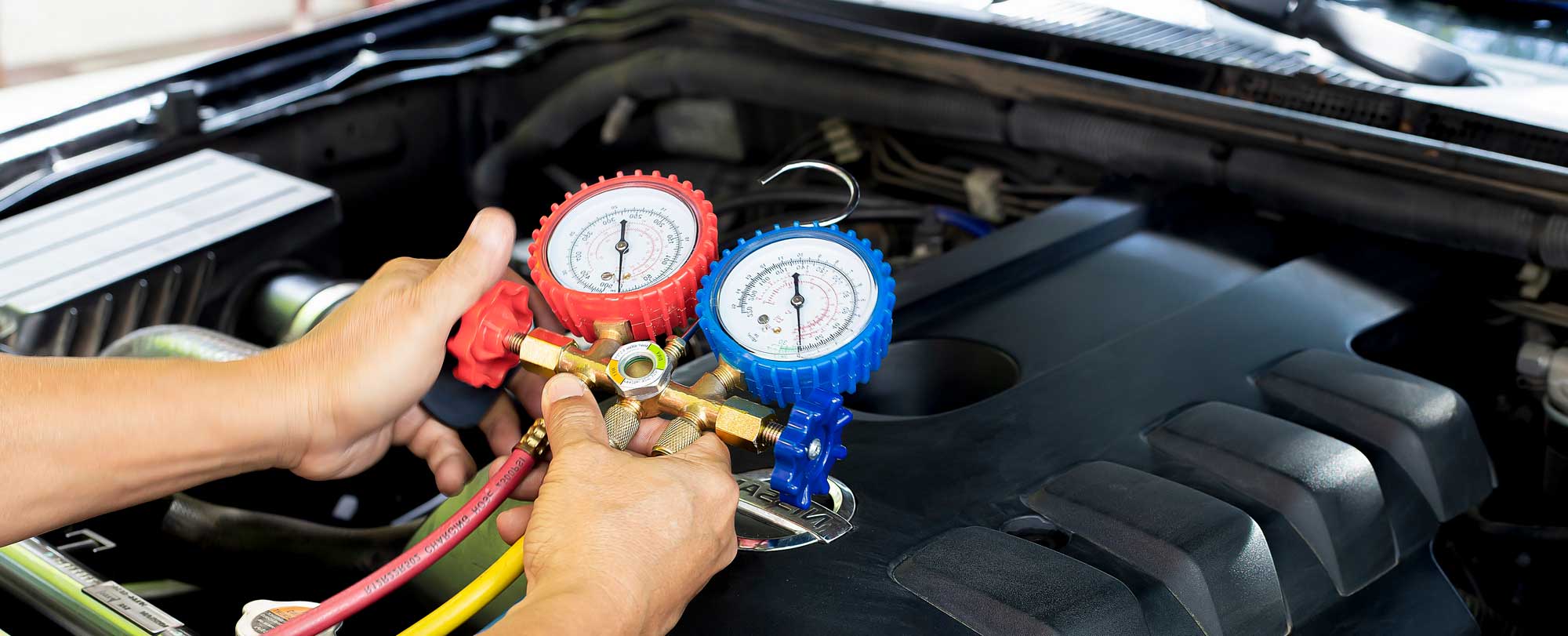
- Static and dynamic pressure testing. We measure high- and low-side refrigerant pressures with the engine off and running. Pressures outside Audi's spec ranges point to undercharge, overcharge, compressor failure, or expansion valve blockage.
- Leak detection with UV dye and electronic sniffer. Many B8/B9 A4 and Q5 models suffer condenser leaks from road debris impact. We inject UV dye into the system, run the compressor, and inspect with black light to pinpoint even hairline cracks.
- Blend door and actuator function test. Audi's automatic climate control uses multiple servo motors. We command each actuator through the scan tool and listen for binding or stuttering – common on 2009–2016 A4/A5/Q5 models where plastic gears strip.
- Cabin temperature and airflow measurement. We use infrared thermometers at the vents and compare readings to ambient and target temps. Weak airflow or inconsistent cooling across vents indicates duct leaks or failing blower motors.
Once diagnostics are complete, we walk you through what failed, why it failed, and which repairs will restore full function. You get a detailed quote with part numbers and labor before any work begins.
Air Conditioning AC Repair on Audi: Repair vs. Replacement
Not every A/C problem demands wholesale component replacement. The right approach depends on what failed and how much service life remains in surrounding parts.
When Repair Is the Right Move
- Refrigerant recharge after a minor leak repair. If we find a leaking O-ring at a line connection or a small condenser puncture, we replace the seal or braze the leak, evacuate moisture, and recharge with the correct R134a or R1234yf refrigerant spec.
- Blend door actuator replacement. Audi uses individual servo motors for temperature and mode doors. When one fails – often the driver-side temp actuator on B8 A4 models – we replace only that motor rather than the entire HVAC box.
- Compressor clutch or pulley bearing. If the compressor itself is healthy but the electromagnetic clutch or front bearing has failed, we can sometimes replace just the clutch assembly, saving the cost of a full compressor.
When Replacement Makes Sense
- Compressor with internal wear. A noisy or seized compressor spreads metal debris through the system. We replace the compressor, flush all lines, install a new receiver-drier or accumulator, and replace the expansion valve to prevent contamination damage downstream.
- Corroded condenser on high-mileage models. Condensers on C7 A6 and B9 Q5 models are exposed to salt and debris. When corrosion causes multiple pinhole leaks, replacement is more reliable than repeated patch repairs.
- Evaporator core leaks. Evaporators sit behind the dash. Access requires dash removal, so labor is significant. If the core is leaking, replacement is the only durable fix.
We explain the trade-offs honestly and let you decide. Our techs are salaried, so there's no incentive to upsell unnecessary parts.
How to Make Your Audi Air Conditioning AC Repair Last Longer
Proper habits and routine attention keep your Audi's climate system running efficiently for years beyond the typical service interval.
Driving and Usage Habits
- Run the A/C year-round, even in winter. Monthly compressor cycling keeps seals lubricated and prevents refrigerant oil from settling. Use defrost mode in cold months – it activates the compressor automatically.
- Use recirculation mode sparingly. Constantly recirculating cabin air overworks the evaporator and promotes mold growth. Switch to fresh air mode periodically to ventilate the system.
- Park in shade when possible. Extreme cabin heat stresses the compressor and blower motor. Cracking windows slightly or using a sunshade reduces initial cooling load.
Owner-Level Maintenance
- Replace cabin air filters on schedule. Audi recommends replacement every 20,000 miles or annually. Clogged filters restrict airflow, forcing the blower motor to work harder and reducing cooling efficiency.
- Clear debris from the cowl and condenser. Leaves and dirt pack into the fresh-air intake and block the condenser fins. A quick visual check and gentle rinse prevent airflow restriction.
- Listen for new noises. Squealing from the compressor belt or rattling from under the dash signals wear before total failure. Early attention prevents expensive secondary damage.
Professional Service
- Annual A/C performance check. We measure vent temps, inspect belt condition, and verify refrigerant charge. Catching a slow leak early prevents compressor damage from low-oil circulation.
- Use OEM or OE-equivalent refrigerant and oil. Audi specifies PAG oil viscosity and refrigerant type by model year. Incorrect oil damages compressor seals; wrong refrigerant affects cooling performance and may violate emissions regulations.
- Follow Audi's service intervals for related systems. Coolant condition affects heater core performance. Serpentine belt wear impacts compressor operation. Keeping the whole car on schedule protects the A/C system indirectly.
Leave refrigerant work, compressor replacement, and electrical diagnostics to the shop. DIY refrigerant recharge kits often overcharge the system or introduce moisture, causing damage that costs more to fix than the original repair would have.
What to Expect When You Bring Your Audi In
Schedule your appointment online or by phone. When you arrive, our service advisor will ask about symptoms – weak cooling, intermittent blower operation, musty odors, unusual noises – and note any dashboard warning lights. We'll secure your keys and personal items; if you need a loaner vehicle or shuttle service, let us know during scheduling so we can arrange coverage.
- Initial inspection and scan: We connect ODIS to pull climate-control fault codes, check refrigerant pressures with manifold gauges, and inspect the condenser for road-debris damage. Blend-door operation and blower-motor amperage draw are tested through the diagnostic interface.
- Written estimate: You'll receive a detailed quote listing necessary repairs – compressor replacement, evaporator core R&R, refrigerant leak repair – with explanations of what each component does and why it failed. We'll note if a software update or TSB applies to your model year.
- Authorization and repair: Once you approve the estimate, our salaried technicians perform the work using OEM or premium aftermarket parts. We vacuum-test for 45 minutes minimum to confirm no leaks remain, then charge the system to Audi's exact specification by weight.
- Post-repair verification: After reassembly, we scan for new fault codes, verify vent temperatures in Auto mode across all zones, and road-test the vehicle to confirm compressor engagement under load. You'll receive a walk-through at pickup explaining what we found and what we fixed.
If anything feels off within the first few days – uneven cooling, strange smells, warning lights – call us immediately. We'll re-scan the system at no charge and address any post-repair concerns under our warranty. Our goal is to fix your Audi's AC right the first time, so you're confident when summer heat arrives.
Our Audi Services
- Battery Repair Replacement
- Brake Repair & Brake Fluid Change
- Check Engine Light Diagnostics
- Clutch Repair & Replacement
- Coolant Leak Repair
- Cooling System Repair
- Drive Shaft Repair
- Engine Repair
- Exhaust & Catalytic Converter Repair
- Head Gasket Repair & Replacement
- Oil Change
- Oil Leak Repair
- Scheduled Service Maintenance
- Steering Repair
- Suspension Repair
- Cambelt Timing Belt Replacement
- Transmission Repair
- Tune Up
- Wheel Alignment


