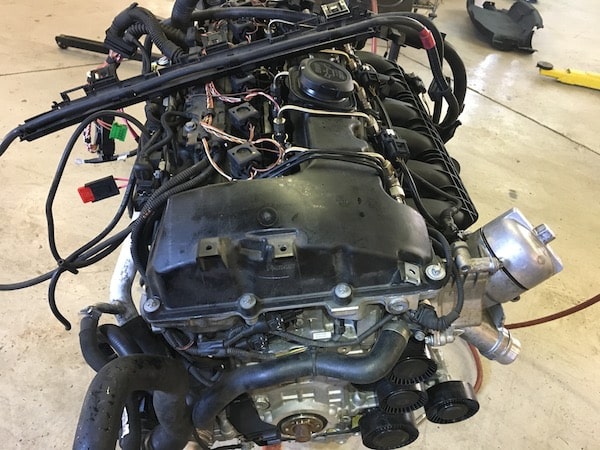
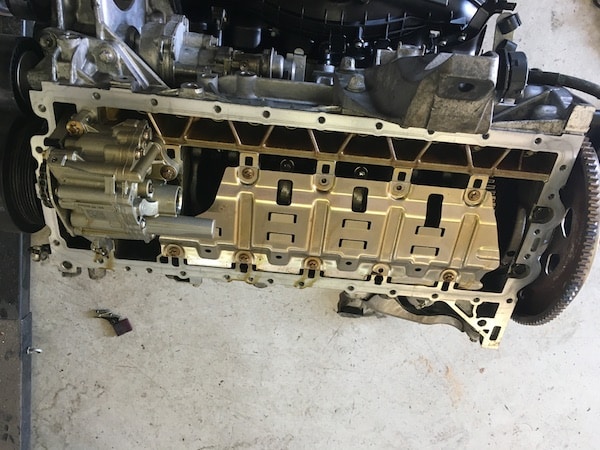
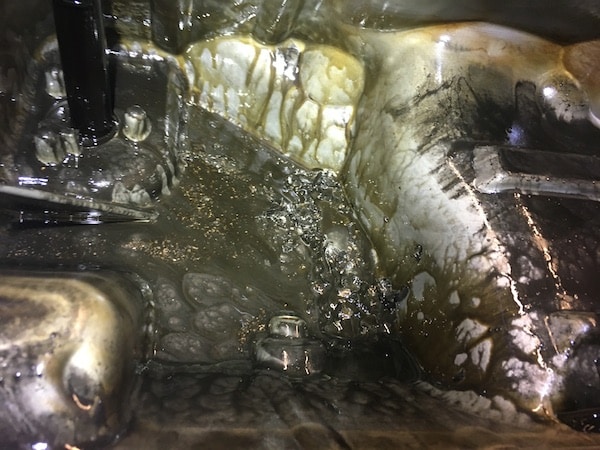
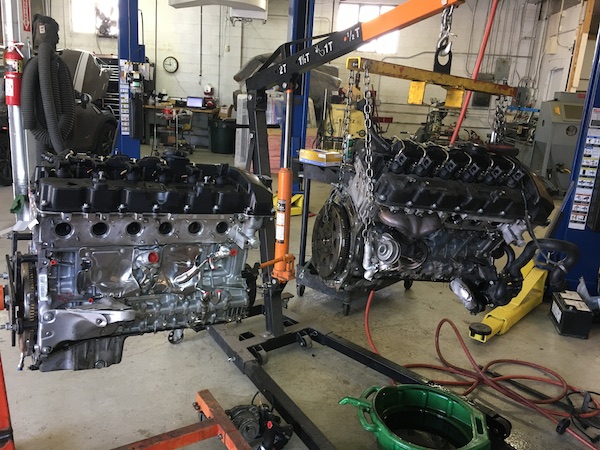
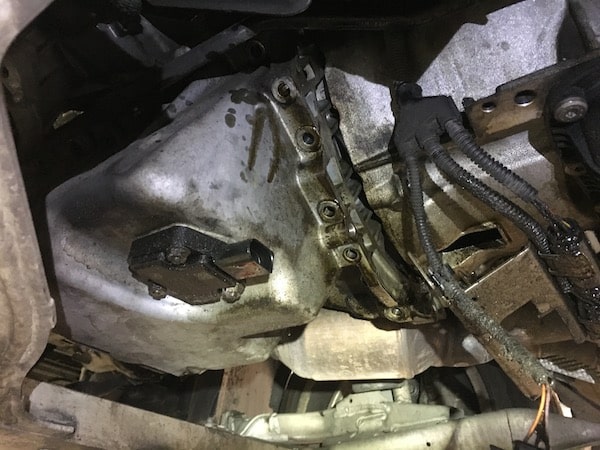
A BMW 335i came in with a leaking oil pan and a no-start condition caused by catastrophic rod bearing failure that seized the engine. A used motor was sourced and partially refurbished to restore the vehicle to running condition.
The failed engine was replaced with a used motor that received partial refurbishment before installation. The valve cover, oil pan, oil filter housing, and high-pressure fuel pump were all re-sealed during the process.
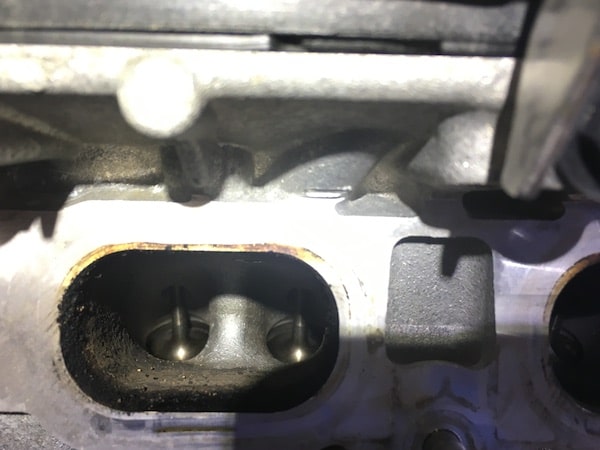
Intake valves were walnut blasted while the engine was out of the vehicle, a good opportunity to address carbon buildup. New turbocharger gaskets were also installed as part of the rebuild.
Fresh fluids were added after the engine was back in place, bringing the 335i back to full running condition.
What does a 335i engine replacement involve?
A BMW 335i engine replacement typically involves sourcing a used motor and partially refurbishing it before installation. This includes re-sealing the valve cover, oil pan, oil filter housing, and high-pressure fuel pump, walnut blasting the intake valves, and installing new turbocharger gaskets along with fresh fluids to restore proper running condition.
This BMW 335i came in with a leaking oil pan and a no start condition, the engine seized due to catastrophic rod bearing failure. A used motor was sourced and partially refurbished to replace the failed unit. Valve cover, oil pan, oil filter housing and high-pressure fuel pump were all re-sealed, and the intake valves were walnut blasted while the engine was out of the vehicle. Then new turbocharger gaskets and fresh fluids had this engine back in top running condition.
FAQs
One of the most common reasons a 335i needs an engine replacement is catastrophic rod bearing failure, which can cause the engine to seize completely. Other causes include severe oil leaks that go unaddressed, overheating, or internal damage from lack of maintenance. In many cases, the damage is too extensive to repair, making a full engine replacement the more practical option.
The cost of a 335i engine replacement can vary widely depending on whether a used, remanufactured, or new engine is used. A used motor with partial refurbishment is typically the most affordable route, while a brand-new or fully rebuilt engine will cost significantly more. Labor costs also add to the total, so it is best to get a detailed quote from a shop that specializes in BMW repairs.
Yes, a used engine is a common and cost-effective option for a 335i replacement. Many shops will source a used motor and partially refurbish it before installation, which can include re-sealing the valve cover, oil pan, oil filter housing, and high-pressure fuel pump. This approach helps extend the life of the replacement engine and reduces the risk of immediate issues after installation.
When the engine is already out of the vehicle, it is a good time to address other maintenance items that are otherwise difficult to access. Common tasks include walnut blasting the intake valves to remove carbon buildup, replacing turbocharger gaskets, and refreshing all fluids. Taking care of these items during the replacement can save time and money down the road.
Walnut blasting is a cleaning process that uses crushed walnut shells to remove carbon deposits from the intake valves. The N54 and N55 engines found in the 335i are known for building up carbon on the intake valves over time, which can hurt performance and fuel economy. Since the engine is already removed during a replacement, it is the perfect opportunity to clean the valves without the extra labor cost of doing it as a standalone service.
A 335i engine replacement is a labor-intensive job that typically takes several days to complete, especially when additional refurbishment work is performed on the replacement motor. The exact timeline depends on the shop's workload, parts availability, and how much prep work the used engine requires. It is a good idea to ask your shop for a realistic time estimate before the work begins.
Whether it is worth replacing the engine depends on the overall condition of the vehicle and the cost of the repair compared to the car's value. If the body, transmission, and other major components are in good shape, an engine replacement can give the car a new lease on life at a fraction of the cost of buying a replacement vehicle. Getting a full inspection of the car before committing to the repair is a smart way to make that decision.