
Alfa Romeo Clutch Repair & Replacement at DART Auto
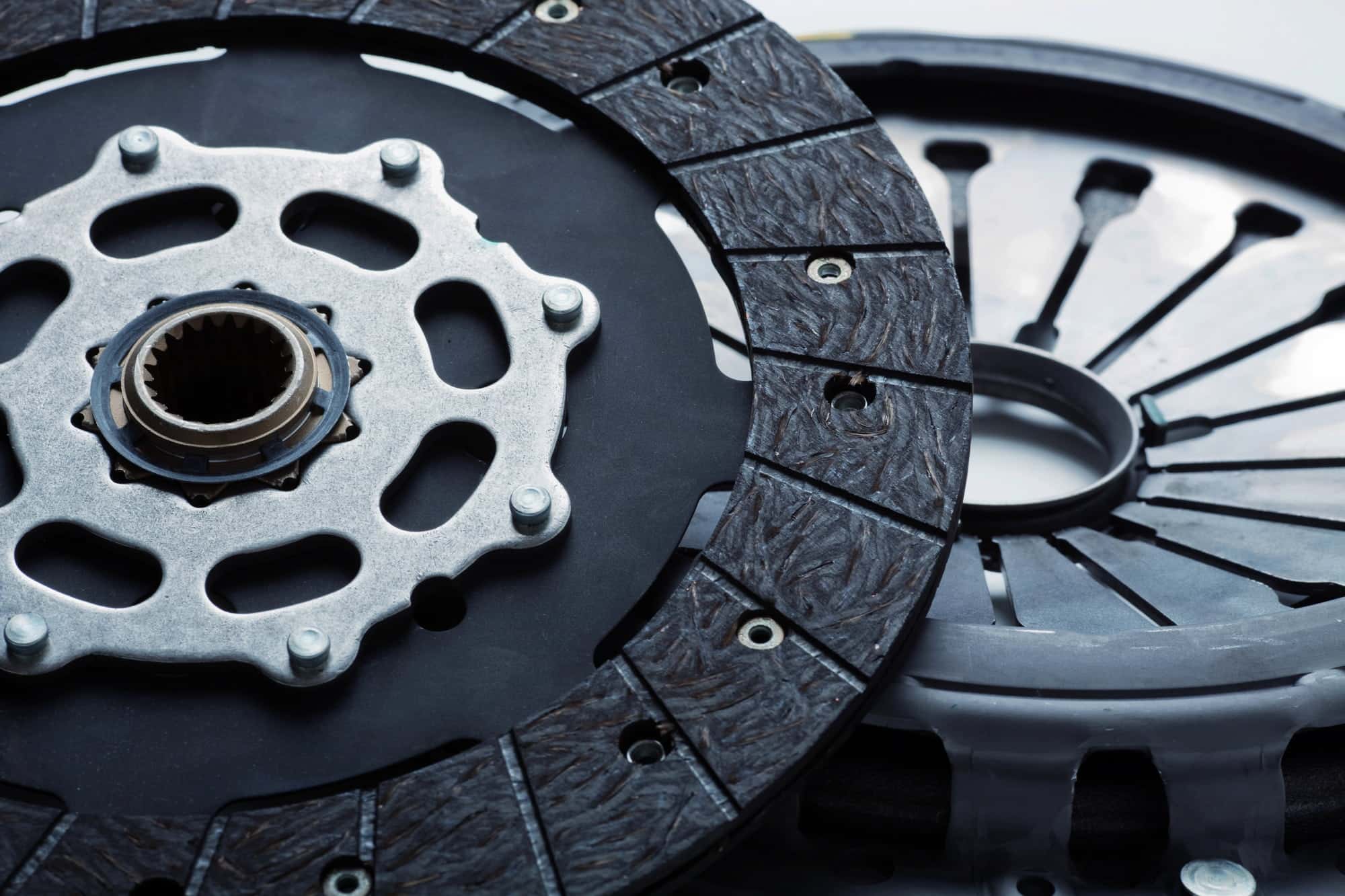
Alfa Romeo engineers expect drivers to engage with their cars – spirited shifts, rev-matched downshifts, and confident launches that reward precision. When the clutch begins to slip or the pedal feel changes, the entire driving experience unravels. Unlike mass-market vehicles where clutches are simple wear items, Alfa Romeo platforms from the 159 through the Giulia employ dual-mass flywheels, concentric slave cylinders, and hydraulic systems sensitive to fluid contamination and air intrusion. The 4C mid-engine layout demands gearbox removal through a tightly packaged rear subframe, while Giulia Quadrifoglio manual transmissions require flywheel resurfacing specs and torque sequences that generic shops rarely follow. DART Auto has invested in the factory service information, hydraulic bleeding procedures, and alignment tooling that separate a quick clutch swap from a job done to Alfa Romeo's exacting standards.
Our technicians treat every clutch replacement as a complete system service – inspecting the dual-mass flywheel for excessive free-play, verifying concentric slave cylinder seal integrity, bleeding the hydraulic circuit to factory spec, and road-testing under load to confirm pedal engagement point and release travel. We source OEM or LuK clutch kits engineered for the specific torque curves of the 1750 TBi and 2.9-liter V6 powerplants, ensuring smooth engagement and long service life. When you bring your Alfa Romeo to DART Auto, you can expect:
- Complete dual-mass flywheel inspection with measurement of axial and radial free-play against factory limits
- Hydraulic system service including master cylinder inspection, line flushing, and proper bleeding sequence
- OEM or premium LuK friction materials matched to your engine's torque output and driving style
- Road-test validation of engagement point, pedal travel, and shift quality under varied load conditions
Common Clutch Repair & Replacement Issues on Alfa Romeo Vehicles
Alfa Romeo's sporting DNA and high-revving powertrains put unique demands on clutch systems that generic shops often misdiagnose. These Italian machines employ dual-mass flywheels, aggressive engagement profiles, and in many models, automated manual transmissions that require factory-level diagnostic capability to service correctly. Understanding platform-specific failure modes is the difference between a proper repair and repeated comebacks.
- Dual-Mass Flywheel Failure on 159/Brera/Spider (2006–2011, Type 939): The dual-mass flywheel on 2.2 JTS and 3.2 V6 variants develops internal spring fractures between 60,000–90,000 miles, causing rattling at idle and shuddering during engagement. The OEM flywheel design cannot be resurfaced; replacement with both flywheel and clutch disc is mandatory to prevent premature clutch wear.
- Giulia/Stelvio Quadrifoglio Clutch Pack Glazing (2017–present, Type 952): Track use or aggressive launch-control cycles on the 2.9L twin-turbo V6 can glaze the dual-clutch packs in the ZF 8HP transmission, causing slippage under full throttle in second and third gears. ZF-specific adaptation procedures and fluid exchange are critical; generic scan tools cannot perform the required clutch-volume learning.
- 4C Launch Edition Clutch Judder (2015–2016): Early 4C models with the Alfa TCT dual-clutch exhibit low-speed judder during parking maneuvers due to inadequate clutch-cooling airflow and software calibration issues. TSB 08-022-16 addresses recalibration, but many units require clutch-pack replacement if the judder persists beyond 30,000 miles.
- MiTo/Giulietta TCT Mechatronic Valve Body Leaks (2010–2018): The Fiat-derived TCT dual-clutch transmission develops internal hydraulic leaks in the mechatronic valve body, causing delayed or harsh engagement and fault codes P0841/P0846. Leak-down testing with Alfa Romeo Witech diagnostic software is required to isolate valve-body faults from clutch-pack wear.
- Spider/GTV Manual Clutch Master Cylinder Failure (1995–2005, Type 916): The plastic reservoir on the clutch master cylinder becomes brittle and cracks, introducing air into the hydraulic system and causing a spongy pedal feel or complete loss of clutch disengagement. Bleeding requires a pressure bleeder due to the high-mounted slave cylinder location.
Why Choose DART Auto for Alfa Romeo Clutch Repair & Replacement
Alfa Romeo clutches demand more than generic manual-transmission experience. The dual-clutch transmissions in Giulia Quadrifoglio and Stelvio Quadrifoglio models – built on the ZF 8HP platform but adapted for Alfa's torque curves – require factory-level diagnostics to distinguish mechanical wear from TCM calibration drift. Early Giorgio-platform cars (2017–2019 model years) occasionally exhibit clutch slip under hard acceleration that mimics software issues but stems from friction material breakdown. We use Alfa-specific scan tools and OEM service procedures to pinpoint whether your concern is hydraulic, mechanical, or electronic before pulling the transmission.
Our master technicians have dealer-level training and access to Alfa Romeo TSBs covering clutch judder on 4C launch-control starts and the revised flywheel torque specs introduced mid-2018 for Giulia. We stock OEM clutch kits and premium aftermarket alternatives from LuK and Sachs – suppliers to FCA assembly lines – so you're not waiting weeks for parts shipped from Italy. Because our technicians are salaried rather than flat-rate, they take the time to measure flywheel runout, inspect the dual-mass flywheel for damper failure, and verify throwout-bearing preload rather than rushing to the next job.
- Platform expertise: familiarity with Giorgio, Compact, and 4C carbon-tub chassis-specific removal procedures
- Factory tooling: hydraulic line disconnect tools and alignment fixtures that prevent contamination and mis-indexing
- Complete inspection: flywheel resurfacing measurement, pilot-bearing replacement, clutch-pedal free-play calibration
- 3-year/36,000-mile warranty: parts and labor coverage that exceeds most independent shops
Symptoms – How to Know You Need This Service
Alfa Romeo clutch degradation announces itself through tactile and olfactory cues that worsen under spirited driving. You may notice:
- Slipping under acceleration – engine RPM rises without corresponding speed increase, especially in higher gears or uphill pulls; this indicates friction material below minimum thickness and requires immediate attention to prevent flywheel damage
- Burning smell after aggressive shifts – acrid odor resembling overheated brakes, signaling clutch material overheating from excessive slip or improper engagement
- Pedal effort changes – unusually light or heavy pedal feel, spongy travel, or a pedal that stays near the floor, pointing to hydraulic system air contamination or master/slave cylinder failure
- Engagement point migration – clutch catches very high or very low in pedal travel, or the engagement point moves over time, often related to hydraulic wear or pressure plate finger wear
- Gear grinding or difficult shifts – resistance entering first or reverse, or grinding sounds during shifts, suggesting the clutch isn't fully releasing due to hydraulic issues or disc hub spline wear
- Shudder during engagement – vibration felt through the pedal or chassis when releasing the clutch from a stop, typically caused by dual-mass flywheel damper wear or contaminated friction surfaces
- Rattling at idle in neutral – metallic rattle from the bellhousing area with the clutch pedal up, characteristic of dual-mass flywheel damper springs losing preload
Slipping under load demands immediate service – continued driving risks flywheel heat damage that doubles repair cost. Schedule other symptoms promptly to prevent being stranded.
Which Alfa Romeo Models We See for Clutch Repair & Replacement
DART Auto services clutch systems across the modern Alfa Romeo lineup, with deep familiarity in the platforms that define the brand's return to North America. We regularly work on:
- Giulia (952, 2017–present) – both 2.0-liter turbo and Quadrifoglio 2.9 V6 manual transmissions; concentric slave cylinder and dual-mass flywheel service
- Stelvio (949, 2018–present) – manual-equipped European-spec models; hydraulic system shares architecture with Giulia platform
- 4C / 4C Spider (960, 2014–2020) – mid-engine layout requiring rear subframe lowering and specialized access procedures; single-mass flywheel with paddle-shift automated manual in most units, but manual-conversion builds seen occasionally
- Giulietta (940, 2010–2020) – European-market hatchback with 1.4 MultiAir and 1750 TBi engines; dual-mass flywheel and cable-actuated release systems on earlier years transitioning to hydraulic on later builds
- 159 (939, 2005–2011) – sedan and Sportwagon with JTS and JTDm powertrains; transverse front-wheel-drive layout with hydraulic concentric release bearing
- Brera / Spider (939, 2006–2010) – shares 159 platform and clutch architecture; Q4 all-wheel-drive variants require transfer case consideration during gearbox removal
- MiTo (955, 2008–2018) – European-market supermini with 1.4 MultiAir; compact engine bay demands careful hydraulic line routing and slave cylinder access
We maintain factory service data for all manual-transmission Alfa Romeo models sold in North America and commonly imported European-spec variants. Automated manual transmissions (Selespeed, TCT dual-clutch) require different diagnostic approaches – contact us to discuss your specific platform.
Causes & Risks – What Happens if Ignored
Alfa Romeo clutch issues stem from a combination of spirited driving, dual-mass flywheel complexity, and the brand's reliance on automated manual and dual-clutch transmissions that demand precise hydraulic pressures and software calibration. High-performance engines with aggressive torque curves accelerate wear, while urban stop-and-go traffic overheats dual-clutch packs. Many Alfa Romeo owners underestimate how quickly a minor symptom – a slight shudder, a whiff of friction material, a momentary slip – escalates into a stranded-on-the-roadside failure.
Delaying clutch service on an Alfa Romeo triggers a predictable cascade of secondary damage:
- Slipping Clutch Overheats Flywheel: A worn clutch disc that slips under load generates enough heat to warp or crack the dual-mass flywheel. What starts as a $1,200 clutch job becomes a $2,800 flywheel-and-clutch replacement once the flywheel surface is damaged beyond resurfacing limits.
- Hydraulic Leak Contaminates Clutch Disc: Ignoring a weeping clutch master or slave cylinder allows brake fluid to soak the clutch friction material, causing rapid glazing and complete loss of torque transfer. The contaminated disc cannot be cleaned; both hydraulic components and the clutch assembly require replacement.
- Dual-Clutch Pack Failure Damages Mechatronic Unit: Continuing to drive a Giulia or 4C with slipping clutch packs forces the mechatronic valve body to over-pressurize, burning solenoids and damaging internal seals. A $1,800 clutch-pack replacement escalates into a $5,000 mechatronic rebuild or replacement.
- Broken Dual-Mass Flywheel Springs Grenade Transmission: Once the internal springs in a dual-mass flywheel fracture, loose metal fragments circulate through the bellhousing, scoring the input shaft, damaging the pilot bearing, and contaminating the transmission with debris. Total transmission replacement may be required.
- Loss of Drive in Traffic: Complete clutch failure leaves the vehicle unable to move under its own power, creating a hazardous situation in moving traffic and requiring flatbed towing to avoid further damage to the transmission input shaft.
Safety Impact – Why Clutch Repair & Replacement Matters
A failing clutch on an Alfa Romeo compromises your ability to accelerate out of dangerous situations, merge safely onto highways, or maintain control during emergency maneuvers. Slippage under load means unpredictable power delivery – the engine revs but the car doesn't respond proportionally, creating a disconnect between driver input and vehicle behavior that can lead to misjudged passing attempts or inability to clear intersections. Dual-clutch transmissions with failing packs may lurch unexpectedly or disengage entirely during low-speed maneuvering, risking rear-end collisions in stop-and-go traffic.
When to stop driving versus schedule service:
- Stop driving immediately: Complete loss of clutch engagement (pedal goes to floor with no resistance), burning smell accompanied by visible smoke from bellhousing area, sudden loss of all forward gears with fault lights illuminated, or loud metallic rattling from the transmission that worsens under load.
- Schedule service within the week: Clutch pedal feels spongy or requires pumping to engage, intermittent slipping during hard acceleration, shuddering during engagement from a stop, or difficulty selecting gears even when the clutch pedal is fully depressed.
- Plan service within the month: Slight clutch chatter during cold starts that disappears when warm, higher-than-normal engagement point, or minor judder only during low-speed parking maneuvers.
Documented clutch failure that causes an accident may complicate insurance claims, particularly if the vehicle exhibited warning symptoms that were ignored. Maintaining service records demonstrates due diligence.
How Alfa Romeo Clutch Repair & Replacement Actually Works
Alfa Romeo employs three distinct clutch architectures depending on model and year: traditional cable or hydraulic-actuated single-disc systems on older manual-transmission cars, dual-mass flywheel setups paired with hydraulic release bearings on modern manuals, and electro-hydraulic dual-clutch transmissions (TCT on MiTo/Giulietta/4C, ZF 8HP on Giulia/Stelvio) that require factory diagnostic software to perform clutch adaptation and volume learning. The dual-mass flywheel – standard on most post-2005 models – uses internal springs to dampen crankshaft vibration, protecting the transmission but adding complexity and cost to any clutch replacement.
Alfa Romeo-specific design considerations that affect clutch service:
- Non-Resurfaceable Dual-Mass Flywheels: Unlike solid flywheels, Alfa Romeo's dual-mass units cannot be machined. Any surface scoring or heat damage requires complete flywheel replacement, and OEM specifications prohibit reusing a flywheel beyond one clutch service interval.
- ZF 8HP Adaptation Procedures: Giulia and Stelvio models require ZF-specific clutch volume learning using Alfa Romeo Witech software after any clutch-pack replacement. Generic scan tools cannot access the transmission control module's adaptation menus, resulting in harsh shifts and premature clutch wear if skipped.
- Hydraulic Release Bearing Integration: Modern Alfa Romeo manuals use a concentric slave cylinder (hydraulic release bearing) that mounts inside the bellhousing and cannot be serviced separately from a clutch job. The bearing must be replaced with every clutch installation to prevent premature failure.
- TCT Mechatronic Calibration
How We Diagnose Clutch Repair & Replacement Issues on Alfa Romeo
Alfa Romeo's dual-clutch transmissions and conventional manual gearboxes demand platform-specific diagnostic protocols. The 4C uses a TCT automated manual, while the Giulia and Stelvio Quadrifoglio feature ZF eight-speed automatics with torque-converter lockup clutches. Each platform requires its own scan tooling and pressure-test procedures to isolate whether you're facing hydraulic failure, friction material wear, or electronic actuator faults.
- Initial road test and symptom documentation. We drive the vehicle through launch, shift points, and high-load acceleration to replicate slipping, judder, or delayed engagement. On TCT-equipped models, we monitor shift quality and clutch bite points across all seven gears.
- Factory-level scan with Alfa Romeo-compatible tooling. We pull live data from the transmission control module, reviewing clutch position sensors, hydraulic pressure readings, and adaptation values. Software version mismatches between TCU and engine ECU often trigger phantom clutch faults on 2017–2019 Giulia models.
- Hydraulic system pressure test. Using a mechanical gauge at the slave cylinder port, we verify whether the master cylinder, slave, or hydraulic line is bleeding pressure. Giulia Quadrifoglio clutch hydraulics are particularly sensitive to moisture contamination after three years.
- Visual inspection on the lift. We drop the transmission dust cover or bellhousing inspection plate to check flywheel condition, pilot bearing play, and clutch fork alignment. On 4C models, we inspect the TCT actuator motor and shift fork wear indicators.
- Measurement of remaining friction material. When accessible, we use a depth gauge to measure clutch disc thickness against factory service limits. Anything below 2 mm on organic facings means replacement is due regardless of current symptoms.
Once the diagnosis is complete, we walk you through what failed, why it failed, and whether a targeted repair or full replacement makes the most sense for your driving pattern and budget. You'll receive a detailed quote with OEM part numbers and labor broken out, so there are no surprises when you approve the work.
Clutch Repair & Replacement on Alfa Romeo: Repair vs. Replacement
Not every clutch problem demands a full assembly swap. When the friction disc still measures within spec and the pressure plate shows no hot spots, a hydraulic repair – new master cylinder, slave, and fresh DOT 4 fluid – often restores full pedal feel and engagement. We see this frequently on 2017–2018 Giulia Ti models where the OE slave cylinder seals weep fluid after 40,000 miles, causing a soft pedal but leaving the clutch itself intact.
Partial replacement makes sense when one component has failed but the rest of the assembly remains serviceable:
- Flywheel resurfacing with new disc and pressure plate. If the flywheel measures above minimum thickness and shows no cracks, we resurface it and install a new clutch kit, saving the cost of a dual-mass flywheel replacement.
- Pilot bearing and throw-out bearing replacement during clutch service. These wear items are inexpensive and already accessible with the transmission out, so we replace them even if they haven't failed yet.
- TCT actuator motor on 4C models. When the automated manual's shift actuator fails but the clutch packs test within spec, replacing just the actuator restores function without the expense of new clutches.
Full replacement becomes the right call when friction material is below service limit, the flywheel is cracked or warped beyond machining tolerance, or the pressure plate fingers show uneven wear. On high-performance Quadrifoglio models, we also recommend complete replacement if the car has seen track use, since heat cycling degrades the entire assembly even when measurements look acceptable. We'll show you the worn parts, explain the failure mode, and let you decide whether to proceed – our salaried technicians have no incentive to upsell components you don't need.
How to Make Your Alfa Romeo Clutch Repair & Replacement Last Longer
Alfa Romeo clutches – especially on Quadrifoglio and 4C models – respond directly to how you manage heat and engagement. Smooth, deliberate inputs extend service life; aggressive launches and riding the clutch pedal accelerate wear exponentially.
Driving habits that protect your clutch:
- Avoid resting your foot on the clutch pedal during highway driving. Even light pressure keeps the throw-out bearing loaded and prevents full pressure-plate clamping.
- Minimize slip time during launches. Get off the clutch pedal promptly once the car is moving – extended slip generates heat that glazes friction material and warps the flywheel.
- Downshift smoothly with rev-matching. Abrupt clutch dumps under engine braking shock-load the drivetrain and accelerate spline wear on the input shaft.
- Let the engine reach operating temperature before hard acceleration. Cold oil means higher friction coefficients and more clutch slip to achieve the same launch.
Owner-level maintenance you can do:
- Check clutch-pedal free play monthly. If engagement point creeps toward the floor or ceiling, the hydraulics may be losing pressure or the disc is wearing thin.
- Listen for new noises during engagement – growling suggests throw-out bearing wear; chatter points to glazed friction surfaces or oil contamination.
- Monitor the brake fluid reservoir. The clutch hydraulic circuit shares fluid with the brakes on most Alfa Romeo models, so a dropping level may indicate a clutch slave cylinder leak.
Use OEM-spec DOT 4 brake fluid and change it every two years. Moisture absorption degrades hydraulic seals and reduces clutch-pedal firmness. Software updates from Alfa Romeo occasionally revise TCT shift logic to reduce clutch wear – ask us to check for available updates during your next service. Leave pressure testing, hydraulic bleeding, and any work requiring transmission removal to the shop; clutch replacement on these platforms demands alignment tools and torque specs that aren't DIY-friendly.
What to Expect When You Bring Your Alfa Romeo In
We treat clutch concerns as diagnostic opportunities, not automatic replacements. When you schedule your appointment, we'll ask about symptoms – slipping under load, chatter on engagement, heavy pedal effort, grinding into gear – so the technician knows where to focus. Drop off your Alfa at your convenience; we offer early drop-off and after-hours key drop if your schedule demands it. Remove valuables and personal items, but leave us any service records or notes about when the issue started.
- Initial road test and inspection: Your technician drives the car to replicate the concern, then lifts it to check hydraulic fluid level, slave-cylinder condition, and bellhousing for leaks or contamination.
- Scan-tool diagnosis: We pull transmission adaptation values, clutch-position sensor data, and any stored codes. On dual-clutch models, we compare actual versus expected clutch kiss-point to quantify wear.
- Written estimate: You receive a detailed breakdown – clutch kit, flywheel resurfacing or replacement if needed, hydraulic components, labor – with photos of worn parts when the transmission is out. We explain what happens if you delay the repair and answer questions by phone or text.
- Repair execution: Transmission removal follows Alfa service manual torque sequences. We inspect the flywheel for heat cracks or step wear, replace the pilot bearing and throwout bearing as a matter of course, clean the bellhousing, and torque everything to spec with thread-locking compound where required.
- Post-repair verification: After reassembly, we bleed the hydraulic system, perform a clutch-adaptation reset if applicable, road-test under varied loads, and scan for any new codes. At pickup, we walk you through what we found, show you the old parts, and explain break-in procedure for the new friction material.
If the clutch feels different in the first hundred miles or you notice any abnormal noise, call us immediately. We'd rather inspect it while the issue is small than have you second-guess the repair. Loaner vehicles and shuttle service are available for multi-day jobs – ask when you book. Our goal is to return your Alfa Romeo with clutch engagement that feels factory-fresh and a repair that lasts well beyond the 3-year warranty window.
Our Alfa Romeo Services
- Air Conditioning AC Repair
- Battery Repair Replacement
- Brake Repair & Brake Fluid Change
- Check Engine Light Diagnostics
- Coolant Leak Repair
- Cooling System Repair
- Drive Shaft Repair
- Engine Repair
- Exhaust & Catalytic Converter Repair
- Head Gasket Repair & Replacement
- Oil Change
- Oil Leak Repair
- Scheduled Service Maintenance
- Steering Repair
- Suspension Repair
- Cambelt Timing Belt Replacement
- Transmission Repair
- Tune Up
- Wheel Alignment