
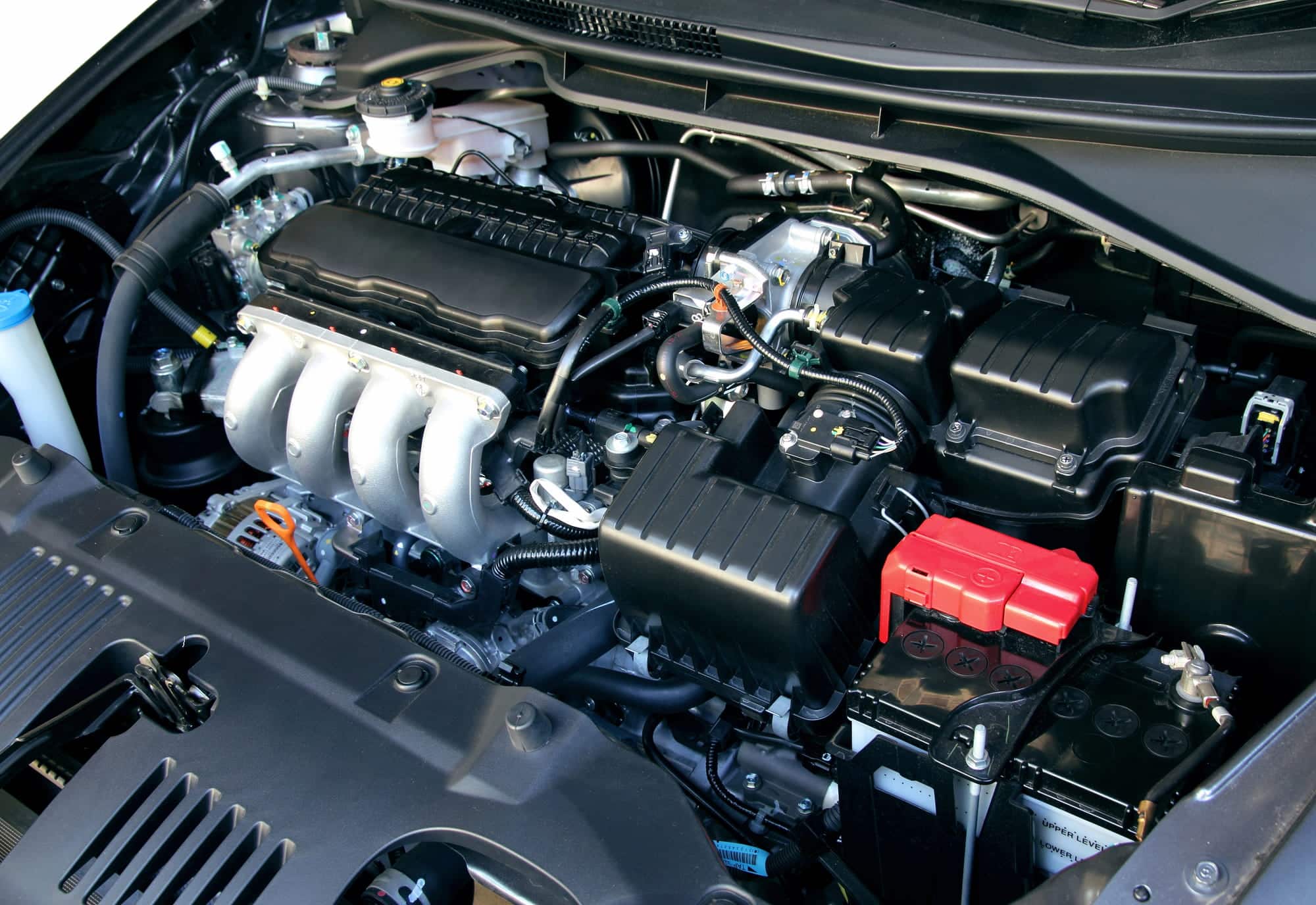
Alfa Romeo Engine Repair at DART Auto
Alfa Romeo engines deliver a visceral driving experience that few brands can match, but that passion comes with engineering complexity that demands specialist knowledge. The MultiAir variable valve actuation system introduced across the Giulietta and Giulia platforms requires precise diagnostic protocols and software calibration that generic shops simply don't have. When your Alfa develops timing chain noise, oil consumption, or misfires, you need technicians who understand the difference between normal MultiAir solenoid chatter and actual valvetrain wear – and who have the factory-level scan tools to read proprietary Alfa Romeo fault codes that basic OBD-II readers miss entirely.
DART Auto has invested in the diagnostic equipment, repair information subscriptions, and specialty tooling that Alfa Romeo engine work demands. Our master technicians bring dealer training and over a decade of hands-on experience with European powerplants, from the naturally aspirated 1750 TBi four-cylinder to the Ferrari-derived 2.9L V6 in the Quadrifoglio. We follow OEM torque specifications, use genuine timing components where longevity matters, and perform complete system diagnostics before recommending repairs – because Alfa Romeo engines often throw misleading codes when secondary systems like the evaporative emissions canister or PCV system fail.
When you bring your Alfa Romeo to DART Auto for engine repair, you can expect:
- Complete diagnostic scan using Alfa-specific software to identify root causes, not just symptoms
- Transparent explanation of what failed, why it failed, and what the repair entails
- OEM and premium aftermarket parts sourced from trusted European suppliers
- 3-year/36,000-mile warranty on parts and labor – confidence you won't find at independent shops
Common Engine Repair Issues on Alfa Romeo Vehicles
Alfa Romeo engines deliver exceptional performance, but their Italian engineering demands specific knowledge when repairs become necessary. The 2.0-liter turbocharged inline-four found across the Giulia and Stelvio platforms (2017–present) shares DNA with Ferrari technology, which means repair procedures differ significantly from mass-market European brands. Here's what Denver Alfa Romeo owners bring to our shop most frequently:
- Timing chain tensioner failure on 2.0T engines (Giorgio platform, 2017–2023): The hydraulic tensioner can lose pressure prematurely, creating a rattling noise on cold starts that progresses to timing slip. This issue appears most often between 40,000 and 70,000 miles and requires complete front-engine disassembly to address properly, including cam phaser replacement to prevent recurrence.
- Carbon buildup on direct-injection 2.0T engines: The MultiAir valve system, while brilliant for performance, accelerates intake valve carbon deposits because fuel never washes the valves. By 30,000 miles, many Giulia and Stelvio engines show measurable performance loss and misfires that require walnut-blasting the intake ports – a procedure demanding complete intake manifold removal and specialized tooling.
- Oil consumption on 2.9-liter twin-turbo V6 (Quadrifoglio models): The Ferrari-derived V6 can consume a quart every 1,000 miles under spirited driving, particularly on 2017–2019 model years. While Alfa Romeo considers this "within spec," excessive consumption often points to turbocharger seal wear or piston ring issues that warrant deeper diagnosis before warranty expires.
- Coolant system failures on 1750 TBi engines (4C, 2015–2020): The mid-engine 4C uses a unique pressurized coolant circuit with multiple electric pumps. When the primary pump fails – common around 25,000 miles – overheating happens quickly, and the transverse engine placement makes pump replacement a 6-hour job requiring subframe lowering.
- Cylinder head gasket seepage on older 3.0-liter V6 engines (159, Brera, Spider, 2006–2011): The GM-derived V6 develops external oil leaks at the head gasket perimeter, particularly on the rear bank. Left unaddressed, this migrates oil onto the exhaust manifold, creating smoke and potential fire risk during extended highway driving.
- Ignition coil pack failures across all turbocharged models: Alfa Romeo's high-compression turbo engines stress ignition components heavily. Coil packs typically fail between 30,000 and 50,000 miles, causing misfires that damage catalytic converters if driven for more than a few heat cycles. The OEM coils require specific resistance specs that generic parts rarely match.
Why Choose DART Auto for Alfa Romeo Engine Repair
Alfa Romeo engines demand more than generic shop experience. The 2.0L GME turbocharged four-cylinder in the Giulia and Stelvio shares architecture with Ferrari, requiring specific tooling and calibration protocols that most independent shops don't stock. DART Auto has invested in the factory-level diagnostic hardware and technical service bulletins that track timing chain stretch on early 952-platform models, oil consumption patterns on high-mileage 2.9L V6 units, and the software updates Alfa Romeo releases to address fuel trim adaptation on direct-injection motors.
Our master technicians bring dealer-level training without the dealer markup. We use salaried compensation instead of flat-rate pay, so there's zero incentive to rush through a cylinder head gasket replacement or skip the vacuum leak test that reveals a cracked intake manifold. When we quote engine work, the estimate includes complete diagnostics – leak-down testing, compression checks, and scan-tool data logging – so you understand whether you're addressing a failed PCV valve or a more involved timing component issue. Every repair is backed by a 3-year/36,000-mile warranty on parts and labor, and we verify the fix with a post-repair road test and full system scan before you pick up your car.
- Factory-equivalent diagnostics: We use the same scan tools and repair procedures dealerships rely on, including access to Alfa Romeo TSBs and software calibration updates.
- Transparent process: You receive a written estimate with explanations of what failed, why it matters, and what happens if you delay the repair.
- OEM and premium aftermarket parts: We source components from trusted suppliers who meet or exceed factory specifications, never bargain-bin alternatives.
Symptoms – How to Know You Need This Service
Alfa Romeo engines communicate distress in specific ways. You may notice:
- Metallic rattling on cold start that fades after 10-15 seconds – classic timing chain tensioner wear on 1750 TBi engines, especially 2014-2016 Giulietta models
- Check engine light with reduced power mode – often MultiAir solenoid failure or cam position sensor faults that require immediate diagnosis
- Excessive oil consumption (more than one quart between changes) – piston ring wear or valve stem seal deterioration common on higher-mileage 2.0L and 2.9L V6 platforms
- Rough idle with hesitation – misfires from carbon fouling on direct-injection valves or failing ignition coils
- Knocking or pinging under load – detonation from carbon buildup, incorrect fuel octane, or failing knock sensors
- White smoke from exhaust on startup – coolant entering combustion chambers, suggesting head gasket or cylinder head issues
- Sudden coolant loss without visible leaks – internal consumption through a compromised head gasket
- Grinding or whining noise from engine bay – accessory bearing failure or timing component wear
If you see white smoke, experience sudden power loss, or hear loud metallic grinding, stop driving immediately and arrange towing. Continued operation can turn a repairable issue into complete engine failure.
Which Alfa Romeo Models We See for Engine Repair
DART Auto services the full range of modern Alfa Romeo platforms, with deep experience in the turbocharged four-cylinder and V6 engines that define the brand's current lineup:
- Giulia (Type 952, 2017-present) – 2.0L turbocharged four-cylinder and 2.9L twin-turbo V6 Quadrifoglio variants
- Stelvio (Type 949, 2018-present) – same 2.0T and 2.9L V6 powerplants as Giulia, with AWD system integration
- Giulietta (Type 940, 2014-2020) – 1750 TBi MultiAir engines common in North American market
- 4C (Type 960, 2015-2020) – mid-mounted 1750 TBi with unique access requirements and carbon-fiber chassis considerations
- Earlier MiTo and 159 platforms – limited North American presence, but we service European-imported examples with JTS and MultiAir variants
The 2.9L V6 in Quadrifoglio models requires specialized tooling for timing alignment and software calibration that most independents lack. Our investment in Alfa-specific diagnostic interfaces and subscription access to factory repair procedures means we can handle everything from routine valve cover gasket replacement on base 2.0T models to complete timing service on the high-performance V6. We're honest about complexity: if your repair involves engine-out transmission work or requires specialized machining, we'll explain exactly what's involved and provide a clear timeline before starting work.
```htmlCauses & Risks – What Happens if Ignored
Engine repair needs on Alfa Romeo vehicles stem from a combination of high-performance design tolerances, Denver's altitude affecting turbocharger and cooling systems, and maintenance intervals that assume European driving patterns rather than American commutes. The direct-injection systems run hotter and dirtier than port-injection predecessors, accelerating carbon formation. Turbocharged engines generate more heat and vibration, stressing gaskets, seals, and timing components. When these vehicles sit for extended periods between spirited drives, oil drainback and fuel system varnishing compound the problem.
Delaying engine repairs on an Alfa Romeo rarely saves money – it simply determines which parts fail next. Here's the typical escalation path:
- Ignoring timing chain noise for 2,000–3,000 miles: The tensioner failure that starts as a cold-start rattle progresses to cam phaser damage, then jumped timing that bends valves and requires cylinder head replacement. A $2,800 timing service becomes a $9,000 head rebuild.
- Driving through misfires caused by carbon buildup: Unburned fuel washes into the catalytic converters, overheating the substrate. Within 500–800 miles of consistent misfires, the cats fail, adding $3,200 in parts to what should have been a $950 carbon cleaning service.
- Continuing to drive with excessive oil consumption: Low oil levels starve the variable valve timing system and turbocharger bearings. Turbo failure on the Quadrifoglio V6 involves $4,500 per turbocharger plus the labor to remove the engine – all preventable with early diagnosis of the root cause.
- Delaying coolant pump replacement on the 4C: When the pump quits entirely, the engine overheats in under two minutes of driving. Aluminum cylinder heads warp at 240°F, and the 1750 TBi engine reaches that temperature in approximately 90 seconds without coolant flow. Head resurfacing or replacement turns a $1,400 pump job into a $6,000 engine-out repair.
- Allowing head gasket seepage to persist: External leaks become internal leaks, introducing coolant into the combustion chamber. This creates steam that scores cylinder walls and dilutes oil, leading to bearing damage. The repair escalates from gasket replacement to complete engine rebuild.
Safety Impact – Why Engine Repair Matters
Engine failures on Alfa Romeo vehicles create immediate safety risks because these cars are designed for high-speed stability and aggressive handling. When the powertrain malfunctions, the electronic systems that manage traction, braking force distribution, and stability control receive incorrect data or lose power assist entirely. A misfiring engine on a Giulia Quadrifoglio traveling at highway speeds can trigger limp mode without warning, cutting power to 30 percent and creating a hazard for following traffic. Oil starvation that damages variable valve timing also affects the drive-by-wire throttle calibration, causing unpredictable throttle response during merging or passing maneuvers.
Here's when engine issues demand immediate attention versus scheduled service:
- Stop driving immediately: Metal-on-metal grinding from the timing chain area, sudden loss of oil pressure (warning light steady), coolant temperature exceeding 240°F, white smoke from the exhaust indicating coolant ingestion, or complete loss of power assist while the engine runs.
- Schedule within the week: Persistent misfires (flashing check-engine light), oil consumption exceeding one quart per 1,500 miles, coolant level dropping without visible leaks, rough idle that worsens when accessories engage, or timing chain rattle lasting more than three seconds after cold start.
- Plan service within the month: Gradual power loss during acceleration, increased oil seepage around valve covers or head gaskets, intermittent rough running that clears after warm-up, or minor fluctuations in idle speed.
Insurance and liability considerations also apply. If you're aware of a documented engine defect – such as the timing chain issue covered under Alfa Romeo's extended warranty campaign – and continue driving without repair, your insurer may dispute claims arising from subsequent mechanical failure or accidents caused by sudden power loss.
How Alfa Romeo Engine Repair Actually Works
Alfa Romeo engines integrate electronic control systems far more deeply than most European brands, which fundamentally changes how diagnosis and repair must proceed. The 2.0-liter turbocharged engine uses MultiAir electrohydraulic valve actuation – there are no traditional camshaft lobes opening the intake valves. Instead, high-pressure engine oil actuated by solenoids controls valve lift and duration in real time. This means timing chain replacement isn't just a mechanical procedure; it requires recalibration of the MultiAir system using factory scan tools that can command individual valve events and verify hydraulic pressure response. Generic scan tools read codes but cannot perform the actuation tests that confirm proper repair.
The Giorgio platform (Giulia, Stelvio) also employs integrated engine mounts with electronic damping, so even straightforward repairs like spark plug replacement require supporting the engine with the correct load distribution to avoid triggering mount fault codes. The 2.9-liter V6 shares engine management architecture with Ferrari, using Marelli engine control units that store adaptation values in encrypted memory. After any repair affecting air metering, fuel delivery, or timing, the ECU must relearn idle parameters and fuel trims through a specific drive cycle – simply clearing codes leaves the engine running rich and misfiring.
Key technical differentiators affecting Alfa Romeo engine repair:
- MultiAir valve control: Requires
How We Diagnose Engine Repair Issues on Alfa Romeo
Alfa Romeo engines – particularly the 2.0L turbocharged units in the Giulia and Stelvio, and the Ferrari-derived twin-turbo V6 in the Quadrifoglio variants – demand a precise diagnostic approach that goes beyond generic OBD-II scanning. We begin every engine diagnosis with factory-grade tooling that speaks the native language of Alfa Romeo's control modules, capturing freeze-frame data, live sensor feeds, and the subtle misfires or timing deviations that standard scanners miss entirely.
- Initial scan and module interrogation: We connect factory-level diagnostic equipment to pull codes from the engine control unit, transmission controller, and body modules. On 2017-newer Giulia platforms, this reveals critical data about turbocharger boost deviation, variable valve timing position errors, and fuel trim anomalies that point directly to carbon buildup on intake valves or failing PCV systems.
- Physical inspection and measurement: Our technicians perform compression and leak-down tests to quantify cylinder health, inspect timing chain tension on the 2.0T (a known wear point on higher-mileage examples), and check for oil consumption patterns that suggest piston ring wear or turbo seal failure.
- Road test under load: We replicate the conditions where the concern appears – cold start stumble, hesitation under boost, or oil pressure warnings at idle. This real-world validation confirms whether the issue is mechanical, electronic, or fuel-delivery related.
- Borescope and visual verification: When carbon deposits or valve sealing is suspect, we use fiber-optic cameras to inspect combustion chambers and intake ports without disassembly, saving time and confirming the scope of work before quoting.
Once testing is complete, we translate the findings into a clear repair plan with prioritized options. You'll understand exactly what failed, why it failed, and what we recommend to address the root cause – not just the symptom. Our salaried technicians have no incentive to oversell, so the plan you receive reflects what your Alfa Romeo actually needs.
Engine Repair on Alfa Romeo: Repair vs. Replacement
The decision to repair, partially replace, or fully replace an engine component depends on the extent of wear, the cost of labor to access the part, and whether adjacent systems have also degraded. On Alfa Romeo platforms, this calculation requires familiarity with the specific failure modes of each engine family.
When True Repair Makes Sense
- Carbon cleaning on direct-injection 2.0T engines: Intake valve carbon buildup is common on 2017-newer Giulia and Stelvio models. Walnut-blasting the intake ports restores airflow and idle quality without replacing valves or heads.
- Turbocharger wastegate actuator recalibration: On early Giulia Quadrifoglio models, wastegate position errors often respond to actuator replacement and ECU adaptation rather than full turbo replacement.
- PCV valve and separator replacement: Oil consumption complaints frequently trace to a failed positive crankcase ventilation system. Replacing the valve and separator assembly resolves the issue without engine teardown.
When Partial Replacement Is the Right Call
- Timing chain and tensioner renewal: On higher-mileage 2.0L engines, replacing the chain, guides, and hydraulic tensioner prevents catastrophic failure while preserving the rest of the engine.
- Turbocharger replacement: When shaft play or seal failure is confirmed, replacing the turbo assembly is more cost-effective than attempting to rebuild a precision-balanced unit.
When Full Replacement Is Necessary
Complete engine replacement becomes the prudent choice when multiple internal components have failed – scoring on cylinder walls, spun bearings, or cracked blocks from overheating. On Quadrifoglio V6 engines with severe internal damage, sourcing a remanufactured or low-mileage replacement often costs less than rebuilding and carries a better warranty. We walk you through the cost-benefit analysis with transparency, showing you the labor overlap and parts pricing so you can make an informed decision without pressure.
How to Make Your Alfa Romeo Engine Repair Last Longer
Once we've restored your Alfa Romeo's engine performance, a few deliberate habits will protect your investment and delay the next major service interval. These practices are especially relevant to turbocharged and high-performance variants that operate under higher thermal and mechanical stress than naturally aspirated engines.
Driving Habits That Extend Component Life
- Allow proper warm-up before sustained boost: Turbocharged engines need 30–60 seconds of idle and a few minutes of light driving before full throttle. Cold oil doesn't lubricate turbo bearings effectively, accelerating wear.
- Cool-down period after spirited driving: Let the engine idle for 30 seconds before shutdown after highway runs or track use. This allows the turbo to spool down and prevents oil coking in the bearing housing.
- Avoid prolonged idling: Direct-injection engines are prone to carbon buildup at idle because fuel doesn't wash over the intake valves. Short trips and excessive idling accelerate deposits.
Maintenance You Can Monitor Yourself
- Check oil level weekly – Alfa Romeo's turbocharged engines can consume oil between changes, especially when driven hard.
- Listen for changes in engine note – timing chain rattle on cold start or turbo whistle under boost can signal developing issues.
- Watch for dashboard warnings – oil pressure, coolant temperature, and check-engine lights deserve immediate attention, not deferred diagnosis.
Brand-Specific Care That Matters
Use Alfa Romeo-approved synthetic oil (typically 0W-40 for performance models) and change it at the factory interval or sooner if you drive aggressively. Keep software up to date – Alfa Romeo issues ECU calibrations that refine fuel delivery, boost control, and timing to reduce long-term wear. Finally, leave safety-critical work like timing chain replacement and turbo service to trained technicians with the proper tooling. DIY oil changes are fine; DIY engine-internal work on a turbocharged Italian performance engine is not.
What to Expect When You Bring Your Alfa Romeo In
Engine repair starts with understanding what's actually wrong. When you schedule your appointment, we'll ask about symptoms – rough idle, check-engine light codes, oil consumption, loss of power – and any recent service history. On arrival, remove valuables from the cabin; we'll need the car for diagnostic work and possibly a road test to replicate the concern under load.
- Initial inspection and diagnostic testing: Our technician performs a visual inspection of the engine bay, pulls stored fault codes, and runs live data scans to measure fuel trims, ignition timing, and sensor outputs. If needed, we'll conduct a cylinder leak-down test or borescope inspection to assess internal wear.
- Written estimate and consultation: You receive a detailed breakdown of what we found, which components need replacement, and the labor involved. We explain the repair in plain language and discuss options – for example, whether a valve cover gasket leak can wait or if a timing chain tensioner failure requires immediate attention to prevent engine damage.
- Repair execution: Once you approve the estimate, our salaried technicians follow factory torque specs, use OEM timing marks, and replace wear items like cam seals or water pumps when the engine is apart. We document the work with photos if you request them.
- Post-repair verification: Before you return, we road-test the car to confirm the repair resolved the original symptom, clear fault codes, and re-scan to verify no new issues surfaced. At pickup, we walk you through what we replaced and answer any questions about break-in procedures or follow-up maintenance.
If you notice anything unusual after pickup – an unfamiliar noise, a warning light – call us immediately. We'll schedule a no-charge follow-up inspection to verify the repair is holding. Loaner vehicles and shuttle service are available on a first-come basis; ask when you book your appointment to confirm availability.
Our Alfa Romeo Services
- Air Conditioning AC Repair
- Battery Repair Replacement
- Brake Repair & Brake Fluid Change
- Check Engine Light Diagnostics
- Clutch Repair & Replacement
- Coolant Leak Repair
- Cooling System Repair
- Drive Shaft Repair
- Exhaust & Catalytic Converter Repair
- Head Gasket Repair & Replacement
- Oil Change
- Oil Leak Repair
- Scheduled Service Maintenance
- Steering Repair
- Suspension Repair
- Cambelt Timing Belt Replacement
- Transmission Repair
- Tune Up
- Wheel Alignment