
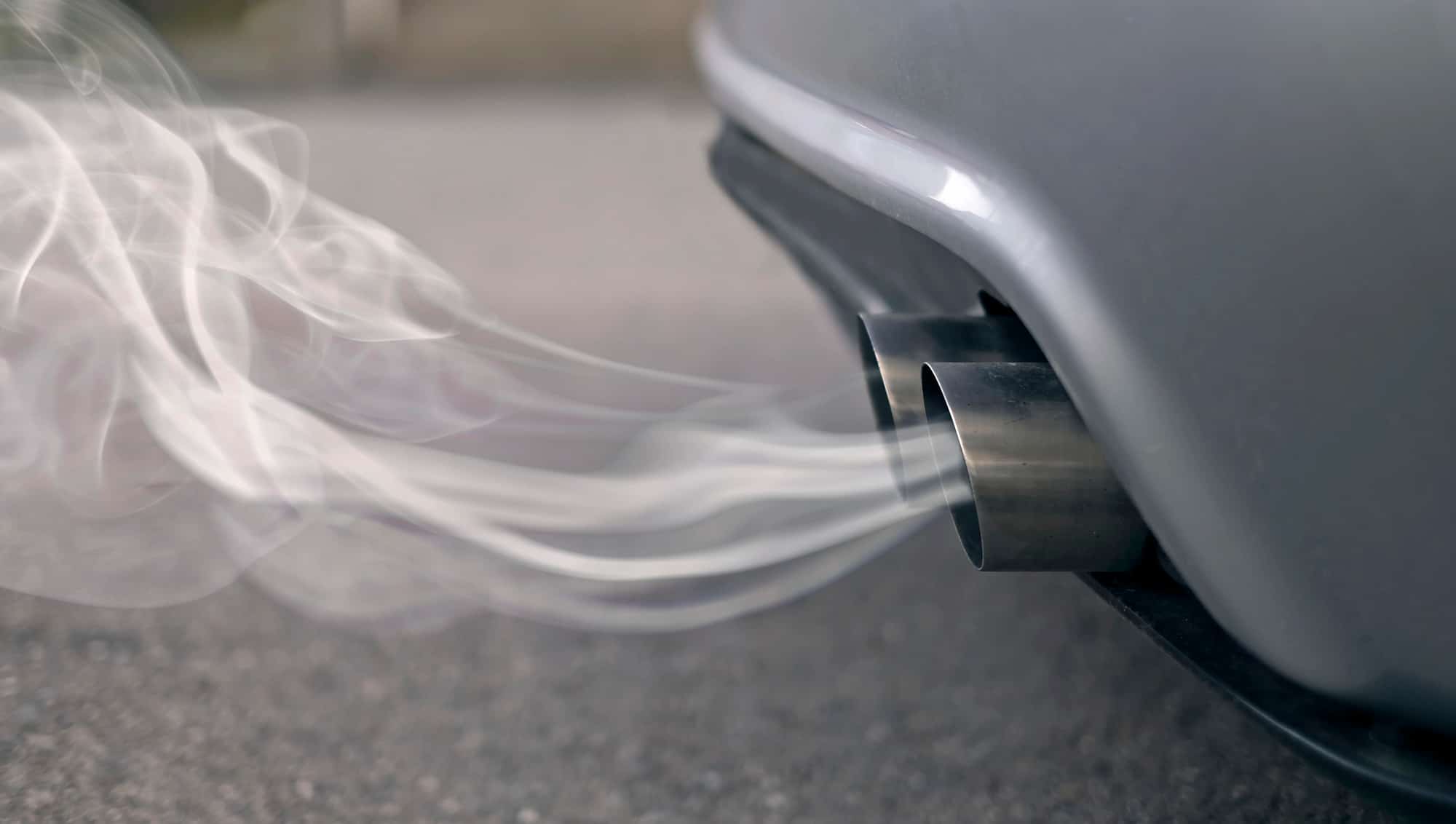
Alfa Romeo Exhaust & Catalytic Converter Repair at DART Auto
You're hearing a rasp where there used to be the signature Alfa growl. Or maybe that check-engine light just lit up alongside a sulfur smell you can't ignore. Alfa Romeo exhaust and catalytic converter systems are precision-engineered for performance and emissions compliance, and when they fail, generic replacement parts and guesswork diagnostics won't restore what made your car special in the first place.
DART Auto has been Denver's European auto specialist since 2000. Our master technicians understand the nuances of Alfa Romeo exhaust architecture – from the close-coupled pre-cats on the 1.75L and 2.0L turbocharged four-cylinders (found in Giulia, Stelvio, and 4C platforms) to the complex manifold-integrated converters on the 2.9L twin-turbo V6. We use factory repair procedures, OEM-spec hangers and gaskets, and the same diagnostic software dealers rely on to pinpoint failing oxygen sensors, substrate deterioration, and backpressure faults that trigger limp mode.
Replacing a catalytic converter isn't just bolting on a universal part. Alfa Romeo specifies torque values for exhaust clamps, requires specific heat-shield clearances to prevent cabin heat soak, and demands post-repair drive cycles to reset readiness monitors. We handle it all, then back the work with a 3-year/36,000-mile warranty.
When you choose DART Auto for Alfa Romeo exhaust and catalytic converter repair, you get:
- Complete exhaust-system inspection using lift access and borescope cameras to assess substrate condition, weld integrity, and hanger wear
- OEM and premium aftermarket parts sourced from trusted European suppliers, never universal-fit budget converters
- Factory diagnostic protocols to verify catalyst efficiency, oxygen-sensor response, and emissions readiness before and after repair
- Transparent estimates that explain what failed, why it failed, and how we'll restore proper function and sound
Common Exhaust & Catalytic Converter Repair Issues on Alfa Romeo Vehicles
If you're hearing rattles from underneath, smelling sulfur, or seeing the check engine light glowing amber on your dash, you're likely dealing with an exhaust or catalytic converter issue. Alfa Romeo drivers face specific challenges tied to the brand's performance-oriented engineering and sometimes temperamental emissions systems.
- Catalytic converter substrate failure on 2.0L MultiAir engines (Giulia, Stelvio 2017–2022): The tightly wound ceramic honeycomb inside the cat can break apart under thermal cycling, especially after extended high-RPM driving or repeated cold starts. Once the substrate disintegrates, you'll hear rattling on deceleration and see P0420/P0430 efficiency codes. The debris can migrate downstream and damage oxygen sensors or clog the rear muffler.
- Flex-pipe cracking on 159, Brera, Spider (2006–2011 JTS/Q4 platforms): The stainless steel bellows section between the manifold and cat develops stress cracks from engine movement and thermal expansion. You'll notice a loud ticking or hissing at idle that gets worse under load. This isn't just a noise issue – exhaust gases escaping upstream of the O2 sensor throw off fuel trims and trigger lean codes.
- Oxygen sensor thread seizure on older 147/156/GT models (2001–2010): Alfa Romeo used M18×1.5 O2 sensors that corrode into the manifold or cat body, especially in salt-belt climates. Removal without breaking the bung requires careful heat application and specialty sockets. Forcing it risks cracking the cast manifold or cat housing, turning a sensor replacement into a full exhaust job.
- Exhaust manifold stud failure on 1.75L TBi engines (4C, Giulietta QV): The turbo-to-manifold studs stretch and snap under heat cycling, creating exhaust leaks that sound like a loud ticking. The leak disturbs pre-turbo pressure readings and can push the ECU into limp mode. Repairing this properly means removing the turbo, drilling out broken studs, and re-tapping – not a roadside fix.
- Resonator rot-through on Giulia Quadrifoglio (2017–present): The center resonator on the factory Akrapovič system can corrode from the inside out due to condensation pooling. You'll see rust stains on the underside before perforation, then hear a raspy drone at highway speed. Alfa Romeo's OEM part carries a premium price, but aftermarket alternatives often lack the tuned acoustics that keep cabin noise civilized.
- Heat shield rattle on all platforms: The thin stamped-steel shields protecting the underbody from radiant heat lose their spot-welds or mounting tabs, creating a metallic buzz that mimics internal exhaust damage. While not a performance issue, it's distracting and can mask real problems developing underneath.
Why Choose DART Auto for Alfa Romeo Exhaust & Catalytic Converter Repair
Your Alfa Romeo's exhaust system is engineered to deliver the brand's signature sound while meeting strict emissions standards – and when something goes wrong, you need a shop that understands both the performance and regulatory sides of the repair. DART Auto has invested in the factory diagnostic tools and training to properly diagnose catalyst efficiency faults, oxygen sensor drift, and exhaust leaks on Alfa platforms from the 159 through the Giulia and Stelvio. Our technicians reference Alfa Romeo's repair procedures and TSBs, including the known issues with catalytic converter substrate degradation on early Giulia Quadrifoglio models and the exhaust manifold cracking seen on 2.0T engines in high-mileage Giulias.
We don't guess at emissions codes. Our master technicians – all with at least 10 years of experience and dealer-level training – use live data analysis to confirm whether a catalyst has truly failed or if upstream oxygen sensor faults are triggering false codes. Because our team is salaried rather than flat-rate, there's no incentive to replace parts you don't need. We'll verify exhaust backpressure, check for air leaks that skew sensor readings, and ensure any replacement catalytic converter meets both OEM specifications and Colorado emissions requirements. Every repair is backed by our 3-year/36,000-mile warranty on parts and labor, so you can drive with confidence that the fix will last.
Symptoms – How to Know You Need This Service
Exhaust and catalytic converter problems announce themselves in ways you'll notice during your commute or spirited drive. Here's what to watch for:
- Check-engine light with P0420/P0430 codes – catalyst efficiency below threshold, often confirmed by slow oxygen-sensor switching on a scan tool
- Rattling or hissing from underneath – broken catalyst substrate or a cracked flex joint near the turbocharger downpipe
- Sulfur or rotten-egg smell – partially clogged converter running too hot, or a rich fuel mixture overloading the catalyst
- Loss of power and throttle response – severe backpressure from a collapsed catalyst substrate restricting exhaust flow
- Excessive heat in the cabin or footwell – failed heat shields or a converter running hotter than design spec
- Visible rust or corrosion at flanges – especially common on early Giulia and Stelvio models in salt-belt climates
- Fuel-economy drop without other symptoms – engine compensating for sluggish post-cat oxygen sensors
- Exhaust note changes – deeper rumble or raspy tone indicating a leak upstream of the muffler
If you're experiencing severe power loss or the engine enters limp mode, schedule service immediately. A completely blocked converter can cause overheating and turbocharger damage. For check-engine lights without drivability issues, plan the repair within a few weeks to avoid compounding problems and potential emissions-test failure.
Which Alfa Romeo Models We See for Exhaust & Catalytic Converter Repair
DART Auto services the full range of modern Alfa Romeo platforms. We see exhaust and catalytic converter work most frequently on these models:
- Giulia (952, 2017–present) – 2.0L turbo four-cylinder and 2.9L twin-turbo V6 (Quadrifoglio), including close-coupled pre-cats prone to substrate failure under track use
- Stelvio (949, 2018–present) – same powertrain family as Giulia, with similar exhaust architecture and converter placement
- 4C / 4C Spider (960, 2014–2020) – mid-engine 1.75L turbo with tight exhaust routing and heat-shield clearance challenges
- Giulietta (940, 2010–2020) – 1.4L MultiAir turbo and 1.75L TBi engines, common in European markets, occasionally imported
- MiTo (955, 2008–2018) – smaller-displacement MultiAir engines with manifold-integrated converters
- 159 / Brera / Spider (939, 2006–2011) – GM-era platform with 1.75L TBi, 2.2L JTS, and 3.2L V6 variants
We maintain diagnostic licenses and tooling for all post-2005 Alfa Romeo platforms. If you own an earlier 156, 147, or GTV, we're happy to evaluate your exhaust needs on a case-by-case basis. Our focus remains on the current Giorgio-platform models and late-GM-era cars where parts availability and factory repair data support thorough, lasting repairs.
Causes & Risks – What Happens if Ignored
Exhaust and catalytic converter problems don't appear overnight. Short-trip driving never lets the system reach full operating temperature, allowing moisture and unburned fuel to accumulate inside the cat. Alfa Romeo's direct-injection engines run rich during cold starts to protect the turbo, which loads the catalyst with extra hydrocarbons. Over time, that buildup crystallizes and clogs the honeycomb. Colorado's altitude compounds the issue – thinner air means the ECU enriches the mixture further, accelerating catalyst poisoning. Road salt, moisture from snow melt, and thermal cycling from mountain driving all contribute to accelerated corrosion on exhaust components.
What starts as a minor rattle or occasional sulfur smell escalates quickly if you keep driving:
- Broken catalyst substrate migrates downstream: Ceramic chunks plug the rear muffler, creating dangerous backpressure that chokes the engine. You'll lose power, overheat the turbo, and risk valve damage from exhaust gases that can't escape.
- Exhaust leaks upstream of the O2 sensor confuse fuel management: The ECU sees false-lean readings and compensates by dumping extra fuel. You'll burn through gas, foul spark plugs, and potentially wash oil off cylinder walls – a recipe for premature engine wear.
- Ignoring flex-pipe cracks for six months turns a weld repair into full pipe replacement: The crack propagates around the bellows until the entire section separates. Now you're replacing the entire front pipe assembly instead of patching a small split.
- Seized oxygen sensors left in place corrode the threads beyond repair: What could have been extracted with heat and patience now requires cutting the bung out and welding in a new one, adding hours of labor and custom fabrication.
- Manifold leaks allow unmetered air into the exhaust stream: This skews air-fuel calculations, triggers multiple fault codes, and can send the car into reduced-power mode at the worst possible moment – like merging onto I-25 in traffic.
Safety Impact – Why Exhaust & Catalytic Converter Repair Matters
Exhaust system failures on an Alfa Romeo create hazards beyond just noise and smell. A cracked manifold or failed flex pipe upstream of the catalytic converter allows exhaust gases – including carbon monoxide – to enter the cabin through the HVAC fresh-air intake. CO is odorless and causes drowsiness, headaches, and impaired judgment before you realize anything is wrong. If the leak is severe and you're stuck in slow traffic with the heater running, the risk becomes acute.
Performance and control suffer as well. Excessive backpressure from a clogged catalyst or collapsed muffler robs the engine of power exactly when you need it for safe passing or merging. On turbocharged Alfa Romeos, the added restriction can push exhaust gas temperatures high enough to damage the turbo's turbine wheel or crack the manifold. The resulting loss of boost leaves you with a car that feels sluggish and unpredictable – a liability in fast-moving Denver metro traffic.
- Stop driving immediately if: You smell exhaust inside the cabin with windows up, see white smoke from under the hood, or hear a loud roaring sound that appeared suddenly (indicating a complete pipe separation).
- Schedule service within the week if: You notice new rattles from underneath, the check engine light is steady (not flashing), or you're experiencing reduced power and poor fuel economy together.
- Plan repairs soon if: You hear ticking at idle that goes away when warm, see surface rust on heat shields, or notice a faint sulfur smell after hard acceleration.
From an insurance and liability standpoint, continuing to drive a vehicle with a known exhaust leak that impairs performance or introduces toxic gases into the cabin can complicate claims if an incident occurs. Addressing the issue promptly protects both your safety and your legal position.
How Alfa Romeo Exhaust & Catalytic Converter Repair Actually Works
Alfa Romeo's exhaust systems are tuned for both emissions compliance and the brand's signature sound character. The catalytic converters use a ceramic or metallic honeycomb substrate coated with platinum, palladium, and rhodium. As exhaust gases pass through, these precious metals trigger chemical reactions that convert hydrocarbons, carbon monoxide, and nitrogen oxides into harmless water vapor, CO₂, and nitrogen. Upstream and downstream oxygen sensors monitor catalyst efficiency in real time, reporting to the ECU. When the post-cat sensor readings start mirroring the pre-cat sensor – indicating the catalyst is no longer converting pollutants – the ECU logs a P0420 or P0430 code and illuminates the check engine light.
What makes Alfa Romeo exhaust work different from a generic shop's approach:
- OEM-specific sensor coding: Replacing an oxygen sensor on a Giulia or Stelvio requires using factory diagnostic software to register the new part with the ECU. Skip this step and you'll have persistent fault codes even though the hardware is correct.
- Torque and sequence specifications for turbo mounting: The 1.75L and 2.0L MultiAir engines use precise stud torque values and tightening sequences to prevent exhaust leaks at the turbo flange. Generic torque specs cause warping and repeat failures.
- Heat-cycle procedure after cat replacement: Alfa Romeo's service information calls for a specific drive cycle to properly cure the catalyst substrate and reset adaptive fuel trims. Without it, the new cat may not reach
How We Diagnose Exhaust & Catalytic Converter Repair Issues on Alfa Romeo
You've noticed the check engine light glowing amber on your Giulia's dashboard, or perhaps a raspy exhaust note that wasn't there last week. Exhaust and catalytic converter faults on Alfa Romeo vehicles demand precision diagnostics – especially on turbocharged platforms like the 2.0L GME-T4 found in Giulia and Stelvio models, where backpressure anomalies can mask themselves as turbo or sensor issues.
Our diagnostic process unfolds methodically:
- Initial scan with Alfa Romeo-capable tooling. We use factory-level diagnostic equipment that reads not just generic OBD-II codes but proprietary Alfa Romeo fault codes. A P0420 (catalyst efficiency below threshold) might point to a failing catalytic converter, but on 2017–2019 Giulia models we've seen false triggers caused by oxygen sensor drift or exhaust manifold micro-cracks that alter gas flow.
- Live data stream analysis. We monitor upstream and downstream O2 sensor voltages, fuel trims, and exhaust gas temperature under load. On the 2.9L V6 Biturbo in Quadrifoglio variants, we watch for asymmetric readings between banks that suggest a single-side converter failure or turbo seal leak contaminating the catalyst.
- Visual and physical inspection. We lift the car and inspect hangers, flex joints, and welds. Alfa Romeo exhaust systems use thin-wall stainless tubing that can crack at heat-cycled joints. We tap the catalytic converter shell listening for substrate rattle – a telltale sign of internal honeycomb collapse.
- Backpressure and flow testing. When codes and sensors conflict, we measure actual exhaust restriction. A clogged cat will show elevated backpressure even at idle.
- Road test under real-world conditions. We replicate your driving scenario – highway merge, cold start, stop-and-go – to confirm the fault occurs when you experience it.
Once diagnostics are complete, you receive a detailed explanation of what failed, why it failed, and a transparent estimate covering parts and labor. No guesswork, no upselling – just the repair your Alfa Romeo actually needs.
Exhaust & Catalytic Converter Repair on Alfa Romeo: Repair vs. Replacement
Not every exhaust fault requires a complete system overhaul. The right approach depends on what failed and how the rest of the system has aged.
When genuine repair makes sense:
- A single corroded hanger or broken exhaust mount can be welded or replaced without touching pipes or converters.
- Oxygen sensors throwing false codes can be replaced individually – common on 2017–2020 Giulia models where sensor heater circuits fail prematurely.
- Minor exhaust leaks at flange gaskets or slip joints can be resealed if the mating surfaces remain flat and uncorroded.
When partial replacement is the smart move:
- A failing catalytic converter on one bank of a V6 Quadrifoglio can be replaced independently if the opposite bank and downstream piping remain sound.
- Flex joints that crack from heat cycling (especially on lowered or track-driven Alfas) can be cut out and replaced with OEM or high-quality stainless sections.
- Resonators or mufflers that rust through can be swapped while retaining healthy catalytic converters and primary pipes.
When full replacement is the right call:
- Catalytic converter substrate collapse or contamination from oil consumption (seen on early 2.0T engines with turbo seal wear) means the cat cannot be cleaned or revived.
- Widespread corrosion across multiple joints and sections – replacing one piece only shifts stress to the next weak point.
- Safety-critical emissions compliance: a marginal cat might pass visual inspection but fail state emissions testing and trigger persistent codes.
We walk you through the options, show you the failed components, and explain the trade-offs. Our technicians are salaried, not flat-rate, so there's no incentive to recommend the most expensive path when a targeted repair will serve you just as well.
How to Make Your Alfa Romeo Exhaust & Catalytic Converter Repair Last Longer
Once your exhaust system is restored, a few mindful habits will protect your investment and keep your Alfa running clean for years.
Driving habits that extend component life:
- Allow 30–60 seconds of idle before driving off cold. Catalytic converters need heat to function efficiently; immediate high-load acceleration on a cold engine floods the cat with unburned fuel.
- Avoid repeated short trips where the engine never reaches full operating temperature. Condensation and incomplete combustion leave deposits that clog the catalyst substrate.
- On turbocharged Giulia and Stelvio models, let the engine idle for 20–30 seconds after spirited driving to cool the turbo before shutdown. Hot-side turbo seal failure is a leading cause of oil-contaminated catalytic converters.
Maintenance habits you can manage yourself:
- Listen for changes in exhaust tone – new rattles, hisses, or resonance often signal a developing leak or loose hanger.
- Watch for check engine lights and address them promptly. Ignoring a misfire code will dump raw fuel into the catalytic converter, overheating and destroying the substrate.
- Check under the car periodically for rust staining, soot trails, or hanging components, especially if you drive in salt-belt winters.
Brand-specific care that matters:
- Use factory-specified oil and change intervals. Alfa Romeo's turbocharged engines are sensitive to oil quality; degraded oil leads to turbo wear and eventual catalyst contamination.
- Keep software up to date. Alfa Romeo has issued calibration updates for fuel and ignition maps that reduce catalyst stress on 2017–2019 model years.
- When replacement is needed, insist on OEM or premium aftermarket catalytic converters that meet Alfa Romeo's flow and substrate specifications. Cheap universal cats often trigger codes and fail emissions testing.
Leave diagnosis, welding, and catalytic converter replacement to the professionals – exhaust work involves high heat, emissions compliance, and safety-critical fastening. What you can do is stay observant and maintain the engine systems that feed into exhaust health. That vigilance, combined with expert service when needed, keeps your Alfa Romeo breathing clean and performing as intended.
What to Expect When You Bring Your Alfa Romeo In
When you schedule exhaust or catalytic converter service, here's how we'll take care of your Alfa Romeo from drop-off to pickup:
- Appointment and drop-off: Bring your vehicle in at your scheduled time. If you need transportation, ask about our loaner vehicle or local shuttle service. Remove any personal items from the cabin and let us know about any specific symptoms – exhaust smell in the cabin, rattling on cold starts, loss of power under acceleration.
- Complete diagnostic inspection: We'll connect our Alfa-compatible scan tools to pull stored and pending fault codes, then perform a visual inspection of the entire exhaust system from manifold to tailpipe. We check for cracks, corrosion, loose hangers, and heat shield damage. On turbocharged models like the Giulia 2.0T, we'll also inspect the downpipe and wastegate actuator for leaks that can trigger catalyst codes.
- Written estimate and explanation: Before any work begins, you'll receive a detailed estimate that breaks down what needs repair and why. We'll explain whether the catalytic converter itself has failed or if sensor faults, air leaks, or fuel trim issues are the real culprit. You'll understand the consequences of proceeding now versus delaying the repair.
- Repair with OEM-grade parts: Once you approve the estimate, our technicians install OEM or premium aftermarket catalytic converters and exhaust components sourced from trusted suppliers. We follow factory torque specs, use high-temperature anti-seize on fasteners, and replace any damaged oxygen sensors or gaskets during the repair to prevent comebacks.
- Post-repair verification and pickup: After the repair, we road-test your Alfa Romeo to confirm the exhaust tone is correct, there are no leaks, and all readiness monitors set properly. We'll clear fault codes and verify with a final scan that catalyst efficiency is within spec. At pickup, we'll walk you through what we found and what we fixed. If anything feels off in the days after pickup, call us – we'll re-check it at no charge.
You'll leave with a repair that restores your Alfa's performance and keeps it emissions-compliant for years to come.
Our Alfa Romeo Services
- Air Conditioning AC Repair
- Battery Repair Replacement
- Brake Repair & Brake Fluid Change
- Check Engine Light Diagnostics
- Clutch Repair & Replacement
- Coolant Leak Repair
- Cooling System Repair
- Drive Shaft Repair
- Engine Repair
- Head Gasket Repair & Replacement
- Oil Change
- Oil Leak Repair
- Scheduled Service Maintenance
- Steering Repair
- Suspension Repair
- Cambelt Timing Belt Replacement
- Transmission Repair
- Tune Up
- Wheel Alignment