
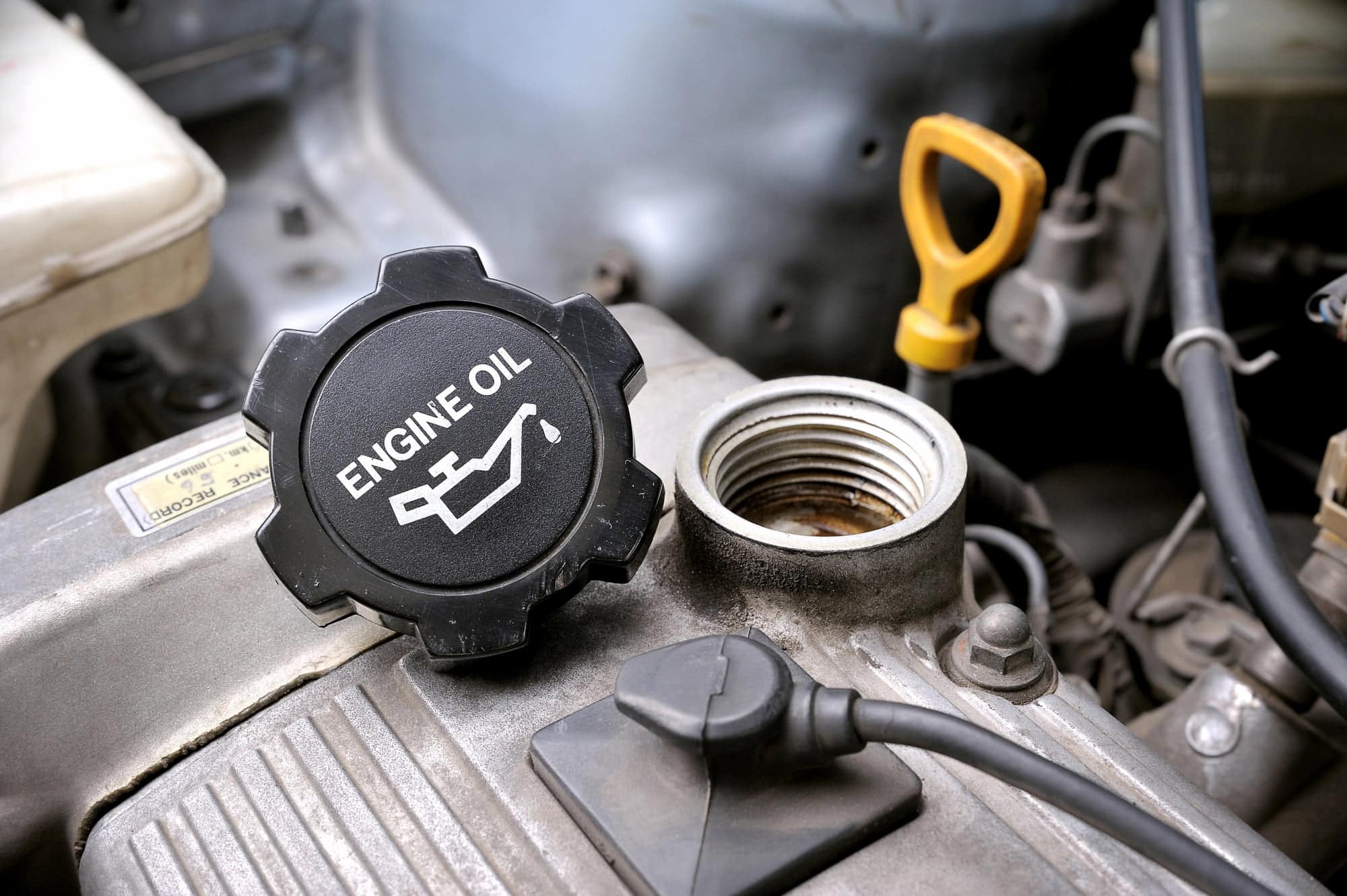
Audi Oil Change at DART Auto
You're sitting in your B9 A4 at a red light when the oil pressure warning flickers on the dash. Or maybe you've just rolled past the factory interval in your Q5, wondering whether the quick-lube shop down the street can handle the LongLife-04 spec your 3.0T requires. Audi engines – whether it's the EA888 Gen3 turbo four or the supercharged 3.0T V6 – demand precision that goes beyond draining old oil and pouring in new. These powerplants run tight tolerances, sophisticated variable valve timing, and turbochargers that see extreme heat cycles. The wrong viscosity, an undertorqued drain plug, or a missed software reset can turn routine maintenance into expensive repairs down the road.
At DART Auto, we treat every Audi oil change as the foundation of your vehicle's health. Our master technicians – each with over a decade of experience and dealer-level training – follow Audi AG service procedures to the letter. We use factory diagnostic tools to reset your Longlife service interval properly, not just clear the light with a generic code reader. We torque your drain plug and filter housing to exact factory specifications (25 Nm for most aluminum oil pans, 30 Nm for steel) to prevent leaks and stripped threads. And we source the correct VW 502.00/504.00 or 508.00/509.00 approved oils that meet your engine's demands, not whatever's on sale at the bulk supplier.
When you bring your Audi to DART Auto for an oil change, expect:
- Complete multi-point inspection of fluid levels, belts, hoses, and undercarriage components while your vehicle is on the lift
- Factory-spec oil and filter – we stock Mann, Mahle, and OEM Audi filters, plus approved Mobil 1, Liqui Moly, and Castrol Edge formulations
- Proper VCDS or VAS diagnostic tool reset of your service interval so your MMI or Virtual Cockpit displays accurate maintenance data
- Transparent communication about any findings during inspection, with photos and explanations before we recommend additional work
Common Oil Change Issues on Audi Vehicles
You slide behind the wheel of your Audi, turn the key, and notice the oil pressure warning light glowing amber on the dash. Maybe you've been hearing a faint ticking from under the hood, or the dipstick shows dark, gritty sludge instead of clean amber fluid. These aren't minor annoyances – they're early warnings of wear patterns that affect thousands of Audi owners across specific model years and platforms.
- EA888 Gen 2 (2008–2012) excessive oil consumption: The 2.0T TFSI engines in B8 A4, Q5, and C7 A6 models are notorious for burning a quart every 1,000 miles due to piston ring design. Owners often find themselves topping off between services, and delayed oil changes accelerate ring land carbon buildup, worsening consumption and eventually leading to timing chain tensioner failure.
- EA888 Gen 3 (2013–2018) oil filter housing leaks: The plastic oil filter housing on later 2.0T and 1.8T engines develops cracks at the seams, particularly on A3, A4, and Q3 platforms. Oil seeps onto the subframe and exhaust, creating smoke on startup and masking the actual oil level until the low-pressure warning appears.
- 3.0T Supercharged V6 (B8.5 S4, C7 S6, S7) chain-driven oil pump failure: The oil pump drive chain on these engines can stretch and skip teeth, starving the top end of oil. Owners report sudden ticking or rattling at idle, and delayed oil changes leave abrasive particles that accelerate chain wear, sometimes grenading the pump entirely.
- B7 and B8 A4 2.0T cam follower wear (FSI engines, 2005–2008): The high-pressure fuel pump follower rides directly on the camshaft, and extended oil change intervals allow metal-on-metal contact. A worn follower scores the cam lobe, sending metal shavings through the oiling system and destroying bearings.
- Audi 4.2 V8 (D3 A8, C6 A6/S6, B7 RS4) timing chain guide failure: These engines use plastic-backed chain guides that become brittle when oil breaks down from heat cycling. Delayed services leave acidic oil that dissolves the nylon coating, and once the guides crack, the chain slaps against the timing cover, often jumping time and bending valves.
- Oil spec confusion across platforms: Audi specifies VW 502.00, 504.00, or 508.00 approvals depending on engine and model year. Using the wrong viscosity or spec – common when quick-lube shops default to generic 5W-30 – leads to variable valve timing solenoid clogging, increased wear on TFSI direct-injection cam lobes, and voided powertrain warranty claims.
Why Choose DART Auto for Audi Oil Change
You might think an oil change is just drain-and-fill, but Audi owners know better. Your 2.0T TFSI needs the right VW 502.00 or 504.00 spec oil, your filter housing O-rings deserve proper torque, and your service interval light won't reset itself without factory scan tools. We've been performing Audi oil services since 2000, and our master technicians know the difference between an early B8 A4 with the EA888 Gen2 and a newer MQB platform – because the service procedures, filter access, and even the drain plug torque specs vary.
Here's what sets our Audi oil service apart:
- Factory-level diagnostics every visit – we scan for fault codes, check adaptation values, and log any emerging issues like PCV valve carbon buildup or oil consumption flags common on 2009–2012 2.0T engines
- OEM and premium filters – we source Mann, Mahle, or genuine Audi cartridges, never budget knock-offs that collapse under pressure
- Complete underbody inspection – while your Audi is on the lift, we check CV boots, subframe bushings, and oil pan condition (aluminum pans on B9 models crack if overtorqued)
- Salaried technicians – no flat-rate pressure means no skipped steps, proper torque on every fastener, and time to spot the small things before they become expensive
- 3-year/36,000-mile warranty – we stand behind every service, parts and labor
You'll pay less than the dealer and get the same – often better – attention to detail, because we're not juggling 40 cars a day through a high-volume service lane.
Symptoms – How to Know You Need This Service
Audi's Longlife service interval system calculates oil change timing based on driving conditions, but several warning signs tell you it's time – or past time – to schedule service:
- Oil pressure warning light or message on the instrument cluster – if this appears while driving, pull over safely and shut down immediately; continued operation risks catastrophic bearing damage, especially on high-strung engines like the RS models' turbocharged five-cylinders
- Service interval reminder chime and wrench icon – Audi's MMI will alert you when the factory algorithm determines oil change is due, typically every 10,000 miles or annually, whichever comes first
- Dark, gritty oil visible on the dipstick – fresh oil appears amber and translucent; if yours looks black and you feel grit when you rub it between your fingers, combustion byproducts and metallic wear particles have saturated the oil's additive package
- Ticking or tapping from the valve train at cold start – worn oil loses its ability to protect variable cam timing solenoids and hydraulic lifters; you may hear a rattle for the first few seconds after startup on EA888 engines
- Burning oil smell from the engine bay – degraded oil can seep past valve cover gaskets or turbo seals; if you're adding a quart between services, the oil is either leaking or being consumed through worn piston rings
- Reduced fuel economy or sluggish throttle response – old oil increases internal friction, forcing the engine to work harder and reducing efficiency
- Excessive oil consumption between changes – if your 2.0T is drinking more than a quart every 1,500 miles, the oil may be breaking down prematurely or masking a deeper issue like PCV valve failure
Which Audi Models We See for Oil Change
We service the full spectrum of Audi platforms, from daily-driven A3 sedans to high-output RS performance models. Our technicians are equipped to handle the specific requirements of each generation:
- A3/S3 (8V, 2015–2023; 8Y, 2022–present) – EA888 Gen3 2.0T and EA888 evo4 engines; requires VW 508.00/509.00 low-SAPS oil on newer models with particulate filters
- A4/S4/RS4 (B8/B8.5, 2009–2016; B9, 2017–2023) – 2.0T, supercharged 3.0T, and naturally aspirated V8 variants; B8.5 S4 uses a different filter housing than B8, and the 3.0T supercharger requires careful inspection for oil weepage during service
- A5/S5/RS5 (8T, 2008–2017; F5, 2018–present) – shares B8/B9 platform architecture with A4; Sportback and Cabriolet models have identical service procedures
- A6/S6/RS6 (C7, 2012–2018; C8, 2019–present) – 2.0T, 3.0T supercharged and turbocharged V6, twin-turbo V8; C7 3.0T supercharged models prone to thermostat housing leaks that we check during every oil service
- A7/S7/RS7 (4G, 2012–2018; 4K, 2019–present) – same powertrain lineup as A6/S6; liftback body style does not affect oil change procedure
- A8/S8 (D4, 2011–2017; D5, 2018–present) – 3.0T, 4.0T twin-turbo V8; D4 W12 models require specialized filter access and 9+ quarts of VW 502.00 oil
- Q3/Q5/Q7/Q8 (all generations) – SUV and crossover variants share engines with sedan lineup; Q7 and Q8 with 3.0T diesel (where applicable) require VW 507.00 spec
- TT/TTS/TT RS (8J, 2008–2015; 8S, 2016–2023) – 2.0T and turbocharged inline-five on RS models; TT RS uses Mobil 1 0W-40 European Car Formula or equivalent VW 502.00/505.01 approved oil
- R8 (42, 2008–2015; 4S, 2016–2023) – naturally aspirated and twin-turbo V10; mid-engine layout requires different lift points and access procedures; we stock the correct 10W-60 viscosity for high-revving V10 applications
We also service e-tron electric and plug-in hybrid models for their ancillary fluid services, though battery-electric powertrains do not require traditional engine oil changes.
```Causes & Risks – What Happens if Ignored
Audi oil change issues stem from a mix of aggressive service intervals, turbocharged heat cycling, direct-injection fuel dilution, and Colorado's temperature swings. The factory 10,000-mile interval assumes highway driving and synthetic oil, but short trips in Denver traffic never bring the oil to full operating temperature, allowing moisture and fuel to contaminate the sump. Add in high-altitude turbo boost and you're cooking oil faster than the manual suggests.
When you push past the service reminder, here's the cascade:
- Weeks 1–4 overdue: Oil viscosity breaks down, losing its film strength. Turbo bearings and variable valve timing actuators see metal-on-metal contact during cold starts. You might hear a brief rattle on startup – that's cam phaser slop or turbo shaft play.
- 1–3 months overdue: Sludge forms in the oil pickup screen and pan valleys. Oil pressure drops at idle, triggering the low-pressure light intermittently. The timing chain tensioner can't maintain proper pressure, allowing slack that rattles against the guides. On EA888 engines, this is when the chain stretches past spec.
- 3–6 months overdue: Carbon and varnish coat piston rings, increasing blow-by and oil consumption. The PCV system clogs, pressurizing the crankcase and blowing out valve cover gaskets or the rear main seal. Turbocharger oil feed lines coke up, starving the CHRA and leading to catastrophic turbo failure – a $3,000+ repair versus a $150 oil change.
- Beyond 6 months: Bearing surfaces score, cam lobes wear flat, and timing components fail. On the 3.0T, a stretched oil pump chain can jump and destroy the pump, dumping metal through the engine. On the 4.2 V8, broken timing guides let the chain jump, bending valves into pistons and requiring a complete engine rebuild or replacement.
The safety risk escalates when oil starvation causes sudden loss of power on the highway – turbos seize, engines go into limp mode, or in worst cases, rod bearings let go and punch a hole in the block, dumping oil onto the road and creating a slick behind you.
Safety Impact – Why Oil Change Matters
Oil starvation doesn't just damage your engine – it creates immediate driving hazards. When a turbocharger seizes mid-acceleration due to cooked oil, you lose boost pressure and power right when merging onto I-25 or climbing the mountain passes west of Denver. The engine management system cuts power to protect itself, leaving you struggling to maintain speed in traffic.
Specific failure modes that compromise safety:
- Timing chain failure at highway speed: When guides break or the chain jumps on a 4.2 V8 or 3.0T, the engine stops instantly. You lose power steering assist and brake vacuum boost simultaneously, requiring significant physical force to steer and stop – especially dangerous in mountain descents or heavy traffic.
- Oil starvation smoke and visibility: A blown turbo or failed valve cover gasket dumps oil onto the exhaust manifold, creating dense white smoke that blinds drivers behind you. We've seen B8 S4 owners pulled over on C-470 surrounded by smoke, unable to see their mirrors.
- Connecting rod failure and oil spill: Neglected oil leads to spun bearings that eventually let go, punching through the block and dumping 5–6 quarts of oil onto the roadway. This creates a slick surface for following vehicles and can cause multi-car accidents.
- Engine fire risk: Oil leaking from a cracked filter housing or failed gasket drips onto the catalytic converter and exhaust, igniting under sustained load. Audi's engine bay layout traps heat, and once oil ignites, flames spread quickly to plastic intake components and wiring harnesses.
When to stop driving immediately: oil pressure warning light stays on at idle, loud metallic knocking from the engine, visible smoke from the hood, or sudden loss of power. Safe to drive to the shop soon: oil consumption requiring top-offs between services, slight ticking at cold start that disappears when warm, oil seepage visible on the driveway.
How Audi Oil Change Actually Works
An Audi oil change involves more than draining old fluid and threading on a new filter. Modern Audi engines use electronically monitored service intervals tied to the instrument cluster and engine control unit. The system tracks cold starts, operating temperature, load cycles, and fuel quality to calculate remaining oil life. When you reset the service indicator without actually changing the oil, the ECU continues aging its internal oil quality algorithm, potentially triggering limp mode or warranty flag codes.
The physical process requires platform-specific knowledge:
- Oil spec and volume precision: EA888 engines demand VW 504.00/507.00 spec (0W-30 or 5W-30 depending on year), while the 3.0T supercharged V6 requires 508.00 spec (0W-20). Overfilling by even half a quart pressurizes the crankcase and blows seals; underfilling starves the oil pickup on hard cornering.
- Filter housing torque sequence: The plastic oil filter housings on EA888 Gen 3 engines crack if overtorqued. Factory procedure
You slide into your Audi, turn the key, and the dashboard lights up with a wrench icon or "Oil Service" message. Maybe you're already past the recommended interval, or you've noticed the engine sounds a little rougher on cold starts. Whatever the cue, you know it's time – but you also know that an oil change on an Audi isn't quite the same as on a Honda Civic. The right oil spec, the correct filter, and attention to platform quirks can mean the difference between a smooth-running engine and expensive repairs down the road.
At DART Auto, we've been servicing European vehicles in Denver since 2000. Our master technicians bring dealer-level training and over a decade of hands-on experience with Audi platforms – from the B5 Passat-based A4s with their longitudinal 1.8T engines to the latest MLB Evo chassis running EA888 Gen3 turbo fours. We use factory repair information, OEM-spec fluids, and the diagnostic tools that let us reset service intervals and monitor oil quality sensors the way Audi intended. You'll get honest, expert-level service without the dealer price tag, backed by our 3-year/36,000-mile warranty on parts and labor.
How We Diagnose Oil Change Issues on Audi
An oil change might seem straightforward, but on modern Audis the process starts with a full system check to ensure we're addressing the right interval and catching any developing issues before they escalate.
- Scan and service-history review. We connect factory-grade ODIS or equivalent diagnostic software to read stored fault codes, check the oil-life monitor, and pull service records from the ECU. This tells us whether the car is on Audi's fixed or variable (Longlife) service schedule and flags any oil-pressure faults, temperature anomalies, or aeration codes that hint at deeper problems.
- Visual inspection under the hood and underneath. We check for oil leaks around the valve cover, oil-filter housing, and oil-pan gasket – common trouble spots on EA888 Gen2 and Gen3 engines. On older 2.7T and 2.8 V6 models, we inspect the cam-bridge seals and front crankshaft seal for weeping. We also verify that the undertray fasteners are intact; a missing belly pan can disrupt airflow and lead to higher oil temperatures.
- Measure oil level and condition. We pull the dipstick (or check the electronic sensor reading on dipstick-less models) to confirm current level and inspect the oil's color, viscosity, and smell. Dark, gritty oil or a fuel smell can indicate short-trip driving, turbo blow-by, or injector issues that need attention beyond a simple drain-and-fill.
- Check the oil filter and housing. On many Audi four-cylinders the filter sits in a plastic or aluminum canister that can crack or warp over time, especially if over-torqued. We inspect the housing threads, O-rings, and drain-valve seal to prevent post-service leaks.
- Review coolant and PCV system. Oil condition is tied to engine breathing. We check coolant level and color (milky oil suggests head-gasket or oil-cooler failure) and inspect PCV valves and breather hoses – clogged breathers on 2.0T engines can cause pressure buildup and oil consumption.
Once the inspection is complete, we walk you through what we found, explain which items are due now versus watch-and-monitor, and provide a transparent quote. You'll know exactly what fluids and parts we're using – typically Audi-spec 502.00/504.00 oils and OEM or premium Mann filters – and why they matter for your engine's longevity.
Oil Change on Audi: Repair vs. Replacement
Most of the time, an oil change is purely a service – drain old oil, replace the filter and crush washer, refill with the correct spec, reset the service light. But occasionally we uncover wear or damage that turns a routine service into a repair-or-replace decision.
When a Repair Makes Sense
- Oil-filter housing O-rings. If the canister O-ring or drain-plug seal is seeping, we replace just the gasket kit – no need for a new housing unless the plastic is cracked.
- Undertray fasteners and clips. Missing or broken undertray hardware is a quick fix with OEM clips, restoring proper airflow and protecting the oil pan from road debris.
- PCV valve or breather hose. A clogged valve or split hose can be swapped individually, restoring crankcase ventilation without touching the rest of the intake system.
When Partial Replacement Is the Right Call
- Oil-pan gasket or drain plug. If the pan gasket is leaking or the drain-plug threads are stripped, we replace the gasket and install a new drain plug (or Helicoil the threads). The pan itself usually survives unless it's dented or corroded.
- Oil cooler or lines. On 3.0T supercharged V6 models, oil-cooler leaks are common. We replace the cooler and seals, leaving the rest of the cooling system intact if it's healthy.
When Full Replacement Is Necessary
- Cracked oil-filter housing. Plastic housings on EA888 engines can crack from over-torquing or age. A new housing with fresh O-rings is the only safe fix.
- Oil-pan damage. A dented or corroded pan that can't hold a seal needs replacement, especially if internal baffles are compromised.
Our salaried technicians have no incentive to upsell. We'll show you the failed part, explain your options, and help you choose the path that balances cost, safety, and long-term reliability.
How to Make Your Audi Oil Change Last Longer
Keeping your Audi's engine healthy between services starts with understanding how you drive and what the platform needs.
Driving Habits That Protect Your Engine
- Warm up before hard acceleration. Turbocharged Audis build boost quickly, but cold oil doesn't flow as well. Let the engine reach operating temperature – coolant above 160°F – before pushing into boost. This is especially important on EA888 and 3.0T engines where turbo bearings rely on clean, warm oil.
- Avoid constant short trips. Frequent cold starts without highway driving prevent oil from reaching full temperature, allowing moisture and fuel to accumulate. If your commute is under ten minutes, consider extending your oil-change interval slightly or switching to a shorter fixed interval rather than Longlife.
- Monitor your oil level between changes. Many 2.0T and 3.0T engines consume a small amount of oil by design, especially under spirited driving. Check the dipstick or MMI oil-level display every few tanks of fuel and top off with the correct 502.00 or 504.00 spec oil if you're down a half-quart.
Maintenance You Can Do Yourself
- Check for leaks and drips. Glance under the car after it's been parked overnight. Fresh oil spots under the engine bay suggest a valve-cover or filter-housing leak that should be addressed before it worsens.
- Listen for changes in engine noise. A new ticking or rattling on cold start can indicate low oil level, a failing cam adjuster, or timing-chain wear – all reasons to schedule a diagnostic visit.
- Keep an eye on the oil-pressure warning light. If it flickers at idle or stays on, stop driving immediately and call for a tow. Running an Audi with low oil pressure can destroy bearings in minutes.
What to Leave to the Shop
Oil changes on Audi platforms involve more than a drain plug and filter. The oil-service reset requires VCDS or ODIS access, and using the wrong oil spec – especially mixing Longlife-approved synthetics with conventional or the wrong viscosity – can trigger fault codes and void warranty coverage on newer models. We use factory procedures, OEM-spec fluids, and the correct torque values on drain plugs and filter housings to prevent leaks and ensure your service records stay clean. Let us handle the details so you can enjoy the drive.
What to Expect When You Bring Your Audi In
We've streamlined the process so you spend less time wondering what's happening and more time confident your Audi is in expert hands. Here's how your visit unfolds:
- Drop-off and initial conversation – let us know if you've noticed any leaks, warning lights, or changes in how the car drives; we'll ask about your last service and mileage to confirm interval
- Comprehensive scan and inspection – before we touch the drain plug, we connect factory-level diagnostics to pull fault codes, check freeze-frame data, and log any adaptation anomalies; while the oil drains, we inspect brakes, tires, suspension components, and fluid levels
- Written estimate and your approval – if we find anything beyond the oil change (a seeping cam adjuster seal, a cracked PCV hose, worn wipers), we document it with photos and explain what's urgent versus what can wait; you decide what gets done today
- Service completion and reset – we torque the drain plug to Audi spec (never impact-gunned), install a new crush washer, reset your service interval through the instrument cluster, and clear any nuisance codes that resolved
- Post-service verification – we start the engine, verify oil pressure, check for leaks, and take a final scan to confirm no new faults
- Pickup walkthrough – we'll show you what we found, explain any recommendations, and answer questions; if you need a loaner or shuttle during service, just ask when you book
If something doesn't feel right after you drive away, call us. We'll get you back in immediately – no runaround, no excuses. That's the advantage of working with a shop that's been fixing European cars in Denver for over two decades.
Our Audi Services
- Air Conditioning AC Repair
- Battery Repair Replacement
- Brake Repair & Brake Fluid Change
- Check Engine Light Diagnostics
- Clutch Repair & Replacement
- Coolant Leak Repair
- Cooling System Repair
- Drive Shaft Repair
- Engine Repair
- Exhaust & Catalytic Converter Repair
- Head Gasket Repair & Replacement
- Oil Leak Repair
- Scheduled Service Maintenance
- Steering Repair
- Suspension Repair
- Cambelt Timing Belt Replacement
- Transmission Repair
- Tune Up
- Wheel Alignment