
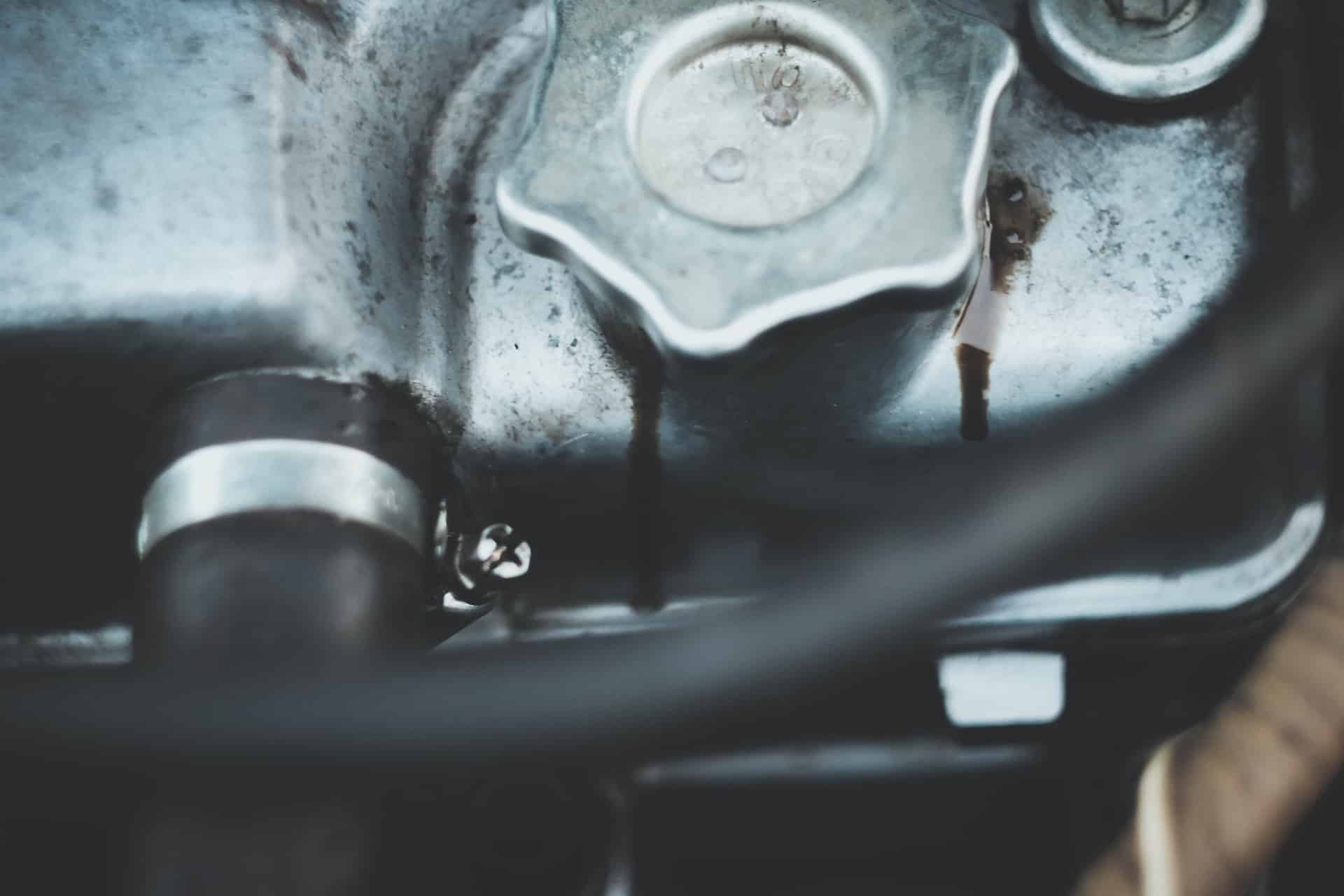
Alfa Romeo Oil Leak Repair at DART Auto
Alfa Romeo engines deliver the passion Italian engineering is known for, but that performance comes with unique service demands. The turbocharged 2.0L four-cylinder in the Giulia and Stelvio shares architecture with Ferrari's modular platform, while the 2.9L twin-turbo V6 in Quadrifoglio models draws directly from Ferrari's 488 GTB. When oil leaks appear on these sophisticated powerplants, they require technicians who understand MultiAir valve timing systems, variable valve lift mechanisms, and the thermal stresses these high-output engines generate. Generic shops treat oil leaks as simple gasket replacements, but Alfa Romeo platforms demand attention to aluminum block expansion rates, specific torque sequences for timing cover bolts, and proper sealant application that accounts for direct-injection fuel system heat.
DART Auto has diagnosed and repaired oil leaks on Alfa Romeo vehicles since these models returned to the U.S. market. We use factory diagnostic protocols to pinpoint leak sources rather than guessing based on visible seepage. Our technicians recognize that early-production 2.0T engines (2017-2019 model years) frequently develop oil filter housing leaks and front timing cover seepage, while Quadrifoglio V6 engines show different failure patterns around the valley cover and turbocharger oil feed lines. We stock OEM gaskets and seals because aftermarket alternatives often fail to handle the pressure cycling these engines produce.
When you bring your Alfa Romeo to DART Auto for oil leak repair, expect:
- Complete leak diagnosis using fluorescent dye and UV inspection to identify exact failure points before disassembly
- Factory-specified torque procedures and sealant application following FCA technical service bulletins
- Inspection of related components including PCV valves, crankcase ventilation systems, and turbocharger seals that contribute to pressure-related leaks
- 3-year/36,000-mile warranty on parts and labor, backing our repairs with confidence you won't find at independent shops
Common Oil Leak Repair Issues on Alfa Romeo Vehicles
Alfa Romeo engines are known for their spirited performance and distinctive character, but certain platforms carry well-documented oil leak patterns that owners should recognize. The 1.75L and 2.0L turbocharged four-cylinder engines found in Giulia, Stelvio, and 4C models from 2014 onward commonly develop valve cover gasket seepage as early as 40,000 miles, accelerated by the high thermal cycling inherent to turbocharged direct-injection designs. The MultiAir valve actuation system – while brilliant for performance – relies on engine oil as a hydraulic medium, placing additional stress on seals and creating unique leak paths not seen in conventional valvetrain architectures.
- Valve cover gasket weeping on 2014–2020 Giulia/Stelvio 2.0T engines: The MultiAir electrohydraulic system runs hotter oil through the cylinder head, degrading the factory composite gasket faster than expected. Early oil misting around the rear of the cover progresses to visible pooling on the exhaust manifold heat shield.
- Oil filter housing O-ring failures on 2.9L V6 BiTurbo (Giulia Quadrifoglio, Stelvio Quadrifoglio): The 90-degree Ferrari-derived V6 positions the oil filter housing in a high-heat zone between the cylinder banks. The factory O-rings harden and crack, creating drips onto the subframe and front crossmember by 30,000–50,000 miles.
- Timing chain cover seepage on 159/Brera/Spider 2.2 JTS engines (2006–2011): The direct-injection JTS motors use a multi-piece timing cover with several gasket interfaces. The lower cover gasket commonly weeps onto the oil pan flange, mistaken for a pan gasket leak until proper inspection isolates the source.
- Camshaft position sensor O-ring leaks on 1.75L TBi engines (MiTo, Giulietta 2010–2016): The cam sensors press into the cylinder head with small rubber O-rings that fail prematurely in high-heat conditions. Oil seeps down the bellhousing, mimicking a rear main seal leak but requiring far less labor to address.
- Oil cooler line fittings on 3.0L V6 engines (166, GTV, Spider 1998–2005): The Busso V6 – legendary for sound and smoothness – routes oil cooler lines along the front of the block with banjo-bolt connections that loosen over time or develop cracked sealing washers, especially after repeated heat cycles in stop-and-go driving.
- Rear main seal weeping on 8C Competizione 4.7L V8 (2007–2010): The Maserati-sourced V8 shares the same two-piece rear main seal design prone to slow seepage as the engine ages, particularly on cars driven infrequently where seals dry out between heat cycles.
Why Choose DART Auto for Alfa Romeo Oil Leak Repair
Alfa Romeo platforms – from the 159's 1.9 JTS and 3.2 V6 to the Giulia's 2.0 turbo and Quadrifoglio's twin-turbo V6 – demand technicians who understand timing-system oil weeps, direct-injection fuel-rail seals, and aluminum-block torque specifications that differ from German or Japanese standards. Since 2000, DART Auto has invested in factory scan tools, Alfa Romeo technical service bulletins, and the specialty tooling required to diagnose oil migration paths without tearing down the entire front end. Our salaried master technicians spend the time to pressure-test, dye-trace, and isolate the true source rather than guessing at the most visible stain.
We back every oil leak repair with a 3-year/36,000-mile warranty on parts and labor, and our diagnostic process mirrors – and often exceeds – what you'd find at the dealer. You'll receive a written estimate that explains which gaskets, seals, or covers need replacement, why the leak developed, and what happens if you delay the fix. Because our technicians aren't paid flat-rate, there's zero incentive to recommend a full timing-cover reseal when a valve-cover gasket and cam-bridge seal will solve the problem. You get honest, expert-level service without the dealer price tag.
Symptoms – How to Know You Need This Service
Oil leaks on Alfa Romeo vehicles often announce themselves before you see puddles in your driveway. Recognizing early warning signs prevents minor seepage from becoming expensive engine damage.
You may notice these symptoms indicating your Alfa Romeo needs oil leak repair:
- Burning oil smell during or after driving – especially noticeable after highway runs when oil contacts hot exhaust components or turbocharger housings
- Visible oil residue on the engine – check around the timing cover, oil filter housing, and valve cover areas where MultiAir components create high-pressure zones
- Oil spots under the vehicle – fresh dark brown or amber fluid appearing after the car sits overnight, typically centered under the engine bay
- Low oil level warnings on the dashboard – the oil pressure monitoring system alerts you when levels drop below safe thresholds, often before you'd notice consumption
- Blue smoke from the exhaust on startup – indicates oil entering the combustion chamber, often from valve cover or turbo seal failures
- Oil coating on spark plugs or ignition coils – visible during routine maintenance, showing valve cover gasket failure allowing oil into plug wells
- Reduced oil pressure readings – particularly during hot idle conditions when leak rates increase with temperature
If you see the low oil pressure warning illuminate while driving, stop immediately and shut off the engine. Continued operation risks catastrophic bearing damage. For other symptoms, schedule an inspection within the week to prevent accelerated wear.
Which Alfa Romeo Models We See for Oil Leak Repair
DART Auto services oil leak repairs across the modern Alfa Romeo lineup, focusing on the platforms that returned to North America starting in 2014. The Giorgio platform vehicles and their turbocharged powertrains represent the majority of our Alfa Romeo oil leak work.
We regularly perform oil leak diagnosis and repair on:
- Giulia (2017-present, Type 952) – both 2.0T four-cylinder and 2.9L V6 Quadrifoglio variants, with particular attention to timing cover seepage and oil filter housing leaks on early production units
- Stelvio (2018-present, Type 949) – same powertrain architecture as Giulia, sharing common leak points around turbocharger oil lines and front engine seals
- 4C (2014-2020) – mid-engine layout with the 1750 TBi engine requiring specialized access procedures for valve cover and oil pan work
- Giulietta (European-spec, pre-2020) – for customers who imported these models, we service the MultiAir 1.4T and 1750 TBi engines
The 2.0 GME-T4 engine in base Giulia and Stelvio models shares its block architecture with engines used across the Stellantis family but features Alfa Romeo-specific MultiAir electro-hydraulic valve actuation. This system creates unique pressure dynamics that affect gasket selection and installation procedures. Quadrifoglio models with the Ferrari-derived 2.9L V6 require different diagnostic approaches due to their twin-turbo configuration and dry-sump oiling system.
We maintain factory diagnostic software and technical service bulletin access for all current U.S.-market Alfa Romeo vehicles. Our 24 years serving European vehicles in Denver means we've developed the specialized knowledge these passionate Italian machines deserve.
Causes & Risks – What Happens if Ignored
Oil leaks on Alfa Romeo vehicles stem from a combination of high-performance engine design, aggressive thermal cycling, and the reality that many seals and gaskets were engineered for European driving patterns rather than extended American highway cruising or extreme temperature swings. The MultiAir system's reliance on engine oil as hydraulic fluid means higher operating temperatures in the cylinder head. Turbocharged engines see rapid heat-up and cool-down cycles that fatigue gasket materials faster than naturally aspirated designs. Colorado's altitude and temperature extremes – sub-zero mornings followed by warm afternoons – accelerate seal degradation, particularly on cars that sit for days between drives.
When oil leaks go unaddressed, the consequences escalate predictably:
- Oil level drops unnoticed: A slow valve cover leak can consume a quart every 1,500 miles. If the owner doesn't check oil between service intervals, the engine runs low, starving the variable valve timing system and turbocharger bearings of lubrication.
- Catalytic converter contamination: Oil dripping onto exhaust components burns off, creating smoke and eventually fouling downstream oxygen sensors and catalytic converters – turning a $400 gasket job into a $2,200 repair with emissions components involved.
- Engine bay fire risk: Oil pooling on the turbocharger heat shield or exhaust manifold can ignite under sustained high-load driving. We've seen Giulia Quadrifoglio owners ignore valve cover seepage until oil residue carbonizes on the turbo housing, creating a genuine fire hazard.
- Timing system damage on interference engines: Oil leaks from the timing cover can allow grit and debris into the timing chain area. On the 1.75L and 2.0L turbocharged engines – both interference designs – a stretched or contaminated timing chain can jump a tooth, resulting in valve-to-piston contact and catastrophic engine damage requiring replacement rather than repair.
- Resale value collapse: Visible oil leaks signal deferred maintenance to prospective buyers. A $600 repair avoided today can cost $3,000–$5,000 in lost resale value when the car shows oil staining across the undercarriage during pre-purchase inspection.
Safety Impact – Why Oil Leak Repair Matters
Oil leaks on Alfa Romeo vehicles create both immediate and progressive safety hazards. Oil dripping onto the exhaust system produces smoke that obscures vision for following drivers and signals distress to other motorists, increasing accident risk. More critically, oil saturating engine mounts or suspension components degrades rubber bushings, allowing excessive engine movement that can interfere with throttle response or create unpredictable handling characteristics during emergency maneuvers. On all-wheel-drive Stelvio models, oil contamination of the rear differential or transfer case can lead to sudden loss of torque distribution, compromising stability on wet or icy roads.
When to stop driving versus schedule soon:
- Stop driving immediately: Visible smoke from the engine bay, oil pooling under the car after a short drive (more than a few drops), oil pressure warning light illuminated, or strong burning oil smell entering the cabin through the HVAC system.
- Schedule within the week: Oil spots on your garage floor after overnight parking, visible oil residue on the engine during routine checks, or oil level dropping more than half a quart between 3,000-mile intervals.
- Schedule within the month: Light oil misting on the valve cover or minor seepage at gasket interfaces with no drips reaching the ground and stable oil level between services.
Insurance and liability considerations come into play when a known leak leads to engine failure or fire. If an oil leak causes an accident – for example, smoke obscuring vision or oil on the road creating a hazard for following vehicles – and records show the owner was aware of the issue but delayed repair, liability questions become more complex.
How Alfa Romeo Oil Leak Repair Actually Works
Alfa Romeo's engine architecture differs meaningfully from mass-market designs in ways that directly affect oil leak repair procedures. The MultiAir electrohydraulic valve actuation system uses engine oil pressure – controlled by solenoid valves in the cylinder head – to actuate intake valves independently of camshaft position. This eliminates traditional rocker arms but creates additional oil passages and sealing surfaces in the cylinder head casting. When replacing valve cover gaskets on these engines, technicians must follow precise torque sequences and use OEM-specified sealant at the timing chain cover interface; aftermarket "universal fit" gaskets lack the precise oil passage cutouts required for MultiAir operation.
The 2.9L V6 BiTurbo in Quadrifoglio models presents its own challenges. Derived from Ferrari's F154 architecture, this 90-degree V6 positions the turbos in the valley between cylinder banks, requiring partial turbocharger removal to access the rear valve cover and oil filter housing. Alfa Romeo specifies torque-to-yield bolts for the timing cover and valve covers – these must be replaced during every service, not reused. The factory repair procedure also mandates specific crankshaft positioning when reinstalling the timing cover to ensure proper seal compression without distorting the cover itself.
Design elements that affect repair procedures:
- MultiAir solenoid calibration must be verified after cylinder head work using Alfa Romeo's Witech diagnostic system – generic scan tools cannot access these parameters <li
How We Diagnose Oil Leak Repair Issues on Alfa Romeo
Alfa Romeo engines – especially the 2.0L and 2.9L V6 platforms found in Giulia and Stelvio models – are precision machines that demand equally precise diagnostics. Oil leaks on these vehicles rarely announce themselves with a single obvious puddle. Instead, they manifest as oil mist coating the undercarriage, slow seepage from cam covers, or oil consumption that shows up only after weeks of driving. The 2.0L turbocharged four-cylinder (known internally as the GME-T4) is particularly prone to turbo oil feed line weepage and valve cover gasket seepage when oil change intervals are stretched beyond the factory 10,000-mile recommendation.
Our diagnostic process for Alfa Romeo oil leaks follows a methodical sequence:
- Complete visual inspection on the lift. We clean the engine bay and undercarriage with solvent to remove old residue, then identify active leak sources. Common culprits include the oil filter housing O-rings, front crankshaft seal, and the lower timing cover on 2.0L engines.
- Pressure testing and UV dye tracing. For elusive leaks, we introduce UV-reactive dye into the oil system and run the engine to operating temperature. A black-light inspection pinpoints the exact failure point, whether it's a hairline crack in a cam cover or a failing turbo oil return seal.
- Scan tool analysis. We connect Alfa Romeo-compatible diagnostic software to check for oil pressure sensor faults, PCV system errors, or crankcase ventilation codes that can elevate internal pressure and force oil past otherwise healthy seals.
- Component-specific checks. On the 2.9L twin-turbo V6 (Quadrifoglio variants), we inspect the valley cover and turbo oil drain lines – both known failure points on early 2017-2018 production runs.
- Documentation and estimate. We photograph the leak sources, provide a detailed written diagnosis, and present a transparent repair quote that breaks down parts, labor, and the specific gaskets or seals required.
This structured approach ensures we address the root cause rather than chasing symptoms, and you receive a clear repair plan before any work begins.
Oil Leak Repair on Alfa Romeo: Repair vs. Replacement
Not every oil leak demands replacement of an entire assembly. The decision hinges on the component's condition, the cost of labor already invested, and the likelihood of related failures.
When repair makes sense:
- Valve cover gasket replacement on the 2.0L GME engine – the cover itself is reusable; only the gasket and spark plug tube seals need replacement.
- Oil filter housing O-ring replacement – a $15 part that stops a common leak without replacing the entire housing.
- Resurfacing the timing cover mating surface if minor corrosion caused the leak but the cover itself is structurally sound.
When partial replacement is appropriate:
- Replacing the front crankshaft seal and timing cover together on high-mileage 2.0L engines, since accessing the seal requires timing cover removal anyway.
- Swapping the PCV valve and hoses on 2017-2019 Giulia models – a known failure point that increases crankcase pressure and causes multiple secondary leaks.
When full replacement is the right call:
- Oil pan replacement on vehicles with impact damage or severe corrosion – repair attempts often fail within months.
- Turbocharger replacement when oil leaks originate from worn turbo seals on high-mileage units, especially if accompanied by shaft play or compressor wheel damage.
We walk you through the options, explain the trade-offs, and recommend the approach that balances durability with cost. Our salaried technicians have no incentive to upsell – they're paid to fix it right, not to maximize billable hours.
How to Make Your Alfa Romeo Oil Leak Repair Last Longer
Once we've sealed your Alfa Romeo's oil leaks, a few deliberate habits will protect that investment and delay future failures.
Driving habits that protect seals and gaskets:
- Allow the engine to reach operating temperature before sustained high-load driving. Cold oil doesn't circulate as effectively, and the PCV system doesn't function properly until the engine is fully warm.
- Avoid prolonged idling. The 2.0L turbo engine runs rich at idle, which can foul the PCV valve and increase crankcase pressure – a primary cause of valve cover and cam seal leaks.
- Use the recommended 0W-40 synthetic oil (Alfa Romeo Genuine or equivalent meeting FCA 9.55535-CR1 spec). Thinner oils or conventional formulations break down faster and don't protect turbo bearings or cam lobes adequately.
Maintenance you can monitor yourself:
- Check the oil level monthly using the dipstick, not just the dashboard indicator. The 2.0L engine holds only 5.3 quarts – a quart low means you're down nearly 20% of capacity.
- Watch for oil spots under the car after it's been parked overnight. Fresh leaks are easier and cheaper to address than long-neglected ones.
- Listen for changes in engine tone or turbo whistle – failing turbo seals often announce themselves with a high-pitched whine before oil leaks become visible.
What to leave to the professionals:
- PCV system service and valve cover gasket replacement require torque-specific fastener sequences and specialty sealants. Improper installation causes repeat leaks within weeks.
- Software updates for the engine control module – Alfa Romeo has issued multiple reflashes to address oil consumption and PCV valve operation on 2017-2020 models.
Stick to the factory 10,000-mile oil change interval (or annually, whichever comes first), use OEM-spec fluids, and address small leaks before they become large ones. These steps, combined with our 3-year/36,000-mile warranty on parts and labor, give you the best chance of leak-free driving for years to come.
What to Expect When You Bring Your Alfa Romeo In
Oil leak diagnosis on an Alfa Romeo starts the moment you schedule your appointment. We'll ask about symptoms – oil spots under the car, burning-oil smell from the exhaust manifold heat, low-oil warnings on the dash – so our technicians can prepare the right dye kits and inspection equipment before you arrive.
- Drop-off and Initial Inspection: Bring your Alfa Romeo at your scheduled time. We'll document mileage, walk around the vehicle with you, and note any concerns. If you have personal items or an aftermarket alarm, let us know. Loaner vehicles and local shuttle service are available – ask when you book.
- Diagnostic Phase: Our technician lifts the car, removes undertrays, and uses UV dye or pressure testing to trace the leak. We'll scan for fault codes, check oil-consumption history in the ECU, and photograph the affected areas. You'll receive a detailed written estimate with photos, part numbers, and a plain-language explanation of the repair scope.
- Approval and Repair: Once you approve the estimate, we order OEM or premium aftermarket gaskets and seals from trusted suppliers. The repair proceeds methodically – timing covers torqued to Alfa Romeo specs, RTV sealant cured to factory intervals, and any related components (serpentine belt, coolant hoses) inspected while the area is accessible.
- Post-Repair Verification: Before you pick up, we road-test the car, re-scan for codes, and inspect the repair area for any seepage. At pickup, we'll show you the work, explain the warranty, and give you a timeline for monitoring oil levels. If anything feels off in the days after, call us – we'll get you back in promptly to verify the repair held.
After-hours key drop and pickup are available by arrangement. You'll leave with a complete service record and the confidence that your Alfa Romeo was repaired right the first time.
Our Alfa Romeo Services
- Air Conditioning AC Repair
- Battery Repair Replacement
- Brake Repair & Brake Fluid Change
- Check Engine Light Diagnostics
- Clutch Repair & Replacement
- Coolant Leak Repair
- Cooling System Repair
- Drive Shaft Repair
- Engine Repair
- Exhaust & Catalytic Converter Repair
- Head Gasket Repair & Replacement
- Oil Change
- Scheduled Service Maintenance
- Steering Repair
- Suspension Repair
- Cambelt Timing Belt Replacement
- Transmission Repair
- Tune Up
- Wheel Alignment