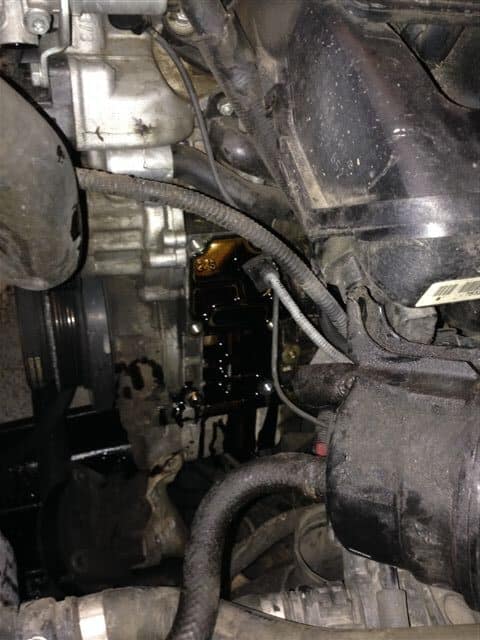
Oil filter housing gasket leaks are a common issue on BMW six-cylinder engines as mileage increases. The oil typically runs down the driver's side front of the engine, often appearing near the oil pan seam.
This leak is sometimes mistaken for a faulty oil pan, which is a far less common problem. Pinpointing the true source helps avoid unnecessary repairs.
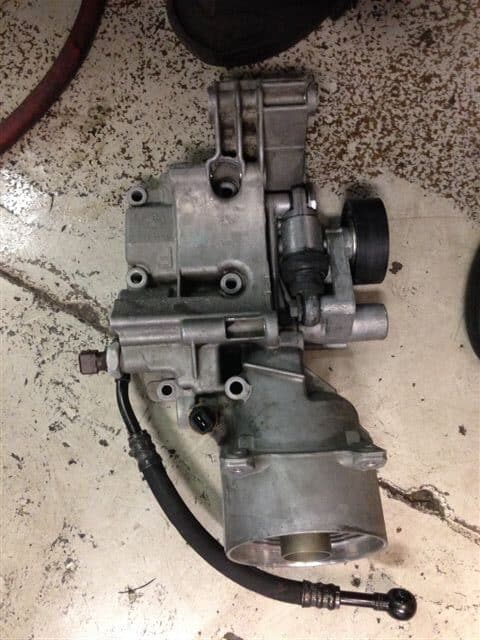
The repair process is largely the same across BMW models, though labor time and steps vary slightly. The photos shown cover a BMW X5 3.0.
On some models, the intake must be removed to complete the repair. Identifying the correct source of the leak before starting work saves time and money.
What causes an oil filter housing gasket leak on a BMW?
On BMW six cylinder engines, the oil filter housing gasket commonly fails as the vehicle accumulates miles. Oil leaks down the driver's side front of the engine and along the seam where the oil pan meets the block. This is often mistaken for an oil pan leak, making it important to find the true source before starting any repair.
Finding a leak at the oil stand gasket on BMW’s is been fairly common on six cylinder cars as they get up in miles. The oil will leak down the drivers side front of the engine and usually along the seam where the oil pan joins the block. Sometimes this is mistaken for a leaking oil pan, which is a much less common problem. So its important to locate the true source of any oil leaks to prevent unnecessary repairs. While the labor time and procedure varies some on the various models, it is basically the same repair. The photos below show the repair on a BMW X5 3.0 vehicle. Depending on the model, the intake often has to be removed.
FAQs
The most common sign is oil dripping down the driver's side front of the engine, often pooling along the seam where the oil pan meets the block. You may also notice a burning oil smell, low oil levels, or visible oil residue around the oil filter housing area.
These two leaks are often confused because the oil from a leaking oil filter housing gasket tends to run down and collect along the oil pan seam, making it look like the pan is leaking. A proper inspection tracing the oil back to its source is the best way to tell the difference, since an actual oil pan leak is much less common on BMWs.
This issue is most commonly seen on BMW six-cylinder models as they get higher in mileage. Models like the BMW X5 3.0 and other inline-six equipped vehicles are frequently affected, though the repair process is generally the same across different models.
The cost can vary depending on the specific model and how much disassembly is required, since some vehicles require the intake manifold to be removed to access the housing. Labor time differs between models, but parts for this repair are generally affordable - the bigger portion of the cost is usually the labor involved.
It is not a good idea to keep driving with a known oil leak, as continued oil loss can lead to low oil levels and potential engine damage over time. Getting the leak diagnosed and repaired as soon as possible helps protect the engine and avoids more expensive repairs down the road.
The repair time varies depending on the model, since some BMWs require additional steps like removing the intake manifold to reach the oil filter housing. On average, a shop might spend anywhere from two to four hours on this repair, depending on the vehicle and its configuration.
Misidentifying the source of an oil leak can lead to unnecessary repairs - for example, replacing an oil pan gasket when the real problem is the oil filter housing gasket. Properly locating the leak source saves time and money by making sure the right repair is done the first time.