
Denver’s Best Repair Shop if You Have a VW O2 Sensor Failure
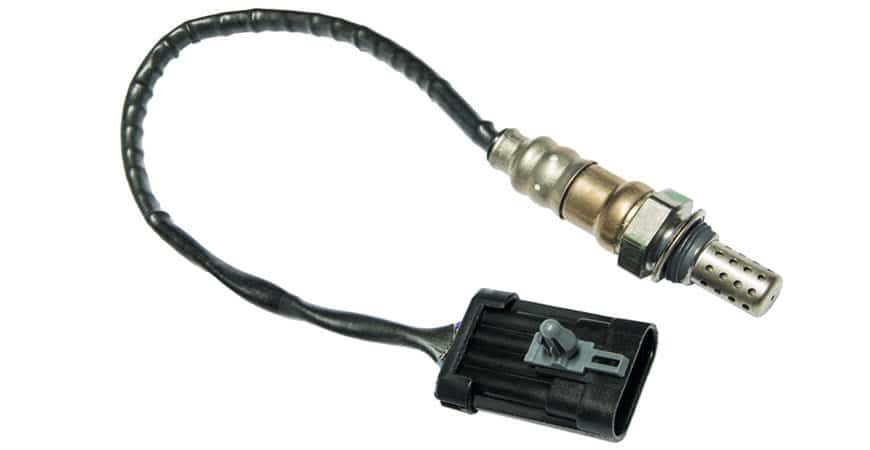
A failing O2 sensor in a Volkswagen can cause poor fuel efficiency, higher emissions, and rough engine performance. DART Auto in Denver specializes in VW O2 sensor diagnosis and repair for owners across the greater Denver area.
- The O2 sensor monitors oxygen levels in exhaust gases and sends data to the ECU, which adjusts the air-fuel mixture for efficient combustion. When it fails, drivers may notice engine misfires, rough idling, and more frequent trips to the gas station.
- Replacing a faulty O2 sensor improves fuel economy, helps the vehicle pass emissions tests, and restores smoother engine operation. Acting quickly can prevent fines and reduce environmental impact.
- DART Auto uses manufacturer-sourced O2 sensors and advanced diagnostic tools to repair Volkswagens in Englewood, Littleton, Centennial, and Denver. After replacement, the ECU is reset and a test drive confirms the repair is complete.
When a Volkswagen O2 sensor fails, it can trigger a chain reaction of problems throughout the vehicle. This small but important component plays a critical role in your car's operation, and a malfunction can affect engine performance, fuel efficiency, and emissions, often causing warning lights to appear on the dashboard.
If you’re a Volkswagen owner, you’re likely no stranger to the frustrating issue of O2 sensor failure. This seemingly insignificant component plays a critical role in your car’s operation. When it malfunctions, it can trigger a chain reaction of problems.
The VW O2 sensor, formally known as the oxygen sensor, is a small but mighty component within your car’s exhaust system. Its primary function is to monitor and assess the levels of oxygen present in the exhaust gasses.
It then relays this information to the engine control unit (ECU). The ECU uses this data to make real-time adjustments to the air-fuel mixture, thereby ensuring that combustion is as efficient as possible and minimizing harmful emissions.
What Can Happen To My Volkswagen When It Experiences O2 Sensor Failure?
When the O2 sensor in your VW goes haywire, several undesirable consequences may arise, from expensive problems with your engine to increased gas costs.
A malfunctioning O2 sensor disrupts the ECU’s ability to maintain an optimal air-fuel mixture. This results in inefficient combustion and, consequently, a noticeable decrease in fuel efficiency. You’ll find yourself making more trips to the gas station and spending extra money on fuel.
An O2 sensor on the fritz can lead to elevated levels of harmful emissions being released into the atmosphere. This spells trouble, as it can result in failing emissions tests, potentially costing you fines and contributing to environmental degradation.
Beyond the financial implications, O2 sensor failure can wreak havoc on your car’s engine performance. Symptoms may include engine misfires, rough idling, and sluggish acceleration, all of which can seriously compromise your overall driving experience.
Why It’s Important To Fix Volkswagen O2 Sensor Issues Right Away
On the bright side, there are compelling advantages to taking prompt action when confronted with O2 sensor problems.
Replacing a malfunctioning O2 sensor can lead to a remarkable improvement in fuel efficiency. This means you’ll save money on gas over the long run and minimize your environmental footprint.
Fixing your O2 sensor ensures your car complies with stringent emission standards. By doing so, you reduce the risk of fines related to emissions violations and actively contribute to the preservation of our environment.
A properly functioning O2 sensor plays a pivotal role in the overall performance of your engine. You can anticipate smoother operation, fewer instances of stalling, misfires, and other performance-related issues, leading to a more enjoyable driving experience.
What Should I Do When I Notice Volkswagen O2 Sensor Issues?
If you have your Volkswagen inspected by a local mechanic and they confirm that the sensor is faulty, the next step is to replace it with a high-quality, compatible O2 sensor. The replacement must meet the manufacturer’s specifications to ensure it operates optimally.
Following the sensor replacement, the engine control unit (ECU) may require resetting to ensure that it receives precise data from the new sensor. This ensures that your car runs efficiently and in compliance with emission standards.
Finally, a comprehensive post-repair test drive and diagnostic check are conducted to guarantee that the new O2 sensor is operating correctly. This quality assurance step ensures that your VW is back in its prime condition.
Don’t Leave Your Volkswagen’s O2 Sensor Unchecked
Don’t let a malfunctioning O2 sensor compromise 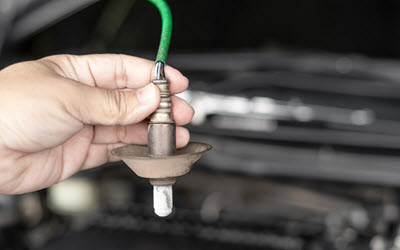 your Volkswagen’s performance, fuel efficiency, and emissions. When it comes to addressing O2 sensor issues in Denver, DART auto is the name to trust. Here are just a few of the things that make us stand out as the top choice for VW owners in Englewood, Littleton, Centennial, Denver, and the greater Denver, CO area:
- Volkswagens are our speciality.
- You always come first as the customer.
- We only use the best O2 sensors, directly from the manufacturer.
- Our team is equipped with advanced tools for diagnostics and repair.
When you’re having trouble with your Volkswagen, remember to contact DART auto, renowned as the best repair shop in the area. Our team of expert mechanics is ready to diagnose and resolve your VW’s O2 sensor issues, ensuring that you enjoy the benefits of improved fuel efficiency and engine performance. Whether you need help with your O2 sensors, preventative maintenance, or anything else, we can help! Visit us today and experience top-tier service for your Volkswagen.