
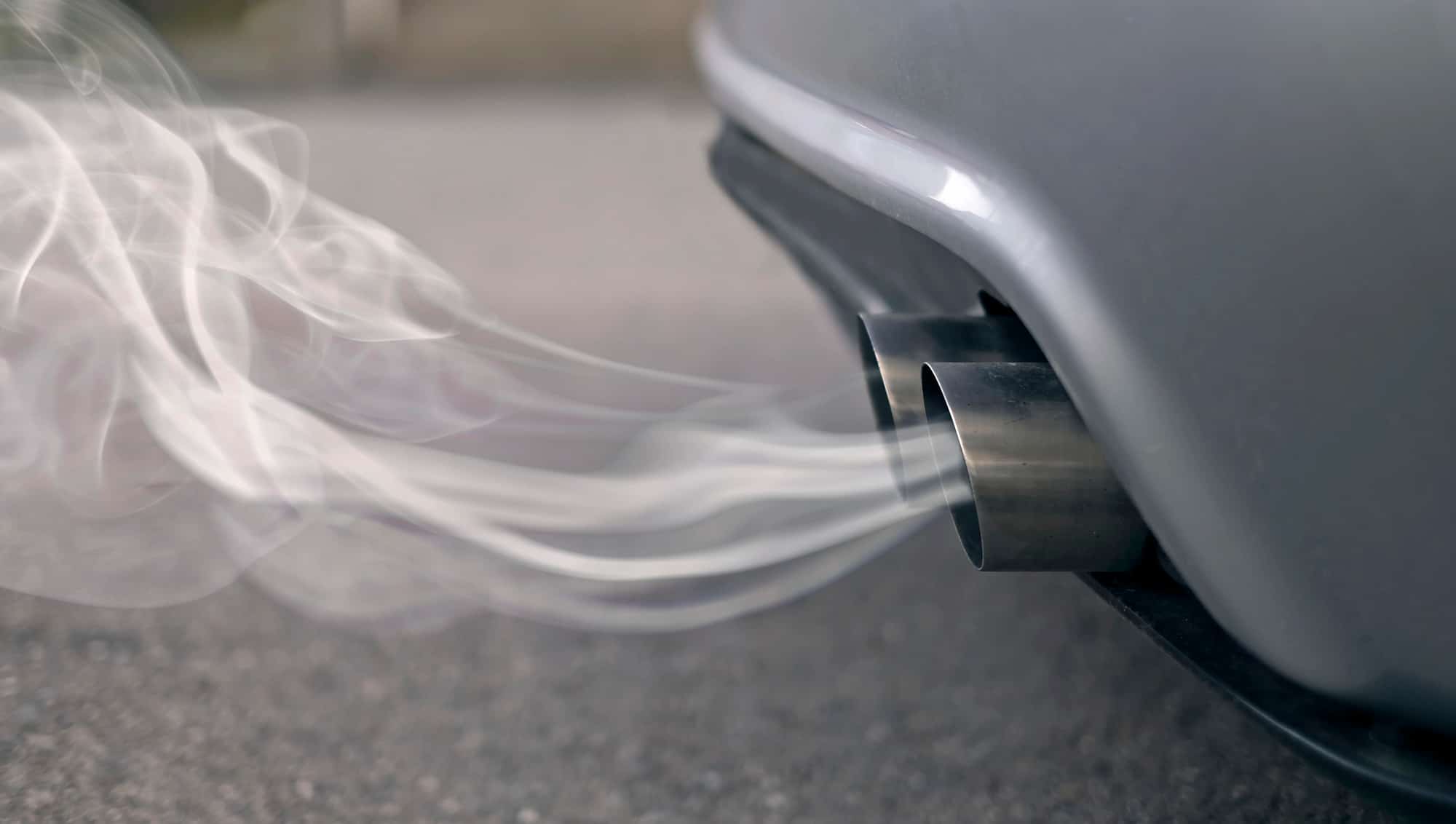
Fiat Exhaust & Catalytic Converter Repair at DART Auto
That rattle under your Fiat, the sulfur smell at idle, or the check-engine light that won't quit – these aren't problems you can ignore. Italian engineering brings character and performance, but exhaust and catalytic converter issues on Fiat platforms demand more than a generic muffler shop can deliver. The turbocharged MultiAir engines in 500 Abarth and 124 Spider models run hot and lean, putting extraordinary stress on catalytic substrates. Flex joints fail on the 500L and 500X due to front-wheel-drive torque steer. The compact packaging means heat shields, oxygen sensors, and catalytic converters live in tight quarters where corrosion accelerates and access requires platform-specific knowledge.
We've been diagnosing and repairing European exhaust systems since 2000, and our master technicians know the difference between a failed downstream O2 sensor and actual catalyst degradation on your Fiat's ECU. We use factory diagnostic protocols and OEM-equivalent parts, not universal-fit components that throw codes six months later. Our salaried technicians take the time to inspect the entire system – from turbo outlet to tailpipe – because on these platforms, one failed flex joint can mask a failing catalyst, and misdiagnosis costs you twice.
When you bring your Fiat to DART Auto, you can expect:
- Complete system inspection using Fiat-specific scan tools to read live sensor data and readiness monitors
- Transparent diagnosis that distinguishes between heat shield noise, flex joint failure, and actual catalyst substrate breakdown
- OEM or premium aftermarket components engineered for your platform's exhaust gas temperatures and backpressure requirements
- A 3-year/36,000-mile warranty on parts and labor – because we fix it right the first time
Common Exhaust & Catalytic Converter Repair Issues on Fiat Vehicles
Fiat owners face distinct exhaust and catalytic converter challenges tied to the brand's small-displacement turbocharged platforms and emission-control strategies. If you're noticing a rattle at cold start, a sulfur smell, or a check-engine light that won't clear, you're likely dealing with one of these well-documented failure modes:
- Catalytic converter substrate failure on 2012–2019 500 and 500L (MultiAir 1.4T): The turbocharged 1.4-liter engine runs rich under boost, which overheats the close-coupled cat. The ceramic honeycomb fractures, rattles, and eventually plugs the exhaust. Symptoms include loss of power above 3,000 rpm, a metallic rattle on deceleration, and P0420/P0430 codes that return immediately after clearing.
- Flex-joint cracking on 2014–2020 500X and 500L (all engines): The front flex section – designed to absorb engine movement – develops stress cracks at the bellows. You'll hear a ticking or hissing sound that gets louder under acceleration, and exhaust gases can escape near the firewall, bringing fumes into the cabin through the HVAC intake.
- Oxygen sensor contamination on 2012–2016 500 Abarth (1.4T): Oil consumption and turbo-seal weep allow oil vapor into the exhaust stream, coating the downstream O2 sensor. The ECU reads a sluggish sensor response, throws P0138 or P0141, and enters limp mode. The cat itself may still be functional, but the sensor must be replaced and the root oil-consumption issue addressed.
- Exhaust-manifold stud failure on 2012–2019 500 (all naturally aspirated 1.4L): The steel studs corrode in the aluminum head, snap during thermal cycling, and create an exhaust leak at the manifold flange. You'll hear a loud ticking at idle that fades as the engine warms, and the leak can trip the upstream O2 sensor, causing rough idle and poor fuel economy.
- Resonator rot-through on 2007–2012 500 (European-market early builds): The mid-pipe resonator rusts from the inside out due to short-trip condensation. A hole develops, creating a droning exhaust note and triggering a lean condition if the leak is upstream of the rear O2 sensor.
Why Choose DART Auto for Fiat Exhaust & Catalytic Converter Repair
Your Fiat's exhaust and catalytic converter system isn't just about emissions compliance – it's a sophisticated network of oxygen sensors, pre-cats, and main converters calibrated to tight tolerances. When your 500 Abarth throws a P0420 code or your 124 Spider sounds raspier than it should, you need a shop that understands the nuances of these turbocharged, tightly-packaged Italian platforms.
DART Auto brings over 24 years of European-focused expertise to every Fiat repair. Our master technicians use factory-level scan tools to read live sensor data, monitor fuel trims, and verify catalyst efficiency – the same diagnostics the dealer performs, but at a fairer price. We know that MultiAir engines (2012–2019 500, 500L, 500X) are sensitive to oil consumption and carbon fouling, which can mask true catalyst failure. Before recommending a new converter, we perform a complete upstream inspection: spark plugs, ignition coils, oxygen sensor response, and exhaust leaks that might skew sensor readings.
- Platform-specific tooling: We stock Fiat-specific exhaust hangers, heat shields, and OEM-equivalent converters sized for your chassis.
- No flat-rate pressure: Our salaried technicians take the time to diagnose correctly the first time, eliminating guesswork and unnecessary part swaps.
- 3-year/36,000-mile warranty: Every repair is backed by our comprehensive parts and labor guarantee.
Symptoms – How to Know You Need This Service
Your Fiat will tell you when the exhaust or catalytic converter system needs attention. Some signs are subtle; others demand immediate action.
You may notice:
- Rattling or metallic buzz from underneath – especially on cold start or over bumps, indicating broken catalyst substrate or loose heat shields
- Rotten egg or sulfur smell – a failing catalyst can't properly convert hydrogen sulfide, and this odor means the honeycomb is degraded
- Check-engine light with P0420 or P0430 codes – catalyst efficiency below threshold, common on high-mileage 1.4T MultiAir engines
- Loss of power or sluggish throttle response – a clogged catalyst creates backpressure that chokes the turbocharger
- Hissing or ticking that changes with engine speed – exhaust leaks at flex joints, manifold gaskets, or turbo outlet flanges
- Visible rust or holes in exhaust components – road salt accelerates corrosion on the underside, particularly on 500 and 500L models
- Failed emissions test – high NOx or hydrocarbon readings point to catalyst failure or O2 sensor malfunction
- Glowing or discolored exhaust components – extreme heat from a misfiring cylinder or rich fuel condition
If you see glowing metal or smell burning plastic near the exhaust, pull over safely and call for a tow. A severely clogged catalyst can overheat and ignite surrounding materials. Everything else warrants scheduling a diagnostic soon – delaying repair typically makes the problem more expensive.
Which Fiat Models We See for Exhaust & Catalytic Converter Repair
We service the full range of modern Fiat platforms sold in North America, with particular expertise in the turbocharged MultiAir and naturally aspirated Fire engine families. Most exhaust and catalytic converter work crosses our shop for these models:
- 500 (2012–2019, Type 312) – 1.4L naturally aspirated and turbocharged variants; prone to flex joint failure and heat shield corrosion
- 500 Abarth (2012–2019) – higher exhaust gas temps stress catalytic converters; aftermarket exhausts often lack proper O2 sensor bungs
- 500L (2014–2020) – 1.4T MultiAir; front-wheel-drive torque steer accelerates flex joint wear; tight engine bay complicates access
- 500X (2016–2019) – 1.4T and 2.4L Tigershark engines; crossover ground clearance exposes exhaust to road debris and impact damage
- 124 Spider (2017–2020, Type 348) – shares Mazda MX-5 platform but uses Fiat 1.4T MultiAir; catalyst placement differs significantly from Mazda counterpart
- 500e (2013–2019) – electric vehicle with no exhaust system; not applicable for this service
We also handle earlier 500 models (2008–2011 European-spec imports) and the occasional Punto or Panda, though parts availability varies. If you've modified your exhaust or installed a tuned ECU, bring documentation – we'll verify that aftermarket components meet emissions standards and won't trigger fault codes.
Causes & Risks – What Happens if Ignored
Most Fiat exhaust failures stem from the combination of short urban trips, high specific output from small turbocharged engines, and Colorado's freeze-thaw cycles accelerating corrosion. The MultiAir 1.4T runs a rich fuel map under boost to protect the turbo, which floods the catalytic converter with unburned hydrocarbons and raises exhaust-gas temperature beyond design limits. When you add stop-and-go driving that never fully heats the cat, condensation sits in the muffler and resonator, corroding from the inside. Manifold studs corrode because dissimilar metals – steel into aluminum – create galvanic action, especially when road salt and moisture are present.
Delaying repair sets off a predictable cascade:
- Plugged catalyst: A fractured cat substrate that rattles today will block exhaust flow within weeks. Back-pressure climbs, the turbo can't spool, and you lose half your power. The engine runs hot, risking head-gasket failure or turbo-bearing damage from excessive exhaust-gas temperature.
- Cabin fumes: A cracked flex joint or manifold leak pulls exhaust into the HVAC fresh-air intake. Carbon monoxide exposure causes headaches, dizziness, and – in severe cases – loss of consciousness. This is a stop-driving-now scenario.
- Failed oxygen sensors: A contaminated or heat-damaged O2 sensor sends false data to the ECU, which compensates by running too rich or too lean. Fuel economy drops, spark plugs foul, and you risk damaging the remaining good cat by flooding it with raw fuel.
- Compounding corrosion: A small exhaust leak allows moisture into the system during cool-down. That moisture accelerates rust in adjacent sections, turning a single-joint repair into a full mid-pipe or muffler replacement within a season.
- Emissions-test failure: Colorado requires emissions compliance. A failed cat, missing sensor, or exhaust leak upstream of the O2 sensors guarantees a failed test and registration hold.
Safety Impact – Why Exhaust & Catalytic Converter Repair Matters
Exhaust leaks upstream of the cabin – especially at the manifold or front flex joint – introduce carbon monoxide into the passenger compartment. CO is odorless and bonds to hemoglobin more readily than oxygen, starving your brain and organs. Early symptoms mimic fatigue or altitude sickness: headache, nausea, confusion. Prolonged exposure in traffic or on the highway can lead to unconsciousness and loss of vehicle control.
A plugged catalytic converter creates a different hazard: loss of power during merging or passing. When back-pressure climbs, the turbo can't build boost, and the engine falls flat above 3,000 rpm. You're left with half the expected acceleration in situations where you need full power to avoid a collision.
When to stop driving immediately:
- You smell exhaust inside the cabin with the windows up and HVAC on fresh-air mode.
- You experience dizziness, headache, or nausea that resolves after exiting the vehicle.
- The engine loses significant power and you hear a loud metallic rattle from under the car.
Schedule service soon (safe to drive short distances):
- Check-engine light is on with P0420, P0430, or oxygen-sensor codes.
- You hear a ticking or hissing sound at idle that changes with throttle input.
- Fuel economy has dropped noticeably without other explanation.
How Fiat Exhaust & Catalytic Converter Repair Actually Works
Fiat's turbocharged MultiAir engines use a close-coupled catalytic converter mounted directly to the exhaust manifold. This placement brings the cat to operating temperature quickly – critical for meeting cold-start emissions limits – but subjects it to extreme thermal stress. The catalyst substrate is a ceramic honeycomb coated with platinum, palladium, and rhodium. These metals trigger chemical reactions that convert carbon monoxide, unburned hydrocarbons, and nitrogen oxides into carbon dioxide, water, and nitrogen. Upstream and downstream oxygen sensors monitor catalyst efficiency; when the rear sensor's switching pattern mirrors the front sensor, the ECU knows the cat is no longer converting pollutants and sets a P0420 or P0430 code.
Repairing or replacing the exhaust system on a Fiat requires attention to several platform-specific details:
- Integrated manifold/cat assembly: On the 1.4T, the cat is welded to the manifold. You can't replace one without the other, and the assembly must be torqued in sequence to avoid warping the flange and creating a leak.
- Oxygen-sensor coding: Newer Fiats (2016+) require the ECU to learn the new sensor's internal resistance. This isn't a simple plug-and-play swap; the scan tool must write the sensor's calibration data to the ECU or the car will remain in limp mode.
- Flex-joint orientation: The flex section must be installed with the corrugations aligned to the engine's primary movement axis. Incorrect orientation causes premature cracking and exhaust leaks within months.
- Heat-shield clearance: Fiat's tight engine bay means heat shields must be reinstalled exactly as designed. Missing or misaligned shields allow radiant heat to damage wiring harnesses, brake lines, and fuel lines routed near the exhaust.
We use OEM-equivalent catalytic converters that meet both EPA and CARB standards, ensuring you pass Colorado emissions testing. Each repair includes a complete inspection of hangers, heat shields, and adjacent components, plus a smoke test to verify there are no hidden leaks. After installation, we clear codes, complete any required sensor adaptations using factory-level diagnostic software, and road
How We Diagnose Exhaust & Catalytic Converter Repair Issues on Fiat
If your Fiat is throwing a check-engine light, sounds louder than usual, or smells like sulfur, you're likely dealing with an exhaust or catalytic converter problem. We don't guess – we follow a methodical process to pinpoint exactly what's failing and why.
- Scan for fault codes. We connect factory-level diagnostic equipment capable of reading Fiat-specific trouble codes, including P0420/P0430 (catalyst efficiency), P0171/P0174 (lean conditions that can kill a cat), and manufacturer-specific codes tied to oxygen sensor heater circuits or exhaust gas temperature sensors common on the MultiAir engines.
- Live data monitoring. We watch real-time oxygen sensor voltage, fuel trims, and exhaust temperature while the engine runs. On Fiat 500 and 500L models with the 1.4L MultiAir Turbo, we look for signs of oil consumption fouling the downstream O2 sensor – a known issue on 2012–2016 units that can mimic a failing cat.
- Visual and physical inspection. We lift the car and inspect for rust-through on the flex pipe (common on Northeast-driven Fiats), loose heat shields, cracked manifold welds, and physical damage to the catalytic converter substrate from road debris or bottoming out.
- Backpressure test. If we suspect a clogged cat, we measure exhaust backpressure to confirm internal substrate collapse or carbon buildup, which scan data alone won't always reveal.
- Road test. We drive the car under load to listen for exhaust leaks, rattles, and to verify that the issue reproduces under real-world conditions.
Once we've gathered all the data, we build a clear repair plan with transparent pricing. You'll know exactly what failed, why it failed, and what we recommend to fix it right the first time.
Exhaust & Catalytic Converter Repair on Fiat: Repair vs. Replacement
Not every exhaust problem requires replacing the entire system. Here's how we decide what makes sense for your Fiat and your wallet.
When a True Repair Works
- Minor exhaust leaks: A leaking flex pipe or a cracked exhaust manifold-to-downpipe gasket on the 1.4L MultiAir can often be repaired with a quality replacement gasket and new hardware, especially if the flanges aren't warped.
- Loose or rattling heat shields: These are almost always a quick fix with new clips or spot welds.
- Oxygen sensor replacement: If the cat is still functioning but an O2 sensor has failed (common on high-mileage 500 Abarth models), swapping the sensor solves the check-engine light without touching the converter.
When Partial Replacement Makes Sense
If the catalytic converter itself is failing but the rest of the exhaust is solid, we replace just the converter section. On Fiat 500 models, the cat is integrated into the manifold, so we replace the entire manifold-cat assembly while retaining the mid-pipe and muffler if they're still serviceable.
When Full Replacement Is the Right Call
- Severe rust or corrosion: Older Fiats driven in salt-belt states often have exhaust systems rusted beyond safe repair.
- Multiple failures: If the cat is dead and the flex pipe is cracked, replacing the entire front section saves labor and ensures everything seals properly.
- Safety-critical damage: A rusted-through pipe near the cabin means exhaust gases could enter the interior. We replace it immediately.
We walk you through the options, explain the trade-offs, and let you make the call. Our technicians are salaried, not flat-rate, so there's no incentive to upsell you into unnecessary work.
How to Make Your Fiat Exhaust & Catalytic Converter Repair Last Longer
Once we've fixed your exhaust or replaced your catalytic converter, a few smart habits will help you get the most life out of the new parts.
Driving Habits That Matter
- Warm up properly. Short trips without letting the engine reach operating temperature leave unburned fuel in the exhaust, which can clog the cat over time. On the 1.4L MultiAir, this is especially important in cold weather.
- Avoid bottoming out. The Fiat 500's low ground clearance makes it easy to scrape speed bumps or driveway aprons. Take them slowly to protect the catalytic converter from impact damage.
- Address check-engine lights promptly. A misfiring cylinder or failing oxygen sensor can dump raw fuel into the cat, overheating and destroying the substrate in a matter of miles.
Maintenance You Can Do
- Listen for changes. New rattles, hissing, or a louder exhaust note can signal a developing leak. Catching it early saves money.
- Watch for warning lights. If the check-engine light comes back on, don't ignore it. Have it scanned before a small issue becomes a big repair.
- Keep an eye on oil consumption. The MultiAir engines are known for using oil between changes. Top it off as needed to prevent fouling the downstream O2 sensor.
What to Leave to the Professionals
Exhaust work involves hot, high-pressure gases and emissions-critical components. Welding, cutting, or replacing catalytic converters requires proper tooling and knowledge of federal emissions laws. We use OEM or premium aftermarket cats that meet EPA and CARB standards, and we torque everything to Fiat's specifications. DIY exhaust repairs can create dangerous leaks or trigger emissions failures – let us handle it safely.
What to Expect When You Bring Your Fiat In
We've streamlined the repair process so you know exactly what's happening at every stage. Here's how your visit unfolds:
- Drop-off and initial consultation: Bring your Fiat in by appointment or first thing in the morning. Describe any symptoms – check-engine light, sulfur smell, loss of power, rattling under the car. We'll ask about recent repairs and scan for stored codes immediately.
- Comprehensive inspection: Our technician performs a full exhaust system inspection: visual check for rust-through or impact damage, oxygen sensor voltage tests, backpressure measurement if a clog is suspected, and live data monitoring during a short test drive. We photograph problem areas and document sensor readings.
- Written estimate and approval: You'll receive a detailed estimate explaining what failed, why it failed, and what we recommend. If an oxygen sensor is marginal or an exhaust leak is affecting readings, we'll note it. No work begins until you approve.
- Repair and verification: We replace failed components using OEM or premium aftermarket parts, torque all fasteners to spec, and clear codes. Post-repair, we road-test the car and verify readiness monitors have set, confirming the repair resolved the issue.
- Pickup walkthrough: At pickup, we'll show you the old parts, explain what we found, and review the final invoice. If a check-engine light reappears within our warranty period, bring it back – we'll diagnose and resolve it at no additional charge.
We offer loaner vehicles and local shuttle service when available, so you're not stranded. Personal items are safe in your car, but we recommend taking valuables with you. If you need after-hours pickup, let us know when you drop off and we'll arrange key lockbox access.
Our Fiat Services
- Air Conditioning AC Repair
- Battery Repair Replacement
- Brake Repair & Brake Fluid Change
- Check Engine Light Diagnostics
- Clutch Repair & Replacement
- Coolant Leak Repair
- Cooling System Repair
- Drive Shaft Repair
- Engine Repair
- Head Gasket Repair & Replacement
- Oil Change
- Oil Leak Repair
- Scheduled Service Maintenance
- Steering Repair
- Suspension Repair
- Cambelt Timing Belt Replacement
- Transmission Repair
- Tune Up
- Wheel Alignment


