Porsche has updated the original plastic coolant pipes in Cayenne V8 models to cast aluminum due to the plastic pipes being prone to failure and coolant leaks. A recent replacement job shows the process involved in swapping out these parts.
The plastic coolant pipes are a common source of coolant leaks in Cayenne V8 engines. Porsche now offers cast aluminum pipes as the updated replacement.
To install the new pipes, the intake manifold and throttle body must be removed. This makes the repair a significant disassembly job.
Images from a recent replacement show visible leaking on the old plastic pipes. The cast aluminum pipes are then fitted and fully installed.
What is the Porsche Cayenne coolant pipe replacement about?
Porsche updated the Cayenne coolant pipes from plastic to cast aluminum because the original plastic pipes are prone to failure. This is a common source of coolant leaks in Cayenne models with V8 engines. Replacing the faulty plastic pipes with the updated aluminum version helps prevent coolant loss and potential engine damage.
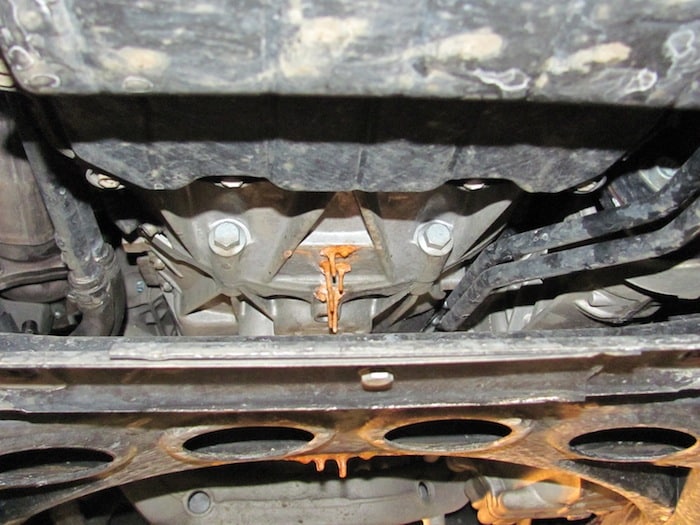
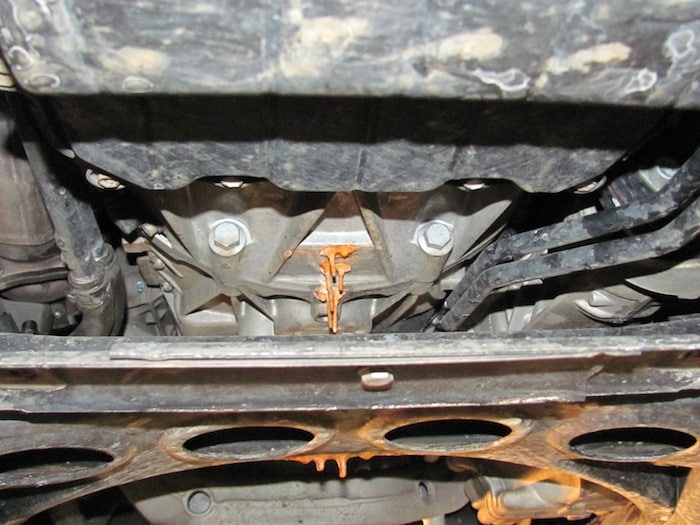
A clear sign that you have a coolant leak
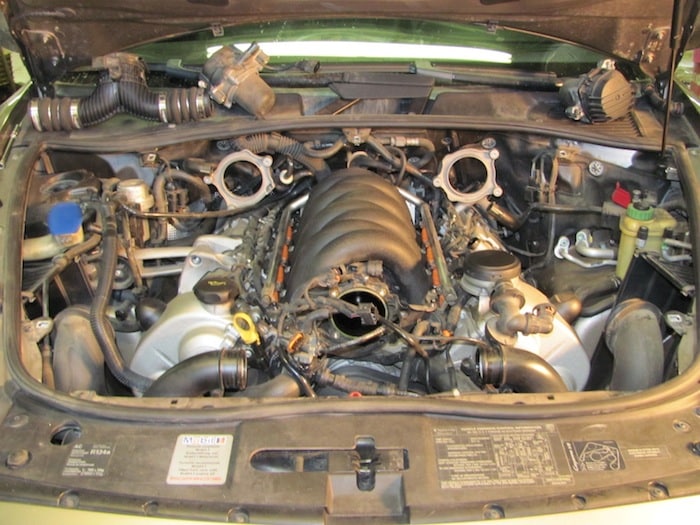
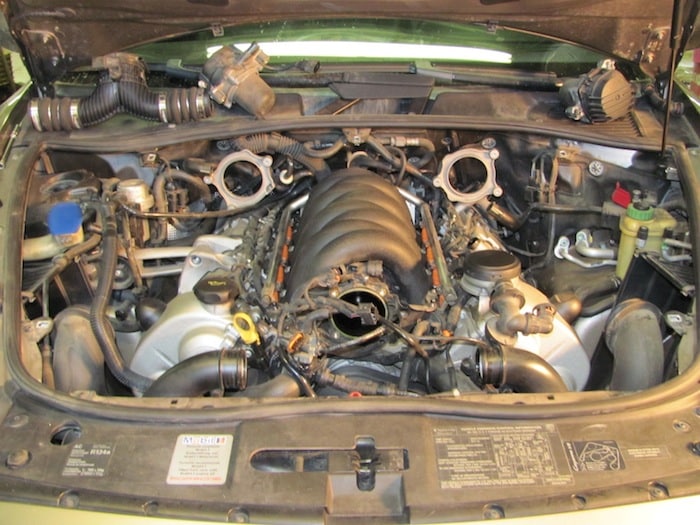
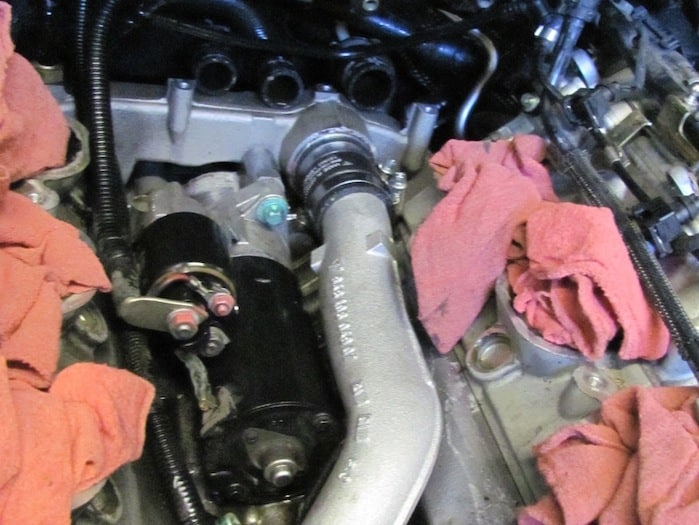
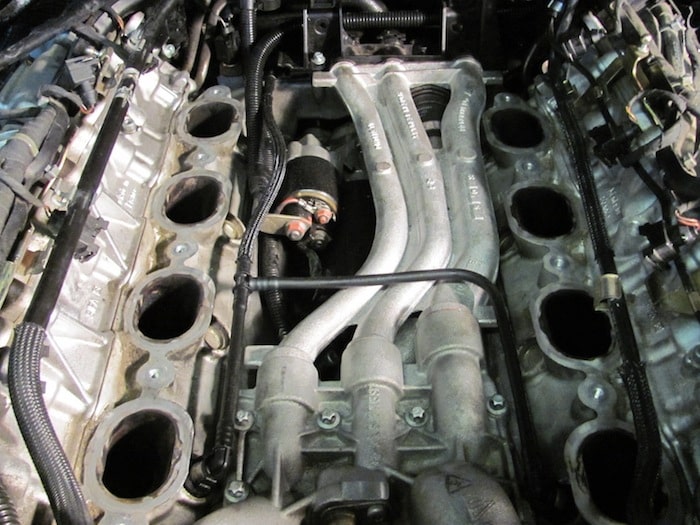
Intake manifold and throttle body must be removed to install updated pipes
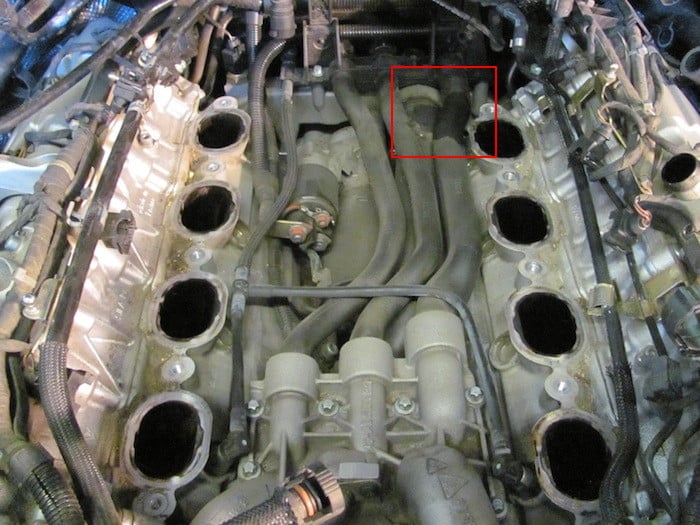
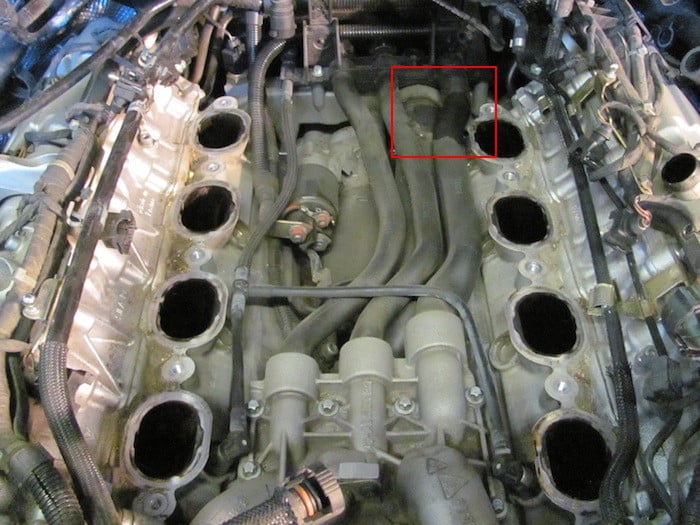
Old pipes. See leak in upper right corner
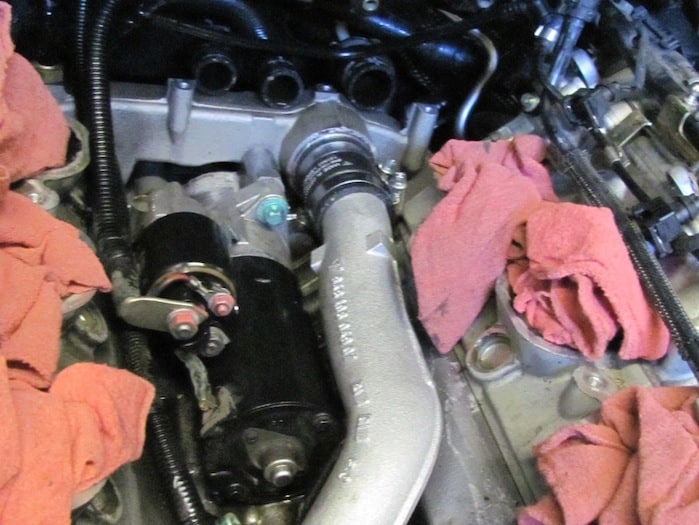
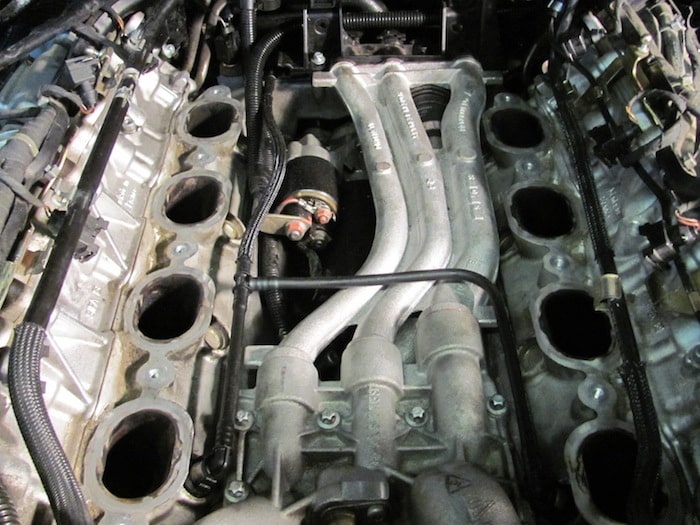
Installing cast aluminum tube
Final installation of updated coolant pipes
Porsche has changed their OE coolant pipes from plastic to cast aluminum. These plastic pipes are prone to failure. This is often the source of coolant leaks in Cayenne’s with V8 engines. Below are images of a recent replacement of the Cayenne’s coolant pipes.
FAQs
The original coolant pipes on the Porsche Cayenne V8 were made from plastic, which is prone to cracking and failure over time. This makes them a common source of coolant leaks, and Porsche has since updated the design to use cast aluminum pipes that are far more durable.
Common signs include visible coolant puddles under the vehicle, a sweet smell coming from the engine bay, or the temperature gauge running higher than normal. You may also notice a drop in your coolant reservoir level without an obvious external cause.
The original pipes were made from plastic, which degrades and cracks with heat cycles over time. Porsche updated the design to cast aluminum pipes, which handle engine heat much better and are significantly less likely to fail.
The job is fairly involved because the intake manifold and throttle body must be removed to access and install the updated pipes. This makes it a repair best handled by a qualified Porsche technician rather than a basic DIY job.
The issue is most commonly associated with Cayenne models equipped with V8 engines. If you own a V8 Cayenne and have not had the pipes inspected or replaced, it is worth having a shop check them, especially on higher-mileage vehicles.
Costs can vary depending on your location and the shop you choose, but because the repair requires removing the intake manifold and throttle body, labor hours add up quickly. Getting a quote from a Porsche specialist is the best way to get an accurate estimate for your specific vehicle.
Driving with a coolant leak is risky because the engine can overheat, potentially causing serious internal damage. If you suspect a leak, it is best to have the vehicle inspected and repaired as soon as possible to avoid a much more expensive repair down the road.