A Porsche GT3 with thousands of track miles came into Porsche Service Denver with a loose wheel bearing. During the repair, technicians found the hub was also damaged and needed replacement.
The Porsche GT3 is widely regarded as the ultimate Porsche driver's car - a barely detuned race car built for street use and popular at Porsche Club of America Driver's Education events. The car had accumulated thousands of track miles before arriving with a loose wheel bearing.
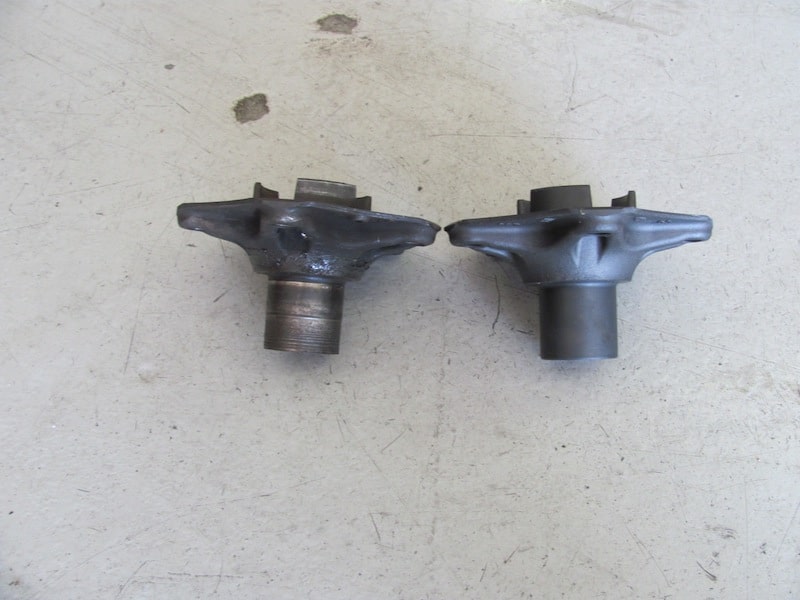
After removing the wheel bearing, technicians discovered the hub had heavy wear and required replacement alongside the bearing. Photos of the old and new hubs side by side showed the extent of the damage.
The GT3 is equipped with fully adjustable control arms that allow precise camber and toe settings. This setup also allows for increased camber when the car is used on track.
How do you install a wheel bearing on a Porsche GT3?
Installing a Porsche GT3 wheel bearing requires removing the hub assembly and inspecting for damage, as a worn bearing can also damage the hub itself. The process involves pressing out the old bearing, replacing any damaged components including the hub, and pressing in the new bearing with proper alignment and torque specifications.
The Porsche GT3 is considered by many to be the ultimate expression of Porsche’s driver’s car. It is a barely detuned race car built for the street. They are very popular as street track cars for Porsche Club of America Driver’s Education events. This particular car has thousands of track miles on it and came in with a loose wheel bearing. We pulled the wheel bearing and found that the hub was also damaged.
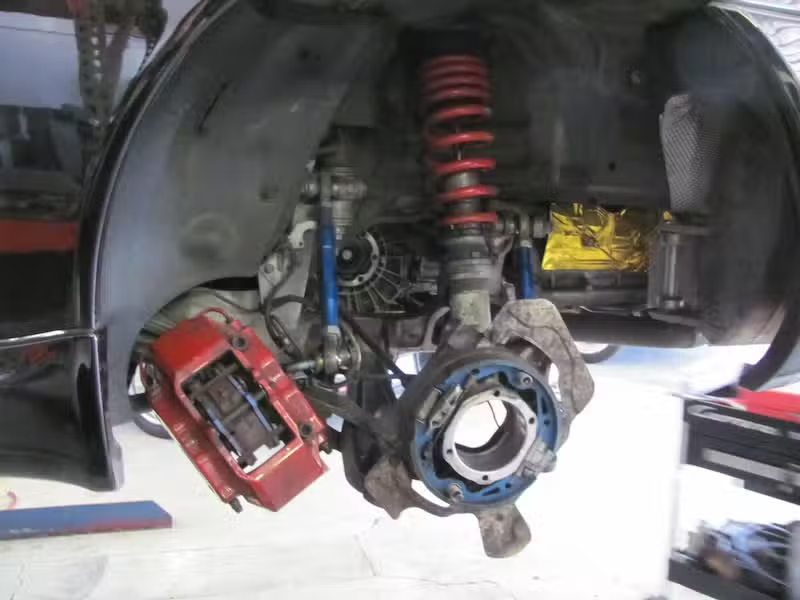
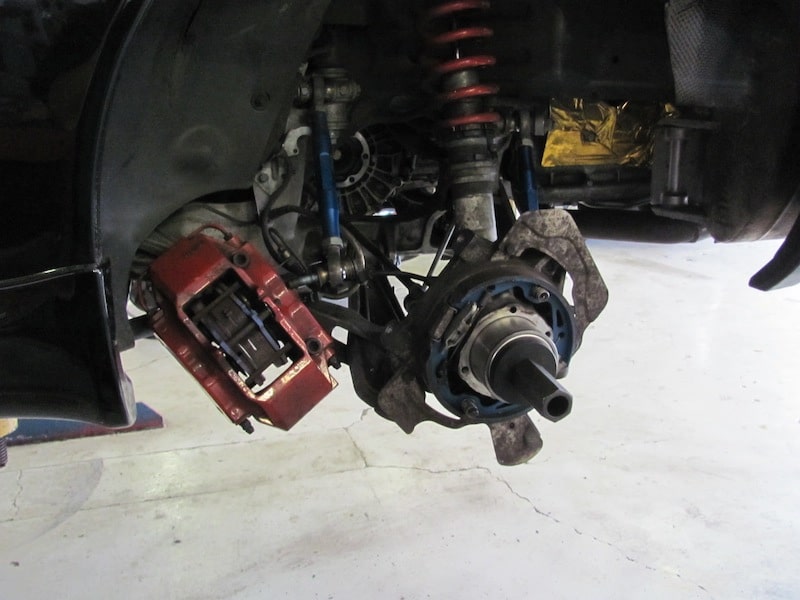
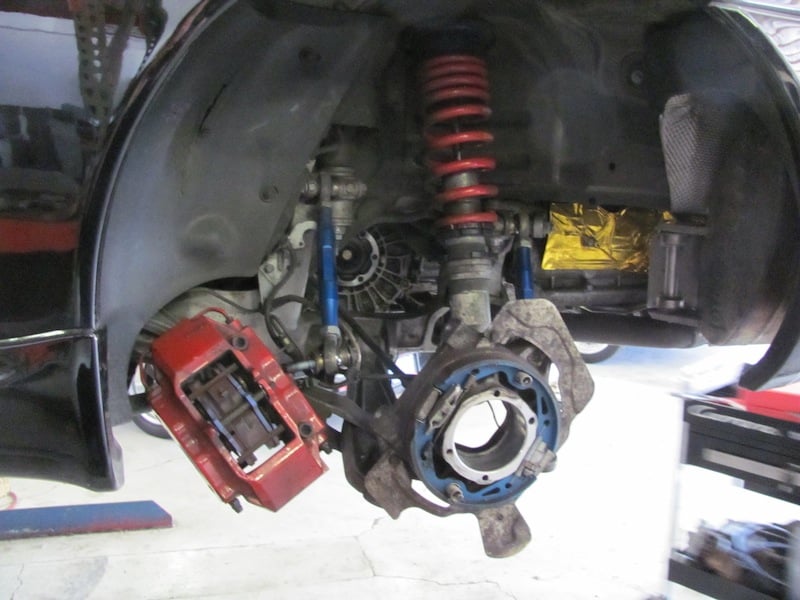
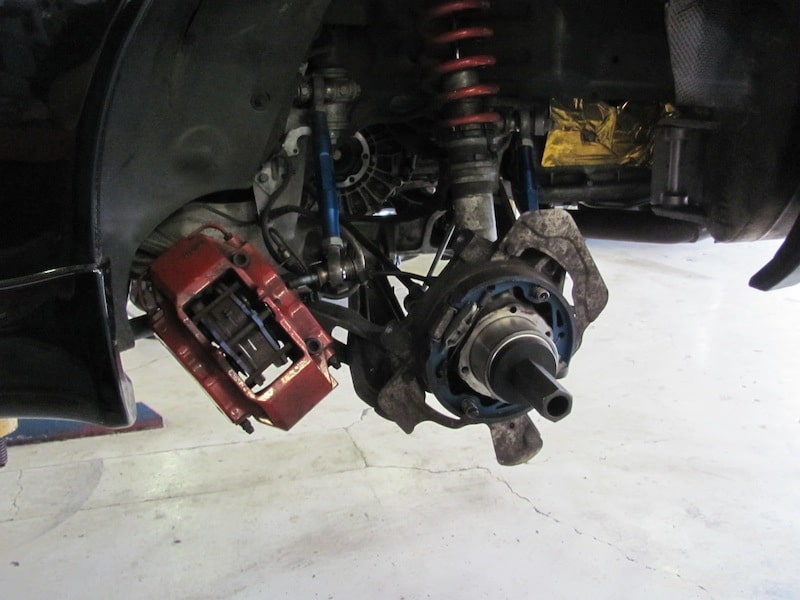
Here is the spindle with the hub and bearing removed. This GT3 also has fully adjustable control arms to precisely set the camber and toe. This also allows us to get more camber in the wheels for track use.
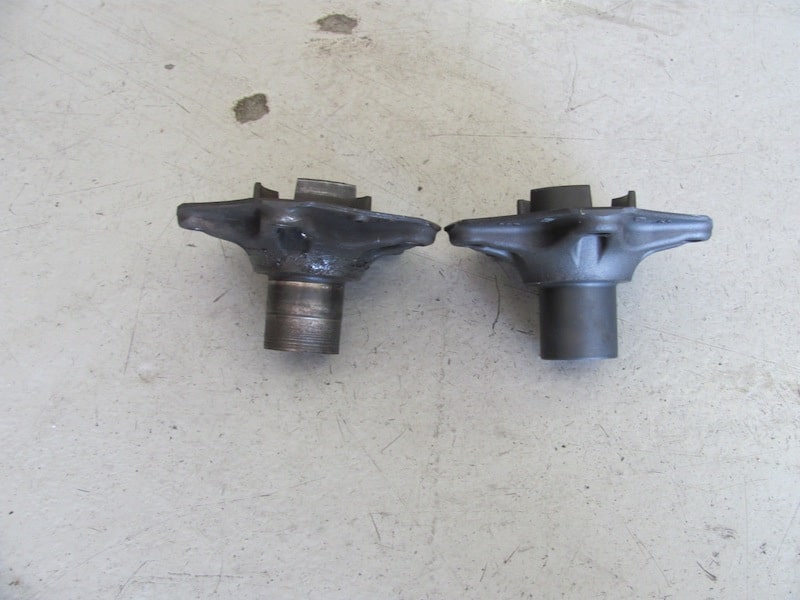
This photo shows the new and damaged hub next to each other. Note the heavy wear on the damaged hub.
Using our wheel bearing installation tools to press in the new bearing.
FAQs
Common signs of a failing wheel bearing include a humming, grinding, or rumbling noise that changes with vehicle speed, as well as looseness or play in the wheel when you grab it and shake it. On a GT3 that sees track use, worn bearings can also cause handling inconsistencies or vibration through the steering wheel. If you notice any of these symptoms, getting the bearing inspected right away helps prevent further damage to the hub and surrounding components.
Yes, a loose or worn wheel bearing can cause damage to the hub itself, which is exactly what happens in many high-mileage track cars. Once the bearing starts to fail, the excess movement and heat can score or deform the hub, meaning both the bearing and hub may need to be replaced at the same time. Catching the problem early reduces the overall repair cost significantly.
The process involves removing the wheel, hub, and old bearing, then using a specialized bearing press tool to seat the new bearing properly into the spindle. Proper press tools are required because forcing a bearing in without them can damage the new bearing immediately. The hub is then reinstalled and all suspension components are torqued to spec.
Yes, wheel bearing installation on a GT3 requires a proper bearing press and specific adapters sized for the Porsche hub and spindle. Using improvised tools or hammering the bearing in can damage the bearing races and lead to premature failure. A professional shop with the right equipment will get the job done correctly and safely.
For street-driven GT3s, wheel bearings can last many years, but cars used frequently on track will wear them out much faster due to the higher lateral loads and heat generated during aggressive driving. Cars with thousands of track miles may need bearing inspections and replacements more regularly than street-only vehicles. Regular checks during routine service intervals are a good habit for any track-driven GT3.
The wheel bearing replacement itself does not directly change alignment settings, but since the job involves removing suspension components, it is a good opportunity to check and adjust camber and toe. GT3s with fully adjustable control arms allow for precise alignment settings, which is especially useful for dialing in extra camber for track use. Getting an alignment check after any suspension work is always a smart move.
A Porsche-specific shop or specialist is the best choice for this type of repair because they have the correct tools, experience with GT3 suspension geometry, and access to proper OEM or quality replacement parts. General repair shops may not have the right press tooling or familiarity with the GT3's suspension setup. Given the performance demands placed on a GT3, having the work done by someone who knows the car well makes a real difference in the outcome.