
Trust DART auto to Replace the Oxygen Sensor in Your Audi in Denver
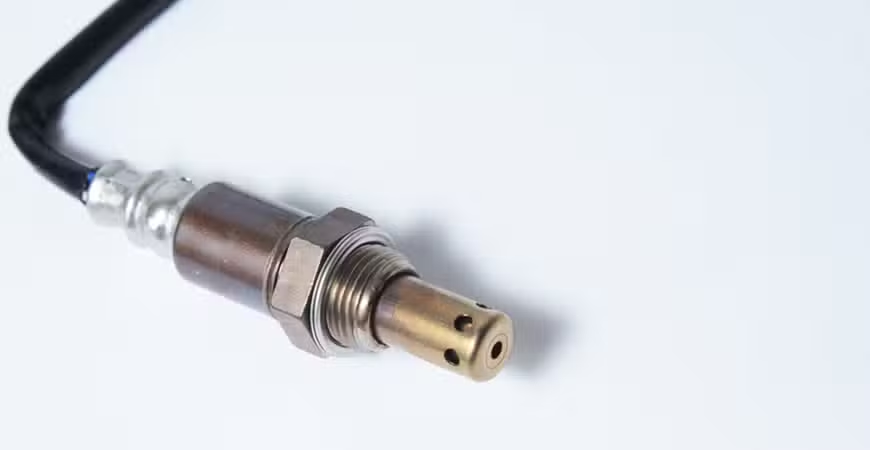
DART auto explains the role of oxygen sensors in Audi vehicles, what causes them to fail, and how to spot problems early. The shop serves Denver-area drivers and has over 20 years of experience with European vehicles.
- Oxygen sensors detect unburned oxygen in exhaust and help the vehicle's computer adjust the fuel mixture, which reduces emissions and improves gas mileage. Most vehicles have four sensors placed at key points in the exhaust system.
- Common causes of sensor failure include system contamination from leaking coolant or phosphorous buildup, poor-quality fuel, and skipping regular engine maintenance. A good rule is to replace sensors every 100,000 miles.
- Warning signs of a failing sensor include a check engine light, worse fuel economy, a rotten-egg smell, black smoke, or rough engine performance. Drivers noticing these signs should visit a qualified technician promptly.
An oxygen sensor in an Audi regulates the vehicle's emissions and helps keep the engine running smoothly. It is a key component designed with environmental protection in mind, monitoring exhaust gases to maintain the proper air-fuel mixture for efficient and clean engine performance.
Audis are sleek, innovative, and environmentally-conscious vehicles. One aspect of your Audi’s engine that’s specifically designed to help protect the environment is its oxygen sensors. Not only do these components regulate your Audi’s emissions, but they also ensure that your vehicle’s engine keeps running smoothly.
Because the oxygen sensors are so important, all Audi owners should know their function, what might damage them, and where to go for help if they malfunction or need replacement.
Understanding Oxygen Sensors
As the name suggests, an oxygen sensor detects how much unburned oxygen is in your vehicle’s exhaust. Most vehicles have 4 oxygen sensors at strategic points throughout their exhaust systems, but some may have more.
These sensors work together to inform the vehicle’s computer about the efficiency of the fuel being burned. If your Audi’s oxygen sensors detect too much or too little oxygen in the vehicle’s fuel, then they will relay this information to your vehicle’s computer, which will adjust the fuel mixture accordingly. This adjustment process both reduces your Audi’s emissions and improves its gas mileage.
Causes of Oxygen Sensor Failure
The oxygen sensor is a hardy engine part, but eventually it may begin to fail. Perhaps the most common cause of oxygen sensor failure is system contamination. Over time, your Audi’s oxygen sensors may be exposed to leaking coolant, phosphorous buildups, and other nasty foreign substances. These substances can gunk up the sensors, slowing their functioning or even preventing them from making readings.
The longer your vehicle stays in use, the greater the likelihood that its sensors will become contaminated. Therefore, if you’ve had your Audi for a long time, it may be at a higher risk for oxygen sensor failure. A good general guideline is to replace your vehicle’s oxygen sensors every 100,000 miles, sooner if they begin to show damage earlier.
Oxygen sensor failure may also result from owners putting poor-quality or unrecommended fuels in their vehicles. Therefore, you should know what type of fuel your Audi requires and always select that fuel when filling your vehicle’s fuel tank.
Additionally, neglecting to take your Audi in for regular engine maintenance can also lead to oxygen sensor failure, so you should be certain to develop a steady maintenance routine for your vehicle.
Symptoms of a Damaged Sensor
Typically, the first symptom of a failed oxygen sensor is the illumination of the vehicle’s check engine light. Because your Audi’s oxygen sensors are directly connected to its computer, their failure will nearly always cause the computer to turn on the check engine light. If your check engine light turns on and you can’t identify the reason why, you should bring your vehicle to a professional mechanic, as there is a significant chance that one or more of its oxygen sensors may have failed.
Another common symptom of oxygen sensor failure is worsening fuel economy. Again, oxygen sensors are directly responsible for managing your vehicle’s fuel economy, so if they begin to malfunction, your vehicle will likely begin burning through more fuel than normal.
This problem will usually be accompanied by a rotten-egg smell, and it might even cause your engine to produce black smoke. If you notice any of these symptoms, either alone or together, then there is a high probability that your Audi is experiencing oxygen sensor failure.
A final symptom that may indicate a malfunctioning oxygen sensor is poor engine performance. If your Audi’s engine is experiencing irregular running while idling, irregular stalling, hesitation, or power loss, then something is definitely wrong with it. Because your vehicle’s oxygen sensors are thoroughly integrated into its engine, the problem might lie with the oxygen sensors.
Regardless of which cause, if your vehicle’s engine begins to falter, you should bring it to an experienced technician who can help you diagnose and solve the problem.
DART AUTO Will Help
Oxygen sensors are complicated, finicky parts. So, if your Audi’s oxygen sensors are malfunctioning, you’ll want a top-notch mechanic to replace them.
At DART auto, our experienced technicians have provided excellent care to clients in Englewood, Littleton, Centennial, and Denver, CO for over 20 years. European vehicles are our passion, and we would love to help you keep yours working safely. Give us a call or stop by the shop today to set up an appointment and see why we are the best in the area.