Parking brake cables on VW Jettas can rust internally, causing the parking brake to fail to engage or disengage properly. Replacing them is a straightforward repair that restores full parking brake function.
The internal rusting of parking brake cables is a known issue on Volkswagen Jettas. This rust can prevent the parking brake from working correctly in either direction.
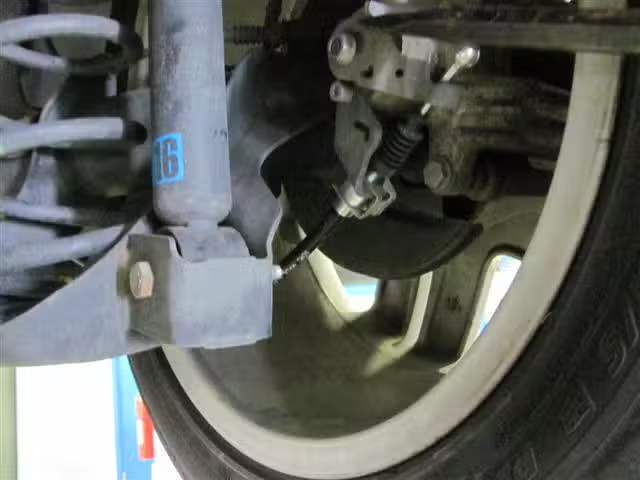
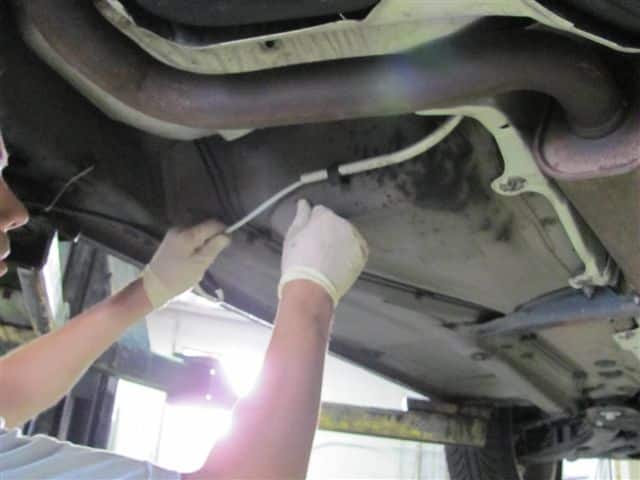
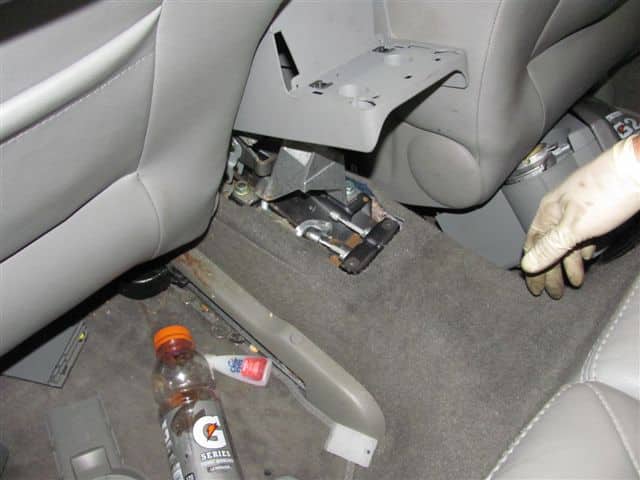
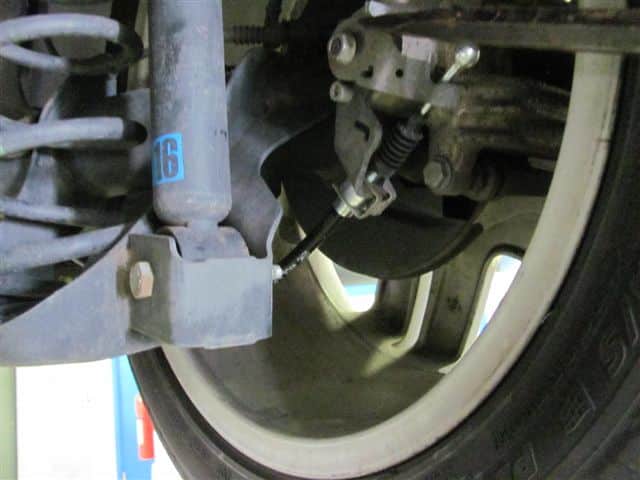
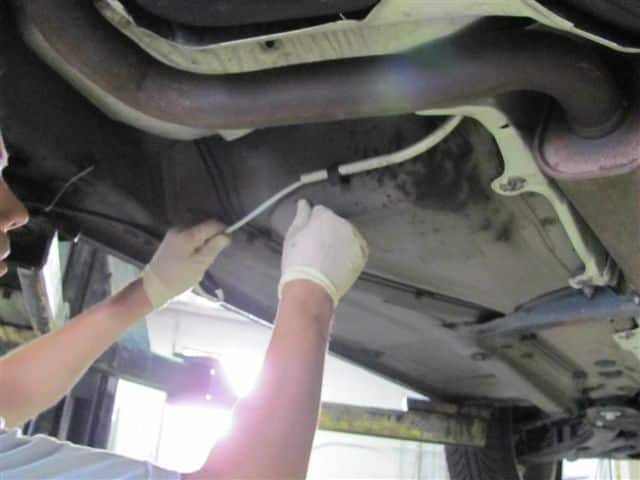
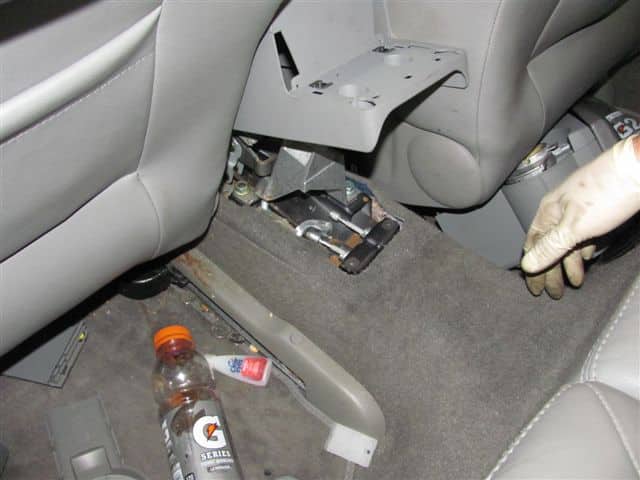
The repair involves removing some interior panels and detaching the cables from the parking brake assembly. The cables are then run under the body and connected to the rear brake calipers.
Once the new cables are installed and attached, the parking brake operates the way it should. This is a manageable Volkswagen repair job.
What causes Volkswagen Jetta parking brake cable failure?
The parking brake cables on VW Jettas can rust internally over time, causing the parking brake to either fail to engage properly or refuse to disengage. Replacing them involves removing interior panels, detaching the cables from the parking brake assembly, running new cables under the body, and attaching them to the rear brake calipers.
The Parking brake cables on these VW Jettas can rust internally. This can cause the parking brake not to engage properly or not to disengage, neither of which are good situations. This is a pretty straightforward Volkswagen repair. Some interior panels are removed and the cables are detached from the parking brake assembly. They are then run under the body and attached to the rear brake calipers. Now everything is working the way it should.
FAQs
The most common cause of parking brake cable failure on a VW Jetta is internal rusting. Over time, moisture gets inside the cable housing and causes corrosion, which can make the cable stick or break down.
The most obvious signs are a parking brake that won't fully engage or one that gets stuck and won't release. If your parking brake feels loose, unresponsive, or stays locked even after you release it, the cable is likely rusted or damaged.
This is a fairly straightforward repair for a trained mechanic. It involves removing some interior panels, disconnecting the cables from the parking brake assembly, and routing the new cables under the body to the rear brake calipers.
The parking brake cable connects to the parking brake assembly inside the cabin and then runs underneath the body of the vehicle. From there, it attaches to the rear brake calipers to apply braking force when the parking brake is engaged.
If the cable is stuck in the engaged position, driving the car can cause serious damage to the rear brakes and create a safety hazard. If the cable simply won't engage, the car has no way to stay stationary on a slope, which is also a safety concern.
The cost can vary depending on the model year and whether you go to a dealership or an independent shop. Parts are generally affordable, but labor costs will depend on how long the job takes at your local shop's hourly rate.
In some cases, a cable that is just beginning to show stiffness might benefit from lubrication, but a cable that has rusted internally is typically too far gone to be saved. Replacing the cable is the more reliable fix and helps avoid the problem coming back shortly after.
Published On: October 15, 2013Categories: Volkswagen