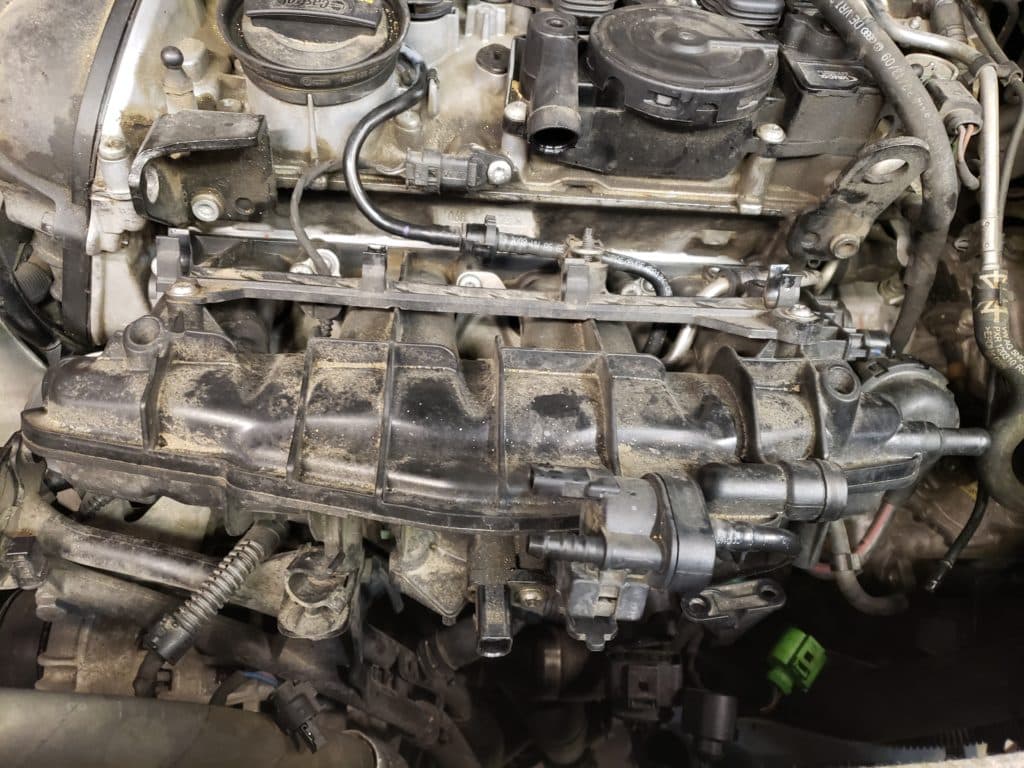
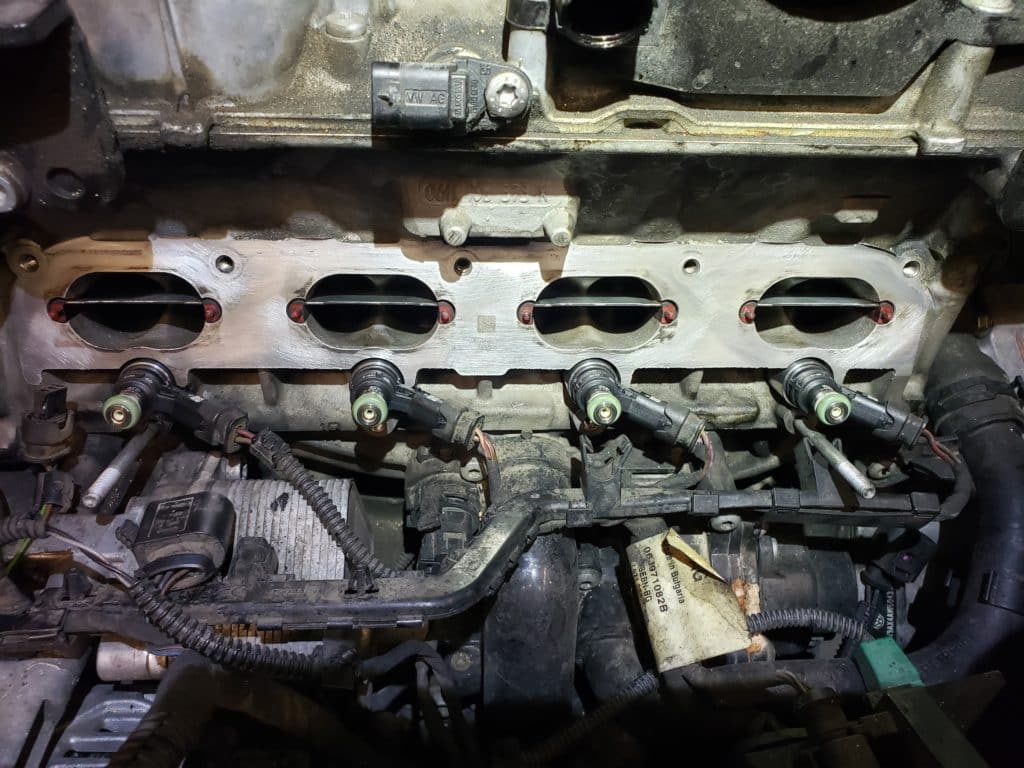
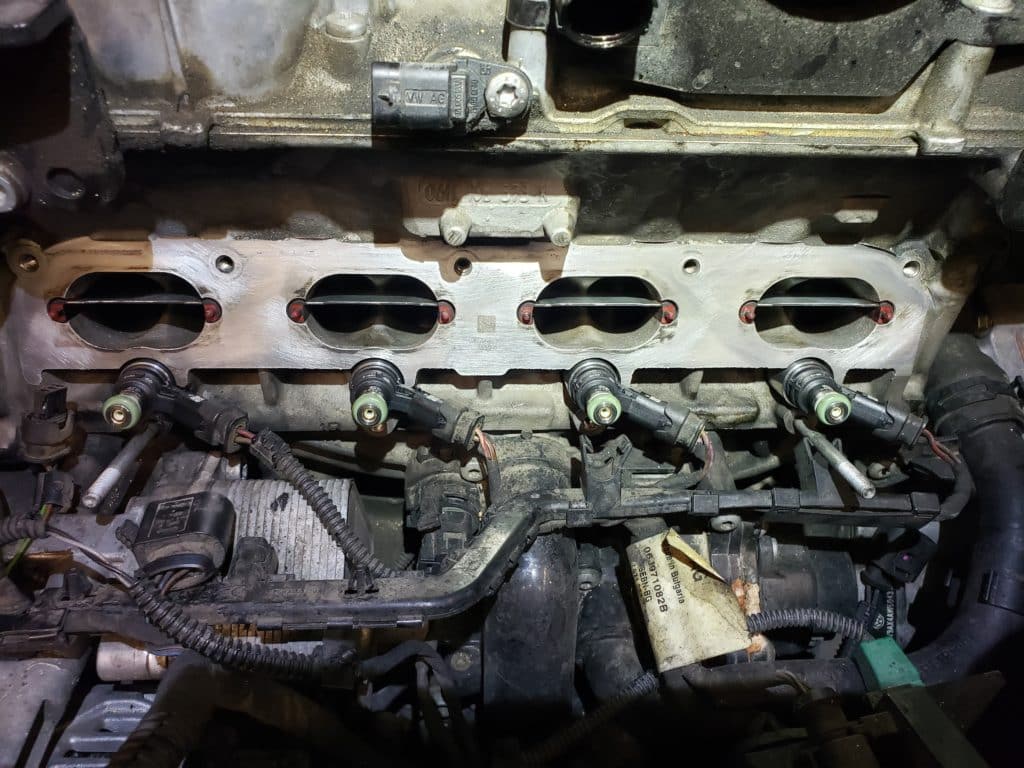
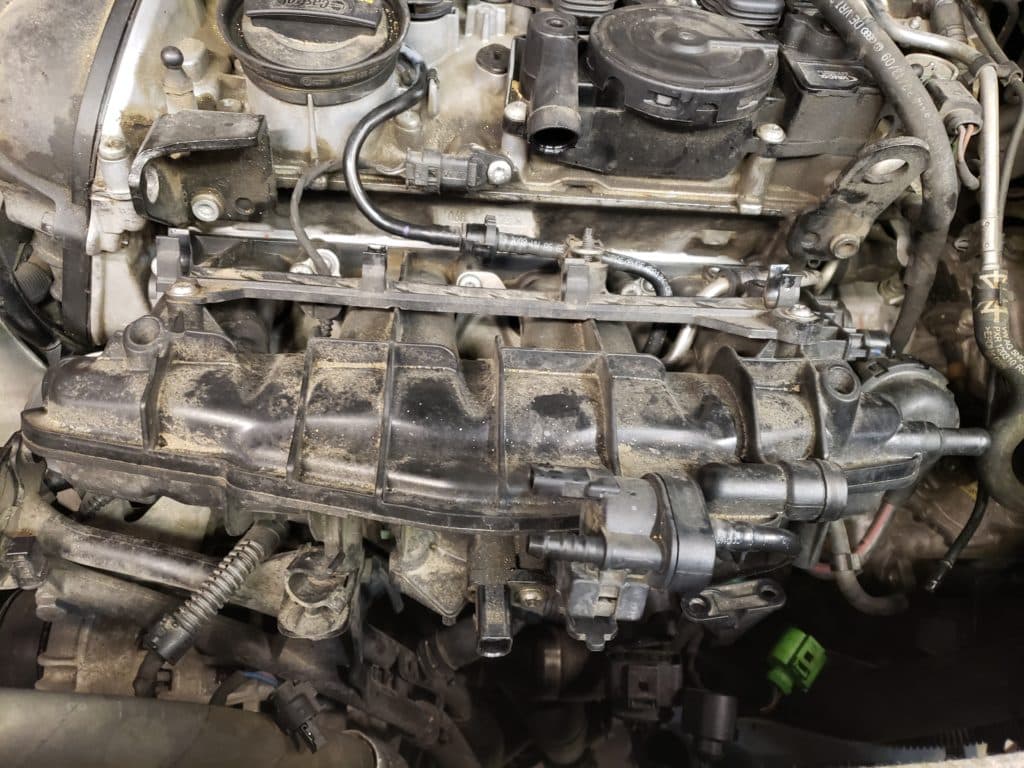
A 2010 Volkswagen Tiguan was brought in with a misfire fault caused by leaking fuel injectors, requiring intake manifold removal. The repair was combined with a carbon cleaning procedure to restore engine performance.
The fuel injectors were found to be leaking, which required removal of the intake manifold to complete the repair. This made the carbon cleaning procedure a practical addition to the service.
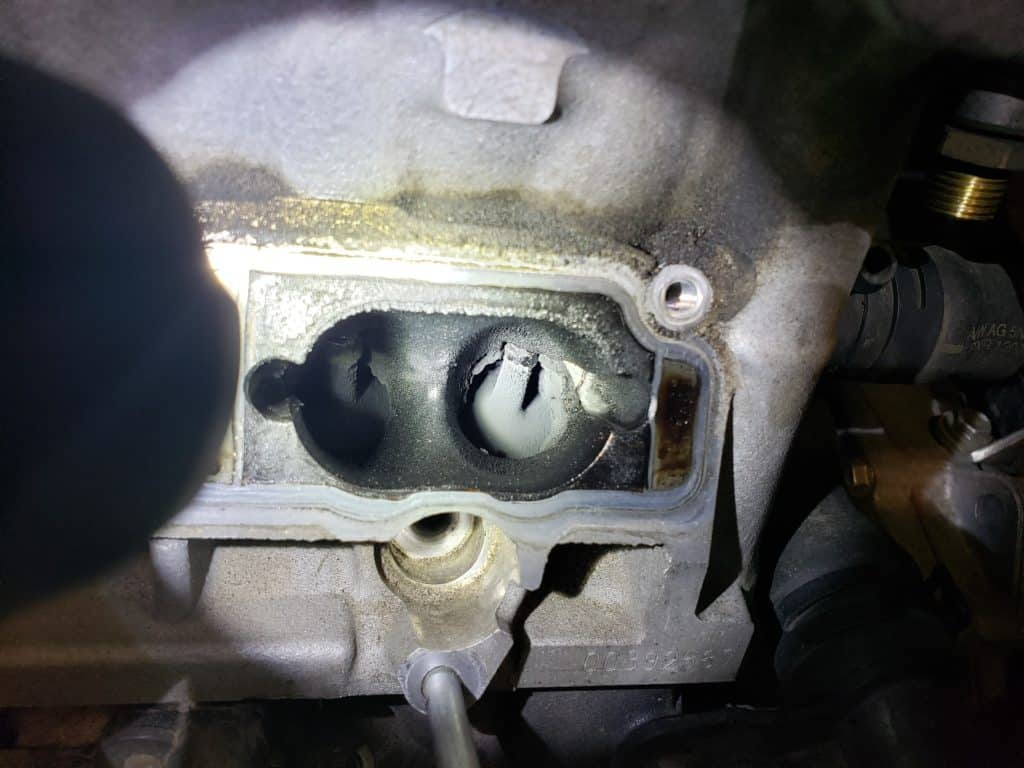
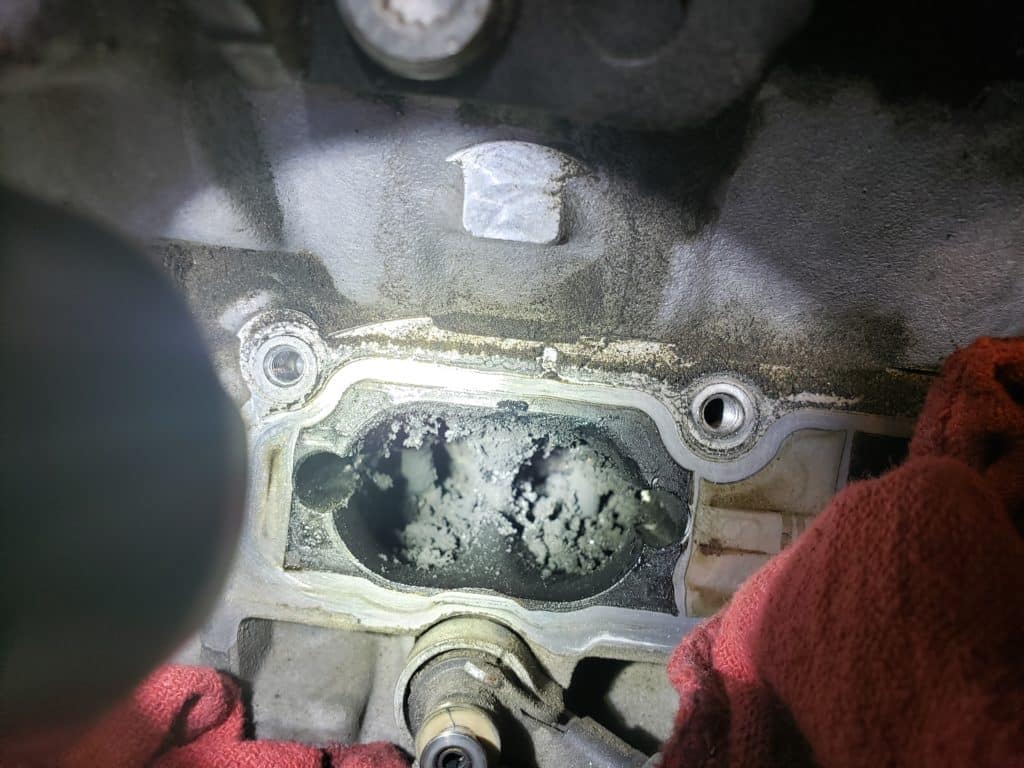
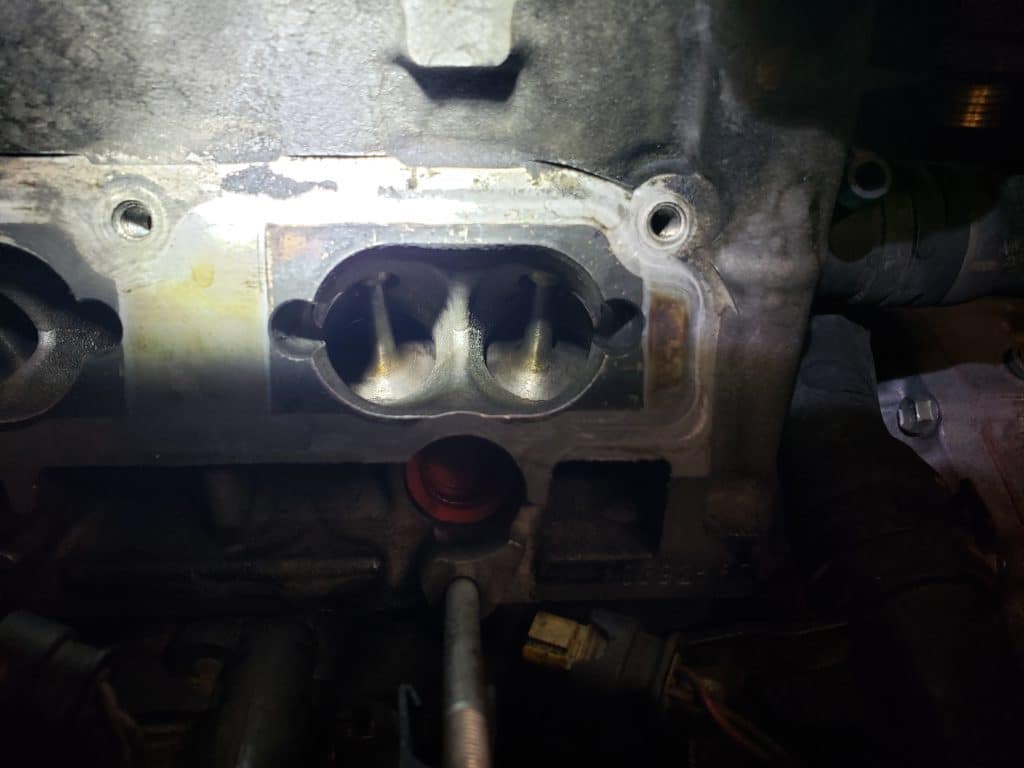
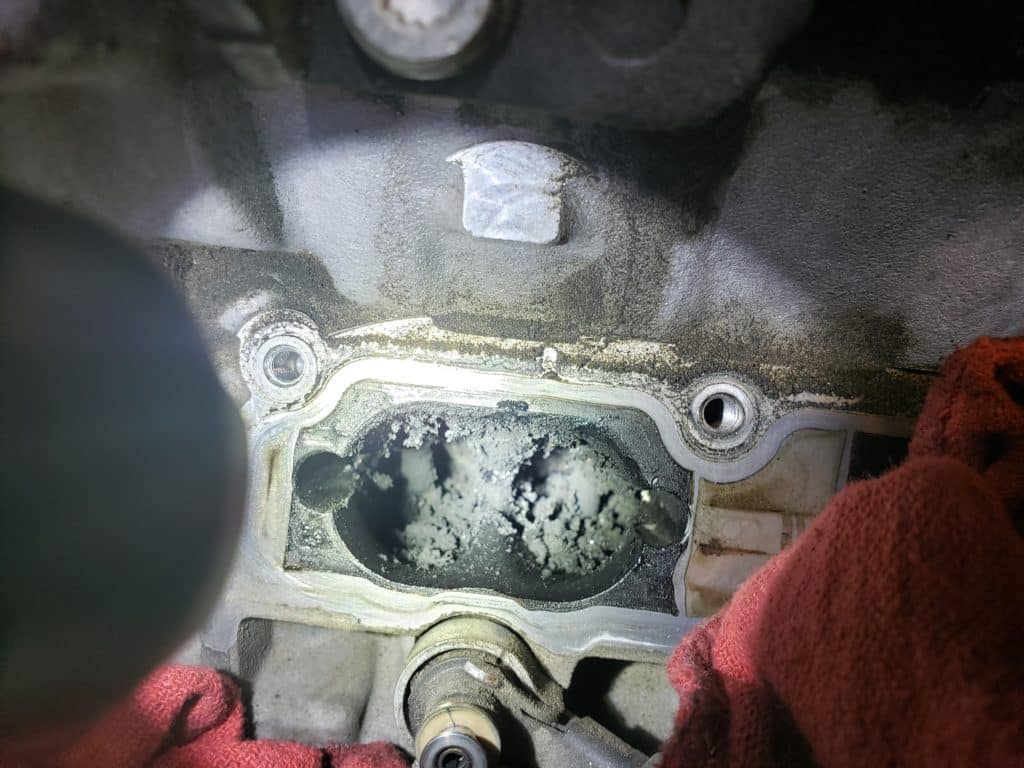
Carbon buildup was removed from the intake valves using a walnut abrasive blaster. The process first involves hand scraping the largest deposits before blasting with crushed walnut shells.
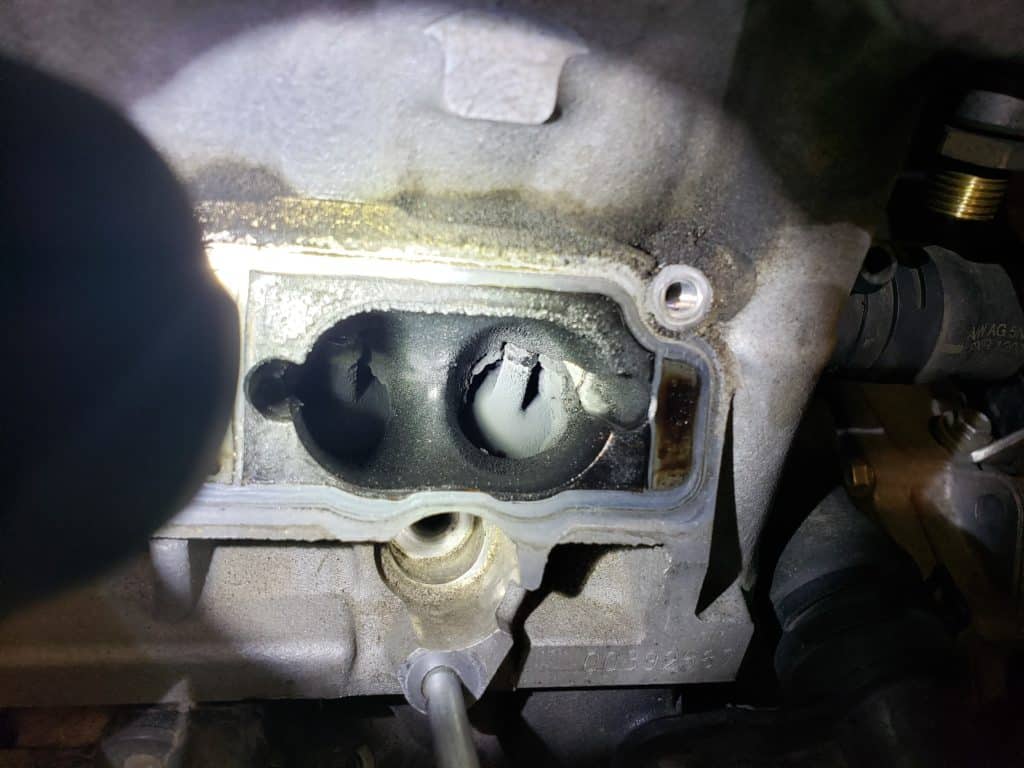
The walnut blasting method left the intake valves much cleaner, restoring the engine to its original level of performance.
What is a carbon cleaning procedure for a Volkswagen Tiguan?
A carbon cleaning procedure for a Volkswagen Tiguan involves removing the intake manifold and using a walnut abrasive blaster to clear carbon buildup from the intake valves. The carbon is first scraped by hand to remove large deposits, then blasted with crushed walnut shells, restoring the engine's original performance level.
This 2010 Tiguan came in for a misfire fault. It was determined that the fuel injectors were leaking which necessitates intake manifold removal. This was combined with a carbon cleaning procedure which uses a walnut abrasive blaster to remove carbon buildup from the intake valves, restoring the engine’s original level of performance. The carbon is first scraped by hand to remove the larges deposits, then blasted with crushed walnut shells resulting in a much cleaner intake valve.
FAQs
A carbon clean is a service that removes built-up carbon deposits from the intake valves of your Tiguan's engine. It typically involves scraping away large deposits by hand and then blasting the valves with crushed walnut shells to restore cleaner airflow and better engine performance.
Walnut blasting uses crushed walnut shells fired through a specialized tool to scrub carbon buildup off the intake valves. The shells are abrasive enough to remove stubborn deposits but gentle enough not to damage the valve surfaces, leaving them much cleaner than before.
The Tiguan uses a direct fuel injection system, which means fuel is sprayed directly into the cylinder rather than over the intake valves. Because fuel never washes over the valves, oil vapors from the crankcase ventilation system build up over time and bake onto the valve surfaces as carbon deposits.
Common signs include rough idling, misfires, reduced power, poor fuel economy, and hesitation during acceleration. If your Tiguan is throwing misfire fault codes, carbon buildup on the intake valves could be a contributing factor worth investigating.
Most mechanics recommend having a carbon clean performed every 40,000 to 60,000 miles on direct injection engines like those found in the Tiguan. However, if you notice performance issues or fault codes before that interval, it is worth having the valves inspected sooner.
Yes, heavy carbon deposits can restrict airflow into the cylinders and affect how well the engine runs, which can contribute to misfires. In some cases, other issues like leaking fuel injectors may also be present at the same time, making it a good idea to address both problems together when the intake manifold is already removed.
The cost can vary depending on your location and the shop you choose, but a walnut blasting carbon clean on a Tiguan typically ranges from around 300 to 600 dollars. If the service is being done alongside other repairs - like injector replacement - some of the labor costs may overlap, which can make it more cost-effective to combine the jobs.
Published On: February 19, 2019Categories: Volkswagen