
Why Does Your BMW Engine Overheat on the Roads of Denver?
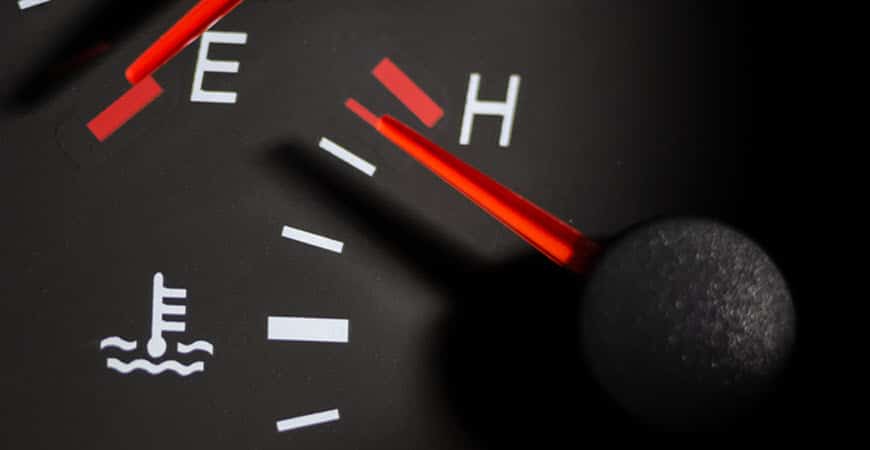
BMW engines can overheat when the cooling system fails, and drivers in Denver should watch for warning signs like high temperature readings, ticking sounds, and steam from the hood. Several common causes can lead to this problem, and addressing them early helps prevent serious damage.
- A BMW engine should stay under 400 degrees Fahrenheit. Warning signs of overheating include dashboard temperature spikes, ticking or thumping sounds, and steam rising from under the hood.
- Cooling system leaks, blocked coolant passages, a faulty water pump, or the wrong type of coolant are the most common causes of BMW engine overheating. Routine coolant changes can help prevent clogs from building up over time.
- Dart Auto serves drivers in Englewood, Littleton, Centennial, and Denver, CO. Their BOSCH-certified experts use factory-grade tools and back all repairs with a 3-year/36,000-mile warranty.
A BMW engine can overheat in Denver due to factors like a failing cooling system, low coolant levels, a broken thermostat, or a malfunctioning water pump. Denver's high altitude and temperature changes can also put extra strain on the engine, making it harder for the cooling system to regulate heat properly.
The engine is one of the most important components in any vehicle. Without the engine’s operation and subsequent transfer of its torque to the wheels, the vehicle cannot move. The engine utilizes gas in your car to produce mechanical power that controls the other parts of your car.
However, since the engine operates in extreme conditions, there is a cooling system in place responsible for cooling down the engine, thereby ensuring the optimal functioning of the engine. If the cooling system fails and the heat is not duly extracted from the engine compartment, the engine may overheat. When the engine overheats, your car will give off some of the following warning signs.
- A high reading of temperature on the thermometer: The optimal temperature of your BMW should be under 400 degrees Fahrenheit. Anything higher than that is a direct indication of an overheating engine. The thermometer warning indicator is located on the dashboard and should be checked constantly for an increase in temperature.
- Sound: Overheating engines usually make ticking and thumping sounds as you drive. This might be a result of faulty temperature sensors or burned out engine oil. When you notice a clicking or thumping sound from the engine of your BMW, call a BMW specialist to have it fixed.
- Hot hood and steam from underneath the hood: While it is normal for your hood to heat up due to the engine’s operation, a steaming hot hood is usually a sign of an overheating engine. You may also notice steam coming from underneath the hood when you park your car. When you notice the steam, turn the car off and call the attention of a BMW specialist to have it checked out.
Causes of overheating engines in BMW
The common causes of overheating engines in your BMW are:
Leakage of the cooling system
The cooling system of your BMW requires coolant to regulate the internal temperature of the engine. Unfortunately, the cooling system might become damaged through wear and tear or road impacts. When this happens, the coolant may escape from the cooling system, causing the system to fail and the consequent overheating of the engine.
Blocked cooling system
Over time, as you drive your BMW, the coolant becomes exposed to specks of dirt, debris, and sludge. This clogs the coolant system and affects the coolant circulation within the system, thereby hindering the effective cooling of the engine compartment. When the heat is not efficiently extracted from the engine, the engine overheats and causes your vehicle to break down. The routine change of the coolant will go a long way in preventing the clog up of the coolant system.
Faulty water pump
The water pump is an integral part of the cooling system. It helps ensure the coolant circulation from the radiator through the coolant system into the engine and back around to the radiator. The main aim is to create an optimal operating temperature for the engine and prevent the engine from overheating.
The failure of the water pump consequently causes the engine to overheat since water flow to the engine has stopped. Failure of the water pump is usually caused by natural wear and tear. An overheating engine can also damage the pump causing it to fail.
The wrong type of coolant
The owner’s manual that accompanies your BMW when you purchase it contains all the specific recommendations that your car needs to function optimally. One of those recommendations is the type of coolant your vehicle needs. Using the wrong type of coolant might cause your cooling system to fail and consequent failure of your engine.
While your mechanic can also recommend an alternative. The primary element to look out for is the viscosity and whether the coolant is dense enough. Otherwise, your engine may overheat.
Trust Dart Auto For Your European Auto Repairs
If you live around Englewood, Littleton,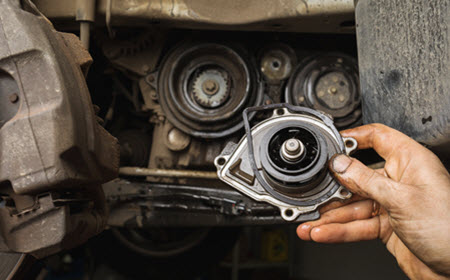 Centennial, and Denver, CO, Dart Auto is the auto repair shop for your BMW. At Dart Auto, one of our goals is to ensure that European cars are fixed right and according to the manufacturer’s specifications. Our experts are BOSCH certified and offer high-quality and affordable repairs and maintenance services.
We utilize only state-of-the-art factory-grade tools to repair any fault, no matter how minor or severe. Even more, we offer a 3-year/36,000-mile warranty on all repairs. Please call or stop by our shop today to book your next service appointment.