
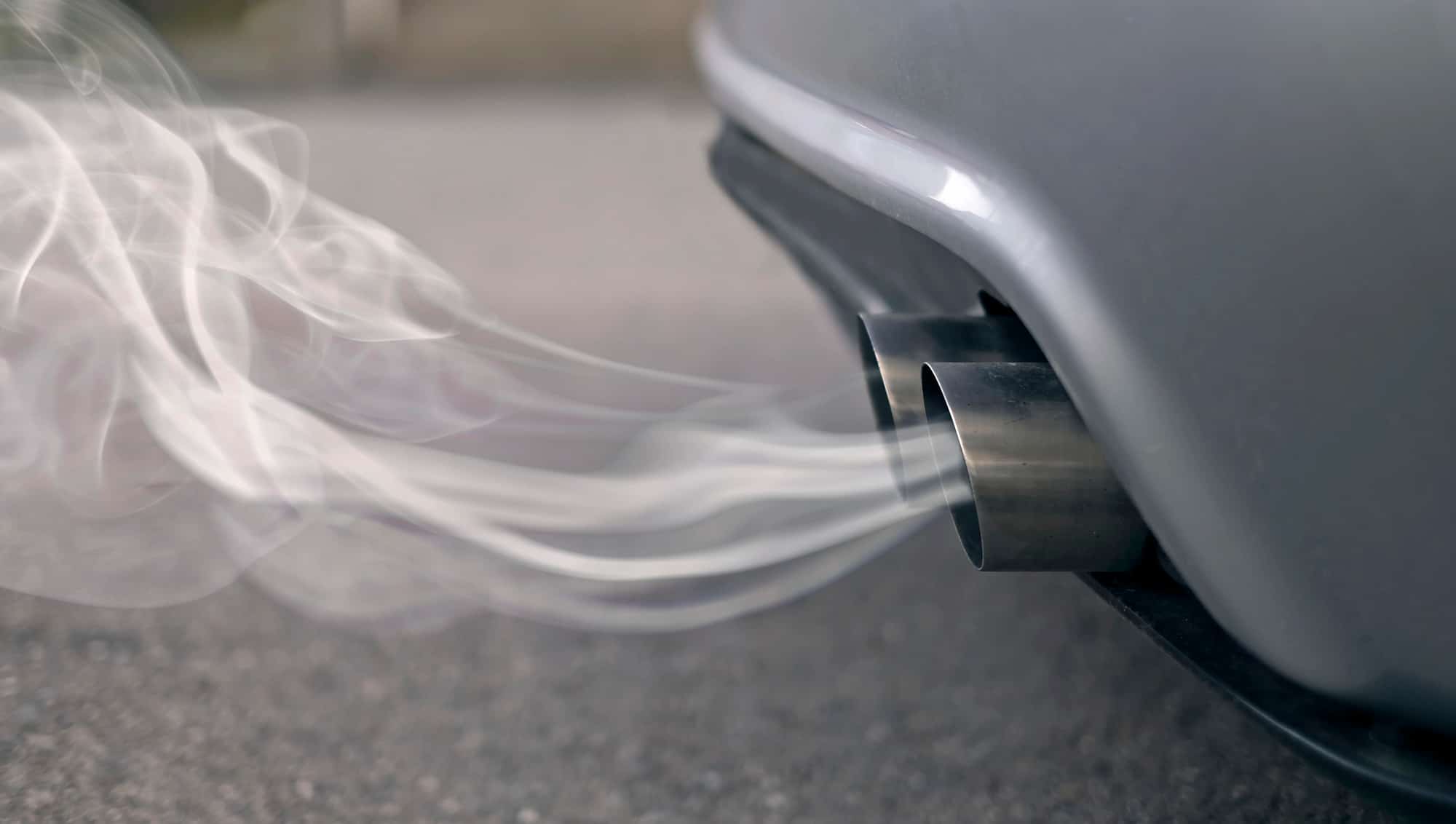
Land Rover Exhaust & Catalytic Converter Repair at DART Auto
You're hearing a raspy rumble from under your Discovery or Range Rover that wasn't there last week, or the check-engine light just came on with a catalyst efficiency code. Land Rover exhaust systems are engineered for performance, emissions compliance, and acoustic refinement – and they're under constant assault from Colorado winters, short-trip driving, and the thermal cycling that comes with turbocharged engines. When a catalytic converter fails or an exhaust manifold cracks on your Land Rover, you need more than a muffler shop with a welder. You need a facility that understands JLR architecture, has factory-level diagnostics, and stocks the correct OEM or premium aftermarket components.
DART Auto has specialized in European vehicles since 2000, and our master technicians know the difference between a P0420 code caused by a genuinely failed catalyst and one triggered by upstream oxygen sensor drift on LR4 or Range Rover Sport models. We use OEM repair procedures, factory torque specifications, and the diagnostic software to clear adaptive values after catalyst replacement – steps that generic shops routinely skip. Our salaried technicians take the time to inspect heat shields, hangers, and flex joints during every exhaust repair, because rushing this work leads to rattles, leaks, and comebacks.
What you can expect when you bring your Land Rover to DART Auto:
- Complete visual and electronic inspection of the entire exhaust system, from manifolds to tailpipes
- Factory-grade diagnostics to confirm catalyst efficiency, oxygen sensor response, and fuel trim data
- OEM or premium aftermarket catalytic converters that meet EPA and Colorado emissions standards
- 3-year/36,000-mile warranty on parts and labor – because we fix it right the first time
Common Exhaust & Catalytic Converter Repair Issues on Land Rover Vehicles
If you're driving a Land Rover and notice a rattling under the vehicle, reduced power, or that dreaded check-engine light, you're likely dealing with exhaust or catalytic converter trouble. These systems take a beating in Colorado's altitude and temperature swings, and Land Rover's sophisticated emissions architecture makes certain failure patterns predictable.
- Catalytic converter substrate failure on 2010–2016 Range Rover Sport (L494) and Discovery 4 (L319) with the 5.0L supercharged V8: The ceramic honeycomb inside the cats breaks apart due to thermal cycling and rich fuel mixtures during cold starts at altitude. You'll hear a rattling on deceleration, and the fragments can migrate downstream, damaging oxygen sensors and mufflers.
- Cracked exhaust manifolds on 2006–2013 Range Rover Sport and LR3/LR4 with the 4.4L Jaguar-derived V8 (AJ-V8): The cast-iron manifolds develop hairline cracks near the collector, especially cylinder 5–8 side. This creates an exhaust leak that triggers lean codes, rough idle, and a ticking sound that grows louder as the engine warms.
- Oxygen sensor failure on 2013–2019 Range Rover Evoque and Discovery Sport (L538/L550) with the 2.0L Ingenium turbo: The downstream O2 sensors fail prematurely due to oil contamination from the turbo seals and prolonged exposure to unburned fuel during DPF regeneration cycles. Expect P0420/P0430 catalyst efficiency codes and poor fuel economy.
- Flex-pipe fatigue on 2003–2012 Range Rover (L322) with the 4.4L V8: The stainless flex section between the manifold and catalytic converter cracks from engine movement and thermal stress, creating a loud exhaust leak and failed emissions tests.
- Heat shield corrosion and detachment across all models: Road salt and moisture cause the thin sheet-metal heat shields to rust through their mounting tabs. The shields rattle against the exhaust or fall onto the driveline, sometimes wrapping around the driveshaft.
- Catalytic converter theft on 2006–2013 Range Rover Sport and LR3/LR4: These vehicles sit high enough that thieves can slide underneath without a jack. The OEM cats contain high precious-metal content and are cut out in under three minutes, leaving you with a deafening roar and no way to drive legally.
Why Choose DART Auto for Land Rover Exhaust & Catalytic Converter Repair
If your Discovery, Range Rover, or Defender is throwing a check-engine light for catalyst efficiency or you're hearing rattles from under the vehicle, you're likely dealing with an exhaust or catalytic converter issue that requires Land Rover-specific diagnosis. Generic muffler shops often lack the factory scan tools to read Jaguar Land Rover (JLR) module data or the technical service bulletins that explain platform-specific catalyst monitor strategies on the AJ-V8, Ingenium, or supercharged engines.
DART Auto uses the same OEM diagnostic software and repair procedures that dealerships rely on, but without the dealer markup. Our technicians are salaried – not flat-rate – so they take the time to verify whether you're facing a failed catalyst substrate, an upstream oxygen sensor fault, or an exhaust leak that's skewing sensor readings. We've seen early L320 Range Rover Sports with catalyst monitor faults traced to air-injection system failures, and late-model L405s where software calibration updates resolved nuisance codes. Before recommending a high-dollar converter replacement, we perform a complete exhaust-system inspection, pressure-test for leaks, and review freeze-frame data to confirm the root cause. Every repair is backed by our 3-year/36,000-mile parts-and-labor warranty, and we use OEM or premium aftermarket catalytic converters that meet federal and Colorado emissions standards.
Symptoms – How to Know You Need This Service
Land Rover exhaust and catalyst problems announce themselves in ways you'll notice during your daily commute or weekend adventure. Here's what to watch for:
- Check-engine light with P0420/P0430 codes – catalyst efficiency below threshold, common on higher-mileage LR3, LR4, and Range Rover Sport models
- Rattling or hissing from underneath – often a cracked exhaust manifold on supercharged 5.0L V8 engines or broken catalyst substrate
- Sulfur or rotten-egg smell – indicates a failing catalytic converter that's no longer processing emissions properly
- Noticeably louder exhaust note – especially on cold starts, suggesting a leak at the manifold gasket or flex joint
- Loss of power or hesitation under load – a clogged catalyst restricts flow and chokes engine performance
- Visible rust or corrosion on exhaust components – Colorado road salt accelerates deterioration of heat shields and hangers
- Failed emissions test – elevated HC, CO, or NOx readings point directly to catalyst or oxygen sensor issues
If you're smelling exhaust inside the cabin or seeing visible smoke, stop driving and have the vehicle towed. A severe exhaust leak can introduce carbon monoxide into the passenger compartment. For rattles, codes, or performance loss, schedule an inspection soon – delaying catalyst replacement can damage oxygen sensors and increase repair costs.
Which Land Rover Models We See for Exhaust & Catalytic Converter Repair
DART Auto services the full range of modern Land Rover platforms, with particular expertise in the models Colorado owners drive daily. We see exhaust and catalyst work most frequently on:
- Range Rover (L322, 2003–2012; L405, 2013–2021) – supercharged 5.0L V8 models prone to manifold cracks and downstream catalyst failure
- Range Rover Sport (L320, 2006–2013; L494, 2014–2023) – both naturally aspirated and supercharged V8s, common catalyst efficiency codes after 80k miles
- LR3 and LR4 (Discovery 3/4, 2005–2016) – 4.4L Jaguar AJ-V8 and 5.0L engines, frequent exhaust manifold gasket leaks and catalyst degradation
- Discovery Sport (L550, 2015–present) – 2.0L Ingenium turbo-four, occasional turbo-to-downpipe gasket leaks
- Range Rover Evoque (L538, 2012–2018; L551, 2020–present) – transverse-mounted engines with tight exhaust routing, requires careful heat shield reinstallation
- Defender (L663, 2020–present) – newer platform with mild-hybrid systems, we handle catalyst and oxygen sensor diagnostics using JLR factory tooling
We also service older Discovery Series II and Range Rover Classic models when exhaust work is needed, though parts availability can vary. Our focus remains on 2003-forward platforms where we maintain deep diagnostic capability and OEM repair data.
Causes & Risks – What Happens if Ignored
Exhaust and catalytic converter problems on Land Rovers stem from a combination of high-altitude lean combustion, short-trip driving that never fully warms the catalysts, and the brand's reliance on complex emissions hardware to meet stringent standards. Colorado's freeze-thaw cycles accelerate corrosion on flanges and hangers, while the thin air at elevation stresses oxygen sensors and lambda control loops. Land Rover's supercharged and turbocharged engines run rich during cold starts and under boost, which floods the cats with unburned fuel and shortens their lifespan.
When you ignore the early warning signs, the damage compounds quickly:
- A rattling catalytic converter that isn't replaced will shed ceramic debris into the muffler and tailpipe, clogging the entire exhaust path and causing severe backpressure. Within a few hundred miles, you'll experience power loss, overheating, and potential turbocharger damage as exhaust gases can't escape.
- A cracked exhaust manifold allows oxygen to enter the exhaust stream ahead of the O2 sensors, confusing the engine control module into leaning out the fuel mixture. This triggers misfires, damages the remaining catalytic converters, and can warp cylinder heads if the leak is severe enough to alter combustion-chamber temperatures.
- Failed oxygen sensors that aren't addressed will force the ECU into open-loop mode, where it guesses at fuel delivery instead of measuring it. Fuel economy drops by 15–25 percent, and the cats get flooded with raw fuel during every cold start, accelerating their internal breakdown.
- Driving with a detached heat shield risks a fire if the shield contacts the catalytic converter (which glows red-hot under load) or wraps around the driveshaft, locking the rear wheels and causing a loss of control.
- Delaying replacement of a stolen catalytic converter means driving illegally and risking citation, plus the unfiltered exhaust note will draw attention from law enforcement and neighbors. More importantly, the missing backpressure can damage valve seats and turbos designed to operate against a specific exhaust restriction.
Safety Impact – Why Exhaust & Catalytic Converter Repair Matters
A compromised exhaust system on a Land Rover isn't just an emissions concern. Exhaust leaks upstream of the catalytic converters allow carbon monoxide to seep into the cabin through the HVAC fresh-air intake, especially when idling in traffic or sitting in a closed garage. CO is odorless and causes headaches, dizziness, and unconsciousness before you realize you're in danger. Families with children or pets in the rear seats are at higher risk because the gas settles low.
Backpressure from a clogged catalyst or collapsed muffler robs the engine of power exactly when you need it most: merging onto I-70, climbing mountain passes, or accelerating out of danger. The vehicle will hesitate, overheat, and in extreme cases enter limp mode, leaving you stranded in traffic. On turbocharged Ingenium engines, excessive backpressure can overspeed the turbo or crack the exhaust housing, turning a catalyst issue into a multi-component failure.
When to stop driving immediately:
- You smell exhaust fumes inside the cabin with the windows up
- The vehicle enters limp mode or loses significant power on the highway
- You hear loud metallic dragging from underneath – a detached component may contact the driveline
- The exhaust note suddenly becomes deafening, indicating a complete system failure or theft
Schedule service soon if:
- Check-engine light is on with catalyst-efficiency or oxygen-sensor codes
- You hear rattling on deceleration or over bumps
- Fuel economy has dropped noticeably without a change in driving habits
How Land Rover Exhaust & Catalytic Converter Repair Actually Works
Land Rover's exhaust systems are engineered around tight emissions targets and the need to protect sensitive electronics from heat. On most 2010-and-newer models, you'll find close-coupled catalytic converters mounted directly to the exhaust manifolds to reach operating temperature quickly, plus secondary cats further downstream for final cleanup. The oxygen sensors – typically four or more on V6 and V8 engines – feed real-time data to the engine control module, which adjusts fuel delivery in milliseconds. Turbocharged Ingenium engines add another layer: the turbo sits between the manifold and the first cat, so backpressure anywhere downstream directly affects boost control and oil sealing.
What makes Land Rover exhaust work different from a typical repair:
- OEM catalyst coding: On 2013-and-newer vehicles, replacement catalytic converters must be programmed into the ECU using factory diagnostic software (IDS/SDD). The module stores catalyst serial numbers and monitors degradation over time; generic cats without proper coding will trigger persistent fault codes.
- Torque-to-yield fasteners: Exhaust manifold studs and some flange bolts are single-use and must be replaced during service. Reusing them risks leaks and stud breakage, which turns a straightforward job into an extraction nightmare.
- Heat-shield reinstallation: Land Rover specifies exact clearances between shields and exhaust components to prevent resonance and protect fuel lines. Generic clamps don't maintain these tolerances, leading to rattles and potential fire hazards.
- Post-repair drive cycle: After catalyst or O2 sensor replacement, the vehicle must complete a specific drive cycle – combining idle, steady cruise, and wide-open throttle – before the readiness monitors set and the system passes emissions testing. Skipping this step leaves the check-engine light on
How We Diagnose Exhaust & Catalytic Converter Repair Issues on Land Rover
When you notice a rattle under your Land Rover, smell sulfur at idle, or see the check-engine light glowing, you're likely facing an exhaust or catalyst issue. Our diagnostic process starts with understanding what you're experiencing behind the wheel, then moves quickly to pinpoint the root cause.
- Initial scan with Land Rover-compatible tooling. We use factory-level diagnostic equipment that reads live oxygen sensor data, catalyst efficiency monitors, and exhaust gas temperature readings across all banks. On LR3/LR4 and Range Rover Sport models with the AJ-V8, we pay close attention to bank-specific misfires that can poison catalysts prematurely.
- Visual and tactile inspection. We lift the vehicle and examine heat shields, hangers, flex joints, and weld seams. Discovery 3/4 platforms are notorious for corroded mid-pipe connections near the transfer case; we check those junctions for leaks and structural integrity.
- Backpressure and flow testing. Using a manometer at the oxygen sensor ports, we measure exhaust restriction. Clogged catalysts on the 5.0L supercharged V8 can choke power and trigger limp mode long before the catalyst monitor flags a code.
- Road test under load. We replicate your driving conditions – highway merge, hill climb, cold start – and monitor real-time sensor voltages to confirm whether the catalyst is converting efficiently or if an upstream air/fuel issue is damaging it.
- Detailed report and repair plan. You receive photos, scan data, and a clear explanation of what failed, why it failed, and what we recommend. If a leaking manifold gasket is killing your catalyst, we address both rather than replacing the converter alone and watching it fail again in six months.
This methodical approach means you're not guessing – you're moving forward with a repair plan that solves the problem at its source.
Exhaust & Catalytic Converter Repair on Land Rover: Repair vs. Replacement
Not every exhaust issue requires a full system overhaul. The right path depends on what's actually broken and how much service life remains in the surrounding components.
When True Repair Makes Sense
- Loose or broken heat shields. These rattle but don't affect function. We re-secure or replace the shield without touching the exhaust itself.
- Failed hangers or isolators. Rubber mounts wear out on every Land Rover, especially on vehicles that see trail use. Fresh hangers restore proper alignment and eliminate vibration.
- Small pinhole leaks in non-structural sections. If corrosion is localized and the pipe has wall thickness remaining, a weld repair can buy time until a planned replacement.
When Partial Replacement Is the Right Call
- Failed flex joint on the downpipe. Common on Range Rover L322 and Sport models. The flex absorbs engine movement; when it cracks, we replace the section rather than the entire front pipe assembly.
- Single failed catalyst on a V8. If one bank's converter is clogged but the other is healthy, we replace the affected side and preserve the good hardware.
When Full Replacement Is Necessary
- Widespread corrosion. Colorado's salt and moisture corrode exhaust from the inside out. When rust has compromised structural integrity across multiple sections, piecemeal repairs become unsafe and cost-ineffective.
- Catalyst substrate collapse. Once the ceramic honeycomb inside a converter breaks apart, there's no repair – only replacement with an OEM-spec unit that meets emissions standards.
We walk you through the trade-offs and recommend the option that balances safety, longevity, and cost. You decide; we execute.
How to Make Your Land Rover Exhaust & Catalytic Converter Repair Last Longer
Once we've restored your exhaust system, a few mindful habits will protect your investment and delay the next repair cycle.
Driving Habits That Protect the System
- Let the engine reach operating temperature before heavy throttle. Cold cats don't convert efficiently; unburned fuel can overheat and damage the substrate. A two-minute warm-up on cold mornings makes a measurable difference.
- Avoid prolonged idling. Sitting at idle for extended periods – especially with a rich fuel trim from a pending misfire – can cook catalysts prematurely.
- Address misfires immediately. Unburned fuel entering the exhaust will melt catalyst substrates. If the engine stumbles or the check-engine light blinks, stop driving and have it diagnosed.
Maintenance You Can Monitor
- Listen for new sounds. A rattle that wasn't there last week often signals a loose heat shield or broken catalyst substrate. Catching it early prevents collateral damage.
- Watch for warning lights. Catalyst efficiency codes don't always mean the converter is bad – sometimes it's a failing oxygen sensor or vacuum leak. Have it scanned rather than guessing.
- Keep up with scheduled oil changes using Land Rover-spec oil. Oil consumption issues on the 5.0L engines can foul plugs and poison catalysts. Clean combustion starts with fresh, correct-spec lubricant.
What to Leave to the Professionals
Exhaust work involves high-temperature fasteners, emissions compliance, and safety-critical joints. Catalytic converters must meet federal and state standards; aftermarket units that don't can trigger codes and fail inspection. We use OEM or premium aftermarket converters that match original specifications, and we have the tooling to remove seized hardware without damaging surrounding components. Attempting exhaust repairs at home often leads to broken studs, misaligned pipes, and exhaust leaks that cost more to fix than the original job would have.
What to Expect When You Bring Your Land Rover In
When you schedule your appointment, let us know if you're experiencing symptoms like reduced power, sulfur smell, rattling exhaust noise, or persistent check-engine lights. Here's how we handle your visit:
- Drop-off and intake. We'll ask about recent driving conditions, when the light appeared, and whether you've noticed performance changes. If you need a loaner vehicle or shuttle service, arrange that when you book.
- Comprehensive scan and inspection. We pull all diagnostic trouble codes, review live oxygen-sensor data, and perform a visual inspection of the entire exhaust system from manifolds to tailpipes. We check for heat discoloration, physical damage, and mounting-hardware corrosion common on Land Rovers driven in Colorado winters.
- Written estimate and consultation. Before any work begins, you'll receive a detailed estimate explaining which components need replacement, why the failure occurred, and what happens if you delay the repair. We'll discuss OEM versus high-quality aftermarket options and help you make an informed decision.
- Repair and post-repair verification. Once approved, we replace faulty catalytic converters, oxygen sensors, or exhaust sections using factory torque specifications and gasket kits. After installation, we clear codes, complete a full drive cycle to verify catalyst monitor readiness, and road-test the vehicle to confirm normal operation.
- Pickup walkthrough. At pickup, we'll show you the old parts, explain what we found, and review the warranty coverage. If a check-engine light reappears or you notice unusual sounds, call us immediately – we stand behind every repair.
Our Land Rover Services
- Air Conditioning AC Repair
- Battery Repair Replacement
- Brake Repair & Brake Fluid Change
- Check Engine Light Diagnostics
- Clutch Repair & Replacement
- Coolant Leak Repair
- Cooling System Repair
- Drive Shaft Repair
- Engine Repair
- Head Gasket Repair & Replacement
- Oil Change
- Oil Leak Repair
- Scheduled Service Maintenance
- Steering Repair
- Suspension Repair
- Cambelt Timing Belt Replacement
- Transmission Repair
- Tune Up
- Wheel Alignment