
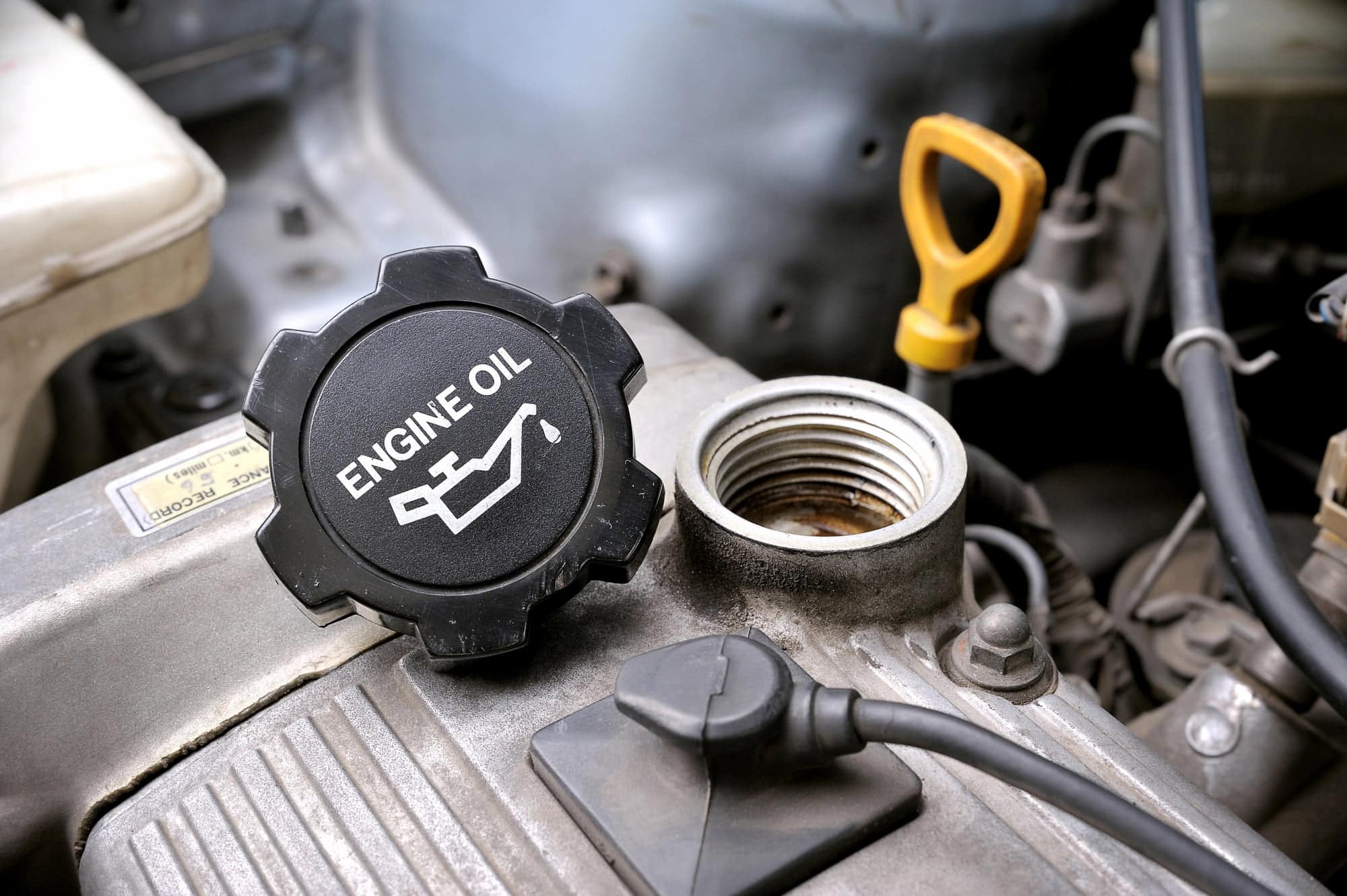
Fiat Oil Change at DART Auto
Your Fiat wasn't designed to run on generic 5W-30 and a filter from the corner store. These Italian-engineered machines demand precise fluid specifications and service intervals that reflect their high-revving MultiAir engines and turbocharged powerplants. A proper oil change on a Fiat means understanding the difference between the 1.4L MultiAir II turbo in your 500 Abarth and the naturally aspirated 1.4L in the base model – each requires distinct oil grades, filter designs, and drain plug torque values. DART Auto brings factory-level precision to every Fiat oil service, using the exact specifications Fiat Chrysler Automobiles engineering intended.
Our technicians reference OEM service procedures for each specific Fiat platform, accounting for the oil capacity differences between the 312-chassis 500 variants and the 330-chassis 124 Spider. We use the correct Mopar-spec filters and drain plug washers, preventing the common under-hood leaks that plague Fiats serviced at quick-lube facilities unfamiliar with the aluminum oil pans and plastic undertray configurations these vehicles use. The MultiAir electrohydraulic valve actuation system is particularly sensitive to oil quality and viscosity – using the wrong spec can trigger limp mode or valve timing faults within a few thousand miles.
When you bring your Fiat to DART Auto for an oil change, expect:
- Correct Selenia or Pennzoil Platinum Euro oil meeting FCA 9.55535 specifications for turbocharged models
- OEM or premium Mopar-equivalent filters with proper bypass valve ratings
- Digital service record reset using factory-compatible diagnostic tools
- Complimentary multi-point inspection covering common Fiat wear points – valve cover seals, oil cooler lines, and undertray fasteners
Common Oil Change Issues on Fiat Vehicles
Fiat owners typically schedule an oil change expecting routine maintenance, then discover complications unique to Italian engineering. The shop addresses these patterns daily, moving quickly from diagnosis to resolution.
- MultiAir valve-lift system oil starvation (2012–2019 500, 500L, 500X with 1.4L) – The electrohydraulic MultiAir system relies on pressurized engine oil to actuate intake valves. Extended oil-change intervals or low-quality oil cause solenoid failures, rough idle, and Check Engine lights. OEM interval is 10,000 miles; most technicians recommend 5,000–6,000 miles to preserve solenoid life.
- Oil-filter housing gasket leaks (2014–2020 500X, Renegade 2.4L Tigershark) – The plastic cartridge-style filter housing develops seepage at the o-ring, pooling oil on the subframe. Left unchecked, drips escalate to steady leaks that soil driveways and trigger low-oil warnings.
- Timing-belt contamination from leaking cam seals (2012–2019 500 1.4L) – Front crankshaft and camshaft seals weep oil onto the timing belt. Oil-soaked belts slip or disintegrate prematurely, risking valve-piston contact on this interference engine.
- Turbocharger oil-feed line coking (2012–2019 500 Abarth 1.4L MultiAir Turbo) – Hard driving followed by immediate shutdown bakes oil inside the turbo feed and return lines. Coking restricts flow, starving the turbo bearings and causing catastrophic failure.
- Oil-pan gasket seepage on high-mileage TwinAir engines (2012–2019 500 0.9L TwinAir) – The two-cylinder TwinAir uses a composite oil-pan gasket prone to shrinkage. Leaks appear around 60,000–80,000 miles, accelerated by heat cycling in stop-and-go traffic.
- Oil-pressure sensor false alarms (2012–2020 across most models) – Fiat oil-pressure sensors fail electrically, illuminating the oil-can warning light even when pressure is normal. Technicians verify actual pressure with a mechanical gauge before condemning the sensor, avoiding unnecessary panic.
Why Choose DART Auto for Fiat Oil Change
Fiat engines – particularly the 1.4L MultiAir turbo found in the 500 Abarth and 500X – demand more than a quick drain-and-fill. These turbocharged powerplants run high oil temperatures and rely on precise viscosity to keep the variable valve timing actuators and turbo bearings alive. We stock the correct Mopar-spec synthetic (typically 0W-40 or 5W-40) and OEM filters, not the universal-fit alternatives that leave clearances wrong and invite sludge.
Our technicians know the MultiAir platform inside out: the oil-pressure-driven valve actuation that makes these engines responsive also makes them unforgiving of extended intervals or wrong-spec oil. We check for the telltale valve-train noise that signals oil starvation, inspect the PCV system for sludge buildup (common on 2012–2016 500 models), and verify that the oil-life monitor resets cleanly through the instrument cluster – not with a generic OBDII tool that leaves the light blinking.
- Platform expertise: familiarity with MultiAir TSBs, turbo oil-feed banjo-bolt torque specs, and the revised oil-cooler gaskets on 2014+ models
- Salaried technicians: no flat-rate pressure to skip the PCV inspection or rush the undertray reinstallation
- Complete documentation: every service includes a multi-point inspection so you know what else needs attention before it becomes a breakdown
Symptoms – How to Know You Need This Service
Fiat vehicles communicate oil service needs through multiple channels. Pay attention to these signals:
- Oil change wrench icon illuminated on the instrument cluster – the service interval system has counted down based on engine starts, runtime, and operating conditions
- Low oil pressure warning (red oil can symbol) appearing at idle or during hard cornering – this demands immediate attention and may indicate critically low oil level or a failing oil pump
- Increased engine noise at cold start, particularly a rattling or ticking from the valve train – MultiAir actuators are hydraulically driven and extremely sensitive to oil degradation
- Dark, gritty oil visible on the dipstick with a burnt odor – turbocharged Abarth models running high boost can degrade oil faster than naturally aspirated variants
- Rough idle or hesitation accompanied by a check engine light – degraded oil affecting MultiAir valve timing can trigger P0011 or P0021 camshaft position codes
- Oil consumption requiring frequent top-ups between services – common on 2012-2016 500 models with the 1.4L MultiAir, often pointing to valve stem seal wear accelerated by extended oil change intervals
- Visible oil leaks on your driveway beneath the engine – valve cover gaskets and oil filter housing seals on Fiats are prone to seepage when oil ages and loses its seal-conditioning properties
If the red oil pressure warning appears, stop driving immediately. For all other symptoms, schedule service within the next few hundred miles to prevent accelerated wear.
Which Fiat Models We See for Oil Change
DART Auto services oil changes across the modern Fiat lineup, with particular expertise in the platforms sold in North America from 2011 onward:
- 500 (312 chassis, 2012-2019) – including 500c convertible, 500L, 500X crossover; both 1.4L naturally aspirated and turbocharged variants
- 500 Abarth (2012-2019) – 1.4L MultiAir turbo requiring synthetic 5W-40 meeting FCA 9.55535-S3 specification
- 500e electric (2013-2019) – no engine oil service, but we handle gear oil and coolant services for the electric drivetrain
- 124 Spider (330 chassis, 2017-2020) – Mazda MX-5-based platform with Fiat 1.4L MultiAir turbo; shares undertray design with Abarth but uses different oil capacity
- 500X (2016-2022) – both 1.4L MultiAir turbo and 2.4L Tigershark naturally aspirated engines, each with distinct filter locations and capacities
- Older Fiat models – we occasionally service pre-2011 European-market Fiats including Punto, Bravo, and Stilo, though parts availability requires advance notice
We're equipped to handle both manual and automatic transmission variants, including the dual-clutch automated manual used in some 500 Abarth models. Our technicians reference platform-specific service data for each variant, accounting for differences in oil pan design, filter thread pitch, and drain plug torque specifications that vary even within the same model year.
Causes & Risks – What Happens if Ignored
Oil-change complications on Fiat vehicles stem from aggressive OEM service intervals, thermal stress from small-displacement turbocharged engines, and the MultiAir system's hydraulic sensitivity. Denver's temperature swings – subzero mornings followed by afternoon heat – accelerate seal hardening and oil breakdown. Many owners follow the 10,000-mile factory interval, unaware that MultiAir solenoids and turbocharger bearings demand more frequent oil replenishment.
Postponing an oil change or ignoring early leak symptoms sets off a cascade:
- MultiAir solenoid failure within 5,000–10,000 miles – Contaminated oil clogs the solenoid screens. The engine enters limp mode, cutting power and fuel economy. Replacement requires removing the valve cover and costs significantly more than preventive oil changes.
- Turbocharger bearing seizure within 10,000–20,000 miles – Coking or oil starvation destroys the turbo's journal bearings. The turbo emits a grinding whine, loses boost, and eventually sheds compressor or turbine blades into the intake and exhaust. Replacement involves removing the exhaust manifold and downpipe.
- Timing-belt failure (interference engine) – Oil-soaked belts skip teeth or snap. Pistons collide with open valves, bending valves and damaging pistons. Repair requires cylinder-head removal, valve replacement, and often piston replacement – transforming a $150 oil change into a $4,000 engine rebuild.
- Crankshaft bearing wear from low oil level – Unnoticed leaks drop oil level below the safe threshold. Bearings run metal-on-metal, scoring the crankshaft journals. The engine develops a deep knock and requires a complete teardown or replacement.
Driving with a known oil leak or ignoring the low-oil warning light puts the engine at immediate risk. Once the oil light illuminates, safe operation is measured in minutes, not miles.
Safety Impact – Why Oil Change Matters
Oil-change neglect on a Fiat rarely triggers a sudden crash, but the resulting engine damage creates dangerous secondary failures. A seized turbocharger or failed MultiAir solenoid cuts power mid-merge, leaving the driver unable to accelerate out of harm's way. A timing-belt failure kills the engine instantly – no power steering assist, no brake vacuum assist – requiring much harder pedal effort to stop safely.
Specific safety concerns:
- Loss of power steering assist – When the engine stalls from oil starvation or timing-belt failure, the electric or hydraulic power-steering pump stops. Steering effort increases dramatically, especially at low speeds or during parking maneuvers.
- Loss of brake vacuum assist – The brake booster relies on engine vacuum. A dead engine leaves one or two assisted stops in reserve, then the pedal becomes stiff and requires much greater force.
- Limp mode activation in traffic – MultiAir solenoid failures trigger limp mode, limiting speed to 35–45 mph. On highways or during lane changes, this sudden power loss forces the driver to navigate to the shoulder while other traffic approaches at full speed.
- Engine-bay fire risk from oil leaks – Dripping oil onto hot exhaust components can ignite, especially after spirited driving. The 500 Abarth's turbocharger and downpipe reach temperatures exceeding 1,400°F.
Stop driving immediately if the oil-pressure warning light illuminates or the engine makes knocking sounds. Schedule service within a week if you notice oil spots on the driveway or smell burning oil.
How Fiat Oil Change Actually Works
Fiat's oil-change procedure appears straightforward – drain, replace filter, refill – but the MultiAir valve-lift system and turbocharged engines demand precision. The MultiAir system uses engine oil pressure to hydraulically actuate intake-valve lift and timing, replacing a traditional camshaft lobe with an electrohydraulic solenoid. Oil quality and viscosity directly affect valve response. Using the wrong oil or overfilling causes erratic valve timing, rough idle, and fault codes.
The 1.4L MultiAir Turbo (500 Abarth, 500L) specifies 0W-40 fully synthetic oil meeting FCA Material Standard MS-12991. Substituting 5W-30 or conventional oil starves the MultiAir solenoid of the flow and film strength it requires. Technicians verify the correct spec and use a calibrated fill procedure to hit the exact level – halfway between MIN and MAX on the dipstick. Overfilling by even half a quart aerates the oil, reducing hydraulic pressure and triggering MultiAir faults.
Key technical points:
- Cartridge oil filter with housing torque spec – The plastic filter housing requires 18 Nm (13 lb-ft). Over-torquing cracks the housing; under-torquing causes leaks.
- Oil-level sensor calibration on some models – The 500X and Renegade use an electronic oil-level sensor that occasionally requires a reset procedure via the instrument cluster after an oil change.
- Turbocharger cool-down period – After spirited driving, the turbo must idle for 30–60 seconds before shutdown to allow oil circulation and prevent coking.
- Timing-belt inspection during every oil change – Technicians check for oil contamination, fraying, and correct tension, catching problems before catastrophic failure.
The shop follows FCA service procedures, uses the correct MS-12991 oil, and inspects MultiAir-specific components during every service. This attention to Fiat's hydraulic valve system and turbocharger requirements separates a proper oil change from a generic quick-lube procedure.
How We Diagnose Oil Change Issues on Fiat
When you bring your Fiat in for an oil change, we start by acknowledging what you've noticed – whether it's a dashboard reminder, oil consumption between services, or concern about the interval – and move straight into a thorough assessment that goes well beyond draining and filling.
- Visual inspection of the oil fill cap and dipstick: We check for sludge buildup, milky residue indicating coolant contamination, or metal particles that signal internal wear. On MultiAir engines (500, 500L, 500X with 1.4L turbo), we pay close attention to oil condition since these engines rely on hydraulic valve actuation and are sensitive to oil quality degradation.
- Scan tool interrogation: We connect factory-level diagnostic equipment to pull stored codes, monitor oil pressure sensor data, and review service history logged in the ECU. The scan reveals oil life algorithm status, any pressure faults, and on newer models with variable service intervals, actual driving conditions that informed the oil life calculation.
- Underbody inspection on the lift: We examine the oil pan for damage or leaks, inspect the drain plug threads (especially on aluminum pans common to Fiat platforms), and check the filter housing and oil cooler lines for seepage. On Fiat 500 Abarth and turbocharged variants, we inspect turbo oil feed and return lines since restricted return flow accelerates oil degradation.
- Filter and oil analysis: We cut open the old filter to inspect for metal debris and examine the drained oil for contamination, color, and viscosity breakdown. This tells us whether the engine is healthy or if consumption or internal wear warrants further investigation.
Once the diagnostic process is complete, we walk you through what we found, explain whether a standard service is sufficient or if additional attention is needed, and provide a transparent quote before any work begins.
Oil Change on Fiat: Repair vs. Replacement
Oil change service on a Fiat typically means replacing consumables – the oil and filter – but sometimes the question becomes whether to repair or replace related components that affect oil system integrity.
When Repair Makes Sense
- Drain plug threads: If the aluminum oil pan threads are slightly damaged but not stripped, we can install a HeliCoil insert or oversized drain plug rather than replacing the entire pan – common on 1.4L MultiAir engines where overtorquing is frequent.
- Oil cooler line fittings: On Fiat 500 models with external oil coolers, weeping fittings can often be resealed with new crush washers and proper torque rather than replacing the entire line assembly.
- Filter housing O-rings: Leaking filter housings on many Fiat platforms can be repaired by replacing the housing gasket and sealing rings, avoiding the cost of a new housing.
When Replacement Is the Right Call
- Stripped drain plug threads: If the pan threads are destroyed, a new oil pan is the only reliable solution – attempting repeated repairs leads to recurring leaks.
- Corroded oil cooler: On older 500 and 500L models, external oil coolers can corrode internally, contaminating oil with coolant. Replacement is the only safe fix.
- Damaged oil pan: Road debris or curb strikes that crack or dent the pan require full replacement to prevent catastrophic oil loss.
We walk you through the cost-benefit analysis, explain the longevity of each option, and let you make an informed decision rather than pushing the most expensive route.
How to Make Your Fiat Oil Change Last Longer
Extending oil life on your Fiat starts with understanding how these engines – particularly the turbocharged and MultiAir variants – respond to driving style and maintenance discipline.
Driving Habits That Protect Oil Quality
- Warm-up before load: MultiAir engines use oil pressure to actuate intake valves. Let the engine reach operating temperature before aggressive acceleration or high RPM – cold oil doesn't flow properly through the hydraulic actuators, accelerating wear.
- Cool-down after spirited driving: On turbocharged Fiat models (500 Abarth, 500X with 1.4L turbo), let the engine idle for 30–60 seconds after hard driving to allow oil to cool the turbo bearings before shutdown.
- Avoid extended idling: Long idle periods (delivery driving, remote start in winter) don't fully warm the oil, allowing fuel dilution and moisture accumulation that degrade oil faster than highway miles.
Maintenance You Can Monitor
- Check oil level monthly: Fiat turbocharged engines can consume oil between changes, especially under spirited driving. Top off with the correct spec (typically 0W-40 synthetic on Abarth models) to prevent low-level damage.
- Watch for leaks: Inspect your parking spot for fresh oil spots. Early detection of valve cover or filter housing leaks prevents low oil emergencies.
- Follow Fiat's severe service intervals: Short trips, city driving, and extreme temperatures all qualify as severe service. Stick to 5,000–6,000 mile intervals rather than stretching to 10,000 miles.
What to Leave to the Shop
While checking oil level is safe, leave oil changes to professionals who understand Fiat-specific quirks: proper MultiAir oil spec, correct filter (cartridge-style on most models), drain plug torque on aluminum pans, and resetting the service reminder through the instrument cluster. Incorrect oil or improper reset leads to premature wear or missed service windows.
What to Expect When You Bring Your Fiat In
When you schedule an oil change, we treat it as an opportunity to catch problems early. Here's how the visit unfolds:
- Drop-off and intake: We ask about any new noises, warning lights, or changes in performance – even if you're just here for routine service. You'll receive a written estimate before any work begins.
- Multi-point inspection: While the oil drains, we inspect brake pads, check for fluid leaks, examine the serpentine belt, and scan for stored trouble codes. On MultiAir engines, we pay special attention to the PCV valve and intake manifold for oil residue.
- Oil service and filter replacement: We install the correct Mopar-spec synthetic and OEM filter, torque the drain plug to factory spec (not impact-gunned), and reset the service reminder through the instrument cluster using proper procedures.
- Post-service verification: We start the engine, verify oil pressure on the scan tool, check for leaks around the filter and drain plug, and confirm the service light has cleared.
- Pickup walkthrough: You'll receive a detailed inspection report with photos of any wear items. We explain what needs attention now, what can wait, and the consequences of delaying each repair – no pressure, just information.
If you notice anything unusual after pickup – a drip in the driveway, a warning light, anything – call us. We'll get you back in promptly to verify everything is right. Loaner vehicles and shuttle service are available for longer jobs; ask when you schedule.
Our Fiat Services
- Air Conditioning AC Repair
- Battery Repair Replacement
- Brake Repair & Brake Fluid Change
- Check Engine Light Diagnostics
- Clutch Repair & Replacement
- Coolant Leak Repair
- Cooling System Repair
- Drive Shaft Repair
- Engine Repair
- Exhaust & Catalytic Converter Repair
- Head Gasket Repair & Replacement
- Oil Leak Repair
- Scheduled Service Maintenance
- Steering Repair
- Suspension Repair
- Cambelt Timing Belt Replacement
- Transmission Repair
- Tune Up
- Wheel Alignment