
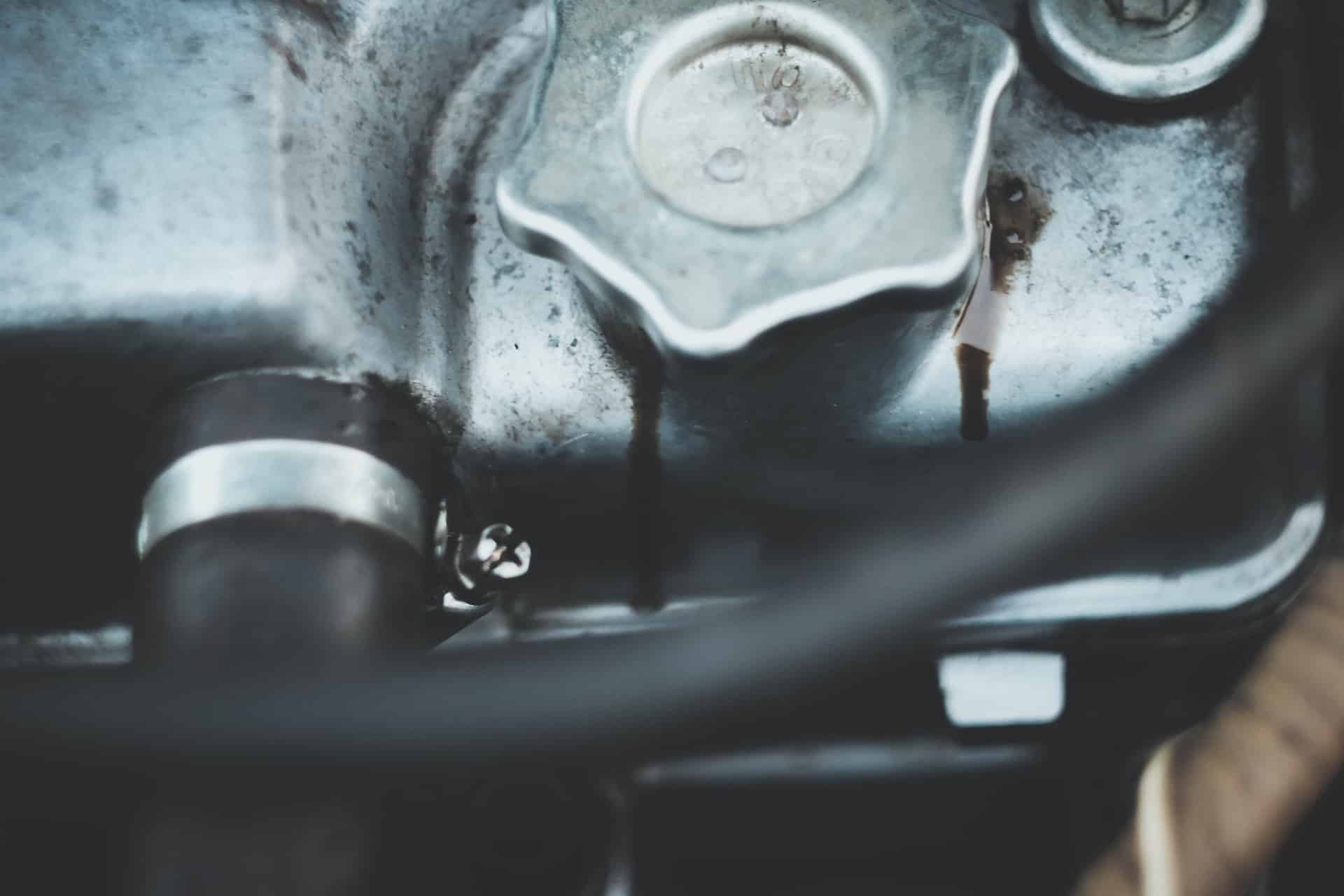
Land Rover Oil Leak Repair at DART Auto
Land Rover owners know that oil leaks aren't just a minor annoyance – they're a symptom of how British engineering meets real-world service realities. The aluminum-intensive construction across Discovery, Range Rover, and Defender platforms demands precision torque specs and factory sealant procedures that generic shops routinely skip. We've seen countless vehicles arrive after another shop replaced a valve cover gasket without addressing the PCV system backpressure that caused the leak in the first place, or worse, used silicone where Land Rover specifies anaerobic sealant on timing cover interfaces.
DART Auto approaches Land Rover oil leak repair with the same diagnostic rigor the factory demands. Our technicians use Land Rover-specific diagnostic software to verify crankcase ventilation function before recommending gasket replacement, and we follow OEM torque sequences on aluminum castings that crack when overtightened. On 2010–2013 LR4 and Range Rover Sport models with the 5.0L naturally aspirated V8, we've documented oil filter housing leaks that present identically to valve cover seepage – misdiagnosis means wasted money and a vehicle that still drips.
When you bring your Land Rover to DART Auto for oil leak diagnosis and repair, here's what separates our process:
- Complete crankcase pressure testing to identify root causes, not just visible seepage points
- UV dye tracing on complex leak paths where oil migrates across multiple surfaces before dripping
- OEM-specified sealants and gaskets – we stock Genuine Land Rover parts and premium equivalents that meet factory material specs
- Post-repair verification with the vehicle on the lift and engine at operating temperature, confirming the leak is resolved before you pick up
Common Oil Leak Repair Issues on Land Rover Vehicles
Land Rover platforms have earned a reputation for specific oil leak patterns tied to their unique design philosophy and engineering choices. These aren't random drips – they follow predictable failure modes that experienced techs recognize immediately.
- Timing cover leaks on 2010–2013 Range Rover Sport / LR4 (5.0L AJ-V8): The front timing cover develops seepage at the lower gasket interface, often mistaken for an oil pan leak. The AJ-V8's accessory drive layout makes this a multi-hour job requiring removal of the water pump and alternator bracket. Delaying repair allows oil to saturate the serpentine belt, risking sudden accessory loss.
- Valley pan gasket failure on 2006–2009 Range Rover (4.4L AJ-V8): The valley pan gasket between the cylinder banks deteriorates, pooling oil in the valley and eventually migrating to the rear main seal area. This platform-specific design means oil travels through internal passages before appearing externally, making diagnosis difficult without proper inspection tools.
- Turbocharger oil feed line leaks on 2014–2018 Range Rover / Sport (3.0L SDV6): The braided stainless oil feed lines develop weeps at the banjo fittings due to thermal cycling and vibration. The SDV6's twin-turbo layout places these lines in high-heat zones, accelerating gasket degradation. Oil drips onto the exhaust manifold, creating smoke and fire risk.
- Oil cooler housing leaks on 2010–2016 Discovery 4 / LR4 (5.0L supercharged): The aluminum oil cooler housing develops porosity cracks around the coolant passages, mixing oil and coolant. This supercharged platform runs higher oil temperatures, stressing the housing material. Cross-contamination destroys bearings if not caught early.
- Camshaft cover gasket leaks on 2013–2019 Range Rover Evoque / Discovery Sport (2.0L Ingenium): The plastic camshaft covers warp slightly over time, breaking the seal at the spark plug tube grommets. The Ingenium engine's direct-injection system creates higher crankcase pressures, pushing oil past compromised seals. Oil migrates down the back of the engine, pooling on the bellhousing.
Why Choose DART Auto for Land Rover Oil Leak Repair
Land Rover oil leaks demand more than a quick glance and a new gasket. Discovery 3/4 and Range Rover Sport L320 platforms (2005–2013) are notorious for crankshaft seal weeps that masquerade as oil-pan leaks until you pull the transmission. The LR4's AJ-V8 engine hides oil cooler lines behind the timing cover, and early Range Rover Evoque 2.0T engines (2012–2015) develop turbo oil-feed line seeps that drip onto exhaust manifolds. Generic shops guess; we trace the leak to its source using UV dye, pressurized smoke, and factory service information that maps every seal, O-ring, and gasket by part number and torque spec.
Our master technicians – all with dealer training and at least ten years on European platforms – own the repair end-to-end:
- Diagnosis first: We isolate the leak with dye tracing and borescope inspection before quoting parts, so you pay for the actual fault instead of educated guesses.
- OEM procedures: Land Rover timing-cover and valley-pan jobs require specific torque sequences and sealant cure times; we follow factory repair instructions and use the correct RTV compounds.
- Post-repair verification: Every oil-leak job gets a road test, a second UV inspection, and a scan-tool check for any fault codes triggered during disassembly.
- Salaried technicians: No flat-rate pressure means no incentive to skip steps or reuse questionable hardware.
You'll leave with a 3-year/36,000-mile warranty on parts and labor – the same coverage interval Land Rover dealers offer, without the dealer markup.
Symptoms – How to Know You Need This Service
Land Rover oil leaks announce themselves in ways that range from subtle to impossible to ignore. Recognizing these signs early can mean the difference between a gasket replacement and cleaning oil-soaked wiring harnesses.
- Oil spots under the vehicle after overnight parking – fresh spots indicate active leaks; older stains suggest the problem has been building
- Burning oil smell during or after driving – oil dripping onto exhaust manifolds or catalytic converters creates acrid smoke, especially noticeable after highway runs
- Low oil level warnings on the instrument cluster – if you're adding a quart between service intervals, you're losing oil somewhere beyond normal consumption
- Visible oil coating on the engine block or undercarriage – fresh oil appears amber and wet; older leaks leave black, crusty deposits
- Oil residue on the driveway or garage floor – patterns can indicate whether the leak is front (timing cover), mid (valley pan, oil filter housing), or rear (main seal)
- Smoke from the engine bay at idle or startup – valve cover leaks often drip onto hot exhaust components
- Greasy buildup attracting dirt and debris – oil leaks create a sticky surface that collects road grime, making the engine bay progressively dirtier
If you see smoke or smell burning oil consistently, schedule an inspection within the week. If the oil level drops rapidly or you notice fresh puddles, stop driving and arrange for diagnosis immediately – severe leaks can starve the engine of lubrication.
Which Land Rover Models We See for Oil Leak Repair
DART Auto services the full range of modern Land Rover platforms, with particular depth of experience on the models Denver owners actually drive. Our diagnostic library and parts inventory reflect the vehicles we see weekly, not the entire global catalog.
- Range Rover (L322, 2002–2012; L405, 2013–2021) – 4.4L V8 timing cover leaks, 5.0L valve cover and oil cooler seepage
- Range Rover Sport (L320, 2006–2013; L494, 2014–2023) – supercharged 5.0L valley pan leaks, naturally aspirated 5.0L oil filter housing failures
- LR4 / Discovery 4 (2010–2016) – 5.0L valve cover gaskets, oil pan gasket weepage common after 80k miles
- Discovery 3 / LR3 (2005–2009) – 4.4L Jaguar-sourced V8 timing cover and rear main seal issues
- Discovery Sport (L550, 2015–2019) – 2.0L Ingenium turbo oil feed line leaks, turbo oil return tube failures
- Range Rover Evoque (L538, 2012–2018) – 2.0L turbo oil cooler gasket leaks, valve cover breather system failures
- Defender (L663, 2020–present) – early experience with 3.0L mild-hybrid oil pan and timing cover concerns
- Freelander / LR2 (2002–2015) – limited service; we recommend specialists for transverse-engine Ford/Volvo-derived platforms
We maintain factory diagnostic capability for all 2002-and-newer Land Rover vehicles. Older Discoverys and classic Range Rovers receive case-by-case evaluation based on parts availability and complexity.
Causes & Risks – What Happens if Ignored
Oil leaks on Land Rover vehicles stem from a combination of thermal stress, vibration, and material choices specific to these platforms. The aluminum block construction expands and contracts differently than steel, stressing gasket interfaces. Add frequent temperature swings from towing or off-road use, and seals age faster than on pavement-only vehicles. Land Rover's use of multi-layer steel gaskets and liquid sealants in critical areas means when a seal fails, it often fails completely rather than weeping gradually.
Ignoring an oil leak sets off a predictable cascade. What starts as a small seep becomes a steady drip within weeks, then accelerates as oil saturates adjacent seals and gaskets. Here's what escalates:
- Secondary seal contamination: Oil migrating from a timing cover soaks the crankshaft front seal, turning a single repair into a multi-seal job within 2–3 months.
- Catalytic converter damage: Oil dripping onto exhaust components carbonizes and clogs catalyst substrates, triggering emissions faults and requiring $1,800+ converter replacement on top of the original leak repair.
- Bearing wear from low oil level: A quart-per-week leak starves the variable valve timing system first, throwing cam correlation codes. Continue driving and main bearing clearances open up, requiring engine rebuild rather than gasket replacement.
- Wiring harness deterioration: Oil wicking up wiring looms dissolves insulation on oxygen sensors, knock sensors, and cam position sensors – adding $600–$1,200 in electrical repairs to a $400 gasket job.
- Fire hazard: Oil pooling on turbocharger housings or exhaust manifolds ignites under the right conditions, particularly after spirited driving or long highway runs. Insurance investigators look for deferred maintenance when reviewing claims.
Safety Impact – Why Oil Leak Repair Matters
Oil leaks compromise multiple safety systems on modern Land Rover platforms. Oil dripping onto the alternator reduces charging capacity, dimming headlights and weakening brake assist from the vacuum pump. On diesel models, oil contaminating the diesel particulate filter triggers limp mode during regeneration cycles, killing power mid-merge or on steep grades. The stability control and terrain response systems rely on precise engine torque delivery – oil-starved variable valve timing creates erratic power pulses that confuse traction algorithms.
Know when to stop driving versus schedule soon:
- Stop immediately: Oil pressure warning light illuminated, visible smoke from engine bay, oil pooling under the vehicle after a short drive, burning oil smell inside the cabin.
- Schedule within days: Oil level dropping more than half a quart between fill-ups, oil visible on exhaust components, persistent oil smell during warm-up, oil spots larger than a quarter appearing overnight.
- Schedule within weeks: Minor seepage at gasket interfaces, slight oil residue on engine covers, small drips appearing only after extended highway driving.
Liability matters too. If an oil-starved engine seizes on the highway and causes a collision, accident investigators document deferred maintenance. Known leaks left unaddressed weaken your position in any claim.
How Land Rover Oil Leak Repair Actually Works
Land Rover's oil management systems differ from conventional designs in ways that directly affect leak repair procedures. Most 2010+ models use variable-displacement oil pumps controlled by the ECU, adjusting pressure based on engine load and temperature. This means proper leak repair requires not just new gaskets but also ECU adaptation procedures to reset oil pressure learning values. The aluminum block construction demands precise torque sequences – over-tighten a timing cover bolt by 5 ft-lbs and you'll warp the sealing surface, guaranteeing a repeat leak within months.
Platform-specific design points that shape the repair process:
- Liquid gasket applications: Land Rover specifies Loctite 5900 or equivalent RTV in exact bead widths (2–3mm) at specific junction points. Generic "form-a-gasket" products lack the oil resistance needed for 10+ psi crankcase pressure under boost.
- Torque-to-yield fasteners: Timing covers, oil pans, and camshaft covers use single-use stretch bolts. Reusing old hardware changes clamping force by 15–20%, creating leak paths. OEM replacement bolts come pre-coated with thread locker at the correct grade.
- Integrated oil cooler circuits: Many Land Rover engines route oil through the timing cover or valley pan to cool it. Leak repair means bleeding the cooling system and verifying thermostat operation afterward – skipping this step traps air pockets that cause overheating.
- Software calibration requirements: After replacing oil pressure sensors or cleaning oil control valves during leak repair, the ECU needs adaptation runs to relearn pressure maps. Without factory diagnostic software, the engine runs rich and misfires until the adaptive values settle over 50–100 drive cycles.
How We Diagnose Oil Leak Repair Issues on Land Rover
Land Rover engines – particularly the AJ-V8 and Ingenium families – develop leaks in predictable places, but pinpointing the exact source requires methodical detective work. Oil can travel along engine cradles, splash shields, and suspension components before dripping onto your garage floor, masking the true culprit. We don't guess. Here's our step-by-step process:
- Initial visual inspection with the vehicle on the lift. We trace oil trails backward from the lowest drip point, checking valley pan gaskets, timing cover seals, oil cooler lines, and the notorious upper sump gasket on supercharged 5.0L engines.
- UV dye injection and road test. For elusive leaks, we add fluorescent dye to the oil, run the engine through heat cycles and load conditions, then inspect under UV light to reveal the exact seepage point.
- Pressure testing of suspect areas. Turbo oil feed lines, PCV systems, and crankcase ventilation on Ingenium diesels can pressurize abnormally and force oil past seals. We measure crankcase pressure and compare against Land Rover specifications.
- Diagnostic scan with factory-level tooling. Our Jaguar Land Rover-approved scan tools pull adaptation values, oil temperature data, and fault codes that point to failing pressure regulators or clogged breather systems contributing to the leak.
- Documentation with photos and fluid analysis. We photograph the leak source, measure seepage rate, and note any metal contamination that suggests internal wear driving the problem.
Once we've identified the root cause, you receive a detailed quote breaking down parts, labor, and the expected outcome. No surprises, no upselling – just the repair your Land Rover actually needs.
Oil Leak Repair on Land Rover: Repair vs. Replacement
Not every oil leak demands a full component swap. The right approach depends on what's failing and how much collateral damage has occurred. Here's how we decide:
When True Repair Makes Sense
- Valve cover gasket replacement on AJ-V8 engines. The gaskets fail, the covers themselves rarely do. We clean the mating surfaces, install OEM gaskets, and torque to spec – no need for new covers.
- Oil cooler line re-sealing. Quick-disconnect fittings on 3.0 TDV6 and SDV6 engines can weep at the O-rings. Fresh O-rings and proper assembly solve it without replacing expensive hard lines.
- Timing cover reseal on naturally aspirated engines. If the cover isn't warped and the front main seal bore is clean, a careful reseal with OEM gaskets and RTV in the correct locations stops the leak.
When Partial Replacement Is the Right Call
- Turbo oil feed lines on Ingenium diesels. The banjo bolts and crush washers fail more often than the lines. Replace the hardware, inspect the lines, keep what's good.
- Oil pan replacement on supercharged 5.0L engines. The upper sump gasket fails, but if the lower pan is dented or corroded, we replace the damaged section and reseal the rest.
When Full Replacement Is Required
- Oil pump and timing chain assembly on high-mileage 5.0L supercharged engines. If the pump is leaking and the chains show stretch, replacing both together prevents a second teardown six months later.
- Turbocharger replacement on 3.0 SDV6 when oil seals fail internally. You can't reseal a turbo with shaft play – it's a safety and performance issue that demands a new or remanufactured unit.
We walk you through the options with photos and cost breakdowns. You decide what fits your budget and how long you plan to keep the vehicle. Our job is to give you the facts, not push the most expensive fix.
How to Make Your Land Rover Oil Leak Repair Last Longer
Once we've stopped the leak, a few smart habits keep seals and gaskets healthy for years. Land Rovers respond well to attentive care – they punish neglect fast.
Driving Habits That Protect Seals and Gaskets
- Allow proper warm-up before hard acceleration. Cold oil is thick and pressurizes seals unevenly. Let the engine reach operating temperature before towing or spirited driving.
- Avoid prolonged idling in extreme heat. Supercharged engines build heat-soak that degrades rubber seals faster. If you're waiting more than five minutes, shut it down.
- Don't ignore the "Transmission Overheat" warning. Overheated transmission fluid can pressurize the oil cooler and blow seals we just replaced. Pull over and let it cool.
Maintenance You Can Handle
- Check oil level every other fill-up. Low oil increases operating temperature and stresses seals. Top off with the correct spec – 5W-30 for most AJ-V8s, 0W-30 for Ingenium engines.
- Inspect the underside for fresh oil after a spirited drive. Catching a weep early means a quick fix instead of a major cleanup.
- Keep an eye on coolant and transmission fluid levels. Cross-contamination through a failed oil cooler can ruin a fresh repair.
What to Leave to the Professionals
- Crankcase ventilation system service. Clogged PCV valves pressurize the crankcase and blow out seals. This requires disassembly, cleaning, and sometimes software updates on Ingenium engines.
- Oil cooler replacement and line routing. Incorrect torque or routing causes immediate re-leaks. Let trained technicians handle it.
- Timing cover and front main seal work. These jobs demand precision torque sequences and special alignment tools. DIY attempts often end in comebacks.
Stick to Land Rover's service intervals, use OEM or equivalent fluids, and address warning lights the week they appear. That's the formula for keeping your repair solid and your Land Rover leak-free.
What to Expect When You Bring Your Land Rover In
We've streamlined the oil-leak repair process so you know exactly what happens at each stage. Here's how your visit unfolds:
- Drop-off and initial consultation: Bring your Land Rover at your scheduled time (or call ahead for same-day availability). We'll ask when you first noticed the leak, where you park overnight, and whether you've topped off oil recently. Remove valuables; we'll note mileage and fuel level on your work order.
- UV dye tracing and inspection: If the leak source isn't obvious, we inject fluorescent dye into the crankcase, run the engine to operating temperature, and use a UV lamp to trace the exact seep path. We document findings with photos and prepare a written estimate that breaks out parts, labor, and any related concerns (worn engine mounts that stress seals, for example).
- Estimate approval: You'll receive a detailed quote by text or email. We explain what we found, why it's leaking, and what happens if you delay the repair. No pressure – just the facts you need to decide.
- Repair and verification: Once you approve, we order OEM or premium aftermarket gaskets, perform the repair per Land Rover torque specs, refill with the correct oil grade, and road-test to confirm the leak is gone. A final UV scan ensures no new seeps appeared during reassembly.
- Pickup walkthrough: We'll show you the old parts, review what we replaced, and answer any questions. If you notice fresh drips within the warranty window, bring it back – we'll re-inspect at no charge.
Loaner vehicles and local shuttle service are available on a first-come basis; ask when you schedule. After-hours key drop and pickup can be arranged if your schedule demands it.
Our Land Rover Services
- Air Conditioning AC Repair
- Battery Repair Replacement
- Brake Repair & Brake Fluid Change
- Check Engine Light Diagnostics
- Clutch Repair & Replacement
- Coolant Leak Repair
- Cooling System Repair
- Drive Shaft Repair
- Engine Repair
- Exhaust & Catalytic Converter Repair
- Head Gasket Repair & Replacement
- Oil Change
- Scheduled Service Maintenance
- Steering Repair
- Suspension Repair
- Cambelt Timing Belt Replacement
- Transmission Repair
- Tune Up
- Wheel Alignment