
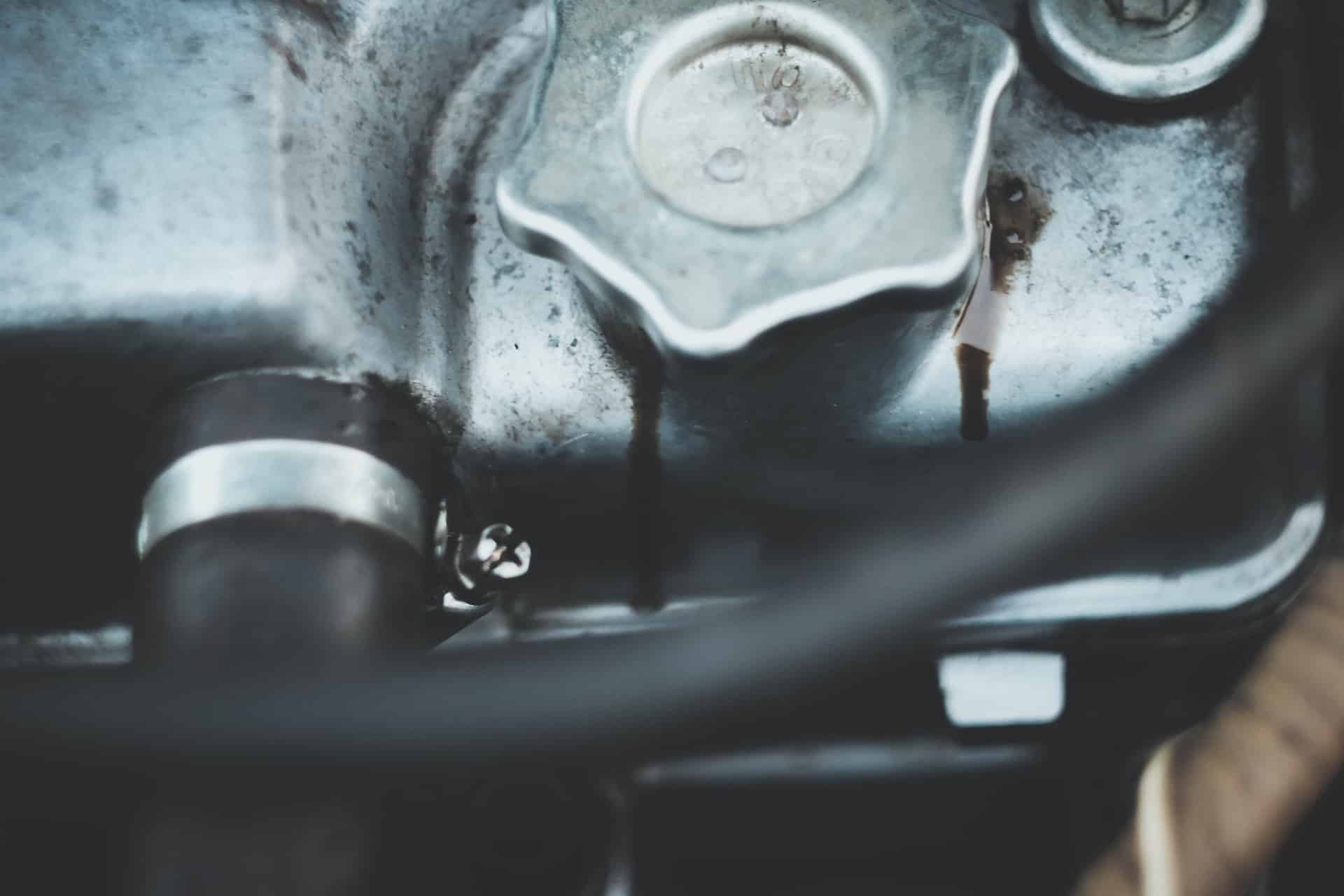
Fiat Oil Leak Repair at DART Auto
Fiat platforms demand a different approach to oil leak diagnosis and repair than most shops realize. Whether you're driving a turbocharged MultiAir engine in a 500 Abarth or the FireFly inline-four in a newer 500X, these compact Italian powertrains pack components into tight spaces where generic leak-stop products and guesswork create more problems than they solve. The 1.4L MultiAir engines (2012–2019 500/500L) are particularly prone to valve cover gasket weepage and timing cover seepage due to heat cycling in the variable valve timing actuators. Meanwhile, the 2.4L Tigershark found in 2016–2020 500X and 500L models often develop front main seal leaks that require specific Mopar tooling to address without damaging the crankshaft position sensor trigger wheel.
DART Auto has been Denver's European specialist since 2000, and our master technicians bring dealer-level training and factory scan tools to every Fiat oil leak repair. We don't rely on the "spray it down and hope" method. Instead, we use fluorescent dye tracing, pressure testing, and Fiat-specific diagnostic software to pinpoint the exact source before recommending repairs. Our salaried technicians have no incentive to oversell – they're paid to fix your car correctly the first time, backed by our 3-year/36,000-mile warranty on parts and labor.
When you bring your Fiat to DART Auto for oil leak repair, expect:
- Complete multi-point inspection using UV dye tracing and Fiat factory diagnostic procedures to isolate the leak source
- OEM or premium gaskets and seals that match Fiat's heat-resistance and compression specifications
- Proper torque sequences and sealant application per factory service bulletins, not generic flat-rate shortcuts
- Transparent explanations of what failed, why it matters, and how we'll prevent recurrence
Common Oil Leak Repair Issues on Fiat Vehicles
Fiat platforms present distinct oil leak patterns that separate them from other European marques. The MultiAir engine family – particularly the 1.4L turbocharged variant found in 500 Abarth, 500L, and Renegade models from 2012 onward – shows recurring valve cover gasket weeping around the 60,000-mile mark. The electrohydraulic valve actuation system runs higher oil pressures than conventional DOHC setups, accelerating gasket degradation when service intervals stretch beyond factory recommendations.
- MultiAir 1.4T valve cover gasket failures (2012–2019 500/500L/500X): The combination of high-pressure oil delivery to the MultiAir solenoids and heat cycling causes the OEM gasket to harden and crack. Oil migrates down the back of the block onto the bellhousing, often mistaken for a rear main seal leak until proper diagnosis isolates the source.
- 1.4L FIRE engine oil pan gasket seepage (2012–2016 500): The stamped steel pan uses a thin cork-rubber composite gasket prone to compression set. Road salt and winter freeze-thaw cycles accelerate deterioration on Denver-driven cars, creating slow drips that worsen rapidly once the gasket loses its crush.
- Turbocharger oil feed line weeping (2012+ Abarth/500X Turbo): Banjo bolt crush washers at the turbo oil supply harden after repeated heat cycles. Small seeps become steady drips, and oil carbonizes on the hot turbo housing, creating smoke on startup that owners mistake for turbo failure.
- Timing cover front seal leaks (2012–2018 1.4L MultiAir): The crankshaft front seal sits behind the timing cover and accessory drive. When it fails, oil tracks forward along the crank pulley and sprays onto the serpentine belt, contaminating the alternator and A/C compressor. This leak often coincides with timing belt service intervals.
- Oil filter housing O-ring failures (2014+ 2.4L Tigershark): The cartridge-style filter housing on Renegade and 500X models uses multiple O-rings that shrink with age. Leaks present as oil weeping down the passenger side of the block, pooling on the subframe crossmember.
- Camshaft position sensor seal leaks (all MultiAir variants): The sensor mounts directly into the cylinder head with a small O-ring seal. When this seal hardens, oil seeps past the sensor body and runs down the timing cover, mimicking a more serious timing cover gasket failure.
Why Choose DART Auto for Fiat Oil Leak Repair
Fiat platforms – particularly the 1.4L MultiAir turbocharged engines found in the 500 Abarth, 500X, and Renegade – develop oil leaks from unique failure points that generic shops often misdiagnose. The MultiAir electro-hydraulic valve actuation system runs high oil pressure through cam-phasing solenoids and oil control valves, and when gaskets or seals fail at these interfaces, pinpointing the exact source requires familiarity with Fiat-specific TSBs and the Witech diagnostic platform. DART Auto has invested in factory-level scan tools and repair information, so our technicians can pull live oil pressure data, verify cam phasing operation, and identify whether your leak stems from the cam cover, turbo feed lines, or the oil filter housing – a common culprit on 2012–2019 1.4L engines.
We don't guess and throw parts at the problem. Our master technicians – each with over a decade of European vehicle experience and dealer training – perform a complete inspection before quoting any work. Because we pay our technicians on salary rather than flat-rate commission, they have no incentive to rush the diagnosis or recommend unnecessary seals. Once we've isolated the leak, we use OEM gaskets and seals sourced from trusted suppliers, torque fasteners to Fiat specification, and road-test the vehicle post-repair to confirm oil pressure stability and verify no residual drips. Every oil leak repair is backed by our 3-year/36,000-mile warranty on parts and labor, so you drive away knowing the fix will hold.
- Factory diagnostic capability: Witech scan tools and live data analysis for MultiAir oil circuit faults
- Platform expertise: Familiarity with 1.4L turbo oil filter housing leaks, cam cover gasket failures, and turbo oil feed line weep points
- Salaried technicians: No flat-rate pressure means thorough diagnosis and no upselling
- End-to-end ownership: We diagnose, repair, and verify – then stand behind the work with a 3-year warranty
Symptoms – How to Know You Need This Service
Fiat oil leaks rarely announce themselves with dramatic puddles. More often, you'll notice subtle clues that grow worse over time:
- Oil spots under the engine after overnight parking, often near the front or passenger side of the engine bay on MultiAir engines
- Burning oil smell during or after driving, especially noticeable when the cabin ventilation pulls air from the engine compartment
- Visible oil residue on the valve cover, timing cover, or oil pan – check the passenger side of the 1.4L MultiAir where the timing cover meets the head
- Low oil level warnings on the instrument cluster between oil changes, indicating consumption beyond normal burn-off
- Oil-soaked plastic engine covers or heat shields that trap leaking oil and create fire risk
- Blue-white smoke from the exhaust on startup, suggesting valve stem seals or turbo oil feed lines are compromised
- Oil on spark plugs or ignition coils during routine maintenance, pointing to valve cover gasket failure
If you see oil accumulating near the serpentine belt or smell burning oil accompanied by smoke, schedule service immediately – oil on the accessory drive can cause belt slip and leave you stranded. For slower seepage without smoke, plan to address it within the next few weeks to prevent damage to sensors, hoses, and the catalytic converter.
Which Fiat Models We See for Oil Leak Repair
DART Auto services the full range of Fiat platforms sold in North America, with particular expertise in the turbocharged and naturally aspirated variants that share common leak points:
- 500 / 500 Abarth (2012–2019, Type 312) – 1.4L MultiAir turbocharged and naturally aspirated engines; valve cover gaskets, timing cover seals, and oil pan gaskets are frequent culprits
- 500L (2014–2020, Type 199) – 1.4L MultiAir turbo; similar leak patterns to the 500 but with added complexity from transverse mounting and tighter service access
- 500X (2016–2020, Type 334) – 1.4L MultiAir turbo and 2.4L Tigershark engines; front main seals and oil cooler housing gaskets are common on the Tigershark
- 124 Spider (2017–2020, Type 348) – shares the 1.4L MultiAir turbo with the 500 Abarth; rear main seal and oil pan gasket leaks develop as mileage climbs
- 500e (electric, 2013–2019) – no engine oil leaks, but we service the reduction gear lubricant system if you need electric drivetrain work
We also service earlier Fiat models occasionally seen in the Denver area, including the Punto and Bravo, though parts availability can extend timelines. All-wheel-drive 500X models require additional attention to transfer case and PTU seals, which we address with the same precision as engine oil leaks.
Causes & Risks – What Happens if Ignored
Oil leaks on Fiat vehicles stem from three primary factors: extended service intervals that allow oil to break down and lose its seal-conditioning properties, Denver's extreme temperature swings that accelerate gasket hardening, and the high-pressure oil delivery systems inherent to MultiAir technology. The electrohydraulic valve actuation demands consistent oil pressure and quality; when seals begin to weep, the system loses the precision that defines MultiAir performance.
A small valve cover seep that drips onto the exhaust manifold creates acrid smoke and triggers concern, but the real damage happens internally. As oil level drops incrementally over weeks, the MultiAir solenoids experience momentary pressure drops during hard acceleration or high-RPM shifts. This causes valve timing errors that the ECU compensates for by richening fuel delivery, masking the underlying problem while fuel economy drops and carbon buildup accelerates on intake valves.
What escalates when oil leaks go unaddressed:
- Turbocharger oil starvation: Feed line seeps reduce oil pressure to the turbo bearings. Within 5,000–8,000 miles of a visible leak, bearing wear accelerates, producing shaft play that destroys the compressor wheel and requires full turbo replacement instead of a $150 line repair.
- Timing belt contamination: Front seal leaks spray oil onto the timing belt. The rubber compound swells and softens, losing tooth engagement with the cam and crank gears. Skipped timing on an interference engine means bent valves and a complete cylinder head rebuild.
- Catalytic converter poisoning: Oil burning off the exhaust manifold from valve cover leaks introduces phosphorus and zinc into the exhaust stream. These compounds coat the catalyst substrate, reducing efficiency and triggering P0420/P0430 codes that require expensive converter replacement.
- Subframe and suspension corrosion: Oil dripping onto aluminum subframe components and suspension bushings softens rubber mounts and creates a film that traps road salt. Accelerated corrosion on control arm bushings and subframe mounting points turns a gasket repair into a suspension overhaul.
- Fire risk from accumulated oil: Oil pooling on the exhaust manifold or turbo housing can ignite under sustained high-load driving. While rare, engine bay fires from neglected leaks represent the most severe outcome and total the vehicle.
Safety Impact – Why Oil Leak Repair Matters
Oil leaks on Fiat vehicles create immediate and deferred safety concerns that extend beyond the inconvenience of driveway stains. When oil contacts the serpentine belt – common with timing cover front seal failures – the belt loses grip on accessory pulleys. Power steering assist drops away mid-turn, requiring significantly more effort to maneuver. The alternator loses drive, and the battery voltage drops, dimming headlights and reducing brake booster vacuum on models with electric vacuum pumps.
The MultiAir system's dependence on precise oil pressure means that even a moderate leak affects engine response. During emergency maneuvers requiring full throttle, oil-starved MultiAir solenoids introduce hesitation as the ECU compensates for valve timing errors. That half-second delay in power delivery matters when merging into fast-moving traffic or accelerating away from a hazard.
When to take immediate action:
- Stop driving now: Visible smoke from the engine bay, oil pressure warning light illuminated, strong burning oil smell in the cabin, or puddles larger than a dinner plate under the car after it sits overnight.
- Schedule within the week: Oil spots the size of a quarter appearing daily, oil visible on the dipstick but level dropping between checks, or smoke on cold startup that clears after thirty seconds.
- Address at next service: Minor seepage around gasket edges with no drips, slight oil sheen on engine components, or oil level dropping less than a half-quart between 5,000-mile oil changes.
Insurance and liability considerations come into play when a known leak contributes to an incident. If oil dripping onto the exhaust creates smoke that obscures your vision and leads to a collision, or if power steering loss from a contaminated belt causes you to strike another vehicle, documentation of deferred maintenance can affect claim outcomes.
How Fiat Oil Leak Repair Actually Works
Fiat's MultiAir technology fundamentally changes how oil leak diagnosis and repair proceed compared to conventional engines. The system replaces traditional intake camshaft lobes with electrohydraulic actuators that use high-pressure engine oil to open intake valves. This means the valve cover isn't just sealing crankcase pressure – it's containing a pressurized oil gallery feeding solenoid actuators cycling hundreds of times per second. Leak diagnosis requires monitoring live data from the MultiAir solenoids while the engine runs, watching for pressure drops that indicate seal failures upstream of the actuators.
Proper repair follows OEM procedures that specify torque sequences, sealant cure times, and oil system priming steps absent from generic repair guides. Valve cover installation on MultiAir engines requires a specific tightening pattern starting from the center and working outward in three stages, with final torque applied only after the sealant has set for twenty minutes. Skip this step, and the new gasket crushes unevenly, creating new leak paths within weeks.
Fiat-specific repair considerations:
- MultiAir system bleeding: After any repair that opens the oil galleries feeding the MultiAir solenoids, the system requires a specific bleeding procedure using the factory scan tool to cycle the actuators and purge air. Trapped air causes valve timing faults and misfires.
- Timing cover removal complexity: Front seal replacement requires removing the timing cover, which means disturbing the timing belt on interference engines. This converts a seal job into a timing belt service with camshaft locking tools and crankshaft alignment pins ```html
How We Diagnose Oil Leak Repair Issues on Fiat
Fiat platforms – particularly the MultiAir engines found in 500, 500X, and 124 Spider models – present unique oil leak challenges that generic diagnostics often miss. The 1.4L MultiAir turbocharged engine, used across multiple model years from 2012 onward, is notorious for valve cover gasket weepage and oil filter housing seals that fail prematurely. We start every diagnosis by understanding the specific platform and engine code before we touch a wrench.
- Visual inspection under proper lighting: We lift the vehicle and examine the underside with LED work lights, tracing oil trails backward to their source. On Fiat 500 Abarth models, oil often migrates along the timing cover and pools near the lower engine mount, masking the true origin.
- UV dye injection and drive cycle: For elusive leaks, we inject fluorescent dye into the crankcase, run the engine through heat cycles, and use UV lamps to pinpoint the exact failure point – critical on MultiAir engines where oil passages are tightly packed.
- Pressure testing seals and gaskets: We pressurize the crankcase slightly above atmospheric to simulate running conditions and watch for dye appearance at suspect seals, valve covers, and the rear main seal area common to 500L and Renegade models.
- Scan tool analysis: We connect factory-level diagnostic software to check for PCV system faults, crankcase pressure anomalies, and oil consumption patterns stored in the ECU – data that explains why a seal failed, not just where.
- Component removal and measurement: When external diagnosis is inconclusive, we remove the valve cover or timing cover to inspect gasket surfaces, measure warpage with precision straightedges, and check for cracks in aluminum castings that plague early 1.4L MultiAir engines.
Once we've isolated the leak source and confirmed contributing factors like PCV valve failure or excessive crankcase pressure, we provide a detailed quote that addresses both the symptom and the root cause. You'll know exactly what failed, why it failed, and what we're doing to prevent recurrence.
Oil Leak Repair on Fiat: Repair vs. Replacement
Not every oil leak requires replacing an entire assembly. On Fiat engines, the decision hinges on whether the leak stems from a serviceable seal or indicates deeper wear that will cascade into new problems within months.
When Repair Alone Works
- Valve cover gasket replacement: If the aluminum valve cover on a 1.4L MultiAir is flat and undamaged, we replace the gasket and PCV valve assembly, clean the mating surfaces, and torque to Fiat's specification – typically resolving the leak permanently.
- Oil filter housing O-rings: The cartridge-style oil filter housing on 500 and 500X models uses replaceable O-rings that harden over time. Swapping the rings and cleaning the housing threads is a straightforward repair when the housing itself shows no cracks.
- Timing cover reseal: Early 500 Abarth engines sometimes weep from the timing cover gasket. If the cover isn't warped and the crankshaft seal surface is smooth, we reseal with OEM gaskets and address any PCV issues driving excess pressure.
When Replacement Is the Right Call
- Warped valve covers: Aluminum valve covers on high-mileage MultiAir engines can warp from repeated heat cycles. A new gasket won't seal a bowed surface – the cover itself needs replacement.
- Rear main seal with flywheel wear: If the rear main seal is leaking and the flywheel shows grooves or heat discoloration, replacing just the seal invites a second failure. We replace both and inspect the crankshaft surface.
- Oil pan with stripped threads: Fiat oil pans use soft aluminum drain plug threads that strip easily. Once damaged, a new pan with a fresh drain plug prevents recurring leaks and cross-threading.
We walk you through the options, explain the expected lifespan of each approach, and let you decide based on your budget and how long you plan to keep the vehicle. Our salaried technicians have no incentive to oversell – just to fix it right.
How to Make Your Fiat Oil Leak Repair Last Longer
Once we've repaired your Fiat's oil leak, a few deliberate habits will protect that investment and keep seals pliable for years.
Driving Habits That Protect Seals
- Allow proper warm-up: MultiAir engines run tight tolerances. Let the engine idle for 30–60 seconds before driving, and avoid hard acceleration until the oil temperature gauge shows normal operating range. Cold oil doesn't lubricate seals properly, accelerating hardening.
- Avoid short trips in winter: Repeated cold starts without reaching full operating temperature allow moisture to accumulate in the crankcase, degrading seals and gaskets. Combine errands into longer drives when possible.
- Monitor boost pressure on turbocharged models: Excessive boost from aftermarket tunes increases crankcase pressure, forcing oil past seals. If you've modified your 500 Abarth, ensure the PCV system is upgraded to handle the additional pressure.
Maintenance You Can Monitor
- Check for fresh oil spots weekly: Park on clean cardboard overnight and look for new drips. Catching a weeping seal early lets us address it before it becomes a puddle.
- Inspect oil level between changes: MultiAir engines consume oil by design under high load. Check the dipstick every 500 miles and top off with the correct spec – usually 0W-40 full synthetic. Low oil accelerates seal wear.
- Listen for PCV valve rattle: A failing PCV valve creates crankcase pressure that pushes oil past seals. If you hear a rattling from the valve cover at idle, schedule an inspection before a new leak appears.
Shop-Level Care That Matters
- Use OEM or premium gaskets: Aftermarket valve cover gaskets often use inferior rubber compounds that harden quickly. We source Mopar OEM or premium equivalents designed for MultiAir's heat cycles.
- Follow Fiat's oil change intervals: The factory 10,000-mile interval is aggressive for turbocharged engines. We recommend 5,000–7,500 miles with full synthetic to keep seals conditioned and prevent sludge buildup that clogs PCV passages.
- Update software when available: Fiat occasionally releases ECU updates that refine fuel delivery and reduce carbon buildup – both factors that indirectly affect crankcase pressure and seal longevity. We check for updates during every service.
Leave seal replacement, timing cover work, and anything involving crankcase pressure diagnostics to the shop. These systems require torque specs, sealant curing times, and pressure testing that aren't safe to improvise at home. Visual checks and fluid monitoring, however, are excellent ways to catch problems early and extend the life of every repair we perform.
```What to Expect When You Bring Your Fiat In
When you schedule an appointment for oil leak repair, we'll ask you to describe the symptoms – puddles under the car, oil smell in the cabin, low oil warnings on the dash – so our service advisor can allocate the right diagnostic time. Drop off your Fiat in the morning or use our shuttle service if you need to get to work. We'll perform a complete visual inspection, pressure-test the cooling system to rule out coolant leaks masquerading as oil, and use UV dye or solvent cleaning followed by a short test drive to trace the exact leak path. Once we've pinpointed the source, you'll receive a written estimate with photos showing the failed gasket or seal, an explanation of why it's leaking, and what happens if you delay the repair.
- Drop-off and initial inspection: We document existing fluid levels, check for oil residue patterns, and note any dashboard warnings or oil consumption history you've reported.
- Diagnostic phase: Our technicians clean suspect areas, add UV dye if needed, and run the engine to operating temperature while monitoring oil pressure with the Witech scan tool. We'll photograph the leak source and send you images with the estimate.
- Estimate review and approval: Your service advisor walks you through the recommended repair – whether it's a cam cover reseal, oil filter housing gasket replacement, or turbo oil line refresh – and explains the labor steps, parts we'll use, and warranty coverage.
- Repair execution: Once you approve the estimate, we order OEM or premium aftermarket gaskets, perform the reseal to factory torque specs, refill with the correct oil grade (typically 5W-40 synthetic for MultiAir engines), and reset any service reminders.
- Post-repair verification: We road-test the vehicle, recheck oil pressure and cam phasing data, and inspect the repair area after the test drive to confirm no residual seepage. At pickup, we'll show you the cleaned repair zone and explain what to watch for in the first few hundred miles.
If you notice any seepage or oil smell after you leave, call us immediately. We'll bring the car back in, re-inspect at no charge, and make it right. Our goal is to fix your Fiat correctly the first time, so you're not dealing with repeat leaks or topped-off oil between services.
Our Fiat Services
- Air Conditioning AC Repair
- Battery Repair Replacement
- Brake Repair & Brake Fluid Change
- Check Engine Light Diagnostics
- Clutch Repair & Replacement
- Coolant Leak Repair
- Cooling System Repair
- Drive Shaft Repair
- Engine Repair
- Exhaust & Catalytic Converter Repair
- Head Gasket Repair & Replacement
- Oil Change
- Scheduled Service Maintenance
- Steering Repair
- Suspension Repair
- Cambelt Timing Belt Replacement
- Transmission Repair
- Tune Up
- Wheel Alignment