
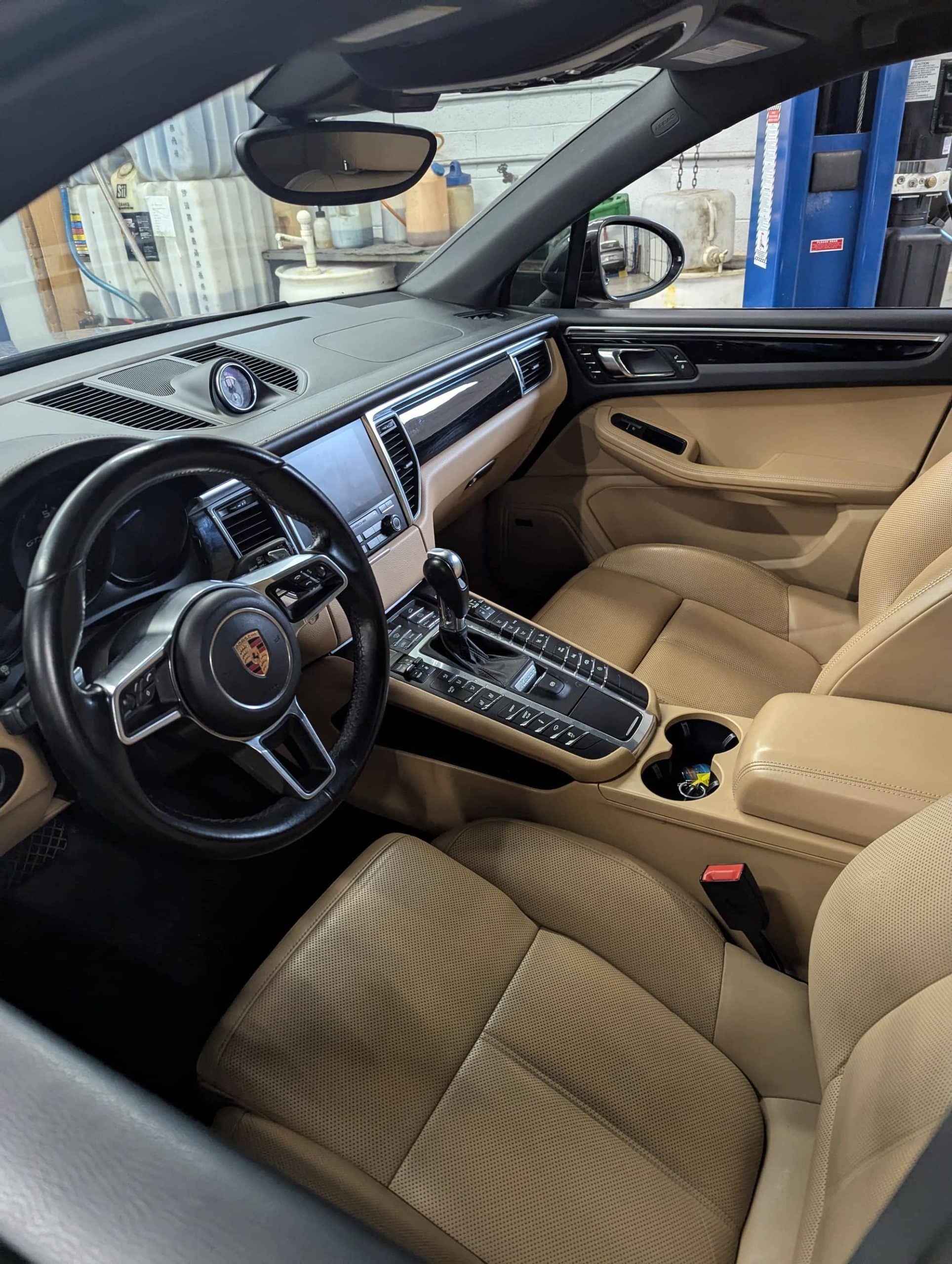
Fiat Steering Repair at DART Auto
A customer drove her 2014 Fiat 500 Abarth into our shop last month describing a clunking sound every time she turned into her parking space. The steering rack on these compact Italian machines sits low and tight, exposed to road spray and salt that accelerates wear on the bellows and inner tie rods. What started as a minor annoyance became a safety concern when play in the steering developed during highway merges. Fiat steering systems demand precise attention because their electric power steering calibration is tightly integrated with chassis control software – a misaligned rack or incorrect torque spec throws off the entire system.
We use factory-level diagnostics to read steering angle sensor data and verify calibration after any rack or column work. The 500, 500L, 500X, and 124 Spider all use different rack mounting points and torque sequences that generic shops often miss. Our technicians follow OEM procedures for bleeding hydraulic systems on older models and recalibrating electric assist on newer platforms. Because our team is salaried rather than flat-rate, they take the time to inspect every boot, bushing, and mounting point rather than rushing to the next job.
When you bring your Fiat to DART Auto for steering repair, expect:
- Complete inspection of tie rods, rack mounts, column joints, and power steering components using Fiat-specific diagnostic protocols
- OEM or premium aftermarket parts sourced from trusted European suppliers, never bargain-grade replacements that fail early
- Post-repair alignment verification and steering angle sensor calibration to factory specifications
- A 3-year/36,000-mile warranty on parts and labor, backing every repair we perform
Common Steering Repair Issues on Fiat Vehicles
A customer recently brought in a 2013 Fiat 500 Abarth complaining of a grinding noise when turning into parking spaces. Within minutes, our technician identified worn steering rack bushings – a textbook failure on the 312-chassis 500 platform built between 2011 and 2019. The electric power steering system on these cars relies on rubber isolation mounts that deteriorate under Denver's temperature swings, allowing the rack to shift and contact the subframe. That story plays out dozens of times each year across different Fiat platforms, each with its own predictable wear patterns.
- Electric Power Steering Motor Failure (2011–2019 Fiat 500, 312 Chassis): The column-mounted EPS motor develops internal brush wear and sensor faults, triggering warning lights and intermittent assist loss. The 500's compact packaging places the motor near heat sources, accelerating bearing degradation. Fiat's diagnostic software is required to verify fault codes and perform post-replacement calibration.
- Steering Rack Bushing Deterioration (2011–2019 500, 2014–2020 500X): Rubber rack mounts crack and collapse, especially on Colorado roads with freeze-thaw cycles. The result is clunking over bumps and imprecise steering feel. The 500X shares similar mount geometry but adds weight, accelerating wear on city-driven examples.
- Tie Rod End Wear (2014–2020 500X, 2016–2020 124 Spider): Both models use ball-and-socket tie rod ends that develop play after 60,000–80,000 miles. The 124 Spider (based on the Mazda MX-5 ND platform) experiences accelerated wear when alignment is neglected, leading to wandering at highway speed and uneven tire wear.
- Intermediate Shaft U-Joint Failure (2011–2019 500): The steering column's universal joint wears internally, creating a clicking sensation felt through the wheel during slow-speed turns. This component sits below the dashboard and requires dash trim removal to replace – not a DIY-friendly repair.
- Power Steering Fluid Leaks (2012–2016 500L): Unlike the smaller 500, the 500L uses hydraulic power steering with a pump and hoses. Pressure hose fittings at the rack develop seepage, and the pump itself can leak from the reservoir seal. Low fluid leads to whining noise and heavy steering effort.
- Alignment Drift After Suspension Work (All Models): Fiat platforms are sensitive to alignment specs. Replacing struts, control arms, or even tires without a proper four-wheel alignment causes the car to pull and accelerates inner tie rod wear, especially on the front-drive 500 and 500X.
Why Choose DART Auto for Fiat Steering Repair
A customer brought in a 2013 Fiat 500 Abarth last month complaining of wandering on the highway and a clunk over bumps. The dealership had quoted her for tie rod ends, but our master technician found the real culprit: worn lower control arm bushings and a loose steering rack mounting bracket – issues common to the 312/313 platform when original rubber bushings degrade. We fixed both, aligned the car to factory spec, and she left with confidence the repair addressed the root cause, not just the symptom.
That story captures what sets DART Auto apart for Fiat steering work. Our technicians have over a decade of hands-on experience with European platforms and access to Fiat factory service information, technical service bulletins, and OEM diagnostic software. We don't guess at torque specs or substitute generic parts – we follow manufacturer procedures and use OEM or premium aftermarket components that match Fiat's engineering tolerances. Because our techs are salaried rather than flat-rate, there's no incentive to rush or recommend unnecessary work.
- Platform expertise: Familiarity with 312/313 chassis quirks, electric power steering calibration on 500/500L/500X models, and MultiAir engine vibration effects on steering feel.
- End-to-end ownership: Complete diagnosis using scan tools that read Fiat body control and steering modules, followed by post-repair road testing and torque verification.
- Transparent process: Written estimates that explain what failed, why it matters, and what happens if you delay – no pressure, just facts.
Symptoms – How to Know You Need This Service
Your Fiat will communicate steering problems through distinct sensations and sounds. Pay attention to these warning signs:
- Clunking or knocking when turning the wheel at low speeds, especially during parking maneuvers – often indicates worn inner tie rod sockets or loose rack mounts
- Steering wheel vibration that changes with speed or worsens during braking, pointing to tie rod wear or wheel bearing issues affecting steering geometry
- Wandering or pulling that requires constant correction to maintain straight-line driving, even on flat roads
- Excessive play in the steering wheel – more than an inch of movement before the wheels respond means internal rack wear or column joint failure
- Power steering warning light on the dashboard, particularly common on 500 and 500X models with electric assist failures
- Groaning or whining from the front end during turns on older hydraulic systems, indicating fluid starvation or pump wear
- Stiff or heavy steering that suddenly loses assist, especially dangerous in traffic and requires immediate attention
- Fluid leaks beneath the engine bay on hydraulic models, appearing as red or amber puddles near the rack bellows
If you experience sudden loss of power assist or the steering locks up, stop driving immediately and arrange for towing. Gradual symptoms like minor play or occasional clunking should be inspected within the week to prevent component failure.
Which Fiat Models We See for Steering Repair
We service the full range of modern Fiat platforms sold in North America, each with distinct steering architecture:
- 500 (2012–2019, Type 312) – Electric power steering with common rack mount bushing wear and steering angle sensor drift requiring recalibration
- 500 Abarth (2012–2019) – Same platform as standard 500 but with stiffer bushings that transmit more road feedback and accelerate wear on inner tie rods
- 500L (2014–2020) – Larger platform with different rack geometry and known issues with intermediate shaft joints causing clunking
- 500X (2016–2022) – Shares architecture with Jeep Renegade; we see frequent rack bellows tears from road debris and occasional electric assist module failures
- 124 Spider (2017–2020) – Based on Mazda MX-5 ND platform but with Fiat-specific steering calibration and column components requiring model-specific parts
- 500e (2013–2019 California models) – Full electric vehicle with unique steering rack mounting due to battery placement
We maintain diagnostic capability and parts access for all these platforms. Older Fiat models like the Punto or Bravo are rare in our market, so we evaluate those on a case-by-case basis. Our master technicians have dealer-level training on the 312 and 500X platforms where we see the highest volume of steering work.
Causes & Risks – What Happens if Ignored
Steering problems on Fiat vehicles stem from a mix of design choices and environmental stress. The 500's electric power steering eliminates the maintenance of hydraulic systems but introduces electronic components vulnerable to heat and vibration. Colorado's altitude, temperature extremes, and road salt accelerate rubber bushing breakdown. Add in the reality that many Fiat owners drive in stop-and-go urban traffic – exactly the condition that stresses tie rods and rack mounts – and you have a recipe for predictable wear around the 70,000-mile mark.
Delaying steering repairs creates a cascade of worsening problems:
- Bushing Wear Becomes Rack Damage: When rack bushings fail completely, the housing contacts metal subframe components. What starts as a $300 bushing replacement becomes a $1,200 rack replacement once the aluminum housing is scored.
- Tie Rod Play Destroys Tires: A loose outer tie rod allows the wheel to toe in and out as you drive. Within 5,000 miles, the inside edge of the tire can wear to the cords while the outside looks new. Now you're buying tires and steering parts.
- EPS Motor Faults Strand You: Intermittent power steering loss becomes permanent failure. The 500's steering effort without assist is manageable at parking-lot speeds but genuinely difficult in traffic. One customer described wrestling the wheel into a turn lane during rush hour after the motor quit – a dangerous scenario.
- U-Joint Failure Locks the Wheel: While rare, a completely failed intermediate shaft U-joint can bind, making steering input impossible. The warning signs – clicking and notchiness – give you weeks or months of notice, but ignoring them risks a sudden loss of control.
- Hydraulic Leaks Damage the Pump: On 500L models, running the power steering pump low on fluid for even a few weeks scores the internal vanes and seals. A $150 hose repair becomes a $600 pump-and-rack job once metal particles circulate through the system.
Safety Impact – Why Steering Repair Matters
Steering is the only system that directly translates your intentions into vehicle path. When it fails, you lose the ability to avoid hazards, navigate curves, or even hold a lane on the highway. On Fiat's electric power steering platforms, a motor fault doesn't just make parking harder – it fundamentally changes how the car responds in emergency maneuvers. Swerving to avoid debris or a merging vehicle requires immediate, precise input. Without assist, reaction time doubles and steering angle is limited by physical strength.
Specific safety risks tied to neglected steering repairs include:
- Loss of Directional Control: Worn tie rods or a loose rack allow the wheels to move independently of your input. In a panic stop or evasive turn, the car may not track where you're pointing the wheel.
- Delayed Emergency Response: Heavy, unassisted steering (from EPS motor failure) means you can't react quickly enough to avoid a collision. This is especially dangerous in highway merging or intersections.
- Tire Blowout from Misalignment: A failed tie rod causes severe toe misalignment, overheating the tire's inner shoulder. A blowout at 65 mph on I-25 is a direct consequence of ignoring steering play.
- Airbag and Stability System Confusion: Modern Fiats integrate steering angle sensors with ESC and airbag deployment logic. A malfunctioning sensor (often damaged during steering component failure) can prevent stability intervention or cause airbags to deploy incorrectly.
Stop driving immediately if: the steering wheel locks or binds, you hear grinding metal-on-metal, or the EPS warning light is solid red. Schedule within the week if: you notice clunking over bumps, the wheel is off-center when driving straight, or steering effort varies unpredictably.
How Fiat Steering Repair Actually Works
Fiat's modern platforms use column-mounted electric power steering (C-EPS) on the 500 and 500X, eliminating the hydraulic pump, fluid, and hoses found on older designs. A brushed DC motor attaches directly to the steering column beneath the dashboard, applying assist torque based on inputs from a torque sensor, vehicle speed sensor, and steering angle sensor. The system is managed by a dedicated control module that communicates over the CAN bus with the ABS, ESC, and instrument cluster. This architecture saves weight and improves fuel economy but introduces software dependencies – after replacing the EPS motor or rack, the system must be recalibrated using Fiat's factory diagnostic software to relearn center position and torque maps.
The 500L and earlier models retain hydraulic assist, using a belt-driven pump and a traditional rack-and-pinion with fluid-filled chambers. Repairs on these systems require bleeding air from the lines and verifying pressure specs with a gauge – a step skipped by shops unfamiliar with the procedure, leading to noise and premature pump wear.
Key design elements that affect Fiat steering repair:
- Software Calibration Requirements: C-EPS systems store steering angle zero-point and assist curves in non-volatile memory. Disconnecting the battery or replacing components erases this data, requiring a dealer-level scan tool to reinitialize.
- Torque-Sensitive Fasteners: Rack mounting bolts and tie rod castle nuts have precise torque specs (often with angle-tightening steps) to prevent preload issues. Over-tight
A customer brought in her 2014 Fiat 500L last month after noticing a clunk when turning into parking spaces and a slight drift to the left on the highway. She'd dismissed it as "just an old car thing" until the steering felt loose enough that she no longer trusted it on I-25. What started as minor play in the rack had progressed to worn tie rod ends and a failing intermediate shaft bearing – all common on the 500L platform when original grease dries out around 80,000 miles. Within two hours of arrival, our technicians had pinpointed every failing component, explained why each mattered for her safety, and mapped out a repair plan that addressed the root cause rather than masking symptoms. That's the difference between guessing and diagnosing with the right tools and Fiat-specific knowledge.
How We Diagnose Steering Repair Issues on Fiat
Steering problems on Fiat vehicles demand more than a quick visual check and a test drive. We follow a structured process that combines factory-level scan tools with hands-on inspection to isolate the exact failure mode:
- Initial Interview and Road Test: We drive the vehicle under the conditions that trigger the symptom – low-speed parking maneuvers, highway lane changes, rough pavement – and note any play, noise, vibration, or pull. This tells us whether the issue is in the rack, linkage, column, or assist system.
- Scan Tool Diagnostics: Using Fiat-compatible diagnostic equipment, we pull codes from the electric power steering (EPS) module and check live data streams for current draw, motor position sensors, and torque sensor readings. Many 500 and 500X models throw EPS faults when the column bearings or motor brushes wear, and the scan reveals whether the fault is electrical or mechanical.
- Physical Inspection on the Lift: With the wheels off, we check tie rod end play with a pry bar, inspect rack boots for leaks or torn seals, measure steering column U-joint wear, and verify that mounting bushings haven't collapsed. On the 500L and 500X, the intermediate shaft bearing is a known weak point – we rotate the shaft by hand to feel for notchiness or binding.
- Fluid and Component Condition: For hydraulic-assist models (rare on modern Fiats but present on older platforms), we check fluid level, color, and contamination. On EPS systems, we verify wiring harness integrity and connector corrosion, which can mimic motor failure.
- Clear Repair Plan: Once we've identified every worn or failing part, we walk you through what needs immediate attention for safety, what can wait, and why each repair matters. You receive a detailed quote with no surprises, and we answer every question before any wrench turns.
Steering Repair on Fiat: Repair vs. Replacement
Not every steering issue requires replacing the entire rack or column assembly. The right approach depends on what's actually worn and whether isolated parts can restore factory performance:
When Genuine Repair Makes Sense
- Tie Rod End Replacement: If the rack itself is tight and the boots are intact, replacing just the outer tie rod ends restores precision without touching the rack. Common on 500 models with 60,000+ miles of city driving.
- Intermediate Shaft Bearing Service: On 500L and 500X platforms, the column bearing can be replaced separately when the shaft and U-joints are still sound. Re-greasing and installing a new bearing eliminates clunking and restores smooth rotation.
- EPS Motor Brush Replacement: Some early 500 and 500 Abarth models experience motor wear that can be addressed by servicing the assist motor rather than replacing the entire column assembly – if caught before the motor housing is damaged.
When Replacement Is the Right Call
- Rack Seal Leaks or Internal Wear: If the rack itself has play, leaking seals, or scored internals, replacement is safer and more cost-effective than attempting a rebuild that may not hold up.
- Column Assembly Damage: When the EPS motor has failed and contaminated the column bearings, or when the torque sensor is out of spec, a remanufactured column assembly ensures all components work together as Fiat intended.
- Cascading Wear: If multiple steering components have exceeded their service life simultaneously, replacing the system as a unit avoids the risk of one old part failing shortly after another is repaired.
We walk you through the trade-offs – repair cost, longevity, and safety – so you can make an informed decision rather than feeling pushed toward the most expensive option.
How to Make Your Fiat Steering Repair Last Longer
Once your Fiat's steering system is restored, a few deliberate habits will extend the life of every component and delay the next repair:
Driving Habits That Protect Steering Components
- Avoid Full-Lock Parking Maneuvers: Cranking the wheel to the stop while stationary loads the rack, tie rods, and EPS motor. Turn while rolling, even slowly, to reduce stress on the system.
- Warm Up Before Hard Driving: Cold grease in column bearings and tie rod ends is stiffer and more prone to wear. Give the car a few minutes of gentle driving before aggressive inputs, especially in winter.
- Mind Potholes and Curbs: Impact loads from hitting curbs or deep potholes can bend tie rods, knock rack mounts loose, and damage EPS sensors. Slow down for rough pavement and avoid parking against curbs at full lock.
Owner-Level Maintenance and Monitoring
- Listen for Changes: New clunks, squeaks, or groans when turning are early warnings. Catching tie rod wear or bearing noise early prevents damage to the rack or column.
- Check for Play: With the engine off and wheels straight, gently rock the steering wheel. More than a half-inch of free play suggests wear that should be inspected professionally.
- Watch the EPS Warning Light: If the electric power steering light illuminates, even briefly, have it scanned. Intermittent faults often precede total failure, and addressing them early avoids being stranded without assist.
What to Leave to the Professionals
Steering systems are safety-critical. Alignment, torque specs on tie rod ends, and EPS calibration all require factory procedures and tools. DIY tie rod replacement without proper alignment will wear tires unevenly and may leave the car unsafe. Trust the experts for anything beyond visual checks and basic monitoring – we'll make sure it's done right the first time.
What to Expect When You Bring Your Fiat In
Steering issues can feel unsettling, so we've built a process that keeps you informed from the moment you arrive until you drive away confident the repair is done right.
- Appointment and drop-off: Schedule a time that works for you. Bring your key and any notes about symptoms – when the noise happens, whether it pulls left or right, if the steering feels heavy or loose. We'll ask a few questions to guide the inspection, then arrange a loaner vehicle or shuttle if you need one.
- Thorough inspection: Our technician performs a visual check of tie rods, ball joints, control arms, and steering rack boots, then takes the car for a test drive to replicate your concern. We connect factory-level scan tools to check for stored codes in the steering and suspension modules – software faults or calibration drift can mimic mechanical wear on Fiat electric power steering systems.
- Written estimate and consultation: You'll receive a detailed estimate that lists each failed component, explains how it affects safety and handling, and outlines the repair steps. We'll call to walk through the findings and answer questions before starting any work.
- Repair and verification: Once approved, we replace worn parts using OEM or premium equivalents, torque fasteners to factory spec, and perform a four-wheel alignment if suspension geometry was disturbed. After the repair, we road-test the car and re-scan the modules to confirm no new codes have appeared.
- Pickup walkthrough: At pickup, we'll show you the old parts if requested and explain what we did. If something feels off in the days after, call us – we stand behind our work and will address any concerns promptly.
Remove any valuables before drop-off, and let us know if you have after-hours pickup needs – we'll coordinate key handoff so the repair fits your schedule.
Our Fiat Services
- Air Conditioning AC Repair
- Battery Repair Replacement
- Brake Repair & Brake Fluid Change
- Check Engine Light Diagnostics
- Clutch Repair & Replacement
- Coolant Leak Repair
- Cooling System Repair
- Drive Shaft Repair
- Engine Repair
- Exhaust & Catalytic Converter Repair
- Head Gasket Repair & Replacement
- Oil Change
- Oil Leak Repair
- Scheduled Service Maintenance
- Suspension Repair
- Cambelt Timing Belt Replacement
- Transmission Repair
- Tune Up
- Wheel Alignment