
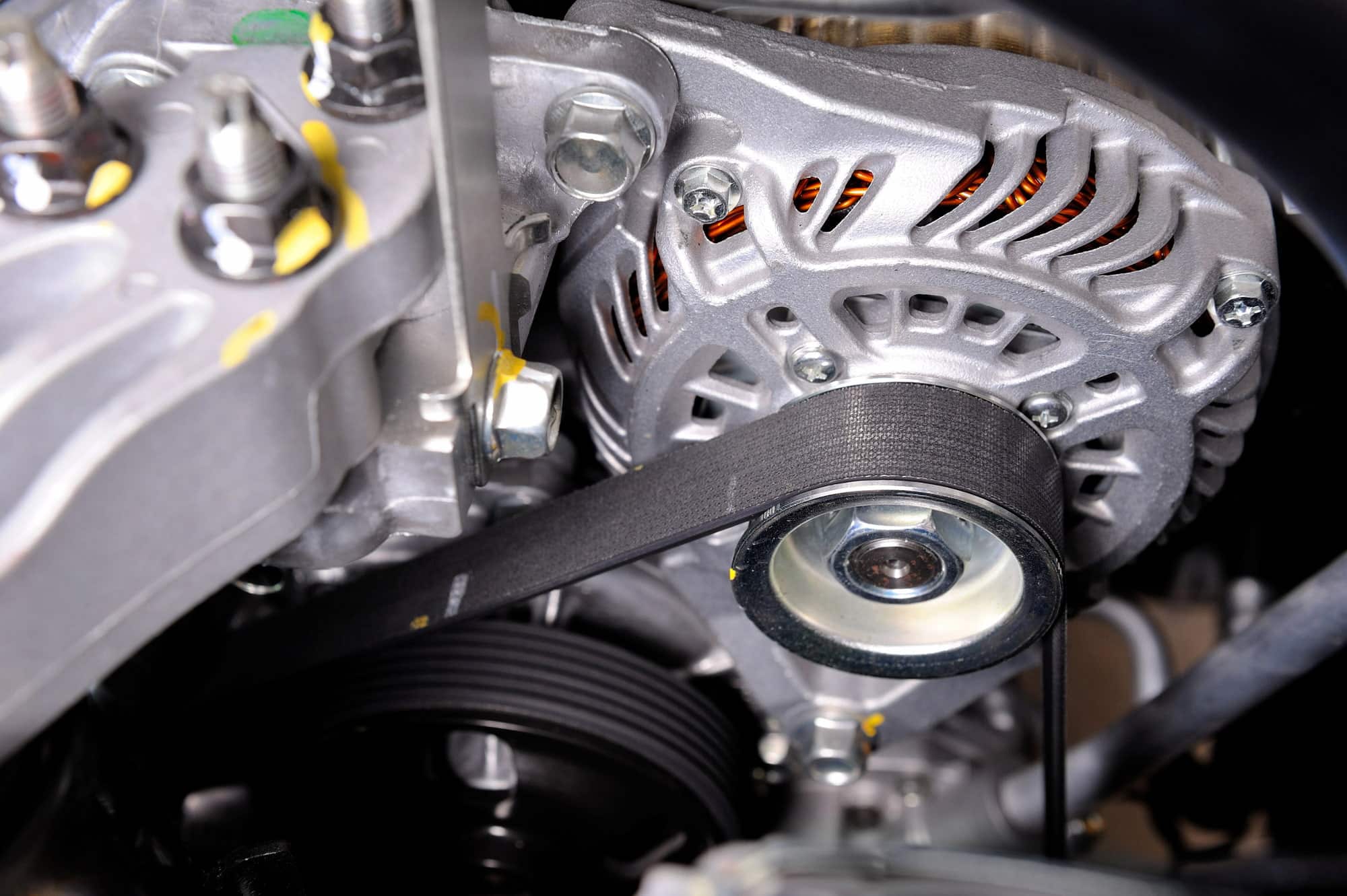
BMW Cambelt Timing Belt Replacement at DART Auto
You're backing out of your driveway when you hear it – a faint whirring noise from under the hood that wasn't there last week. Your BMW has always run like clockwork, but now something feels off. Timing belt maintenance on a BMW isn't just another routine service; it's precision engineering that demands factory-level knowledge and the right tools to execute correctly.
Most modern BMWs use timing chains rather than belts, but certain models – particularly older inline-six engines and some diesel variants – still rely on cambelt systems that require periodic replacement. The N47 and N57 diesel engines, for instance, are notorious for timing chain issues that share similar consequences to belt failure. When these components fail, the results range from rough running to catastrophic valve-to-piston contact on interference engines. The factory service procedures specify exact torque sequences, crankshaft locking tools, and camshaft alignment pins that generic shops often lack.
DART Auto approaches every BMW timing system service with dealer-level diagnostic capability and over two decades of European vehicle experience. Our master technicians follow BMW-specific procedures, using the proper locking tools and alignment fixtures that prevent costly mistakes. We've invested in the factory repair information and specialty tooling that separates correct execution from guesswork.
When you bring your BMW to DART Auto for cambelt or timing chain service, expect:
- Complete inspection of timing components, tensioners, and related seals before disassembly
- Use of BMW-specific locking and alignment tools to maintain precise valve timing
- Replacement of water pumps, tensioners, and idler pulleys as part of comprehensive service
- Post-installation verification using factory diagnostic software to confirm proper timing and engine operation
Common Cambelt Timing Belt Replacement Issues on BMW Vehicles
You turn the key one morning and the engine cranks but won't fire, or it starts but runs rough and throws a handful of warning lights. For many BMW owners, that moment signals the end of a timing component's service life – and the beginning of an urgent conversation about what comes next.
BMW timing systems vary widely across platforms, and each has its own wear signature:
- N20/N26 timing chain stretch (2012–2016 F30, F32, F10): The four-cylinder turbo engines in 320i, 328i, 428i, and 528i models are notorious for premature chain elongation. Oil starvation, aggressive cold starts, and extended service intervals accelerate wear. Symptoms include rough idle, rattling at startup, and eventually misfires or failure to start. Left unchecked, the stretched chain can skip teeth and cause valve-to-piston contact.
- N52/N51 timing chain guide failure (2004–2015 E90, E60, E83): The naturally aspirated inline-six in 325i, 328i, 528i, and X3 models uses plastic chain guides that become brittle over time. When a guide fractures, the chain loses tension and can jump timing. A distinctive rattle from the front of the engine during cold starts is the telltale sign.
- M54 VANOS rattle and timing chain wear (2000–2006 E46, E39, E53): The predecessor to the N52, found in 325i, 330i, 525i, 530i, and X5 3.0i models, suffers from worn VANOS (variable valve timing) seals and aging timing chains. The result is a characteristic rattle at idle and sluggish throttle response. Delayed replacement risks catastrophic timing failure.
- S85 V10 timing chain tensioner failure (2005–2010 E60 M5, E63 M6): The high-revving V10 uses a complex timing system with multiple chains and hydraulic tensioners. Tensioner seal degradation leads to loss of oil pressure, chain slack, and potential engine damage at high RPM. This is one of the most expensive timing repairs in the BMW lineup.
- N63 timing chain and guide issues (2008–2016 F01, F10, F15): The twin-turbo V8 in 750i, 550i, and X5 50i models has a well-documented history of timing chain stretch and guide wear, often accompanied by oil consumption and turbo failure. Early intervention is critical to avoid a complete engine rebuild.
- M57 timing chain wear on high-mileage diesels (2000–2008 E53, E70): The inline-six diesel found in X5 3.0d models can develop timing chain noise beyond 150,000 miles, especially if oil change intervals were extended. The robust engine tolerates wear longer than gasoline variants, but eventual failure is sudden and severe.
Why Choose DART Auto for BMW Cambelt Timing Belt Replacement
Your BMW's timing belt runs under high tension and coordinates valve timing with split-second precision – and when it fails, the results can be catastrophic. Most modern BMWs use timing chains, but certain models and model years still rely on belts that demand expert attention. We've been diagnosing and servicing European platforms since 2000, and our master technicians know exactly which BMW engines use belts, the service intervals BMW specifies, and the ancillary components that should be replaced at the same time.
Here's what sets our timing belt service apart:
- Platform-specific tooling and procedures – We follow BMW factory repair information, use the proper camshaft locking tools, and torque every fastener to OEM specification. No guesswork, no shortcuts.
- Complete system replacement – Timing belt jobs include tensioners, idler pulleys, and the water pump when it's driven by the belt. We source OEM or premium aftermarket parts from trusted suppliers, never economy-grade components that fail early.
- Salaried technicians with dealer training – Our techs aren't paid flat-rate, so there's no incentive to rush. Each job is done methodically, with pre- and post-repair verification using factory-level scan tools.
- 3-year/36,000-mile warranty – We back every timing belt replacement with a comprehensive parts-and-labor warranty, giving you confidence in the long-term reliability of the repair.
You'll get honest, expert-level service without the dealer price tag – transparent estimates, no unnecessary add-ons, and a clear explanation of what's being replaced and why.
Symptoms – How to Know You Need This Service
BMW timing system problems announce themselves in ways that range from subtle to impossible to ignore. Recognizing these early warnings can mean the difference between a planned service and emergency towing.
You may notice:
- Rattling or whining noise from the front of the engine – especially pronounced on cold starts, indicating worn chain guides or tensioner failure (common on N20, N26, and N52 engines)
- Rough idle or misfires – timing drift causes valve events to occur at the wrong crankshaft position, disrupting combustion
- Check Engine Light with timing-related fault codes – P0016, P0017, P0018, or P0019 codes point directly to camshaft-to-crankshaft correlation issues
- Oil leaks from the timing cover area – seepage around the front main seal or timing cover gasket often accompanies aging timing components
- Engine won't start or cranks but fails to fire – complete timing failure prevents valve operation or causes severe mechanical interference
- Visible belt damage or cracking – if you can see the belt during inspection and notice glazing, fraying, or missing teeth
- Metallic grinding or scraping sounds – stop driving immediately; this indicates component contact that can destroy the engine within seconds
Any rattling noise from the timing area or failure to start warrants immediate attention. Don't continue driving if you hear metallic grinding – that's valve-to-piston contact in progress.
Which BMW Models We See for Cambelt Timing Belt Replacement
BMW's shift to timing chains occurred progressively, but certain engines and model years still require belt service or face chain-related timing system work. The distinction matters because the service intervals, failure modes, and repair complexity differ significantly between belt and chain systems.
We commonly service timing systems on:
- E46 3-Series (1999–2005) – M54 inline-six engines use chains, but accessory belt systems and VANOS units require specialized service
- E39 5-Series (1997–2003) – M52TU and M54 engines with timing chains prone to guide wear and tensioner failure
- E60/E61 5-Series (2004–2010) – N52 and N54 engines; N52 known for eccentric shaft sensor issues affecting VANOS timing
- F10/F11 5-Series (2011–2016) – N20 four-cylinder engines notorious for timing chain stretch and guide failure, often before 100,000 miles
- E90/E91/E92/E93 3-Series (2006–2013) – N52, N54, and N55 engines; N54 twin-turbo models require careful attention to VANOS solenoids during timing work
- F30/F31/F34 3-Series (2012–2018) – N20 and B48 engines; early N20 engines (2012–2015) have widespread timing chain problems
- X3 and X5 models with N52, N55, or N20 engines – xDrive variants require additional attention to transfer case fluid during extended service
- Diesel models with N47 or N57 engines – these use timing chains with documented premature wear issues requiring proactive replacement
We focus on 2000–2020 model years where timing system failures are well-documented and our tooling inventory provides complete coverage. Earlier E36 and E34 chassis and post-2020 B-series engines are evaluated case-by-case based on specific service needs.
Causes & Risks – What Happens if Ignored
BMW timing component wear stems from a combination of design choices and real-world stress. Many BMW engines run higher specific output than competitors, meaning tighter tolerances and greater loads on timing chains and tensioners. Extended oil change intervals – often 10,000 miles or more under the factory "Condition Based Service" schedule – can leave timing components under-lubricated, accelerating wear. Cold starts in Denver's winter climate cause oil to drain from hydraulic tensioners overnight, allowing slack in the chain until pressure rebuilds. Aggressive driving and frequent short trips compound the problem.
Ignoring early warning signs transforms a manageable service into a catastrophic failure:
- Rattling at startup escalates to constant noise: What begins as a brief rattle during cold starts becomes a persistent sound as guides fracture or tensioners lose pressure. By this stage, metal-on-metal contact is wearing the chain and sprockets.
- Check Engine light progresses to limp mode: Initial fault codes for camshaft position correlation or timing over-advanced/retarded indicate the ECU is compensating for slack. Once the chain skips a tooth, the engine enters reduced power mode or refuses to start entirely.
- Minor oil leaks become major consumption: Worn VANOS seals or timing cover gaskets that weep oil externally often fail internally, allowing oil into the combustion chamber. What starts as a quart every few thousand miles becomes a quart every few hundred, and the timing system runs dry.
- Valve-to-piston contact destroys the head: A jumped timing chain on an interference engine – which includes most modern BMWs – causes valves and pistons to collide. The result is bent valves, damaged pistons, and a cylinder head that must be rebuilt or replaced. A $2,500 timing service becomes a $12,000 engine rebuild.
- Broken chain fragments circulate through the oil system: If a chain or guide breaks completely, metal debris travels through oil passages and destroys bearings, camshafts, and the oil pump. At that point, a replacement engine is often the only economical solution.
The financial and safety risks compound rapidly. A timing failure at highway speed can cause sudden loss of power in traffic, creating a hazard for you and others. The difference between a planned service and an emergency repair is often measured in weeks, not months.
Safety Impact – Why Cambelt Timing Belt Replacement Matters
A failing timing system compromises your BMW's ability to deliver predictable, reliable power. Modern BMWs integrate engine timing data into traction control, stability control, and transmission shift logic. When timing drifts out of specification, the engine's torque delivery becomes erratic – the throttle may respond sluggishly, then surge unexpectedly. This unpredictability is dangerous during merging, passing, or emergency maneuvers.
Complete timing failure at speed creates an immediate safety crisis. The engine stops producing power, eliminating engine braking and reducing brake booster vacuum on older models. Electric power steering remains functional, but drivers unfamiliar with sudden power loss often overcorrect. If the failure occurs in the left lane of I-25 or during a mountain descent, the consequences can be severe.
Specific failure modes carry different urgency levels:
- Stop driving immediately: Loud rattling or grinding from the timing cover, sudden loss of power, or multiple warning lights (Check Engine, oil pressure, coolant temperature) indicate imminent catastrophic failure. Continuing to drive risks destroying the engine and stranding you in an unsafe location.
- Schedule service within days: Persistent cold-start rattle, Check Engine light with timing-related codes (P0011, P0021, P0016, P0017), or rough idle with misfires mean the timing system is degraded but still functional. Drive gently and avoid high RPM until the repair is completed.
- Plan service within weeks: Occasional light rattle that disappears after warmup, slight hesitation on acceleration, or oil consumption between changes suggest early wear. Address it before it progresses, but normal driving is reasonably safe.
Insurance and liability considerations also matter. If a known timing issue contributes to a collision – for example, sudden power loss causing a rear-end accident – documentation of deferred maintenance can complicate claims. Addressing timing wear promptly protects both your safety and your financial interests.
How BMW Cambelt Timing Belt Replacement Actually Works
BMW abandoned rubber timing belts in the 1990s in favor of metal timing chains, which are designed to last the life of the engine under ideal conditions. In practice, chains wear, guides fracture, and tensioners fail. Unlike a simple belt replacement, BMW timing chain service requires precision alignment, specialized tooling, and often software recalibration.
The timing chain connects the crankshaft to one or more camshafts, ensuring valves open and close in sync with piston movement. BMW's VANOS (variable valve timing) system adds another layer of complexity: oil-pressure-actuated actuators on the camshaft gears advance or retard timing based on engine load and RPM. The DME (engine control module) monitors camshaft position sensors and adjusts VANOS continuously. When chain stretch or guide wear disrupts this relationship, the DME logs faults and may enter limp mode to prevent damage.
BMW timing chain replacement differs from generic work in several critical ways:
- Factory-specified locking tools: BMW engines require dedicated camshaft and crankshaft locking pins to hold components at top dead center during disassembly. Using improvised tools risks
How We Diagnose Cambelt Timing Belt Replacement Issues on BMW
When a BMW owner suspects timing belt wear – maybe they've hit the mileage interval, heard an unusual ticking from the engine bay, or noticed rough cold starts – our diagnostic process begins before we even pull the car into the bay. We review the service history and ask pointed questions about recent performance changes, because timing components rarely fail in isolation on BMWs.
- Visual inspection under the hood: We remove the upper timing cover (standard on most N-series and B-series engines) to inspect the belt surface for cracking, glazing, fraying, or oil contamination. Oil leaks from valve cover gaskets or front crankshaft seals often accelerate belt degradation on BMW inline-sixes.
- Scan for fault codes and adaptation values: Using factory-level diagnostic software (ISTA/D or equivalent), we pull stored codes and check camshaft position sensor correlation. Deviations between commanded and actual cam timing can indicate belt stretch or tensioner failure before catastrophic failure occurs.
- Measure belt tension and component play: We use a tension gauge to verify the belt meets BMW's specified deflection range. We manually rotate the crankshaft to check for binding, slack, or noise from the tensioner pulley and idler bearings – common wear points on E90/E92 N52 engines.
- Inspect related components: Water pumps are often driven by the timing belt on older models (M50, M52, M54 platforms). We check for weeping coolant, bearing roughness, and shaft play. Replacing the pump during belt service prevents a second teardown months later.
- Document findings with photos and measurements: We capture images of belt condition, tensioner wear, and any secondary issues. This becomes part of your written estimate, so you see exactly what we see and understand why replacement is recommended now or can wait.
Once the inspection is complete, we translate the findings into a clear repair plan. You'll receive a detailed quote covering the timing belt kit, water pump if needed, seals, coolant, and labor – no surprises when you pick up the car.
Cambelt Timing Belt Replacement on BMW: Repair vs. Replacement
Timing belt service on a BMW isn't always an all-or-nothing decision, though full replacement is usually the safest path. Here's how we evaluate repair versus replacement based on what the engine actually needs:
When Repair Makes Sense
- Tensioner adjustment on early-model engines: Some older M50 and M52 engines use manually adjustable tensioners. If the belt itself shows minimal wear and is within service life, we can re-tension and recheck timing marks without replacing the entire kit.
- Isolated component failure: If a single idler pulley bearing has failed but the belt and tensioner are relatively new (documented recent replacement), we can swap just the failed pulley and verify timing integrity.
When Full Replacement Is the Right Call
- Approaching or exceeding BMW's interval: Most BMW timing belts are specified for replacement at 60,000–100,000 miles depending on engine family. Once you're within 10,000 miles of that threshold, partial repairs are false economy – the belt, tensioner, and idlers age together.
- Oil contamination: If oil has soaked into the belt fibers (common with leaking valve cover gaskets on N52 engines), the belt's structural integrity is compromised. Cleaning won't restore it; replacement is the only safe option.
- Unknown service history: Bought a used BMW without records? We default to full replacement unless we can verify recent service with OEM or equivalent parts.
We walk you through the findings and explain the trade-offs. Our technicians are salaried, not flat-rate, so there's no incentive to oversell. If a repair buys you time safely, we'll say so. If full replacement is the prudent move, we explain why and what happens if you delay.
How to Make Your BMW Cambelt Timing Belt Replacement Last Longer
Timing belts are wear items, but how you drive and maintain your BMW directly impacts whether you reach 80,000 miles or 120,000 miles before replacement. Small habits compound over years of ownership.
Driving Habits That Extend Belt Life
- Allow proper warm-up before high RPM: Cold oil means higher internal friction and more load on the timing belt. Let the engine reach operating temperature before spirited driving, especially in Colorado winters.
- Avoid prolonged idling: Long idle periods (remote start sessions, sitting in traffic) keep the belt under tension without adequate oil circulation to related seals. This accelerates both belt wear and oil leaks that contaminate the belt.
- Smooth throttle inputs: Sudden acceleration spikes shock-load the timing components. Progressive throttle application reduces stress on the tensioner and idler bearings.
Maintenance You Can Monitor Yourself
- Listen for changes in engine noise: A new ticking, whirring, or squealing from the front of the engine often signals tensioner or idler bearing wear. Catching it early prevents belt damage.
- Check for oil leaks around the valve cover and front crank seal: Oil on the timing belt is a countdown to failure. Address leaks immediately, even if the belt looks fine.
- Monitor coolant level: Unexplained coolant loss can indicate a weeping water pump – which shares the belt on many BMW engines. Catching pump failure early protects the belt from coolant contamination.
Professional Maintenance That Matters
- Follow BMW's service intervals: Oil changes, coolant flushes, and inspections keep related systems healthy. Clean oil prevents sludge buildup that can starve tensioner hydraulics on variable valve timing engines.
- Use OEM or equivalent timing components: Aftermarket belts vary wildly in quality. We source Gates, Continental, or OEM BMW parts – brands that meet or exceed factory specifications for heat resistance and tensile strength.
- Replace the water pump with the belt: On M54, N52, and N55 engines, the labor overlap is significant. Replacing both together avoids a second teardown when the pump fails 20,000 miles later.
What's safe to DIY? Visual checks, listening for changes, and monitoring fluid levels are all owner-friendly. Anything requiring timing cover removal or crankshaft rotation should be left to a shop with the proper tools and factory repair procedures. Timing belt work on a BMW isn't the place to learn – the cost of a mistake is a destroyed engine.
What to Expect When You Bring Your BMW In
Timing belt replacement is major service, and we handle it with the care and communication it deserves. From the moment you schedule your appointment, you'll know exactly what's happening and when.
- Drop-off and initial inspection – Bring your BMW in at the scheduled time. We'll ask about any symptoms you've noticed and perform a complete visual inspection of the belt, pulleys, and surrounding components. If we spot additional concerns – leaking seals, worn mounts, coolant seepage – we'll document them with photos and notes.
- Written estimate and approval – Before we touch a wrench, you'll receive a detailed estimate covering the timing belt kit, water pump if applicable, any recommended seals, and labor. We explain what each part does and the consequences of delaying replacement. No work begins without your approval.
- The repair process – Our technicians disassemble the front of the engine using BMW-specific tooling, lock the camshafts in position, and install the new belt with precise tension. We replace tensioners, idlers, and the water pump as a system. Throughout the job, we keep you updated on progress and any findings.
- Post-repair verification – After reassembly, we road-test your BMW and use factory scan tools to verify timing alignment and check for any stored codes. You'll receive a walk-through at pickup explaining what was done and what to watch for in the coming weeks.
We offer loaner vehicles and shuttle service to keep your day moving. If you need after-hours pickup, let us know when you schedule. And if anything feels off after you drive away, call us – we'll get you back in immediately to make it right.
Our BMW Services
- Air Conditioning AC Repair
- Battery Repair Replacement
- Brake Repair & Brake Fluid Change
- Check Engine Light Diagnostics
- Clutch Repair & Replacement
- Coolant Leak Repair
- Cooling System Repair
- Drive Shaft Repair
- Engine Repair
- Exhaust & Catalytic Converter Repair
- Head Gasket Repair & Replacement
- Oil Change
- Oil Leak Repair
- Scheduled Service Maintenance
- Steering Repair
- Suspension Repair
- Transmission Repair
- Tune Up
- Wheel Alignment