
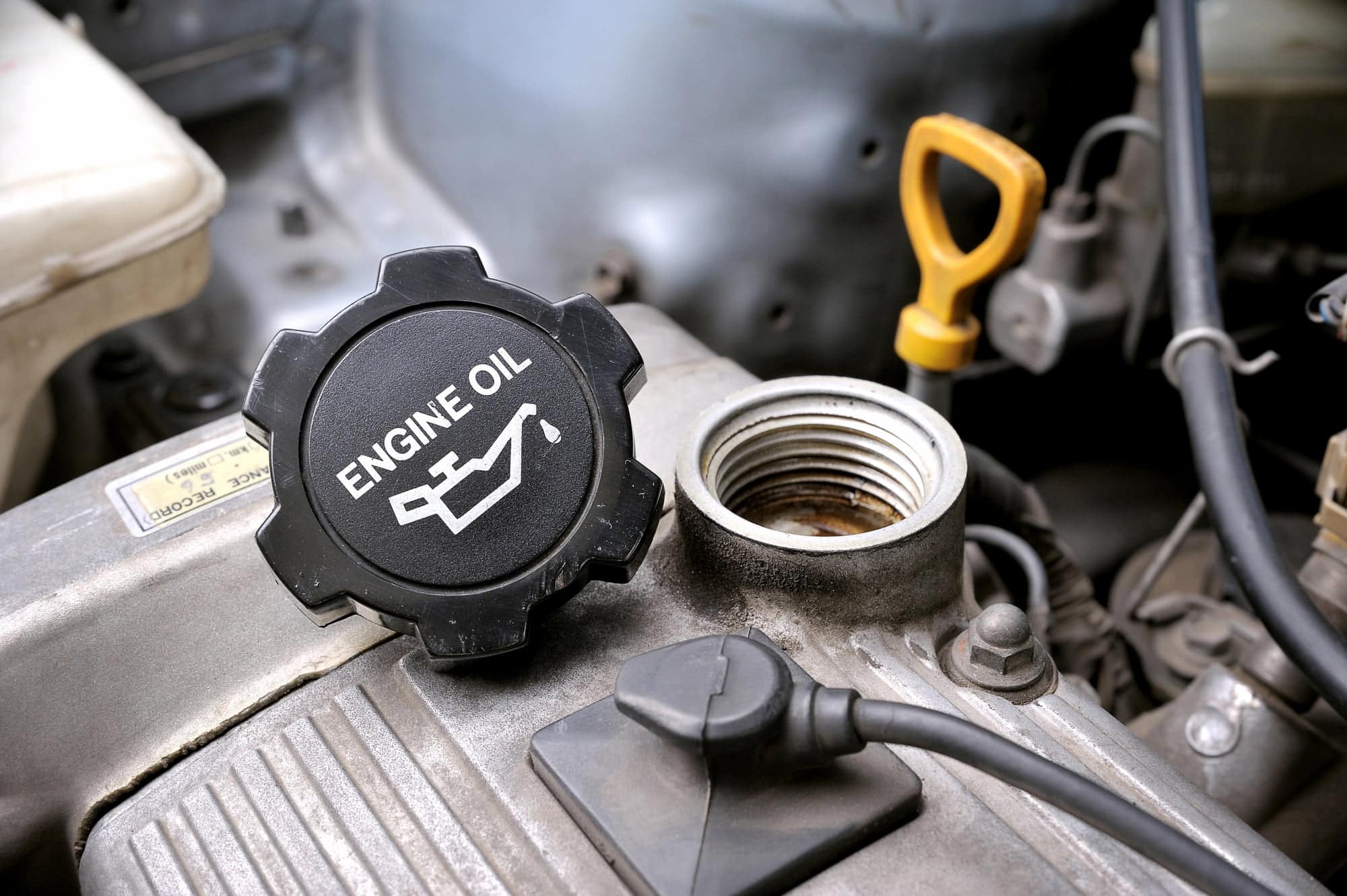
BMW Oil Change at DART Auto
BMW engines are precision-engineered performance machines that demand more than a 15-minute quick-lube treatment. From the turbocharged B-series four-cylinders in modern 2-series and X1 models to the high-revving S-series powerplants in M cars, every BMW platform has specific oil viscosity requirements, fill capacities, and service reset procedures that generic shops routinely get wrong. The N20 and N26 turbocharged engines (2012–2016 F30 3-series, F10 5-series, and others) are particularly sensitive to oil quality and change intervals because of their timing chain design – extended drain intervals or incorrect viscosity accelerate chain stretch and lead to expensive internal damage. Older naturally aspirated inline-sixes like the N52 (2004–2015 E90, E60, E83) have variable valve timing systems that depend on clean oil at the correct pressure to function properly.
At DART Auto, we follow BMW factory specifications to the letter: the correct LL-01, LL-04, or LL-14 approved synthetic oil for your specific engine code, OEM or premium filters with proper bypass valve ratings, and the factory-specified torque on drain plugs and filter housings to prevent leaks. We reset your service indicator using the same diagnostic software the dealer uses, not the dashboard button sequence that leaves fault codes behind. Since 2000, our master technicians have performed thousands of BMW oil services on everything from E46 M3s to the latest G-chassis models.
When you bring your BMW to DART Auto for an oil change, you can expect:
- Factory-specified synthetic oil matched to your engine code and model year
- OEM or equivalent filters with correct anti-drainback and bypass valve specifications
- Complete fluid level inspection including coolant, brake fluid, and differential oil
- Professional service reset using BMW-compatible diagnostic tools
Common Oil Change Issues on BMW Vehicles
BMW engines demand precision-matched oil specifications and strict service intervals that differ markedly from mass-market brands. What makes BMW oil service unique is the interplay between extended drain intervals, high-performance engine tolerances, and electronic monitoring systems that track oil condition rather than simple mileage. When these elements fall out of sync, specific failure patterns emerge.
- N20/N26 timing chain wear (2012–2016 F30, F10, X1, X3): Inadequate oil changes accelerate timing chain stretch on these turbocharged four-cylinders. The N20 relies on clean, properly viscosity-rated oil to maintain chain tension through the Vanos variable valve timing system. Delayed services allow carbon deposits and sludge to interfere with oil pressure, leading to characteristic cold-start rattle and eventual chain failure requiring engine-out service.
- N63/N63TU V8 rod bearing wear (2008–2016 X5, X6, 750i, 550i): These twin-turbo V8s are notorious for rod bearing sensitivity to oil quality and change frequency. Factory 10,000-mile intervals often prove too aggressive for real-world driving. Bearing surfaces develop scoring when oil shear breaks down between services, creating metallic debris that circulates and damages other precision surfaces.
- S55/S63 high-performance engine oil consumption (M3, M4, M5, M6): M Division engines consume oil by design under hard use, but owners who ignore top-ups between services risk running critically low. The electronic oil level sensor provides warnings, but delayed response leads to oil starvation during high-G cornering, damaging Vanos solenoids and main bearings.
- Valve cover gasket leaks accelerated by heat cycling (N52, N54, N55 engines): Extended oil change intervals mean degraded oil loses its thermal protection properties faster. The resulting higher operating temperatures accelerate valve cover gasket degradation, creating external leaks that drip onto exhaust components and ignition coils.
- Oil filter housing gasket failures (most six-cylinder models 2006–present): BMW's plastic oil filter housings use rubber gaskets that harden when exposed to degraded oil. Overdue changes mean acidic, contaminated oil attacks these seals, causing leaks at the base of the housing that often go unnoticed until oil levels drop dangerously low.
- Vanos solenoid screen clogging (all Vanos-equipped engines): The variable valve timing system relies on tiny oil passages and screen filters. Sludge from extended service intervals blocks these screens, triggering fault codes (2A82, 2A87) and rough idle. The solenoids themselves fail when forced to work against restricted flow.
Why Choose DART Auto for BMW Oil Change
BMW platforms demand more than a quick drain-and-fill. From the E90 3-Series with its N52 engine requiring precise LL-01 spec oil to the F30 335i's N55 turbo needing careful attention to the Valvetronic system during service, each generation has specific requirements that generic shops overlook. DART Auto's technicians reference factory Technical Service Bulletins and use BMW-specific diagnostic software to verify oil condition sensors, reset service intervals correctly, and catch early warnings like the timing chain wear common on N20 engines (2012–2016 F30/F32 platforms).
We've invested in the tooling and training that separates proper BMW service from commodity oil changes:
- OEM-level diagnostics: Pre- and post-service scans catch stored fault codes that indicate developing issues – oil pressure sensor drift on N63 V8s, VANOS solenoid contamination on older M54 engines, or crankcase ventilation valve failures that contaminate fresh oil within weeks.
- Platform-specific fluids and filters: We stock the correct viscosity and ACEA spec for your chassis code, plus OEM or Mann+Hummel filters engineered for your engine's bypass valve design.
- Salaried technicians: No flat-rate pressure means thorough inspections – we'll spot the oil filter housing gasket leaks endemic to N52/N54/N55 engines before they strand you roadside.
- Complete undercar inspection: Every service includes a visual check for the oil pan gasket seepage, valve cover leaks, and transmission fluid condition that often go unnoticed until catastrophic.
With over two decades serving Denver's European car community and a 3-year/36,000-mile warranty backing every service, we treat your BMW the way the factory intended – then verify the work with the same scan tools Munich engineers use.
Symptoms – How to Know You Need This Service
BMW's Condition Based Service (CBS) system calculates oil change intervals based on driving conditions, but you may notice warning signs before the dashboard reminder appears:
- Yellow or red oil service indicator on the instrument cluster or iDrive screen – yellow means schedule service soon, red means the interval has been exceeded
- Oil level warning message or low oil pressure light – check your oil immediately and add if low; if the red oil can icon appears, stop driving and have the car towed
- Rough idle or hesitation on cold starts – degraded oil loses viscosity and no longer protects VANOS solenoids and timing components during startup
- Increased engine noise particularly a rattling sound from the valve cover area on startup – common on N20/N26 engines when oil has broken down and timing chain tension suffers
- Reduced fuel economy or sluggish throttle response – dirty oil increases internal friction and affects variable valve timing precision
- Dark, gritty oil on the dipstick – fresh BMW synthetic oil is amber and translucent; black, sludgy oil has exceeded its service life
- Burning oil smell from the engine bay – may indicate oil leaking onto hot exhaust components, often from a deteriorated valve cover gasket or oil filter housing
If you see the red oil pressure warning or hear severe knocking, stop driving immediately to prevent catastrophic engine damage.
Which BMW Models We See for Oil Change
DART Auto services the full range of BMW passenger cars and SAVs. We regularly perform oil changes on:
- 3-series and 4-series: E46 (1999–2006), E90/E91/E92/E93 (2006–2013), F30/F31/F34 (2012–2019), G20/G21 (2019–present) including 328i, 335i, 340i, M340i, and M3 variants
- 5-series and 6-series: E39 (1997–2003), E60/E61 (2004–2010), F10/F11 (2011–2017), G30/G31 (2017–present) including 528i, 535i, 550i, M5, and M6
- X-series SAVs: E83 X3 (2004–2010), F25 X3 (2011–2017), G01 X3 (2018–present), E70 X5 (2007–2013), F15 X5 (2014–2018), G05 X5 (2019–present), plus X1, X2, X4, and X6 across generations
- 1-series and 2-series: E82/E88 (2008–2013), F22/F23 (2014–2021), including 128i, 135i, M235i, and M2
- 7-series: E38 (1995–2001), E65/E66 (2002–2008), F01/F02 (2009–2015), G11/G12 (2016–present)
- Z4 and i-series: E85/E86 (2003–2008), E89 (2009–2016), G29 (2019–present), plus i3 and i8 electric/hybrid models
M-performance models (M2, M3, M4, M5, M6, X3 M, X4 M, X5 M, X6 M) require specific high-performance synthetic oils and more frequent service intervals. We stock the correct fluids and have the expertise to service these engines properly.
Causes & Risks – What Happens if Ignored
BMW's Condition Based Service system calculates oil change intervals based on driving patterns, but it assumes high-quality synthetic oil and moderate operating conditions. Short trips in cold weather, stop-and-go traffic, and spirited driving all degrade oil faster than the algorithm anticipates. Add in Denver's temperature swings and high altitude, and the oil breaks down sooner than the dashboard suggests.
Delaying service beyond the CBS recommendation – or worse, ignoring it entirely – sets off a predictable cascade. Here's what degrades:
- First 1,000–2,000 miles overdue: Oil loses viscosity and anti-wear additives deplete. Metallic particles from normal wear remain suspended instead of being trapped by fresh detergents. Vanos systems begin showing sluggish response; you might notice slight hesitation or reduced power in the mid-range.
- 2,000–5,000 miles overdue: Sludge forms in the valve train and oil galleries. Timing chains on N20 engines start stretching measurably. Rod bearings on N63 V8s begin showing microscopic scoring. The oil pump works harder to push thickened oil through restricted passages, increasing mechanical stress.
- Beyond 5,000 miles overdue: Critical wear accelerates exponentially. Timing chain guides crack from oil starvation. Turbocharger bearings score from contaminated oil supply. Vanos solenoids stick or fail completely. What began as a routine service now involves timing chain replacement, bearing inspection, or turbo rebuild – turning a couple hundred dollars into several thousand.
- Catastrophic threshold: Running severely degraded oil or critically low levels leads to oil starvation under load. Rod bearings seize, connecting rods break, pistons score cylinder walls. At this point, you're looking at complete engine replacement or rebuild, often exceeding the vehicle's remaining value.
The safety risk emerges when oil-starved components fail suddenly. A seized turbocharger can dump metal fragments into the intake, causing immediate power loss. A broken timing chain stops the engine without warning, potentially in traffic or on the highway.
Safety Impact – Why Oil Change Matters
Oil change neglect on BMW vehicles creates safety risks that extend beyond simple mechanical failure. These precision engines rely on oil pressure to operate critical systems that affect vehicle control and predictability.
- Sudden power loss from timing chain failure: When a stretched timing chain jumps teeth or breaks, the engine stops immediately. On turbocharged models, this can happen without warning during acceleration or highway merging, leaving you without power in fast-moving traffic. The electric power steering continues working, but you lose all throttle response and engine braking.
- Vanos system failures affecting driveability: Degraded oil causes Vanos solenoids to stick, creating unpredictable power delivery. The engine may surge unexpectedly or hesitate when you need acceleration. This inconsistency is dangerous during passing maneuvers or emergency avoidance situations where precise throttle control matters.
- Turbocharger failures creating intake blockages: A failed turbocharger can shed compressor wheel fragments into the intake tract. These metal pieces damage the throttle body and may cause the engine to run uncontrollably rich or lean, triggering limp mode at unpredictable moments.
- Oil starvation affecting hydraulic systems: Some BMW models use engine oil pressure for hydraulic engine mounts or accessory systems. Low oil levels or degraded oil pressure can cause mounts to collapse, creating severe vibrations that affect steering precision and driver control.
When to stop driving immediately: Oil pressure warning light illuminated, severe engine knocking or rattling, visible oil leaks creating smoke from the engine bay, or sudden loss of power with warning lights.
Schedule service soon but safe to drive carefully: Oil change indicator active, slight cold-start rattle that disappears when warm, minor oil seepage without active dripping, or Vanos-related fault codes without driveability issues.
How BMW Oil Change Actually Works
BMW oil service involves more than draining old oil and adding new. The Condition Based Service system tracks oil age through an algorithm that monitors engine temperature, RPM, load, and time. This data feeds into the iDrive or instrument cluster, calculating remaining service life. When you reset the service indicator after an oil change, you're not just clearing a reminder – you're reinitializing the CBS algorithm so it can accurately track the fresh oil's condition.
The physical service requires attention to BMW-specific details. Most models use a cartridge-style oil filter housed in a plastic assembly at the front of the engine. The filter element itself is replaceable, but the housing gaskets must be replaced every service – they're designed as single-use components that seal reliably once but degrade if reused. The oil drain plug uses a crush washer that also requires replacement; reusing it risks leaks and stripped threads in the aluminum oil pan.
What sets BMW oil service apart from generic quick-lube work:
- Oil specification requirements: BMW engines require oils meeting specific LL-01, LL-04, or LL-14 specifications. These aren't marketing terms – they define viscosity behavior at temperature extremes, anti-wear additive packages, and compatibility with emissions equipment. Using conventional or wrong-spec synthetic causes premature wear and Vanos system issues.
- Electronic service reset procedures: Proper CBS reset requires factory-level diagnostic tools or BMW-specific software. Generic code readers can't access the CBS module. Incorrect reset procedures leave the system tracking old oil data, triggering premature service reminders or failing to warn when service is genuinely overdue.
- Inspection protocols during service: BMW oil changes include a look at the parts that fail around the oil system: the filter housing gasket, the oil pan seal, the valve cover and the coolant hoses running beside them. Catching a seep at service time is cheaper than chasing an oil leak later.
How We Diagnose Oil Change Issues on BMW
BMW platforms demand more than a quick drain-and-fill. From the E90 3-Series to the latest G-series models, each generation uses specific oil viscosities, drain intervals, and condition-monitoring algorithms that generic shops often miss. Our diagnostic process starts with the vehicle's actual needs, not a one-size-fits-all calendar.
- Factory-level scan with BMW-specific tooling. We connect to the vehicle's DME (Digital Motor Electronics) and read out the Condition Based Service (CBS) data. This tells us exactly what BMW's onboard algorithms have calculated for oil life based on driving conditions, cold starts, and engine load – far more accurate than a generic 3,000-mile guess.
- Physical inspection of oil condition and level. We pull the dipstick (on models that still have one) or check level via the iDrive display, then visually assess the oil for metal flake, fuel dilution, or coolant contamination. On N54 and N55 turbo engines, we check for the telltale fuel smell that indicates injector seepage.
- Underbody inspection for leaks and filter housing condition. We lift the vehicle and inspect the oil pan, filter housing gasket, and valve cover for seepage. The plastic filter housings on many BMW engines (N20, N26, B46, B48) crack over time; catching this early prevents a roadside puddle.
- Review service history and previous oil specs. We verify what oil was used last and whether it meets BMW Longlife-01, LL-04, or LL-14 FE+ specifications. Using the wrong viscosity – especially in S55, S63, or S58 performance engines – accelerates bearing wear.
- Document findings and create a transparent plan. We walk you through what the scan data shows, what we found visually, and whether any additional services (like a leaking valve cover or worn turbo oil feed lines) should be addressed now or monitored. You receive a written quote with OEM-spec parts and our 3-year/36,000-mile warranty before any work begins.
Oil Change on BMW: Repair vs. Replacement
Oil change on a BMW isn't always a simple consumable swap. Depending on the platform and mileage, you may face decisions about related components that have aged alongside the oil.
When Repair Is the Right Move
- Filter housing gasket replacement. On N52, N54, N55, and B-series engines, the plastic oil filter housing develops leaks at the gasket. Replacing the gasket and O-rings – rather than the entire housing – solves the leak for a fraction of the cost, provided the housing itself isn't cracked.
- Valve cover gasket reseal. If we find minor seepage during the oil change inspection, replacing the valve cover gasket and spark plug tube seals stops the leak without replacing the entire cover. This is common on E90/E92 N52 and N54 engines around 80,000 miles.
- Oil cooler line O-ring refresh. Many BMW inline-six engines use oil cooler lines with replaceable O-rings. Swapping these during an oil change prevents future leaks and takes minutes when the undertray is already off.
When Replacement Makes Sense
- Cracked filter housing. If the plastic housing itself has stress cracks (common on high-mileage N20 and B48 engines), replacement is the only durable fix. We use OEM BMW housings to ensure proper fitment and longevity.
- Worn oil pan with stripped threads. Aluminum oil pans on some models strip drain plug threads over time. Rather than attempt a Helicoil repair that may fail, we recommend a new pan with a factory-spec drain plug and gasket.
- Oil pump failure on high-mileage S-series engines. If diagnosis reveals low oil pressure due to pump wear (seen on N63 V8 and early S55 engines), replacement is the only safe path. Delaying this repair risks catastrophic engine damage.
We walk you through the options, explain the cost-versus-durability trade-off, and let you decide. Our salaried technicians have no incentive to upsell – they're paid to fix your BMW correctly, not quickly.
How to Make Your BMW Oil Change Last Longer
BMW's Condition Based Service system is sophisticated, but your driving habits and maintenance discipline determine whether you hit 10,000 miles between changes or need service at 6,000. Here's how to maximize oil life without compromising engine protection.
Driving Habits That Extend Oil Life
- Allow full warm-up before high load. Cold oil doesn't lubricate effectively. On turbocharged models (N54, N55, B58, S58), avoid boost until oil temperature reaches at least 180°F. The iDrive display or gauge cluster shows this – use it.
- Minimize short trips in cold weather. Frequent cold starts without reaching operating temperature allow fuel and moisture to contaminate the oil. If your daily commute is under 10 minutes, consider combining errands or taking a longer route occasionally to let the engine fully heat-cycle.
- Avoid extended idling. Idling generates combustion byproducts without the airflow needed to cool and circulate oil effectively. If you're waiting more than a minute, shut the engine off – modern BMWs restart effortlessly and use less fuel than idling.
- Use Sport mode judiciously. Aggressive throttle maps and higher RPM shifts increase oil temperature and shear stress. Save Sport and Sport+ for spirited drives, not commuting, and your oil will thank you.
Maintenance You Can Monitor
- Check oil level monthly via iDrive or dipstick. Many BMW engines consume oil by design (especially N63 V8s and high-performance S-series). Letting level drop below minimum accelerates wear on rod bearings and variable valve timing components.
- Watch for the oil pressure warning light. If this light appears – even briefly – schedule service immediately. Low oil pressure on a BMW almost always means a leak, a failing pump, or critically low level.
- Listen for timing chain rattle on cold start. N20, N26, and early B48 engines are prone to timing chain stretch. A brief rattle at startup that fades within seconds is normal; persistent rattle means the chain needs attention before it jumps time.
What to Leave to the Professionals
Oil changes on modern BMWs require a factory-level scan tool to reset CBS data and register the correct oil specification in the DME. Skipping this step confuses the onboard algorithms and can trigger false service warnings or shorten future intervals. We use the same diagnostic software as BMW dealerships, ensure the correct Longlife-spec oil, and document the service in your vehicle's digital history. Attempting this yourself without proper tooling saves a few dollars today but costs more when the next shop has to troubleshoot why your service records don't match the car's computer.
What to Expect When You Bring Your BMW In
From the moment you schedule, we make the process transparent. Here's how a typical oil service visit unfolds:
- Appointment and drop-off: Book online or call to reserve a time slot. If you need wheels while we work, ask about loaner availability or our local shuttle service. Bring any service records or recent warning lights you've noticed – context helps us tailor the inspection.
- Initial diagnostic scan and inspection: Before draining a drop, we connect factory-level scan tools to pull stored codes and live data. We check oil condition, inspect the undercarriage for leaks, and photograph anything that needs attention. This catches the small problems before they become expensive.
- Written estimate and consultation: You'll receive a detailed estimate covering the oil service and any additional findings – leaking gaskets, worn suspension bushings, brake pad life remaining. We explain what's urgent, what can wait, and the consequences of each choice. No pressure, just information.
- Service execution: Once approved, we drain the old oil, replace the filter and crush washer, refill with the correct spec fluid, reset the service indicator through the OBD port, and re-scan to confirm no new faults appeared.
- Post-service verification and pickup: We road-test to verify oil pressure, check for leaks, and ensure the service light reset properly. At pickup, we walk you through what we found, show you photos of wear items, and answer questions about the next service interval or any deferred work.
If something feels off after you leave – a new noise, a warning light – call us immediately. We'll get you back in to verify the work at no charge, because getting it right matters more than getting you out the door quickly.
Our BMW Services
- Air Conditioning AC Repair
- Battery Repair Replacement
- Brake Repair & Brake Fluid Change
- Check Engine Light Diagnostics
- Clutch Repair & Replacement
- Coolant Leak Repair
- Cooling System Repair
- Drive Shaft Repair
- Engine Repair
- Exhaust & Catalytic Converter Repair
- Head Gasket Repair & Replacement
- Oil Leak Repair
- Scheduled Service Maintenance
- Steering Repair
- Suspension Repair
- Cambelt Timing Belt Replacement
- Transmission Repair
- Tune Up
- Wheel Alignment


