
About Fiat Service at DART Auto
Your Fiat's dashboard is lit up like a Christmas tree, or maybe the engine just feels off. Either way, you need someone who understands the quirks baked into these Italian-engineered platforms – not a shop that treats every car the same. Fiats share architecture with Chrysler, Dodge, and Jeep models through the Stellantis family, but they carry unique calibrations, software versions, and failure modes that demand platform-specific knowledge.
Since 2000, we've diagnosed and repaired Fiat vehicles using factory repair information, OEM-aligned procedures, and the same diagnostic software dealerships rely on. Our master technicians – each with over a decade of experience and dealer-level training – handle everything from routine scheduled maintenance to complex electrical diagnostics on the Uconnect infotainment system, MultiAir engine repairs, dual-clutch transmission service, and suspension work. Because our technicians are salaried rather than flat-rate, they have zero incentive to rush your diagnosis or recommend repairs you don't need.
We perform complete inspections before quoting any work, then walk you through what we found, what needs attention now, and what can wait. Every repair is backed by our 3-year/36,000-mile warranty on parts and labor.
- Factory-level diagnostics using OEM scan tools and repair procedures
- MultiAir engine service, timing system repairs, and turbocharger diagnostics
- Dual-clutch transmission (DDCT) service and clutch replacement
- Electrical troubleshooting for body control modules, infotainment, and sensor networks
Common Issues with Fiat Vehicles
Fiat's Italian engineering brings character and charm, but certain platforms carry well-documented failure modes that appear across model years. If you're noticing odd behavior from your 500, 124 Spider, or 500X, you're likely dealing with one of these recurring patterns:
- MultiAir solenoid failures (2012–2019 500, 500L, 500X): The MultiAir electro-hydraulic valve actuation system develops sticky or failed solenoids, causing rough idle, misfires, and check-engine lights. The 1.4L Turbo MultiAir engine is especially prone between 60,000 and 90,000 miles. Symptoms include hesitation under load and a ticking sound from the cylinder head.
- Dual-clutch transmission shudder and mechatronic failures (2014–2019 500L, 500X with DDCT): The six-speed dual-dry-clutch transmission suffers from clutch pack wear and mechatronic control-unit faults. Owners report harsh engagement from stops, hesitation during shifts, and transmission overheating warnings. Software updates help, but many units need clutch replacement by 50,000 miles.
- Turbocharger wastegate rattle and actuator failure (2012–2018 500 Abarth, 124 Spider Abarth): The IHI turbochargers on the 1.4L Turbo develop wastegate rattle on cold start and electronic actuator faults that trigger limp mode. The wastegate flapper loosens over time, and the electronic boost-control solenoid fails, leaving you with reduced power and a flashing check-engine light.
- Evaporative emissions system leaks (2012–2016 500, 500L): The EVAP canister purge valve and vent valve fail frequently, triggering P0456 and P0457 codes. You'll see a persistent check-engine light with no drivability symptoms, but the car won't pass emissions testing until the leak is sealed.
- Body-control-module communication faults (2014–2019 500X, 500L): The BCM loses communication with other modules, causing no-start conditions, dead key fobs, inoperative power windows, and dashboard warning-light Christmas trees. Software reflashing sometimes resolves the issue, but many units need replacement and recoding.
- Cooling-system leaks and thermostat housing failures (2012–2019 all models with 1.4L): Plastic thermostat housings crack, coolant hoses develop pinhole leaks at crimps, and the water pump weeps from the seal. Overheating can warp the cylinder head if you keep driving after the temperature gauge climbs.
- Front suspension bushing and strut-mount wear (2012–2019 500, 500X): Control-arm bushings and strut mounts wear quickly on rough pavement, causing clunking over bumps and wandering steering. The 500X's MacPherson front end is especially sensitive to bushing degradation, which accelerates tire wear if left unaddressed.
Why Choose DART Auto for Your Fiat
Your Fiat's check engine light is on again, or maybe the dual-clutch transmission is hesitating. You need someone who understands the nuances of these Italian-engineered vehicles without the dealer markup.
DART Auto has invested in the factory-level diagnostic tools required to read Fiat's proprietary control modules – the same equipment dealers use to access body computer fault codes, perform MultiAir valve actuator adaptations, and flash ECU updates for known driveability issues. Our master technicians stay current on technical service bulletins affecting common platform-wide concerns: the DDCT transmission clutch wear patterns on 500 Abarth models, MultiAir solenoid failures in the 1.4L turbo engines, and the notorious Uconnect software bugs that plague 500X and 500L infotainment systems.
- Salaried technicians with dealer training and at least 10 years of experience – no flat-rate incentive to rush your diagnosis
- 3-year/36,000-mile warranty on parts and labor, backing every repair we perform
- OEM and premium aftermarket parts sourced from trusted European suppliers, not bargain-bin components
- Complete pre-repair inspection – we scan every control module and road-test before recommending work
Symptoms Fiat Owners Should Watch For
You know your Fiat better than anyone. When something changes, it's your car telling you to get it checked before a small issue becomes expensive. Here's what warrants a visit:
- Check engine light with reduced power: Often tied to MultiAir solenoid failures or turbocharger boost leaks – needs immediate diagnosis to prevent catalytic converter damage.
- Rough idle or stalling at stops: Common on 1.4L MultiAir engines; could indicate oil control valve contamination or intake carbon buildup.
- Grinding or clunking during shifts: Dual-clutch transmission wear or clutch actuator faults – delaying this accelerates wear and increases repair costs.
- Electrical gremlins: Intermittent gauge failures, radio resets, or warning lights cycling on and off point to body control module issues or wiring corrosion.
- Burning oil smell or visible smoke: Turbo oil seal leaks or PCV system faults; immediate attention prevents turbocharger failure.
- Suspension clunks over bumps: Front control arm bushings and rear trailing arm mounts wear prematurely on many Fiat platforms.
- AC blowing warm intermittently: Compressor clutch failures and refrigerant leaks are platform-wide concerns on 500 and 124 Spider models.
If you're experiencing any of these, schedule a diagnostic appointment. We'll pinpoint the root cause and give you a transparent estimate before any work begins.
Fiat Models and Platforms We Service
We service the full range of Fiat vehicles sold in North America, from the city-friendly 500 to the Abarth performance variants and the Mazda-based 124 Spider. Here's what we commonly see:
Current and Recent Models
- 500 / 500c / 500e (2012–present): Both the 1.4L MultiAir gasoline models and the electric 500e; we handle battery diagnostics, charging system faults, and drivetrain service.
- 500L (2014–2020): Larger platform with unique suspension geometry and dual-clutch transmission – we service all model years.
- 500X (2016–present): Small-platform crossover sharing architecture with Jeep Renegade; we address AWD system faults, MultiAir engine issues, and infotainment failures.
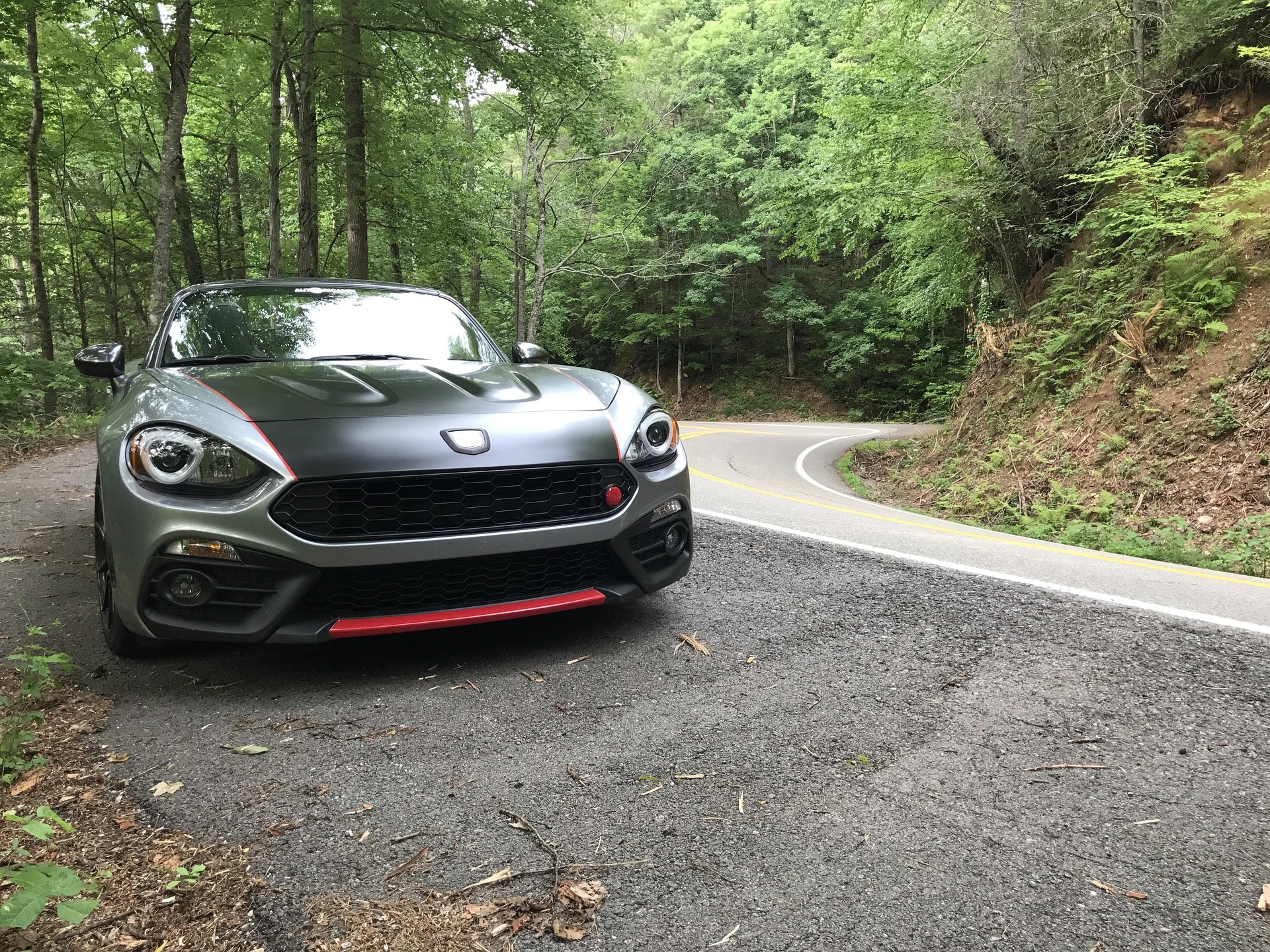
- 124 Spider (2017–2020): Mazda MX-5 platform with Fiat 1.4L turbo MultiAir engine – we service the unique engine/transmission pairing and handle soft-top mechanism repairs.
Abarth Performance Variants
- 500 Abarth / 595 / 695: Higher-output MultiAir turbo engines with performance-tuned calibrations; we diagnose boost control issues, performance clutch wear, and sport suspension components.
- 124 Spider Abarth: Turbocharged roadster with unique exhaust and tuning – we service all drivetrain and chassis components.
If you own an older Fiat model or a European-market variant not listed, give us a call. We'll confirm compatibility and discuss whether we have the tooling and platform knowledge to serve you properly.
Causes & Risks – What Happens if You Ignore the Warning Signs
Most Fiat failures start small and escalate when owners mistake early symptoms for quirks. The MultiAir solenoid that starts as a rough idle becomes a stuck valve that bends pushrods. The dual-clutch shudder that seems like a minor annoyance turns into a full mechatronic replacement when clutch material contaminates the hydraulic system. Denver's temperature swings – freezing mornings followed by afternoon heat – accelerate wear on plastic cooling components and electronic actuators that were marginal from the factory.
Skipping software updates is another common accelerant. Fiat released dozens of transmission and engine-control calibrations to address drivability complaints, and many of those updates prevent hardware damage. A car that's never seen a dealer or specialist misses those protective revisions. Oil-change intervals matter more on the turbocharged MultiAir engines than on naturally aspirated designs; sludge buildup restricts the hydraulic passages that actuate the intake valves, and a $40 oil change becomes a $3,500 cylinder-head replacement.
Here's how minor symptoms escalate into expensive failures:
- Turbo wastegate rattle ignored: Loose wastegate flapper damages the turbine wheel, scattering metal through the intake and exhaust. Turbo replacement jumps from $1,200 to $2,800 when you add intercooler and catalytic-converter damage.
- Transmission shudder dismissed as normal: Worn clutch packs contaminate the mechatronic unit's hydraulic valves. What starts as clutch replacement ($1,400) becomes a full transmission overhaul ($4,200) once the control unit fails.
- Coolant leaks topped off without repair: Air enters the cooling system, creating hot spots that warp the cylinder head. A $250 thermostat-housing repair becomes a $2,600 head-gasket job.
- Check-engine light ignored: A misfiring cylinder washes fuel past the rings, diluting the oil and accelerating bearing wear. Catalytic converters overheat from unburned fuel. A $180 ignition-coil replacement becomes a $3,200 engine teardown.
Safety Impact of Deferred Fiat Service
Fiat's reliance on electronic control modules for basic functions means that deferred service doesn't just cost money – it creates unpredictable safety failures. The body-control module that loses communication can disable your brake lights without warning, leaving the driver behind you with no notice when you slow down. Electronic power-steering systems on the 500X throw faults that cut assist mid-corner, forcing you to muscle the wheel through intersections. The dual-clutch transmission that's been shuddering for months can suddenly drop into neutral on a highway on-ramp, leaving you without power in merging traffic.
Brake-system neglect is especially dangerous on Fiats equipped with electronic parking brakes and hill-hold assist. Worn rear brake pads trigger EPB faults that disable the parking brake entirely, and the hill-hold system that prevents rollback on grades stops working. ABS and ESC systems share wheel-speed sensors and hydraulic components; a failing sensor doesn't just disable traction control, it compromises your ability to stop in a straight line on wet pavement.
Symptoms that demand immediate attention include steering that suddenly feels heavy or unresponsive, brake pedals that sink to the floor, transmission warnings accompanied by loss of power, and any dashboard message that says "service required" or displays a red warning icon. Schedule service within days if you notice new clunking from the suspension, fluid leaks under the car, or warning lights that stay illuminated after restarting. These aren't items to defer until next month.
Inside Your Fiat: Key Systems
Fiat's current lineup shares powertrains and platforms across the Stellantis family, but the Italian brand's engineering choices create service requirements that generic shops often miss. The 1.4L MultiAir Turbo engine uses an electro-hydraulic valve-actuation system instead of traditional camshaft lobes on the intake side. A solenoid and high-pressure oil control each intake valve's lift and duration, which improves efficiency but requires precise oil pressure and clean hydraulic passages. Diagnosing MultiAir faults demands a scan tool that can command individual solenoids and monitor oil-pressure feedback – capabilities most generic OBD-II scanners lack.
The dual-dry-clutch transmission (DDCT) in the 500L and 500X operates differently than a traditional automatic or CVT. Two independent clutches manage odd and even gears, with a mechatronic control unit orchestrating hydraulic pressure and clutch engagement. Software calibration determines shift quality, and Fiat released dozens of updates to address shudder and hesitation complaints. Servicing the DDCT requires factory-level diagnostic access to read clutch-adaptation values, monitor hydraulic pressures, and reflash control-unit software – procedures that aren't documented in generic repair databases.
Fiat's body-control architecture centralizes functions like lighting, door locks, and instrument-cluster communication through a single BCM that talks to other modules over a CAN bus network. When one module fails or loses programming, the entire system can behave erratically. Replacing a BCM or instrument cluster requires VIN coding and module configuration using factory tools; installing an uncoded replacement leaves you with inoperative features and warning lights.
Understanding these systems matters because Fiat-specific knowledge separates a correct diagnosis
If your Fiat is flashing warning lights, losing power, or refusing to start, you're likely facing a frustrating morning and a long list of questions. Modern Fiats – from the nimble 500 to the versatile 500X and 500L crossovers – share sophisticated electronics and platform-specific quirks that demand more than a code reader and guesswork. DART Auto has spent over two decades diagnosing European vehicles in Denver, and our master technicians know exactly where Fiat engineering shines and where it needs a careful hand.
Whether you're dealing with a MultiAir engine hesitation on your 500 Abarth, a dual-clutch transmission shudder in your 500X, or mysterious electrical gremlins in a 500L, we'll pinpoint the root cause quickly and get you back on the road. Our approach combines factory-level diagnostic tools with the transparency and pricing the dealer can't match – all backed by a 3-year/36,000-mile warranty that proves we stand behind our work.
How We Diagnose Fiat Vehicles
Accurate Fiat diagnosis starts with the right equipment. We use professional-grade scan tools that communicate directly with every control module in your vehicle – not just the powertrain. Fiats on the Small Wide platform (500, 500C, 500e) and the Small-US Wide platform (500X, 500L) share Chrysler Group architecture but retain Italian-specific calibrations, so generic scanners often miss critical fault codes or misinterpret data streams. Our tooling reads manufacturer-specific parameters, live sensor data, and stored freeze-frame information the way Fiat intended.
Once we've pulled codes, our diagnostic process unfolds systematically:
- Road testing under real conditions – replicating the symptom you described so we can observe live data while the fault occurs
- Visual and mechanical inspection – checking for oil leaks, loose connections, damaged wiring, or worn components that codes won't always flag
- Measurement and verification – using multimeters, pressure gauges, and oscilloscopes to confirm suspected failures rather than guessing based on a code alone
- Cross-referencing factory service information – consulting Fiat technical bulletins and repair procedures to identify known failure modes for your model year and chassis
After diagnosis, you'll receive a detailed explanation of what failed, why it happened, and what's required to fix it. We provide a transparent estimate before any repair work begins, and we'll walk you through the consequences of addressing the issue now versus later. No pressure, no upselling – just the information you need to make the right call for your Fiat and your budget.
Repair vs. Replacement on Fiat Vehicles
Not every fault requires a new part. When a Fiat component can be cleaned, calibrated, or repaired with a small sub-assembly, we'll recommend that route first. The decision hinges on failure mode, part availability, labor time, and long-term reliability. Our salaried technicians have no incentive to pad the bill, so you'll get an honest assessment every time.
Consider these common Fiat scenarios where the right call isn't obvious:
- MultiAir solenoid failure – sometimes a thorough cleaning and oil change restores function; other times the solenoid itself has worn internals and replacement is the only durable fix
- Dual-clutch transmission shudder – a fluid flush and adaptation reset can resolve early symptoms, but worn clutch packs or mechatronic faults demand deeper intervention
- Throttle body carbon buildup – cleaning often resolves idle issues and hesitation on naturally aspirated engines, but if the throttle plate motor has failed, the entire body needs replacement
- Turbocharger oil leaks – a leaking oil feed line is a quick fix; a failed turbo seal means rebuilding or replacing the turbo assembly
We'll explain the trade-offs – repair cost versus replacement cost, expected lifespan of each option, and whether a partial fix might leave you stranded again in six months. You'll never be pushed toward the most expensive solution when a smart, durable repair gets the job done.
How to Keep Your Fiat Healthy Between Visits
Routine attention between service visits catches small problems before they strand you. Start with simple visual checks: look under the car for fresh fluid spots, listen for new noises during startup and acceleration, and watch your dashboard for warning lights that weren't there yesterday. Fiats communicate trouble early if you're paying attention.
Brand-specific care that matters for longevity:
- Use OEM-spec fluids – Fiat MultiAir engines and dual-clutch transmissions are sensitive to oil viscosity and additive packages; cheap substitutes accelerate wear
- Follow Fiat's service intervals – your owner's manual lists mileage and time-based maintenance; skipping oil changes or neglecting transmission services invites expensive failures
- Keep software current – Fiat occasionally releases calibration updates that improve drivability, shift quality, or emissions performance; we can flash your modules during regular service
- Monitor tire pressures – the 500's small contact patch and the 500X's all-wheel-drive system both suffer when tires are underinflated
Driving habits also play a role. Allow your Fiat's turbocharged engine to warm up before hard acceleration, avoid lugging the engine at low RPM in high gear, and give the turbo a minute to cool after highway driving before shutting down. Gentle braking preserves pad life and reduces dust buildup on wheels.
What's safe to handle yourself? Checking fluid levels, inspecting wiper blades, and keeping the cabin air filter fresh are all straightforward. Leave anything involving the braking system, suspension components, or engine internals to the shop – Fiat's compact packaging makes many repairs more complex than they appear, and safety-critical systems demand proper torque specs and calibration. When in doubt, ask us. We'd rather answer a quick question than see a DIY repair turn into a bigger problem.
What to Expect at DART Auto for Fiat Service
From the moment you schedule, you'll work with a service advisor who speaks your language – not dealer jargon. Here's how we handle your Fiat from arrival to pickup:
- Drop-off and intake: We document your concerns, verify mileage and service history, and discuss any immediate symptoms. Shuttle service or loaner availability confirmed at this stage.
- Comprehensive inspection: Full module scan using factory-level tools, fluid condition check, and road test to replicate the issue. You receive a detailed estimate with photos and plain-language explanations of what's failing and why.
- Approval and repair: No work begins until you approve the scope and cost. During the repair, your advisor provides updates if additional issues surface or if we finish early.
- Post-repair verification: Every Fiat gets a final control module scan, road test under the conditions that triggered the original fault, and function checks of repaired systems.
- Pickup walkthrough: We review exactly what was done, show you the old parts if requested, and explain the 3-year/36,000-mile warranty coverage. After-hours pickup can be arranged for your schedule.
Within a week, expect a follow-up call to confirm the repair resolved your concern. If anything feels off, we'll get you back in immediately – no appointment needed.
Our Fiat Services
- Air Conditioning AC Repair
- Battery Repair Replacement
- Brake Repair & Brake Fluid Change
- Check Engine Light Diagnostics
- Clutch Repair & Replacement
- Coolant Leak Repair
- Cooling System Repair
- Drive Shaft Repair
- Engine Repair
- Exhaust & Catalytic Converter Repair
- Head Gasket Repair & Replacement
- Oil Change
- Oil Leak Repair
- Scheduled Service Maintenance
- Steering Repair
- Suspension Repair
- Cambelt Timing Belt Replacement
- Transmission Repair
- Tune Up
- Wheel Alignment