
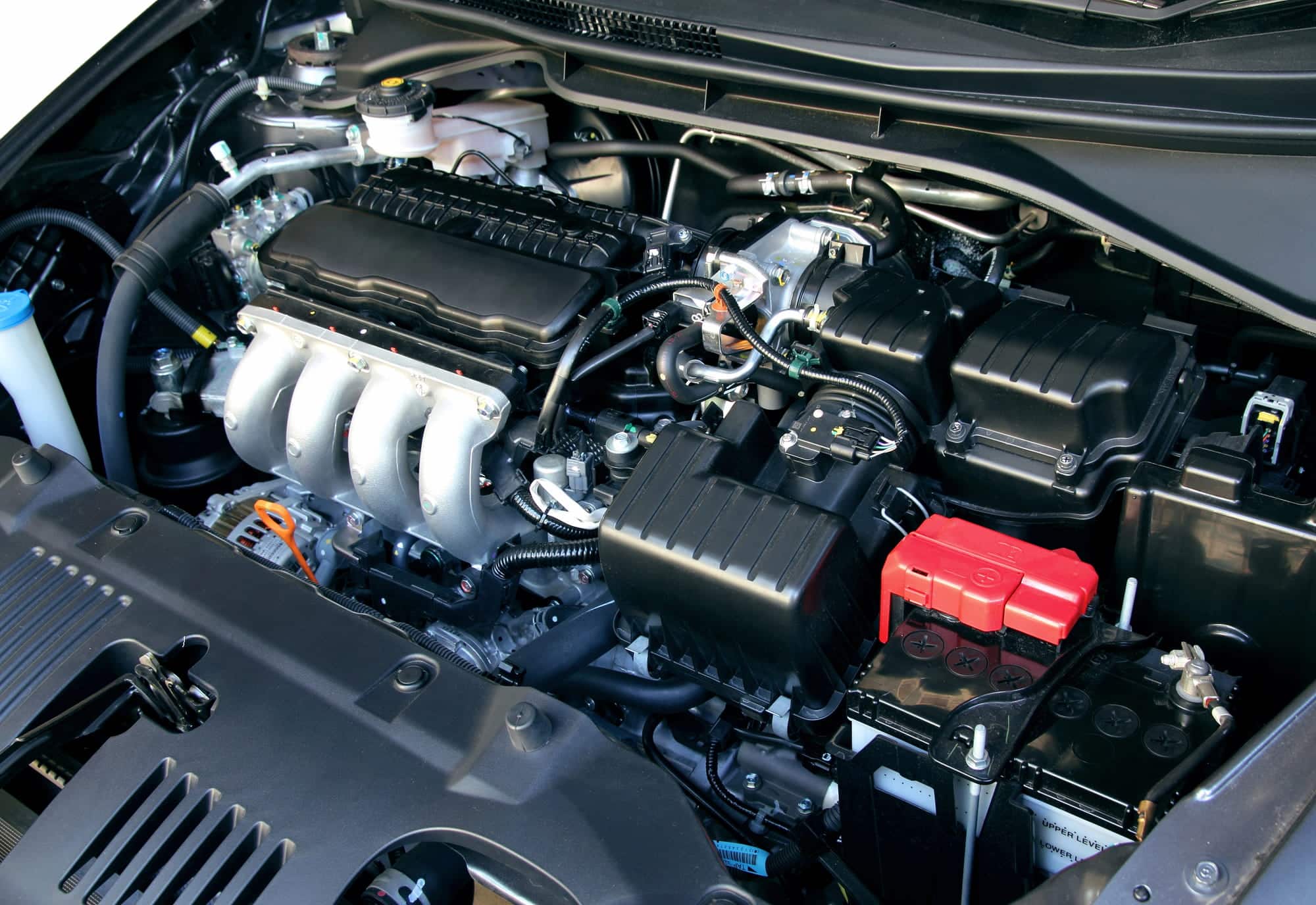
Lamborghini Engine Repair at DART Auto
Lamborghini V10 and V12 engines are engineering marvels – high-revving, naturally aspirated powerplants designed to deliver visceral performance. But that exotic character demands specialist attention when things go wrong. The Gallardo's 5.0L and 5.2L V10 (E-gear and manual variants), the Huracán's 5.2L V10, and the Aventador's 6.5L V12 all share sophisticated dry-sump oiling systems, variable valve timing, and engine management calibrations that generic shops simply don't encounter. When a check engine light appears or oil pressure drops unexpectedly, you need a facility with factory-level diagnostic capability and experience with these platforms.
DART Auto has invested in the OEM scan tools, wiring diagrams, and repair procedures that dealerships use – without the dealer markup. Our master technicians understand the nuances of Lamborghini's Iniezione Diretta Stratificata fuel delivery, the common failure modes of early Gallardo coil packs (2004–2008 models), and the critical importance of maintaining correct oil levels in dry-sump systems where even minor leaks can cascade into bearing damage. We diagnose the root cause first, then execute repairs using OEM or premium aftermarket components from suppliers we've trusted for over two decades.
When you bring your Lamborghini to DART Auto for engine repair, you can expect:
- Complete diagnostic evaluation using factory-level scan tools to read fault codes, live data streams, and adaptation values
- Transparent explanation of what failed, why it failed, and what's required to restore reliability
- Precision repairs executed by salaried technicians with dealer training and at least 10 years of experience
- 3-year/36,000-mile warranty on parts and labor, backing every repair we perform
Common Engine Repair Issues on Lamborghini Vehicles
Lamborghini engines are masterpieces of Italian engineering, but their high-revving V10 and V12 powerplants demand specialist attention when things go wrong. These aren't your typical automotive engines – they're mid-mounted, naturally aspirated works of art that operate at extreme temperatures and pressures. When repair becomes necessary, the work requires factory-level diagnostic capability and an understanding of platform-specific vulnerabilities that generic shops simply don't encounter.
- Valve guide wear and oil consumption on Gallardo 5.0L V10 engines (2004–2013): The early Gallardo platform shares its engine architecture with the Audi R8, and both suffer from valve guide wear that allows oil to seep past the guides into the combustion chamber. Owners report needing to add a quart of oil every 500–800 miles. Left unaddressed, this leads to carbon fouling on intake valves and eventual catalytic converter damage from oil burning through the exhaust.
- Exhaust manifold cracking on Murciélago 6.2L and 6.5L V12 engines (2001–2010): The extreme heat cycling in these naturally aspirated V12s causes the exhaust manifolds to develop stress cracks, particularly on cylinders 10–12. The cracks create exhaust leaks that trigger check-engine lights and can damage downstream oxygen sensors. The OEM manifolds are cast and prone to repeat failure unless upgraded to aftermarket stainless units.
- Timing chain tensioner failure on Huracán 5.2L V10 engines (2014–2019): Early Huracán models experienced premature wear on the hydraulic timing chain tensioners, leading to rattling on cold starts and eventual timing slip if ignored. This is a known Lamborghini/Audi platform issue that requires replacement with updated tensioner assemblies and fresh timing chain components to prevent catastrophic valve-to-piston contact.
- Coolant pipe corrosion and leaks on Aventador 6.5L V12 engines (2011–present): The aluminum coolant pipes that snake through the Aventador's carbon-fiber monocoque are prone to galvanic corrosion where dissimilar metals meet. Small leaks quickly become major problems because accessing these pipes requires partial engine removal. Early detection through pressure testing prevents overheating and head gasket failure.
- Carbon buildup on direct-injection V10 engines (Huracán EVO, 2019–present): Lamborghini's move to direct fuel injection improved power and efficiency but introduced the same carbon buildup issues seen across the VW/Audi family. Intake valves accumulate deposits that reduce airflow, cause misfires, and rob power. Walnut-blasting the intake ports restores performance without disassembly.
- Engine mount deterioration across all models (typically after 30,000–50,000 miles): The combination of mid-engine placement, high torque output, and heat exposure causes Lamborghini engine mounts to degrade faster than conventional front-engine layouts. Worn mounts allow excessive engine movement, creating driveline vibration, shifter slop, and potential damage to coolant hoses and wiring harnesses that weren't designed to flex.
Why Choose DART Auto for Lamborghini Engine Repair
Lamborghini V10 and V12 powerplants demand a level of precision and platform knowledge that most shops simply don't possess. The Gallardo's 5.0L and 5.2L E-gear transmissions require specific adaptation procedures after clutch work. The Aventador's naturally aspirated V12 relies on variable valve timing solenoids prone to carbon fouling, and the Huracán's dual-clutch mechatronics units need factory-level diagnostics to isolate sensor faults from mechanical wear. DART Auto owns the factory diagnostic software and scan tools – the same equipment Lamborghini dealerships use – so we read live data streams, perform actuator tests, and flash ECU updates without guessing.
Our technicians bring dealer-level training and over a decade of hands-on experience with exotic Italian platforms. We follow OEM repair procedures down to torque specifications and fluid capacities, because on a Lamborghini even a slightly undertorqued connecting rod bolt or incorrect oil viscosity can cascade into catastrophic failure. Every engine repair includes:
- Complete pre-repair diagnostics – freeze-frame data, compression testing, leak-down analysis, and borescope inspection where warranted
- OEM or approved aftermarket parts sourced from suppliers who understand exotic tolerances
- Post-repair verification – road test under load, scan-tool confirmation of fault-code clearing, and oil-pressure validation at operating temperature
- 3-year / 36,000-mile warranty on parts and labor, so you drive with confidence
Because our technicians are salaried rather than flat-rate, there's zero incentive to rush your repair or recommend unnecessary work. We fix it right the first time.
Symptoms – How to Know You Need This Service
Lamborghini engines communicate distress through specific symptoms. Recognizing these early can mean the difference between a contained repair and catastrophic damage. Here's what to watch for from the driver's seat:
- Check engine light or flashing CEL: Steady illumination often indicates emissions or sensor faults; a flashing light means active misfires that can damage catalytic converters. Stop driving immediately if the light flashes.
- Sudden oil pressure warning: Dry-sump systems depend on precise scavenge pump operation. Low pressure warnings demand immediate shutdown to prevent bearing damage.
- Rough idle or misfires: Coil pack failures (especially on 2004–2010 Gallardo models) and carbon buildup on intake valves create noticeable stumbles at idle or under load.
- Excessive oil consumption: Burning more than a quart between services can signal valve guide wear, piston ring issues, or PCV system faults.
- Metallic ticking or knocking: Bearing wear, timing chain slack, or hydraulic lifter collapse produce distinct sounds that worsen with RPM. Schedule service immediately.
- Blue or white exhaust smoke: Blue indicates oil burning; white suggests coolant entering combustion chambers, often from head gasket or cylinder liner issues.
- Loss of power or hesitation: Fuel delivery faults, throttle body issues, or variable valve timing malfunctions rob these engines of their characteristic response.
- Overheating or coolant loss: Water pump failures, thermostat issues, or coolant leaks can lead to head gasket failure if ignored.
Which Lamborghini Models We See for Engine Repair
DART Auto services the full range of modern Lamborghini platforms, from the Gallardo that democratized the brand through current Huracán and Aventador models. Our facility handles both V10 and V12 configurations, manual and E-gear/LDF automated transmissions, and all-wheel-drive variants. Here's what we commonly work on:
- Gallardo (2003–2013): 5.0L and 5.2L V10 engines, including LP550-2, LP560-4, Superleggera, and Spyder variants. E-gear and manual transmissions. Common work includes coil pack replacement, carbon cleaning, oil leak repairs, and PCV system service.
- Huracán (2014–present): 5.2L V10 with direct injection, LP580-2, LP610-4, Performante, and EVO models. LDF dual-clutch transmission. We address carbon buildup, fuel system issues, and sensor faults unique to the newer engine management.
- Aventador (2011–present): 6.5L V12, LP700-4, LP750-4 SV, and SVJ variants. Single-clutch ISR transmission. Work includes valve train service, exhaust manifold repairs, and complex diagnostics requiring OEM scan tools.
- Murciélago (2001–2010): 6.2L and 6.5L V12 engines. We service these earlier platforms but focus primarily on 2004-and-newer models where parts availability remains strong.
- Urus (2018–present): 4.0L twin-turbo V8 (shared EA825 platform with Audi). Turbocharger, timing chain, and carbon buildup service common to this forced-induction variant.
If your Lamborghini falls outside these ranges or you're uncertain about compatibility, call us. We'll confirm whether your specific model year and configuration fits our service capabilities.
```html
Causes & Risks – What Happens if Ignored
Lamborghini engine problems stem from the inherent stress of high-performance operation combined with the realities of ownership patterns. These cars spend long periods sitting between spirited drives, and that heat-soak-cool-down cycle accelerates seal degradation, fluid breakdown, and corrosion. Denver's altitude compounds the challenge – thinner air means engines work harder to make rated power, and temperature swings from mountain drives to urban heat create additional thermal stress. Add in the fact that many Lamborghinis are weekend toys rather than daily drivers, and you get oil that ages from time rather than miles, fuel that sits and oxidizes, and coolant that loses its protective properties before the odometer suggests replacement.
When you postpone engine repair on a Lamborghini, the damage multiplies in predictable ways:
- Oil consumption from valve guide wear: What starts as adding a quart every thousand miles progresses to fouled spark plugs, misfires, and catalytic converter contamination. Once the cats are damaged (usually within 5,000–10,000 miles of heavy oil burning), you're looking at exhaust system replacement on top of the original valve work – turning a manageable repair into a five-figure project.
- Exhaust manifold cracks: A small crack that triggers an oxygen sensor code will grow with every heat cycle. The leak allows unmetered air into the exhaust stream, confusing the ECU's fuel trim calculations and causing the engine to run rich. Over time, this washes fuel past the piston rings, dilutes the oil, and accelerates bearing wear. The repair that could have been isolated to manifold replacement now involves bottom-end inspection.
- Timing chain tensioner neglect: Ignoring the cold-start rattle for even a few hundred miles risks tensioner collapse and timing chain skip. When timing jumps on a Lamborghini V10, the valves contact the pistons at 8,000 RPM. The resulting damage requires complete engine disassembly, new pistons, valves, cylinder head work, and often new camshafts – an engine-out repair that eclipses the cost of the original tensioner job by an order of magnitude.
- Coolant leaks: A slow seep from a corroded coolant pipe will eventually empty the system, and Lamborghini V10s and V12s overheat catastrophically fast without coolant flow. Cylinder head warping begins within minutes of losing coolant at operating temperature. What could have been a pipe replacement becomes head resurfacing or replacement, new head gaskets, and a complete cooling system overhaul.
- Carbon buildup: Delaying intake valve cleaning doesn't cause sudden failure, but it steadily erodes performance and fuel economy. Misfires become more frequent, the engine struggles to reach redline cleanly, and eventually the ECU throws multiple misfire codes. By that point, the carbon is so thick that walnut-blasting may not be enough – some valves require manual scraping or chemical soaking, tripling the labor time.
Safety Impact – Why Engine Repair Matters
Engine failures on a Lamborghini create safety risks that go beyond inconvenience. These are mid-engine, rear-wheel-drive machines with aggressive power delivery and minimal electronic nannies compared to modern sports cars. When the engine misbehaves, the consequences are immediate and sometimes violent.
- Sudden power loss from timing chain failure: If a tensioner collapses and timing skips while you're accelerating onto a highway or passing on a two-lane road, the engine cuts to zero power instantly. You're left coasting in traffic with no ability to accelerate out of danger. Worse, if the valves contact the pistons, the engine may seize completely, locking the rear wheels and triggering a spin.
- Coolant loss and overheating: A catastrophic coolant leak fills the engine bay with steam and coolant vapor, obscuring the rear window and side mirrors. The sudden loss of visibility while driving at speed is dangerous enough; add in the risk of engine seizure from overheating, and you have a scenario where the car becomes uncontrollable with no warning.
- Misfires and power delivery inconsistency: Carbon buildup or fouled plugs cause the engine to misfire under load, creating unpredictable power pulses to the rear wheels. In a car with this much torque and relatively narrow tires, an unexpected misfire mid-corner can break traction and initiate a slide that even skilled drivers struggle to catch.
- Oil starvation from consumption issues: Running the engine low on oil due to valve guide wear or leaks risks bearing failure. When a bearing lets go at high RPM, the engine can seize instantly, locking the drivetrain and rear wheels. This is a "stop driving immediately" scenario – continuing to operate a Lamborghini with low oil pressure is gambling with your safety and everyone around you.
When to stop driving versus schedule soon: Any check-engine light accompanied by rough running, loss of power, or unusual noises means stop now and arrange a tow. Slow oil leaks, minor coolant seepage, or a single misfire code on an otherwise smooth-running engine can wait for an appointment – but not weeks. Lamborghini engines escalate problems quickly, so "schedule soon" means within days, not months.
How Lamborghini Engine Repair Actually Works
Lamborghini's naturally aspirated V10 and V12 engines run high compression and high rpm, which puts far more load on bearings, valve train and chain drive than a normal road engine ever sees.
How We Diagnose Engine Repair Issues on Lamborghini
Lamborghini engines – whether the naturally aspirated V10 in the Gallardo and Huracán or the V12 in the Aventador and Murciélago – demand a diagnostic approach that respects their exotic architecture. These powerplants share little with conventional road cars: dry-sump oiling, individual throttle bodies, stratospheric redlines, and electronics calibrated for millisecond response times. When something goes wrong, generic scan tools and guesswork waste time and money.
- Initial interview and symptom documentation. We ask when the issue occurs (cold start, high RPM, sustained load), what the driver hears or feels, and whether any warning lights have appeared. Lamborghini's instrument cluster can display cryptic fault codes that point to misfires, cam-position errors, or throttle-actuator faults.
- Factory-level scan with Lamborghini-specific diagnostic software. We connect a scan tool running the OEM protocol to pull live data streams – individual cylinder contribution, lambda sensor voltages, ignition advance maps, and throttle-body synchronization. On E-Gear or LDF dual-clutch cars, we also check transmission adaptation values that can mask engine performance issues.
- Physical inspection under the engine cover. Lamborghini V10s and V12s sit mid-mounted with limited access. We inspect coil packs (a common failure point on 2004–2008 Gallardo), check for oil weeping around cam covers (frequent on early Murciélago 6.2L engines), and verify vacuum-line integrity on throttle-body banks.
- Compression and leak-down testing when cylinder health is in question. High-compression exotic engines show wear patterns different from everyday motors. A 10-percent variance between cylinders can indicate valve-seat recession or piston-ring wear.
- Road test under load. We replicate the conditions the owner described – wide-open throttle pulls, part-throttle cruise, or aggressive downshifts – to confirm the fault and gather additional data.
Once we've correlated scan data with physical evidence and real-world behavior, we prepare a detailed repair plan. You'll receive a written estimate that explains what failed, why it failed, and what we'll do to restore performance and reliability. No jargon, no upselling – just a clear path forward.
Engine Repair on Lamborghini: Repair vs. Replacement
The question of repair versus replacement on a Lamborghini engine hinges on the failure mode and how much of the surrounding assembly is compromised. These are not mass-market engines with interchangeable long-blocks sitting on a shelf.
When True Repair Makes Sense
- Ignition coil or spark-plug replacement. On Gallardo V10s, individual coil-on-plug units fail regularly. Replacing the failed coil – and often the plugs as a set – restores smooth running without touching the core engine.
- Throttle-body cleaning and re-synchronization. Carbon buildup on individual throttle bodies (ten on a V10, twelve on a V12) causes rough idle and hesitation. Cleaning and re-balancing airflow across all throttles is a repair, not a replacement.
- Cam-cover gasket and valve-cover seal replacement. Oil seepage is common on early Murciélago 6.2L engines. Replacing gaskets and re-torquing covers stops the leak without opening the bottom end.
When Partial Replacement Is the Right Call
- Cylinder-head work for valve-seat or guide wear. If compression testing reveals one bank is down, we may remove and machine the affected head, install new valves and seats, and reinstall. The block and opposite bank remain untouched.
- Timing-chain or variator replacement on early Huracán 5.2L engines. Stretched chains or worn cam phasers can be replaced without a full teardown, provided bearing surfaces and cylinder walls remain healthy.
When Full Replacement Is Justified
- Catastrophic bearing failure or scored cylinder walls. If metal debris has circulated through the oiling system, a short-block or complete engine replacement is safer and more cost-effective than attempting to salvage damaged internals.
- Rod knock or crank damage from oil starvation. High-revving dry-sump engines do not forgive low oil pressure. Once the crank is scored, replacement is the only durable solution.
We walk you through the decision with photos, measurements, and a side-by-side cost comparison. Our technicians are salaried, so there's no incentive to push the most expensive option – only the one that makes the most sense for your car and your budget.
How to Make Your Lamborghini Engine Repair Last Longer
Lamborghini engines are built for performance, not for forgiveness. The same characteristics that deliver 8,000-RPM redlines and sub-four-second 0–60 times also mean these powerplants respond poorly to neglect or abuse. A few deliberate habits will extend the life of any repair we perform.
Driving Habits That Protect High-Performance Engines
- Warm up before hard use. Oil and coolant need time to reach operating temperature. Even on a 90-degree day, give the engine three to five minutes of light-throttle driving before exploring the upper half of the tach.
- Cool down after sustained high load. After track sessions or spirited canyon runs, drive gently for the last mile or two. Turbulent shutdown of a hot engine can cause heat soak and accelerate oil breakdown.
- Avoid lugging the engine at low RPM. Lamborghini V10s and V12s make peak torque high in the rev range. Asking for full throttle below 3,000 RPM loads bearings and rings unnecessarily.
Maintenance You Can Monitor Yourself
- Check oil level weekly. Dry-sump systems hold more oil than conventional wet-sump designs, but they also consume more during spirited driving. Top off with the OEM-spec synthetic (typically 5W-40 or 10W-60) as needed.
- Listen for changes in engine note. New ticking, rattling, or exhaust rasp can signal failing coils, exhaust-flange leaks, or cam-phaser wear. Catching these early prevents secondary damage.
- Watch the instrument cluster for fault lights. Lamborghini's onboard diagnostics will flag misfires, throttle faults, and oil-pressure anomalies. Don't ignore them.
Professional Service That Matters
- Follow Lamborghini's service intervals – or shorten them if you track the car. Factory intervals assume street use. Track days, high-altitude driving, and extreme heat all justify more frequent oil changes and inspections.
- Use OEM or equivalent fluids and filters. Lamborghini specifies oil viscosity, coolant formulation, and brake fluid for a reason. Substituting generic products risks compatibility issues and warranty headaches.
- Keep software current. Engine-control-unit updates address drivability issues, refine fuel maps, and sometimes prevent hardware failures. We flash ECUs as part of major service.
Leave safety-critical work – timing components, cylinder-head removal, fuel-system repairs – to trained technicians with the right tools. DIY oil changes and filter swaps are fine; DIY valve jobs on a 200-mph supercar are not. We're here to handle the complex work so you can enjoy the car the way Sant'Agata intended.
What to Expect When You Bring Your Lamborghini In
We know your Lamborghini isn't just transportation – it's an investment. From the moment you schedule your appointment, we treat your vehicle with the care it deserves. Here's how the process unfolds:
- Appointment and drop-off. We'll arrange a time that works for your schedule. Bring any service records or notes about symptoms you've noticed. If you need a loaner vehicle or shuttle service, let us know when you book – we'll coordinate options so you stay mobile.
- Initial inspection and diagnostics. Our technician performs a complete scan, retrieves stored fault codes, and conducts a visual inspection of engine bay components, fluid levels, and any obvious wear patterns. We document everything before disassembly begins.
- Written estimate and consultation. You'll receive a detailed breakdown of the recommended repairs, the parts we'll use, and why each step matters for long-term reliability. We explain what happens if you delay the work, so you can make an informed decision without pressure.
- Repair execution. Once you approve the estimate, we order parts and schedule the work. Throughout the process, we keep you updated on progress and flag any additional findings before proceeding.
- Post-repair verification and pickup. Before you arrive, we road-test your Lamborghini under real-world conditions, re-scan for codes, and confirm oil pressure and operating temperatures are within spec. At pickup, we walk you through what we did and answer any questions. If something feels off in the days after, call us – we'll get you back in and make it right.
Our Lamborghini Services
- Air Conditioning AC Repair
- Battery Repair Replacement
- Brake Repair & Brake Fluid Change
- Check Engine Light Diagnostics
- Clutch Repair & Replacement
- Coolant Leak Repair
- Cooling System Repair
- Drive Shaft Repair
- Exhaust & Catalytic Converter Repair
- Head Gasket Repair & Replacement
- Oil Change
- Oil Leak Repair
- Scheduled Service Maintenance
- Steering Repair
- Suspension Repair
- Cambelt Timing Belt Replacement
- Transmission Repair
- Tune Up
- Wheel Alignment


