
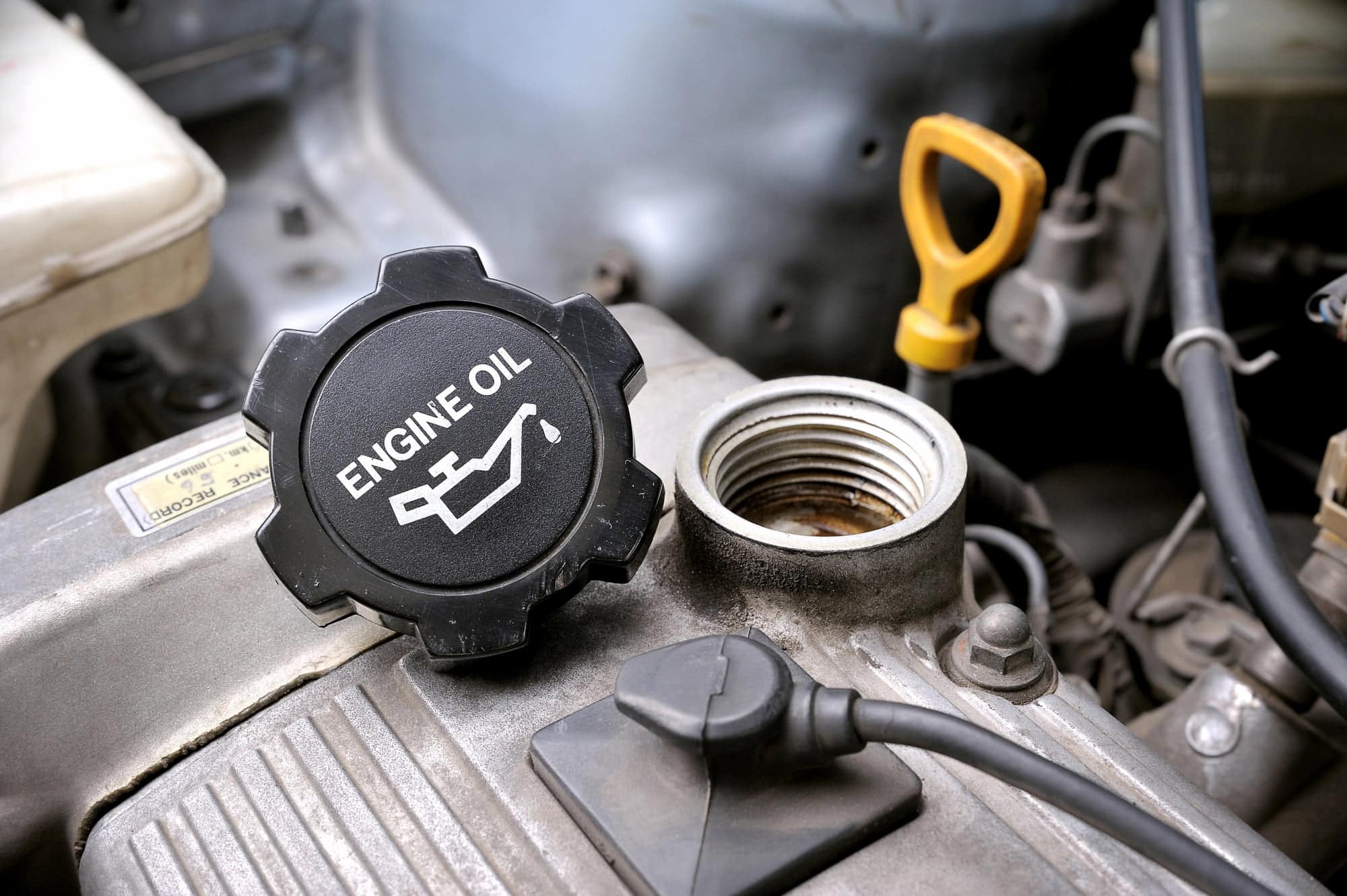
Lamborghini Oil Change at DART Auto
Getting an oil change wrong on a Lamborghini costs far more than the service itself. Miss the factory-specified interval on a Gallardo V10 or Huracán, and you risk metal shavings circulating through dry-sump galleries designed with tolerances measured in microns. Skip the mandated oil-level check procedure on an Aventador, and the engine management system may flag a fault that requires dealer-level diagnostics to clear. These aren't Honda Civics – they're six-figure investments where resale value hinges on complete, documented maintenance history using the exact fluids Sant'Agata Bolognese engineered the car around.
DART Auto performs Lamborghini oil changes using the same factory repair information, torque specifications, and diagnostic tooling the dealer uses, minus the markup. Our master technicians – each with over a decade of European performance experience – follow OEM procedures step-by-step: warming the engine to operating temperature, extracting oil from the correct sump location (critical on mid-engine platforms where gravity alone won't drain everything), torquing the magnetic drain plug to spec, and filling with Mobil 1 ESP 0W-40 or the exact viscosity grade your model requires. We document every service with photos and fluid analysis notes that protect warranty claims and reassure the next buyer.
When you bring your Lamborghini to DART, expect:
- Factory-correct oil capacity and viscosity grade verified against VIN-specific service data
- Magnetic drain plug inspection for metal debris indicating bearing or camshaft wear
- OEM or premium Mann/Mahle oil filter sourced from authorized European suppliers
- Complete undercarriage inspection while the car is elevated – exhaust hangers, CV boots, subframe mounts, brake lines
Common Oil Change Issues on Lamborghini Vehicles
Lamborghini engines demand precision. The cost of cutting corners on oil service shows up fast – in warranty denials, catastrophic engine damage, and resale value that drops by tens of thousands. Here are the specific failure patterns we see across the Lamborghini lineup:
- Gallardo (2003–2013) dry-sump system contamination: The V10's dry-sump oiling relies on multiple scavenge pumps and an external reservoir. Incorrect fill procedures or wrong viscosity grades lead to aeration and bearing surface damage. Early LP560-4 models (2008–2010) are especially sensitive to oil starvation during aggressive cornering if service intervals slip.
- Murciélago (2001–2010) valve-cover oil weeping: The 6.2L and 6.5L V12 engines develop slow leaks at valve-cover gaskets, accelerated by heat cycling. Delayed oil changes leave sludge deposits that prevent proper gasket sealing, turning minor seepage into quart-per-week consumption.
- Aventador (2011–present) oil-temperature management failures: The LP700's advanced thermal management system uses multiple temperature sensors to modulate oil flow. Running incorrect synthetic blends or exceeding 7,500-mile intervals causes sensor fouling, triggering limp mode and expensive ECU recalibration requirements.
- Huracán (2014–present) variable valve-timing actuator wear: The 5.2L V10 relies on clean oil pressure to drive cam phasers. Contaminated oil from extended intervals creates varnish on actuator solenoids, producing rough cold starts and throwing P0011/P0021 cam-position codes that require actuator replacement – not just an oil change.
- Urus (2018–present) twin-turbo oil coking: The 4.0L EA825 engine shares architecture with Audi's twin-turbo V8 but runs higher boost. Turbocharger bearing journals coke rapidly if oil changes stretch beyond 10,000 miles, leading to catastrophic turbo failure and $15,000+ replacement costs.
- Carbon-ceramic brake fluid contamination: While not engine oil, many owners overlook that Lamborghini's carbon-ceramic brakes require specific DOT 4+ fluid changed annually. Moisture ingress during oil service (when the car sits open) accelerates corrosion in the ABS module and master cylinder.
Why Choose DART Auto for Lamborghini Oil Change
A Lamborghini V10 or V12 demands more than a quick drain-and-fill. Get the oil change wrong – wrong viscosity, incorrect filter, missed leak points – and you risk warranty claims, oil starvation on track days, or resale value hits when the next buyer's pre-purchase inspection flags sludge or incorrect service records. DART Auto has invested in the factory tooling and platform knowledge to service these cars correctly: we use Lamborghini-specified 5W-40 or 10W-60 synthetics depending on your model year and engine code, torque drain plugs to spec, and verify oil level with the car level and at operating temperature – details generic shops skip.
Our master technicians have dealer training on VAG Group platforms and over a decade of hands-on experience with Gallardo, Huracán, Murciélago, and Aventador models. We follow factory service procedures, including resetting the oil-life monitor through the diagnostic port (not just the dash button trick that leaves a fault code). Because we're salaried rather than flat-rate, there's no incentive to rush your service or upsell unnecessary work – we inspect, document, and explain what we find.
- Platform-specific expertise: familiarity with early Gallardo oil-cooler o-ring leaks, Huracán LP610 dry-sump system nuances, and Aventador undertray removal sequences
- OEM-grade parts: genuine Lamborghini filters or Mahle/Mann equivalents sourced from trusted European suppliers
- Transparent process: written estimates before work begins, photo documentation of drain-plug condition and undertray hardware
- 3-year/36,000-mile warranty: parts and labor coverage that backs our work long-term
Symptoms – How to Know You Need This Service
Lamborghini engines communicate distress long before catastrophic failure, but you need to recognize the language. Watch for these warning signs:
- Oil pressure warning light or message on the instrument cluster – stop driving immediately; V10 and V12 engines can seize within seconds of losing pressure
- Metallic ticking or rattling from the engine bay at cold start – degraded oil film allows cam lobes and followers to contact metal-on-metal until pressure builds
- Oil level dropping between services – Gallardo LP560 and early Huracán models are known for slight consumption, but more than a quart per 1,000 miles suggests piston ring wear or valve guide seals
- Burnt smell from the exhaust or engine compartment – overheated oil loses viscosity and protective additives, accelerating wear exponentially
- Dark, gritty oil visible on the dipstick – suspended carbon and metal particles indicate the oil has exceeded its service life
- Engine running noticeably hotter than normal – degraded oil can't transfer heat effectively from pistons and bearings to the cooling system
- Rough idle or hesitation under load – variable valve timing solenoids (common on Huracán and Aventador) rely on clean oil to function; sludge causes erratic timing advance
Schedule service soon if you notice any symptoms beyond the oil pressure warning. That one demands immediate shutdown and a flatbed tow.
Which Lamborghini Models We See for Oil Change
DART Auto services the full spectrum of modern Lamborghini platforms, from the Gallardo that brought the brand into attainability through today's Huracán and Urus. Our equipment and training cover:
- Gallardo (2003–2013) – all variants including LP550-2, LP560-4, LP570-4 Superleggera; 5.0L and 5.2L V10 require 13 quarts with filter, dry-sump extraction from both sumps
- Huracán (2014–present) – LP580-2, LP610-4, LP640-4 Performante, STO; 5.2L V10 shares architecture with late Gallardo but uses updated variable valve timing that demands stricter oil cleanliness
- Murciélago (2001–2010) – LP640, LP670-4 SV; 6.2L and 6.5L V12 hold 15+ quarts, require lift access to both undercarriage drain points
- Aventador (2011–2022) – LP700-4, LP750-4 SV, SVJ, Ultimae; 6.5L V12 with complex ISR transmission cooling circuit that shares oil cooler with engine
- Urus (2018–present) – 4.0L twin-turbo V8 (shared EA825 platform with Audi RS Q8, Porsche Cayenne Turbo); 9.5 quarts, turbo oil feed lines require careful inspection for carbon buildup
We occasionally see older Diablo and Countach models, though carburetor tuning and mechanical fuel injection fall outside our core focus on modern electronic engine management. If your car predates OBD-II, call ahead so we can confirm parts availability and technician familiarity with your specific model year.
Causes & Risks – What Happens if Ignored
Lamborghini oil-system problems stem from three sources: the extreme thermal stress these engines generate, the precision tolerances that leave no margin for contamination, and owner assumptions that "synthetic oil lasts forever." Colorado's altitude and temperature swings make it worse – cold starts at 20°F followed by track days at 9,000 feet create condensation and fuel dilution that synthetic alone can't overcome.
Delaying service turns manageable maintenance into catastrophic failure. A $400 oil change ignored for 5,000 extra miles becomes a $25,000 engine rebuild. Here's the escalation path we see repeatedly:
- Months 0–3 past due: Oil breaks down, losing viscosity. Valve-train noise increases during cold starts. Fuel economy drops 8–12% as the ECU compensates for increased internal friction.
- Months 3–6 past due: Sludge forms in oil galleries and variable valve-timing passages. Cam phasers stick, throwing check-engine lights. Turbocharger bearings (on Urus) begin scoring. Oil consumption climbs from normal (1 quart per 2,000 miles) to alarming (1 quart per 500 miles).
- Months 6–12 past due: Bearing surfaces show measurable wear on borescope inspection. Oil pressure drops at idle. The engine management system enters reduced-power mode to prevent immediate seizure. At this stage, you're no longer preventing damage – you're limiting how much worse it gets before the next failure.
- Beyond 12 months: Spun bearings, scored cylinder walls, seized variable valve-timing actuators. The repair estimate exceeds the cost of a used engine, and your warranty (if any remains) has been voided by documented neglect of maintenance schedules.
The financial risk isn't just repair cost – it's resale value destruction. Prospective buyers and their pre-purchase inspectors scrutinize service records. Missing or delayed oil changes cut offers by $20,000 to $40,000 on six-figure cars.
Why Oil Change Matters
Neglected oil service doesn't just hurt your wallet – it creates immediate safety risks. When a Lamborghini's engine enters limp mode at 80 mph because oil pressure dropped below safe thresholds, you lose power mid-corner with no warning. Turbocharged models (Urus) experience boost cut and sudden deceleration that can trigger rear-end collisions.
Specific safety systems compromised by oil-system neglect:
- Electronic stability control: Relies on predictable engine torque delivery. Misfires from fouled cam phasers confuse the ESC logic, causing delayed intervention or false activation during spirited driving.
- All-wheel-drive torque vectoring (Huracán, Aventador, Urus): The Haldex or central differential controller expects consistent power output. Engine stumbling from oil starvation creates driveline shock loads that can grenade the rear differential or transfer case.
- Brake-by-wire systems (Aventador, Urus): These cars use engine vacuum and hydraulic pressure assist. A failing engine running on degraded oil produces inconsistent vacuum, lengthening stopping distances by 15–25 feet from 60 mph.
- Cooling system integrity: Oil breakdown increases combustion-chamber temperatures, which overstress head gaskets and coolant hoses. A blown hose at speed creates an instant visibility hazard from steam and leaves you stranded in traffic.
Stop driving immediately if: oil pressure warning illuminates, you smell burning oil in the cabin, or the engine produces metallic knocking. Schedule service this week if: oil level drops more than one quart between changes, cold-start valve noise persists beyond 10 seconds, or check-engine lights appear related to cam timing (P0011, P0014, P0021, P0024).
How Lamborghini Oil Change Actually Works
Lamborghini's approach to lubrication differs fundamentally from mass-market vehicles. Most Lamborghini V10 and V12 engines use dry-sump oiling: instead of a traditional oil pan, multiple scavenge pumps pull oil from the crankcase into an external reservoir, then a pressure pump feeds it back through the engine. This design prevents oil starvation during high-g cornering but requires precise fill quantities – overfilling by even half a quart causes aeration and power loss, while underfilling starves the pickup during hard braking.
The service procedure involves more than draining and filling. Lamborghini specifies a multi-step process:
- Pre-fill crankcase priming: After filter replacement, the engine must be rotated (without starting) using factory scan tools to circulate oil and purge air from galleries before first start. Skipping this step causes 10–15 seconds of dry running that damages bearings.
- Electronic service-interval reset: The instrument cluster and ECU both track oil life independently. Both require reset using VAS 5054 or Leonardo diagnostic systems – generic OBD-II scanners can't access these modules. Failure to reset triggers premature service reminders or, worse, leaves the ECU thinking the oil is older than it is.
- Torque-to-yield drain plugs: Many Lamborghini oil pans use single-use aluminum crush washers and drain plugs with specific torque sequences (45 Nm, then 90° additional rotation). Reusing washers or improper torque causes leaks that aren't visible until the car sits overnight, leaving puddles that suggest major gasket failure.
- Filter-housing priming on turbocharged models: The Urus requires pre-filling the oil filter housing before installation to prevent turbocharger oil starvation on first start.
How We Diagnose Oil Change Issues on Lamborghini
On a Lamborghini, an oil change isn't just about draining and refilling – it's a critical inspection window for the V10 or V12 engine that powers your investment. Missing early warning signs during this service can cost you tens of thousands in engine damage. Here's how we approach every oil change on these Italian exotics:
- Pre-service scan with factory-level diagnostics. We connect Lamborghini-specific scan tools to read stored fault codes, oil temperature and pressure sensor data, and valve timing parameters. On Gallardo and early Huracán platforms, we check for oil pressure sensor drift that can mask low-pressure conditions.
- Visual underbody inspection while draining. As the oil drains, we inspect the magnetic drain plug for metal shavings – ferrous debris points to bearing or cam follower wear, while bronze particles suggest bushing failure. We also examine the undertray and exhaust heat shields for oil seepage from valve cover gaskets or cam seals.
- Oil analysis and filter inspection. We cut open the oil filter to check for debris, silicone particles from gasket degradation, or clutch material if the car has an e-gear transmission. The drained oil's color and viscosity tell us whether combustion gases are leaking past rings or if coolant contamination is present.
- Engine bay inspection with panels removed. On Aventador and Huracán models, we remove engine covers to inspect cam cover bolt torque, PCV valve condition, and oil cooler line connections – common leak points on high-mileage examples.
- Post-fill pressure and temperature verification. After refilling with the correct Lamborghini-spec synthetic (typically 5W-40 or 10W-60 depending on model and use), we start the engine and verify oil pressure rises immediately and stabilizes within factory parameters using live data.
This diagnostic process translates into a detailed report with photos and data logs, so you understand exactly what your Lamborghini needs now versus what to monitor over the next service interval.
Oil Change on Lamborghini: Repair vs. Replacement
When something beyond routine fluid exchange appears during your Lamborghini oil change, the question becomes whether to repair a component, replace part of an assembly, or commit to full replacement. Getting this decision wrong means either throwing money at unnecessary parts or setting yourself up for a second failure.
When Repair Makes Sense
On Lamborghini platforms, true repair opportunities during oil service are limited but real:
- Valve cover gasket seepage on Gallardo V10s can often be addressed by re-torquing bolts to spec and replacing only the gaskets and spark plug tube seals, preserving the covers themselves.
- Oil cooler line connections that weep can sometimes be resolved by replacing crush washers and banjo bolts rather than the entire line assembly.
- PCV valve cleaning on early Huracán models, where carbon buildup causes pressure issues but the valve body remains functional.
When Partial Replacement Is Right
More often, wear concentrates in one component while the surrounding assembly remains sound. Replacing just the failed part preserves your investment while restoring function. Examples include replacing oil pressure sensors that drift out of spec, cam position sensors that cause rough idle, or individual ignition coils that misfire under load.
When Full Replacement Is Required
Full replacement becomes necessary when wear has cascaded through multiple components or when the part is safety-critical. If metal debris appears in the oil filter, the engine may need teardown and bearing replacement. If cam seals have been leaking long enough to damage the timing chain tensioners, you're replacing the entire front-end seal and timing assembly.
We walk you through these options with photos and explanations of what happens if you choose repair over replacement, or delay the work entirely. No pressure, just the information you need to decide.
How to Make Your Lamborghini Oil Change Last Longer
The interval between oil changes on your Lamborghini isn't just about miles – it's about how those miles accumulate and how you treat the engine between services. Here's how to protect your investment:
Driving Habits That Protect Your Engine
- Always warm up before high-load driving. Let oil temperature reach at least 180°F before exploring the upper half of the tachometer. Cold oil doesn't protect cam lobes and bearings adequately on these high-compression engines.
- Avoid extended idle periods. Lamborghini V10 and V12 engines run rich at idle, diluting oil with fuel and accelerating degradation. If you're stationary for more than two minutes, shut it down.
- Drive it regularly. Engines that sit for weeks develop condensation in the crankcase and oil galleries. Moisture accelerates corrosion and sludge formation. A 20-minute drive every two weeks keeps oil circulating and moisture purged.
- Avoid short trips in cold weather. If you can't get the engine fully warmed, you're accumulating contaminants faster than the PCV system can evacuate them.
Maintenance You Can Monitor
Between services, keep an eye on these indicators:
- Check the oil level weekly using the dipstick – Lamborghini engines can consume a quart every 1,000 miles under spirited driving, and running low destroys bearings.
- Look under the car after it's been parked overnight for fresh oil spots.
- Listen for valve train noise on cold starts – ticking that doesn't disappear within 30 seconds suggests oil pressure issues or cam follower wear.
What to Leave to the Professionals
Use only Lamborghini-approved synthetic oil and OEM or equivalent filters. Aftermarket "performance" oils often lack the correct additive packages for these engines. Software updates from Lamborghini sometimes adjust fuel trims and ignition timing in ways that affect oil life – we verify your ECU is current during every service. Never attempt to remove engine covers or undertray fasteners yourself; overtorquing or cross-threading aluminum threads creates expensive repair scenarios.
What to Expect When You Bring Your Lamborghini In
We treat every Lamborghini service as the high-stakes appointment it is. Here's how your oil change visit unfolds from the moment you schedule to the day you pick up:
- Appointment and drop-off: Call or book online; we'll confirm your model year and current mileage so we have the correct oil and filter on hand. Drop off at your scheduled time – we'll walk around the car with you, note any existing cosmetic concerns, and ask about recent driving behavior (track use, long highway trips) that might inform our inspection.
- Pre-service inspection: Before draining anything, we lift the car and photograph undertray condition, check for existing leaks at valve covers, oil-pan gasket, and cooler lines. We scan for stored fault codes and verify the last service date in the ECU.
- Oil change and filter replacement: Drain at operating temperature, torque the drain plug to factory spec, install the correct OEM or OE-equivalent filter, refill with the Lamborghini-specified synthetic, and reset the service interval through the diagnostic tool.
- Post-service verification: Start the engine, verify oil pressure on the scan tool, check for leaks at the filter and drain plug, then road-test to confirm normal operating temperature and no warning lights.
- Estimate and communication: If we find anything during inspection – worn undertray fasteners, seeping gaskets, low coolant – we'll call with a written estimate and photos. You decide what gets done now versus later; we'll never proceed without your approval.
We offer loaner vehicles and local shuttle service while your car is with us – just ask when you book. After pickup, we walk you through what we did, show you the old filter if you want to see it, and provide a detailed invoice with reset service intervals documented. If anything feels off in the days after service, call us – we'll bring the car back in and verify everything at no charge.
Our Lamborghini Services
- Air Conditioning AC Repair
- Battery Repair Replacement
- Brake Repair & Brake Fluid Change
- Check Engine Light Diagnostics
- Clutch Repair & Replacement
- Coolant Leak Repair
- Cooling System Repair
- Drive Shaft Repair
- Engine Repair
- Exhaust & Catalytic Converter Repair
- Head Gasket Repair & Replacement
- Oil Leak Repair
- Scheduled Service Maintenance
- Steering Repair
- Suspension Repair
- Cambelt Timing Belt Replacement
- Transmission Repair
- Tune Up
- Wheel Alignment


