
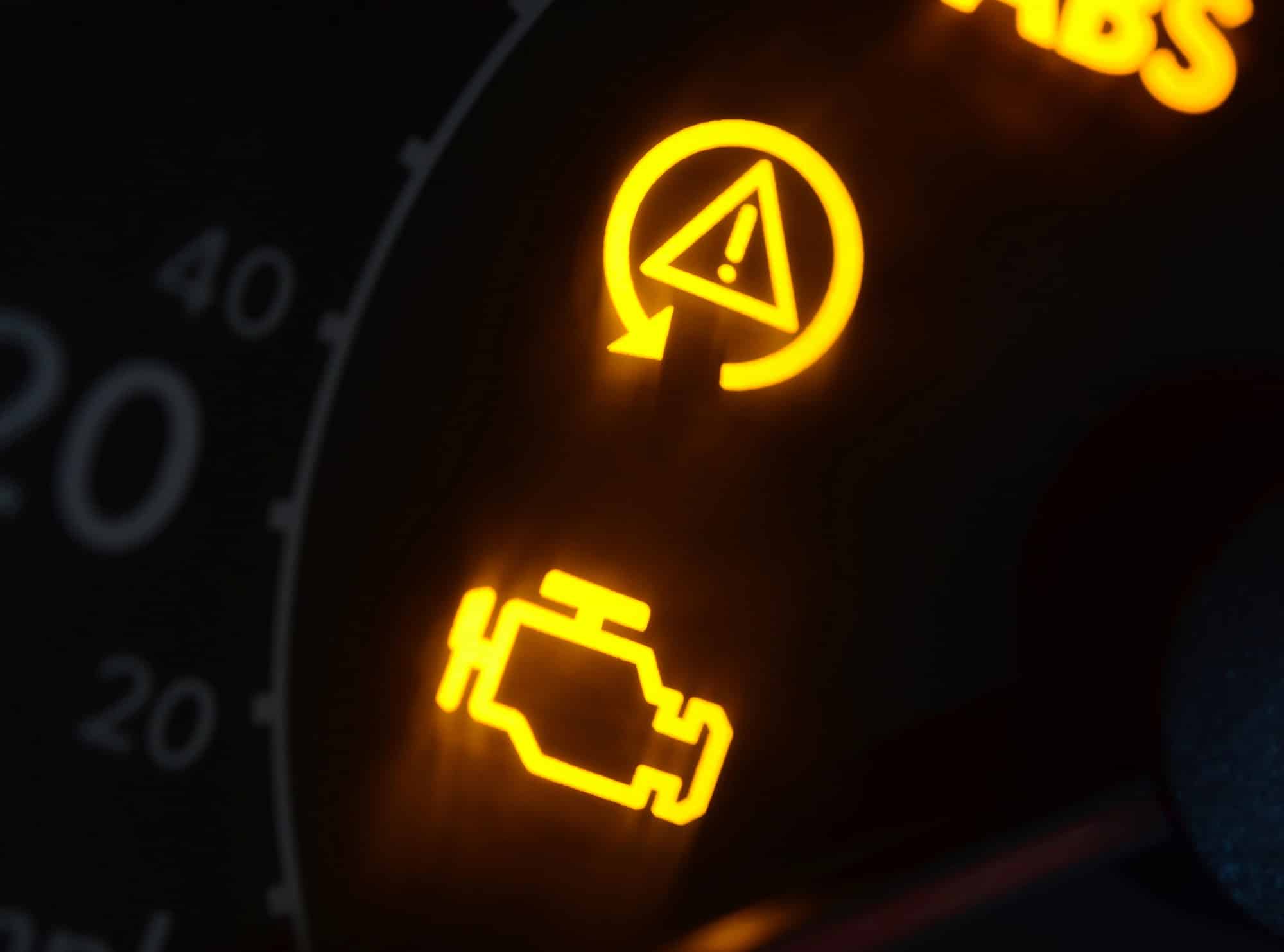
Porsche Check Engine Light Diagnostics at DART Auto
A Porsche check engine light rarely points to something simple. Unlike mass-market vehicles with straightforward emissions faults, Porsche platforms integrate engine management with VarioCam Plus timing systems, direct fuel injection pressure sensors, and model-specific emissions hardware that requires factory-level scan tools to interpret correctly. The 997-generation 911 (2005–2012) and 987 Boxster/Cayman share the MA1 direct injection system prone to fuel injector seal leaks that trigger lean codes, while the 991.1 (2012–2016) uses a completely different DFI architecture where carbon buildup on intake valves creates misfires that generic scanners misdiagnose as ignition coil failure. We use Porsche PIWIS III diagnostics and factory repair procedures to identify the actual root cause, not just clear codes and hope the light stays off.
Our technicians have dealer training on Porsche-specific failure modes. We know that a P0300 random misfire on a 2009 Cayman S (987.2) often traces to VarioCam solenoid oil starvation, while the same code on a 2015 Macan S points to PCV valve diaphragm failure allowing unmetered air into the intake. We perform complete system interrogation before recommending parts, because Porsche fault memory stores freeze-frame data and adaptation values that reveal whether the problem is mechanical, electrical, or software-related.
When you bring your Porsche to DART Auto for check engine light diagnostics, expect:
- Full PIWIS scan of all control modules, not just the engine computer
- Live data analysis during test drives to replicate intermittent faults
- Written explanation of fault codes, probable causes, and repair options
- Transparent pricing and a 3-year/36,000-mile warranty on completed repairs
Common Check Engine Light Diagnostics Issues on Porsche Vehicles
Porsche check engine lights illuminate for specific platform-related reasons that generic scan tools often miss. The 996 and 997 911 models (1999–2012) frequently trigger codes related to secondary air injection pump failures – a smog-compliance system that corrodes in Colorado's climate and throws P0410-series faults. The same M96 and M97 engines in these chassis also show oxygen sensor degradation by 60,000 miles, creating lean/rich mixture codes that mask underlying air-oil separator failures allowing crankcase pressure to skew fuel trims.
- IMS Bearing Wear on 1997–2008 Boxster/Cayman/911 (M96/M97): Intermediate shaft bearing degradation creates metal contamination that triggers cam position correlation codes (P0016, P0017) before catastrophic failure. Early detection through proper Porsche diagnostics saves engines.
- Direct Injection Carbon Buildup on 991.2 and 992 Turbo Models: Intake valve carbon accumulation on DFI engines causes misfires (P0300-series) and rough idle. The 3.0L twin-turbo six in 2017+ models needs walnut-blast cleaning every 40,000–50,000 miles to prevent performance loss.
- Coolant Pipe Failures on 997 and 987 (2005–2012): Plastic coolant pipes crack at the engine bay firewall, triggering coolant temperature sensor faults (P0128) and limp mode. This platform-specific design flaw requires OEM metal replacement pipes, not generic hose repairs.
- DME Relay Failures on 996 and 986 Models: The fuel pump relay in these chassis fails intermittently, causing no-start conditions and fuel system pressure codes. Porsche-specific diagnostics differentiate this $30 relay from a $1,200 fuel pump replacement.
- MAF Sensor Contamination Across All Models: Porsche's hot-film mass airflow sensors degrade from oil vapor and altitude changes, creating lean codes and hesitation. Genuine Bosch replacements with proper coding prevent repeat failures.
- Catalytic Converter Efficiency Loss on Pre-2009 Models: Federal emissions standards and Colorado's altitude stress aging cats, triggering P0420/P0430 codes. Proper diagnosis separates actual converter failure from oxygen sensor drift or exhaust leaks.
Why Choose DART Auto for Porsche Check Engine Light Diagnostics
Porsche check engine lights rarely point to a single simple fix. The 996-generation 911 (1999–2005) frequently throws codes for air-oil separator failures that mask larger issues with crankcase ventilation. The 987 Boxster and Cayman (2005–2012) with M97 engines often trigger misfires traced back to IMS bearing wear or scored cylinder walls. Generic scan tools miss the nuance – you need factory-level diagnostics and someone who's seen these patterns hundreds of times.
DART Auto has invested in Porsche-specific PIWIS diagnostic platforms and factory repair information that mirrors what dealership technicians use. Our master technicians – each with over a decade of experience and dealer training – don't stop at reading fault codes. They cross-reference Technical Service Bulletins, verify software calibration versions, and perform component-level tests to isolate root causes. Because we pay our technicians salaries instead of flat-rate, there's zero incentive to guess or replace parts hoping the light stays off.
- Platform expertise: Familiarity with 997 Carrera DME software updates that resolve false knock-sensor faults, 991 turbo wastegate actuator recalibration procedures, and Cayenne V8 (M48) camshaft adjuster solenoid failures.
- End-to-end ownership: We diagnose, repair, road-test under load, and re-scan to confirm the fault memory is clear and no pending codes lurk.
- Transparent pricing: Written estimates before any work begins, with plain-language explanations of what failed and why the recommended repair addresses it.
Symptoms – How to Know You Need This Service
Porsche check engine lights often appear alongside performance changes that confirm something needs attention. You may notice:
- Illuminated check engine light – solid yellow means schedule diagnostics soon; flashing indicates active misfires that can damage catalytic converters and requires immediate attention
- Reduced power or limp mode – the engine cuts boost, limits RPM to 3,000, or refuses to rev past 4,500 to prevent damage
- Rough idle or stumbling acceleration – misfires, vacuum leaks, or failing ignition coils create uneven running that worsens under load
- Fuel smell from the exhaust – unburned fuel indicates misfires or rich-running conditions that will eventually foul spark plugs and oxygen sensors
- Increased fuel consumption – faulty MAF sensors, oxygen sensors, or intake leaks force the ECU into open-loop mode with inefficient fuel maps
- Hesitation during cold starts – direct injection systems with carbon buildup or failing high-pressure fuel pumps struggle when the engine is cold
- Intermittent stalling – VarioCam solenoids, camshaft position sensors, or throttle body faults can cause sudden engine shutdowns
If the check engine light flashes or you experience sudden power loss, stop driving and arrange towing. Continued operation risks catalytic converter damage that turns a sensor replacement into a multi-thousand-dollar repair.
Which Porsche Models We See for Check Engine Light Diagnostics
We diagnose check engine lights across the full Porsche lineup, with deep experience on platforms from the late 1990s forward. Our PIWIS tooling and factory service information cover:
- 911 (996, 997, 991, 992) – 1999–present, including Carrera, Carrera S, Turbo, GT3, and Targa variants with M96, M97, MA1, and 9A2 engines
- Boxster and Cayman (986, 987, 981, 718) – 1997–present, covering both naturally aspirated and turbocharged four-cylinder models
- Cayenne (9PA, 92A, 9YA) – 2003–present, including V6, V8, diesel, and hybrid powertrains
- Panamera (970, 971) – 2010–present, with V6, V8, and hybrid drivetrains
- Macan (95B) – 2014–present, covering 2.0T four-cylinder and 3.0T V6 turbocharged engines
- Taycan (Y1A) – 2020–present electric models requiring specialized high-voltage diagnostics
We handle both naturally aspirated and forced-induction engines, manual and PDK transmissions, and rear-wheel-drive and all-wheel-drive configurations. Our technicians are familiar with platform-specific issues like IMS bearing wear on 1997–2008 M96/M97 engines, VarioCam Plus solenoid failures on 2009+ DFI models, and turbocharger wastegate rattle on 991.2 and 718 platforms. For air-cooled 911s and pre-1996 models, we recommend specialists with period-correct tooling.
Causes & Risks – What Happens if Ignored
Porsche check engine lights stem from Colorado's 5,280-foot altitude stressing fuel trim parameters, temperature extremes cracking plastic components, and short-trip driving preventing full catalyst warm-up cycles. The brand's high-revving flat-six engines amplify wear on oxygen sensors and ignition coils compared to lower-stressed designs. Direct-injection models accumulate intake carbon faster in cold-start-heavy driving patterns common to Denver commutes.
Ignoring an illuminated check engine light on a Porsche creates cascading damage. A misfiring cylinder from a failed coil pack dumps unburned fuel into the catalytic converter, raising exhaust temperatures beyond design limits and destroying the $2,500 converter within 500 miles. What starts as a $180 coil replacement becomes a multi-thousand-dollar exhaust system overhaul.
- Oxygen Sensor Codes Lead to Catalytic Converter Damage: Delayed O2 sensor replacement allows incorrect air-fuel ratios that overheat and melt converter substrates within weeks of persistent codes.
- Air-Oil Separator Failures Contaminate Intake Systems: Ignoring crankcase pressure codes on 997/987 models allows oil vapor to coat intake valves and MAF sensors, requiring $1,800 carbon cleaning plus sensor replacements instead of a $600 AOS job.
- Coolant Temperature Faults Cause Head Gasket Failure: Running a Porsche flat-six with ignored coolant codes leads to localized overheating and head gasket breach, turning a $400 sensor/pipe repair into a $6,000 engine-out service.
- Cam Position Codes Indicate Timing Chain Wear: Early 997.2 DFI engines (2009–2012) develop timing chain stretch. Ignoring P0016 codes for 10,000 miles risks valve-to-piston contact and complete engine destruction.
- Fuel Trim Codes Mask Vacuum Leaks: Unaddressed lean codes force the DME to over-compensate, stressing fuel pumps and injectors while creating driveability issues that complicate later diagnosis.
Safety Impact – Why Check Engine Light Diagnostics Matters
Check engine lights on Porsche vehicles often indicate faults that compromise active safety systems. The Porsche Stability Management (PSM) system shares sensor data with engine management – a failing wheel speed sensor triggers ABS codes and check engine lights simultaneously, disabling traction control on mountain roads. Throttle position sensor faults on drive-by-wire models create unpredictable acceleration response, particularly dangerous in spirited driving where precise throttle modulation matters.
Certain codes demand immediate attention while others allow scheduled service:
- Stop Driving Immediately: Flashing check engine light (active misfire damaging catalytic converter), coolant temperature warning with steam, oil pressure fault with warning light, transmission overheat on PDK models.
- Schedule Service Within Days: Steady check engine light with reduced power mode, oxygen sensor codes without driveability symptoms, evaporative emissions codes (fuel system leaks).
- Address Within Weeks: Secondary air injection codes (smog-related, no performance impact), minor evap leaks, single-cylinder misfire history codes without current symptoms.
Insurance liability becomes relevant when documented check engine lights precede mechanical failure causing an accident. A logged history of ignored drivetrain codes can affect claim settlements if component failure contributed to loss of control.
How Porsche Check Engine Light Diagnostics Actually Works
Porsche's Bosch Motronic engine management system continuously monitors 40+ sensor inputs – oxygen sensors, mass airflow, throttle position, camshaft and crankshaft correlation, knock sensors, and exhaust temperature – comparing real-time data against programmed parameters. When readings fall outside acceptable ranges for two consecutive drive cycles, the DME stores a diagnostic trouble code and illuminates the check engine light. The system's sophistication exceeds generic OBD-II standards; Porsche-specific codes require factory-level PIWIS diagnostic software to access Mode 6 data showing sensor response times and adaptation values invisible to basic scan tools.
Platform-specific design choices affect diagnostic procedures:
- Boxer Engine Layout: Horizontally-opposed cylinders place oxygen sensors in difficult-to-access exhaust runners, requiring specific tooling and occasionally subframe drops for replacement on 997/987 chassis.
- Direct Fuel Injection Coding: Replacing fuel injectors on 991 and 992 models requires PIWIS coding to program injector flow rates into the DME, preventing rough idle and fuel trim faults.
- Variable Valve Timing Calibration: VarioCam Plus systems on 997.2 and later engines need camshaft position relearning procedures after timing component replacement – skipping this creates persistent cam correlation codes.
- Integrated Diagnostics: Porsche's CAN bus architecture links engine, transmission, ABS, and airbag systems. A single failing sensor can trigger codes in multiple modules, requiring comprehensive system scans to identify root causes.
Factory repair procedures specify torque values, tightening sequences, and fluid specifications that differ from generic service data. Oxygen sensor anti-seize compounds must be nickel-based to prevent contamination; incorrect products destroy new sensors within months.
How We Diagnose Check Engine Light Diagnostics Issues on Porsche
Porsche engines demand precision diagnostics. The 9A7 flat-six in a 992-generation 911 shares almost nothing with the M96/M97 engines found in 1997–2008 Boxsters and Caymans, yet both throw codes that require factory-level scan tools to interpret correctly. We start every check engine light diagnosis with Porsche-specific equipment that reads not just generic OBD-II faults, but the proprietary fault memory stored across every control module in your car.
- Factory-level scan: We connect Porsche System Tester (PIWIS) or equivalent diagnostic platforms to read fault codes, freeze-frame data, and live sensor values across engine, transmission, ABS, and auxiliary modules. This reveals not just what failed, but when and under what conditions.
- Data analysis: We compare live sensor readings against Porsche factory specifications – MAF voltage, lambda sensor response times, fuel trims, boost pressure on turbocharged models, and cam position correlation on VarioCam Plus engines.
- Physical inspection: Scan data points us toward specific systems. We perform hands-on checks: intake tract integrity on direct-injection engines prone to carbon buildup, oil consumption patterns on early M96/M97 engines with IMS bearing concerns, coolant expansion tank condition on 996/997 platforms, and vacuum leak sources around intake manifolds.
- Road test verification: We replicate the fault under real driving conditions whenever possible, monitoring live data to confirm intermittent issues that only appear at operating temperature or under load.
- Root cause confirmation: Before recommending parts, we verify the failure mode – a P0300 random misfire might stem from coil packs, spark plugs, fuel injectors, or even a cracked air-oil separator allowing oil into the intake.
Once we've confirmed the root cause, we walk you through exactly what failed, why it happened, and what's required to fix it properly. You receive a detailed estimate with transparent pricing before any repair work begins.
Check Engine Light Diagnostics on Porsche: Repair vs. Replacement
Not every check engine light means replacing an entire assembly. The right approach depends on what failed, how it failed, and whether the surrounding components are still serviceable.
When Repair Makes Sense
- Serviceable components: Cleaning carbon deposits from intake valves on direct-injection engines, re-sealing minor oil leaks at valve covers or cam adjusters, replacing individual ignition coils rather than the full set when only one has failed.
- Adjustment and calibration: Correcting throttle body adaptation values, performing camshaft timing adjustments on VarioCam systems, clearing fault memory after addressing a loose gas cap or temporary sensor glitch.
- Single-point failures: Replacing a failed MAF sensor, oxygen sensor, or crankcase pressure regulator when the rest of the intake and exhaust system remains sound.
When Replacement Is the Right Call
- Cascading wear: When one failed component has damaged others – a collapsed catalytic converter that has also damaged oxygen sensors, or a failed air-oil separator that has fouled intake valves and contaminated the intake manifold.
- Safety-critical systems: ABS wheel speed sensors with corroded connectors, failing throttle position sensors, or deteriorated engine mounts that affect driveline alignment.
- Cost-effective longevity: Replacing the entire ignition coil set on a high-mileage 997 when multiple coils are near end-of-life, rather than replacing them one at a time over the next year.
We walk you through the trade-offs honestly. Our technicians are salaried, not flat-rate, so there's no incentive to sell you more than your Porsche actually needs.
How to Make Your Porsche Check Engine Light Diagnostics Last Longer
Preventing check engine light issues on a Porsche starts with understanding how these cars are engineered. Flat-six engines, direct injection, and sophisticated engine management systems require specific care that differs from mass-market vehicles.
Driving Habits That Protect Your Engine
- Warm-up properly: Allow oil temperature to reach at least 180°F before sustained high-RPM driving. Cold oil doesn't protect bearings or lubricate VarioCam components adequately.
- Avoid short trips: Frequent cold starts without reaching full operating temperature promote carbon buildup on direct-injection engines and prevent moisture from purging out of the oil.
- Use the full rev range occasionally: Porsche engines are designed to be driven. Regular high-RPM operation (once warmed up) helps prevent carbon deposits and keeps intake valves clean.
- Quality fuel matters: Top-tier detergent fuels reduce carbon buildup on intake valves and fuel injectors. Turbocharged models especially benefit from consistent high-octane fuel.
Maintenance You Can Monitor Yourself
- Check oil level weekly – flat-six engines consume oil by design, and low oil triggers multiple fault codes and potential engine damage.
- Listen for changes in engine sound – ticking from hydraulic lifters, rattling from timing components, or hissing from vacuum leaks often precede check engine lights.
- Watch your dashboard – oil pressure, coolant temperature, and warning lights provide early warnings before faults escalate.
What to Leave to the Professionals
Software updates, throttle body adaptation, and fault memory clearing require factory diagnostic tools. Intake valve cleaning on direct-injection engines involves removing intake manifolds. Oxygen sensor replacement on turbocharged models requires proper torque specs and anti-seize procedures to avoid damaging expensive exhaust components. Stick to OEM or premium aftermarket parts for sensors and ignition components – cheap knock-offs throw false codes and fail prematurely.
What to Expect When You Bring Your Porsche In
When you schedule your appointment, we'll ask about recent symptoms – rough idle, reduced power, unusual sounds – so the technician can prioritize those systems during the scan. Drop off your Porsche at your scheduled time; if you need transportation, ask about our shuttle service or loaner availability when you book.
- Initial scan and inspection: We connect factory-grade diagnostic equipment to pull stored and pending fault codes, then perform a visual inspection of related components – vacuum lines, sensor connectors, exhaust leaks – that might trigger or compound the issue.
- Written estimate and consultation: You'll receive a detailed estimate listing the diagnosed fault, the repair needed, and the consequences of delaying it. We'll call to walk you through the findings and answer questions before starting any work.
- Repair and verification: Our technicians follow OEM procedures, use factory torque specs, and install OEM or premium aftermarket parts from trusted suppliers. After the repair, we road-test the car under varying loads and speeds, then re-scan to verify the fault is cleared and no new codes appear.
- Pickup walkthrough: At pickup, we'll show you the old parts if relevant, explain what was done, and review the 3-year/36,000-mile warranty that backs the work. If anything feels off in the days after pickup, call us – we'll bring the car back in and make it right.
Leave personal items at home or take them with you at drop-off. After-hours key drop and pickup can be arranged if your schedule requires it – just let us know when you book.
Our Porsche Services
- Air Conditioning AC Repair
- Battery Repair Replacement
- Brake Repair & Brake Fluid Change
- Clutch Repair & Replacement
- Coolant Leak Repair
- Cooling System Repair
- Drive Shaft Repair
- Engine Repair
- Exhaust & Catalytic Converter Repair
- Head Gasket Repair & Replacement
- Oil Change
- Oil Leak Repair
- Scheduled Service Maintenance
- Steering Repair
- Suspension Repair
- Cambelt Timing Belt Replacement
- Transmission Repair
- Tune Up
- Wheel Alignment


