
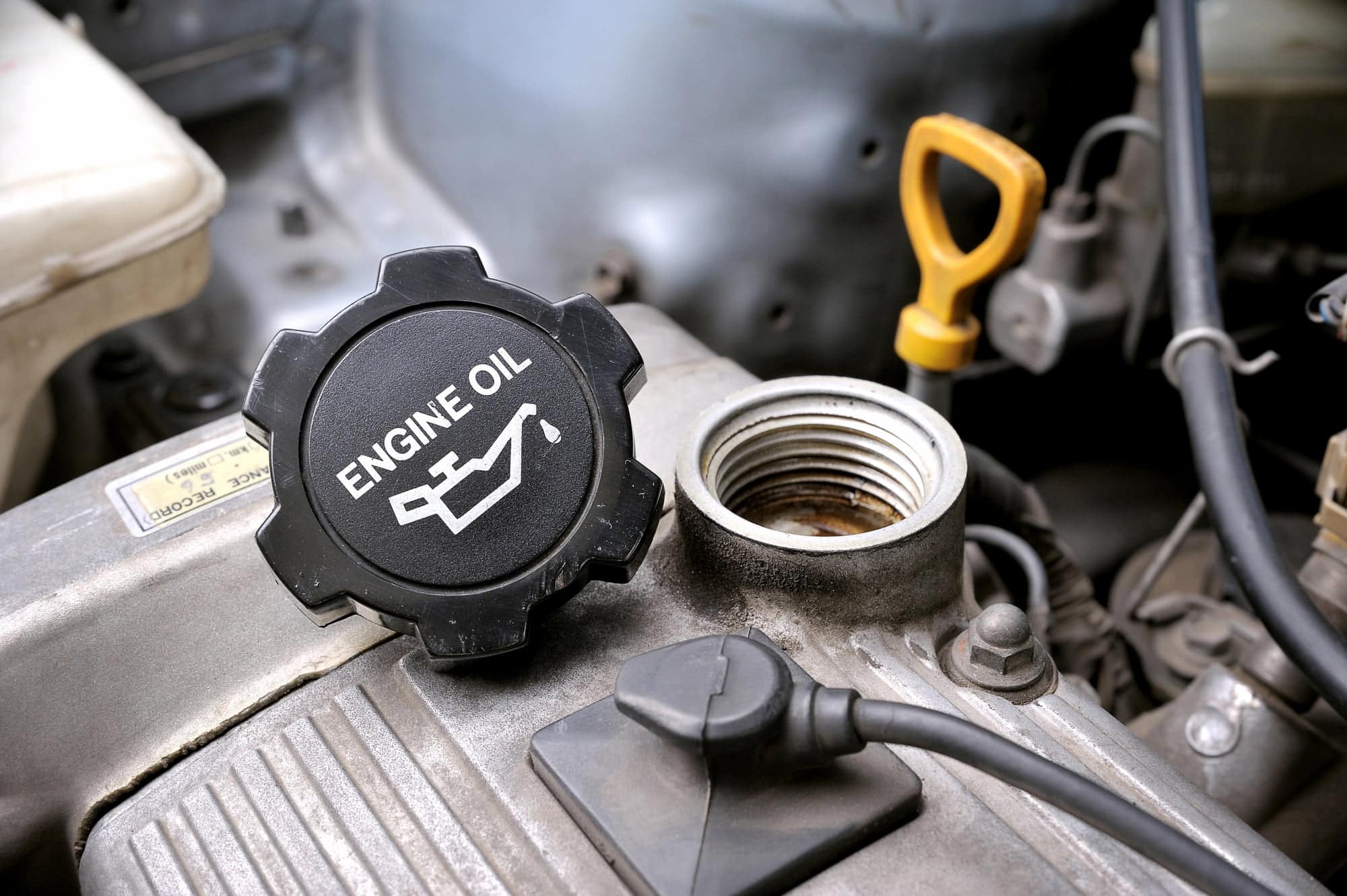
Porsche Oil Change at DART Auto
We change the oil and filter on Porsche 911, Boxster, Cayman, Cayenne, Macan and Panamera models to factory specification at our shop on Monaco Street in Denver. A Porsche oil change isn't just draining and refilling – it requires the correct Porsche-approved oil specification (A40, C30, or C40 depending on model year and engine), proper filter housing torque specs, and electronic service interval resets through factory-level diagnostic tools. The dry-sump systems in 911 models hold substantially more oil than typical engines, and the mid-engine layout in Boxster and Cayman platforms requires careful attention to fill procedures to avoid air pockets in the oil galleries.
DART Auto has invested in the Porsche-specific diagnostic hardware and factory repair information needed to service these precision German engines correctly. Our master technicians understand the differences between M96/M97 engines in 1997–2008 Boxster, Cayman, and 911 models (which benefit from more frequent oil changes to help mitigate IMS bearing wear) and the newer MA1/MA2 direct-injection engines in 2013+ models that require careful attention to oil quality to prevent carbon buildup on intake valves. We use OEM Porsche oil filters and Mobil 1 0W-40 European Car Formula or equivalent Porsche-approved synthetics, never generic bulk oil that lacks the additive packages these engines need.
When you bring your Porsche to DART Auto for an oil change, you can expect:
- Complete fluid level inspection including coolant, brake fluid, power steering (where applicable), and PDK transmission fluid check
- Electronic service interval reset using factory-level PIWIS diagnostic tools so your onboard computer tracks maintenance correctly
- Underbody inspection for leaks, particularly around rear main seal, valve cover gaskets, and oil cooler lines common to these platforms
- Tire pressure adjustment to Porsche door-jamb specifications and visual brake pad thickness check
Common Oil Change Issues on Porsche Vehicles
Porsche engines demand precision that extends far beyond simply draining old oil and pouring in new. These are high-performance powerplants with tight tolerances, dry-sump systems on many models, and oil specifications that vary dramatically by platform and model year. When oil service is performed incorrectly or with the wrong fluids, the consequences show up quickly.
- IMS bearing lubrication failure on 1997–2008 Boxster, Cayman, and 911 (M96/M97 engines): The intermediate shaft bearing relies on splash lubrication rather than pressurized oil feed. Extended drain intervals, low oil levels, or incorrect viscosity starve this bearing, leading to catastrophic engine failure. Regular oil changes with the correct Porsche A40 specification and maintaining proper fill levels are non-negotiable preventive measures.
- Variocam adjuster sludging on 996 and 997 Carrera models: Variable valve timing adjusters on these flat-six engines clog when oil breaks down or when non-Porsche-approved oils are used. Symptoms include rough cold starts, check engine lights for cam correlation codes, and eventual timing chain wear. The factory service interval exists for a reason – these systems cannot tolerate degraded oil.
- Dry-sump system air/oil separator failures on 997.2 and 991-generation 911: These cars use a sophisticated dry-sump oiling system with multiple scavenge pumps and an air/oil separator. When oil isn't changed on schedule or the system is overfilled during service, the separator clogs, causing excessive crankcase pressure, oil consumption, and rear main seal leaks. Proper fill procedures require specialized equipment to achieve the correct level.
- Turbo oil feed line coking on 991.2 and 992 Turbo/Turbo S models: The twin-turbo 3.8L engines run extremely hot oil through small-diameter feed lines to the turbos. Extended drain intervals allow oil to carbonize inside these passages, starving the turbo bearings of lubrication. Turbocharger replacement costs exceed $10,000 per side when this happens.
- PDK transmission fluid contamination through shared oil cooler circuits: Many Porsche models route both engine oil and PDK transmission fluid through shared cooling circuits. Cross-contamination occurs when seals fail, but it's accelerated when engine oil is degraded or serviced improperly. The result is expensive transmission damage that could have been prevented with proper engine oil maintenance.
- Incorrect oil specification causing bore scoring on 9A1 engines (2009–2012 Boxster/Cayman/997.2): These direct-injection engines are particularly susceptible to cylinder wall scoring when oils with insufficient anti-wear additives are used. Porsche revised oil specifications multiple times for these platforms. Using generic 5W-40 instead of Porsche-approved C30 formulations accelerates wear that leads to low compression, oil consumption, and eventual engine replacement.
Why Choose DART Auto for Porsche Oil Change
Porsche engines demand more than a quick-lube approach. The flat-six architecture in 911s, the mid-engine layout in Boxsters and Caymans, and the turbocharged four-cylinders in Macans each require platform-specific knowledge – from correct fill procedures to torque specs on drain plugs and filter housings. DART Auto's technicians bring dealer-level training and over a decade of hands-on experience with Porsche platforms, ensuring your oil service preserves both warranty coverage and resale value.
We go beyond the drain-and-fill. Every oil change includes a comprehensive underbody inspection, scanning for stored fault codes, and verification of software update eligibility. Our diagnostic equipment matches what you'd find at the dealership, so we catch early warning signs – whether it's the beginnings of an IMS bearing issue on M96/M97 engines (1997–2008 Boxster, Cayman, 911) or oil seepage from the intermediate shaft seal on 991-generation cars. Because our technicians are salaried rather than flat-rate, there's no incentive to rush your service or recommend work you don't need.
- OEM-spec fluids and filters: We use Mobil 1 0W-40 European Car Formula or Porsche-approved alternatives, never generic bulk oil.
- Platform-specific procedures: Correct fill volumes for dry-sump systems, proper warm-up cycles, and torque specifications pulled from factory repair data.
- 3-year/36,000-mile warranty: Every oil change is backed by our parts-and-labor guarantee, giving you confidence well beyond your next service interval.
Symptoms – How to Know You Need This Service
Porsche engines communicate service needs through both dashboard indicators and physical symptoms. You may notice:
- Oil service indicator illuminated on the instrument cluster – Porsche models use variable service intervals based on driving conditions, typically ranging from 10,000 to 20,000 miles, but severe driving (track use, frequent cold starts, short trips) warrants shorter intervals
- Low oil level warning appearing on the multi-function display – flat-six engines naturally consume some oil during spirited driving, but persistent low levels between changes suggest a leak or excessive consumption issue
- Darker, sludgy oil visible on the dipstick – fresh Porsche-spec synthetic oil is amber and translucent; black, gritty oil indicates overdue service or contamination
- Ticking or rattling from the engine on cold start – worn oil loses its ability to quickly pressurize variable valve timing actuators and hydraulic tensioners, particularly noticeable on M96/M97 and early MA1 engines
- Burning oil smell from the engine bay – may indicate oil leaking onto hot exhaust components, common around valve covers on 987 Boxster/Cayman and 997 911 models
- Reduced throttle response or rough idle – degraded oil affects VarioCam Plus timing adjustment, particularly on 3.6L and 3.8L engines
- Oil pressure warning light (red) – stop driving immediately and have the car towed; continuing to run the engine with low oil pressure can destroy bearings and score cylinder walls within minutes
Which Porsche Models We See for Oil Change
DART Auto services oil changes on all modern Porsche platforms. We regularly work on:
- 911 (996, 997, 991, 992 generations) – 1999–present, including Carrera, Carrera S, Turbo, GT3, and GT2 variants; dry-sump systems require 8.5–12 quarts depending on model
- Boxster and Cayman (986, 987, 981, 718 generations) – 1997–present, including base, S, GTS, and GT4 models; mid-engine layout requires careful fill procedure
- Panamera (970, 971 generations) – 2010–present, including V6, V8, Turbo, and E-Hybrid variants; note that E-Hybrid models have different service intervals
- Cayenne (955, 957, 958, 9YA generations) – 2003–present, including base, S, Turbo, GTS, Diesel, and E-Hybrid models; V6 and V8 engines use different oil specifications
- Macan (95B generation) – 2015–present, including base four-cylinder turbo, S V6, GTS, and Turbo models; shares EA888 engine platform with Audi but requires Porsche-specific service procedures
- Taycan – 2020–present electric models require different service (no engine oil, but gearbox and differential fluid maintenance)
We maintain full service capability for manual transmissions, PDK dual-clutch automatics, and Tiptronic S conventional automatics across all model years. Early 996 and 986 models (1997–2002) with the M96 engine receive particular attention due to known IMS bearing concerns that benefit from frequent oil changes using high-quality synthetic lubricants.
Causes & Risks – What Happens if Ignored
Porsche oil change issues stem from three primary causes: owners treating these specialized engines like ordinary cars, independent shops lacking platform-specific knowledge, and the cumulative effect of Denver's demanding climate. High-altitude operation increases engine stress and oil temperatures. Stop-and-go traffic prevents oil from reaching full operating temperature, allowing moisture and fuel contamination to accumulate. Short trips in cold weather are particularly destructive to Porsche flat-six engines, which take longer to warm up than inline configurations.
The factory service intervals are calculated for ideal conditions – highway driving, moderate climate, premium fuel, and immediate attention to any warning lights. Real-world Denver driving is anything but ideal. When you extend drain intervals or use incorrect oil, here's the progression:
- Months 1–3 past due: Oil viscosity breaks down, additive packages deplete, and acid formation begins. You won't notice symptoms yet, but wear accelerates on cam lobes, lifters, and chain tensioners. Variocam adjusters start accumulating varnish.
- Months 4–6 past due: Check engine lights appear for cam correlation or oil pressure. Cold-start noise becomes pronounced as hydraulic lifters don't pump up quickly. Oil consumption increases as degraded oil burns off past worn rings. Turbocharger bearings begin to score.
- Months 7–12 past due: Timing chain stretch causes rough running and potential valve-to-piston contact. IMS bearing wear produces metallic debris throughout the oiling system. Turbo failures occur suddenly, often dumping oil into the intake system and causing smoke on startup. PDK transmission begins slipping as contaminated fluid loses friction properties.
- Beyond one year overdue: Catastrophic failure becomes likely. Scored cylinder walls require engine replacement. Failed IMS bearings destroy crankshafts and cases. Clogged oil passages cause main bearing failure. What started as a $250 oil change becomes a $25,000+ engine replacement, often exceeding the vehicle's value on older models.
The safety risk escalates alongside the mechanical damage. Loss of oil pressure can occur suddenly, seizing the engine without warning at highway speed. Turbo failures that dump oil into the intake create dense smoke that blinds following drivers. These aren't theoretical risks – they're documented failure modes that Denver's Porsche community has experienced repeatedly.
Safety Impact – Why Oil Change Matters
Neglected oil changes compromise multiple safety-critical systems on Porsche vehicles. The power steering pump on hydraulic-assist models relies on clean engine oil for lubrication – when oil degrades, steering effort increases and response becomes unpredictable. Electronic stability control and traction management systems depend on consistent engine torque delivery; misfires and rough running from oil-related valve train wear confuse these systems, reducing their effectiveness in emergency maneuvers.
The most severe safety impact comes from sudden oil pressure loss. Porsche flat-six engines can seize within seconds of losing oil pressure, locking the rear wheels on rear-engine models or causing immediate loss of power on mid-engine Boxster and Cayman platforms. This is particularly dangerous during cornering or highway merging when you need full power to complete the maneuver safely.
When to stop driving immediately versus schedule service soon:
- Stop driving now: Oil pressure warning light illuminated, loud knocking or grinding from engine, sudden loss of power with oil smell, smoke from engine bay, or metallic debris visible in oil (check dipstick if accessible).
- Schedule within one week: Check engine light for cam timing codes, increased oil consumption (more than one quart between changes), rough cold starts that smooth out after warmup, or slight ticking noise from valve train.
- Schedule within two weeks: Oil change interval exceeded by 1,000 miles or three months, visible oil darkening or gritty texture on dipstick, or minor increase in engine noise during acceleration.
From a liability perspective, continuing to drive a Porsche with known oil service deficiencies can affect insurance claims if mechanical failure contributes to an accident. Maintenance records matter when determining fault, and skipped oil changes are easily documented through service history gaps.
How Porsche Oil Change Actually Works
Porsche oil changes differ fundamentally from conventional vehicles due to dry-sump systems, platform-specific fill procedures, and integrated diagnostics that must be reset properly. Most 911 models since the 996 generation use dry-sump oiling, where oil is stored in a separate tank rather than a traditional oil pan. Multiple scavenge pumps pull oil from various engine locations into this tank, while a pressure pump delivers oil to bearings and valve train components. This system requires precise fill quantities – overfilling causes air/oil separator saturation and seal damage, while underfilling starves the system during high-g cornering.
The fill procedure itself demands Porsche-specific tooling. You cannot simply drain and refill to a dipstick mark. The engine must be at operating temperature, running at idle, with the vehicle level. Oil is added gradually while monitoring the sight glass on the oil tank (or electronic level sensor on newer models) until the correct range is achieved. This process takes 15–20 minutes of running time and cannot be rushed. Generic shops that treat it like a conventional oil change inevitably overfill or underfill, causing the problems described earlier.
Platform-specific requirements that distinguish Porsche oil service:
- Oil specification traceability: Porsche requires oils meeting specific internal standards (A40, C30, C40) that exceed API and ACEA ratings on their own. An oil can meet the API rating and still fall short of what the engine needs, which is why we fit only oils holding the Porsche approval printed on the container.
How We Diagnose Oil Change Issues on Porsche
Porsche engines demand precision. The flat-six and V8 powerplants that define the brand rely on exacting oil specifications and service intervals that differ sharply from mass-market vehicles. When you bring your Porsche to DART Auto for an oil change, we treat it as a diagnostic opportunity, not a commodity lube job.
Our process begins with a full digital inspection that goes well beyond draining old fluid:
- Pre-service inspection and scan: We connect Porsche-specific diagnostic tools to read fault codes, oil quality sensors, and service history stored in the DME (Digital Motor Electronics). This reveals whether the engine has been running outside optimal temperature ranges or if oil degradation has triggered internal warnings.
- Visual underbody inspection: While the vehicle is on the lift, we inspect for oil seepage around the valve covers, rear main seal, and intermediate shaft (IMS) bearing area on 1997–2008 Boxster, Cayman, and 911 models with M96 and M97 engines. Early detection of these leaks prevents catastrophic bearing failure.
- Oil analysis and filter inspection: We examine the drained oil for metal particulate, coolant contamination, or fuel dilution. The old filter is cut open and inspected for debris that signals internal wear – a practice borrowed from motorsport that catches problems before they escalate.
- Fluid level and condition check: We verify coolant, brake fluid, and power steering fluid (on hydraulic-assist models) meet Porsche specifications. Cross-contamination or low levels often point to larger issues that coincide with oil service.
- Documentation and recommendation: Every finding is photographed and logged. You receive a detailed report explaining what we found, what needs attention now, and what to monitor over the next service interval. No guesswork, no upselling – just transparent information that helps you make informed decisions about your Porsche.
This diagnostic rigor is why our oil changes take longer than quick-lube chains. We're not just changing oil; we're safeguarding the health of a precision-engineered machine and protecting your investment.
Oil Change on Porsche: Repair vs. Replacement
An oil change on a Porsche is rarely just an oil change when underlying issues surface during our inspection. Understanding when to repair, when to replace components, and when a full system overhaul makes sense depends on the specific failure mode and the platform's known vulnerabilities.
When repair is the right path: If we find minor valve cover gasket seepage or a loose drain plug, those are straightforward fixes that don't require component replacement. Cleaning sludge buildup in the valve train or replacing a single oil pressure sensor often restores full function without tearing into major assemblies. On direct-injection models like the 991.2-generation 911 with the 9A2 engine, addressing minor oil consumption through valve stem seal replacement can extend engine life without a full rebuild.
When partial replacement makes sense: If the IMS bearing shows early wear on a 2000–2005 Boxster or 911 (M96 engine), replacing the bearing and rear main seal while the transmission is out prevents future catastrophic failure. The rest of the engine remains intact. Similarly, if an oil cooler develops a leak on a 997 Turbo, replacing just the cooler and lines is far more economical than waiting until contamination damages the engine internals.
When full replacement is necessary: Severe bore scoring on Cayenne or Panamera V8 engines (M48 platform, 2003–2010) often means a factory-remanufactured long block is the only viable solution. Attempting to repair scored cylinder walls rarely holds long-term, and the cost of machining and re-sleeving approaches replacement cost. We walk you through the decision with transparent cost breakdowns, warranty implications, and resale value considerations – never pushing the most expensive option when a targeted repair will serve you well.
How to Make Your Porsche Oil Change Last Longer
Porsche engineers design their powerplants to thrive under spirited driving, but longevity depends on how you use the vehicle between service intervals. Small habits compound over thousands of miles, either preserving or degrading engine health.
Driving habits that protect your engine:
- Warm-up protocol: Let the engine reach operating temperature before high-load acceleration. Cold oil doesn't lubricate as effectively, and the flat-six architecture is particularly sensitive to cold-start wear. A two-minute idle followed by moderate driving for the first five miles makes a measurable difference.
- Avoid short trips: Frequent cold starts without allowing the engine to reach full temperature cause moisture and fuel to contaminate the oil, accelerating degradation. If your Porsche is a weekend car or sees mostly short urban trips, consider more frequent oil changes – every 5,000 miles instead of the factory 10,000-mile interval.
- High-RPM operation: Occasional high-RPM runs (within the redline) help keep carbon deposits from forming on intake valves and piston rings, especially on direct-injection engines. This isn't about abusing the engine; it's about using it as intended.
Maintenance habits you can monitor yourself:
- Check oil level weekly using the dipstick or digital readout. Porsche engines can consume oil by design; running low between changes accelerates wear.
- Listen for changes in engine noise – ticking or rattling on cold start can signal oil starvation or worn components.
- Watch for blue smoke on startup or acceleration, which indicates oil burning past valve seals or piston rings.
What to leave to the professionals: Oil filter housing replacements, IMS bearing inspections, and any work involving timing components or engine disassembly should be handled by technicians with Porsche-specific training and tooling. DIY oil changes are feasible if you have the right drain tools and disposal plan, but our 24-point inspection during service catches issues that a home garage won't.
What to Expect When You Bring Your Porsche In
From the moment you schedule your appointment, we make the process straightforward. You'll receive a confirmation with drop-off instructions, and if you need a loaner vehicle or shuttle service, we'll arrange that in advance. When you arrive, a service advisor walks your car in with you, noting any concerns and asking about recent driving behavior or dashboard warnings.
- Initial inspection and scan: We lift your Porsche, perform a visual underbody check for leaks or damage, and connect our Porsche-specific scan tool to pull any stored fault codes. This takes about 15 minutes and often reveals issues that haven't triggered a dashboard light yet.
- Written estimate and approval: Before we drain a drop of oil, you receive a detailed estimate covering the service and any additional findings. We explain what we found, why it matters, and the consequences of addressing or deferring each item. No work begins without your explicit approval.
- Oil service and fluid top-off: We drain the old oil, replace the filter and crush washer, refill with the correct OEM-spec fluid, and top off coolant, brake fluid, and washer fluid as needed. On dry-sump cars, we follow the factory warm-up and fill procedure to ensure accurate levels.
- Post-service verification: After the oil change, we clear any non-critical codes, verify correct oil pressure at idle and under load, and perform a final underbody inspection. If we recommended additional work, we document the current state with photos so you have a baseline for future visits.
- Pickup walkthrough: At pickup, your advisor reviews everything we did, shows you the old filter if requested, and answers any questions. We provide a printed service record and email a digital copy for your files.
If anything feels off after you leave – a new noise, a warning light, or simply a question about what we found – call us. We'll bring your Porsche back in for a no-charge recheck and make it right. After-hours pickup is available by arrangement; just leave your keys in the night drop and we'll lock your car in our secure lot.
Our Porsche Services
- Air Conditioning AC Repair
- Battery Repair Replacement
- Brake Repair & Brake Fluid Change
- Check Engine Light Diagnostics
- Clutch Repair & Replacement
- Coolant Leak Repair
- Cooling System Repair
- Drive Shaft Repair
- Engine Repair
- Exhaust & Catalytic Converter Repair
- Head Gasket Repair & Replacement
- Oil Leak Repair
- Scheduled Service Maintenance
- Steering Repair
- Suspension Repair
- Cambelt Timing Belt Replacement
- Transmission Repair
- Tune Up
- Wheel Alignment


