
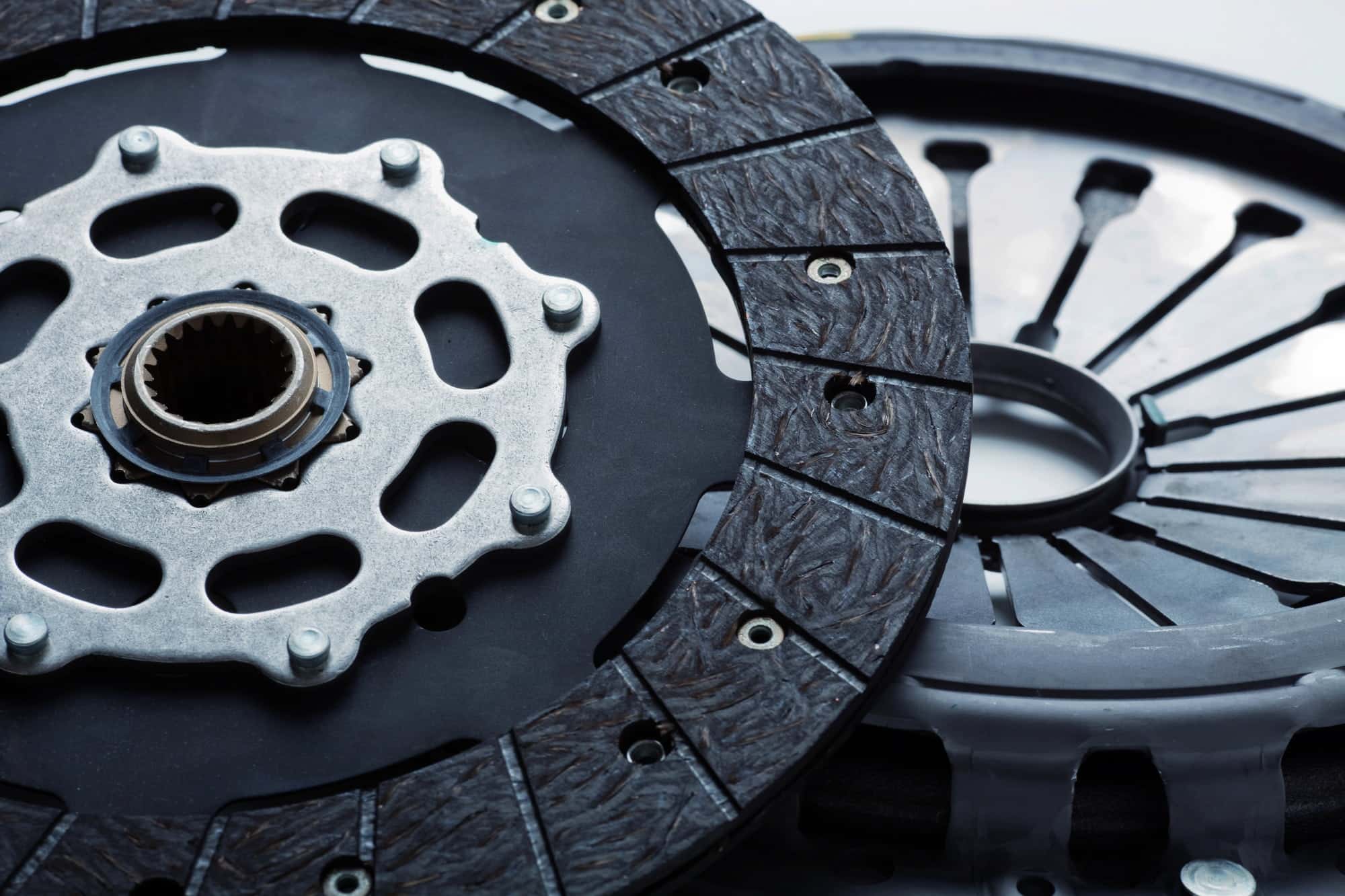
Lamborghini Clutch Repair & Replacement at DART Auto
When your Lamborghini begins exhibiting clutch slip or engagement issues, you need a shop that understands the unique demands of these high-performance Italian supercars. DART Auto has been diagnosing and repairing Lamborghini clutch systems since 2000, combining factory-level diagnostic capability with master technician expertise to restore proper engagement and drivability. Whether you're driving a Gallardo with its E-gear automated manual transmission or a Murciélago with a traditional gated six-speed, we have the specialized tooling and platform knowledge to address clutch wear, hydraulic failures, and actuator malfunctions specific to these vehicles.
Lamborghini clutch work differs significantly from standard manual transmission service. The Gallardo and Huracán e-gear and LDF (Lamborghini Doppia Frizione) systems require proprietary diagnostic software to read clutch position sensors, actuator duty cycles, and adaptive learning values. The traditional manual transmissions in early Murciélago and Diablo models demand precise torque specifications and alignment procedures during flywheel installation. Our salaried technicians use factory repair information and OEM-equivalent parts to ensure each clutch replacement meets the exacting standards these cars demand, without the inflated dealer markup.
When you bring your Lamborghini to DART Auto for clutch service, you can expect:
- Complete diagnostic scan to identify clutch wear percentage, actuator health, and hydraulic pressure faults before disassembly
- Inspection of dual-mass flywheel condition, pilot bearing wear, and release bearing functionality
- OEM or premium aftermarket clutch kits sized appropriately for your driving style and power output
- Post-installation calibration and road testing to verify smooth engagement across the full RPM range
Common Clutch Repair & Replacement Issues on Lamborghini Vehicles
Lamborghini clutches face unique stresses that set them apart from conventional performance cars. When you bring your car in, we diagnose quickly and move straight to the fix. Here's what we see most often:
- E-gear actuator failure on Murciélago and early Gallardo models (2004–2008): The electro-hydraulic actuator pump wears out, causing erratic shifting, clutch slip under load, and eventual failure to engage gears. The system relies on high-pressure hydraulic actuation controlled by an ECU, and when the pump or solenoids degrade, clutch engagement becomes inconsistent or impossible.
- Dual-clutch mechatronic unit degradation on Aventador (2011–2020) and Huracán ISR gearboxes: The Independent Shifting Rods (ISR) seven-speed transmission uses two clutches managed by a complex mechatronic module. Wear in the hydraulic control unit or clutch packs leads to harsh shifts, clutch judder at low speed, and eventually limp mode. This is a high-precision system that requires factory-level diagnostics to isolate whether the issue is mechanical clutch wear or electronic control failure.
- Clutch disc glazing and flywheel scoring on manual Gallardo models (2003–2013): Aggressive launches and track use cause the organic clutch disc material to overheat and glaze, reducing friction coefficient. The lightweight dual-mass flywheel can score deeply, requiring resurfacing or replacement alongside the clutch kit.
- Throwout bearing noise and failure on Diablo 6-speed manual (1993–2001): The hydraulic throwout bearing assembly is prone to leaking and seizing, especially after periods of inactivity. When it fails, clutch pedal effort spikes and disengagement becomes incomplete, grinding gears and risking transmission damage.
- Clutch pack overheating in track-driven Huracán Performante and STO models: Repeated high-RPM launches and aggressive downshifts generate extreme heat in the dual-clutch packs. Without adequate cool-down between sessions, the friction material degrades rapidly, leading to slip under power and eventual clutch failure that can strand the car in a single gear.
Why Choose DART Auto for Lamborghini Clutch Repair & Replacement
When your Gallardo's clutch starts slipping or your Murciélago's engagement point climbs toward the ceiling, you need a shop that understands e-gear actuator calibration, dual-clutch hydraulics, and the torque specs that separate a weekend hobbyist from a factory-trained technician. DART Auto owns the entire process – from pulling fault codes with Leonardo diagnostic software to torque-checking flywheel bolts and bleeding hydraulic circuits to OEM spec.
Our master technicians have logged thousands of hours on Lamborghini platforms, including the early Gallardo e-gear systems prone to actuator wear and the Aventador ISR gearbox that demands precise clutch-pack clearances. We stock or source genuine Lamborghini clutch kits and pressure plates, and we follow factory service procedures down to the final road-test protocol. Because our techs are salaried rather than flat-rate, there's zero incentive to skip steps or recommend parts you don't need.
You'll receive a written estimate that breaks down clutch disc condition, flywheel resurfacing if required, and any related hydraulics – slave cylinder, master cylinder, or accumulator – that should be addressed while the transmission is out. We back every repair with a 3-year/36,000-mile warranty, and our cutting-edge scan tools verify clutch adaptation values before you take delivery.
Symptoms – How to Know You Need This Service
Lamborghini clutch problems announce themselves through distinct symptoms that worsen rapidly under high-performance driving conditions. Recognizing these signs early prevents secondary damage to the flywheel, transmission input shaft, and hydraulic actuators.
You may notice:
- Slipping during hard acceleration – RPMs climb without corresponding vehicle speed, especially in higher gears or during full-throttle pulls
- Burning smell after spirited driving – a sharp, acrid odor indicating friction material overheating from excessive slip
- Difficulty engaging gears – resistance or grinding when shifting, particularly into first or reverse, suggesting incomplete clutch disengagement
- Clutch pedal feel changes – spongy pedal, excessive free play, or a engagement point that has moved significantly toward the floor
- E-gear or LDF warning lights – dashboard alerts indicating actuator position errors, hydraulic pressure faults, or clutch wear beyond adaptive limits
- Chatter or vibration during engagement – shuddering sensation when releasing the clutch, often caused by glazed friction surfaces or warped flywheel
- Gear selection delays in automated manuals – hesitation or refusal to shift in E-gear or LDF systems, accompanied by error messages
If you experience sudden loss of all gears or complete clutch pedal failure, stop driving immediately and arrange for flatbed transport to prevent transmission damage.
Which Lamborghini Models We See for Clutch Repair & Replacement
DART Auto services clutch systems across the full range of modern Lamborghini platforms, from the early Diablo and Murciélago models with traditional manual transmissions through the current Huracán and Urus with advanced dual-clutch and automated systems. Our experience spans both naturally aspirated V10 and V12 engines as well as the turbocharged V8 applications in the Urus.
We commonly perform clutch repair and replacement on:
- Gallardo (2003–2013) – both E-gear automated manual and traditional six-speed manual variants, including LP550-2, LP560-4, and Superleggera models
- Murciélago (2001–2010) – six-speed manual and E-gear transmissions across LP640, LP650, and LP670 variants
- Huracán (2014–present) – LDF dual-clutch transmission in LP580-2, LP610-4, Performante, and EVO models
- Aventador (2011–present) – ISR (Independent Shifting Rod) single-clutch automated manual across LP700-4, LP750 SV, and SVJ variants
- Urus (2018–present) – eight-speed torque-converter automatic with lock-up clutch service
- Diablo (1990–2001) – traditional manual transmission clutch replacement on VT, SV, and GT variants
Each platform requires different diagnostic approaches, hydraulic bleeding procedures, and clutch adaptation routines. Our factory-trained technicians maintain the software licenses and specialty tools necessary to service these systems properly, ensuring your Lamborghini receives the same level of care as the dealership at a transparent, fair price backed by our 3-year/36,000-mile warranty.
Causes & Risks – What Happens if Ignored
Clutch problems in Lamborghinis stem from a combination of high-performance driving, environmental factors, and the inherent complexity of their transmission systems. Frequent launches, track days, and spirited canyon runs push clutch components to their thermal and mechanical limits. Denver's altitude and temperature swings also affect hydraulic fluid viscosity in E-gear and ISR systems, accelerating seal degradation. Lamborghini's design philosophy prioritizes lightweight, high-output components, which means clutches operate closer to their performance envelope than in everyday cars.
Delaying clutch repair sets off a cascade of secondary damage:
- Slipping clutch wears the flywheel: What starts as minor slip under acceleration becomes severe enough to overheat and warp the flywheel surface. A $3,000 clutch job becomes a $7,000+ repair once flywheel replacement is required.
- Failed E-gear actuator damages the transmission: When the hydraulic pump can't maintain pressure, the clutch may engage partially during shifts, grinding synchronizers and damaging gear teeth. Transmission internals that could have been avoided now need replacement.
- Mechatronic failure strands the vehicle: A degraded dual-clutch mechatronic unit will eventually trigger limp mode or leave the car stuck in gear. Towing a low-slung Lamborghini adds unnecessary cost and risk of underbody damage.
- Contaminated hydraulic fluid spreads wear: Degraded clutch material sheds particles into the transmission fluid, circulating abrasive debris through solenoids, valves, and bearings. What began as a clutch issue becomes a full transmission flush and component replacement.
- Insurance and resale value take a hit: Documented neglect of known mechanical issues can complicate claims if a failure contributes to an accident. Prospective buyers and pre-purchase inspectors will flag deferred clutch work, reducing resale value significantly.
Safety Impact – Why Clutch Repair & Replacement Matters
A failing clutch in a 600+ horsepower Lamborghini creates immediate and serious safety risks. When the clutch slips unpredictably under acceleration, you lose the ability to control power delivery – critical when merging onto highways or navigating mountain passes. Incomplete clutch disengagement causes gear grinding and can lock the drivetrain momentarily, upsetting chassis balance mid-corner. On dual-clutch cars, a malfunctioning mechatronic unit can trigger sudden unintended downshifts or leave you unable to select neutral, eliminating your ability to safely stop the engine in an emergency.
Here's when clutch issues demand immediate attention versus scheduled service:
- Stop driving now: Burning smell accompanied by loss of forward motion, clutch pedal that stays on the floor (manual), warning lights indicating transmission failure, or inability to shift out of gear.
- Schedule within the week: Intermittent slip under hard acceleration, clutch chatter during engagement, grinding noises when shifting, or dashboard warnings for E-gear or ISR system faults.
- Plan service soon: Gradual increase in clutch pedal effort, minor judder at low speeds, or slightly delayed gear engagement without warning lights.
Lamborghinis lack the forgiving torque curves and traction control safety nets of everyday cars. When the clutch fails to manage power delivery precisely, electronic stability systems can't compensate, and you're left managing wheelspin and directional instability manually – a dangerous proposition at any speed.
How Lamborghini Clutch Repair & Replacement Actually Works
Lamborghini employs three distinct clutch technologies depending on model and year. Traditional cable or hydraulic manual clutches (Diablo, early Gallardo) use a single-disc setup with a lightweight flywheel, requiring precise pedal modulation. The E-gear system (Murciélago, mid-era Gallardo) is an automated manual using an electro-hydraulic actuator to control clutch engagement and gear selection – it's still a single clutch, but managed by electronics and hydraulic pressure rather than a pedal. The ISR dual-clutch transmission (Aventador, Huracán) uses two independent clutch packs, each handling alternate gears, allowing near-instantaneous shifts by pre-selecting the next gear while the current one is engaged.
What makes Lamborghini clutch work different from a typical performance car:
- Factory diagnostic software is mandatory: E-gear and ISR systems require Lamborghini-specific scan tools to read clutch adaptation values, perform actuator calibrations, and clear fault codes. Generic OBD-II scanners can't access these control modules.
- Clutch learning procedures must be executed: After installation, the ECU needs to relearn clutch bite point and pressure curves through a series of automated cycles. Skipping this step results in harsh engagement and premature wear.
- Hydraulic system bleeding is critical: E-gear and dual-clutch systems use high-pressure hydraulic circuits. Air in the lines causes spongy engagement and actuator damage. The bleeding process requires specialized adapters and strict procedural sequences.
- Torque specifications are non-negotiable: Pressure plate bolts, flywheel fasteners, and transmission bell housing bolts must be torqued in specific star patterns to exact values. Lamborghini's lightweight components are unforgiving of improper installation.
- Alignment and centering tools are model-specific: Installing the clutch disc without a precision centering tool will cause input shaft binding and prevent the transmission from mating properly, risking damage during reassembly.
How We Diagnose Clutch Repair & Replacement Issues on Lamborghini
When your Lamborghini shows signs of clutch trouble – slipping, shuddering, or difficulty shifting – we move straight into a methodical diagnostic process that pinpoints the exact failure mode. Our approach combines factory-level scan tools with hands-on inspection techniques that reveal what's happening inside the clutch assembly.
- Initial interview and symptom documentation. We ask when the issue started, under what conditions it occurs, and whether you've noticed fluid leaks or warning lights. Lamborghini e-gear and ISR systems throw specific fault codes when hydraulic pressure drops or actuator response falls outside tolerance.
- Factory-level scan with Lamborghini-specific diagnostic equipment. We connect to the vehicle's CAN bus and retrieve stored fault codes, live data streams, and adaptation values. On Gallardo and Murciélago models with e-gear, we monitor clutch actuator position, hydraulic pressure, and engagement timing to identify whether the issue is mechanical wear or hydraulic failure.
- Road test under controlled conditions. We replicate the symptom – whether it's slipping under load, harsh engagement, or delayed shifts – and note pedal feel, engagement point, and any abnormal vibration or noise that suggests pressure plate distortion or flywheel wear.
- Visual inspection and measurement. We lift the vehicle and inspect the clutch hydraulic lines, slave cylinder, and bellhousing area for fluid leaks. On manual-equipped models, we measure free play and engagement travel. For e-gear cars, we check accumulator pressure and actuator seal condition.
- Disassembly inspection when needed. If external diagnostics point to internal wear, we remove the transmission to inspect clutch disc thickness, pressure plate spring tension, and flywheel surface condition. Lamborghini clutch assemblies often show uneven wear patterns that reveal driving style or hydraulic control issues.
Once we've identified the root cause, we provide a detailed repair plan with transparent pricing and explain what needs immediate attention versus what can wait. You'll know exactly what failed, why it failed, and how we'll fix it.
Clutch Repair & Replacement on Lamborghini: Repair vs. Replacement
Not every clutch issue requires a full replacement. We evaluate each case individually and recommend the approach that restores performance without unnecessary expense.
When Repair Makes Sense
Genuine repair – fixing what's there rather than replacing it – applies when the core components remain serviceable:
- Hydraulic system refresh. Bleeding air from e-gear hydraulic lines, replacing a leaking slave cylinder, or rebuilding the clutch accumulator on Gallardo models often restores proper engagement without touching the clutch itself.
- Adjustment and calibration. E-gear and ISR systems require periodic adaptation resets. If clutch engagement feels soft or delayed but disc thickness is within spec, recalibrating the actuator position and pressure maps can restore factory feel.
- Flywheel resurfacing. If the clutch disc is worn but the flywheel shows only minor heat spots or light scoring, we can resurface the flywheel to OEM specifications and pair it with a new disc and pressure plate.
When Partial Replacement Is the Right Call
Lamborghini clutch assemblies consist of multiple components with different wear rates. Often, replacing the worn parts and retaining serviceable ones delivers the best value:
- Replacing the clutch disc and pressure plate while retaining a flywheel that's within thickness tolerance and shows no cracks or hard spots.
- Installing a new release bearing and slave cylinder during clutch replacement to avoid a second transmission-out job within 20,000 miles.
When Full Replacement Is Necessary
Complete replacement becomes the only sound option when wear has cascaded across multiple components or when safety and reliability are at stake:
- Flywheel below minimum thickness, cracked, or showing severe heat distortion common on track-driven Gallardo and Huracán models.
- Pressure plate with broken or weakened diaphragm springs, which compromises clamping force and leads to rapid disc failure.
- Dual-mass flywheel with internal damper failure, causing rattling at idle and rough engagement – common on early Gallardo manual-transmission cars.
We walk you through the findings, show you photos of the worn parts, and explain the tradeoffs. Our salaried technicians have no incentive to upsell, so the recommendation you receive reflects what the car actually needs.
How to Make Your Lamborghini Clutch Repair & Replacement Last Longer
Lamborghini clutches endure extreme torque and heat, but thoughtful driving and maintenance habits extend their service life significantly.
Driving Habits That Protect the Clutch
- Avoid riding the clutch pedal. Resting your foot on the pedal during highway driving keeps the release bearing under constant load and accelerates wear on both the bearing and pressure plate fingers.
- Let the engine warm up before aggressive driving. Cold transmission fluid increases drag, forcing the clutch to slip more during engagement. Give the drivetrain five minutes to reach operating temperature before hard launches or high-RPM shifts.
- Minimize clutch slip during launches. High-RPM clutch dumps generate extreme heat that glazes the disc friction material and warps the pressure plate. Smooth, progressive engagement preserves clutch life even during spirited driving.
- Use e-gear or ISR in the intended mode. Sport and Corsa modes alter shift aggression and clutch slip duration. Using Corsa mode in stop-and-go traffic increases wear; save aggressive modes for open roads and track sessions.
Maintenance You Can Monitor
- Check for fluid leaks around the bellhousing and slave cylinder monthly. Hydraulic fluid on the clutch disc causes grabbing and uneven wear.
- Listen for changes in engagement noise or feel. New rattles at idle or a rising engagement point suggest wear that should be evaluated before it cascades into flywheel or transmission damage.
- Monitor clutch engagement point over time. A progressively higher bite point indicates disc wear; addressing it early avoids flywheel resurfacing costs.
Professional Maintenance That Matters
- Follow Lamborghini's service intervals for transmission and hydraulic fluid. Contaminated fluid accelerates wear on e-gear actuators and hydraulic seals, leading to poor clutch modulation and premature failure.
- Use OEM or OEM-equivalent clutch components. Aftermarket performance clutches may offer higher torque capacity, but they often sacrifice driveability and increase wear on the dual-mass flywheel and transmission input shaft.
- Have e-gear and ISR systems adapted after clutch service. Factory diagnostic tools recalibrate engagement points and pressure curves to match the new components, ensuring smooth shifts and maximum clutch life.
Leave clutch replacement, hydraulic system repairs, and e-gear calibration to experienced professionals. These systems require specialized tools, factory repair procedures, and precise torque specifications that aren't safe to attempt in a home garage. We handle the complex work; you handle the driving.
What to Expect When You Bring Your Lamborghini In
Drop off your Lamborghini at your scheduled appointment, or call ahead if you need shuttle service to your home or office. Leave personal items at home; our team will photograph your vehicle's condition and mileage at intake.
- Initial inspection and scan. We connect Leonardo or aftermarket diagnostic tools to pull stored fault codes, check clutch slip counts, and measure hydraulic pressure. If the clutch pedal feels spongy or engagement is erratic, we'll inspect the slave cylinder and accumulator for leaks or air in the system.
- Written estimate and approval. You'll receive a detailed breakdown: clutch kit, flywheel machining or replacement, hydraulic components, and labor. We explain what happens if you delay the repair – typically accelerated flywheel damage or complete clutch failure – so you can make an informed decision.
- Repair execution. Our techs drop the transmission, inspect the clutch disc for hot spots or oil contamination, measure flywheel runout, and replace seals. We torque every fastener to factory spec and bleed the hydraulic circuit until pedal feel is firm and consistent.
- Post-repair verification and pickup. Before you arrive, we road-test the car through all gears, verify smooth engagement, and re-scan for any residual codes. At pickup, we walk you through the work performed and answer any questions. If something feels off in the first hundred miles, call us – we'll recheck adaptation values at no charge.
Loaner vehicles are available on a first-come basis for multi-day repairs; ask when you schedule. After-hours key drop and pickup can be arranged if your schedule demands it.
Our Lamborghini Services
- Air Conditioning AC Repair
- Battery Repair Replacement
- Brake Repair & Brake Fluid Change
- Check Engine Light Diagnostics
- Coolant Leak Repair
- Cooling System Repair
- Drive Shaft Repair
- Engine Repair
- Exhaust & Catalytic Converter Repair
- Head Gasket Repair & Replacement
- Oil Change
- Oil Leak Repair
- Scheduled Service Maintenance
- Steering Repair
- Suspension Repair
- Cambelt Timing Belt Replacement
- Transmission Repair
- Tune Up
- Wheel Alignment