
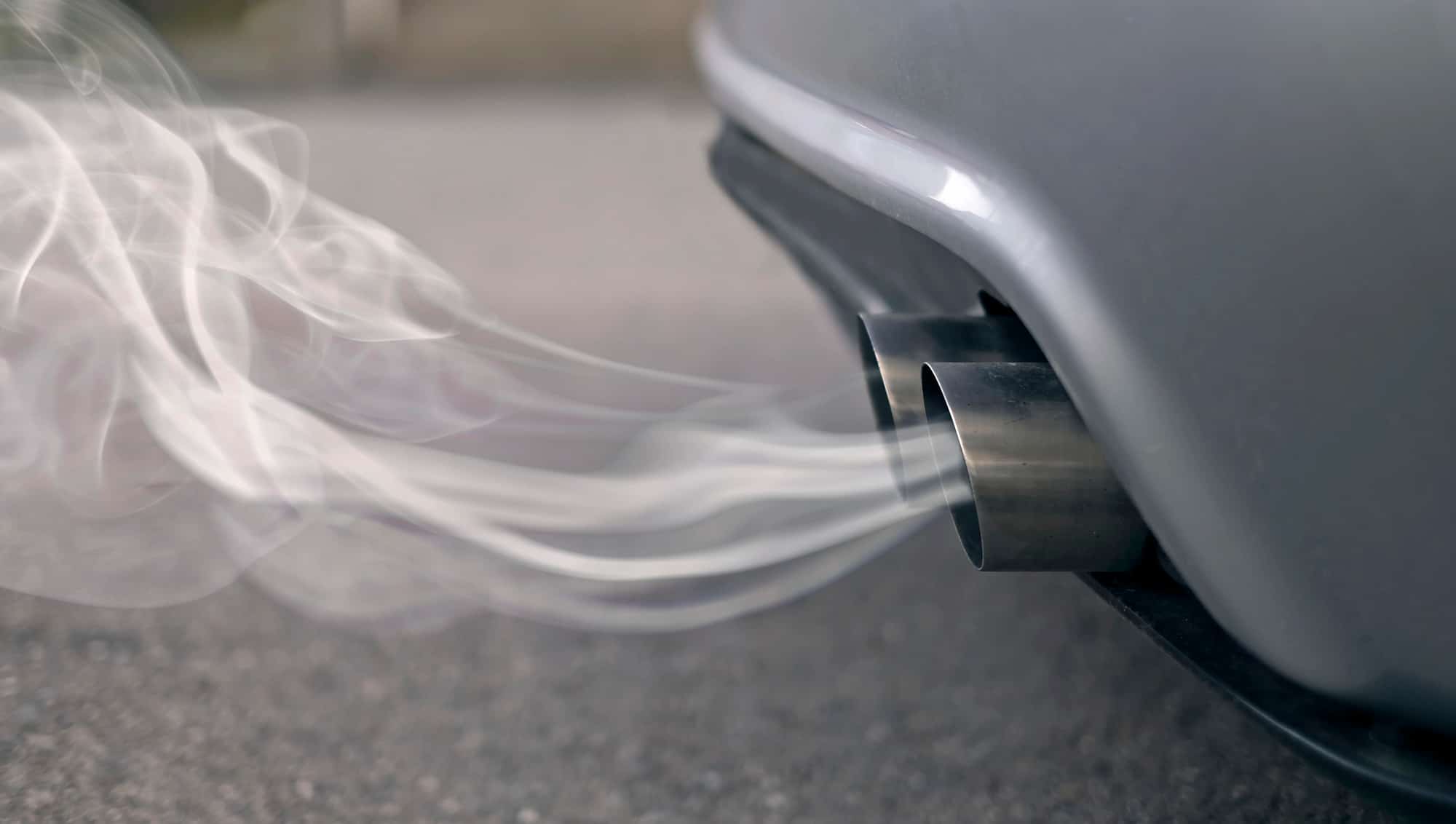
Lamborghini Exhaust & Catalytic Converter Repair at DART Auto
When your Lamborghini begins throwing exhaust-related fault codes or emitting sounds that don't belong, you need a shop that understands the architecture behind these exotic systems. Lamborghini exhaust and catalytic converter assemblies are engineered for maximum flow at stratospheric RPM, using titanium, Inconel, and high-cell-count catalysts that operate at extreme temperatures. A generic muffler shop lacks the diagnostic tooling to read proprietary Lamborghini control modules, the torque specifications for exhaust manifold studs on V10 and V12 engines, and the software integration required when replacing oxygen sensors or catalytic converters that communicate directly with engine management. At DART Auto, we approach Lamborghini exhaust work with factory-level diagnostic capability and over two decades of European performance vehicle experience.
Our technicians use OEM repair procedures and dealer-grade scan tools to isolate whether your check-engine light stems from a failing pre-cat oxygen sensor, a cracked manifold collector, or catalyst substrate degradation. We source OEM or premium performance-grade replacement components, then calibrate sensor readiness monitors to ensure your Lamborghini passes emissions testing without compromising power delivery. Because our master technicians are salaried rather than flat-rate, they invest the time to diagnose root causes – whether that's an oil-consumption issue contaminating catalysts on Gallardo 5.2 V10 engines or heat-shield failures on Aventador undertrays – rather than replacing parts until the light goes out.
What to expect during your Lamborghini exhaust and catalytic converter service:
- Complete fault-code retrieval and live-data analysis of oxygen sensor voltages, catalyst efficiency, and exhaust backpressure
- Visual inspection of exhaust manifolds, flex joints, catalytic converters, mufflers, and heat shields for cracks, leaks, and corrosion
- OEM or performance-grade component replacement with proper gasket and hardware kits, torqued to factory specifications
- Post-repair drive cycle and emissions readiness verification to confirm all monitors set correctly
Common Exhaust & Catalytic Converter Repair Issues on Lamborghini Vehicles
Lamborghini exhaust systems are engineered for extreme performance, but that intensity comes with specific vulnerabilities. When symptoms appear – whether it's a Check Engine Light, unusual sound, or loss of power – the right move is identifying the root cause and addressing it with factory-level precision. Here are the failure patterns we see most often:
- Catalytic converter substrate failure on Gallardo (2004–2013, E-Gear and manual platforms): High-flow cats run extremely hot under spirited driving. The ceramic substrate fractures and breaks apart, triggering P0420/P0430 codes and creating a metallic rattle on deceleration. Fragments can damage downstream O2 sensors and turbos on forced-induction variants.
- Flex-joint cracking on Murciélago and Aventador V12 engines: The exhaust flex sections near the manifolds absorb engine movement and thermal expansion. Repeated heat cycles cause cracking, resulting in loud ticking at idle and exhaust leaks that trip O2 sensor faults. Left unaddressed, the leak worsens and affects air-fuel mixture readings.
- Downstream O2 sensor degradation on Huracán (LP580/LP610 platforms, 2014–2020): Sensor heater circuits fail or the Zirconia element becomes contaminated by oil vapor or fuel additives. The ECU enters open-loop mode, richening the mixture and reducing power while increasing fuel consumption and emissions.
- Exhaust valve actuator seizure on valved exhaust systems (Aventador, Huracán Performante, Urus): Carbon buildup and corrosion lock the vacuum or electric actuators that control exhaust flap position. The system defaults to a fixed position, eliminating the switchable sound profile and sometimes triggering drivetrain fault codes.
- Heat shield bracket failure on all V10 and V12 models: Stainless mounting tabs crack from vibration and thermal stress. Loose shields rattle against exhaust pipes, catalytic converters, or the underbody, creating a loud buzz that owners often mistake for internal engine noise.
- Manifold stud corrosion and gasket failure on early Gallardo (pre-2009 model years): Exhaust manifold studs corrode and snap during removal attempts. The gaskets leak, allowing hot gas to escape near the cylinder heads and triggering lean codes as unmetered air enters the system.
Why Choose DART Auto for Lamborghini Exhaust & Catalytic Converter Repair
When your Gallardo throws a catalyst efficiency code or your Huracán's exhaust note changes, you need a shop that understands the intricacies of Lamborghini's high-flow exhaust architecture and the V10's aggressive heat cycles. DART Auto has invested in the factory-level diagnostic tooling and platform-specific training required to diagnose Lamborghini exhaust systems accurately – from the lambda sensor banks on the LP560-4 to the electronically controlled exhaust valves on the Aventador. Our master technicians bring dealer-trained expertise without the dealership markup, and we back every repair with a 3-year/36,000-mile warranty on parts and labor.
Because our technicians are salaried rather than flat-rate, there's no incentive to replace a catalytic converter when a downstream O2 sensor or exhaust leak is the real culprit. We perform complete pre-repair inspections, use OEM or premium aftermarket components sourced from trusted suppliers, and verify post-repair function with both scan-tool data and road testing. Whether you're dealing with a cracked manifold on an early Gallardo or need to address catalyst substrate deterioration on a higher-mileage Huracán, we'll diagnose the root cause, explain your options clearly, and fix it right the first time.
Symptoms – How to Know You Need This Service
Lamborghini exhaust and catalytic converter problems announce themselves through a combination of audible, olfactory, and electronic warnings. Recognizing these symptoms early prevents secondary damage to engine management sensors and keeps your exotic performing as intended.
You may notice:
- Check-engine light or malfunction indicator lamp – often accompanied by fault codes P0420/P0430 (catalyst efficiency below threshold) or P0171/P0174 (system too lean), indicating oxygen sensor or catalyst failure
- Rattling or metallic buzzing from underneath the car – catalyst substrate has broken apart inside the housing, especially common on high-mileage Gallardo and Murciélago models with original cats
- Hissing or ticking sounds from the engine bay at idle or cold start – exhaust manifold gasket leak or cracked manifold collector, which worsens under load
- Sulfur or rotten-egg smell during acceleration – catalytic converter operating inefficiently or contaminated by oil consumption, creating hydrogen sulfide byproduct
- Loss of power or hesitation at high RPM – restricted exhaust flow from clogged catalysts or collapsed internal baffles
- Excessive heat or discoloration on undercarriage panels – failed heat shields or catalysts running too hot, which can ignite underbody insulation
- Visible exhaust smoke (blue or black) – oil or fuel contamination reaching the catalysts, accelerating substrate failure
If you see flames, smell burning insulation, or hear loud exhaust leaks near the engine, stop driving and arrange transport. Most other symptoms allow you to schedule service promptly without risking immediate damage.
Which Lamborghini Models We See for Exhaust & Catalytic Converter Repair
DART Auto services the full spectrum of modern Lamborghini platforms, from naturally aspirated V10 and V12 supercars to the latest turbocharged Urus SUV. Each generation presents distinct exhaust architecture – some use individual catalytic converters per cylinder bank, others integrate pre-cats into manifold assemblies, and the Urus shares VAG-group emissions hardware with Audi and Porsche turbo models.
Lamborghini models and platforms we commonly service for exhaust and catalytic converter work:
- Gallardo (2003–2013) – 5.0 and 5.2 V10 engines; common catalyst substrate failure on higher-mileage examples, exhaust manifold stud corrosion, and oxygen sensor failures
- Murciélago (2001–2010) – 6.2 and 6.5 V12 engines; prone to exhaust manifold gasket leaks, heat-shield rattles, and catalyst degradation from oil consumption on early models
- Aventador (2011–2022) – 6.5 V12 engine; titanium exhaust systems with high-flow catalysts, occasional flex-joint failures and oxygen sensor faults, complex undertray removal required for access
- Huracán (2014–present) – 5.2 V10 engine; shares platform with Audi R8 (Type 42), similar catalyst and oxygen sensor failure modes, benefits from VAG diagnostic tooling
- Urus (2018–present) – 4.0 twin-turbo V8 (EA825 engine, shared with Audi RS Q8 and Porsche Cayenne Turbo); turbocharger-integrated catalytic converters, particulate filter service, and oxygen sensor replacement common on higher-mileage examples
We also service earlier Diablo and Countach models on a case-by-case basis, though parts availability and emissions compliance vary by year. If your Lamborghini isn't listed, contact us – we'll confirm compatibility and provide an honest assessment of our capability before you make the trip.
Causes & Risks – What Happens if Ignored
Lamborghini exhaust failures stem from the same core stressors: extreme heat, aggressive driving cycles, and long intervals between use. Catalytic converters on naturally aspirated V10 and V12 engines operate near their thermal limits. Short trips prevent full warm-up, allowing moisture and unburned fuel to accumulate and corrode internal components. Flex joints fatigue under the constant expansion and contraction of a mid-mounted engine. Actuators seize when carbon and moisture sit idle for weeks. Colorado's temperature swings and dry air accelerate corrosion on brackets and fasteners.
Delaying repair turns a targeted fix into a cascade of secondary damage:
- Catalytic converter substrate breakup: Loose ceramic fragments travel downstream, damaging turbos on forced-induction models or clogging mufflers and tailpipes. What starts as a single converter replacement becomes a full exhaust section overhaul.
- Exhaust leaks upstream of O2 sensors: Unmetered air skews air-fuel readings. The ECU compensates by richening the mixture, fouling spark plugs and washing oil from cylinder walls. Prolonged rich running damages the remaining catalytic converters and increases fuel costs noticeably.
- Failed O2 sensors: Open-loop operation reduces power and torque, especially at higher RPM. Fuel economy drops by 15–25 percent. The ECU cannot adapt to changing conditions, making cold starts rough and throttle response sluggish.
- Seized exhaust valves: Fixed-position flaps alter backpressure, reducing peak horsepower and changing the torque curve. On Performante and SVJ models, this affects the aero-vectoring calibration tied to exhaust sound modes.
- Corroded manifold studs: Attempting repair without proper tooling and technique breaks studs flush with the cylinder head. Extraction requires head removal, adding thousands to the repair cost and weeks to the timeline.
Safety Impact – Why Exhaust & Catalytic Converter Repair Matters
Exhaust failures on a Lamborghini rarely cause immediate loss of control, but they create hazards that escalate quickly. A catalytic converter that sheds substrate can overheat and ignite underbody insulation or debris trapped in the undertray. Exhaust leaks near the cabin introduce carbon monoxide into the ventilation system, especially on Murciélago and Gallardo models where the engine sits directly behind the occupants. Reduced power from failed O2 sensors or clogged cats affects your ability to merge safely or accelerate out of hazardous situations on the highway.
Here's when to act:
- Stop driving immediately: Smell of burning plastic or rubber near the exhaust; visible flames or glowing components under the car; sudden loss of power accompanied by loud banging or rattling from the exhaust.
- Schedule within the week: Check Engine Light with P0420/P0430 codes; noticeable exhaust leak sound at idle; rough idle or misfires that worsen over several drives.
- Address at next service: Minor heat shield rattle; exhaust valve actuator fault without drivability symptoms; slight decrease in fuel economy without other codes.
Insurance and liability become relevant if a known exhaust defect contributes to a fire or emissions-related citation. Colorado's emissions testing will fail a Lamborghini with catalyst efficiency codes or visible leaks, preventing registration renewal until the system is repaired to OEM specifications.
How Lamborghini Exhaust & Catalytic Converter Repair Actually Works
Lamborghini exhaust systems integrate tightly with engine management. The ECU monitors pre- and post-catalyst oxygen levels to verify converter efficiency and adjust fuel trim in real time. Upstream wideband O2 sensors measure the air-fuel ratio; downstream narrowband sensors confirm that the catalysts are chemically active and converting NOx, CO, and hydrocarbons. When sensor voltages fall outside expected ranges or switching frequency drops, the ECU logs a fault and illuminates the Check Engine Light. On models with valved exhausts, the system uses vacuum solenoids or electric actuators controlled by the ECU to open or close flaps based on drive mode, RPM, and throttle position. These actuators require specific activation sequences during diagnosis and must be coded to the vehicle after replacement.
What makes Lamborghini exhaust work different:
- Factory diagnostic protocols: Reading and clearing codes requires VAG-COM or dedicated Lamborghini scan tools that access proprietary control modules. Generic OBD-II scanners miss critical live data and cannot perform actuator tests or adaptations.
- Torque and sequence specifications: Manifold and catalytic converter fasteners follow precise torque values and tightening sequences to prevent warping. Flex joints and clamps use spring-loaded hardware that must be preloaded correctly to allow thermal expansion without leaking.
- Heat management design: Mid-engine layout places exhaust components inches from fuel lines, wiring harnesses, and composite body panels. OEM heat shields and ceramic coatings are mandatory; aftermarket parts that omit these features create fire risk and trigger heat-related faults in adjacent systems.
- Emissions compliance: Colorado requires that replacement catalytic converters meet EPA and CARB standards. OEM Lamborghini cats carry specific part numbers tied to engine calibration; using incorrect substrates alters backpressure and throws efficiency codes even when the parts are new.
- Post-repair adaptation: After replacing O2 sensors or catalytic converters, the ECU must relearn fuel trims and sensor baselines. This involves a controlled drive cycle at specific speeds and loads, monitored through live data to confirm readiness status before emissions testing.
How We Diagnose Exhaust & Catalytic Converter Repair Issues on Lamborghini
When a Lamborghini arrives with a check-engine light, rough idle, or that unmistakable rasp of an exhaust leak, we start with a methodical process that pinpoints the root cause before recommending any work. Our diagnostic sequence combines factory-level scan tools with hands-on inspection to separate catalyst efficiency codes from actual mechanical failures.
- Initial scan with Lamborghini-compatible diagnostics: We connect our factory-level scan tool to pull all stored and pending codes, freeze-frame data, and live readiness monitors. On V10 and V12 platforms, catalyst efficiency codes (P0420/P0430 series) often appear alongside oxygen sensor data that reveals whether the cat is genuinely failing or if an upstream sensor is skewing the reading.
- Live data analysis under load: We monitor short-term and long-term fuel trims, lambda sensor voltages, and exhaust gas temperatures while the engine runs. Gallardo and Huracán models with their high-flow exhaust systems show characteristic patterns when a cat substrate has collapsed or when an exhaust flange has cracked and is pulling in ambient air.
- Visual and physical inspection: We lift the car and inspect every weld, flange gasket, flex joint, and hanger. Aventador and Murciélago exhaust assemblies run extremely hot; we look for discolored metal, cracked welds near the cylinder heads, and heat-damaged hangers that allow the system to sag and crack.
- Road test and sound analysis: A test drive under varying loads tells us whether the noise is a simple gasket leak or a more serious structural failure. We listen for the telltale rattle of a broken catalyst substrate and note any power loss or hesitation that points to restriction.
- Backpressure and flow testing when needed: If we suspect a clogged cat, we measure exhaust backpressure before and after the converters to confirm restriction and rule out turbulence from aftermarket modifications.
Once we've completed the diagnostic sequence, we walk you through what we found, explain which components need attention, and provide a transparent estimate that separates parts, labor, and any ancillary work like oxygen sensor replacement or software updates.
Exhaust & Catalytic Converter Repair on Lamborghini: Repair vs. Replacement
The decision between repairing and replacing exhaust or catalytic converter components on a Lamborghini hinges on the extent of the damage and the serviceability of the affected parts. We guide you through the options based on what the diagnosis reveals.
When Repair Makes Sense
- Gasket and flange leaks: If the exhaust manifold gaskets or mid-pipe flanges are leaking but the pipes and cats themselves are sound, we replace the gaskets and hardware. Gallardo models often develop leaks at the header-to-cat junction due to thermal cycling; fresh gaskets and properly torqued fasteners solve the problem without touching the converters.
- Hanger and mount replacement: Broken or sagging exhaust hangers allow the system to move excessively, which can crack welds over time. Replacing hangers and isolators restores proper alignment and prevents future damage.
- Oxygen sensor replacement: Sometimes a catalyst efficiency code is actually a failing upstream or downstream O2 sensor. Replacing the sensor clears the code and restores proper fuel trim without any work on the cat itself.
When Partial Replacement Is the Right Call
- Single failed converter in a multi-cat system: Lamborghini V10 and V12 engines use multiple catalytic converters. If one cat has collapsed or is clogged while the others test fine, we replace only the failed unit and its associated hardware.
- Sectional exhaust damage: If a mid-pipe or rear muffler section is damaged but the cats and headers are intact, we replace the affected section rather than the entire system.
When Full Replacement Is Necessary
- Widespread catalyst failure: When multiple cats are failing simultaneously – common on high-mileage Gallardo and Murciélago models – replacing all converters at once prevents a return visit in six months when the next one fails.
- Structural corrosion or impact damage: If the exhaust has sustained collision damage or severe corrosion has compromised welds and flanges throughout the system, a complete replacement restores safety and performance.
We lay out the repair-versus-replace decision with transparent cost comparisons and longevity expectations, so you choose the approach that fits your timeline and budget without pressure toward the most expensive option.
How to Make Your Lamborghini Exhaust & Catalytic Converter Repair Last Longer
Once we've repaired or replaced your exhaust and catalytic converters, a few deliberate habits will extend the life of the new components and help you avoid premature failure.
Driving Habits That Protect the Exhaust
- Allow proper warm-up before high-load driving: Lamborghini V10 and V12 engines produce extreme exhaust temperatures. Let the engine reach operating temperature before hard acceleration; cold starts followed by immediate wide-open throttle shock the cats and welds with rapid thermal expansion.
- Avoid repeated short trips: Catalytic converters need sustained heat to burn off contaminants. Frequent cold starts without adequate run time allow moisture and unburned fuel to accumulate, shortening catalyst life.
- Use high-quality fuel: Premium fuel with proper detergents reduces carbon buildup in the combustion chamber and keeps exhaust gas cleaner, which reduces the workload on the cats.
- Address check-engine lights promptly: Ignoring a misfire or fuel trim code allows unburned fuel to enter the exhaust, where it ignites inside the catalytic converter and destroys the substrate.
Maintenance You Can Monitor
- Listen for changes in exhaust note: A new rattle, hiss, or drone often signals a developing leak or loose component. Catching it early prevents a small gasket leak from becoming a cracked pipe.
- Watch for dashboard warnings: Any check-engine light, especially one accompanied by reduced power or rough idle, warrants immediate attention. Early intervention prevents catalyst damage from prolonged rich or lean running.
- Inspect exhaust hangers during routine service: A quick visual check when the car is on the lift reveals sagging or cracked hangers before they allow the exhaust to move and crack welds.
Professional Maintenance That Matters
- Follow Lamborghini's service intervals: Regular oil changes, spark plug replacement, and fuel system cleaning keep combustion clean and prevent the conditions that kill catalytic converters prematurely.
- Use OEM or premium oxygen sensors: Cheap aftermarket O2 sensors report inaccurate data, which throws off fuel trims and can cause the engine to run rich enough to damage the cats.
- Keep software up to date: Lamborghini periodically releases ECU updates that refine fuel maps and emissions strategies. Staying current reduces stress on the exhaust system.
Most of these practices are simple observations you can make yourself, but leave the actual diagnostics and repairs to the shop. Exhaust work involves high-temperature components, precise torque specs, and emissions compliance – not a safe or legal DIY project on a modern Lamborghini.
What to Expect When You Bring Your Lamborghini In
From the moment you schedule your appointment, we handle your Lamborghini with the care and precision it deserves. Here's how the process unfolds:
- Drop-off and initial consultation: Bring your Lamborghini in at your scheduled time. We'll discuss the symptoms you've noticed – whether it's a check-engine light, rattling from the underbody, reduced performance, or an audible exhaust leak. If you have personal items in the cabin, take them with you; we offer loaner vehicles and local shuttle service so you're not stranded.
- Comprehensive inspection: Our technicians connect factory-grade scan tools to pull fault codes and live data, then perform a thorough visual and auditory inspection of the exhaust system from the headers back. We check for heat discoloration on catalyst housings, substrate rattle, exhaust valve operation, and sensor integrity. On Gallardo and Huracán models, we pay close attention to the lambda sensor wiring and the exhaust valve actuators, both common failure points under extreme heat.
- Written estimate and approval: You'll receive a detailed estimate that breaks down the diagnosis, recommended repairs, and the consequences of delaying work. We explain whether you're looking at a sensor replacement, a catalyst substrate failure, or a manifold crack – and why each matters for performance and emissions compliance.
- Repair execution: Once approved, we source OEM or premium aftermarket components and perform the repair using factory torque specifications and proper gasket/hardware replacement. Exhaust work on Lamborghinis often requires removing undertray panels and heat shields; we reinstall everything to factory spec.
- Post-repair verification: Before you pick up, we road-test the car to verify exhaust tone, performance feel, and absence of leaks. We re-scan for codes and confirm all readiness monitors have set. At pickup, we walk you through what we found and what we fixed. If anything feels off in the days following your repair, call us – we'll make it right.
Our Lamborghini Services
- Air Conditioning AC Repair
- Battery Repair Replacement
- Brake Repair & Brake Fluid Change
- Check Engine Light Diagnostics
- Clutch Repair & Replacement
- Coolant Leak Repair
- Cooling System Repair
- Drive Shaft Repair
- Engine Repair
- Head Gasket Repair & Replacement
- Oil Change
- Oil Leak Repair
- Scheduled Service Maintenance
- Steering Repair
- Suspension Repair
- Cambelt Timing Belt Replacement
- Transmission Repair
- Tune Up
- Wheel Alignment