
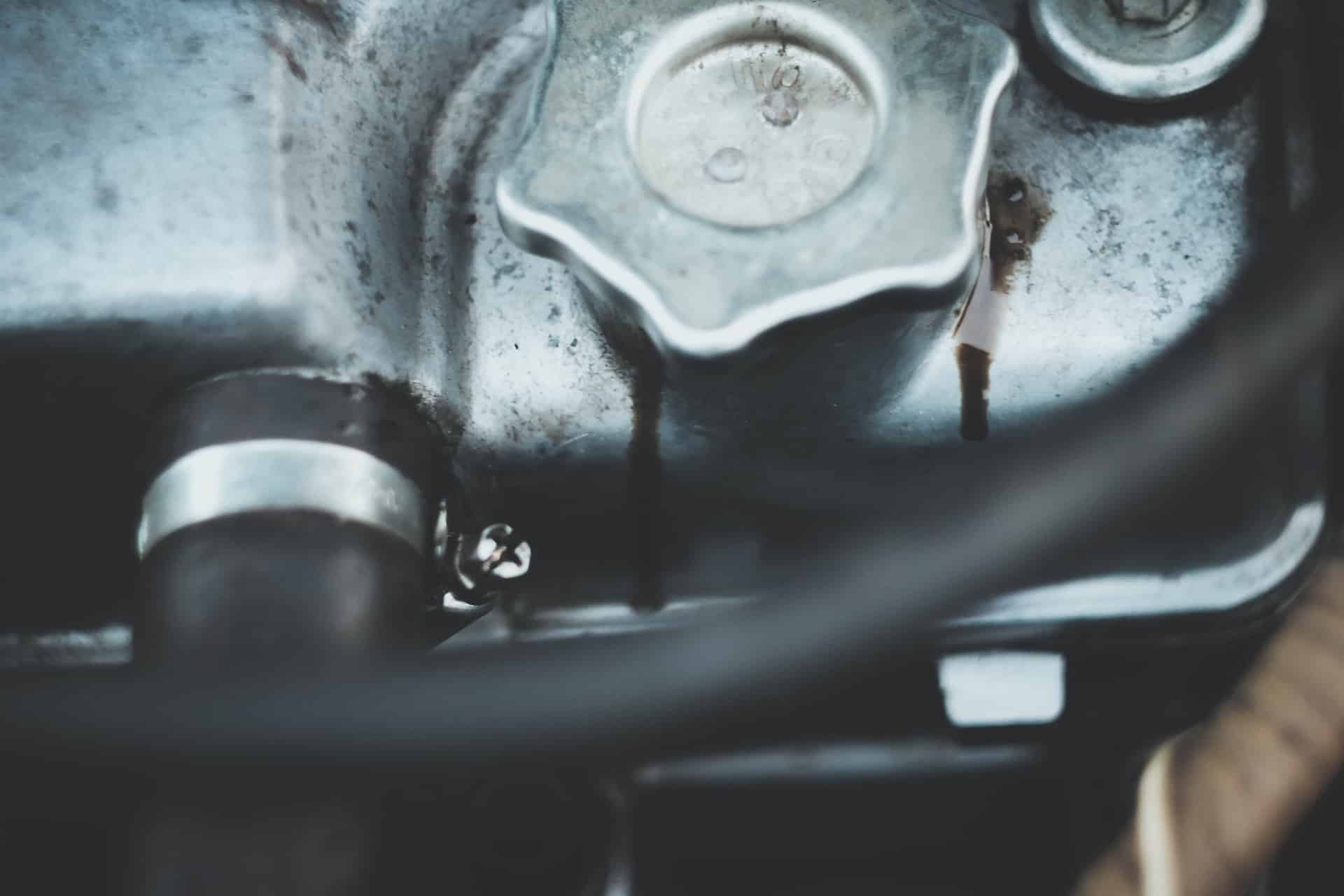
BMW Oil Leak Repair at DART Auto
BMW engines are precision-engineered systems where oil pressure, temperature, and flow are monitored by sophisticated electronics. Unlike mass-market vehicles, BMWs use aluminum alloy blocks, magnesium valve covers, and composite oil pans that expand and contract at different rates. This means gasket surfaces face unique thermal stress, and factory torque specifications – often requiring angle-based tightening sequences – are non-negotiable. A generic shop may stop a drip, but if the repair doesn't follow BMW AG's procedures, you'll be back in six months with the same leak or a new one nearby.
DART Auto has invested in the factory diagnostic tooling and repair information that dealerships use, without the dealer overhead. Our master technicians have completed BMW-specific training and understand the nuances of each platform – from the early N52 naturally aspirated inline-six to the turbocharged B58 found in modern 340i and M240i models. We know that N55 valve cover gaskets require new grommets and careful PCV system inspection, and that F-chassis oil filter housing gaskets often fail alongside the upper timing cover seal. We address root causes, not just symptoms.
When you bring your BMW to DART Auto for oil leak repair, here's what sets our approach apart:
- Complete leak diagnosis using factory procedures – we pressure-test, dye-trace, and inspect the entire oiling system to identify every source before disassembly
- OEM or premium aftermarket gaskets and seals – we source parts from Victor Reinz, Elring, and genuine BMW suppliers, never generic bulk gaskets
- Proper surface preparation and torque sequences – aluminum surfaces are cleaned with approved solvents, and every fastener is torqued to BMW specification with calibrated tools
- 3-year/36,000-mile warranty on parts and labor – we stand behind our work because we do it right the first time
Common Oil Leak Repair Issues on BMW Vehicles
BMW engines are celebrated for their performance and engineering precision, but that complexity introduces unique leak points that generic shops often misdiagnose. The brand's reliance on aluminum alloys, plastic composite covers, and integrated turbocharger systems creates failure modes that require factory-level diagnostic capability and OEM repair procedures to address correctly.
- Valve cover gasket failure on N52/N54/N55 engines (2004–2015 E90, E92, F30): BMW's magnesium and plastic composite valve covers expand and contract at different rates than the aluminum head, causing the gasket to harden and crack. Oil seeps down the back of the engine onto the exhaust manifold, producing a burning smell and visible smoke. Left unaddressed, oil saturates ignition coils and spark plug tubes, causing misfires and expensive secondary damage.
- Oil filter housing gasket leaks on N20/N26 turbocharged four-cylinders (2012–2016 F30, F32, X1, X3): The plastic housing develops hairline cracks while the o-rings degrade from heat cycling. Oil drips onto the serpentine belt and alternator, risking belt slip and electrical component failure. This platform requires specific torque sequences and OEM gasket kits to prevent repeat failure within months.
- VANOS solenoid seal leaks on S65 V8 (2008–2013 E90/E92 M3): The high-revving S65 relies on precise variable valve timing, and the solenoid seals deteriorate from heat and oil contamination. Leaks here reduce oil pressure to the VANOS system, causing timing faults, rough idle, and loss of power in the upper RPM range. Diagnosis requires live data monitoring with BMW-specific scan tools.
- Oil pan gasket and drain plug failures on N63 V8 (2008–2016 F01, F10, X5, X6): The twin-turbo N63 suffers from oil consumption issues and pan gasket leaks exacerbated by heat from the hot-vee turbo configuration. The aluminum pan warps slightly over time, and the rubber gasket hardens. Repairs demand precision torque specs and often require subframe lowering for access.
- Rear main seal leaks on older inline-six engines (M54, M52TU in E46, E39, E53): High-mileage examples develop rear main seal weepage that accelerates when the crankcase ventilation system clogs, increasing internal pressure. Oil collects on the bellhousing and transmission, contaminating the clutch on manual cars or causing transmission seal failure on automatics.
- Turbocharger oil feed and return line leaks on N54/N55 (2007–2016): Braided stainless steel lines and banjo bolt crush washers fatigue from heat cycling. Leaks here starve the turbo of lubrication, leading to bearing failure and catastrophic turbo damage. Proper repair requires OEM lines, new crush washers, and specific torque values to seal correctly.
Why Choose DART Auto for BMW Oil Leak Repair
BMW engines are precision machines, and oil leaks on these platforms demand more than generic shop experience. DART Auto has invested in the factory diagnostic tooling and repair information that BMW technicians use – the same software, torque specs, and TSB updates that guide dealership work. Our master technicians average over a decade of hands-on experience with European vehicles, and many hold BMW-specific certifications that cover everything from E46 valve cover gasket failures to F-series turbo oil feed line leaks.
We diagnose oil leaks the way the factory intended: UV dye tracing, borescope inspection of hidden seals, and scan-tool monitoring of crankcase pressure on platforms prone to PCV valve failures (common on N54, N55, and B58 engines). Because our technicians are salaried rather than flat-rate, there's no incentive to misdiagnose a minor valve cover seep as a full rear main seal replacement. You get an honest assessment, a detailed estimate with photos, and a repair plan that addresses root causes – not just the visible drip.
- Platform expertise: Familiarity with BMW-specific failure modes like oil filter housing gasket leaks on N52/N54/N55 engines, VANOS solenoid seals on S65 V8s, and turbo oil return line cracks on N20/N26 platforms.
- OEM-aligned procedures: Factory torque sequences for aluminum timing covers, genuine BMW sealants where specified, and post-repair adaptation resets via ISTA diagnostic software.
- 3-year/36,000-mile warranty: Every oil leak repair is backed by our comprehensive parts and labor guarantee – confidence you won't find at independent shops cutting corners with aftermarket gaskets and guesswork.
Symptoms – How to Know You Need This Service
Oil leaks on BMWs rarely announce themselves with dramatic puddles. Modern synthetic oil creeps through tiny gaps and evaporates on hot exhaust components, so you may smell the problem before you see it. Watch for these warning signs:
- Burning oil smell after driving – especially noticeable when you park in a garage or after highway runs; indicates oil dripping onto the exhaust manifold or downpipe
- Oil residue on the underside of the hood or engine cover – valve cover leaks on N20, N26, N55, and B58 engines often leave a film on plastic covers
- Low oil warning on iDrive or instrument cluster – if you're adding a quart between oil changes and there's no visible smoke, you have a leak
- Oil spots on your driveway or parking space – even small drips mean a gasket has failed; check the pavement after the car sits overnight
- Wet or oily residue around the oil filter housing – a common failure point on N52, N54, N55, and S55 engines, often mistaken for a loose filter
- Oil pooling in the valley between cylinder banks – visible during routine maintenance; indicates valve cover or VANOS solenoid seal failure
- Smoke from the engine bay at idle – oil burning off hot surfaces; schedule service soon to prevent catalytic converter damage
If you see smoke or the low oil warning illuminates, check your oil level immediately. Running low can starve the VANOS system or damage rod bearings. Add oil if needed and schedule an appointment – don't wait for the next service interval.
Which BMW Models We See for Oil Leak Repair
DART Auto services the full range of BMW platforms from 2000 forward, with particular depth on turbocharged inline-four and inline-six engines where oil leaks are most common. We regularly perform oil leak repairs on:
- E90/E91/E92/E93 3-Series (2006–2013) – N52, N54, and N55 engines; valve cover gaskets, oil filter housing gaskets, and oil pan gaskets are frequent culprits
- F30/F31/F34 3-Series and F32/F33/F36 4-Series (2012–2019) – N20, N26, B46, and B58 engines; timing cover seals and valve cover gaskets with integrated PCV systems
- G20/G21 3-Series and G22/G23 4-Series (2019–present) – B48 and B58 engines; newer platforms but still see oil filter housing and front main seal leaks
- E60/E61 5-Series (2004–2010) – N52, N54, and N62 V8 engines; valley pan gaskets and VANOS solenoid seals on the V8 require significant disassembly
- F10/F11 5-Series (2011–2017) – N55, N63, and S63 engines; turbo oil feed and return line seals on the V8 twin-turbo
- E53 X5 (2000–2006) and E70 X5 (2007–2013) – M54, N52, N62, and N63 engines; oil pan gaskets and rear main seals common on higher-mileage examples
- F15/F16 X5 and X6 (2014–2018) – N55, N63, and S63 engines; same leak-prone areas as F10 5-Series
- E82/E88 1-Series (2008–2013) – N54 and N55 engines; compact engine bay requires careful disassembly for valve cover access
We also service M models including E9X M3 (S65 V8), F8X M3/M4 (S55 inline-six), and F90 M5 (S63 V8). Older E46 and E39 platforms with M54 engines are welcome, though parts availability can occasionally extend lead times. If you drive a diesel or a model not listed, call us – we'll let you know honestly whether we're the right shop for your car.
Causes & Risks – What Happens if Ignored
BMW oil leaks stem from the brand's use of lightweight materials, high operating temperatures, and tightly packaged engine bays. Aluminum blocks and heads expand differently than composite covers and plastic housings. Turbochargers and performance-oriented engine designs generate extreme heat that accelerates gasket degradation. Colorado's temperature swings – from sub-zero winter mornings to summer heat – cause repeated thermal cycling that hardens rubber seals and cracks brittle plastics. Extended oil change intervals, while supported by BMW's condition-based service, stress seals longer than conventional intervals would.
Ignoring early symptoms transforms a straightforward gasket replacement into a multi-system repair. Here's the escalation path:
- Week one to three: Small drips become visible puddles. Oil saturates heat shields and exhaust components, producing acrid smoke and burning odors that permeate the cabin. Resale value drops as potential buyers notice staining and smell.
- One to three months: Oil contacts rubber belts and hoses, causing them to swell and crack. Serpentine belt slip leads to alternator undercharging and power steering loss. Contaminated ignition coils misfire, triggering check engine lights and damaging the catalytic converter with unburned fuel.
- Three to six months: Low oil levels starve critical components. VANOS systems lose pressure, timing chains stretch from inadequate lubrication, and turbocharger bearings score from oil starvation. What began as a gasket replacement now involves timing system overhaul or turbo replacement – costs multiply five to tenfold.
- Beyond six months: Severe oil loss causes rod bearing failure, scored cylinder walls, and complete engine seizure. Transmission seals fail from oil contamination. Fire risk increases as oil accumulates on hot exhaust manifolds and catalytic converters.
The cost dimension is stark: a valve cover gasket addressed early is routine maintenance. Delayed until the turbo fails or timing components wear, the repair bill includes engine disassembly, machining, and replacement of secondary damage throughout the lubrication system.
Safety Impact – Why Oil Leak Repair Matters
Oil leaks on BMW vehicles compromise safety systems that depend on predictable friction and clean sensor operation. Oil on serpentine belts causes power steering pump failure, eliminating assisted steering at low speeds and during parking maneuvers. Alternator belt slip disables battery charging, leading to electrical system brownouts that affect ABS modules, stability control, and electronic brake force distribution. On models with electric power steering (most F-chassis and newer), low voltage triggers limp mode, reducing steering assist when it's needed most.
Oil contamination creates immediate hazards:
- Stop driving immediately if: You see smoke from under the hood, smell burning oil inside the cabin, observe oil pooling near exhaust components, or notice the oil pressure warning light illuminated. These indicate active leaks onto hot surfaces or critically low oil levels that risk engine seizure.
- Schedule within days if: You find fresh oil spots under the car after overnight parking, see oil residue on the engine during routine checks, or detect a faint burning smell after highway driving. These suggest early gasket failure that will accelerate.
- Monitor closely if: The oil level drops between service intervals but no visible leaks appear. Internal consumption or slow seepage may be developing – track consumption rate and schedule inspection before it worsens.
From a liability perspective, ignoring a known oil leak that causes a fire or mechanical failure can complicate insurance claims. If an accident results from steering loss or brake contamination traceable to deferred maintenance, insurers may reduce coverage. Colorado's vehicle safety inspection requirements also flag active leaks, preventing registration renewal until repairs are completed.
How BMW Oil Leak Repair Actually Works
BMW engines use a pressurized lubrication system where an engine-driven oil pump pulls oil from the sump through a pickup screen, forces it through a filter, and circulates it under pressure to bearings, camshafts, VANOS actuators, and turbochargers. Sealing surfaces – valve covers, oil pan, filter housing, front and rear main seals – rely on precisely machined aluminum mating surfaces, torque-to-yield fasteners, and gaskets engineered for specific compression rates. Unlike cast-iron engines that tolerate slight imperfections, BMW's aluminum components warp easily if overtorqued or heated unevenly, making proper procedure critical.
BMW-specific design choices that affect repair methodology:
- Composite and magnesium valve covers: These lightweight materials require specific torque sequences (often center-out patterns) and cannot be reused once removed. OEM gaskets include integrated spark plug tube seals that generic parts omit, leading to repeat leaks.
- Integrated oil filter housings: Many BMW engines mount the filter housing directly to the block with internal o-rings. Replacement demands precise alignment and the correct OEM seal kit – aftermarket kits often use incorrect durometer rubber that fails within months.
- Turbocharger oil feed and return lines: These use banjo bolts with copper crush washers that must be replaced every time the connection is opened. Reusing old washers guarantees leaks. Proper torque (often 18-22 Nm) is critical – undertightening leaks, overtightening cracks the aluminum boss.
- VANOS system sealing: Variable valve timing solenoids seal with small o-rings exposed to high oil pressure and temperature
How We Diagnose Oil Leak Repair Issues on BMW
BMW engines are precision-engineered, but that complexity means oil leaks can originate from a dozen different places – valve cover gaskets, oil filter housing gaskets, oil pan seals, front and rear main seals, VANOS solenoid seals on the N52 and N55, or the infamous oil cooler line O-rings on the N54 and N55 turbocharged engines. Before we touch a wrench, we follow a methodical diagnostic sequence that pinpoints the exact source and rules out secondary issues that could complicate the repair.
- Initial Visual Inspection and UV Dye Application: We clean the engine bay and undercarriage to remove old oil residue, then apply UV-reactive dye to the oil system. After a short test drive, we use a UV light to trace the leak back to its origin – this eliminates guesswork and prevents replacing parts that aren't actually leaking.
- Factory-Level Scan with BMW ISTA: We connect our BMW ISTA diagnostic platform (the same software used by BMW dealerships) to check for fault codes related to oil pressure sensors, VANOS system errors, or crankcase ventilation faults. On turbocharged models, we also monitor oil consumption rates and boost pressure logs that can indicate turbo seal wear contributing to oil loss.
- Physical Measurement and Pressure Testing: We measure oil consumption over a controlled interval, inspect the crankcase ventilation system for clogs or valve failures (a common culprit on N55 engines that causes pressure buildup and forces oil past seals), and pressure-test the cooling system to rule out oil cooler leaks that can cross-contaminate coolant.
- Documentation and Repair Plan: We photograph the leak source, document our findings with scan data and measurements, then build a detailed repair plan that addresses the root cause – not just the symptom. You receive a transparent quote that explains what needs replacement, why, and what happens if you delay the repair.
This thorough process means you're never paying for unnecessary parts or guessing whether the leak will return. We translate the diagnosis into a clear action plan, so you know exactly what your BMW needs and why.
Oil Leak Repair on BMW: Repair vs. Replacement
Not every oil leak demands a full component replacement. The right approach depends on the leak's location, the part's condition, and how the failure affects surrounding systems. We walk through the decision with you, backed by what we see during the diagnostic process.
When a True Repair Works
- Valve Cover Gasket Replacement: On the N52, N55, and B58 engines, valve cover gaskets are wear items that can be replaced without touching the valve cover itself. We clean the mating surfaces, install a new OEM or premium gasket, torque to BMW's specification, and the repair is complete – no need to replace the entire cover unless it's warped or cracked.
- Oil Filter Housing Gasket (N52/N55): A common leak point that's addressed by replacing the rubber gasket and O-rings, not the entire housing. We clean the block surface, install new seals, and torque the housing back into place.
- VANOS Solenoid Seals: These small O-rings fail frequently on N52 and N55 engines. Replacing the seals takes an hour and solves the leak without replacing the solenoid or VANOS unit.
When Partial or Full Replacement Makes Sense
- Oil Pan Replacement (F30, F10): If the oil pan is dented, the drain plug threads are stripped, or the integrated level sensor has failed, we replace the entire pan rather than attempt a repair that won't hold.
- Turbo Oil Feed/Return Lines (N54, N55): These hardlines crack or corrode over time. We replace the affected line with OEM or upgraded aftermarket parts – repair isn't an option when metal has fatigued.
- Rear Main Seal (Transmission-Out Job): When the rear main seal leaks, we're already removing the transmission. At that point, we replace the seal, inspect the flywheel for wear, and address any clutch or transmission issues while everything is apart – it's cost-effective to do it all at once rather than pay for transmission removal twice.
We explain the pros, cons, and cost difference for each option. You decide what fits your budget and how long you plan to keep the car – we're here to advise, not upsell.
How to Make Your BMW Oil Leak Repair Last Longer
Once we've fixed the leak, a few smart habits will protect your investment and keep your BMW running clean for years. Some of these are simple owner checks; others require professional service at the right intervals.
Driving Habits That Protect Seals and Gaskets
- Warm Up Before Hard Driving: Let the engine reach operating temperature before pushing it hard. Cold oil is thick and doesn't lubricate as well, which stresses seals and gaskets. On turbocharged models (N54, N55, S55), this also protects turbo bearings and oil feed lines.
- Avoid Short Trips in Cold Weather: Frequent cold starts without reaching full temperature cause condensation in the crankcase, which degrades oil and accelerates gasket deterioration. If you must make short trips, plan a longer drive every week or two to fully heat-cycle the engine.
- Monitor Oil Level Between Changes: BMW engines – especially older N52 and N54 models – can consume oil normally. Check your oil every few weeks and top off with the correct spec (typically BMW LL-01 or LL-04). Running low stresses the oil pump and can cause pressure fluctuations that damage seals.
Maintenance You Can Do vs. What We Should Handle
- Safe DIY: Check oil level with the electronic dipstick or physical dipstick (depending on model), inspect the engine bay for fresh oil residue after a repair, and keep an eye on your driveway for new spots. If you see a leak returning, bring it in early – small leaks are cheaper to fix than large ones.
- Leave to the Professionals: Oil changes on BMWs require the correct oil spec, proper filter (OEM or equivalent), and a reset of the service indicator using diagnostic software. Crankcase ventilation system cleaning, VANOS solenoid replacement, and any work involving torque-critical fasteners should be handled by a shop with BMW-specific training and tooling.
Brand-Specific Care That Matters
- Use BMW LL-01 or LL-04 Oil: BMW engines are designed around specific oil formulations. Using the wrong oil – even a high-quality synthetic – can cause sludge buildup, VANOS issues, and premature gasket failure. We use OEM-spec oil in every service.
- Follow BMW's Service Intervals: The Condition Based Service (CBS) system tracks oil life, but it's conservative. If you drive hard, track the car, or live in extreme heat or cold, consider shortening the interval slightly. We'll recommend what makes sense for your driving style.
- Keep Software Updated: BMW occasionally releases software updates that refine oil pressure management, VANOS timing, and crankcase ventilation. We check for updates during every visit and apply them when they improve reliability or performance.
These habits don't require much effort, but they make a measurable difference in how long your repair lasts and how well your BMW runs between services. We're here to handle the complex work – you handle the simple checks, and together we keep your car in top shape.
What to Expect When You Bring Your BMW In
From the moment you schedule your appointment, you'll experience the difference of working with a shop that respects your time and your vehicle. Here's how the process unfolds:
- Drop-off and intake: When you arrive, we'll ask about symptoms you've noticed – oil spots in your driveway, burning smell from the engine bay, low oil warnings on the iDrive. We'll note your concerns and remove any personal items from the engine compartment if you've stored tools or fluids there.
- Diagnostic inspection: Our technicians perform a complete visual inspection, often adding UV dye to the oil system and running the engine to trace the leak's origin. We use factory scan tools to check for fault codes related to oil pressure sensors, VANOS solenoids, or PCV system faults that can mimic or worsen gasket leaks.
- Written estimate and approval: You'll receive a detailed estimate with photos showing the leak source, the parts required (OEM or premium aftermarket), and a breakdown of labor. We explain what happens if you delay the repair – whether it's a minor seep that can wait or an active leak risking catalytic converter damage from oil drips.
- Repair and verification: Once approved, we complete the work using factory procedures – proper sealant cure times, torque specs, and any software adaptations required after valve cover or oil pan removal. Before you pick up, we road-test the vehicle and re-scan for codes to confirm the repair resolved the issue.
- Pickup and follow-up: At pickup, we walk you through the work performed and show you the old parts. If you notice any concerns in the days following the repair, we're available to re-inspect at no charge – our warranty means we stand behind the work long after you drive away.
We offer loaner vehicles and local shuttle service to keep your day on track while your BMW is in our care. After-hours key drop and pickup can be arranged if your schedule requires it.
Our BMW Services
- Air Conditioning AC Repair
- Battery Repair Replacement
- Brake Repair & Brake Fluid Change
- Check Engine Light Diagnostics
- Clutch Repair & Replacement
- Coolant Leak Repair
- Cooling System Repair
- Drive Shaft Repair
- Engine Repair
- Exhaust & Catalytic Converter Repair
- Head Gasket Repair & Replacement
- Oil Change
- Scheduled Service Maintenance
- Steering Repair
- Suspension Repair
- Cambelt Timing Belt Replacement
- Transmission Repair
- Tune Up
- Wheel Alignment