
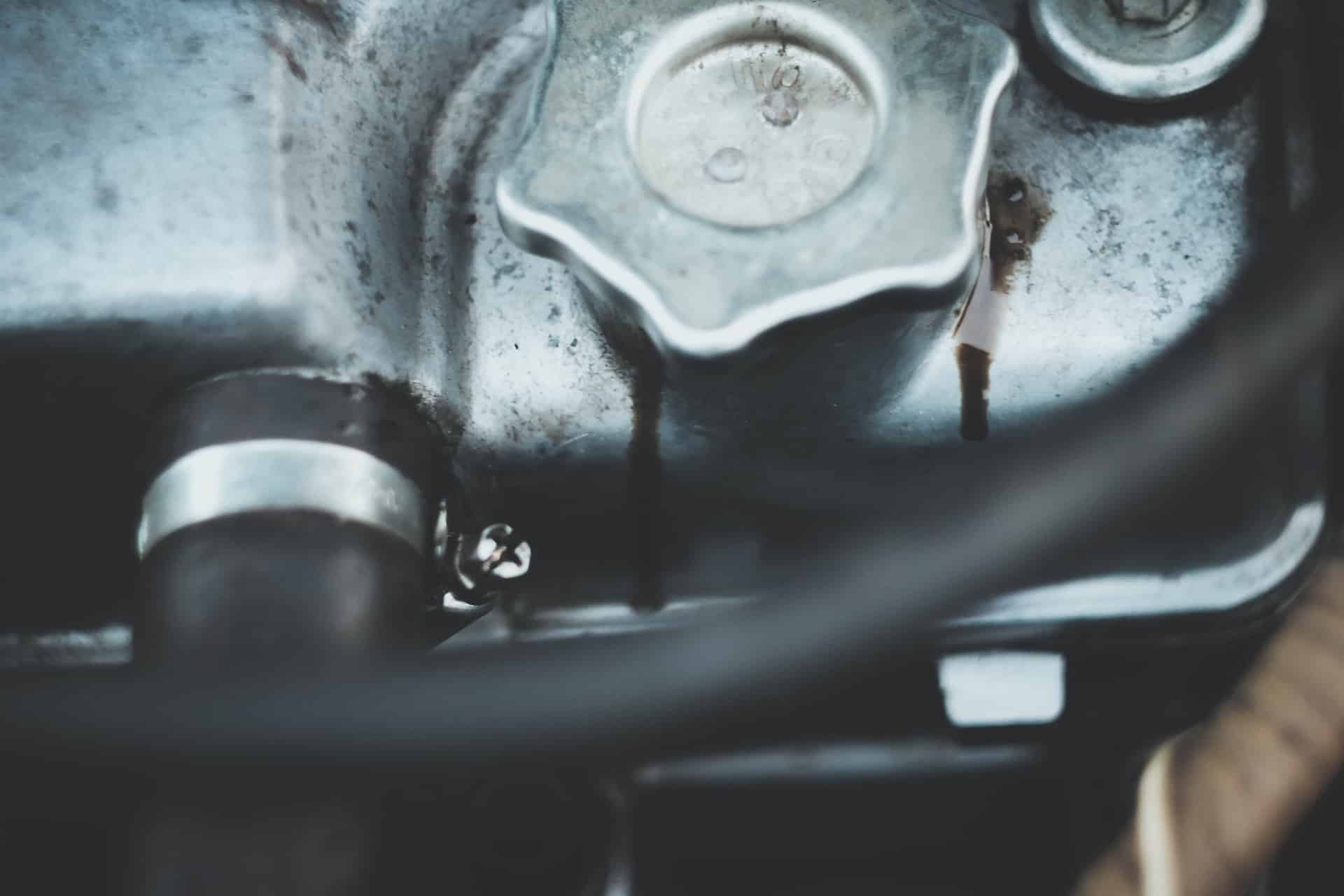
Lamborghini Oil Leak Repair at DART Auto
Lamborghini V10 and V12 powerplants operate at extreme temperatures and pressures that place extraordinary demands on every seal, gasket, and mating surface. When an oil leak develops on a Gallardo, Huracán, Murciélago, or Aventador, the repair demands more than generic shop procedures. Factory torque specifications for crankcase bolts, cam cover fasteners, and oil pan hardware are measured to the Newton-meter and often require multi-stage tightening sequences. The dry-sump oiling systems found across the Lamborghini range use multiple scavenge pumps and external reservoirs, meaning leak diagnosis requires understanding the entire oil circulation path, not just visible wet spots. DART Auto has invested in the factory service information, genuine Lamborghini tooling, and the diagnostic software required to pinpoint leak sources without guesswork.
Our master technicians perform a complete dye-trace inspection under UV light, pressure-test the crankcase ventilation system for positive pressure that can blow seals, and verify oil pan rail flatness before reinstallation. We source OEM gaskets and seals directly from Lamborghini or premium European suppliers who meet factory material specifications. Every repair is followed by a hot-cycle recheck to confirm the leak is resolved before the vehicle leaves our facility.
When you bring your Lamborghini to DART Auto for oil leak repair, you can expect:
- UV dye tracing and pressure testing to isolate the exact leak source, not surface symptoms
- Factory torque sequences and genuine Lamborghini gaskets to preserve engine integrity and resale value
- Salaried technicians who take the time to clean mating surfaces, inspect for warpage, and verify crankcase ventilation function
- A 3-year/36,000-mile warranty on parts and labor, backed by over two decades of European vehicle expertise in Denver
Common Oil Leak Repair Issues on Lamborghini Vehicles
Lamborghini's mid-engine and all-wheel-drive platforms demand specialized attention when oil leaks appear. These supercars run extraordinarily tight tolerances and high-stress thermal cycles that expose vulnerabilities most shops have never encountered. Understanding what typically fails – and why – separates a proper repair from a temporary patch.
- Cam cover gasket seepage on 2004–2010 Gallardo (V10 E-gear): The longitudinal V10 layout places cam covers in awkward positions where heat soak degrades cork-composite gaskets. Early E-gear cars compound the issue with transmission fluid migration through shared bellhousing seals, creating dual-source leaks that appear as single puddles.
- Oil cooler line O-rings on 2008–2013 Gallardo LP560 and LP570: Upgraded power output increased oil pressure and temperature cycling. Factory crimped aluminum lines with Viton O-rings harden after 60,000 miles, weeping at banjo fittings near the sump. These leaks accelerate when track-driven or operated in high-altitude environments.
- Rear main seal deterioration on 2014–2019 Huracán (LP610 / LP640): The dual-clutch transmission bellhousing on early Huracán models traps heat against the crankshaft seal. Combined with aggressive launch-control use, the factory FKM seal extrudes and allows oil past the flywheel into the clutch assembly, risking transmission contamination and shudder.
- Front differential pinion seal leaks on Aventador (2011–2021, all variants): The Haldex-derived front differential runs higher torque loads than its Audi counterparts. Pinion seals fail between 30,000 and 50,000 miles, especially after sustained high-speed driving. Leaks drip onto exhaust components and create visible smoke.
- Valve cover bolt-through seal failure on Urus (4.0T V8, 2018–present): Shared architecture with the Audi RSQ8 means the same bolt-through valve cover design that plagues EA824 engines. Aluminum cover warpage and undertorqued fasteners allow oil migration around bolt sleeves, pooling in spark plug wells and risking coil-pack failure.
- Oil pan gasket deterioration on Murciélago (2001–2010, 6.2L / 6.5L V12): The stamped-steel pan uses a multi-layer steel gasket that compresses unevenly as the aluminum block expands. Age and thermal cycling create corner leaks that worsen rapidly, often discovered only after significant oil loss during spirited driving.
Why Choose DART Auto for Lamborghini Oil Leak Repair
Lamborghini V10 and V12 engines demand more than standard shop tooling and guesswork. DART Auto has invested in the factory-level diagnostic equipment and specialty tooling required to isolate and repair leaks on platforms from the Gallardo's E-gear system to the Aventador's ISR gearbox and carbon-ceramic brake packages. Our master technicians follow OEM service procedures for valve-cover reseals, oil-pan gasket replacement, and rear-main-seal work – procedures that account for the tight packaging, mid-engine layout, and aluminum-intensive construction that define these supercars.
We perform complete inspections before recommending repairs, using UV dye tracing and pressure testing to confirm the exact source rather than replacing parts speculatively. Because our technicians are salaried rather than flat-rate, there's no incentive to oversell or rush through complex jobs. Every oil leak repair includes post-repair verification with factory scan tools to confirm oil-pressure parameters and check for fault codes that might indicate secondary issues. Our 3-year/36,000-mile warranty on parts and labor backs the work, and our pricing consistently undercuts dealer rates without compromising on OEM or premium aftermarket gasket sets and seals sourced from trusted European suppliers.
Symptoms – How to Know You Need This Service
Oil leaks on Lamborghini vehicles often announce themselves before you see a puddle. Recognizing the early warning signs allows you to schedule repair before oil starvation or fire risk becomes critical.
- Burning oil smell in the cabin or near exhaust: Oil dripping onto catalytic converters or exhaust manifolds produces a sharp, acrid odor. On mid-engine Lamborghinis, this smell enters the cabin quickly through the firewall vents.
- Blue smoke from exhaust on startup or deceleration: Valve cover leaks can allow oil to seep past valve stem seals and burn in the combustion chamber, especially noticeable after the car has been parked overnight.
- Oil level dropping between service intervals: If you're adding a quart or more between oil changes, an external leak is consuming oil faster than normal consumption rates.
- Visible oil pooling under the engine bay or on the garage floor: Dark spots beneath the rear axle (Gallardo/Huracán) or center of the car (Murciélago/Aventador) indicate an active leak that requires immediate attention.
- Low oil pressure warning on the dashboard: This is a stop-driving-immediately condition. Continued operation risks catastrophic bearing damage.
- Oil residue coating the underside of the engine or transmission bell housing: Wind flow at speed distributes leaked oil across surrounding components, making the original source harder to identify without dye tracing.
- Wet or stained cam covers, oil pan rails, or crankshaft seals: Fresh oil weeping from gasket surfaces is an early indicator before drips form.
Which Lamborghini Models We See for Oil Leak Repair
DART Auto services oil leak repairs across the full range of modern Lamborghini platforms. The most common sources vary by generation and engine architecture, but our diagnostic approach and OEM repair standards remain consistent.
- Gallardo (2003–2013): V10 cam cover gaskets, oil pan rail seals, and rear main seals are frequent leak points. The E-gear automated manual transmission models also develop actuator seal leaks that contaminate the bell housing.
- Huracán (2014–present): The Audi-derived VW EA824 5.2L V10 shares some architecture with the R8, including cam cover gasket and oil cooler line vulnerabilities on early LP 610-4 models.
- Murciélago (2001–2010): V12 valve cover gaskets and oil pan gaskets are common culprits, compounded by the difficulty of access in the mid-engine layout. The 6.5L versions (LP 640, LP 670-4 SV) also see oil cooler line seepage.
- Aventador (2011–present): The 6.5L V12 (L539) develops cam cover leaks and oil return line failures, particularly on high-mileage or track-driven examples. Carbon-ceramic brake dust can also mask early oil seepage.
- Urus (2018–present): While this SUV uses a twin-turbo V8 platform shared with Audi/Porsche, we see turbo oil feed and return line leaks, valve cover gasket seepage, and oil pan gasket failures similar to other VW Group products.
We maintain factory service subscriptions and tooling for all current and recent Lamborghini platforms. If you own a Countach, Diablo, or other classic model, contact us to discuss your specific needs.
Causes & Risks – What Happens if Ignored
Lamborghini oil leaks stem from design choices that prioritize performance over serviceability. Mid-engine layouts trap heat around seals, while lightweight materials expand and contract at different rates than gaskets designed for them. High-revving engines generate oil pressure spikes that test every seal during each drive cycle. Colorado's temperature swings – sub-zero mornings followed by afternoon heat – accelerate gasket hardening and O-ring extrusion.
What begins as a few drops under the car escalates into cascading failures when ignored:
- Cam cover leaks migrate onto exhaust manifolds: Oil burns off as visible smoke, but prolonged exposure degrades oxygen sensor heater elements and catalytic substrate coatings. Replacing cats on a Gallardo costs eight times what gasket replacement does.
- Rear main seal leaks contaminate dual-clutch packs: Even small amounts of engine oil swell the friction material on DCT clutches. Within 5,000 miles, shudder becomes violent enough to crack the bellhousing or damage the mechatronic unit – a $15,000+ repair versus a $1,200 seal replacement.
- Differential leaks starve bearings: The Aventador front diff holds only 0.9 liters. A slow pinion seal leak drops fluid below the ring gear in under 2,000 miles of mixed driving. Bearing failure grenades the entire assembly, sending metal debris into the transfer case and requiring complete AWD system replacement.
- Valve cover leaks flood ignition components: Oil in spark plug wells on the Urus V8 creates carbon tracking paths that misfire under boost. Misfires dump unburned fuel into the turbochargers, overheating turbine wheels and cracking housings. What started as a $400 gasket job becomes a $12,000 turbo replacement.
- Oil starvation during high-G cornering: Even a quart-low oil level in a Huracán's dry-sump system causes momentary pump cavitation during track sessions. Bearing surfaces score, then seize. Rebuilding the V10 costs more than addressing the original leak by a factor of thirty.
Safety Impact – Why Oil Leak Repair Matters
Oil leaks on Lamborghini vehicles create hazards that extend beyond the engine bay. Mid-engine cars place leaking components directly above rear tires, where even small amounts of oil compromise traction during acceleration or cornering. Differential leaks coat brake rotors, extending stopping distances unpredictably. Smoke from burning oil obscures rear visibility and signals distress to other drivers, increasing accident risk.
Specific failure modes demand immediate attention:
- Stop driving now: visible smoke from the engine bay, oil pooling under the car after a short drive, oil pressure warning light illuminated, or oil level below the minimum mark on the dipstick. These indicate imminent bearing failure or fire risk.
- Schedule within the week: oil spots larger than a quarter under the car, burning oil smell during normal driving, or oil visible on suspension components. Continued operation risks secondary damage but doesn't pose immediate danger.
- Address before next spirited drive or track day: any detectable leak on a car used for performance driving. High-G loads and sustained RPM amplify oil starvation risk and accelerate leak progression exponentially.
Insurance liability becomes a consideration when a known leak contributes to an incident. If oil from your Lamborghini causes another vehicle to lose control, documentation showing you were aware of the leak but delayed repair can affect claim outcomes. Colorado's strict emissions testing also flags oil leaks – a visible drip or smoke triggers automatic failure, preventing registration renewal until repaired.
How Lamborghini Oil Leak Repair Actually Works
Lamborghini engines use dry-sump oiling systems on most V10 and V12 models, separating the oil reservoir from the engine block to lower the center of gravity and enable mid-engine packaging. Multiple scavenge pumps pull oil from different sump sections into a remote tank, then a pressure pump supplies galleries under computer control. This architecture means leak diagnosis requires pressure testing the entire system – a leak at one point affects flow everywhere else. The Urus shares Audi's wet-sump design but adds a variable-displacement oil pump controlled by the ECU, requiring ODIS software to verify pump operation after seal replacement.
What makes Lamborghini oil leak repair distinct from conventional work:
- Subframe removal for access: Replacing rear main seals on Gallardo or Huracán models requires dropping the entire engine and transmission assembly. This involves disconnecting AWD driveshafts, exhaust systems, and dozens of sensors – then performing a complete wheel alignment and drivetrain re-learn procedure using factory diagnostic tools.
- Torque-to-yield fasteners throughout: Cam cover bolts, oil pan bolts, and differential housing bolts are single-use on most Lamborghini applications. Re-using them guarantees future leaks. OEM parts must be sourced with correct part numbers – early and late Gallardo variants use different bolt lengths despite identical covers.
- Software adaptation after repairs: The Huracán and Urus monitor oil pressure, temperature, and level through multiple sensors. Replacing seals or changing oil capacity triggers fault codes that require VAS diagnostic tools to clear and re-baseline. Skipping this step leaves the car in limp mode or triggers false warnings.
- Dry-sump priming procedures: After any repair that drains the remote tank, the scavenge and pressure pumps must be primed in a specific sequence to avoid air pockets. This requires running the engine at
How We Diagnose Oil Leak Repair Issues on Lamborghini
Lamborghini V10 and V12 engines occupy a unique space in automotive engineering – longitudinally mounted, mid-engine configurations with exotic materials, dry-sump oiling on many models, and engine-out service requirements for certain seals. Pinpointing the exact source of an oil leak on a Gallardo, Huracán, or Aventador demands factory-level diagnostic capability and technicians who understand the platform's quirks.
- Initial Visual Inspection: We begin with the vehicle on a lift, examining the underside for active drips, oil trails, and residue patterns. Lamborghini mid-engine layouts mean oil can migrate rearward along the transmission bell housing or forward onto heat shields, masking the true origin.
- UV Dye Injection and Drive Cycle: For elusive leaks, we introduce UV-reactive dye into the oil system, run the engine to operating temperature, and drive the car under load. Under UV light, the dye reveals whether the leak originates from cam cover gaskets, timing cover seals, oil cooler lines, or the rear main seal – common trouble spots on Gallardo 5.2 V10s and Aventador 6.5 V12s.
- Pressure and Flow Testing: We verify crankcase ventilation function and PCV valve operation. Excessive crankcase pressure from a clogged breather or failed valve can force oil past otherwise healthy seals.
- Scan Tool Interrogation: Using factory-equivalent diagnostics, we check for fault codes related to oil pressure sensors, variable valve timing solenoids, and engine temperature – any of which can correlate with seal degradation or improper oil viscosity breakdown.
- Documentation and Estimate: We photograph the affected areas, document mileage and service history, and provide a detailed quote that separates parts, labor, and any ancillary work (such as timing belt replacement if the engine is already partially disassembled).
This methodical approach translates into a transparent repair plan, so you understand exactly what failed, why, and what it will take to restore your Lamborghini to factory-dry operation.
Oil Leak Repair on Lamborghini: Repair vs. Replacement
Not every oil leak requires wholesale component replacement, but Lamborghini's architecture often tips the scale toward full replacement once labor costs enter the equation.
When Repair Alone Suffices
- Valve cover gasket weeping: On Huracán 5.2 V10s, cam cover gaskets can be replaced without engine removal – a straightforward gasket-and-bolt job that restores the seal.
- Oil cooler line fittings: If the leak is at a banjo bolt or crush washer, replacing the washer and torquing to spec solves the issue without touching the cooler itself.
- PCV valve or breather hose: A failed crankcase vent valve can be swapped in isolation, relieving the pressure that caused the leak in the first place.
When Partial or Full Replacement Makes Sense
- Rear main seal on Gallardo/Aventador: Accessing this seal requires transmission removal. Once you're that deep, replacing the clutch and flywheel hardware (if showing wear) avoids a second teardown months later.
- Timing cover seals on V12 engines: If the front crank seal is leaking and the timing belt is due (or unknown), full replacement of the belt, tensioners, water pump, and all seals is the economically rational path.
- Oil pan gasket with corroded fasteners: Aluminum oil pans on these engines can suffer galvanic corrosion at the steel bolt threads. If fasteners are damaged during removal, a new pan and hardware kit is the safe call.
We walk you through the cost-benefit of each option, showing photos and explaining how labor overlap affects the total. You decide; we execute.
How to Make Your Lamborghini Oil Leak Repair Last Longer
Once we've sealed your Lamborghini's oil system, a few deliberate habits will protect that investment and delay the next seal replacement cycle.
Driving Habits That Preserve Seals
- Warm-up before high load: Allow oil temperature to reach at least 180°F before sustained high-RPM operation. Cold oil doesn't flow as readily through the dry-sump scavenge pumps, increasing pressure spikes that stress seals.
- Cool-down after spirited driving: Idle for 60–90 seconds after track or canyon runs to let turbos (on Huracán Performante and Evo models) spool down and oil temperatures stabilize, reducing thermal shock to gaskets.
- Avoid extended idling in summer heat: Mid-engine cars trap heat. Prolonged idling in 90°+ weather can cook valve cover gaskets prematurely; if you must idle, crack the engine cover or park in shade.
Maintenance You Can Monitor
- Check oil level weekly: Lamborghini's dry-sump systems hold 9–11 quarts depending on model. A sudden drop between services signals a new leak; catching it early prevents oil starvation.
- Inspect your parking spot: A few drops on the garage floor after a spirited drive can indicate a weeping gasket before it becomes a puddle.
- Listen for changes in engine note: A ticking or rattling sound at startup can mean oil isn't reaching the top end quickly – a clue that crankcase pressure or oil viscosity has changed.
What to Leave to the Professionals
- Use factory-spec oil and filters: Lamborghini specifies low-viscosity synthetics (often 5W-40 or 0W-40) engineered for high-temp, high-shear environments. Aftermarket "performance" oils can lack the additive packages that keep seals pliable.
- Follow the 9,000-mile / annual service interval: Oil analysis at each service reveals fuel dilution, coolant intrusion, or bearing wear – early warnings that can prevent catastrophic seal failure.
- Keep software current: ECU updates sometimes revise fuel maps or idle strategies that affect engine temperature and crankcase pressure, indirectly protecting gaskets.
Do not attempt to replace rear main seals, timing cover components, or oil pan gaskets yourself – these jobs require specialized tooling, precise torque sequences, and often engine or transmission removal. Trust those tasks to a shop with Lamborghini-specific training and equipment.
What to Expect When You Bring Your Lamborghini In
We know that bringing a Lamborghini in for service requires planning. Here's how the process unfolds from drop-off to pickup:
- Appointment and drop-off. Schedule in advance so we can allocate bay space and any specialty lifts. Bring your key fob and remove personal items from the cabin; we'll secure the vehicle in our climate-controlled facility.
- Initial inspection and diagnosis. A technician performs a thorough visual inspection, pressure tests suspect seals, and uses UV dye tracing to pinpoint the leak source. We document findings with photos and scan-tool data.
- Written estimate and consultation. You'll receive a detailed estimate that explains which gaskets or seals need replacement, why, and what happens if you delay the repair. We walk through the work required and answer questions before you authorize anything.
- Repair and verification. Once approved, we perform the repair following factory torque specs and fluid capacities. After reassembly, we road-test the car and re-scan with factory tools to confirm oil pressure and system health.
- Pickup walkthrough. At pickup, we review what was done, show you the old parts if requested, and explain any additional observations from the inspection. If something feels off in the days following repair, call us – we'll bring the car back in and verify the work at no charge.
Loaner vehicles and shuttle service are available on a first-come basis; ask when you schedule. After-hours pickup can be arranged if your schedule requires it.
Our Lamborghini Services
- Air Conditioning AC Repair
- Battery Repair Replacement
- Brake Repair & Brake Fluid Change
- Check Engine Light Diagnostics
- Clutch Repair & Replacement
- Coolant Leak Repair
- Cooling System Repair
- Drive Shaft Repair
- Engine Repair
- Exhaust & Catalytic Converter Repair
- Head Gasket Repair & Replacement
- Oil Change
- Scheduled Service Maintenance
- Steering Repair
- Suspension Repair
- Cambelt Timing Belt Replacement
- Transmission Repair
- Tune Up
- Wheel Alignment