
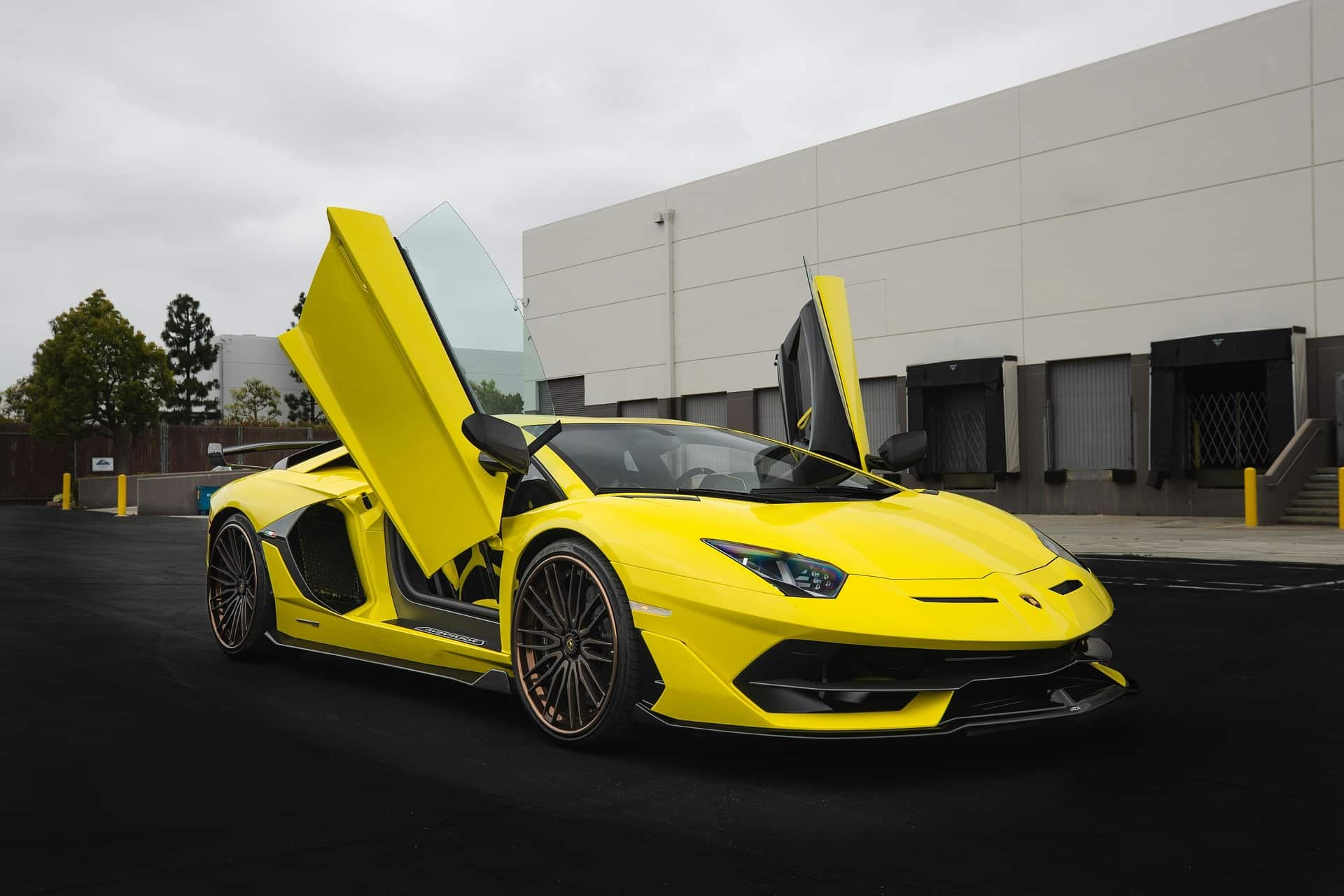
About Lamborghini Service at DART Auto
Lamborghini ownership demands a different caliber of service infrastructure. These mid-engine supercars – built around monocoque carbon-fiber tubs, complex all-wheel-drive torque vectoring systems, and naturally aspirated V10 or V12 powerplants – require technicians who understand the engineering philosophy behind Sant'Agata Bolognese's approach to performance. The Gallardo's viscous-coupling Haldex system behaves nothing like a standard Audi quattro setup. The Aventador's ISR single-clutch transmission requires specific adaptation procedures that generic scan tools cannot perform. When a shop lacks factory diagnostic protocols or the platform-specific tooling to access underbody panels without risking carbon-fiber damage, even routine maintenance becomes risky.
DART Auto has invested in the factory-level diagnostic hardware and OEM repair documentation that Lamborghini platforms require. Our master technicians – each with over a decade of experience and factory training across multiple European marques – approach every Huracán, Aventador, or Urus with the same rigor a dealership technician would, but without the markup. We handle electrical diagnostics on the CAN-bus architecture shared with VW Group platforms, complete drivetrain service including ISR clutch replacements and e-gear actuator rebuilds, suspension geometry setup for magnetorheological dampers, and scheduled maintenance intervals aligned with factory specifications. You'll receive transparent pricing, a complete inspection before any work begins, and our 3-year/36,000-mile warranty on parts and labor.
- Factory-aligned diagnostics: OEM scan tools and repair procedures for all Lamborghini platforms
- Drivetrain expertise: ISR transmission service, Haldex AWD systems, clutch replacements, differential rebuilds
- Carbon-fiber awareness: Proper tooling and techniques to service monocoque chassis without panel damage
- Transparent communication: Detailed explanations of recommended repairs, consequences of delaying work, and honest timelines
Common Issues with Lamborghini Vehicles
Lamborghini's mid-engine supercars demand specialist attention because their unique architecture and performance-focused engineering create failure modes you won't see in everyday vehicles. Here are the issues that bring Lamborghini owners to our shop most often:
- E-gear clutch and actuator wear (Gallardo, Murciélago): The automated-manual transmission system in pre-2009 Gallardo and Murciélago models develops erratic shifts, grinding, or refusal to engage gears as the hydraulic actuator seals age and clutch friction material wears. Symptoms include flashing gear indicators, inability to select reverse, or the car stalling during takeoff.
- Exhaust manifold and catalytic converter cracking (Aventador LP700-4, LP750-4): The extreme heat cycling in the Aventador's V12 causes exhaust manifolds and catalytic substrates to crack, producing rattles at cold start, Check Engine lights for catalyst efficiency, and increasingly loud exhaust note. Chassis code 0C models from 2011–2016 are particularly susceptible.
- Lifting system hydraulic leaks (Huracán, Aventador): The front axle lift mechanism develops leaks at hose connections and cylinder seals, leaving fluid puddles under the nose and eventually refusing to raise. Both Huracán (Type 724) and Aventador platforms share similar lift hardware prone to this failure after five years.
- Carbon-ceramic brake judder and pad delamination (all models with CCB): Carbon-ceramic rotors can develop surface irregularities from thermal shock or pad material transfer, causing vibration during braking. Pad backing plates occasionally separate from friction material on track-driven cars, creating sudden loss of braking force.
- Coolant hose deterioration (Gallardo, Murciélago): Rubber coolant hoses in the engine bay become brittle with age and heat exposure, leading to sudden ruptures and catastrophic overheating. Pre-2008 Gallardo models are especially vulnerable, often failing without warning between 10–15 years of age.
- Electrical gremlins from corrosion (all models): Ground connections and module pins corrode in humid climates, producing intermittent faults – dashboard warnings, inoperative windows, starting issues, or limp mode. The complex wiring in these mid-engine layouts makes diagnosis challenging without factory scan tools.
- Suspension bushing and ball joint wear (Huracán, Aventador): The magnetorheological dampers and aluminum suspension components wear bushings faster than steel equivalents, creating clunking over bumps and imprecise steering feel. Huracán models with the optional lifting system show accelerated wear at the front lower control arms.
Why Choose DART Auto for Your Lamborghini
Lamborghini ownership demands specialist attention – not because these cars are fragile, but because their platform-specific architecture, proprietary diagnostic protocols, and tightly integrated electronics require technicians who understand the engineering intent behind every system. DART Auto has invested in the factory-level tooling and training to service Gallardo, Huracán, Aventador, and Urus platforms correctly the first time.
Our master technicians hold dealer-level certifications and work with the same diagnostic software suites used at authorized service centers. When your Huracán throws a drivetrain fault or your Urus needs a software flash for the latest TSB, we execute OEM-aligned procedures using genuine VAG-COM interfaces and Lamborghini-specific repair data. Because our technicians are salaried rather than flat-rate, they have no incentive to rush diagnosis or recommend unnecessary work – just thorough, methodical troubleshooting.
- Platform expertise: We service LP560, LP570, LP640, and LP700 chassis codes alongside current Huracán Evo and Urus variants.
- Factory-grade diagnostics: Proprietary scan tools for ABS, traction control, magnetorheological dampers, and e-gear transmissions.
- Transparent pricing: Detailed estimates before any work begins, backed by our 3-year/36,000-mile parts and labor warranty.
Symptoms Lamborghini Owners Should Watch For
Lamborghini platforms communicate distress in specific ways. Recognizing these symptoms early prevents minor issues from escalating into expensive drivetrain or electrical failures:
- Transmission warning lights or gear-selection delays: ISR and e-gear systems rely on hydraulic actuators that wear over time; hesitation during shifts or flashing transmission icons warrant immediate diagnosis before clutch damage occurs
- Clunking from the rear during low-speed turns: Often indicates worn CV joints or failing Haldex coupling mounts – address promptly to avoid differential stress
- Burning smell after spirited driving: Could signal clutch slip, overheating brake fluid, or oil leaking onto exhaust components
- Engine warning lights with rough idle: Coil pack failures and carbon buildup on intake valves are common on high-revving V10 and V12 engines
- Suspension feels harsh or unresponsive: Magnetorheological damper failures or air-suspension leaks require recalibration with factory diagnostic tools
- Electrical gremlins – intermittent gauge failures, window issues: CAN-bus faults or corroded ground points; these require systematic diagnosis, not parts-swapping guesswork
- Coolant loss without visible leaks: Check expansion tanks and hose connections – overheating on a Lamborghini engine can cause catastrophic damage quickly
If you notice any combination of these symptoms, schedule a diagnostic appointment. Our technicians will perform a complete system scan and explain exactly what's failing and why.
Lamborghini Models and Platforms We Service
DART Auto services the full range of modern Lamborghini platforms, from the Gallardo's debut in 2003 through current-generation Huracán and Urus models. Our experience spans both naturally aspirated supercars and the turbocharged SUV variant:
- Gallardo (2003–2013): All variants including LP560, LP570 Superleggera, and Spyder models; we handle e-gear transmission service, Haldex AWD diagnostics, and the common coil-pack and fuel-pump failures on these V10 platforms
- Huracán (2014–present): LP610, LP640 Performante, EVO, STO, and Tecnica trims; we service the dual-clutch LDF transmission, carbon-ceramic brake systems, and electronically controlled rear-wheel-steering setups
- Aventador (2011–2022): All V12 variants including S, SVJ, and Roadster configurations; ISR transmission rebuilds, pushrod suspension service, and carbon-monocoque chassis inspections
- Urus (2018–present): Lamborghini's first SUV shares the VW Group MLB Evo platform; we handle the twin-turbo V8, 8-speed automatic transmission, air suspension, and torque-vectoring rear differential
- Limited-production models: Reventón, Sesto Elemento, Centenario – we approach these with extra caution and consult factory documentation for any unfamiliar systems
For pre-2003 models like the Diablo or Murciélago, we recommend contacting us to discuss your specific needs. These platforms require different tooling and parts sourcing strategies. Regardless of your Lamborghini's age or configuration, we'll provide an honest assessment of whether we're the right shop for your car.
Causes & Risks – What Happens if You Ignore the Warning Signs
Lamborghini failures rarely happen in isolation. The mid-engine layout concentrates heat in a small space, accelerating wear on hoses, seals, and electronics. Aggressive driving – exactly what these cars were built for – stresses clutches, brakes, and drivetrain components beyond normal passenger-car limits. Colorado's temperature swings and dry climate make rubber brittle faster, while owners who store cars for months at a time invite battery drain, flat-spotted tires, and seized brake calipers.
Skipping software updates is another common mistake. Lamborghini issues transmission calibration updates, engine management refinements, and stability control patches that address known issues. Without them, your car may exhibit problems that were solved years ago at the factory level.
Here's how small symptoms escalate when you wait:
- E-gear shifts feel harsh: Delay adjustment, and the clutch wears unevenly; eventually the actuator can't compensate, leaving you unable to select gears. What starts as a $1,200 clutch service becomes a $8,000+ clutch replacement plus actuator rebuild.
- Coolant level drops slightly: Ignore it, and a weeping hose ruptures on the highway, dumping coolant and overheating the engine. A $400 hose replacement turns into a $15,000+ engine teardown for warped heads or cracked block.
- Check Engine light for catalyst efficiency: Continue driving with a cracked manifold, and unburned fuel damages the catalytic converter. A $3,500 manifold repair becomes a $12,000+ converter and manifold replacement.
- Steering feels vague: Worn ball joints allow the wheel to shift under braking or cornering. At speed, a separated joint means loss of steering control – a catastrophic failure that could have been caught during inspection.
The cost difference between proactive maintenance and deferred repairs on a Lamborghini is measured in tens of thousands of dollars. We'll show you exactly what needs attention now and what can wait, so you can make informed decisions without pressure.
Safety Impact of Deferred Lamborghini Service
Lamborghini's performance envelope makes certain failures more dangerous than they would be in a conventional car. Brake fade from worn pads or boiled fluid happens faster when you're slowing from triple-digit speeds. Tire failure at 150 mph offers no margin for error. The electronic stability systems that keep these cars manageable at the limit depend on accurate sensor data and functioning actuators – when a wheel speed sensor fails or the ABS module throws a fault, the safety net disappears.
Specific risks that warrant immediate attention:
- Brake system warnings or soft pedal feel: Lamborghini's extreme braking forces reveal master cylinder or caliper seal failures quickly. If the pedal sinks or you see a brake warning light, stop driving and have the car transported.
- Steering play or clunking: Worn ball joints or tie rod ends can separate suddenly. Any looseness in the steering requires immediate inspection before the car is driven again.
- ESC or ABS warning lights: These systems are calibrated for the car's power and weight distribution. A fault means the stability control can't intervene during a slide, and ABS can't prevent wheel lockup. Schedule service within days, not weeks.
- Coolant or oil leaks: Mid-engine cars trap heat, so a small leak can become a fire risk if fluid contacts hot exhaust components. Any fluid leak under the engine cover needs same-day diagnosis.
Less urgent but still important: dashboard warning lights for tire pressure, suspension faults, or transmission issues. These won't strand you immediately, but they indicate systems operating outside their design parameters. We'll prioritize what needs fixing first and explain the timeline for everything else.
Inside Your Lamborghini: Key Systems
Lamborghini's engineering choices reflect a single-minded focus on performance, which means nearly every system is more complex than its passenger-car equivalent. The naturally aspirated V10 and V12 engines use individual throttle bodies per cylinder, requiring precise synchronization that only factory scan tools can verify. The all-wheel-drive system in Huracán and Aventador models uses an electronically controlled front differential and rear limited-slip, with torque distribution managed by the same stability control computer that monitors dozens of sensors.
Key systems that require specialist knowledge:
- E-gear and LDF (Lamborghini Doppia Frizione) transmissions: The automated-manual E-gear in older Gallardo and Murciélago models uses hydraulic actuators controlled by a dedicated TCU. The seven-speed dual-clutch LDF in Aventador requires software to bleed clutches, perform adaptations after replacement, and diagnose pressure faults. Generic scan tools can't access these modules.
- Lamborghini Piattaforma Inerziale (LPI) system: This gyroscopic sensor package measures yaw, pitch, and roll to feed the stability control and all-wheel-drive logic. When replaced, it must be calibrated on a level surface using factory procedures – skip this step, and the car's handling characteristics change unpredictably.
- Magneto-rheological dampers: The adaptive suspension adjusts damping force in milliseconds using electromagnetically controlled fluid. Diagnosis requires monitoring real-time data from each corner to identify failed dampers or wiring faults; replacing dampers requires coding the new units to the chassis control module.
We've invested in the Bosch KTS diagnostic platform with Lamborghini-specific software, the same system used at authorized service centers. This lets us perform bi-directional tests, read freeze-frame data from every module, and execute guided
How We Diagnose Lamborghini Vehicles
Lamborghini's platform architecture – whether you're driving a Huracán built on the Volkswagen Group MLB-Evo chassis or a Gallardo sharing DNA with the Audi R8 – demands diagnostic tooling that speaks the factory language. Generic scan tools miss critical modules and misinterpret fault codes unique to these all-wheel-drive supercars.
Our diagnostic workflow starts with the same equipment Lamborghini dealers rely on:
- Factory-level scan tools that access every control module, from the e-gear transmission controller to the magneto-rheological damper system
- Live data streaming to watch sensor values during road testing – critical for intermittent issues that only surface under load
- Guided fault trees from Lamborghini's own service information, which account for model-year differences and running changes
- Mechanical measurement where electronics point to physical wear – compression tests on the 5.2L V10, clutch pack clearance in the e-gear gearbox, suspension geometry checks
After the scan, we road-test under conditions that replicate your concern. A Murciélago's e-gear fault code might log during cold starts but clear once warm; we need to see it happen. Once we've isolated the root cause, you receive a detailed estimate that explains what failed, why it failed, and what we'll do to fix it. No guesswork, no parts-cannon approach – just a clear path from diagnosis to repair.
Repair vs. Replacement on Lamborghini Vehicles
Not every fault code means swapping an entire assembly. Lamborghini components are expensive, so the decision between repair and replacement carries real financial weight. We evaluate each case on its merits:
- E-gear clutch systems: Sometimes a hydraulic actuator recalibration and fresh fluid restore smooth shifts; other times, clutch pack wear exceeds spec and replacement is the only safe answer. We measure actual wear, not just mileage.
- Carbon buildup on direct-injection V10s: Walnut-shell media blasting can restore intake valve flow without cylinder head removal – but if valve stems are scored or seats are damaged, cleaning alone won't hold.
- Magneto-rheological dampers: A software recalibration might fix ride-height faults; a leaking damper body requires replacement.
- Electrical modules: We test circuit boards and connectors before condemning an expensive ECU. Corrosion repair costs hundreds, not thousands.
Our technicians walk you through the logic. You'll understand what's failing, what happens if you wait, and why we're recommending repair or replacement. Because we pay our techs on salary rather than flat-rate, they have no incentive to upsell – just fix it right.
How to Keep Your Lamborghini Healthy Between Visits
Lamborghini ownership isn't passive. Between scheduled services, small habits prevent expensive surprises:
- Check fluids weekly. Oil consumption on high-revving V10s and V12s is normal, but sudden changes signal trouble. Top off only with Lamborghini-spec oil – viscosity and additive packages matter.
- Listen for new sounds. E-gear pumps, exhaust flapper motors, and wheel bearings announce their decline before they fail. Early attention means smaller bills.
- Respect warm-up cycles. Let oil temp reach 180°F before demanding full throttle. Cold-start high loads accelerate bearing wear.
- Follow OEM service intervals. Your owner's manual lists mileage and time-based schedules. Skipping a DSG service to save money now costs you a transmission later.
What you should leave to the shop: anything involving the e-gear system, all-wheel-drive calibration, brake system bleeding (which requires scan-tool activation of ABS pumps), or software updates. DIY brake pad swaps are fine if you're experienced; DIY clutch bleeding on an e-gear car is not.
Dashboard warnings deserve immediate attention. Lamborghini's fault-detection logic is aggressive – it'll put the car in limp mode to protect expensive components. Ignoring a check-engine light can cascade into transmission lockouts or fuel-system shutdowns. When a warning appears, call us. We'll tell you whether it's safe to drive in or needs a flatbed.
What to Expect at DART Auto for Lamborghini Service
From the moment you schedule service, you'll experience the difference between a specialist shop and a general mechanic. Here's how we handle every Lamborghini that enters our facility:
- Appointment and drop-off: We schedule adequate bay time for your specific concern. Bring any service records or fault codes you've logged; we'll review them during intake and ask targeted questions about driveability symptoms or warning lights.
- Complete inspection and diagnosis: Before recommending repairs, we perform a full system scan and road test. You'll receive a detailed estimate explaining what failed, why it failed, and what happens if you defer the repair.
- Communication during the work: If we discover additional issues during teardown – common with carbon-ceramic brake inspections or clutch replacements – we call immediately with photos and a revised estimate. No surprises at pickup.
- Post-repair verification: Every job concludes with a road test and fault-code re-scan to confirm the repair resolved the original concern and introduced no new faults.
- Pickup walkthrough: We explain what we did, show you the old parts if requested, and outline any deferred maintenance items with timelines.
Loaner vehicles and after-hours key drop are available by arrangement. Secure your personal items before drop-off; we'll treat your car with the care it deserves while it's in our custody.
Our Lamborghini Services
- Air Conditioning AC Repair
- Battery Repair Replacement
- Brake Repair & Brake Fluid Change
- Check Engine Light Diagnostics
- Clutch Repair & Replacement
- Coolant Leak Repair
- Cooling System Repair
- Drive Shaft Repair
- Engine Repair
- Exhaust & Catalytic Converter Repair
- Head Gasket Repair & Replacement
- Oil Change
- Oil Leak Repair
- Scheduled Service Maintenance
- Steering Repair
- Suspension Repair
- Cambelt Timing Belt Replacement
- Transmission Repair
- Tune Up
- Wheel Alignment