
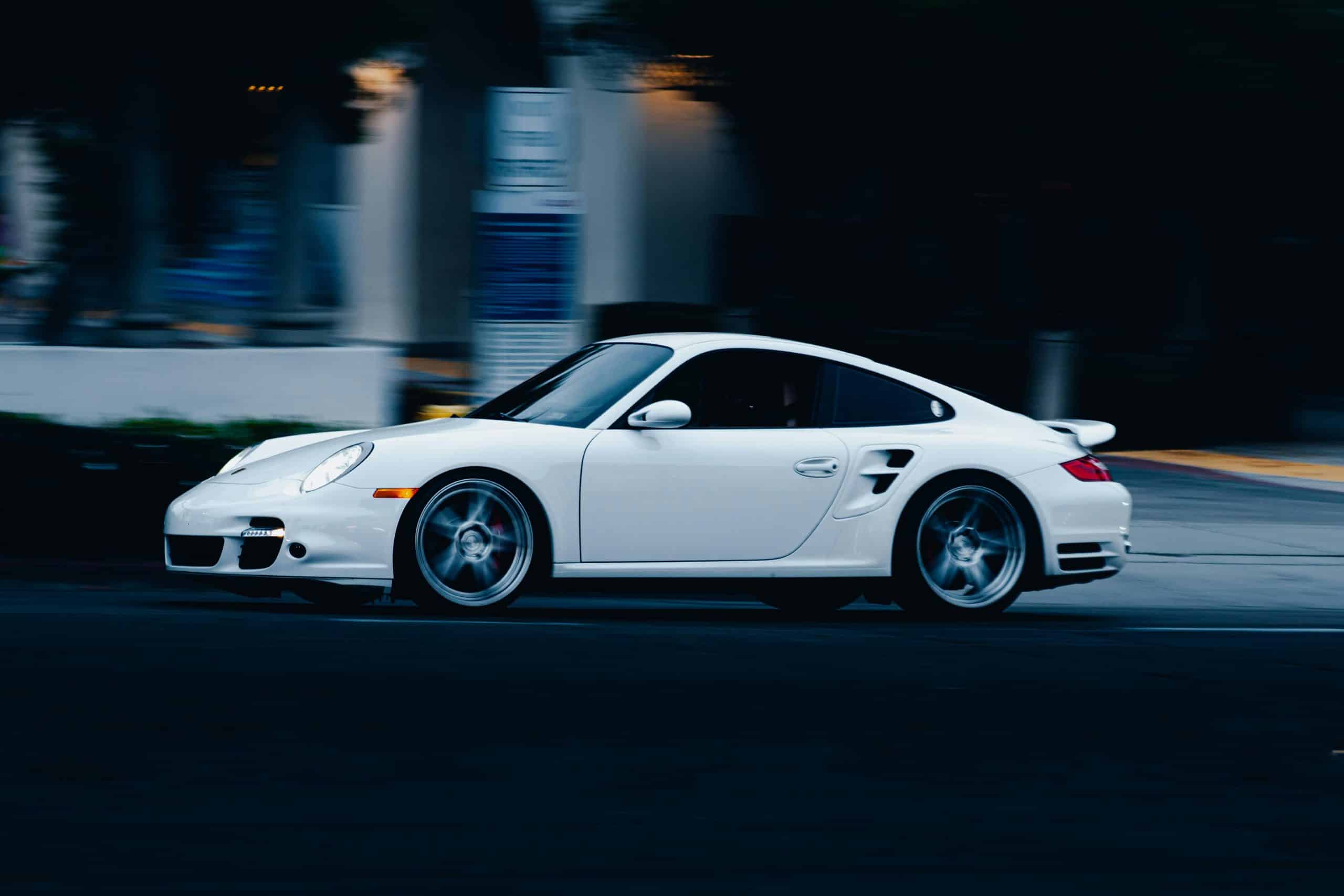
About Porsche Service at DART Auto
You've just merged onto I-25, and your 911's PDK transmission hesitates between second and third gear – a split-second lag that wasn't there last week. Or maybe your Cayenne's air suspension dropped overnight, leaving the rear end sitting lower than it should. Porsche engineering demands more than a scan tool and guesswork. These vehicles integrate complex electronics, precision mechanical systems, and platform-specific calibrations that generic shops simply aren't equipped to handle.
DART Auto has specialized in European marques since 2000, and our Porsche work reflects that two-decade commitment. We perform everything from scheduled maintenance and brake service to advanced diagnostics on PIWIS-equipped platforms, IMS bearing replacements on M96/M97 engines, and PDK transmission programming. Our master technicians – each with at least ten years of experience and factory-trained backgrounds – use OEM repair procedures and the same diagnostic hardware you'd find at a dealership. Because we're salaried rather than flat-rate, there's no incentive to rush your 991.2 Turbo through the bay or recommend work it doesn't need.
When you bring your Porsche to DART Auto, you're choosing:
- Platform-specific expertise – from air-cooled 964s to hybrid Panameras and electric Taycans
- Factory-level diagnostics – PIWIS, ODIS, and specialized tooling for Porsche control modules
- OEM-aligned procedures – we follow Stuttgart's repair standards, not shortcuts
- Transparent pricing and a 3-year/36,000-mile warranty – better service than the dealer, without the dealer markup
Common Issues with Porsche Vehicles
You've noticed a subtle vibration at idle, or maybe the check-engine light flickered on during your morning commute. Porsche engineering delivers extraordinary performance, but certain platforms share well-documented failure modes that benefit from early intervention and factory-aligned repair procedures.
- Intermediate Shaft (IMS) Bearing Failure – 996 and 997.1 (M96/M97 engines, 1997–2008): The single-row IMS bearing in these flat-six engines can fail catastrophically, scattering metal through the engine. Symptoms include unusual rattling at startup or metallic debris in the oil. Preventive replacement during clutch or rear-main-seal service is the only reliable defense.
- Bore Scoring – 997.1, 987.1 Boxster/Cayman (2005–2008 M97 engines): Cylinder-wall scoring from inadequate lubrication during cold starts leads to oil consumption, blue smoke, and eventually total engine failure. Early signs include rising oil consumption between services and rough cold starts.
- Coolant Pipe Leaks – 997.2, 991.1, 981 (2009–2016): Plastic coolant pipes routed beneath the intake manifold become brittle and crack, causing sudden coolant loss and potential overheating. You'll see puddles under the car or a sweet smell from the vents before the temperature gauge climbs.
- PDK Transmission Mechatronic Failures – 997.2, 991, 981, 718 (2009–present): The hydraulic control unit inside the PDK can develop solenoid faults or software glitches, triggering harsh shifts, delayed engagement, or limp mode. Factory software updates and genuine mechatronic units are the only durable fix.
- Air-Oil Separator (AOS) Failure – All water-cooled models (1998–present): A failing AOS allows crankcase pressure to build, pushing oil into the intake and creating rough idle, smoke from the exhaust, and failed emissions tests. Replacing the AOS and cleaning the intake system restores proper crankcase ventilation.
- Electronic Parking Brake Module Faults – 997, 991, Cayenne, Macan (2009–present): Corrosion or software errors in the EPB module cause the brake to refuse to release or engage, stranding the car. Diagnostic tools that access Porsche's proprietary control-unit coding are required to reset and calibrate the system.
- PASM Strut Leaks – Cayenne, Panamera, 911 (2003–present): Active dampers in the Porsche Active Suspension Management system develop seal leaks, causing a rough ride, warning lights, and uneven tire wear. Replacement requires OEM-level calibration to restore ride height and damping curves.
Why Choose DART Auto for Your Porsche
You've noticed the check engine light on your 991-generation 911, or perhaps the air suspension on your Cayenne has dropped overnight. Many Porsche owners face a dilemma: pay dealer rates for factory-trained expertise, or risk a generic shop unfamiliar with Porsche-specific systems like PDK transmissions, PASM dampers, or the nuances of direct fuel injection in the 9A1 flat-six.
DART Auto bridges that gap. Our master technicians – each with over a decade of experience and dealer-level training – use the same PIWIS diagnostic platform and factory repair procedures the dealership relies on. We've invested in specialty tooling for jobs like IMS bearing replacements on M96/M97 engines, Variocam solenoid diagnostics on 996 and 997 models, and software updates for PDK control modules. Because our technicians are salaried rather than flat-rate, they have no incentive to rush your 718 Cayman through a half-diagnosed misfire or recommend parts you don't need.
- OEM-aligned diagnostics: PIWIS II/III access for fault code retrieval, adaptation resets, and TSB verification
- Platform expertise: 964 air-cooled classics through 992-generation water-cooled models, Macan, Cayenne, Panamera, and Taycan
- Transparent pricing: Honest estimates backed by a 3-year/36,000-mile warranty on parts and labor
Symptoms Porsche Owners Should Watch For
Porsche vehicles communicate problems early if you know what to listen for. Pay attention to these warning signs – catching them now prevents expensive failures later:
- Grinding or whining from the rear – especially during low-speed turns in Boxsters and Caymans; often points to intermediate shaft bearing wear or differential issues
- Rough idle or misfires – particularly on 996/997-era 911s with M96 or M97 engines; can indicate ignition coil failure, air-oil separator problems, or valve timing issues
- Warning lights for PSM, ABS, or brake system – these often share sensors and hydraulic components; address immediately to maintain stability control
- Coolant smell or visible leaks – water-cooled Porsches have complex cooling systems with plastic end tanks and multiple hose connections that degrade over time
- PDK transmission jerks or delayed shifts – may signal mechatronic unit faults or clutch pack wear; requires PIWIS diagnostics to isolate
- Air suspension won't raise or drops overnight – common on Cayenne and Panamera; points to compressor failure, valve block leaks, or air spring deterioration
- Oil consumption between services – some consumption is normal on flat-six engines, but a quart every 500 miles warrants investigation
If you notice any of these symptoms, schedule a diagnostic appointment. We'll perform a complete inspection, explain what we find, and walk you through the repair options – including what happens if you delay the work.
Porsche Models and Platforms We Service
DART Auto services the full Porsche lineup, from air-cooled classics to the latest hybrid and electric platforms. Our technicians have the training and tooling to handle:
- 911 (all generations) – 964, 993, 996, 997, 991, 992; Carrera, Turbo, GT3, and Targa variants; both manual and PDK transmissions
- Boxster and Cayman – 986, 987, 981, 982 chassis codes; including S, GTS, and GT4 models
- Cayenne (all generations) – 9PA, 92A, 9YA platforms; V6, V8, diesel, and hybrid powertrains; air and coil suspension systems
- Panamera – first- and second-generation sedans and Sport Turismos; V6, V8, and E-Hybrid configurations
- Macan – all trim levels including S, GTS, and Turbo; shares VW Group architecture but requires Porsche-specific calibrations
- Taycan – we service Porsche's electric platform, including high-voltage battery diagnostics and software updates
We also work on earlier water-cooled models – 928s, 944s, 968s – though parts availability can vary. For air-cooled 911s and 356s, we recommend a specialist focused exclusively on those platforms.
Every Porsche we service gets a thorough inspection before we recommend repairs. We'll show you what needs attention now, what to plan for in the next 12 months, and what can wait. No guesswork, no upselling – just honest diagnostics backed by factory repair data and 24 years of European auto experience.
Causes & Risks – What Happens if You Ignore the Warning Signs
Porsche owners often drive enthusiastically, and that's exactly what these cars were built for. But spirited driving, combined with Denver's temperature swings and high altitude, accelerates wear on precision components. Skipping factory-interval oil changes or postponing software updates leaves critical systems vulnerable. When a small oil leak or intermittent warning light goes unaddressed, the failure cascade can be swift and expensive.
Consider the M96/M97 IMS bearing: a faint rattle at cold start might seem minor, but once the bearing disintegrates, metal shavings circulate through the entire lubrication system, destroying bearings, camshafts, and cylinder walls. What could have been a $2,500 preventive replacement becomes a $25,000 engine rebuild or replacement. Similarly, ignoring a coolant-pipe seep allows the engine to overheat, warping the cylinder head and requiring head resurfacing or replacement alongside the original pipe repair.
What escalates when you wait:
- Oil leaks: A $400 valve-cover-gasket replacement becomes a $1,800 job once oil saturates the ignition coils and damages the wiring harness.
- PDK harsh shifts: Driving on worn clutch packs scores the transmission housing, turning a $3,000 mechatronic repair into a $12,000 transmission replacement.
- AOS failure: Continued operation with a failed separator carbons up the intake valves, requiring walnut-blasting service and throttle-body recalibration on top of the AOS itself.
- Suspension leaks: A leaking PASM strut eventually collapses, damaging the control arm, wheel bearing, and fender liner during a hard compression event.
Safety Impact of Deferred Porsche Service
Porsche's performance envelope depends on every system working in concert – brakes, stability control, active suspension, and drivetrain all communicate through the CAN bus. When one module throws a fault, the entire stability program may default to a degraded mode, disabling Porsche Stability Management (PSM) or limiting torque vectoring just when you need it most on a mountain pass or during an emergency lane change.
Electronic parking-brake failures can immobilize the car in your driveway or, worse, fail to hold on an incline. A failing ABS module may allow one wheel to lock during hard braking, upsetting the chassis balance and extending stopping distances. PDK transmission faults can cause unexpected neutral drops or delayed downshifts, leaving you without power exactly when merging into highway traffic. Coolant-pipe ruptures lead to instant overheating, and if the temperature warning is ignored, steam can obscure the windshield while the engine seizes at speed.
Symptoms that demand immediate attention: any loss of brake pressure, steering assist warnings, flashing check-engine light, transmission stuck in gear, or coolant-temperature warnings. Schedule service soon for: intermittent ABS or PSM lights, rough shifts, minor fluid leaks, or unusual noises during suspension travel. The difference between a safe repair and a roadside emergency often comes down to a few days.
Inside Your Porsche: Key Systems
Porsche's engineering philosophy centers on rear-biased weight distribution, horizontally opposed or rear-mounted engines, and integrated electronic control. The flat-six remains the heart of the 911 lineup, while the Cayenne, Macan, and Panamera employ V6 and V8 architectures shared (but heavily modified) across the VW Group. Each powertrain is matched to either a seven-speed manual, the dual-clutch PDK, or the eight-speed Tiptronic S, and every transmission variant requires specific fluid, software, and adaptation procedures.
PDK (Porsche Doppelkupplung): This dual-clutch automated manual uses two input shafts and hydraulic actuation controlled by the mechatronic unit. Shift quality, clutch engagement points, and launch-control parameters are all software-defined, so any clutch or mechatronic replacement must be followed by factory adaptation using Porsche's PIWIS diagnostic platform.
Porsche Communication Management (PCM) and Control Units: Modern Porsches route dozens of modules through a high-speed CAN network – engine, transmission, suspension, infotainment, and driver-assistance systems all exchange data continuously. Software updates released by Porsche address known faults, recalibrate fuel maps for ethanol content, and enable new features. Without access to factory service information and PIWIS coding capability, these updates remain out of reach.
PASM and Air Suspension: Porsche Active Suspension Management adjusts damping rates in real time based on road conditions and driver input. Air-suspension models add ride-height control and load leveling. Both systems require precise ride-height measurement, corner-weight calibration, and module coding after any component replacement – procedures that generic scan tools cannot perform.
Working on these systems without Porsche-specific training and tooling means guessing at calibration values, skipping software updates, and risking fault codes that disable entire subsystems. Factory repair procedures exist for a reason: they're the only reliable path to restoring the performance and safety Porsche engineered into every model.
You turn the key in your 911, and instead of the familiar flat-six growl, you're greeted by a rough idle and a glowing check-engine light. Or maybe your Cayenne's PDK hesitates between gears on your morning commute. These moments are frustrating, but they don't have to lead to a dealer invoice that makes you wince. Since 2000, DART Auto has specialized in European vehicles, and Porsche has always been at the heart of what we do. Our master technicians bring dealer-level training and factory diagnostic tools to every job, but without the dealership markup. We've built our reputation on fixing cars right the first time, backed by a 3-year/36,000-mile warranty and hundreds of five-star reviews from Denver Porsche owners who've discovered a better way.
Porsche engineering demands respect. Whether you're driving a water-cooled 996 with IMS bearing concerns, a 991-generation 911 with direct-injection carbon buildup, or a Macan with its complex all-wheel-drive and adaptive suspension, each platform has its own quirks and failure modes. The Cayenne and Panamera share VW Group architecture but use Porsche-specific calibrations and components. The 718 Boxster and Cayman turbocharged flat-fours require different maintenance intervals than their naturally aspirated predecessors. We stay current on these distinctions because our salaried technicians aren't rushing to the next flat-rate job – they're invested in understanding your specific chassis code, engine variant, and model-year updates. That focus translates into accurate diagnosis, transparent estimates, and repairs that last.
How We Diagnose Porsche Vehicles
Effective Porsche diagnosis starts with the right equipment. We use factory-grade scan tools capable of reading every control module in your vehicle – not just the powertrain, but also PSM (Porsche Stability Management), PASM (Porsche Active Suspension Management), PCM (Porsche Communication Management), and PDK or Tiptronic transmission systems. A generic code reader might catch a misfire, but it won't tell you whether the issue stems from a failing coil pack, carbon-fouled intake valves on a 3.0T engine, or a cam adjuster solenoid on a 9A1 flat-six.
Our diagnostic process follows a methodical path:
- Initial scan and fault-code retrieval across all modules, noting freeze-frame data and readiness monitors
- Visual and physical inspection of the affected system – checking for obvious leaks, damaged wiring, or loose connections
- Live data monitoring during a road test to observe sensor behavior under real-world conditions
- Component-level testing using Porsche-specific test procedures and specifications from factory service information
- Root-cause verification to confirm the failure mode before recommending parts
Once we've identified the issue, we provide a detailed estimate that explains what failed, why it failed, and what happens if you delay the repair. You'll never get a vague "needs a new sensor" – you'll know which sensor, what it controls, and how the fix restores your Porsche to proper operation. This complete diagnostic approach is why our repairs stick and why customers trust us with their cars year after year.
Repair vs. Replacement on Porsche Vehicles
Not every fault requires a full assembly replacement, but Porsche's integrated systems sometimes blur the line between repair and replace. Our technicians evaluate each situation based on the failure mode, the component's service history, and the long-term reliability of a repair versus new parts.
Consider a few common scenarios:
- Carbon buildup on direct-injection engines: Walnut-blasting the intake valves can restore performance and fuel economy without touching internal engine components. But if compression testing reveals worn rings or valve sealing issues, cleaning alone won't solve the problem – you're looking at more extensive valve work or an engine rebuild.
- PDK transmission concerns: A fluid and filter service using genuine Porsche fluid can resolve shift quality issues and extend clutch pack life. If adaptation values are out of range or there's internal clutch slip, a mechatronic unit replacement or clutch pack overhaul becomes necessary.
- Suspension component wear: A leaking shock absorber on a PASM-equipped Cayenne requires replacement – there's no repair. But if the issue is a failed ride-height sensor or air supply line, those can be addressed individually without replacing the entire strut assembly.
Because our technicians are salaried rather than paid flat-rate, there's no incentive to sell you the biggest job. We walk through the options, explain the trade-offs, and let you make an informed decision. Sometimes the right call is a targeted repair; other times, replacing a wear item now prevents a more expensive failure down the road. Either way, you'll understand the reasoning behind our recommendation.
How to Keep Your Porsche Healthy Between Visits
Porsche ownership rewards attention to detail. Small habits between service visits can catch problems early and extend the life of expensive components. Here's what you can do:
Regular checks you can perform:
- Monitor fluid levels – engine oil, coolant, brake fluid, and power steering fluid (on hydraulic systems). Low levels often signal a leak that needs professional attention.
- Listen for changes in engine note, exhaust tone, or suspension noise. Porsche engines have a distinctive sound; deviations from normal can indicate developing issues.
- Watch your dashboard. Porsche's onboard diagnostics are sophisticated – if a warning light appears, don't ignore it. Even intermittent lights store fault codes we can retrieve.
- Inspect tires for uneven wear, which can point to alignment issues or suspension component wear.
Maintenance practices that matter:
- Use OEM-specification fluids. Porsche engineers specify particular oil weights, transmission fluids, and coolant formulations for a reason – substitutes can cause long-term damage.
- Follow factory service intervals in your owner's manual. Porsche's maintenance schedule accounts for engine design, operating conditions, and component longevity.
- Allow proper warm-up before demanding full performance. Flat-sixes and turbocharged engines need time to reach operating temperature and build oil pressure.
- Keep software current. Porsche releases updates that address drivability, emissions, and component protection – we can flash the latest calibrations during service.
What to leave to the professionals: anything involving safety systems (brakes, airbags, stability control), emissions components, or software calibration. DIY work on these systems can trigger fault codes, void warranties on newer vehicles, or create safety hazards. We're here to handle the complex work so you can enjoy the driving.
What to Expect at DART Auto for Porsche Service
From the moment you schedule your appointment, we focus on clarity and accountability. Here's how a typical visit unfolds:
- Drop-off and intake: Describe your concern – a rough idle on cold starts, a suspension fault message, or a scheduled service interval. We'll note any personal items to remove and discuss loaner vehicle availability or shuttle service if your repair will take more than a day.
- Complete inspection and estimate: Our technicians perform a thorough diagnostic scan, retrieve stored and pending fault codes, and inspect related systems. You'll receive a detailed estimate explaining what we found, which repairs are urgent, and what can wait.
- Transparent communication: Before we proceed, we walk you through the recommended work and answer your questions. No surprise charges, no upselling.
- Repair and verification: We source OEM or premium aftermarket parts, complete the repair using factory procedures, then road-test and re-scan to confirm all fault codes are cleared and systems are operating within spec.
- Pickup walkthrough: We explain what we did, show you old parts if relevant, and review your invoice line by line. After-hours pickup can be arranged if your schedule requires it.
Every Porsche leaves with a post-repair verification report, and we follow up to ensure you're satisfied. If something doesn't feel right, bring it back – we'll make it right.
Our Porsche Services
- Air Conditioning AC Repair
- Battery Repair Replacement
- Brake Repair & Brake Fluid Change
- Check Engine Light Diagnostics
- Clutch Repair & Replacement
- Coolant Leak Repair
- Cooling System Repair
- Drive Shaft Repair
- Engine Repair
- Exhaust & Catalytic Converter Repair
- Head Gasket Repair & Replacement
- Oil Change
- Oil Leak Repair
- Scheduled Service Maintenance
- Suspension Repair
- Cambelt Timing Belt Replacement
- Transmission Repair
- Tune Up
- Wheel Alignment