
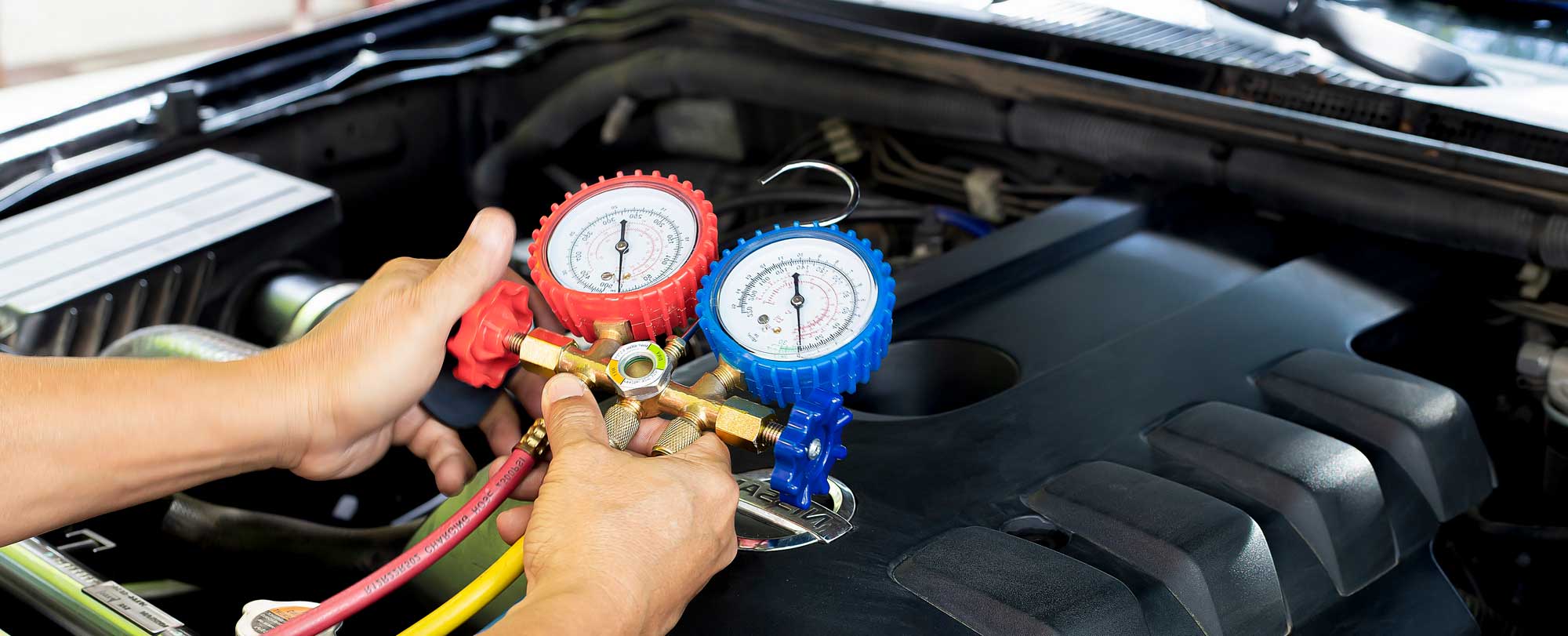
Porsche Air Conditioning AC Repair at DART Auto
When your Porsche's climate control stops delivering cold air on a scorching Denver afternoon, the cost of choosing the wrong shop becomes clear fast. A misdiagnosed refrigerant leak or improperly evacuated system can cascade into compressor failure, evaporator corrosion, or electrical gremlins that haunt you for months. Porsche climate systems integrate tightly with the vehicle's CAN-bus architecture – the HVAC controller communicates with multiple control modules, and on models from the 997-generation 911 forward, the air conditioning compressor clutch is managed by software logic that generic scan tools cannot interrogate. Flushing the system with the wrong PAG oil viscosity or failing to follow Porsche's vacuum-hold specifications before recharge will leave you stranded again within weeks.
DART Auto approaches every Porsche air conditioning repair with factory-level diagnostic capability and the specialized tooling Porsche engineers intended. Our master technicians use Porsche Integrated Workshop System (PIWIS) diagnostics to read fault codes in the climate control module, verify compressor engagement parameters, and check refrigerant pressures against model-specific targets. We source OEM-equivalent refrigerant oil, follow torque specs for every hose fitting, and perform nitrogen pressure tests to confirm leak repairs before introducing expensive R-134a or R-1234yf refrigerant. Whether you're driving a 986 Boxster with a failing expansion valve or a 992 Carrera with a clogged cabin microfilter triggering reduced airflow, you'll receive transparent diagnosis and repair done right the first time.
- Complete system diagnosis using PIWIS or equivalent factory-level scan tools to read climate control module faults and live data
- Leak detection with UV dye and electronic sniffers to pinpoint evaporator, condenser, or O-ring failures without guesswork
- Proper evacuation and recharge following Porsche vacuum-hold times and refrigerant capacity specs for your exact model year
- Transparent estimates and salaried technician workflow so you're never sold unnecessary compressor replacement when a $40 pressure switch is the real culprit
Common Air Conditioning AC Repair Issues on Porsche Vehicles
Porsche air conditioning systems are engineered for precision, but that same complexity means failures carry consequences far beyond discomfort. When your climate control stops working correctly on a 911, Boxster, Cayman, Cayenne, or Macan, the underlying issue often reflects design choices that separate these cars from mainstream vehicles – and those choices demand specialized attention to avoid compounding damage.
- Compressor clutch failure on 996/997 (1999–2012 911, Boxster, Cayman): The electromagnetic clutch that engages the A/C compressor wears over time, especially in stop-and-go city driving. When the clutch fails, the compressor won't engage, leaving you with warm air. The Denso compressors used on these platforms are known for clutch coil burnout after 100,000+ miles, and attempting repair with aftermarket clutches often leads to repeat failure within a season.
- Evaporator core leaks on 987 Boxster/Cayman (2005–2012): The evaporator sits deep behind the dashboard, and corrosion or physical damage from road debris vibration causes refrigerant leaks. Diagnosis requires UV dye tracing or electronic leak detection, and replacement is labor-intensive – the entire dash assembly must come out. This is not a quick fix, and using generic refrigerant or stop-leak products will contaminate the entire system.
- Blower motor regulator failure on 955/957 Cayenne (2003–2010): The blower motor final stage resistor, mounted in the HVAC housing, burns out due to heat cycling and poor ventilation in the module itself. Symptoms include intermittent fan operation, usually losing lower speeds first, then total failure. OEM Behr regulators are the only reliable replacement – aftermarket units frequently fail within months.
- Condenser damage on 991/992 (2012+ 911): The front-mounted condenser is vulnerable to road debris, and even small punctures cause total refrigerant loss. The 991/992 platform uses R-1234yf refrigerant, which is significantly more expensive than R-134a and requires dedicated recovery equipment. Condenser replacement also demands precise charge quantities – overfilling by even 50 grams triggers pressure faults and compressor shutdown.
- Expansion valve blockage on Macan (2014+): Contamination in the refrigerant circuit – often from compressor debris after a failure – clogs the expansion valve, causing erratic cooling and icing on the evaporator. The valve itself is inexpensive, but accessing it requires partial dash removal, and the system must be flushed to remove all debris or the new valve will fail identically.
- Climate control module software faults on Panamera (2010+): The Panamera's multi-zone climate system relies on software-controlled actuators and sensors. Corrupted calibration data or failed CAN communication between modules produces bizarre symptoms – one zone blowing hot while another freezes, or the system defaulting to maximum heat regardless of input. Proper diagnosis requires PIWIS Tester III access to read fault codes and perform module adaptations, something generic scan tools cannot do.
Why Choose DART Auto for Porsche Air Conditioning AC Repair
Getting AC work wrong on a Porsche – whether it's a 996 Carrera with HVAC blend-door failure or a 991 Turbo with refrigerant leaks from the condenser – means repeat visits, wasted refrigerant, and a cabin that never quite cools. Porsche climate-control systems integrate tightly with CAN-bus electronics, and generic shops often miss software faults or misdiagnose sensors when the real culprit is a failing blower-motor regulator or a cracked evaporator core behind the dash.
DART Auto owns the work end-to-end. Our master technicians – each with at least a decade of experience and dealer training – use factory PIWIS diagnostic software to read live HVAC data, interrogate blend-door positions, and verify compressor-clutch engagement before condemning hardware. We follow Porsche-specific leak-detection procedures, including dye injection and electronic sniffer tests calibrated for R134a and R1234yf systems. When a 997 or 981 Boxster arrives with intermittent cooling, we don't guess: we pull fault codes, measure refrigerant pressure at the high and low sides, and inspect the auxiliary coolant pump that feeds the rear heat exchanger – a common 987/997 failure point shops often overlook.
- Platform-specific tooling: PIWIS Tester III for real-time HVAC module interrogation, plus manifold gauges calibrated for both R134a (pre-2013) and R1234yf (2013-up) systems.
- OEM repair procedures: We follow Porsche TPI bulletins for refrigerant-oil ratios, compressor replacement sequences, and condenser-fan control-module updates.
- Complete system verification: After repairs, we run a full leak test, confirm vent temperatures at idle and 2,000 RPM, and verify that automatic climate control reaches setpoint within factory spec.
- No rush, no shortcuts: Salaried technicians mean no incentive to skip the dye test or reuse O-rings – we fix it right the first time.
Symptoms – How to Know You Need This Service
Porsche air conditioning problems announce themselves in ways that range from mildly annoying to impossible to ignore. You may notice warm air blowing from the vents even with the climate control set to maximum cold and the fan speed high. On 997 and 991-generation 911 models, the automatic climate control may cycle the compressor on and off rapidly, producing inconsistent cooling and a rhythmic clicking from under the hood as the clutch engages and disengages. A musty or moldy odor when you first turn on the AC points to microbial growth on the evaporator core, common on Cayenne and Panamera models parked in humid conditions. Hissing sounds near the firewall or dashboard suggest refrigerant escaping from a leaking evaporator or expansion valve – if you see oily residue on hoses or fittings in the engine bay, that's PAG oil carried out with leaking refrigerant.
- Warm or ambient-temperature air from vents despite climate control set to coldest setting
- Intermittent cooling – cold air for a few minutes, then warm air, cycling unpredictably
- Visible fog or frost forming on AC lines under the hood, indicating refrigerant restriction or low charge
- Squealing or grinding noise when AC is engaged, pointing to compressor bearing failure or seized clutch
- Climate control display showing fault messages or refusing to activate cooling mode
- Musty, mildew-like smell from vents when AC first starts, especially after the car has sat overnight
- Reduced airflow from vents even with fan on high, often caused by clogged cabin filter or failing blower motor
- Compressor clutch clicking rapidly without sustained engagement – schedule service soon to avoid compressor damage
Which Porsche Models We See for Air Conditioning AC Repair
DART Auto services air conditioning systems across the full Porsche lineup, from air-cooled 911s retrofitted with aftermarket AC to the latest 992-generation models with four-zone climate control. We commonly see 986 and 987 Boxster and Cayman models (1997–2012) for evaporator leaks behind the dashboard and expansion valve failures that produce intermittent cooling. The 996 and 997 911 generations (1999–2012) frequently need condenser replacement after front-end impact or road debris damage, and the 997.2 models with PDK often develop compressor clutch faults logged in the climate control module. Cayenne SUVs from the 955 and 957 platforms (2003–2010) are notorious for blower motor failures and clogged evaporator drains that cause water intrusion into the cabin. The 970 Panamera (2010–2016) and second-generation 958 Cayenne share complex dual-evaporator systems where rear AC failures require different diagnostic paths than front system issues. We also service 981 and 718 Boxster/Cayman models, 991 and 992 911 variants including Turbo and GT3, and Macan crossovers with their Audi-derived climate platforms.
- 986/987 Boxster and Cayman (1997–2012): evaporator leaks, expansion valve failures, compressor clutch wear
- 996/997 911 (1999–2012): condenser damage, compressor clutch faults, refrigerant leaks at hard-line fittings
- 955/957 Cayenne (2003–2010): blower motor failure, evaporator drain clogs, dual-zone actuator faults
- 970 Panamera (2010–2016): rear evaporator leaks, complex dual-system diagnostics, refrigerant capacity variations by trim
- 958 Cayenne (2011–2018) and 95B Macan (2014–present): condenser leaks, cabin filter restrictions, R-1234yf refrigerant systems
- 981/718 Boxster and Cayman (2013–present): updated compressor designs, electronic expansion valves, CAN-bus integrated climate modules
- 991/992 911 (2012–present): four-zone climate on some trims, advanced fault logging, R-1234yf refrigerant requiring specialized equipment
Causes & Risks – What Happens if Ignored
Air conditioning failures on Porsche vehicles stem from a combination of high-performance engineering, environmental exposure, and age-related wear. Porsche's tightly packaged engine bays and performance-oriented cooling systems generate significant underhood heat, accelerating refrigerant seal degradation and compressor bearing wear. Colorado's altitude and temperature swings – from subzero winter mornings to 95°F summer afternoons – stress seals and hoses beyond what European-market testing anticipated. Additionally, Porsche's use of aluminum components throughout the A/C system makes them lighter and more efficient, but aluminum corrodes faster than steel when exposed to moisture and road salt.
Delaying air conditioning repairs on a Porsche doesn't just mean suffering through hot summers. The cascading damage follows a predictable and expensive path:
- Refrigerant leaks lead to compressor failure: When refrigerant levels drop below the minimum threshold, the compressor loses its oil circulation – refrigerant carries lubricant through the system. Running a compressor dry for even a few cycles scores the internal surfaces, and metal particles contaminate the entire refrigerant circuit. What started as a $400 leak repair becomes a $3,200 compressor replacement plus system flush and component cleaning.
- Blocked expansion valves freeze evaporators: Ignoring intermittent cooling for a season allows debris to accumulate. The evaporator ices over, blocking airflow entirely, and the frozen coil can crack when the system cycles on and off. Now you're replacing both the expansion valve and the evaporator – and on models like the 987 Boxster, that's 18+ hours of labor to access the evaporator behind the dash.
- Blower motor regulator burnout damages the blower motor: When the regulator fails and the blower runs at uncontrolled voltage, the motor windings overheat. A $280 regulator repair becomes a $950 regulator-plus-motor job, and you're still without climate control during Colorado's temperature extremes.
- Condenser damage introduces moisture: A punctured condenser doesn't just lose refrigerant – it allows atmospheric moisture into the sealed system. Moisture reacts with refrigerant and oil to form hydrochloric acid, which corrodes aluminum components from the inside. The entire system must be disassembled, flushed, and rebuilt with new desiccant and seals. A $1,100 condenser replacement becomes a $4,500 total system restoration.
- Software faults on newer models trigger limp mode: On Panamera and Macan models with complex climate control modules, ignoring fault codes can corrupt adaptive data. The system may lock into a safe mode, disabling automatic temperature control and defaulting to maximum defrost – fine for visibility, miserable for comfort. Re-coding requires dealer-level diagnostics, and if the module itself has failed, replacement units must be VIN-coded to the car.
Safety Impact – Why Air Conditioning AC Repair Matters
Air conditioning in a Porsche isn't a luxury feature – it's integral to driver focus and vehicle systems that depend on stable cabin conditions. When the A/C fails, windshield defogging becomes unreliable, especially during Colorado's sudden spring and fall temperature shifts when morning frost meets afternoon warmth. Reduced visibility from a fogged windshield directly increases accident risk, and on high-performance models like the 911 Turbo or GT3, driver distraction from discomfort degrades reaction time during spirited driving.
Beyond comfort and visibility, A/C system failures can indicate or cause broader electrical and mechanical issues:
- Compressor seizure can damage the accessory belt system: A locked-up A/C compressor clutch puts massive load on the serpentine belt. If the belt snaps, you lose power steering assist and alternator function simultaneously – a dangerous scenario at highway speeds or during low-speed maneuvering in tight spaces.
- Refrigerant leaks near the cabin introduce health risks: While modern R-134a and R-1234yf refrigerants are non-toxic, a sudden large leak inside the cabin displaces oxygen and can cause dizziness or respiratory irritation. Evaporator leaks are particularly concerning because they release refrigerant directly into the HVAC airflow.
- Electrical faults in climate control modules can cascade: On newer Porsche models, the climate control module shares CAN bus communication with other critical systems. A shorted blower motor regulator or failed control module can introduce voltage spikes or communication errors that trigger fault codes in the airbag system, ABS controller, or PCM. We've diagnosed Cayenne and Macan models where an A/C electrical fault disabled stability control until the climate system was repaired and fault memory cleared.
When to stop driving versus schedule soon: If you smell burning electrical components, see smoke from the vents, or experience sudden total loss of all HVAC functions accompanied by dashboard warning lights, stop driving and have the vehicle towed. For gradual cooling loss, intermittent fan operation, or minor refrigerant leaks, schedule service within the week – these won't strand you, but they will get worse and more expensive with every heat cycle.
How Porsche Air Conditioning AC Repair Actually Works
Porsche air conditioning systems operate on the same thermodynamic principles as any automotive A/C – a closed loop where refrigerant cycles between liquid and gas states to absorb cabin heat and reject it outside the vehicle. The compressor pressurizes gaseous refrigerant
How We Diagnose Air Conditioning AC Repair Issues on Porsche
Porsche air conditioning systems are engineered to deliver precise climate control even under high-performance driving conditions, but when they fail, the cost of guessing is steep. A misdiagnosed refrigerant leak can lead to compressor seizure; overlooking a failing blower motor resistor on a 997-generation 911 can cascade into HVAC control module damage. We approach every AC diagnosis methodically, using factory-level tooling and platform-specific knowledge to pinpoint the root cause before recommending a single repair.
- Initial consultation and symptom documentation. We record when the AC fails (idle vs. highway, hot ambient vs. moderate), whether you hear unusual noises (compressor clutch chatter, blower motor bearing whine), and if there are related warning lights or climate control display errors.
- Visual and physical inspection. We check condenser fins for debris and impact damage, inspect hose connections and O-rings for oil residue indicating refrigerant leaks, examine the compressor clutch for wear, and verify cabin air filter condition (a clogged filter drastically reduces airflow on 987 Boxster/Cayman and later models).
- Refrigerant pressure and charge testing. Using R134a or R1234yf-compatible gauges (depending on model year), we measure static and dynamic pressures. Low-side readings reveal evaporator icing or expansion valve faults; high-side anomalies point to condenser blockage or compressor valve failure.
- Factory-level scan with Porsche PIWIS diagnostics. We pull fault codes from the climate control module and related systems, check live data for blower motor duty cycle, temperature sensor readings, and compressor engagement signals. On 991-generation and newer 911s, we verify software calibration – outdated HVAC control unit firmware can cause erratic temperature regulation.
- Electronic actuator and sensor verification. We command individual blend doors, recirculation flaps, and defrost actuators through the scan tool to confirm mechanical operation. We test ambient, evaporator, and in-cabin temperature sensors against known-good values.
- UV dye and leak detection (when applicable). If pressures indicate a leak but no visible oil staining, we inject UV dye, operate the system, and use a UV lamp to trace refrigerant escape paths – common on condenser tube joints and evaporator core seams.
Once testing is complete, we translate the findings into a clear repair plan with transparent pricing. You'll understand exactly what failed, why it failed, and what we'll do to restore full climate performance.
Air Conditioning AC Repair on Porsche: Repair vs. Replacement
Not every Porsche AC fault demands wholesale component replacement. The decision hinges on failure mode, part availability, and long-term reliability. A leaking O-ring at a hose fitting is a straightforward repair; a compressor with scored cylinders and metal debris in the refrigerant circuit is a replacement candidate. We walk you through the logic so you can make an informed choice.
When Repair Makes Sense
- Refrigerant leaks at serviceable connections. Hose fittings, Schrader valve cores, and O-ring seals can often be re-sealed or replaced without condemning the entire line or component.
- Clogged or restricted components. Condenser fins can be cleaned and straightened; cabin air filters and evaporator drains can be cleared to restore airflow and drainage.
- Electrical faults in actuators or sensors. A failed temperature sensor or blend door actuator (common on 996/997 911 and 986/987 Boxster/Cayman) can be replaced individually without touching the evaporator or compressor.
- Compressor clutch or pulley bearing. On models with serviceable clutch assemblies, replacing the clutch coil or bearing extends compressor life without full replacement.
When Partial or Full Replacement Is the Right Call
- Compressor internal failure. Metal shavings in the refrigerant, locked rotor, or oil contamination require compressor replacement plus a full system flush, receiver-drier/accumulator swap, and expansion valve or orifice tube replacement to prevent cascading damage.
- Evaporator core leaks. Located behind the dashboard, a leaking evaporator on a 997 or 991 911 demands significant dash disassembly. Given the labor cost, replacing the evaporator rather than attempting a repair is the durable solution.
- Condenser impact damage or tube corrosion. A stone-damaged condenser on a 981 Cayman or 718 platform cannot be reliably patched; replacement ensures proper heat exchange and prevents refrigerant loss.
- Obsolete or NLA (no longer available) parts. When OEM components are discontinued and no quality aftermarket alternative exists, upgrading to a revised part or assembly may be the only path forward.
We never push the most expensive option. Instead, we explain the trade-offs – repair cost versus replacement longevity, risk of recurrence, and how each choice affects your warranty coverage and resale value.
How to Make Your Porsche Air Conditioning AC Repair Last Longer
Porsche AC systems are built for performance, but they reward attentive owners with years of trouble-free operation. Small habits and proactive maintenance extend component life and delay expensive repairs.
Driving and Usage Habits
- Run the AC monthly, even in winter. Cycling the compressor for 10 minutes keeps seals lubricated and prevents refrigerant migration. This is especially important on 996/997-era cars with long off-seasons.
- Use recirculation mode sparingly. Constantly recirculating cabin air on humid days promotes evaporator mold and musty odors. Alternate with fresh air mode to allow moisture to evaporate.
- Avoid maximum cooling at startup. Let the engine reach operating temperature before demanding full AC – cold-start compressor engagement under high load accelerates clutch and bearing wear.
- Park in shade when possible. Reduced cabin heat soak lowers the thermal load on the condenser and compressor, extending their service life.
Owner-Level Maintenance You Can Do
- Replace the cabin air filter annually. A $30 filter replacement prevents blower motor strain and maintains airflow. On 981/982 and 991/992 models, the filter is accessible behind the glovebox – a 10-minute DIY task.
- Inspect condenser fins during car washes. Gently straighten bent fins with a fin comb and rinse debris from the condenser face. Avoid high-pressure spray directly on the fins.
- Monitor AC performance for early warning signs. Reduced cooling, intermittent operation, or unusual noises warrant immediate professional diagnosis before minor issues become major failures.
Professional Maintenance and What to Leave to the Shop
- Refrigerant service and leak testing. Federal regulations and safety concerns make DIY refrigerant work illegal and dangerous. Leave charging, recovery, and leak detection to certified technicians with proper equipment.
- System evacuations and vacuum testing. Moisture contamination destroys compressors and clogs expansion valves. Professional evacuation removes moisture and verifies system integrity before recharging.
- Use OEM or OEM-equivalent refrigerant and PAG oil. Porsche specifies R134a or R1234yf (2018+ models) and specific PAG oil viscosities. Incorrect refrigerant or oil damages seals and reduces cooling efficiency.
- Follow Porsche's service intervals for related systems. Coolant condition affects heater core performance and blend door operation; serpentine belt wear impacts compressor clutch engagement. Keeping ancillary systems healthy protects your AC investment.
Proactive care costs far less than reactive repair. By combining smart driving habits with timely professional service, you'll keep your Porsche's climate control operating at peak performance for the long haul.
What to Expect When You Bring Your Porsche In
From the moment you schedule, we treat your Porsche like the precision machine it is. Here's how the process unfolds:
- Drop-off and intake: We document your concerns – weak airflow, strange smells, compressor noise – and note any warning lights on the dash. If you need a loaner or shuttle service, let us know at booking; we'll arrange transport so you're not stranded.
- Diagnostic inspection: A technician connects PIWIS to pull stored and pending codes, then performs a visual inspection of the condenser (rock damage is common on 911s and Caymans), checks belt tension on the compressor, and uses an electronic leak detector around hose fittings and the evaporator drain. We measure refrigerant pressures and vent temperatures with the system running.
- Written estimate and approval: You receive a detailed quote listing every part – compressor, expansion valve, condenser, receiver-drier, refrigerant charge – with plain-English explanations of what failed and why. We explain what happens if you delay the repair (compressor seizure can scatter metal debris through the entire system, turning a $900 job into a $3,000 flush-and-replace).
- Repair execution: Once approved, we evacuate the old refrigerant, replace failed components using OEM or premium aftermarket parts, install fresh O-rings with the correct PAG oil, vacuum the system to remove moisture, and recharge to Porsche-specified capacity.
- Post-repair verification: We road-test the car, measure vent temps at highway speed, and re-scan for codes. If anything feels off after pickup – a return of warm air, unusual noise – call us immediately; we'll diagnose and correct it under our 3-year/36,000-mile warranty on parts and labor.
Remove valuables and personal items before drop-off. If you need after-hours pickup, ask – we'll arrange key lockbox access so you're not tied to our business hours.
Our Porsche Services
- Battery Repair Replacement
- Brake Repair & Brake Fluid Change
- Check Engine Light Diagnostics
- Clutch Repair & Replacement
- Coolant Leak Repair
- Cooling System Repair
- Drive Shaft Repair
- Engine Repair
- Exhaust & Catalytic Converter Repair
- Head Gasket Repair & Replacement
- Oil Change
- Oil Leak Repair
- Scheduled Service Maintenance
- Suspension Repair
- Cambelt Timing Belt Replacement
- Transmission Repair
- Tune Up
- Wheel Alignment