
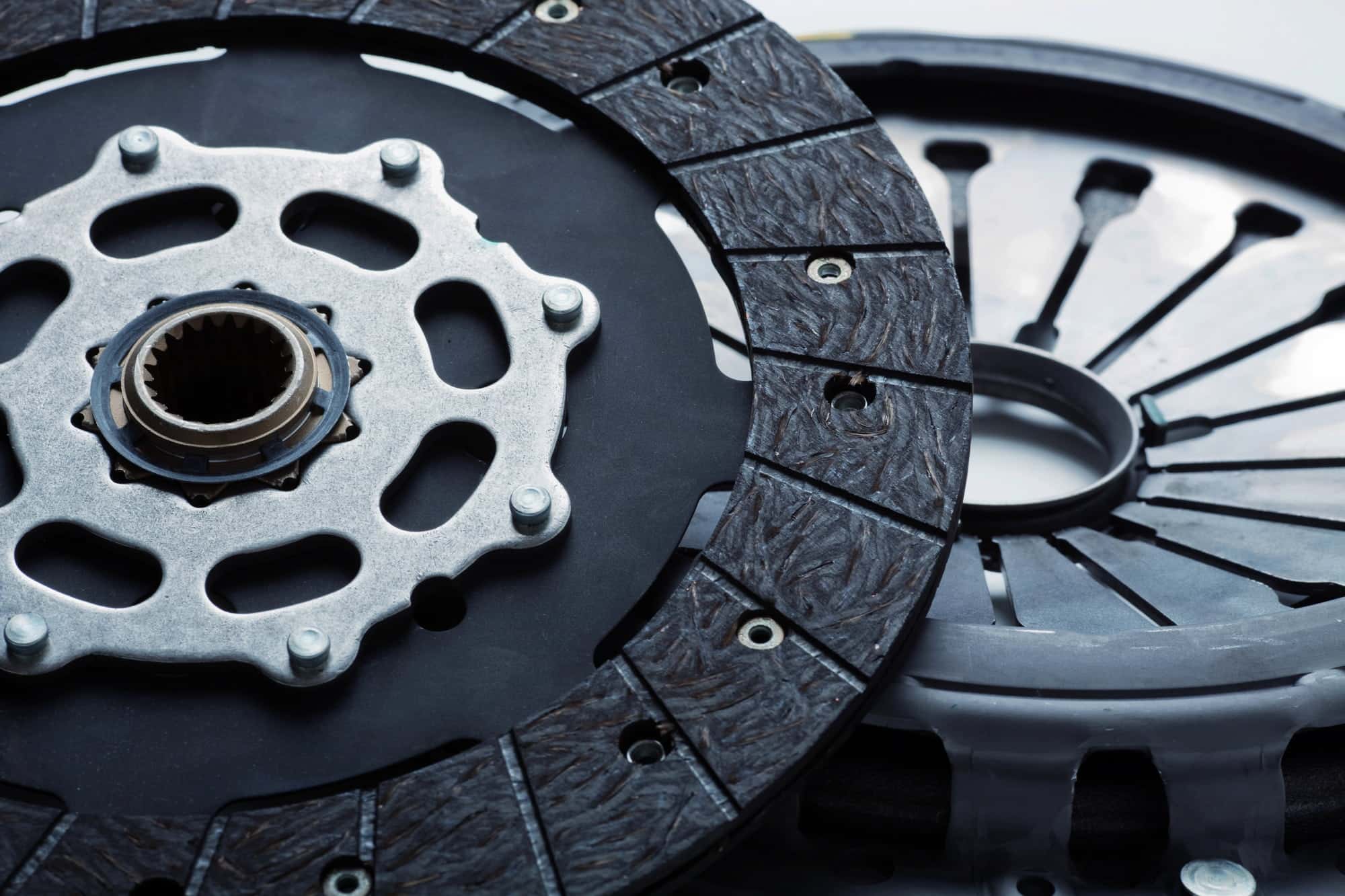
Porsche Clutch Repair & Replacement at DART Auto
A failed clutch on a Porsche doesn't just strand you – it can cascade into flywheel damage, transmission input shaft wear, and a repair bill that spirals from manageable to catastrophic. Porsche engineers these cars for precision and performance, and the clutch system reflects that: dual-mass flywheels on 997 and 991-generation 911s, hydraulic throw-out bearings on Cayman and Boxster platforms, and software-controlled engagement profiles on PDK-equipped models all demand factory-level diagnostic capability and meticulous assembly procedures. A generic shop treating your Porsche like a Honda will miss the torque sequencing on flywheel bolts, skip the transmission alignment procedure, or reuse single-use hardware – mistakes that lead to chatter, slippage, or premature failure within months.
DART Auto has served Denver's Porsche community since 2000, combining dealer-trained master technicians with cutting-edge diagnostic equipment and access to factory repair information. Our salaried technicians take the time to inspect the flywheel surface for heat checking, measure clutch disc thickness against OEM specs, and verify hydraulic system integrity before reassembly. We source OEM or premium aftermarket components from trusted suppliers, ensuring every part meets Porsche's exacting standards. When you bring your Porsche to DART, you're choosing a shop that understands the difference between a repair that holds and one that fails.
Here's what you can expect when DART handles your Porsche clutch repair:
- Complete transmission removal and inspection – verifying input shaft condition, pilot bearing wear, and rear main seal integrity before installation
- OEM-spec flywheel resurfacing or replacement – measuring runout and surface finish to factory tolerances, replacing dual-mass flywheels when wear limits are exceeded
- Hydraulic system bleeding and validation – using factory scan tools to verify clutch actuation travel and pressure on models with electronic control
- 3-year/36,000-mile warranty – backing every clutch job with coverage that reflects our commitment to doing it right the first time
Common Clutch Repair & Replacement Issues on Porsche Vehicles
Porsche clutch systems are engineered for precision and performance, but that sophistication means specific failure modes that can cost you dearly if misdiagnosed. The price of getting this work wrong on a Porsche isn't just the repair bill – it's the cascading damage to flywheel, pressure plate, throw-out bearing, and transmission input shaft that turns a manageable service into a multi-thousand-dollar teardown.
- IMS Bearing Failure on 1997–2008 Boxster, Cayman, and 911 (M96/M97 Engines): When the intermediate shaft bearing fails, metal debris contaminates the clutch assembly. If you're already in for clutch work on these platforms, the IMS bearing, rear main seal, and flywheel should all be addressed simultaneously – the labor overlap makes deferring any of these components financially reckless.
- Dual-Mass Flywheel Wear on 996/997/987 Platforms: Porsche's dual-mass flywheels dampen driveline shock but wear internally over time. Symptoms include rattling at idle, shudder during engagement, and difficulty finding neutral. Replacing the clutch without inspecting flywheel play and spring condition means you'll be back in six months when the new clutch burns up against a failing flywheel.
- Hydraulic Release Bearing Failure on 996/997/Boxster/Cayman: Unlike traditional cable or hydraulic slave cylinders, Porsche uses a concentric hydraulic release bearing that operates inside the bellhousing. When the seal fails, you lose pedal feel and engagement consistency. This part is non-serviceable without transmission removal, so it's always replaced during clutch jobs on these platforms.
- Clutch Delay Valve Issues on 991/981/718 Platforms: Later water-cooled Porsches use a clutch delay valve to soften engagement for emissions and drivability. When this valve clogs or sticks, you get inconsistent pedal feel and premature clutch wear. Flushing the hydraulic system and replacing the valve restores proper modulation.
- Premature Wear from Track Use or Launch Control: GT3, GT4, Turbo, and Turbo S models see aggressive driving that accelerates clutch wear. Friction material glazing, pressure plate hot spots, and throw-out bearing noise appear far earlier than street-driven cars. If you're tracking your Porsche, clutch inspection intervals should be cut in half.
- Pilot Bearing Seizure on Manual 911s: The pilot bearing supports the transmission input shaft inside the crankshaft. When it seizes, you get gear noise, difficulty shifting, and input shaft damage. Replacing this bearing requires clutch removal, so it's standard practice to install a new one during every clutch job – the part costs pennies compared to the labor.
Why Choose DART Auto for Porsche Clutch Repair & Replacement
A failed clutch on a Porsche doesn't just leave you stranded – it risks damage to the dual-mass flywheel, pilot bearing, and even the transmission input shaft if misdiagnosed or rushed. Since 2000, DART Auto has specialized in European marques where clutch work demands more than generic parts-swapping. Our master technicians bring dealer-level training and over a decade of hands-on experience with Porsche platforms, from air-cooled 911s to water-cooled 996/997/991 generations and the mid-engine Boxster/Cayman lineage.
We rely on factory repair procedures and OEM torque specifications because Porsche clutch assemblies – especially dual-mass flywheels on 987/997 and later – require precise alignment and break-in protocols that generic shops often skip. Our diagnostic process goes beyond pedal feel: we use PIWIS-compatible scan tools to read clutch-slip adaptation values, check for hydraulic faults in the CSC (concentric slave cylinder, a known weak point on 987.1 Caymans and 997.1 Carrera models), and inspect the IMS bearing access window during transmission removal on M96/M97 engines (1997–2008 Boxster, Cayman, and 911). Because our technicians are salaried rather than flat-rate, there's zero incentive to overlook wear on the release bearing, pressure plate fingers, or flywheel friction surface – components that, if reused prematurely, turn a one-time repair into a comeback job.
- Platform-specific tooling: clutch-alignment arbors, flywheel-locking fixtures, and hydraulic-line bleed adapters designed for Porsche transaxle layouts.
- OEM and premium aftermarket parts: LuK, Sachs, or genuine Porsche components sourced from trusted suppliers – never budget friction kits that fade under spirited driving.
- 3-year/36,000-mile warranty on parts and labor, reflecting our confidence in doing the work once and doing it right.
Symptoms – How to Know You Need This Service
Porsche clutches communicate distress in ways that range from subtle to unmistakable. Catching these symptoms early separates a straightforward clutch replacement from a job that includes flywheel damage, pressure plate failure, or hydraulic system contamination. You may notice:
- Slipping under load – RPMs climb without corresponding acceleration, especially in higher gears or during aggressive pulls; this means the friction material is glazed or worn below minimum thickness
- Chatter or shudder on engagement – vibration through the pedal and chassis when releasing the clutch from a stop, often pointing to flywheel hot spots, contaminated disc material, or worn dual-mass flywheel springs
- High or spongy pedal feel – excessive pedal travel or a soft, inconsistent bite point indicating air in the hydraulic system, master cylinder wear, or slave cylinder leakage
- Burning smell during normal driving – a sharp, acrid odor after moderate use signals friction material overheating; continued driving risks warping the flywheel and destroying the pressure plate
- Difficulty selecting gears – grinding or resistance when shifting, particularly into first or reverse, suggesting the clutch isn't fully disengaging due to hydraulic failure or pressure plate collapse
- Noise when pedal is depressed – squealing, rattling, or bearing noise that changes with clutch pedal position, typically pointing to throw-out bearing failure or pilot bearing wear
- Visible fluid leak at the bellhousing – hydraulic fluid or transmission oil pooling beneath the car, contaminating clutch material and requiring immediate attention to prevent total failure
If you're experiencing slipping, burning smells, or fluid leaks, stop driving and arrange for towing. Continuing to operate the vehicle risks secondary damage that multiplies repair costs. For intermittent symptoms like occasional chatter or high pedal feel, schedule an inspection within the week – these conditions degrade rapidly under performance driving.
Which Porsche Models We See for Clutch Repair & Replacement
DART Auto services clutch systems across Porsche's manual-transmission lineup, with particular expertise in the water-cooled platforms that dominate Denver roads. Our technicians have dealer training and the factory tooling required for proper transmission alignment, flywheel installation, and hydraulic system bleeding on these models:
- 911 (996 / 1999–2005) – Carrera, Carrera 4, Turbo, and GT variants; includes dual-mass flywheel inspection and IMS bearing evaluation during transmission removal
- 911 (997 / 2005–2012) – Carrera, Carrera S, Carrera 4S, Turbo, GT2, GT3; requires factory scan tool for clutch pedal calibration on later model years
- 911 (991 / 2012–2019) – all Carrera, Targa, Turbo, and GT variants with manual transmission; electronic clutch actuation on some models demands software-based diagnostics
- Boxster and Cayman (986 / 1997–2004) – all trim levels; common IMS bearing replacement during clutch service on M96 engines
- Boxster and Cayman (987 / 2005–2012) – base, S, and R models; dual-mass flywheel wear common on high-mileage examples
- Boxster and Cayman (981 / 2013–2016) – all variants including GTS and GT4; hydraulic throw-out bearing requires careful bleeding procedure
- 718 Boxster and Cayman (982 / 2017–present) – turbocharged four-cylinder and naturally aspirated six-cylinder models; clutch engagement profiles vary by software calibration
We do not service Porsche's PDK dual-clutch transmissions in-house, as these require specialized mechatronic programming and hydraulic test equipment beyond typical independent shop capability. For Cayenne, Panamera, and Macan models with manual transmissions (rare in the U.S. market), contact us to confirm parts availability and scheduling. Our focus remains on the sports car platforms where manual transmissions define the driving experience and where our expertise delivers the most value.
Causes & Risks – What Happens if Ignored
Clutch wear accelerates under conditions Porsche owners encounter regularly: spirited driving, frequent stop-and-go traffic in Denver's urban corridors, high-altitude operation that affects engine load, and track days that expose components to thermal stress far beyond street use. Porsche's performance-oriented clutch tuning means less slip tolerance and tighter engagement windows than mass-market vehicles – what feels like "normal" wear is often the leading edge of failure.
Delaying clutch replacement once slip begins creates a destructive cascade. Here's what escalates:
- Flywheel Damage: A slipping clutch generates heat that warps and hardens the flywheel friction surface. What starts as a $1,200 clutch replacement becomes a $2,800 job when the flywheel needs resurfacing or replacement. Dual-mass flywheels cannot be resurfaced – only replaced.
- Pressure Plate Failure: Overheated pressure plates lose clamping force and develop hot spots. Once the spring fingers weaken, even a new friction disc won't hold. You'll burn through the replacement clutch in weeks.
- Transmission Input Shaft Wear: A chattering clutch hammers the input shaft splines. Severe cases require transmission teardown and shaft replacement – a repair that adds $3,000–$5,000 to the bill and weeks of downtime.
- Hydraulic System Contamination: If the release bearing fails and leaks fluid into the bellhousing, it contaminates the new clutch and ruins the friction material. The hydraulic system must be flushed, the slave cylinder replaced, and the clutch re-installed – doubling labor costs.
- Safety Risk: Complete clutch failure leaves you stranded in traffic or – worse – unable to disengage the transmission, forcing a shutdown in an unsafe location. Loss of power transfer during acceleration in merging traffic or on mountain passes creates collision risk.
Addressing clutch wear at the first sign of slip or noise keeps the repair contained. Waiting turns a straightforward service into a compounding failure that involves every component in the driveline.
Safety Impact – Why Clutch Repair & Replacement Matters
A failing clutch doesn't just inconvenience you – it actively compromises vehicle control. When the clutch slips under load, you lose predictable power delivery during acceleration, making highway merges, uphill starts, and passing maneuvers unpredictable. In performance driving or emergency avoidance, that hesitation can put you and others at risk.
Specific failure modes create distinct safety hazards:
- Sudden Loss of Drive: Complete clutch disc disintegration or pressure plate failure means instant loss of power transfer. If this occurs while merging onto I-25 or climbing a mountain pass, you're coasting in traffic with no ability to accelerate out of danger.
- Inability to Disengage: A seized release bearing or failed hydraulic system prevents clutch disengagement. You cannot shift gears or come to a controlled stop without stalling the engine – a dangerous scenario in traffic or at intersections.
- Clutch Chatter and Wheel Hop: Worn or contaminated clutch surfaces cause violent shudder during engagement, destabilizing the chassis and making smooth launches impossible. In wet or icy conditions common to Colorado winters, this can trigger traction loss.
- Pedal Fade or Loss: Hydraulic leaks or air in the system cause spongy or absent pedal feel. Without predictable engagement points, you cannot modulate power smoothly – critical for controlling a rear-engine Porsche in low-traction situations.
When to stop driving immediately: Loss of pedal resistance, burning smell accompanied by slipping, grinding noises during shifts, or inability to select gears. Schedule service soon: Clutch chatter, high engagement point, slipping under hard acceleration, or difficulty finding reverse.
Documented clutch failure that contributes to an accident raises liability questions, especially if prior symptoms were ignored. Maintaining service records demonstrates due diligence.
How Porsche Clutch Repair & Replacement Actually Works
Porsche manual transmissions use a single-disc dry clutch assembly mounted between the engine and gearbox. The clutch disc – faced with friction material on both sides – is sandwiched between the flywheel (bolted to the crankshaft) and the pressure plate (bolted to the flywheel and containing spring-loaded clamping fingers). When you press the pedal, hydraulic pressure moves the release bearing against the pressure plate fingers, disengaging clamping force and allowing the disc to spin freely. Releasing the pedal re-engages clamping force, locking the disc between flywheel and pressure plate to transfer engine torque to the transmission input shaft.
What makes Porsche clutch work different from a generic manual:
- Concentric Hydraulic Release Bearing: Most Porsches use a hydraulic release bearing that mounts concentrically around the transmission input shaft inside the bellhousing. This design eliminates external slave cylinders and linkage but requires complete transmission removal for replacement. The bearing is non-serviceable and always replaced during clutch jobs.
- Dual-Mass Flywheel Design: Porsche dual-mass flywheels use internal springs and dampers to isolate driveline vibration. These flywheels wear internally and cannot be resurfaced – only replaced.
How We Diagnose Clutch Repair & Replacement Issues on Porsche
A misdiagnosed clutch problem on a Porsche can mean unnecessary transmission removal, wasted labor hours, and a bill that climbs into the thousands before the real issue is even touched. We approach every clutch concern with the same methodical process that prevents costly mistakes and ensures we address the root cause the first time.
- Initial consultation and symptom review. We document exactly when the issue occurs – cold start, hard acceleration, specific gear changes – and any recent service history. On 987 and 997 platforms, we ask about IMS bearing service and RMS leaks, since transmission-out work often overlaps.
- Road test under real-world conditions. Our technician drives the car through the full range of clutch engagement, noting pedal feel, slip points, chatter, and release characteristics. We test uphill starts, aggressive launches, and slow-speed maneuvering to isolate mechanical vs. hydraulic issues.
- Hydraulic system inspection. We check master cylinder reservoir fluid level and condition, inspect slave cylinder operation (external on most models, internal on 996/997 Turbo and GT3), and bleed-test the system to rule out air or contamination.
- Scan tool diagnostics. Using Porsche-specific diagnostic software, we pull fault codes, review clutch position sensor data, and check for DME adaptations that indicate slippage or abnormal wear patterns.
- Visual and mechanical inspection. We raise the car, inspect the bell housing for fluid leaks (rear main seal, transmission input shaft seal), check flywheel bolts for evidence of loosening, and measure clutch pedal free play against factory specifications.
- Transmission removal and direct inspection (when warranted). If the evidence points to internal clutch failure, we remove the transmission to inspect disc thickness, pressure plate condition, release bearing wear, and flywheel surface. On dual-mass flywheels (common on 996, 997, 987, 991), we test for excessive rotational play that indicates internal damper failure.
Once we've completed the diagnostic sequence, we walk you through exactly what we found, what needs attention now, and what can wait. You'll receive a detailed estimate that breaks down parts, labor, and any related work that makes sense to address while the transmission is out – because nobody wants to pay for the same labor twice.
Clutch Repair & Replacement on Porsche: Repair vs. Replacement
Not every clutch issue demands a full replacement, but knowing the difference requires experience with how Porsche clutches fail and what actually holds up under repair.
When Repair Makes Sense
- Hydraulic system faults. A spongy pedal or inconsistent engagement often traces to a failing master or slave cylinder, air in the lines, or contaminated fluid. Replacing the hydraulic components and bleeding the system properly restores full function without touching the clutch assembly itself.
- Adjustment and calibration. On cable-actuated systems (rare on modern Porsches but present on some older 911s), proper adjustment can eliminate slipping or dragging. On hydraulic systems, recalibrating pedal free play after component replacement ensures correct engagement.
- Release bearing replacement. If the disc and pressure plate still have life but the release bearing is noisy or binding, we can replace just the bearing during a transmission-out service. This is common on higher-mileage 996 and 997 models where the bearing wears faster than the friction surfaces.
When Partial Replacement Is the Right Call
- Flywheel resurfacing with new clutch components. If the flywheel surface is within spec and shows no heat cracks or hard spots, we can resurface it and install a new disc, pressure plate, and release bearing. This saves the cost of a new flywheel – particularly important on dual-mass units that run $800–$1,500 for the part alone.
- Dual-mass flywheel replacement with reusable pressure plate. Occasionally the flywheel dampers fail while the pressure plate remains serviceable. We evaluate case-by-case, but this is rare; most shops recommend replacing both together to avoid a second transmission-out job within a year.
When Full Replacement Is the Only Safe Option
- Friction material below minimum thickness. Once the clutch disc wears to the rivets or shows less than 2 mm of material, there's no repair – only replacement. Attempting to limp along risks flywheel damage and clutch explosion under load.
- Pressure plate spring fatigue or hot spots. Overheated or weakened pressure plates lose clamping force and cause slippage even with a new disc. We replace the entire assembly to restore factory torque capacity.
- Dual-mass flywheel damper failure. Excessive rotational play, rattling at idle, or visible grease leakage from the flywheel means the internal dampers have failed. This is non-repairable and common on 997.1 Carrera S, 987 Cayman S, and Cayenne V8 models with 60,000+ miles.
- Contamination from leaking seals. Oil-soaked clutch discs from a failing rear main seal or transmission input shaft seal must be replaced, and we address the leak source at the same time. Cleaning contaminated friction material never works.
We walk you through the findings, explain what each option costs, and help you decide based on how you drive and how long you plan to keep the car. Our technicians are salaried, so there's no incentive to upsell – just honest advice on what will actually fix the problem and hold up over time.
How to Make Your Porsche Clutch Repair & Replacement Last Longer
Clutch life on a Porsche varies wildly depending on how the car is driven and maintained. Track-focused 911s and Caymans can burn through a clutch in 15,000 miles, while gently driven Panameras and Cayennes routinely see 80,000+ miles on the original assembly. Here's how to maximize longevity without sacrificing the driving experience.
Driving Habits That Extend Clutch Life
- Minimize slip time during engagement. The clutch wears most when it's partially engaged and transmitting torque while slipping. Get through the engagement zone smoothly and decisively – don't ride the clutch to modulate speed in traffic.
- Avoid holding the car on a hill with clutch slip. Use the brake to hold position on inclines, then release and engage the clutch cleanly when it's time to move. Slipping the clutch against engine torque on a grade generates tremendous heat and accelerates wear.
- Don't rest your foot on the pedal while driving. Even light pressure keeps the release bearing in contact with the pressure plate fingers, causing unnecessary wear and heat buildup. Rest your foot on the dead pedal or floor, not the clutch.
- Allow the engine and transmission to warm before hard driving. Cold oil increases drag and makes smooth engagement harder. Give the car five minutes of moderate driving before aggressive launches or high-RPM shifts, especially in winter.
- Avoid unnecessary high-RPM launches. Launch control and aggressive starts are hard on every component in the drivetrain. Save them for the track or special occasions – your clutch, flywheel, and transmission will thank you.
Maintenance Habits That Prevent Premature Failure
- Check clutch hydraulic fluid level monthly. The clutch shares fluid with the brake system on most Porsches. A dropping reservoir level can indicate a leaking master or slave cylinder – catch it early and you'll avoid a roadside failure. This is safe and easy to DIY.
- Listen for changes in pedal feel or engagement. A suddenly high or low engagement point, increased pedal effort, or grinding/chattering during shifts all signal developing problems. Address them before they become transmission-out repairs.
- Flush clutch hydraulic fluid every two years. Moisture absorption degrades hydraulic fluid over time, leading to corrosion, seal failure, and spongy pedal feel. This is a straightforward service that prevents expensive component replacement.
- Address oil leaks immediately. Rear main seal and transmission
What to Expect When You Bring Your Porsche In
We start every clutch concern with a complete inspection before quoting parts. Drop off your Porsche at your scheduled appointment or call ahead if symptoms worsen suddenly. Remove valuables and personal items; our team will document mileage, perform a visual walk-around, and note any existing cosmetic concerns so there's no confusion at pickup.
- Initial road test and scan: A technician drives your car to confirm slip, chatter, or engagement-point drift, then connects factory-level diagnostics to pull clutch-adaptation data and check for stored hydraulic codes.
- Written estimate and consultation: We measure flywheel runout, inspect the slave cylinder for leaks, and photograph wear patterns on the friction disc if the transmission is already down. You receive a detailed estimate covering the clutch kit, flywheel resurfacing or replacement (required if step-wear exceeds spec), hydraulic components, and any ancillary seals. We explain what happens if you defer the work – typically accelerated flywheel damage and potential input-shaft scoring.
- Repair execution: Transmission removal follows Porsche torque sequences and uses OEM-spec fluid refill (some models require specific GL-4 or dual-clutch fluid). We torque pressure-plate bolts in star pattern, align the disc with a splined arbor, and bleed the hydraulic system to factory procedure. If your engine is M96/M97, we inspect the IMS bearing and rear main seal while access is open.
- Post-repair verification: Road test includes launch from stop, part-throttle roll-on in multiple gears, and pedal-feel check. Scan tool confirms clutch-slip counters reset and no new faults logged. At pickup, we walk you through the work performed, show photos of old versus new components, and review break-in guidelines – typically 500 miles of moderate engagement pressure before hard launches.
Loaner vehicles and local shuttle service are available by request; after-hours drop-off and pickup can be arranged if your schedule demands it. If anything feels off in the first week – unusual noise, pedal-travel change, or engagement-point creep – call immediately. We'll recheck hydraulic bleed, clutch free-play, and adaptation values at no charge, because a Porsche clutch job isn't finished until it drives exactly as it should.
Our Porsche Services
- Air Conditioning AC Repair
- Battery Repair Replacement
- Brake Repair & Brake Fluid Change
- Check Engine Light Diagnostics
- Coolant Leak Repair
- Cooling System Repair
- Drive Shaft Repair
- Engine Repair
- Exhaust & Catalytic Converter Repair
- Head Gasket Repair & Replacement
- Oil Change
- Oil Leak Repair
- Scheduled Service Maintenance
- Suspension Repair
- Cambelt Timing Belt Replacement
- Transmission Repair
- Tune Up
- Wheel Alignment