
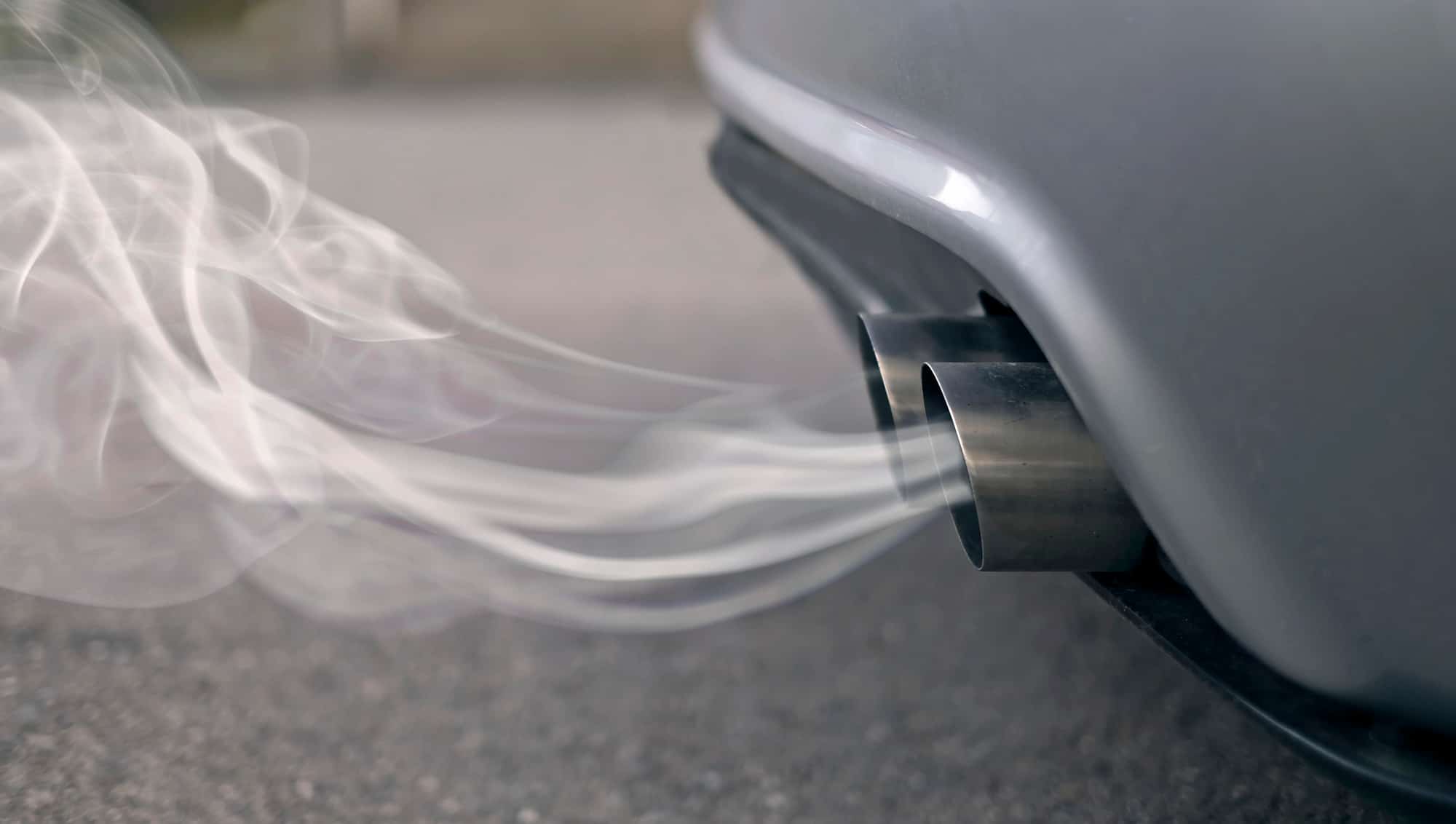
MINI Exhaust & Catalytic Converter Repair at DART Auto
When your MINI starts sounding more like a diesel tractor than the nimble performer it was designed to be, you need a shop that understands how BMW-engineered exhaust systems differ from mass-market vehicles. DART Auto specializes in MINI exhaust and catalytic converter repair using the same factory diagnostic protocols and OEM specifications your dealer follows – without the inflated labor rates. Since 2000, our master technicians have been diagnosing and repairing exhaust failures on MINI platforms, from early R50/R52/R53 first-generation cars through current F-series models.
MINI exhaust systems integrate tightly with engine management software. A failing catalytic converter doesn't just make noise – it triggers fault codes that can put your engine into limp mode, alter fuel trim, and damage expensive oxygen sensors if ignored. The N14 and N18 engines found in 2007-2015 Cooper S models are particularly sensitive to exhaust backpressure changes, while the B38/B48 turbocharged engines in newer cars require precise exhaust flow to maintain boost control. We use MINI-specific diagnostic software to read real-time catalyst efficiency data, oxygen sensor voltages, and exhaust temperature readings before recommending any repair, ensuring we address the root cause rather than swapping parts blindly.
When you bring your MINI to DART Auto for exhaust or catalytic converter service, expect:
- Complete exhaust system inspection from manifold to tailpipe, including hangers, heat shields, and flex sections
- Live-data diagnostics using BMW/MINI factory protocols to confirm catalyst efficiency and oxygen sensor function
- OEM or premium aftermarket catalytic converters that meet both EPA and CARB emissions standards
- 3-year/36,000-mile warranty on parts and labor – coverage that protects your investment and resale value
Common Exhaust & Catalytic Converter Repair Issues on MINI Vehicles
MINI owners face a handful of recurring exhaust and catalytic converter problems tied directly to the brand's turbocharged four-cylinder architecture and emissions strategy. When these symptoms appear, we move quickly to diagnose the root cause and prevent secondary damage to oxygen sensors, manifolds, and turbochargers.
- Catalytic converter substrate failure on 2007–2013 R56 Cooper S (N14 engine): High-pressure turbo operation and oil consumption cause catalyst honeycomb material to break apart, triggering P0420/P0430 codes and rattling under acceleration. The N14's known piston-ring wear accelerates contamination.
- Cracked exhaust manifold on 2011–2016 R60 Countryman and R61 Paceman (N18 engine): Thermal cycling from turbo proximity causes stress cracks between ports three and four. You'll hear ticking at cold start that fades as metal expands, and smell raw exhaust in the cabin.
- Oxygen sensor fouling on 2014–2019 F55/F56 models (B38/B48 engines): Direct-injection carbon buildup and short-trip driving contaminate upstream and downstream O2 sensors, producing intermittent check-engine lights and rough idle. The narrow-band sensors used on these platforms are particularly sensitive.
- Flex-pipe fatigue on all second-generation models (R50–R59 chassis, 2001–2015): The flexible coupling between downpipe and mid-pipe corrodes from road salt and vibration, creating exhaust leaks that sound like a lawn mower at idle. Colorado winters accelerate this failure.
- Turbo-to-downpipe gasket leaks on third-generation Cooper S and JCW (F54/F55/F56, 2014–present): The multi-layer steel gasket between turbo outlet and catalytic converter compresses unevenly under heat cycles, allowing boost pressure to escape and setting P0299 underboost codes.
- Heat-shield rattle on all generations: Spot-welded heat shields over catalytic converters and mid-pipes break loose, creating metallic buzzing between 1,800 and 2,500 RPM. Seems minor but indicates corrosion spreading to structural exhaust components.
Why Choose DART Auto for MINI Exhaust & Catalytic Converter Repair
When your MINI triggers a check-engine light or sounds louder than it should, you need a shop that knows the difference between an R56 Cooper S with a failing pre-cat on the N14 turbo engine and a later F56 with a faulty oxygen sensor on the B38. DART Auto has invested in MINI-specific diagnostic tooling and factory service information, so we can pinpoint exactly which component in your exhaust system has failed – and why. Our master technicians have dealer training and over 10 years of experience working on European platforms, which means we catch nuances like heat-shield rattles, wastegate-actuator leaks, and turbo-to-downpipe gasket failures that generic shops often miss.
We handle the entire repair from start to finish: scan-tool diagnosis to read freeze-frame data and oxygen-sensor voltages, visual inspection of hangers and flex joints, replacement with OEM or premium aftermarket catalytic converters that meet emissions standards, and post-repair road tests to verify drive-ability and monitor readiness. Because our technicians are salaried rather than flat-rate, there's no incentive to rush the job or recommend parts you don't need. You get honest, expert-level service backed by our 3-year/36,000-mile warranty on parts and labor – better than the dealer, without the dealer price tag.
Symptoms – How to Know You Need This Service
Your MINI will give clear warning signs when exhaust components or catalytic converters begin to fail. Pay attention to these symptoms:
- Check Engine Light with P0420/P0430 codes – catalyst efficiency below threshold, often the first indicator of converter failure
- Rattling or metallic noise from underneath – internal catalyst substrate breaking apart, especially noticeable on cold starts or acceleration
- Sulfur or rotten egg smell – indicates a failing catalyst that's no longer properly converting exhaust gases
- Reduced power and throttle response – clogged catalyst creating excessive backpressure, starving the engine of proper exhaust flow
- Hissing or ticking from the engine bay – exhaust manifold cracks or failed gaskets, common on high-mileage N14 engines
- Loud roar during acceleration – exhaust leak ahead of or behind the catalytic converter
- Failed emissions test – elevated hydrocarbon or NOx readings point directly to catalyst problems
- Visible rust or damage to exhaust components – especially where exhaust pipes meet the body or suspension
If you notice reduced power combined with rattling noises, schedule service immediately – a disintegrating catalyst can send debris into the engine. Most other symptoms allow time to schedule an appointment, but don't delay long enough to risk failing your next emissions inspection or damaging oxygen sensors.
Which MINI Models We See for Exhaust & Catalytic Converter Repair
DART Auto services exhaust and catalytic converter systems across the full MINI lineup. We regularly work on:
- R50/R52/R53 Cooper and Cooper S (2002-2008) – first-generation cars with W10/W11 engines and supercharged R53 models prone to manifold cracks
- R55/R56/R57 Cooper and Cooper S (2007-2013) – N12/N14/N16/N18 turbocharged engines, with N14 particularly known for exhaust manifold failures and catalyst issues
- R58/R59 Coupe and Roadster (2011-2015) – same N18 engine platform as second-gen hatches, sharing exhaust architecture
- R60/R61 Countryman and Paceman (2011-2016) – N14/N16/N18 engines with longer exhaust routing and additional catalysts
- F54/F55/F56/F57 Cooper and Cooper S (2014-present) – B38/B48 turbocharged engines with integrated exhaust manifolds and tighter emissions controls
- F60 Countryman (2017-present) – B38/B46/B48 engines including ALL4 all-wheel-drive variants with modified exhaust routing
- John Cooper Works variants across all generations – higher-performance exhaust systems with sport catalysts and unique tuning requirements
We handle both manual and automatic transmission models. Our diagnostic equipment covers all MINI platforms from 2002 forward, including plug-in hybrid models. If you own a classic Mini (pre-2000), we recommend a specialist in vintage British cars.
```html
Causes & Risks – What Happens if Ignored
Most MINI exhaust and catalytic converter problems stem from the aggressive tuning required to meet emissions standards while delivering sporty performance from small-displacement turbocharged engines. Short urban trips never allow the exhaust system to reach full operating temperature, leaving condensation and unburned fuel in the catalyst. Denver's altitude compounds this – thinner air means leaner mixtures and hotter exhaust gas temperatures that accelerate thermal fatigue in manifolds and flex pipes. Road salt from winter driving corrodes stainless steel welds and clamps faster than in milder climates.
Delaying repair sets off a predictable cascade:
- Broken catalyst substrate contaminates oxygen sensors within 500–1,000 miles, adding several hundred dollars in sensor replacement to the original converter job. Ceramic particles also score turbo bearings if they migrate upstream during deceleration.
- Exhaust manifold cracks grow from hairline to through-wall in one season, allowing combustion gases to superheat nearby wiring harnesses, melt plastic intake components, and warp the cylinder head's exhaust-port face. What starts as a $600 manifold becomes a $3,000 head-reconditioning job.
- Leaking flex pipes dump unmetered exhaust upstream of oxygen sensors, confusing the engine computer into over-fueling. You'll see fuel economy drop 15–20 percent while fouling spark plugs and coating intake valves with carbon – compounding the direct-injection carbon issue these engines already battle.
- Failed downstream oxygen sensors prevent the catalytic converter from entering closed-loop operation, meaning the catalyst never reaches the 400°C needed for efficient conversion. Hydrocarbon and NOx emissions skyrocket, guaranteeing emissions-test failure and potential fines.
- Ignoring check-engine lights for exhaust issues masks new problems – a flashing CEL indicating misfires or a failing fuel pump gets lost in the noise, leaving you stranded instead of scheduling a controlled repair.
Safety Impact – Why Exhaust & Catalytic Converter Repair Matters
Exhaust leaks upstream of the catalytic converter release carbon monoxide into the cabin through the HVAC fresh-air intake, especially during idling or slow traffic. MINI's compact engine bay and short exhaust path mean CO reaches dangerous concentrations faster than in larger vehicles. Passengers report headaches, dizziness, and nausea – classic low-level CO poisoning that worsens over weeks of exposure.
Specific safety failures tied to neglected exhaust work:
- Manifold cracks near the turbocharger can ignite engine-bay fires when superheated exhaust gases contact oil residue on the valve cover or plastic charge pipes. We've seen melted wiring harnesses and destroyed engine mounts from this scenario.
- Catalytic converter overheating from misfires or rich conditions can ignite undercoating, sound-deadening material, and dry grass in parking areas. Surface temperatures exceed 1,200°F when the catalyst tries to burn off accumulated hydrocarbons.
- Broken exhaust hangers allow the system to sag onto the rear subframe or driveshaft, creating interference that can sever brake lines or puncture the fuel tank during aggressive driving or steep driveways.
- Failed oxygen sensors prevent proper air-fuel calibration, causing hesitation or stalling during merges, lane changes, or emergency maneuvers – a direct accident risk in highway traffic.
Stop driving immediately if you smell raw exhaust inside the cabin, see flames or smoke from under the hood, or hear dragging metal sounds from underneath. Schedule within the week for check-engine lights, ticking noises at startup, or noticeable power loss during acceleration.
How MINI Exhaust & Catalytic Converter Repair Actually Works
MINI's exhaust system integrates the catalytic converter directly into the turbocharger downpipe on most models, positioning it inches from the turbine outlet to reach light-off temperature faster and meet cold-start emissions limits. This "close-coupled" design means replacing the catalyst often requires unbolting the turbo, disconnecting the wastegate actuator, and removing the entire front subframe on transverse-engine models like the F56. The exhaust manifold is cast into the cylinder head on N14 and early N18 engines, so a cracked manifold means head removal and machining – not a bolt-on part swap.
Platform-specific repair considerations:
- Third-generation models (F-chassis, 2014–present) require ISTA/D or ISTA/P software to clear adaptation values after catalytic converter replacement. The DME stores catalyst efficiency history and won't recognize the new unit without a proper reset and drive-cycle completion.
- R-series cars (2007–2015) use spring-bolt fasteners at turbo and manifold flanges that stretch permanently after one heat cycle. Reusing old hardware guarantees leaks within weeks. We stock OEM Torx-Plus bolts and apply the factory torque sequence – 25 Nm in three stages, cold, then retorque after a 20-minute heat soak.
- Oxygen sensor threads in aluminum bungs seize from dissimilar-metal corrosion. We heat the bung to 300°F with an induction coil before extraction, then chase threads with the correct M18×1.5 tap to ensure new sensors seat without cross-threading.
- California-spec and federal-spec catalytic converters are not interchangeable – the CA versions carry additional precious-metal loading and different part numbers. Installing the wrong unit triggers permanent readiness-monitor failures that prevent emissions compliance.
Our diagnostic process starts with a smoke test to locate leaks, followed by backpressure measurement at the oxygen sensor ports to confirm catalyst restriction. We pull live data for fuel trims, oxygen sensor switching rates, and catalyst temperature deltas to distinguish between a failing converter and upstream issues like injector problems or ignition misfires that damaged the converter in the first place. Replacing the catalyst without fixing what killed it buys you the same failure a year later.
How We Diagnose Exhaust & Catalytic Converter Repair Issues on MINI
When your MINI throws a check-engine light or sounds like it's gargling gravel, we start by connecting factory-grade diagnostic equipment to pull fault codes and live data from the engine control unit. MINI's proprietary fault codes often reveal catalyst efficiency below threshold, oxygen sensor drift, or exhaust leaks that trigger lean/rich conditions – especially on R56 Cooper S models with the N14 engine, where turbo oil leaks can contaminate downstream O2 sensors and trigger false catalyst faults.
- Scan for stored and pending codes: We use BMW/MINI-specific scan tools that read module-level data the generic OBD-II scanners miss, including readiness monitors and freeze-frame conditions that pinpoint when the fault occurred.
- Live data analysis: We monitor upstream and downstream oxygen sensor voltages, catalyst temperature, short-term and long-term fuel trims, and exhaust backpressure under load to distinguish between a failing catalyst, a sensor reading issue, or an upstream engine problem creating excess unburned fuel.
- Visual and physical inspection: We lift the car and inspect for cracked flex pipes (common on F56 models), corroded hangers, heat-shield rattles, and physical damage to the catalyst housing. We also check for oil or coolant contamination that can poison the catalyst substrate.
- Road test under load: A test drive reveals exhaust leaks that only appear under throttle, turbo wastegate rattle, and performance loss that confirms restricted flow rather than just a sensor anomaly.
- Backpressure and flow measurement: When data suggests restriction, we measure exhaust backpressure at the oxygen sensor port or use a pyrometer to compare pre- and post-catalyst temperatures, confirming whether the substrate is clogged or broken apart internally.
Once we've isolated the root cause, we walk you through what failed, why it failed, and what needs to happen to restore proper function and keep your warranty and resale value intact.
Exhaust & Catalytic Converter Repair on MINI: Repair vs. Replacement
Not every exhaust fault means replacing the entire system. Here's how we decide what makes sense for your MINI:
When Genuine Repair Works
- Sensor replacement: If the catalyst itself tests healthy but an oxygen sensor has failed or become contaminated (common on N14 turbos with oil consumption issues), swapping the sensor restores proper feedback and clears the fault.
- Gasket and hardware refresh: Exhaust manifold studs on R53 supercharged models frequently snap; re-tapping and installing new studs with fresh gaskets stops leaks without touching the rest of the system.
- Heat-shield and hanger repair: Rattles and vibration often come from loose shields or broken rubber isolators – quick fixes that preserve the exhaust itself.
When Partial Replacement Makes Sense
- Flex-pipe section: The flex joint between the turbo downpipe and mid-pipe cracks from thermal cycling; replacing just that section is cost-effective and restores seal integrity.
- Single catalyst unit: On models with separate pre-cats and main cats, replacing only the failed unit (confirmed by backpressure and efficiency testing) saves money while meeting emissions standards.
When Full Replacement Is the Right Call
- Catalyst substrate failure: Internal honeycomb collapse or severe contamination from oil/coolant means the cat cannot be cleaned or repaired – replacement with an OEM or high-quality aftermarket unit restores performance and passes emissions.
- Cascading corrosion: When rust has compromised multiple joints, hangers, and pipes, piecemeal repair leaves weak points that will fail again soon.
We lay out the options, explain the trade-offs, and let you make the call. Our technicians are salaried, so there's no incentive to upsell – just honest guidance on what your MINI needs.
How to Make Your MINI Exhaust & Catalytic Converter Repair Last Longer
Once your exhaust and catalyst are healthy, a few smart habits keep them that way:
Driving Habits That Protect the System
- Warm up before hard throttle: Cold starts followed by immediate boost loads dump unburned fuel into the catalyst, accelerating substrate contamination. Let the engine reach operating temperature before spirited driving.
- Avoid short trips in winter: Repeated cold starts without full warm-up cycles prevent the catalyst from reaching light-off temperature, allowing moisture and contaminants to accumulate.
- Address misfires immediately: Ignoring a flashing check-engine light sends raw fuel into the exhaust, which overheats and destroys the catalyst substrate within minutes.
Maintenance You Can Monitor
- Listen for changes: New rattles, hissing, or a louder exhaust note signal developing leaks or loose components – catching them early prevents bigger failures.
- Watch for warning lights: Catalyst efficiency codes (P0420/P0430) often appear before performance loss is noticeable; early diagnosis can reveal upstream issues (like oil consumption or coolant leaks) before the cat is damaged.
- Keep fluids clean: Oil consumption and coolant leaks poison catalysts. Stick to MINI's service intervals and use the correct LL-01 or LL-04 spec oil – aftermarket "universal" oils don't protect turbocharged engines the same way.
What to Leave to the Professionals
Visual inspections and fluid checks are safe DIY tasks. Anything involving removal of exhaust components, welding, or catalyst replacement should be left to the shop – improper torque on oxygen sensors damages threads, and aftermarket cats that don't meet OEM flow and efficiency specs will trigger faults and fail emissions testing.
What to Expect When You Bring Your MINI In
We've streamlined the repair process so you know what's happening at every stage. Here's how your visit will unfold:
- Drop-off and initial consultation. When you arrive, we'll ask about symptoms – rough idle, sulfur smell, loss of power, or check-engine light. We'll note any recent repairs or trouble codes you've seen. If you need a loaner vehicle or shuttle service, let us know during scheduling.
- Comprehensive inspection and diagnosis. Our technicians connect factory-level scan tools to pull current and pending codes, review oxygen-sensor live data, and inspect the exhaust system on a lift. We check for leaks at manifold gaskets, cracked flex pipes, rusted hangers, and catalyst efficiency below threshold. We document findings with photos when helpful.
- Written estimate and authorization. You'll receive a detailed estimate explaining which components need replacement, why they failed, and what happens if you delay the repair. We'll walk you through OEM versus high-quality aftermarket options and answer any questions before you approve the work.
- Repair and post-repair verification. After installing the new catalytic converter or exhaust components, we clear codes, complete an OBD-II drive cycle to set readiness monitors, and road-test your MINI to confirm smooth power delivery and no abnormal sounds. At pickup, we'll show you the old parts and explain the work performed.
Remove personal items from your vehicle before drop-off. If after-hours pickup works better for your schedule, ask about key-drop arrangements. If anything feels off in the days following your repair, call us – we'll re-inspect at no charge to make sure everything is running as it should.
Our MINI Services
- Air Conditioning AC Repair
- Battery Repair Replacement
- Brake Repair & Brake Fluid Change
- Check Engine Light Diagnostics
- Clutch Repair & Replacement
- Coolant Leak Repair
- Cooling System Repair
- Drive Shaft Repair
- Engine Repair
- Head Gasket Repair & Replacement
- Oil Change
- Oil Leak Repair
- Scheduled Service Maintenance
- Steering Repair
- Suspension Repair
- Cambelt Timing Belt Replacement
- Transmission Repair
- Tune Up
- Wheel Alignment


