
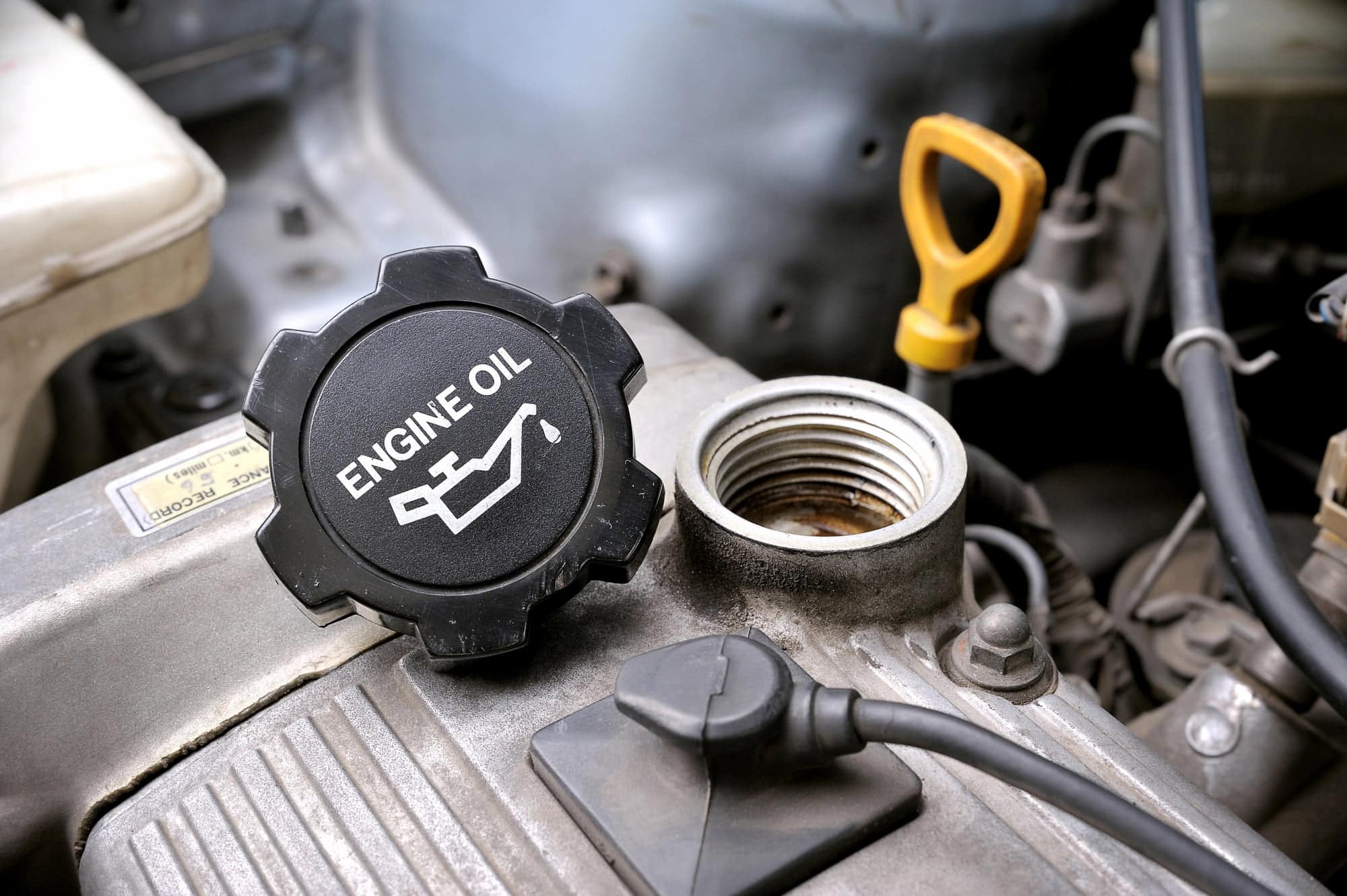
MINI Oil Change at DART Auto
You bought a MINI because it's fun to drive, not because you wanted to babysit an engine. But here's the reality: your Cooper, Countryman, or Clubman runs a turbocharged BMW-derived powerplant that demands precision maintenance. The wrong oil weight, skipped intervals, or a careless filter swap can accelerate carbon buildup, trigger timing chain wear, or leave you stranded with a low-oil warning that won't clear. Generic quick-lube shops treat every car the same – DART Auto doesn't.
MINI oil changes require attention to platform-specific details. The N14 and N18 engines (2007–2015 Cooper S models) are sensitive to oil quality and interval adherence; neglect accelerates timing chain stretch and wastegate rattle. The B38 and B48 engines in 2014+ models use low-SAPS oil to protect particulate filters, and the drain plug torque spec differs from domestic vehicles. We use factory service information, the correct Longlife-04 or Longlife-12 FE spec oils, and OEM or premium filters – not whatever's on the shelf. Our technicians reset the Condition Based Service (CBS) system properly so your dash doesn't nag you with false warnings.
When you schedule an oil change at DART Auto, expect:
- BMW/MINI-specific Longlife oil matched to your engine and model year
- Complete underbody inspection while your car is on the lift – we'll spot leaks, worn bushings, or pending issues before they strand you
- Proper CBS reset using factory-level diagnostic tools
- Transparent communication about what we found and what can wait
Common Oil Change Issues on MINI Vehicles
MINI owners often face oil-related issues that stem from the brand's turbocharged, high-performance engine architecture and extended service intervals. If you're noticing oil consumption warnings on your dash or finding puddles under your car, you're experiencing symptoms that show up across multiple generations of MINI platforms.
- Excessive oil consumption on N14 engines (2007–2010 Cooper S, Clubman S, Convertible S): The N14 turbocharged four-cylinder is notorious for burning oil due to piston ring design and carbon buildup on intake valves. Owners frequently add a quart between services, and neglecting this leads to timing chain tensioner failure and catastrophic engine damage.
- Oil filter housing gasket leaks on N18 and B38/B48 engines (2011–present Cooper, Cooper S): The plastic oil filter housing develops cracks and gasket failures, creating visible leaks at the front of the engine. Left unaddressed, oil drips onto the serpentine belt and causes accessory drive issues or engine bay fires.
- Valve cover gasket seepage on Prince and B-series engines (2007–present): High underhood temperatures and direct-injection heat cycling cause valve cover gaskets to harden and leak. Oil migrates down the back of the engine, often mistaken for a rear main seal issue until proper diagnosis reveals the true source.
- Oil pan gasket deterioration on R56/R57/R58/R59 chassis (2007–2015): The factory oil pan gasket becomes brittle with age and heat cycles. Leaks start small but accelerate quickly, leaving oil trails on your driveway and reducing the engine's oil capacity below safe operating levels.
- Turbocharger oil feed line failures on N14/N18 engines: The braided oil supply lines to the turbo can crack or develop pinhole leaks, starving the turbo of lubrication. This causes turbo bearing failure, blue exhaust smoke, and loss of boost pressure, turning a simple leak into a $2,000+ turbo replacement.
- VANOS solenoid contamination from extended oil change intervals: MINI's variable valve timing system relies on clean oil to function. Owners who stretch oil changes beyond 10,000 miles see VANOS solenoids clog with sludge, causing rough idle, poor throttle response, and check engine lights for camshaft position faults.
Why Choose DART Auto for MINI Oil Change
Your MINI isn't just another car – it's a precision-engineered machine with specific lubrication requirements that vary by platform and engine generation. The N14 engines in 2007–2010 Cooper S models demand careful attention to oil consumption patterns during every service, while the B38 and B48 engines in 2014+ models require low-SAPS synthetic oils to protect the turbocharger and emissions systems. We track these details because we've been working on MINIs since the brand relaunched in the U.S., and our technicians know the difference between a routine service and one that needs closer inspection.
What sets us apart for MINI oil changes:
- Platform-specific expertise – We follow factory service procedures for R50/R52/R53, R55/R56/R57, and F-series chassis, including the correct oil specifications, filter housing torque values, and reset procedures for Condition Based Servicing (CBS) systems.
- Diagnostic integration – Every oil change includes a visual undercarriage inspection and fault-code scan. If your N18 engine is showing early signs of timing chain stretch or your N20 has developed the common oil filter housing leak, we catch it before it becomes expensive.
- OEM-grade fluids and parts – We use Castrol Edge Professional LL-01 or equivalent BMW-approved synthetics, genuine MINI or Mann oil filters, and OEM crush washers for the drain plug – no shortcuts that void your powertrain coverage.
- Salaried technicians – Our techs aren't paid flat-rate, so there's no incentive to rush your service or upsell unnecessary work. They take the time to reset your service indicators correctly and document oil consumption if your engine has a history.
Symptoms – How to Know You Need This Service
MINI models are chatty when they need an oil change – the trick is knowing which signals mean "schedule soon" versus "stop driving now." Here's what to watch for:
- Yellow oil can icon on the dash – your CBS system is telling you service is due within the next 1,000 miles; schedule within the week
- Red oil pressure warning or "STOP – Oil Pressure" message – pull over immediately and shut off the engine; continued driving risks catastrophic damage
- Metallic ticking or rattling at cold start – especially on N14/N18 engines, this can signal low oil level or degraded oil no longer protecting the timing chain
- Oil level warning accompanied by reduced power – the engine management system may limit boost to protect internals; top off immediately and schedule service
- Burning oil smell in the cabin or visible smoke from the exhaust – indicates consumption or leaks that need diagnosis beyond a simple change
- Dark, gritty oil on the dipstick – if you're checking between services and the oil looks like mud, you've exceeded the useful interval
- Rough idle or hesitation after extended oil change intervals – carbon buildup accelerates when oil breaks down, affecting intake valves and turbo seals
If you see a red oil warning, don't gamble – have the car towed. Yellow warnings and performance changes mean schedule this week, not next month.
Which MINI Models We See for Oil Change
We service the full spectrum of MINI platforms, from the original BMW-era R50 hatchbacks through the latest turbocharged F-chassis models. Each generation has its quirks, and we stock the right oil and filters for all of them:
- R50/R52/R53 (2002–2008 Cooper, Cooper S, Convertible) – naturally aspirated W10 and supercharged W11 engines; the S models need attention to supercharger oil changes as well
- R55/R56/R57 (2007–2015 Clubman, Cooper, Convertible) – N12, N14, N16, N18 engines; the N14 Cooper S is notorious for timing chain and high-pressure fuel pump issues that oil quality directly impacts
- R58/R59 (2011–2015 Coupe, Roadster) – same N18 powertrain as late R56, requires Longlife-04 spec oil
- R60/R61 (2011–2016 Countryman, Paceman) – available with N16, N18, and N47 diesel engines; the ALL4 models add a Haldex rear differential that also needs fluid service
- F54/F55/F56/F57 (2014+ Clubman, 5-door, Cooper, Convertible) – B38 three-cylinder and B46/B48 four-cylinder turbo engines; these require low-SAPS Longlife-12 FE or Longlife-17 FE+ oils to protect GPF-equipped models
- F60 (2017+ Countryman) – B38, B46, B48 engines with available ALL4; same oil spec requirements as F-chassis hatchbacks
- JCW variants across all generations – higher boost and performance tuning make oil quality and interval adherence even more critical
We occasionally see R53 supercharged models and early diesel Coopers, though parts availability can vary. If you're running a modified or tuned MINI, let us know upfront so we can adjust oil spec and interval recommendations accordingly.
Causes & Risks – What Happens if Ignored
Oil-related problems on MINI vehicles stem from three primary causes: aggressive factory service intervals that push synthetic oil beyond its useful life in turbocharged applications, Denver's temperature extremes that accelerate gasket aging, and the brand's tendency toward plastic engine components that don't tolerate heat as well as metal equivalents. Short-trip driving around Denver compounds these issues because the engine never reaches full operating temperature long enough to evaporate moisture and fuel contamination from the oil.
When you ignore early warning signs – an oil spot on the garage floor, a low oil warning on the dash, or a slight ticking noise at cold start – the damage pathway accelerates quickly:
- Week 1–2: A small oil leak becomes a steady drip. Your engine is now operating a half-quart low, reducing lubrication margin during hard acceleration or highway driving.
- Week 3–6: Oil starvation begins affecting the timing chain tensioner on N14/N18 engines. The chain develops slack, causing a rattling noise on cold starts. VANOS solenoids start throwing intermittent fault codes.
- Month 2–3: The timing chain jumps a tooth or the tensioner fails completely. Now you're looking at bent valves, damaged pistons, and a full engine teardown instead of a $400 gasket repair.
- Month 4+: Total engine failure. The turbocharger seizes from oil starvation, or the engine throws a rod. What started as a $300 oil filter housing gasket is now a $8,000–$12,000 engine replacement.
The cost dimension is stark: addressing an oil leak early costs $300–$800 depending on location. Waiting until the timing system fails pushes the bill to $3,000–$5,000. Complete engine failure means you're facing used engine installation or totaling the car.
Safety Impact – Why Oil Change Matters
Oil system failures on MINI vehicles create immediate safety risks that go beyond just engine damage. When oil pressure drops below the minimum threshold, the engine's variable valve timing system loses function, causing sudden power loss during highway merges or passing maneuvers. Turbocharged models experience boost cuts and limp mode activation, leaving you with drastically reduced acceleration exactly when you need it most.
Oil leaks onto hot exhaust components create fire risk. The N14 and N18 engines route the exhaust manifold directly beneath the valve cover and oil filter housing – two of the most common leak points. A steady oil drip onto a 1,400°F exhaust surface can ignite, especially after spirited driving or during extended highway runs.
Here's when each symptom crosses from "schedule soon" to "stop driving now":
- Stop immediately: Oil pressure warning light illuminated, visible smoke from the engine bay, sudden loss of power with check engine light flashing, strong burning oil smell inside the cabin.
- Drive directly to the shop (no highway speeds): Steady oil drip visible under the car after it's been parked, low oil warning appearing more than once between oil changes, metallic ticking or rattling from the engine that worsens with RPM.
- Schedule within the week: Small oil spots on the driveway, slight oil smell after driving, oil consumption requiring a top-off between services but no warning lights.
Insurance and liability considerations matter too. If an oil-related failure causes an accident and inspection reveals you ignored multiple low-oil warnings or deferred a known leak, your coverage may be contested.
How MINI Oil Change Actually Works
MINI's oil service procedure differs significantly from generic quick-lube work because of the brand's integration of oil quality monitoring, electronic service interval calculation, and emissions system dependencies. The engine control module continuously monitors oil condition through algorithms that factor in cold starts, operating temperature, fuel dilution, and driving style – not just mileage. This means your oil change interval varies based on how you actually drive, and the system must be properly reset using factory-level diagnostic tools after service.
The physical oil change process on turbocharged MINI engines requires specific attention to the oil filter housing assembly. Unlike spin-on cartridge filters, MINI uses a plastic housing with an internal paper element, O-rings, and integrated oil cooler connections on many models. The housing itself is a common failure point and must be inspected during every service. Torque specifications for the housing cap are critical – overtightening cracks the plastic, undertightening causes leaks.
MINI-specific design elements that affect service procedure:
- Plastic oil pans on B-series engines: Require precise torque patterns and can't be overtightened without cracking. Metal drain plug inserts strip easily if cross-threaded.
- Integrated oil level sensor: Must be cleaned during service to prevent false low-oil warnings. Sensor failure is common on high-mileage N14/N18 engines.
- CBS (Condition Based Service) reset: Requires ISTA diagnostic software or equivalent factory tool. Generic code readers can't access the CBS module, leaving the service light illuminated.
- VANOS system priming: After oil changes on engines with variable valve timing, the system benefits from a specific priming procedure to purge air from the solenoid passages and prevent cold-start rattle.
- Turbocharger cool-down protocol: Turbocharged models require a brief idle period after hard driving before shutdown to prevent oil coking in the turbo bearings. This affects service timing if the car arrives hot.
We use MINI-specific service information, factory torque specifications, and OEM-equivalent oil filter elements from Mahle or Mann – the same suppliers that provide parts to BMW. Our diagnostic equipment reads CBS data, oil quality sensors, and VANOS system health to catch developing issues before they become expensive failures.
How We Diagnose Oil Change Issues on MINI
Your MINI is telling you it needs an oil change – maybe the service light came on, or you've hit your mileage interval. Either way, you're wondering whether this is a simple drain-and-fill or if something else is going on under the hood. Here's exactly how we approach every MINI oil service to catch problems before they strand you.
- Pre-service visual inspection: Before we drain a drop, we check for oil leaks around the valve cover gasket (common on N14 and N18 engines), oil filter housing, and oil pan. We also inspect the condition of existing oil on the dipstick – metallic flakes, milky appearance, or fuel smell all point to deeper issues that need attention now.
- Factory scan with MINI-specific diagnostic tools: We connect MINI's diagnostic software to pull stored codes and live data. This reveals oil pressure sensor faults, variable valve timing issues (VANOS solenoid codes on turbocharged models), and oil quality degradation flags that generic code readers miss entirely.
- Oil analysis when warranted: If you're experiencing rough idle, reduced power, or your oil looks suspect, we can send a sample to the lab. This catches bearing wear, coolant contamination, and fuel dilution – all common on high-mileage Cooper S models with direct injection.
- Underbody inspection on the lift: With the car elevated, we check the oil pan for damage (Denver's potholes are brutal), inspect drain plug threads, verify the condition of the undertray fasteners, and look for evidence of previous poor-quality service work.
- Post-service verification: After the oil change, we start the engine, verify proper oil pressure on the scan tool, check for leaks at the filter and drain plug, and reset the service indicator through the factory procedure – not just by disconnecting the battery.
This process takes 30–45 minutes and gives you a complete picture. You'll receive a written report detailing what we found, what needs attention now, and what to monitor going forward. No surprises, no guesswork – just a clear plan to keep your MINI running strong.
Oil Change on MINI: Repair vs. Replacement
Most oil changes are straightforward service, but sometimes the inspection reveals worn components. The question becomes: repair what's there, replace a specific part, or swap the entire assembly? Here's how we guide that decision on your MINI.
When Repair Makes Sense
True repair work during an oil change typically involves:
- Cleaning carbon buildup: N14 and N18 engines accumulate carbon on intake valves. If caught early, walnut blasting the valves during an oil service interval extends engine life without replacement parts.
- Resealing minor leaks: A seeping valve cover gasket or oil filter housing O-ring can often be addressed by replacing just the gasket and retorquing to factory spec – no need for the entire cover assembly.
- Cleaning clogged oil passages: If oil analysis shows sludge but the engine is otherwise healthy, a professional flush and premium oil can restore flow without tearing into hard parts.
When Component Replacement Is the Right Call
Some situations demand new parts:
- Oil cooler leaks on N14 engines: The oil cooler gasket fails and contaminates coolant. The cooler itself is usually fine – we replace the gasket and pressure-test the system.
- Timing chain tensioner wear on Prince engines (2007–2015): If the chain is still within spec but the tensioner is weak, replacing just the tensioner and guide rails prevents catastrophic failure without a full timing set.
- Oil pan damage: Cracked or stripped drain plug threads mean a new oil pan. We use OEM or quality aftermarket pans with proper gaskets and torque specs – no quick-fix drain plug inserts that fail six months later.
When Full System Replacement Is Necessary
Complete replacement becomes unavoidable when wear has cascaded through multiple components. A stretched timing chain that's damaged the guides, gears, and tensioner requires the full kit. An engine with bearing wear and metal contamination throughout may need a rebuild or replacement long-block. We walk you through the cost-benefit analysis: if repair costs approach 70–80% of replacement and the underlying issue will recur, replacement is the honest recommendation. Our job is to present the options with transparent pricing and let you decide what makes sense for your MINI and your budget.
How to Make Your MINI Oil Change Last Longer
The interval between oil changes isn't just about miles – it's about how you drive and how you care for your MINI. Here's how to extend oil life and protect your engine between services.
Driving Habits That Protect Your Oil
- Warm up before hard acceleration: Turbocharged Cooper S and JCW models need 3–5 minutes of moderate driving before boost. Cold oil doesn't protect turbo bearings, and cold engines run rich, contaminating oil with fuel.
- Avoid short trips in winter: Denver's cold mornings mean your engine may never reach full operating temperature on a 5-minute commute. Condensation and fuel dilution accumulate in the oil. Combine errands or take the long way home once a week to fully heat the engine.
- Cool down after spirited driving: After highway runs or mountain drives, idle for 60 seconds before shutdown. This lets the turbo spool down and prevents oil coking in the turbo bearings – a common failure mode on N14 engines.
Maintenance You Can Monitor Yourself
- Check oil level monthly: MINIs with the N14 and N18 engines consume oil by design – up to a quart every 1,000 miles is considered normal by the factory. Check when cold, on level ground, and top off with the correct spec (typically 5W-30 or 5W-40 depending on model year).
- Watch for leaks on your parking spot: A few drops under the valve cover area or oil filter housing means it's time for a checkup before a small leak becomes a big problem.
- Listen for timing chain rattle on cold starts: A brief rattle that disappears within 2–3 seconds may be normal, but persistent noise means the tensioner is failing. Catching this early saves thousands.
What to Leave to the Professionals
Oil changes on modern MINIs involve more than a drain plug and filter. The undertray requires specific fasteners and torque. The oil filter housing on many models is plastic and cracks if overtightened. The service reset procedure must be done through the OBD port, not by battery disconnect, or the adaptive learning resets and your fuel economy suffers. Use the correct BMW/MINI Longlife oil spec – not just any 5W-30 off the shelf – because the variable valve timing and turbo systems depend on specific viscosity and additive packages. We stock the right fluids, use factory procedures, and warranty the work for three years or 36,000 miles. That peace of mind is worth skipping the YouTube tutorial.
What to Expect When You Bring Your MINI In
We've streamlined the service experience so you know exactly what happens from the moment you schedule your appointment. Here's how the process works:
- Schedule and drop-off – Book online or call to reserve a time slot. When you arrive, we'll ask about any concerns you've noticed – unusual noises, warning lights, changes in performance – and note them for the technician. We offer loaner vehicles and local shuttle service during business hours; let us know at booking if you need either.
- Multi-point inspection – While your MINI is on the lift for the oil change, we perform a complimentary visual inspection: brake pad thickness, tire tread depth, suspension bushings, CV boot condition, fluid levels, and undercarriage for leaks or damage. We scan for stored fault codes using factory-level diagnostics.
- Written estimate and approval – If we find anything beyond the oil change that needs attention, we photograph it, document the fault codes, and send you a detailed estimate. We explain what's urgent, what can wait, and what happens if you defer the work. You approve the scope before we proceed.
- Service completion and reset – We drain the old oil, replace the filter and crush washer, refill with the correct BMW LL-01 synthetic, and reset your CBS service indicator using our scan tool. We verify the oil level with the engine at operating temperature and check for leaks.
- Post-service walkthrough – At pickup, we review what we did, show you any photos from the inspection, and explain any recommendations. If something doesn't feel right after you drive away, call us – we'll get you back in to verify everything is correct.
We keep digital service records for your MINI, so if you need documentation for warranty purposes or pre-sale history, we can provide a complete maintenance report. After-hours key drop and pickup are available by arrangement.
Our MINI Services
- Air Conditioning AC Repair
- Battery Repair Replacement
- Brake Repair & Brake Fluid Change
- Check Engine Light Diagnostics
- Clutch Repair & Replacement
- Coolant Leak Repair
- Cooling System Repair
- Drive Shaft Repair
- Engine Repair
- Exhaust & Catalytic Converter Repair
- Head Gasket Repair & Replacement
- Oil Leak Repair
- Scheduled Service Maintenance
- Steering Repair
- Suspension Repair
- Cambelt Timing Belt Replacement
- Transmission Repair
- Tune Up
- Wheel Alignment


