
Bentley Clutch Repair & Replacement at DART Auto
When your Bentley develops clutch issues, you need technicians who understand the engineering behind these hand-built British luxury vehicles. A slipping clutch or failed dual-mass flywheel isn't just an inconvenience – it's a complex repair that requires factory-level diagnostic capability and precision execution. DART Auto has specialized in European marques for over 24 years, and our master technicians bring dealer training and OEM procedures to every Bentley clutch service without the dealer markup.
Bentley clutch systems demand respect. The Continental GT and Flying Spur platforms use sophisticated dual-clutch transmissions that share engineering with Audi and Volkswagen Group, but with bespoke calibrations and torque requirements that generic shops often miss. The Mulsanne's traditional automatic may not have a manual clutch pedal, but its torque converter lock-up clutch still requires specialized diagnostic tools to identify slip conditions. We use factory repair information, VAS diagnostic equipment, and the correct alignment tools to ensure your clutch assembly mates perfectly with the flywheel and pressure plate – critical when dealing with engines producing 500+ lb-ft of torque.
When you bring your Bentley to DART Auto for clutch work, expect:
- Complete diagnostic scan using factory-level tools to confirm clutch wear, flywheel condition, and transmission adaptation values
- Inspection of the dual-mass flywheel for excessive free-play or heat damage – a common failure point on high-torque W12 and V8 platforms
- OEM or premium aftermarket clutch components sourced from LuK, Sachs, or Bentley directly, never bargain-grade friction materials
- Post-installation adaptation procedures using guided functions to teach the transmission control module the new clutch bite point and torque curves
Common Clutch Repair & Replacement Issues on Bentley Vehicles
When a Bentley clutch starts to slip or grab, the underlying cause is rarely simple wear. Here's what we see most often on the lift:
- Dual-mass flywheel failure on Continental GT and Flying Spur (2004–2011): The W12 and V8 models use a heavy dual-mass flywheel to dampen driveline vibration. Over time, the internal springs fatigue and the flywheel develops a metallic rattle at idle or during throttle transitions. Replacing the clutch without addressing the flywheel leaves the new friction disc exposed to uneven torque pulses, leading to premature clutch failure within 10,000 miles.
- Hydraulic actuator leaks on Mulsanne (2010–present): The Mulsanne's automated manual transmission relies on a hydraulic actuator to engage and disengage the clutch. Seals inside the actuator degrade, causing fluid loss and inconsistent pedal feel or complete loss of clutch engagement. This is a known wear point on early-production units and requires actuator rebuild or replacement alongside clutch service.
- Pressure plate hotspotting on Bentayga V8 (2016–2020): Aggressive driving or towing without proper cooling can overheat the pressure plate, creating hard spots on the friction surface. The clutch then chatters during engagement and slips under load. Inspection often reveals blue discoloration on the pressure plate fingers.
- Release bearing noise on Continental GT Speed (2007–2018): The throwout bearing is exposed to constant preload in these models. When it begins to fail, you'll hear a chirping or grinding sound with the clutch pedal depressed. Left unaddressed, the bearing can seize and damage the input shaft or transmission bell housing.
- Clutch disc contamination from rear main seal leaks (all models): Bentley flat-six and W12 engines have rear main seals that can weep oil onto the clutch disc. Even a small amount of oil causes the disc to slip unpredictably, especially under hard acceleration. The seal must be replaced during clutch service or the new clutch will fail within weeks.
- Pilot bearing seizure on older Arnage and Azure models: The pilot bearing supports the input shaft and can dry out or corrode in low-mileage or infrequently driven cars. A seized pilot bearing makes shifting difficult and can score the input shaft, turning a straightforward clutch job into a transmission repair.
Why Choose DART Auto for Bentley Clutch Repair & Replacement
When your Bentley's clutch begins to slip or the pedal feel changes, you need a shop that understands the dual-mass flywheel systems and hydraulic actuation specific to your platform. DART Auto's master technicians have dealer-level training and the factory diagnostic tools to pinpoint whether you're facing a worn friction disc, failing concentric slave cylinder, or flywheel heat damage – issues we see regularly on Continental GT and Flying Spur models from the mid-2000s onward.
We rely on factory repair procedures and OEM torque specifications throughout the job. Our salaried compensation model means your technician has no incentive to rush a complex transmission-out repair. We source OEM clutch kits or premium aftermarket equivalents from suppliers we've vetted over two decades, and every installation includes a post-repair road test with scan-tool verification to confirm proper engagement points and no stored fault codes.
- Platform expertise: familiarity with VW Group D1 and MSB architecture, TSBs for hydraulic actuator updates, and software recalibration after clutch replacement
- Complete ownership: we diagnose, estimate in writing, perform the repair, and verify the fix – no handoffs to subcontractors
- 3-year/36,000-mile warranty on parts and labor, backed by 24 years serving Denver's European car community
Symptoms – How to Know You Need This Service
Bentley clutch problems announce themselves in distinct ways. You may notice:
- Slipping under acceleration – engine RPM climbs but vehicle speed lags, especially during hard pulls or uphill driving when the transmission should be locked in gear
- Shudder or vibration during takeoff – a worn dual-mass flywheel or contaminated clutch disc creates noticeable vibration through the cabin, often felt through the seat and steering wheel
- Burning smell after spirited driving – overheated friction material produces a distinct acrid odor, indicating the clutch is slipping and generating excessive heat
- Difficulty engaging gears or grinding noises – particularly in manual-equipped Bentleys (rare but present in some Continental GT variants), points to pressure plate or release bearing failure
- Transmission warning lights or fault messages – the instrument cluster may display clutch temperature warnings or gearbox fault messages when adaptation values fall outside normal parameters
- Judder during low-speed maneuvering – parking lot speeds reveal flywheel imbalance or clutch disc hot spots that smooth power delivery masks at higher speeds
- Increased pedal effort or spongy feel – hydraulic clutch actuation issues or worn release mechanisms change pedal characteristics noticeably
If you experience slipping combined with burning smells, minimize driving immediately – continued operation can damage the flywheel and transmission input shaft. Vibration and warning lights warrant prompt scheduling but won't cause cascading damage in the short term.
Which Bentley Models We See for Clutch Repair & Replacement
Our clutch repair and replacement services cover the full range of modern Bentley platforms. We regularly service:
- Continental GT and GTC (2003–present) – first-generation models on the MSB platform (2003–2011) with the 6.0L W12 or 4.0L V8, second-generation (2011–2018), and current third-generation cars; dual-clutch systems require VAS adaptation after clutch replacement
- Continental Flying Spur (2005–present) – shares the Continental GT drivetrain and clutch architecture across all generations; W12 and V8 variants both use dual-mass flywheels prone to failure above 60,000 miles
- Bentayga (2016–present) – the SUV platform uses an 8-speed automatic with torque converter lock-up clutch; we diagnose shudder and slip conditions using factory scan tools and replace converter assemblies when internal clutches fail
- Mulsanne (2010–2020) – the 6.75L V8 flagship uses a ZF 8-speed automatic; torque converter clutch diagnosis requires monitoring slip RPM and temperature data streams that generic scanners cannot access
- Arnage and Azure (1998–2009) – older platforms with traditional automatics or rare manual transmissions; clutch hydraulics and dual-mass flywheel replacement on these require specialty alignment tools
We focus on 2000-and-newer Bentley models where our diagnostic investment and parts sourcing deliver the most value. Earlier Turbo R and Continental R platforms fall outside our typical scope, though we evaluate each case individually.
Causes & Risks – What Happens if Ignored
Clutch wear on a Bentley accelerates when the vehicle is used in stop-and-go traffic, driven aggressively from cold starts, or subjected to towing without the factory-approved hitch and cooling upgrades. The dual-mass flywheels and hydraulic actuation systems in these cars are engineered for refinement, not abuse, so even normal driving in hilly terrain or urban environments shortens component life. Age is another factor – hydraulic seals harden, pilot bearings dry out, and rear main seals weep oil onto the friction surface.
When early symptoms like slipping under load or a soft pedal are ignored, the damage spreads quickly:
- Flywheel damage: A slipping clutch generates heat that warps or cracks the flywheel face. What starts as a $3,000 clutch replacement becomes a $6,000 job when the flywheel needs resurfacing or replacement.
- Transmission input shaft scoring: A failed release bearing or pilot bearing can score the input shaft, requiring transmission disassembly and machining or shaft replacement.
- Hydraulic system contamination: Leaking actuator seals allow moisture and debris into the hydraulic circuit, damaging the master cylinder and slave cylinder. Flushing and rebuilding the entire hydraulic system adds significant cost.
- Driveline shock loads: A chattering clutch sends shock loads through the driveline, accelerating wear on CV joints, driveshafts, and differential mounts – components that are expensive and labor-intensive to replace on all-wheel-drive Bentleys.
- Stranded vehicle: Complete clutch failure leaves the car immobile. Towing a Bentley requires flatbed service and careful attention to all-wheel-drive lockup – not every tow operator is equipped for this, and improper towing can damage the transfer case.
Safety Impact – Why Clutch Repair & Replacement Matters
A failing clutch doesn't just inconvenience you – it creates real hazards. When the clutch slips unpredictably, you lose the ability to accelerate out of danger or merge confidently into traffic. A clutch that grabs suddenly can chirp the tires and upset the car's balance mid-corner, especially on all-wheel-drive models where torque distribution depends on smooth power delivery. In extreme cases, a disintegrating clutch disc can jam the transmission, locking the rear wheels and triggering a skid.
Here's when to act:
- Stop driving immediately: Burning smell from the transmission tunnel, complete loss of forward motion, grinding noise with the clutch pedal depressed, or clutch pedal stuck to the floor.
- Schedule service within the week: Slipping under acceleration, high engagement point near the top of pedal travel, chattering during engagement, or intermittent difficulty shifting into first or reverse.
- Monitor closely and schedule soon: Soft or spongy pedal feel, minor noise from the bell housing, or slight hesitation during takeoff.
Insurance and liability considerations come into play if a known clutch issue contributes to an accident. Documented maintenance records showing timely clutch service protect you legally and preserve resale value.
How Bentley Clutch Repair & Replacement Actually Works
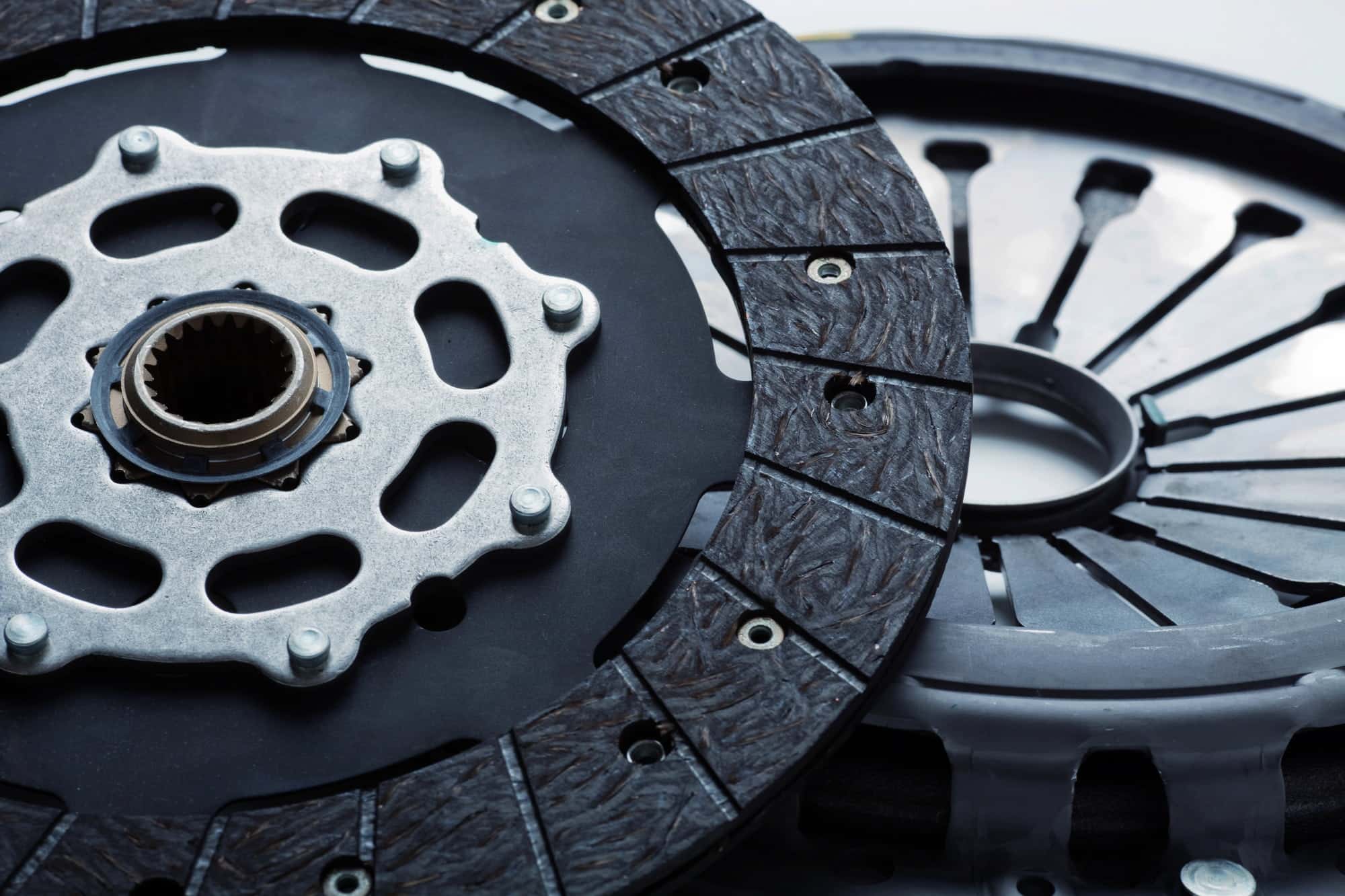
Bentley clutches are hydraulically actuated single-plate or dual-plate assemblies mated to either a traditional manual gearbox or an automated manual transmission. The dual-mass flywheel absorbs torsional vibration from the engine, while the pressure plate clamps the friction disc against the flywheel to transfer torque to the transmission input shaft. When you press the clutch pedal, hydraulic pressure moves the release bearing, which pushes on the pressure plate fingers to disengage the disc. On automated manual models like the Mulsanne, an electrohydraulic actuator replaces the pedal and performs the same function under computer control.
What makes Bentley clutch work different:
- Dual-mass flywheel calibration: The flywheel is matched to engine torque output and must be replaced or resurfaced to factory specifications. Aftermarket flywheels often lack the precise spring rates needed for smooth operation.
- Hydraulic actuation coding: After installing a new clutch on automated manual models, the transmission control module must relearn clutch engagement points and hydraulic pressure curves using factory diagnostic software. This calibration cannot be skipped or approximated.
- Torque-to-yield fasteners: Pressure plate bolts and flywheel bolts are torque-to-yield and must be replaced during every clutch job. Reusing old fasteners risks bolt failure and catastrophic clutch disintegration.
- Input shaft alignment: Bentley specifies a precise alignment procedure using a factory pilot tool to center the clutch disc on the input shaft splines. Misalignment causes difficult shifting and premature release bearing wear.
- Rear main seal service: Because the transmission must be removed to access the clutch, the rear main seal is always inspected and typically replaced as preventive maintenance. This adds labor time but prevents oil contamination of the new clutch.
How We Diagnose Clutch Repair & Replacement Issues on Bentley
When your Bentley exhibits slipping, judder, or difficulty shifting, we start by isolating whether the problem lies in the clutch assembly, hydraulic actuation system, or dual-clutch mechatronics. Our diagnosis follows a methodical path that combines factory-level tooling with hands-on inspection.
- Initial road test and symptom verification. We replicate the concern under real driving conditions – noting slip under load, engagement points, pedal feel, and whether symptoms appear hot or cold. On Continental GT and Flying Spur models with dual-clutch transmissions, we pay close attention to shift quality, clutch pack temperature, and any delay during launch.
- Scan tool interrogation with Bentley-specific diagnostic software. We connect factory-grade scan tools to read clutch position sensors, hydraulic pressure values, and adaptation counters. On dual-clutch systems, we review clutch pack wear data, mechatronic fault codes, and clutch learning values that reveal whether the transmission is compensating for excessive wear.
- Hydraulic system pressure testing. We measure master and slave cylinder pressures to confirm the actuation system can fully disengage and engage the clutch. Bentley hydraulic systems are sensitive to air intrusion and seal degradation, and pressure testing isolates these faults quickly.
- Visual inspection with transmission access. When warranted, we inspect the clutch disc, pressure plate, flywheel surface, and release bearing for glazing, cracking, hot spots, or contamination. On manual-equipped Bentleys, we check for pilot bearing wear and input shaft spline condition.
- Detailed estimate and repair plan. We translate diagnostic findings into a clear breakdown of what needs repair or replacement, why it matters, and what happens if deferred. You receive a transparent quote before any work begins.
Clutch Repair & Replacement on Bentley: Repair vs. Replacement
Not every clutch concern demands a full replacement. We evaluate each case based on component condition, wear patterns, and long-term reliability.
When Repair Makes Sense
- Hydraulic system faults. If the clutch disc and pressure plate show minimal wear but the master or slave cylinder has failed, we replace the faulty hydraulic component and bleed the system to factory spec. This restores proper pedal feel and engagement without touching the clutch assembly.
- Adjustment and re-learning on dual-clutch systems. Some engagement issues on Continental GT dual-clutch transmissions stem from adaptation values drifting out of range. Re-learning clutch bite points with factory software can restore smooth operation when the clutch packs themselves remain within tolerance.
- Flywheel resurfacing. If the flywheel surface shows minor glazing or heat checking but remains within thickness spec, we machine it flat and install a new clutch disc. This extends flywheel life and saves the cost of a dual-mass flywheel replacement.
When Full Replacement Is the Right Call
- Clutch disc worn to rivet heads or contaminated with oil. Once friction material is compromised, partial fixes fail quickly. We replace the disc, pressure plate, and release bearing as a matched set.
- Dual-mass flywheel failure. Bentley dual-mass flywheels on manual-equipped models exhibit internal spring wear and excessive free-play over time. When the flywheel rattles at idle or shows more than spec rotational play, replacement is non-negotiable for smooth operation.
- Dual-clutch pack wear beyond adaptation range. When clutch pack friction material is depleted and the mechatronics can no longer compensate, we replace both clutch packs, ensuring balanced engagement and shift quality.
We walk you through the findings, explain what each option buys you in terms of longevity and performance, and let you make an informed decision. Our salaried technicians have no incentive to upsell – they're paid to fix your Bentley right, not fast.
How to Make Your Bentley Clutch Repair & Replacement Last Longer
Bentley clutches are engineered for high torque and refined engagement, but they respond well to thoughtful driving and maintenance habits.
Driving Habits That Extend Clutch Life
- Avoid riding the clutch pedal. Resting your foot on the pedal during highway driving causes the release bearing to spin against the pressure plate fingers, accelerating wear and generating heat.
- Minimize slip during launch. High-torque Bentley engines can overwhelm clutch friction material if you habitually slip the clutch to modulate power. Use throttle control instead, and let the clutch fully engage once the car is moving.
- Allow proper warm-up in cold weather. Dual-clutch transmissions benefit from a few minutes of gentle driving before full-throttle acceleration. Cold hydraulic fluid and clutch packs don't dissipate heat as effectively, leading to glazing.
- Downshift appropriately. Engine braking is fine, but forcing downshifts at high RPM loads the clutch and synchronizers unnecessarily. Match revs or let the synchros do their job at moderate speeds.
Maintenance You Can Monitor
- Check hydraulic fluid level in the clutch reservoir. Low fluid often signals a leak in the master or slave cylinder. Top off with OEM-spec DOT 4 fluid and have the system inspected if the level drops repeatedly.
- Listen for changes in engagement. New noises during clutch actuation – grinding, squealing, or rattling – often precede component failure. Early diagnosis prevents secondary damage to the flywheel or input shaft.
- Follow Bentley's transmission service intervals. Dual-clutch transmissions require periodic fluid and filter changes to maintain mechatronic function and clutch pack cooling. Skipping these services accelerates wear and invites expensive repairs.
What to Leave to the Shop
Clutch replacement on Bentley models requires transmission removal, specialized alignment tools, and torque-to-yield fasteners that demand precise specs. Dual-clutch systems need factory software to perform clutch adaptation after installation. This work is not DIY-friendly – improper installation causes premature failure, and adaptation errors lead to harsh shifts or slipping. Trust our master technicians, equipped with Bentley-specific tooling and over a decade of experience each, to handle the job correctly the first time. Our 3-year/36,000-mile warranty backs every clutch repair and replacement we perform.
What to Expect When You Bring Your Bentley In
We start every clutch concern with a thorough inspection and a test drive to confirm symptoms – slipping under load, high engagement point, or pedal vibration. Here's how the process unfolds:
- Drop-off and initial assessment: Schedule an appointment or call ahead. Leave personal items at home; we'll need the cabin clear for transmission removal. If you need a loaner or shuttle service, let us know when booking.
- Diagnosis and written estimate: We'll scan for fault codes, measure clutch pedal travel, and inspect hydraulic components. You'll receive a detailed estimate covering the clutch kit, flywheel resurfacing or replacement if needed, and any related seals or slave cylinders.
- Repair execution: Once approved, we drop the transmission, inspect the pressure plate and friction disc for wear patterns, measure flywheel runout, and install OEM or premium components per factory spec. Hydraulic systems are bled and recalibrated.
- Post-repair verification: Every car gets a road test to confirm smooth engagement across the rev range and a final scan to clear adaptation values. We'll walk you through what we found and what we replaced at pickup.
If anything feels off in the first few hundred miles – unusual pedal effort or engagement creep – call us immediately. We'll recheck hydraulic bleed procedures and adaptation settings at no charge. After-hours pickup can be arranged; just ask when you schedule.
Our Bentley Services
- Air Conditioning AC Repair
- Battery Repair Replacement
- Brake Repair & Brake Fluid Change
- Check Engine Light Diagnostics
- Coolant Leak Repair
- Cooling System Repair
- Drive Shaft Repair
- Engine Repair
- Exhaust & Catalytic Converter Repair
- Head Gasket Repair & Replacement
- Oil Change
- Oil Leak Repair
- Scheduled Service Maintenance
- Steering Repair
- Suspension Repair
- Cambelt Timing Belt Replacement
- Transmission Repair
- Tune Up
- Wheel Alignment