
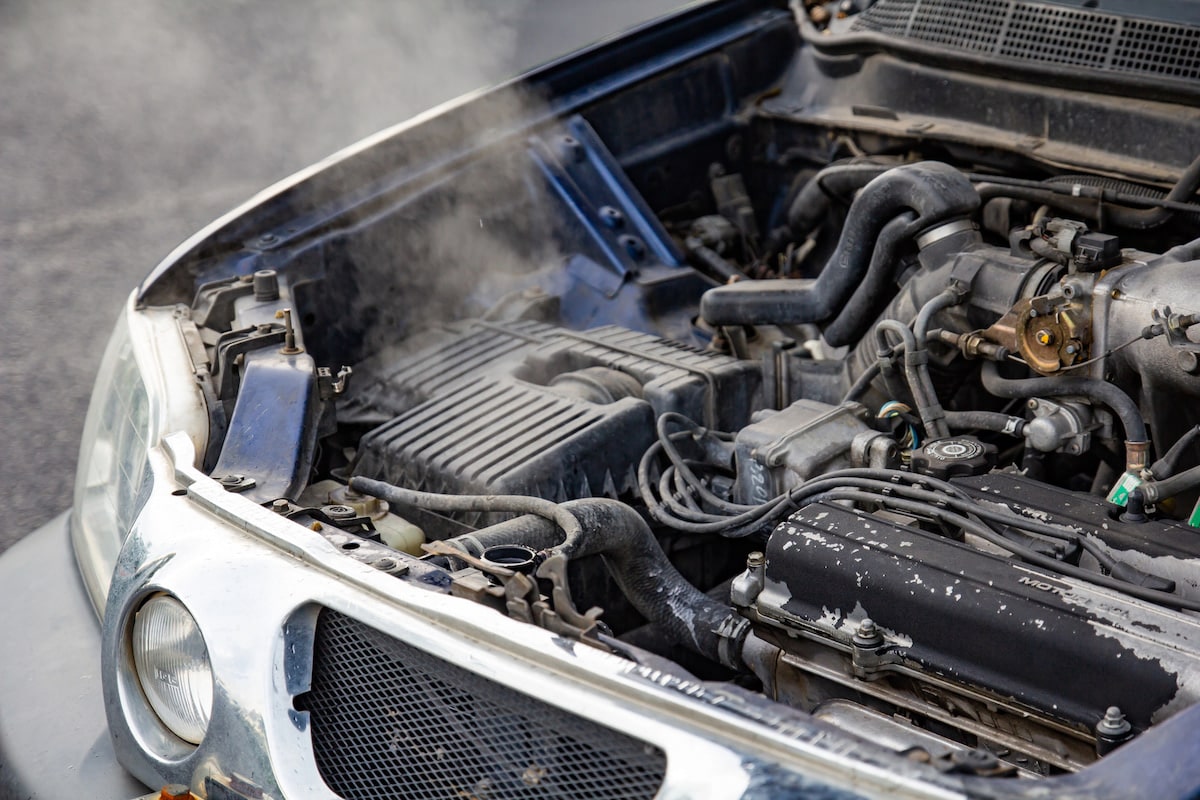
MINI Coolant Leak Repair at DART Auto
You've spotted a puddle under your MINI, or the temperature gauge is creeping higher than normal. Coolant leaks in MINI vehicles demand attention from technicians who understand the compact engine bays, plastic-intensive cooling systems, and model-specific failure points that define these cars. Since 2000, DART Auto has specialized in European vehicles, and we've seen every generation of MINI coolant system failure – from early R50/R52/R53 models with their Tritec and supercharged engines to the latest turbocharged B-series powertrains in F-chassis cars.
MINI cooling systems use a network of plastic expansion tanks, thermostat housings, and water pump assemblies that become brittle over time, especially in Colorado's temperature swings. The factory BMW diagnostic software (ISTA/D) is often necessary to properly bleed the system and verify sensor operation after repairs. Our master technicians use OEM procedures, torque specifications for aluminum block interfaces, and the correct BMW/MINI coolant formulation to prevent electrolysis and ensure long-term reliability. We diagnose the actual source – not just the visible symptom – so you're not back in a month with a different leak.
When you bring your MINI to DART Auto for coolant leak repair, you can expect:
- Complete pressure testing and UV dye tracing to pinpoint every leak source before we quote the repair
- OEM or premium aftermarket parts from suppliers like Rein, Mahle, or genuine BMW/MINI components
- Proper system bleeding using factory procedures and diagnostic software to eliminate air pockets
- A 3-year/36,000-mile warranty on parts and labor, giving you confidence the repair is done right
Common Coolant Leak Repair Issues on MINI Vehicles
If you're seeing puddles under your MINI or the temperature gauge creeping higher than normal, you're not alone. These cars are brilliant to drive, but certain coolant system components wear predictably – and we see the patterns every week. Here's what typically brings MINI owners through our doors:
- Expansion tank cracking (2002–2013 R50/R52/R53/R56 Cooper/S): The plastic expansion tank mounted near the firewall develops stress cracks at the seams and mounting tabs, especially after heat cycling over 80,000 miles. You'll notice steam from the engine bay or a sweet smell through the vents. This is the single most common coolant leak we diagnose on first- and second-generation MINIs.
- Thermostat housing leaks (N14/N18 engines, 2007–2015): The plastic thermostat housing on turbocharged Cooper S models warps and weeps coolant from the gasket surface. Early N14 engines (2007–2010) are especially prone due to the original housing design. Left unchecked, this drips onto the alternator and starter, creating electrical faults on top of the coolant loss.
- Water pump failure (N12/N14/N16/N18, 2007–2016): Electric water pumps on these engines fail internally – you'll see coolant seeping from the pump body or hear a grinding whir at idle. The N14 in particular has a high failure rate between 60,000–90,000 miles. When the pump quits, the engine overheats in minutes, risking head gasket damage.
- Radiator end-tank separation (R56/R57/R58/R59, 2007–2015): The crimped seam where plastic end tanks meet the aluminum core can separate after years of thermal stress. You'll see green coolant pooling under the front bumper. This failure often coincides with original hoses becoming brittle.
- Coolant hose deterioration (all models, 100,000+ miles): The lower radiator hose, heater hoses, and small bypass lines harden and crack from the inside out. MINIs driven in stop-and-go traffic or extreme climates accelerate this wear. A pinhole leak in a heater hose can spray coolant onto the cabin air filter and fog your windshield.
- Cylinder head gasket seepage (N14 turbo engines, high-mileage): While less common than the items above, N14 engines that have overheated even once are at risk for head gasket weeping between cylinders or into the oil passages. You'll see milky residue under the oil cap or persistent coolant loss with no visible external leak.
Why Choose DART Auto for MINI Coolant Leak Repair
You've noticed the sweet smell under the hood, or maybe the low-coolant warning lit up on your dash. MINI coolant leaks don't wait, and neither should you. DART Auto brings over two decades of European-focused experience to every MINI that rolls into our shop, backed by factory-level diagnostic tools and master technicians who've trained on BMW Group platforms – including the N12, N14, N16, N18, and B38 engines that power R55 through F-series MINIs.
We own the repair from start to finish. That means pressure-testing the cooling system with OEM-spec adapters, identifying whether you're dealing with a cracked expansion tank (common on 2007–2013 R56 models), a weeping thermostat housing, or a radiator end-tank failure. Our salaried technicians aren't incentivized to rush – they're paid to get it right. We cross-reference MINI technical service bulletins, use genuine BMW/MINI coolant specifications, and verify the fix with a post-repair pressure hold and scan-tool check for stored fault codes.
- Platform expertise: Familiar with MINI-specific weak points like plastic coolant pipe routing on N14 turbo engines and the electric water pump failures on F-series cars.
- Dealer-grade tools without dealer pricing: We invest in BMW ISTA diagnostic software and specialty pullers for water-pump replacement – the same equipment the dealer uses.
- 3-year/36,000-mile warranty: Parts and labor covered, so you drive away confident the leak is solved for the long haul.
Symptoms – How to Know You Need This Service
Coolant leaks often announce themselves before they become catastrophic. You may notice:
- Sweet smell in the cabin or around the engine bay – ethylene glycol has a distinctive odor that becomes obvious when the heater is running or after shutting down a hot engine
- Visible puddles or drips under the car – usually bright green, orange, or pink fluid pooling near the front or passenger side of the engine
- Temperature gauge climbing higher than normal – especially in traffic or during spirited driving when coolant volume is low
- Low coolant warning light or message on the dashboard – MINI vehicles monitor coolant level electronically; this warning means the expansion tank level has dropped
- White or sweet-smelling steam from the exhaust – indicates coolant entering the combustion chamber, often from a head gasket failure (stop driving immediately)
- Visible coolant staining on hoses, the expansion tank, or thermostat housing – crusty white or green residue shows where leaks have been weeping slowly
- Heater blowing cold air despite the engine being warm – low coolant level prevents proper heater core function
- Engine overheating or entering limp mode – this is a stop-driving-now situation; continued operation risks head gasket or block damage
If you see steam, smell coolant inside the cabin, or the temperature gauge enters the red zone, pull over safely and shut down the engine. Continued driving with insufficient coolant can warp the cylinder head or crack the block.
Which MINI Models We See for Coolant Leak Repair
We service the full range of MINI platforms, and coolant leaks are common across every generation due to the plastic cooling components and compact packaging. The models we see most frequently include:
- R50/R52/R53 (2002–2008 Cooper, Cooper S, Convertible) – Tritec and supercharged W11 engines with notorious expansion tank and thermostat housing failures
- R55/R56/R57 (2007–2013 Clubman, Cooper, Convertible) – N12/N14/N16/N18 turbocharged engines prone to water pump leaks and plastic thermostat housing cracks
- R58/R59 (2011–2015 Coupe, Roadster) – share N18 cooling system issues with R56 platform
- R60/R61 (2010–2016 Countryman, Paceman) – N14/N16/N18 engines with similar water pump and expansion tank vulnerabilities, plus ALL4 models with additional cooling for the rear differential
- F54/F55/F56/F57 (2014–present Clubman, Cooper 5-door, Cooper, Convertible) – B-series engines (B38/B46/B48) with updated but still plastic-intensive cooling systems; water pump and thermostat housing remain common failure points
- F60 (2017–present Countryman) – B-series engines with complex cooling routing for turbocharged and ALL4 variants
- JCW variants across all generations – higher heat loads and performance driving accelerate cooling system wear
We have the diagnostic tools, OEM repair procedures, and parts sourcing for all these platforms. If you drive an older R53 or a brand-new F-chassis MINI, we'll identify the leak source and fix it correctly the first time.
Causes & Risks – What Happens if Ignored
MINI coolant leaks stem from a mix of thermal cycling, material fatigue, and design choices that prioritize packaging over long-term durability. Plastic components – expansion tanks, thermostat housings, radiator end tanks – are tucked into tight engine bays where heat builds quickly. Denver's temperature swings and altitude put extra stress on these parts. Short trips never let the system fully stabilize, and aggressive driving (which these cars invite) cycles coolant temperatures rapidly.
Here's what escalates when you delay repair:
- Overheating and head gasket failure: A slow leak becomes a fast overheat once coolant drops below the sensor threshold. On turbocharged N14/N18 engines, a single overheat event can warp the aluminum head or blow the gasket, turning a few-hundred-dollar repair into a multi-thousand-dollar engine rebuild.
- Electrical system damage: Coolant dripping onto the alternator, starter, or wiring harnesses causes corrosion and shorts. We've seen alternators fail within weeks of an ignored thermostat housing leak, adding another layer of cost and downtime.
- Heater core contamination: When coolant level drops, air pockets form in the heater core. You lose cabin heat in winter, and the trapped air accelerates internal corrosion. Flushing or replacing a heater core is a dashboard-out job – expensive and time-consuming.
- Turbocharger and oil cooler stress: Turbocharged models rely on coolant to manage oil temperatures. Running low on coolant reduces cooling capacity, causing oil to break down faster and potentially damaging turbo bearings or the oil cooler itself.
- Stranded on the roadside: A cracked expansion tank or failed water pump can dump coolant in minutes. Once the temperature spikes, continuing to drive risks catastrophic engine damage. The tow bill and lost time add insult to injury.
Safety Impact – Why Coolant Leak Repair Matters
Coolant leaks don't directly affect your brakes or airbags, but they create hazards that can put you and your passengers at risk. An overheating engine loses power abruptly – imagine merging onto I-25 when the temperature light flashes and the engine goes into limp mode. Steam venting from under the hood reduces visibility and can cause you to pull over in traffic. If coolant sprays onto hot exhaust components, you'll smell it immediately, and in rare cases it can ignite.
Know when to act:
- Stop driving now: Temperature gauge in the red, steam from the hood, sudden loss of power, or coolant pooling rapidly under the car.
- Schedule this week: Visible coolant spots on your driveway, sweet smell in the cabin, temperature gauge reading higher than normal, or low-coolant warning light illuminated.
- Monitor closely: Slight coolant smell after hard driving, minor seepage around hose clamps, or needing to top off coolant every few months.
Driving a MINI with a known coolant leak and then experiencing an overheat-related breakdown can complicate insurance claims if the failure contributed to an accident. More importantly, you're risking a repair bill that balloons from a few hundred dollars to several thousand – and the inconvenience of being stranded far from home.
How MINI Coolant Leak Repair Actually Works
MINI's cooling system is a pressurized, closed-loop design. Coolant circulates from the engine block through the radiator, thermostat housing, expansion tank, and heater core, driven by an electric water pump (on most 2007+ models) or a belt-driven pump on earlier engines. The expansion tank maintains system pressure and accommodates fluid expansion as temperatures rise. A pressure cap rated to 1.4–1.6 bar keeps the boiling point elevated, critical at Denver's altitude.
What makes MINI different:
- Electric water pump (N12/N14/N16/N18/B38/B46/B48 engines): Unlike traditional belt-driven pumps, MINI's electric pump is controlled by the engine computer and runs independently of engine speed. This improves efficiency but requires specific diagnostic software to test pump operation and bleed air from the system after repairs.
- Integrated thermostat housing: The thermostat, coolant outlet, and sensor mounts are molded into a single plastic assembly. Replacing it requires precise torque specs (8–10 Nm in a specific sequence) to avoid warping the mating surface. OEM or premium aftermarket housings use reinforced plastic; cheaper parts crack again within a year.
- Bleeding procedure: Air pockets in MINI cooling systems cause erratic temperature readings and reduce heat transfer. Proper bleeding requires running the engine at specific RPM while manipulating bleeder screws and monitoring live data with factory-level scan tools. Skipping this step leaves air trapped, leading to repeat overheating.
- Coolant specification: MINI specifies a phosphate-free, silicate-free coolant (typically a G48 or equivalent OAT formulation) mixed to a precise ratio. Using the wrong coolant or tap water instead of distilled accelerates corrosion in aluminum components.
Our process starts with a pressure test to pinpoint the leak source, followed by a visual inspection of hoses, clamps, and housings under load. We replace failed components with OEM or equivalent parts, torque everything to spec, refill with the correct coolant mix, bleed the system using our diagnostic software, and
How We Diagnose Coolant Leak Repair Issues on MINI
Your MINI is showing signs of a coolant leak – maybe a puddle under the car, a sweet smell from the vents, or the temperature gauge climbing higher than normal. We've diagnosed thousands of these issues on R50, R53, R56, F55, and F56 chassis MINIs, and we know exactly where to look. Our process is methodical and fast, so you get answers without wasting time or money on guesswork.
- Visual inspection and pressure test: We start with a thorough underhood inspection, checking common failure points like the thermostat housing (a notorious weak spot on N14 and N18 engines), expansion tank caps and tanks themselves (brittle plastic on 2007–2013 models), water pump seals, and radiator end tanks. We pressurize the cooling system with a specialized tester to reveal leaks that only show up under operating pressure.
- Scan tool diagnosis: We connect factory-level diagnostic equipment to pull live coolant temperature data, verify thermostat operation, and check for stored fault codes related to overheating or coolant level sensors. MINI's cooling systems are tightly integrated with the engine management system, so software tells us what the hardware is doing wrong.
- Dye trace and UV inspection: For elusive leaks – seeping hose connections, hairline cracks in plastic components – we add UV-reactive dye to the coolant and run the engine to operating temperature. A UV light reveals the exact leak path, even on multi-piece housings where the failure point isn't obvious from the outside.
- Component-specific checks: We inspect heater core connections (common on R53 supercharged models), oil cooler seals (N14 and Prince engines), and turbocharger coolant lines on Cooper S variants. Each generation has its own weak links, and we know them all.
Once we've pinpointed the source, we walk you through what failed, why it happened, and exactly what it takes to fix it. You get a detailed quote and a clear timeline before any wrench turns.
Coolant Leak Repair on MINI: Repair vs. Replacement
Not every coolant leak means replacing an entire assembly. The right approach depends on what failed, how the rest of the system looks, and how long you plan to keep the car. Here's how we decide:
When a True Repair Makes Sense
- Loose or degraded hose clamps: If the leak is at a hose connection and the hose itself is still pliable, we replace the clamp and verify the seal. Quick, inexpensive, effective.
- Expansion tank cap failure: A faulty pressure cap can cause system overpressure and leaks elsewhere. Replacing the cap (and confirming the tank neck isn't cracked) often solves the problem without further work.
- Minor gasket seepage: Early-stage seepage at a thermostat housing gasket can sometimes be addressed with a fresh gasket and proper torque sequence, especially if caught early and the housing isn't warped or cracked.
When Partial Replacement Is the Right Call
- Thermostat housing cracks: The plastic thermostat housing on N14 engines (2007–2010 Cooper S) is infamous for cracking. We replace the housing with an upgraded part, reuse the thermostat if it's still functioning, and install fresh coolant.
- Water pump seal leaks: If the pump bearing and impeller are sound but the seal is weeping, replacing the pump assembly is straightforward and prevents a roadside breakdown. On N18 engines, the pump is integrated with the thermostat – we replace the unit and keep the hoses.
When Full Replacement Is Required
- Expansion tank failure: Cracked tanks on 2007–2013 models need full replacement. The plastic becomes brittle over time, and patching isn't safe or reliable.
- Radiator end tank separation: When the plastic end tanks separate from the aluminum core (common on high-mileage R56 models), the radiator must be replaced. Trying to glue or clamp it back together is a recipe for an overheat on the highway.
- Multiple simultaneous leaks: If the expansion tank, hoses, and thermostat housing are all showing age-related failures, replacing the affected components together saves labor cost and ensures the system is reliable for years to come.
We present the options, explain the trade-offs, and let you make the call. Our technicians are salaried, not flat-rate, so there's no incentive to upsell you into unnecessary replacements.
How to Make Your MINI Coolant Leak Repair Last Longer
Once we've fixed your coolant leak, a few smart habits will keep your MINI's cooling system healthy and help you avoid a repeat visit. MINIs are engineered for spirited driving, but their cooling systems benefit from a little attention.
Driving Habits That Protect Your Cooling System
- Let the engine warm up before hard acceleration: Cold coolant and oil don't flow as efficiently. Give the engine a minute or two to reach operating temperature before pushing the turbo or supercharger hard.
- Monitor the temperature gauge: If you see the needle climbing above normal, pull over safely and shut down. Driving on an overheating engine can warp the cylinder head or blow the head gasket – far more expensive than a coolant leak.
- Avoid short trips in extreme cold: Repeated cold starts without letting the engine reach full operating temperature can stress seals and gaskets. Combine errands when possible.
Maintenance You Can Do Yourself
- Check coolant level monthly: Pop the hood when the engine is cold and verify the expansion tank level is between the min and max marks. A slow drop signals a developing leak.
- Look for puddles and stains: After the car has been parked overnight, glance underneath for fresh coolant (usually green, pink, or orange). Catching a leak early means a smaller repair bill.
- Sniff for sweet smells: A sweet, syrupy odor from the vents or engine bay often means coolant is leaking onto a hot component. Don't ignore it.
What to Leave to the Professionals
- Coolant flushes and bleeds: MINI cooling systems require specific bleeding procedures to avoid airlocks. Improper bleeding can cause overheating and sensor faults. Let us handle it.
- Thermostat and water pump replacement: These jobs involve draining the system, accessing buried components, and refilling with the correct BMW/MINI coolant spec. DIY attempts often result in leaks, overheating, or stripped fasteners.
- Software updates: MINI occasionally releases cooling system-related software updates that adjust fan control and temperature mapping. We have the factory scan tools to apply them.
Stick to the factory service intervals, use OEM or OEM-equivalent coolant (never generic "universal" antifreeze), and bring the car in if anything seems off. Our 3-year/36,000-mile warranty backs the work, and our master technicians are always available to answer questions between services.
What to Expect When You Bring Your MINI In
We know you need your car back quickly, but we won't cut corners to make that happen. Here's how the process unfolds when you schedule coolant leak repair at DART Auto:
- Drop-off and intake: Bring your MINI in at your scheduled time. We'll ask about symptoms – overheating, puddles, dashboard warnings – and note any recent repairs. If you need a loaner or shuttle, let us know when you book; we'll arrange it based on availability.
- Diagnostic inspection: Our technician pressure-tests the cooling system, scans for fault codes, and performs a visual inspection of hoses, radiator end-tanks, expansion tank, water pump, and thermostat housing. We document the leak source with photos when possible.
- Written estimate and approval: You'll receive a detailed estimate explaining what failed, why it matters, and what happens if you delay the fix. We won't start work until you approve the scope and cost.
- Repair execution: We replace failed components with OEM or premium aftermarket parts, refill the system with BMW-spec coolant, bleed air pockets, and run the engine to operating temperature while monitoring for leaks.
- Post-repair verification: Before you pick up, we road-test the car, re-scan for codes, and confirm the cooling system holds pressure. You'll get a walk-through at pickup – we'll show you what we replaced and answer any questions.
After-hours pickup can be arranged if your schedule demands it. If anything feels off in the days following your repair – temperature gauge acting strange, a new drip – call us immediately. We'll get you back in and make it right under warranty, no argument.
Our MINI Services
- Air Conditioning AC Repair
- Battery Repair Replacement
- Brake Repair & Brake Fluid Change
- Check Engine Light Diagnostics
- Clutch Repair & Replacement
- Cooling System Repair
- Drive Shaft Repair
- Engine Repair
- Exhaust & Catalytic Converter Repair
- Head Gasket Repair & Replacement
- Oil Change
- Oil Leak Repair
- Scheduled Service Maintenance
- Steering Repair
- Suspension Repair
- Cambelt Timing Belt Replacement
- Transmission Repair
- Tune Up
- Wheel Alignment